Столбовая страница? ~4000 слов? Глобально? Техническое обслуживание + ранние признаки неисправности? Часто задаваемые вопросы: 6
Нагревательные элементы в электрических духовых шкафах и плитах долговечны, но всё же являются расходными компонентами. Срок их службы зависит от температуры, частоты циклов включения, качества соединений и внутренней среды прибора. Надлежащее обслуживание снижает количество необъяснимых отказов, улучшает равномерность приготовления и помогает выявить опасности в проводке на ранней стадии, до того как они потребуют серьёзного ремонта.
Инженерная справка: компания TUTCO описывает нагревательный элемент как компонент, состоящий из электропроводящего и изоляционного материала с выводными соединителями, предназначенный для выполнения функции нагрева, и отмечает, что срок службы нагревателя ограничен окислением, изменением сопротивления, повреждениями и деформацией с течением времени. https://tutco.com/conductive/heating-elements
- Основы нагревательных элементов (что это такое, почему важны соединения)
- Распространённые типы нагревательных элементов в духовых шкафах и плитах
- График планового технического обслуживания (еженедельно/ежемесячно/ежеквартально)
- Рекомендации по очистке (и чего следует избегать)
- Проверка производительности: время предварительного разогрева, стабильность температуры, неравномерность приготовления
- Ранние признаки неисправности элемента или проводки
- Краткое дерево решений для диагностики неисправностей
- Готовность к замене: как предотвратить повторные перегорания
- ЧЗВ (6)
- Ссылки и обязательные внутренние ссылки
Согласно TUTCO, нагревательный элемент представляет собой сборку: резистивный сплав, в котором происходит электрическая нагрузка, а также изолирующая основа и соединители. С практической точки зрения технического обслуживания вы обслуживаете всю систему: поверхность элемента, крепления, клеммы, изоляцию, а также безопасный поток воздуха и зазоры.
Источник: Статья о нагревательных элементах TUTCO.
Ослабленный соединитель увеличивает сопротивление в точке контакта, создавая локальный нагрев (горячую точку). Это может привести к обесцвечиванию клемм, повреждению изоляции проводки, а также к прерывистому нагреву или полному отказу. Вот почему «плотные соединения» являются повторяющейся темой в инструкциях по замене нагревателей.
Пример формулировки по безопасности: инструкции Whirlpool по замене элемента предписывают убедиться в плотности соединений проводов и соблюдать безопасные процедуры подачи напряжения. Ссылка.
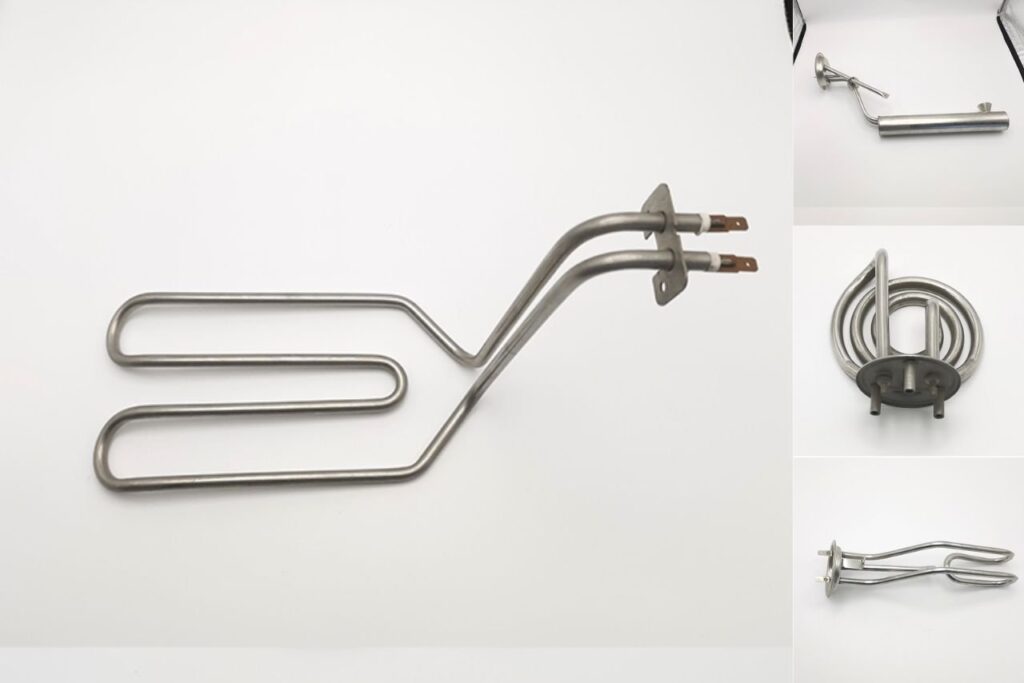
TUTCO описывает трубчатые нагреватели как спираль, окружённую изолирующим порошком, заключённую в металлическую оболочку, и отмечает, что типичное место их установки — внутри электрической кухонной духовки. Источник.
| Формат элемента/нагревателя | Где применяется | Акцент на передаче тепла | Основное внимание при обслуживании |
|---|---|---|---|
| Трубчатый элемент для выпечки/гриля | Большинство электрических духовых шкафов | Излучение + конвекция | Содержать в чистоте, предотвращать физический контакт с камерой, проверять клеммы |
| Открытая спираль (с опорой/подвесом в рамке) | Некоторые специализированные нагреватели и воздухонагреватели (концептуальная справка) | Конвекция + излучение | Поток воздуха и зазоры; предотвращение провисания/контакта (согласно обсуждению структуры TUTCO) |
| Толстоплёночные / тонкоплёночные поверхностные нагреватели | Различные приборы и компактные нагревательные модули | Преимущественно теплопроводность на границе раздела | Защита поверхностей; избегать царапин; проверять датчики/системы управления |
Таблица 1 — В духовых шкафах чаще всего используются трубчатые элементы; другие технологии нагревателей существуют в различных приборах и продуктовых семействах.
Компания JINZHO группирует продукты-нагреватели под Нагревательный элемент, Нагревательные трубки, Нагревательная пластина, и Нагревательная пленка. Решения по нагреву при литье под давлением.
| Частота | What to do | Что предотвращает |
|---|---|---|
| После проливов (по мере необходимости) | Протирать пролитое после остывания; аккуратно удалять пригоревшие остатки | Горячие точки от обугленного мусора; дым/запах; коррозия |
| Ежемесячно | Осматривать элемент выпечки и элемент гриля на наличие вздутий, трещин или провисания | Внезапный обрыв цепи; контакт с камерой/дуговой разряд |
| Ежеквартально | Проверять состояние уплотнения дверцы; убедиться, что решётки скользят плавно; проверить поведение при предварительном разогреве | Потери тепла, увеличенное время предварительного разогрева, неравномерное приготовление |
| Ежегодно (или при первом симптоме) | Отключить питание; проверить клеммы и состояние проводки за креплениями элемента (при наличии доступа) | Горячие точки на соединителях; хрупкая изоляция; прерывистый нагрев |
Таблица 2 — Техническое обслуживание в основном заключается в осмотре и аккуратной очистке; наибольший эффект даёт раннее выявление деградации проводки/клемм.
- Дайте духовке полностью остыть перед протиркой.
- Используйте неабразивную губку/ткань для регулярной очистки.
- Для удаления застарелых загрязнений используйте одобренные производителем чистящие средства и дайте им время воздействия вместо интенсивного соскабливания.
- Держите чистящие средства подальше от клемм и отверстий для прохода проводов.
- Абразивных губок на поверхностях нагревательных элементов (могут повредить защитный оксидный слой).
- Замачивания или распыления чистящих средств непосредственно в отверстия задней стенки (могут попасть на клеммы/изоляцию).
- Изгибания трубчатых элементов для их выпрямления (может привести к растрескиванию внутренней изоляции/уплотнению порошка).
TUTCO отмечает, что материалы нагревателей и срок их службы зависят от окружающей среды и загрязнителей; агрессивные химикаты могут ускорить выход из строя некоторых сплавов. Ссылка.
- Тенденция времени предварительного нагрева: Если время предварительного нагрева постепенно увеличивается в течение недель/месяцев, подозревайте ослабление нагревательного элемента или потерю тепла (проблемы с уплотнением/дверцей).
- Равномерность: Если одна сторона постоянно подрумянивается быстрее, это может быть связано с воздушным потоком/положением решетки, но также может указывать на частично вышедший из строя элемент.
- Мощность гриля: Слабое подрумянивание может указывать на проблему с элементом гриля или управлением.
Если вы видите искры, слышите гудение на клеммах или чувствуете запах горящей изоляции, отключите прибор и проверьте проводку.
| Предупреждающий признак | Что это может означать | What to do |
|---|---|---|
| Вздутие или пузырь на элементе | Локальный перегрев; приближающийся обрыв | Запланируйте замену; проверьте затяжку клемм |
| Провисание элемента в сторону корпуса | Механическая деформация; возможный риск контакта/искрения | Прекратите использование при вероятном контакте; замените элемент |
| Обесцвечивание клемм (синий/черный/коричневый) | Точка перегрева разъема из-за ослабления | Замените клемму и элемент при тепловом повреждении; обеспечьте плотную посадку |
| Срабатывание автомата при включении нагрева | Короткое замыкание на корпус, повреждение изоляции или выход элемента из строя | Остановитесь; проведите безопасную проверку или вызовите специалиста |
Таблица 3 Эти признаки часто появляются до полного отказа нагрева.
Полное отсутствие нагрева, отказ только выпечки, отказ только гриля, медленный предварительный нагрев или неравномерная температура.
Ищите трещины, вздутия, провисания или сквозные прогары на элементе.
Подтвердите, оборван ли элемент. Если элемент исправен, переходите к проводке и управлению.
Проверьте номинал и геометрию, восстановите ослабленные клеммы. Плотные соединения предотвращают повторный перегрев.
Напоминание: шаги замены нагревателя Whirlpool явно включают «Проверьте новый элемент» по паспортной табличке (напряжение/мощность). Источник.
- Сопоставьте замену с паспортной табличкой/моделью прибора.
- Осмотрите и замените поврежденные нагревом клеммы-«лопатки».
- Убедитесь, что крепления элемента надежны, чтобы элемент не мог касаться металла.
TUTCO объясняет, что окисление и циклические нагрузки вызывают износ нагревателя, и что снижение удельной мощности (более низкая температура элемента) можете избегайте дополнительного нагрева в ослабленных соединениях и поддерживайте поверхность элемента свободной от изолирующих пригоревших отложений. Ссылка.
Это зависит от условий использования. TUTCO отмечает, что все резистивные нагревательные элементы со временем перегорают из-за окисления, изменения сопротивления, повреждений и деформации. Источник.
Легкое протирание в холодном состоянии обычно допустимо, но избегайте абразивов и агрессивных химикатов. Не сгибайте элемент и не замачивайте области возле клемм.
Распространенные причины включают ослабление элемента выпечки, утечку через уплотнитель дверцы или проблемы с датчиком/управлением температуры.
Обесцвеченные разъемы-«лопатки» (коричневые/синие/черные), хрупкая изоляция или разъем, который болтается на контакте элемента.
Сопоставьте модель, напряжение/мощность и геометрию. Шаг Whirlpool «Проверьте новый элемент» (водонагреватель) подчеркивает проверку паспортной таблички на напряжение и мощность — перенесите эту привычку на духовки. Ссылка.
Среди приборов встречаются нагревательные трубки, пластины и пленки, а также интегрированные литые нагревательные модули. Категории JINZHO показывают примеры этих семейств: Нагревательные трубки, Нагревательная пластина, Нагревательная пленка, и Решения по нагреву при литье под давлением.
- Нагревательный элемент
- Производитель нагревательных элементов
- Завод по производству нагревательных элементов
- Решения по нагреву при литье под давлением
- Обзор технической информации TUTCO: https://tutco.com/conductive/heating-elements
- Рекомендации Whirlpool по замене нагревателя (проверка + плотные соединения + безопасная последовательность повторного включения): https://www.whirlpoolwaterheaters.com/support/help/element-was-out-of-range/24
- Категории нагревателей JINZHO: Нагревательный элемент, Нагревательные трубки, Нагревательная пластина, Нагревательная пленка, Решения по нагреву при литье под давлением, Электрический котел-нагреватель
- Пример раскрытия спецификации (другое приложение): https://usa.hudsonreed.com/1000-plug-in-watt-electric-heating-element-76309
Отказ от ответственности: Данное руководство носит информационный характер. Всегда следуйте инструкциям по обслуживанию от производителя вашего прибора и местным требованиям электробезопасности.