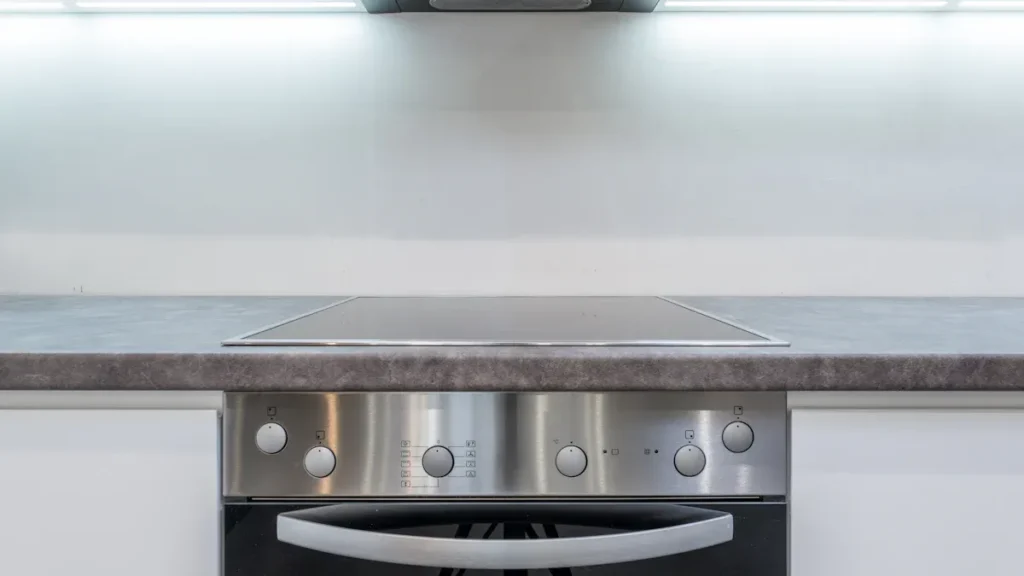

Modern kitchens now feature advanced oven heating elements that deliver faster, more precise heat. As the global oven market approaches USD 5 billion by 2034, manufacturers like 金中電熱 and other leading 発熱体メーカー continue to innovate. The popularity of multi-technology heating elements, inverter systems, and smart connectivity transforms household appliances and enhances cooking performance.
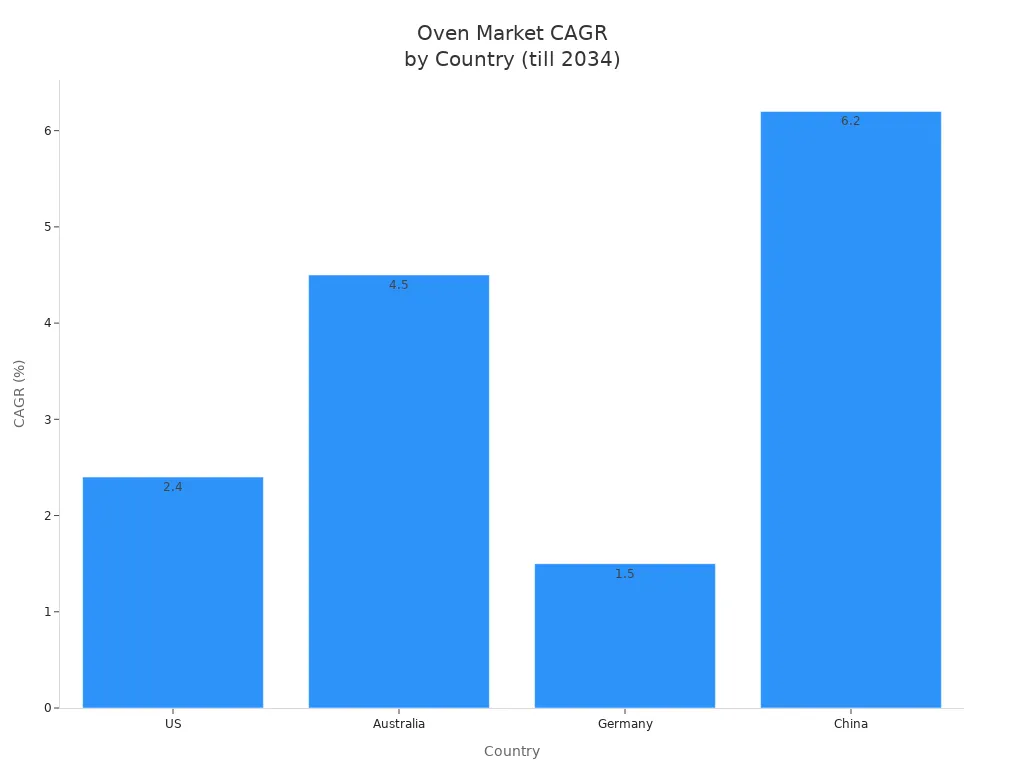
In 2024, over 53% of new appliances adopt multi-mode 電熱線 technology, which ensures even heat and improved energy efficiency for 家電製品の加熱素子.
| Technology / Feature | Adoption / Popularity Metrics | Key Benefits / Notes | Leading Manufacturers / Examples |
|---|---|---|---|
| Multi-technology heating modes | Over 53% of recent models integrate convection, microwave, and impingement | Faster and more precise cooking | Whirlpool, Miele, TurboChef |
| Inverter-based heating systems | 31% of new ovens incorporate inverter systems | Energy efficiency, reduces electricity consumption by up to 23% | Whirlpool (Smart Inverter High-Speed Oven) |
| AI-enabled sensors and smart inverter | 19% increase in auto-cook and moisture detection | Improves cooking accuracy and reduces human intervention | Whirlpool, Bosch (TouchConnect HomeLine) |
Overview of Modern Oven Heating Elements

Types of Oven Heating Elements
電気ヒーター
電気 heating elements remain the most common choice in modern ovens. These elements use advanced alloys such as nickel-chromium or iron-chromium-aluminum to convert electrical energy into heat. Manufacturers design these heating elements for rapid thermal response and improved durability. Stainless steel and encapsulated tubular designs now replace older cast iron models, providing better heat transfer and corrosion resistance. Many household appliances rely on electric heating elements for consistent performance.
Induction Heating Elements
Induction heating elements use electromagnetic fields to generate heat directly within cookware. This technology allows for precise temperature control and rapid heating. Induction elements do not heat the oven cavity itself, which increases safety and energy efficiency. Many appliances with induction heating elements offer digital interfaces for easy adjustments.
Convection Heating Elements
Convection heating elements work with integrated fans to circulate hot air throughout the oven. This design ensures even heat distribution and reduces cooking times. Modern convection ovens often include multiple heating elements to optimize temperature for different dishes. Many household appliances now feature convection systems for improved results.
Infrared Heating Elements
Infrared heating elements use ceramic or carbon fiber materials to emit radiant heat. These elements provide fast, direct heating and enhance browning and crisping. Infrared technology improves energy efficiency and allows for more accurate heat control. Many appliances with infrared heating elements support advanced cooking modes.
Hybrid and Combination Heating Elements
Hybrid and combination heating elements blend multiple technologies, such as convection, microwave, and steam. These systems offer flexibility and allow users to select the best heating method for each recipe. Many modern ovens feature hybrid heating elements to meet diverse cooking needs.
Key Features and Innovations in Heating Elements
Rapid Heating Technology
Recent advances in heating element design enable rapid preheating and faster cooking. Multi-spiral and enclosed heating structures increase the surface area for heat transfer. Low voltage operation supports quick thermal response and power-off protection.
エネルギー効率の向上
Modern heating elements use energy-efficient designs to reduce electricity consumption. Convection fans and encapsulated elements minimize heat loss. Many appliances now meet international standards for energy savings.
Smart Controls and Connectivity
デジタル制御インターフェース have become standard in modern ovens. These interfaces blend physical buttons with touch displays that activate when users approach. Smart technology integration allows remote monitoring and control of heating elements through smartphones.
Enhanced Durability and Materials
Manufacturers use advanced heat-resistant materials inside the oven cavity to improve durability. Heating elements now feature corrosion-resistant alloys and fire-retardant coatings. These improvements ensure long-lasting performance, even under frequent use.
均一な熱分布
Convection heating elements and zoned heating systems deliver even heat throughout the oven. Multiple heating elements work together to eliminate hot spots and ensure consistent results. Automatic heating programs optimize heat for different dishes, enhancing user experience.
Modern oven heating elements distinguish themselves from traditional models by using advanced materials, digital controls, and energy-efficient designs. Features such as integrated steam generation, self-cleaning functions, and concealed hardware reflect a shift toward streamlined, future-proof appliances.
| 特徴 | Traditional Oven Heating Elements | Modern Oven Heating Elements |
|---|---|---|
| 材料 | Cast iron, heavy metals | Stainless steel, advanced alloys |
| 温度管理 | Basic, limited precision | Digital controls with precise adjustments |
| 効率性 | Lower efficiency, higher energy consumption | Energy-efficient designs, often with convection fans |
| Additional Features | Simple top and bottom elements | Steam generation, multiple heating elements for even heat |
Benefits of Trending Oven Heating Elements
Improved Cooking Performance with Heating Elements
Faster Preheating Times
Modern heating elements deliver remarkable improvements in preheating speed. Ovens equipped with graphite heating elements reach cooking temperatures almost instantly, often in under 0.2 seconds. This rapid response outpaces quartz and traditional metal coil systems, which can require several minutes to reach 350°F. The following points highlight the scientific advancements:
- Dr. Robert Chen from MIT notes that graphite heats up nearly instantaneously, while quartz and conventional ovens take much longer.
- Graphite heating elements transfer heat five times faster than metal coils, eliminating the need for lengthy preheating.
- Comparative studies show quartz elements need 60 seconds to 3 minutes, convection ovens 5 to 10 minutes, and traditional ovens up to 15 minutes to reach 350°F, whereas graphite ovens achieve this in less than a second.
- The Culinary Institute of America recognizes graphite heating as a major leap in kitchen appliance efficiency.
- Expert testing confirms graphite heating reduces cooking times by about 30% and uses 40% less energy.
These advancements allow users to begin cooking almost immediately, streamlining meal preparation and enhancing overall kitchen productivity.
精密な温度制御
Trending heating elements provide precise temperature regulation, which is essential for consistent results. Stainless steel heating elements distribute heat evenly, minimizing energy waste and ensuring uniform cooking. High power density elements, ranging from 60 to 100W/cm², enable rapid temperature increases. For example, they can heat 250ml of water in just 20 seconds, compared to 60 seconds with older technologies.
- Advanced control systems, such as PID controllers with solid state relays, reduce excessive cycling and thermal stress.
- Separate process and high-limit sensors maintain tight temperature control.
- Intelligent temperature control technology, combined with sensors, prevents overheating and fluctuations.
- Optimized heat conduction paths improve thermal efficiency and reduce heat loss.
- High-durability materials extend service life and lower maintenance costs.
These features collectively enable ovens to maintain stable temperatures, reduce energy consumption, and extend the lifespan of the heating element.
Consistent Cooking Results
User testing demonstrates that modern heating elements, when paired with advanced thermostat controls, maintain stable average temperatures and manage hot or cold spots effectively. The placement of thermostats and the design of the oven cavity influence how heat is sensed and distributed. For instance, placing a cookie sheet on the bottom shelf can raise the average oven temperature by 12°F but may also increase fluctuations. Despite these variables, trending heating elements cycle on and off to maintain target temperatures, ensuring consistent cooking outcomes. This stability supports reliable baking, roasting, and broiling, even when oven loads or configurations change.
Enhanced Energy Efficiency of Heating Elements
エネルギー消費量の削減
Trending heating elements significantly improve energy efficiency in modern ovens. Studies reveal that radiative heat transfer accounts for over half of the heat flux at typical oven temperatures. By optimizing radiative efficiency, manufacturers reduce overall energy consumption. Experimental data from prototype low-emissivity electrically heated ovens show energy savings between 36% and 57% compared to standard commercial electric ovens. These prototypes use exposed sheathed electrical heating elements within reflective compartments, increasing the proportion of thermal radiation reaching the food and reducing cooking time.
Analysis of typical electric ovens indicates that nearly half of the energy input is absorbed by the oven structure, with additional losses through walls and vents. Advanced heating element designs address these inefficiencies, helping appliances meet Minimum Energy Performance Standards and reducing both energy use and emissions.
Eco-Friendly Options
Manufacturers now offer a range of eco-friendly heating element options for both residential and commercial ovens. For example, the Easy-Bake Oven replaced its original incandescent bulb with a larger, more energy-efficient heating element, reducing energy use while expanding baking possibilities. The table below summarizes additional sustainable options:
| Eco-friendly Oven Heating Element Options | 説明 |
|---|---|
| Boilerless Combi Ovens with Water-Injected Heating Elements | Generate steam by injecting water directly onto heating elements, conserving water and energy. Favored by over 65% of commercial operators. |
| Low-Energy Consumption Heating Elements | Designed to reduce energy use, supporting sustainability in commercial appliances. |
| AI-Driven Cooking Automation | Optimizes heating and steam calibration for improved energy efficiency and sustainability. |
| Hydrogen-Powered Heating Elements | Emerging technology for commercial ovens, reducing carbon footprint by using hydrogen. |
| Eco-Friendly Cleaning Solutions and Recyclable Accessories | Integrated with heating technologies to minimize environmental impact. |
Infrared, ceramic, and induction heating elements also contribute to lower energy consumption by directly heating food, retaining heat efficiently, and offering precise control.
Safety and Reliability of Oven Heating Elements
Overheat Protection Features
Safety remains a top priority in the design of trending heating elements. Modern toaster ovens and full-size ovens comply with standards such as IEC 60335-2-9 and UL certification, which require rigorous safety measures. These appliances incorporate thermal cutoff protection devices that disconnect power if the heating element exceeds safe operating temperatures. Many heating elements use PTC (Positive Temperature Coefficient) technology, which self-regulates temperature by increasing electrical resistance as heat rises. This automatic adjustment prevents overheating, enhances safety, and extends the lifespan of the heating element.
Child Safety Locks
Manufacturers integrate child safety locks into oven controls to prevent accidental activation or changes to settings. These locks add an extra layer of protection, especially in households with young children. The presence of such features ensures that ovens remain safe to use in family environments, reducing the risk of burns or unintended operation.
Long-Lasting Performance
Reliability data from major brands such as GE, Whirlpool, Frigidaire, and Thermador show that heating elements typically last between 5 and 10 years. Service rates, material quality, and rigorous laboratory testing all contribute to long-lasting performance. For example, nickel-chromium alloys with corrosion-resistant coatings undergo ASTM B117 and ISO 9227 testing to ensure durability. Manufacturers use aging test ovens to simulate years of wear and tear, exposing heating elements to extreme conditions. This process helps predict long-term stability and supports the development of products that maintain consistent performance throughout their expected lifespan.
Certified ovens undergo extensive testing to ensure structural integrity and safe operation at high temperatures, meeting standards such as UL 1098, CE, CSA, ETL, and NSF Std./ANSI 4. These certifications guarantee that heating elements meet strict safety and sanitation requirements, providing peace of mind for consumers and commercial operators alike.
How to Choose the Right Heating Element for Your Kitchen
Factors to Consider When Selecting Heating Elements
Compatibility with Existing Oven
Selecting the correct heating element for a kitchen begins with compatibility. The heating elements must match the oven’s wattage rating to ensure safe and effective operation. Physical fit is essential; the element should align with the oven’s coil size and pattern. Electrical connections must correspond to the oven’s connector type, whether push-on, screw-in, or plug-in. Manufacturer part numbers and model information help identify suitable replacements. Some brands share manufacturers, allowing cross-brand compatibility, but caution is necessary. Industry standards, such as UL or ETL listings, guarantee safety and performance.
Tip: Always disconnect power before replacing a heating element to prevent electrical hazards.
Compatibility Checklist:
- Confirm wattage rating matches the oven’s specifications.
- Check physical dimensions and coil pattern.
- Verify connector type and part number.
- Ensure the element fits securely in the oven cavity.
- Use the correct bake element for long-term reliability.
Cost and Budget Considerations
Cost plays a significant role in choosing heating elements. In 2024, the average replacement cost for a stovetop heating element ranges from $150 to $220, including parts and labor. Electric oven repairs typically cost between $100 and $250, while gas oven repairs may reach $600 due to additional safety requirements. Labor rates for specialists vary based on expertise. Homeowners should weigh the benefits of OEM parts, which offer better reliability and fit, against generic options that may be less expensive but could compromise durability.
メンテナンス要件
Maintenance needs differ among heating element types. Electric heating elements require regular cleaning to remove grease and food debris. Inspection for damage and checking electrical connections help maintain performance. Fuel-fired burner ovens need annual testing of safety interlocks and shut-off valves. Steam, hot water, or heat transfer oil heated ovens require periodic inspection and cleaning of heating coils. All types benefit from regular calibration of safety devices and sensors, such as thermocouples and airflow switches.
| 発熱体タイプ | Maintenance Focus | Frequency/Notes |
|---|---|---|
| Electric Elements | Clean regularly, inspect for damage, check connections | Frequent, ongoing maintenance |
| Fuel-fired Burner Ovens | Test safety interlocks, inspect ignition and flame sensors | Annual and periodic checks |
| Steam/Hot Water/Oil Ovens | Inspect and clean coils, test pressure relief valves | Periodic and annual maintenance |
| All Types | Test and calibrate safety devices and sensors | Ongoing for safety and temperature control |
Cooking Needs and Preferences
Cooking habits influence the choice of heating elements. Bake elements provide even, consistent heat for baking and roasting. Broil elements deliver intense, direct heat for broiling. Location of the element affects heat distribution and cleaning ease. Material quality, such as nickel-chromium alloy, ensures durability and energy efficiency. Connector type must match the oven model for proper fit and safety. OEM parts offer reliability, while generic parts may suit budget-conscious buyers.
| 要素 | 説明 | Considerations |
|---|---|---|
| 要素タイプ | Bake element (bottom) provides even, consistent heat; Broil element (top) provides intense, direct heat | Choose based on cooking needs (baking vs broiling) |
| 所在地 | Bottom element for baking/roasting; Top element for broiling; Some ovens have hidden elements or fans for heat circulation | Location affects heat distribution and cleaning ease |
| 素材品質 | Typically nickel-chromium alloy or other heat-resistant materials | High-quality materials ensure durability and energy efficiency |
| コネクター・タイプ | Push-on, screw-in, or plug-in connectors | Must match oven model for proper fit and safety |
| 交換タイプ | OEM parts vs Generic parts | OEM offers better reliability and fit but higher cost; Generic parts are cheaper but may have fit or durability issues |
Top Brands and Models of Oven Heating Elements in 2024
Leading Brands Overview
Asia-Pacific manufacturers dominate the oven heating element market in 2024, holding over 45% market share. Chinese companies lead with a broad product range, from budget-friendly to high-end industrial heating elements. Vietnamese suppliers are emerging for flexible prototyping and industrial finned elements. Brands focus on advanced materials, such as silicon carbide and molybdenum disilicide, for high-temperature and energy-efficient applications. Automation in food processing and commercial bakery sectors drives market growth.
| Brand / Supplier | 製品タイプ | Review Score | 主な特徴 |
|---|---|---|---|
| Yancheng DragonPower Electric Co., Ltd. | Silicon Carbide Heating Elements | 5.0 | High-temp (1600°C+), premium pricing, industrial use |
| Jiangsu Shazi Electric Appliance Co., Ltd. | Industrial Stainless Steel Tubular Elements | 5.0 | 中価格帯、230V、5000W、大口注文でコスト効率に優れる |
| 塩城鼎明電熱科技有限公司. | カスタムチューブヒーター | 4.9 | 単品購入可能、ステンレス鋼、試作対応 |
| 仏山市金蘭加熱器具有限公司. | ベーカリーオーブン用ヒーター | 該当なし | 低予算向け、単価低廉($0.35)、仕様書類少なめ |
| BEST ELECTRIC EQUIPMENT CO., LTD(ベトナム) | 工業用フィン付きヒーター | 該当なし | 220V、1000W、単品購入可能、ステンレス鋼 |
| ニクソン電熱科技有限公司. | OEM家電用ヒーター | 該当なし | 最小発注数量50個、低価格帯、家電用途中心 |
| 鄭州明鑫電熱材料有限公司. | U字型二硫化モリブデンヒーター | 5.0 | 超高温(1800°C)、特殊産業用途向け |
ベストセラーモデル
2024年ベストセラーヒーターは先進材料と省エネ設計が特徴。産業用・商業用機器では炭化ケイ素およびステンレスチューブヒーターが依然人気。カスタムチューブヒーターとベーカリーオーブン用ヒーターは特殊ニーズに対応。家電製品では信頼性と性能を考慮しOEMヒーターを採用。.
ユーザーレビューと評価
電気レンジ用流行ヒーターの長所に関するユーザーレビュー。AJ MadisonやLowe'sなどの小売店では 平均評価4.4星以上. を報告。ユーザーはモダンな外観、対流&エアフライ機能、急速予熱、簡単清掃性を称賛。軽微な批判はヒーター性能ではなく、収納引き出しの脆弱性などの構造品質に集中。Wi-Fi接続とスマート制御は利便性で好評価。.
| 小売店 | 平均評価 | 好評点 | 批判点 |
|---|---|---|---|
| AJ Madison | 4.5星 | モダンな外観、対流&エアフライ機能、急速予熱 | 特記事項なし |
| The Home Depot | 記載なし | 対流&エアフライ設定、トレーの簡単清掃性 | 脆弱な収納引き出し |
| Lowe's | 4.4星 | モダンなデザイン、簡単清掃、Wi-Fi接続 | 特記事項なし |
注:ユーザーは一貫して、信頼性の高い加熱性能、省エネ性、現代的な機能を備えたヒーターを評価。.
オーブンヒーターの取り付け・メンテナンスのコツ
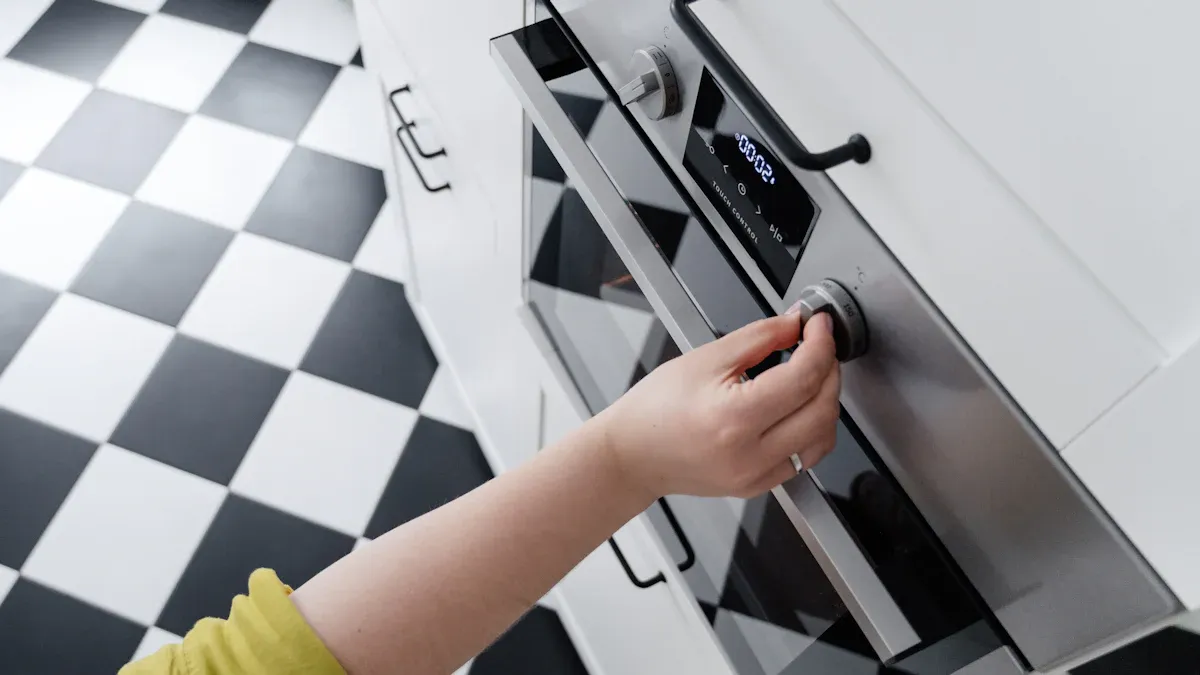
ヒーター取り付けガイドライン
プロ設置とDIY設置の比較
プロ設置とDIY設置の選択は、オーブンの複雑さとユーザーの自信度に依存。下表で両アプローチを比較:
| アスペクト | DIY取付 | プロによる取付 |
|---|---|---|
| 平均所要時間 | 1~4時間 | 1~2時間 |
| 総費用 | 部品のみ($10~$50) | 部品+工賃($150~$600) |
| 保証 | 保証が無効になる場合があります。 | 通常、部品と工事の保証を含む |
プロ設置は迅速なサービスと保証保護を提供。技術者はメーカー認定部品を使用し、オーブン寿命を延ばす専門知識を有する。DIY設置は費用を節約し、部品があれば即時修理可能だが、安全上の危険や保証無効化リスクを伴う。ガスオーブンや複雑な問題にはプロ設置を推奨。安全ガイドラインを遵守すれば、標準的な電気オーブンにはDIYが適する場合あり。.
安全予防措置
設置時は安全が最優先。必ず ブレーカーパネルで電源を遮断 し、作業前にオーブンのプラグを抜く。操作パネルや表示灯をテストし通電していないことを再確認。オーブンとヒーターは完全冷却を待つ。乾燥した耐熱手袋と保護メガネを着用。周囲の可燃物を除去。配線の損傷を点検し、絶縁工具を使用。配線外し前に写真撮影またはラベル貼付。設置後は電源を復旧し、オーブン組み立て前に新ヒーターをテスト。点滅灯や焦げ臭など異常が発生した場合は直ちに中止し専門業者に連絡。.
ヒーターのメンテナンスベストプラクティス
清掃と手入れのコツ
定期的なメンテナンスは最適性能を確保しヒーター寿命を延長。. 日常的清掃 で油脂や食品残渣を除去。ラックとトレーの週次徹底清掃で残留物蓄積を防止。電気接続部とサーモスタット校正の月次点検で電力変動を回避。年次プロ点検で磨耗部品を発見し安全基準遵守を確保。.
ヒント 連続高温運転は避け 休憩を挟む。長時間の空焚きはヒーターを損傷。.
よくある不具合のトラブルシューティング
一般的な問題は 不均等加熱, 、加熱不良、可視損傷、焦げ臭など。対応手順:
- 修理前に必ずオーブンの電源を遮断。.
- ヒーターを点検し 亀裂や焼け跡を確認。.
- ベーキングモードとブロイルモードをテストし、加熱するヒーターを特定。.
- Use an oven thermometer to check temperature accuracy.
- Test the temperature sensor with a multimeter.
- Inspect the control board and wiring for damage.
- Examine the oven door seal for gaps.
- Refer to the owner’s manual for model-specific tips.
- Seek professional help if repairs exceed your expertise.
When to Replace Heating Elements
Replace heating elements if you notice visible damage, persistent uneven heating, or slow preheating. Regular inspection helps identify aging or faulty components early. Using high-quality, heat-resistant elements and proper installation techniques supports reliable oven operation and prevents further damage.
Modern kitchens benefit from trending oven heating elements that deliver rapid heat-up, precise temperature control, and consistent cooking results. Advanced designs improve energy efficiency, reduce monthly costs, and support sustainability. Homeowners who upgrade enjoy enhanced food quality, smart home integration, and improved indoor air quality.
- Improved energy efficiency lowers utility bills
- Precise temperature control ensures better cooking
- Rapid heat-up saves time
- Smart features enable remote operation
- Sustainability efforts reduce environmental impact
Choosing the right heating element creates a comfortable, efficient, and future-ready kitchen.
よくあるご質問
What is the most energy-efficient oven heating element available today?
Induction and infrared heating elements lead in energy efficiency. These technologies transfer heat directly to cookware or food, reducing energy loss. Many modern ovens now feature these elements to help users lower utility costs and support sustainability goals.
How often should oven heating elements be replaced?
Most heating elements last between five and ten years. Replacement becomes necessary if users notice uneven heating, visible damage, or slow preheating. Regular inspection and proper maintenance extend the lifespan of these components.
Can users install oven heating elements themselves?
Many electric oven heating elements allow for DIY installation. Users should always disconnect power before starting. For gas ovens or complex repairs, professional installation ensures safety and maintains warranty coverage.
Are modern heating elements compatible with older ovens?
Compatibility depends on the oven’s model, wattage, and connector type. Users should check manufacturer specifications and part numbers. Some modern elements fit older ovens, but always verify before purchasing.
What safety features do trending oven heating elements offer?
Modern heating elements include overheat protection, child safety locks, and self-regulating technologies. These features help prevent accidents and ensure reliable operation in both residential and commercial kitchens.
How can users maintain oven heating elements for optimal performance?
Regular cleaning removes grease and food debris. Monthly inspections of electrical connections and thermostat calibration help maintain efficiency. Annual professional checks identify worn parts and ensure compliance with safety standards.
Do smart ovens require special heating elements?
Smart ovens often use advanced heating elements designed for rapid response and digital control. These elements support features like remote monitoring and precise temperature adjustments. Users should consult the oven’s manual for compatible replacement parts.
What are the signs of a failing oven heating element?
Common signs include uneven cooking, visible cracks or burns on the element, and longer preheating times. A burning smell or failure to reach set temperatures also indicates potential issues. Prompt replacement prevents further damage.