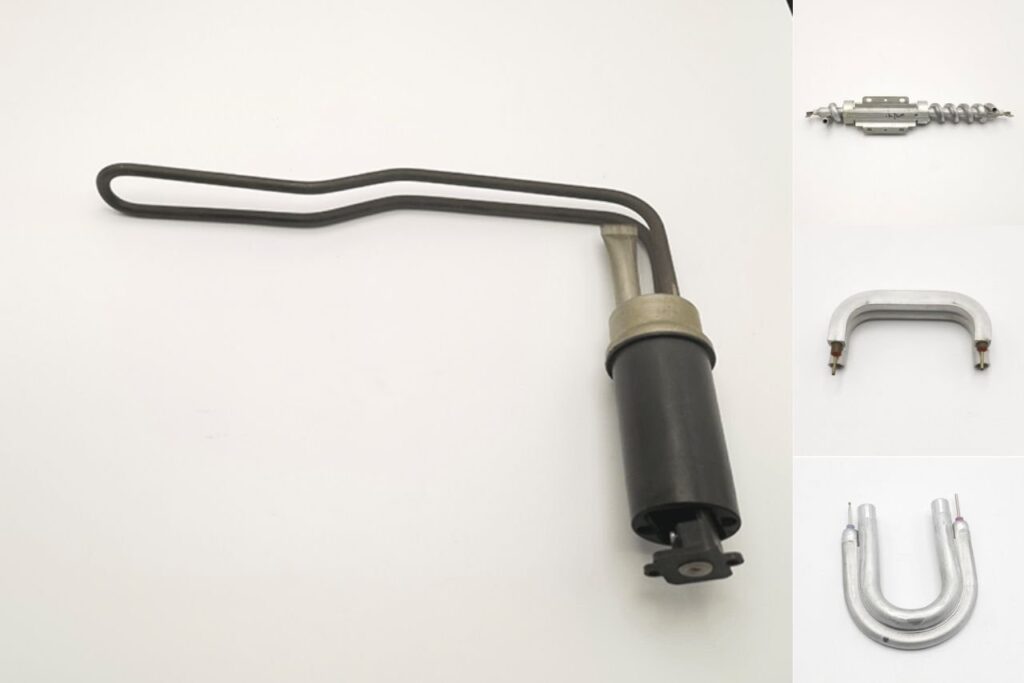
クラスターページ?トラブルシューティング? 電気温水器の加熱エレメント
A 電熱線 症状と点検により、安定した抵抗加熱を提供できなくなった場合、不良と判断されます。通常、断線(導通なし)により故障しているか、 地絡, が発生しているか、または スケール(鉱物性付着物). により過熱している状態です。実際には、確かな診断は、症状パターン(特に二重エレメント式タンクの場合)を、慎重な目視点検、安全な電気的確認、およびユニットの定格値の検証と組み合わせることで得られます。 電圧 そして ワット数 交換部品を発注する前に行います。.
簡潔な回答:エレメントが故障している最も信頼性の高い兆候
現場での診断のほとんどは、単一の症状ではなく、複数の証拠が一致することに依存する場合に正確です。以下のリストは、タンクを開けた後も有効である傾向が高い、信頼性の高い指標を優先しています。.
信頼性の高い指標
- いいえ 電源が入っており、制御系が正常な電気式タンクにおいて、お湯が出ない(多くの場合、上部エレメントまたは制御チェーンの問題)。 短時間しかお湯が出ない(多くの場合、二重エレメント式タンクで下部エレメントが加熱していないことと一致)。.
- 加熱開始時にブレーカーが落ちる( お湯 エレメントの導通テストで断線(導通なし)、または定格値に対して異常な抵抗値を示す。.
- 取り外し後の目視による損傷:膨張、ひび割れ、深刻なピッチング、または過熱の兆候を伴う厚いスケール。 地絡).
- 信頼性の低い指標(確認が必要).
- お湯の温度が以前より低い(サーモスタット設定のずれ、混合弁、または季節による入水温度変化の可能性)。.
異音(多くの場合、スラッジ(沈殿物)が原因であり、必ずしもエレメントの故障ではない)。
- 錆びた色のお湯(多くの場合、タンクまたはアノードに関連し、エレメント単独の問題ではない)。.
- 簡単な技術リファレンス:抵抗値の目安.
- 抵抗加熱器の概算抵抗値は(R ≈ V²/P)で求められます。例:240V / 4500Wのエレメントの場合、約12.8Ωです。実際の測定値は設計や温度によって異なります。電気測定は安全な方法で実施する必要があり、地域の要件と給湯器の取扱説明書が優先されます。.
給湯器エレメントは、電気加熱エレメントの具体的な実装形態です。これは、電気エネルギーを熱(抵抗加熱/ジュール加熱)に変換するように設計された、導電性材料と絶縁材料の集合体です。TUTCO社は、加熱エレメントは合金だけではなく、フレームワーク、絶縁体、端子接続部を含むものであり、材料の選択と統合方式が性能と故障挙動に影響を与えると指摘しています。
実際の症状を説明する故障メカニズム.
給湯器エレメントの故障メカニズム(工学的観点)
給湯器用発熱体は、以下の2.に該当する発熱体の具体的な実装例である。 電気加熱 発熱体:導電材料と絶縁材料を設計的に組み合わせ、電気エネルギーを熱に変換するアセンブリ(抵抗加熱/ジュール加熱)。TUTCOは、発熱体は合金単体ではなく、フレームワーク、絶縁体、端子を含むものであり、材料の選択と統合方式が性能および故障挙動に影響を及ぼすと指摘している。.
絶縁劣化/地絡:絶縁体またはシースの故障により漏電が発生し、保護装置が作動する可能性がある。
- 開回路スケールによる熱的過負荷:堆積物が熱伝達を低下させ、表面温度を上昇させ、劣化を加速させる。.
- 地絡接続部の発熱:端子の緩みにより局所的な抵抗と熱が発生し、配線を損傷し、断続的な動作を引き起こす。.
- 図1. スケールと接続不良がエレメント故障を加速させる理由(概念図) 定性モデル:スケールと端子の緩みは、熱応力と電気的損傷のリスクを増大させる。.
- 初期後期.
上部エレメントと下部エレメントの問題を示す症状パターン
短時間だけお湯が出て、その後ぬるくなる.
下部加熱経路が機能していない(多くの場合、下部エレメント)
| 観察された症状 | 制御系とエレメントの状態を確認。スラッジとスケールを考慮する。 | お湯が出ない |
|---|---|---|
| 上部加熱経路または電源/制御系の問題 | 電源、サーモスタットチェーン、配線の完全性を確認する。 | 加熱中にブレーカーが落ちる |
| お湯が全く出ない | エレメントまたは配線の故障 | 安全な方法で配線とエレメントの絶縁状態を点検する。 |
| これは優先順位付けの補助手段であり、ユニットの取扱説明書や地域の診断手順に代わるものではありません。 | 可能性あり 地絡 「エレメント不良」という診断は正しいことが多いですが、最も費用のかかる間違いは、明白な確認事項を省略した場合に発生します。目標は、実際の問題がサーモスタット、配線端子、または配管側の混合弁にある場合に、正常なエレメントを交換してしまうことを避けることです。 | 電気的および制御系の確認事項 |
This is a prioritization aid not a substitute for the unit s manual or local diagnostic protocol.
エレメントを疑う前に確認すべきこと
A bad element diagnosis is often correct, but the most costly mistakes come from skipping the obvious checks. The goal is to avoid replacing a good element while the real issue is a thermostat, wiring termination, or plumbing-side mixing.
Electrical and control-side checks
- ヒーターが正しい電源供給を受けており、保護装置が作動していないことを確認する。.
- 目視可能な配線について、変色、被覆の溶融、または端子の緩みを点検する。.
- サーモスタットの設定と、何らかの高温リミット安全条件(機種による)を確認する。.
配管側の点検項目で、エレメント故障と類似した症状を引き起こすもの。
- 混合弁の動作(温度混合により加熱能力が隠蔽される可能性がある)。.
- 季節的な入水温度の変化(冬季の給水は体感出力を低下させる)。.
- ディップチューブの問題(有効な温水取り出し量を減少させる可能性がある)。.
診断にも影響を与える、交換に関する重要な警告。
新しく設置したエレメントがすぐに故障した場合、施工プロセスの誤りが主要な疑いとなる。Whirlpoolの交換手順書には、タンクが完全に満水になり、すべての空気が除去されるまで電源を復旧しないよう指示されている。そうしないと、上部エレメントが空焚きにより焼損する。 ドライファイア. この工程は、再充填とエアパージの手順が省略された場合、「新しい部品の不良」と誤解される可能性がある。.
安全で構造化された診断ワークフロー(危険な近道は避ける)
信頼性の高い診断ワークフローは、安全性を優先し、手戻りを減らし、次の工程(交換)を予防可能な故障から保護する。以下の概要は、メーカーガイダンスが交換手順を構成する方法と一致している:火傷リスクの制御、電源の遮断、必要に応じた排水、仕様の確認、そして再充填とエアパージ後にのみ通電する。.
作業手順概要
診断の詳細は、地域、ヒーター設計、および資格レベルによって異なる。原則は一貫している:まず証拠、次に部品。.
交換準備:部品発注前に確認すべきこと
エレメントが故障していると確認された場合でも、誤った交換用部品を発注すると、ミスマッチという第二の故障モードが発生する。Whirlpoolの手順では、新しいエレメントをデータプレートと照合して確認することを明示的に要求している。 電圧 そして ワット数.
取得すべき最小限の情報
- データプレートの定格: 電圧, ワット数, 、およびモデル識別子。.
- 取り付け規格とガスケットタイプ(ねじ/インターフェースは世界的に統一されていない)。.
- エレメントの形状とスペース制約(ストレート型 vs フォールドバック型、タンクからのクリアランス)。.
- 異なるシース/材質の選択を正当化する可能性のある水質条件(硬水 vs 腐食性化学物質)。.
仕様の透明性:その重要性
小売製品ページは、コンポーネントを比較する際に「検証可能な仕様」がどのようなものかを明らかにすることが多い。例えば、Hudson Reedのプラグインエレメントリストは、1000Wの電力、ABSプラスチックとステンレス鋼の材質、IP67の侵入保護、UL認証、さらに2年保証とケーブル長を明記している。これはタンク浸漬用ではなくラジエーターやタオルウォーマー向けに設計されているが、仕様開示の構造は有用なベンチマークとなる。.
「部品の品質」が問題となる場合:調達と設計に関する考慮事項
エレメントの故障が(単一のタンクに限定されず)製品ライン全体で頻発する場合、根本原因は「エレメント不良」から、設計、環境、またはサプライチェーンの一貫性に移行する可能性がある。TUTCOのエンジニアリング解説では、合金組成と微量元素がサプライヤー間で特性を変化させる可能性があり、環境汚染物質が寿命を縮める可能性があることが強調されている。OEMやブランドオーナーにとって、これがサプライヤー能力とプロセス管理が信頼性工学の一部である理由である。.
加熱用途全体で使用されるコンポーネントファミリー
- 加熱エレメント (カテゴリーハブ)
- 発熱体メーカー (会社概要)
- 発熱体工場 (能力と背景)
- ダイカスト加熱ソリューション (コンパクトボイラーおよびアプライアンスモジュール向け一体型加熱体)
カタログの幅が重要となり得る理由
複数のヒーター構造(チューブ、プレート、フィルム、一体型ダイカストモジュール)をサポートするサプライヤーは、製品全体で熱制御戦略を標準化しようとする組織にとって関連性があり得る。Jinzhongのカテゴリー構造はこれらのファミリーを区別し、マルチプロセス統合や拡張された生産能力などの製造上の主張を強調している。.
よくあるご質問
エレメント不良の最も一般的な症状は何ですか? 温水加熱要素?
電源と制御状態を確認し、配線/端子の過熱を点検し、配管側の要因(混合動作、季節的な入水温度変化)を考慮することによる。複数の指標が一致した場合に診断は最も確実であり、単一の症状のみに依存すべきではない。
一般的な原因は、タンクが完全に満水になり、すべての空気が除去される前に電源を復旧することである。Whirlpoolが公開している交換手順では、早期の通電が上部エレメントを焼損させる可能性があると警告し、水を全開で流してエアパージするよう指示している。
工学的定義、安全上重要な手順、および仕様例を裏付けるために使用された外部ソース:
参考文献および外部リンク
Hudson Reed 開示された仕様の例(1000W、ABS+ステンレス、IP67、UL認証、保証/ケーブル長):
- Jinzhong Electric Heating サプライヤーコンテキストとアンカー配置のための内部参照: https://www.whirlpoolwaterheaters.com/support/help/element-was-out-of-range/24
- スケーリングと配線問題下での故障確率と時間の概念図 https://tutco.com/conductive/heating-elements
- 二重エレメント給湯器の症状パターンガイド https://usa.hudsonreed.com/1000-plug-in-watt-electric-heating-element-76309
- Jinzhong Electric Heating internal references for supplier context and anchor placement: https://jinzho.com/product-category/heating-element/, https://jinzho.com/, https://jinzho.com/about/, https://jinzho.com/product-category/die-casting-heating-solutions/