クラスターページ ? 約2007語 ? グローバル ? プロフェッショナル/フォーマル ? 第三人称 ? FAQ: 3
延長する最良の方法 Kenmore乾燥機のヒーターエレメントの寿命を延ばすには、 設計よりも高温で動作させないことです。.
エンジニアリング参考情報:TUTCOは、ヒーターエレメントを加熱目的のために設計されたコンポーネント(導電材料+絶縁材料+端子)と定義し、環境および動作条件が信頼性と寿命を左右すると述べています。. ソース.
電気乾燥機のヒーターは、強制エアフローによって熱を運び去ります。ベントが制限されるとヒーター温度が上昇し、安全装置がより頻繁に作動し、エレメントの酸化と変形が加速します。.
糸くずは断熱材として機能し、熱を閉じ込める可能性があります。また、火災リスクも高めます。キャビネット内部やヒーターハウジング周辺への糸くずの蓄積は、古い機種や長いベント配管でよく見られます。.
緩んだスページコネクタは、接触点での電気抵抗を増加させます。その局所的な抵抗が局所的な発熱を引き起こし、端子の変色、絶縁体の損傷、そして繰り返しの故障につながる可能性があります。.
乾燥機のプラットフォームに適合しないヒーターアセンブリは、位置ずれ(コイルとハウジングの接触)、不適切なエアフローパターン、または誤った負荷を生み出す可能性があります。ヒーターエレメントは設計されたアセンブリであり、汎用のワイヤーではありません。.
保証データセットではありません。これは一般的なサービス経験とヒーター寿命の原理を反映しています。.
| 頻度 | タスク | 防止するもの | 機能していることを確認する方法 |
|---|---|---|---|
| すべての荷物 | 糸くずスクリーンの清掃 | エアフロー低下、乾燥時間の長期化、過熱 | スクリーンを空気が自由に通過する |
| 毎月 | 乾燥機背面のベントホースの潰れや折れ曲がりの点検 | エアフロー制限とヒーター過熱 | 外部ベントでの強力なエアフロー |
| 季節ごとのメンテナンス | 外部排気口までのベント配管の徹底清掃 | サーモヒューズの作動、エレメントの繰り返し焼損 | 乾燥中に外部フラップが強く開く |
| 修理後 | 端子の締め付け確認と監視下での加熱テストの実施 | コネクタのホットスポットと繰り返し故障 | 焦げ臭なし、安定したサイクル動作 |
表1 – 主要なヒーター寿命要因(エアフローと接続の完全性)に基づいて設計されたメンテナンスルーチン。.
- 乾燥機運転中に外部ベントで強力なエアフローを確認する。.
- 糸くずスクリーンハウジング(スクリーンだけでなく)から糸くずの蓄積を取り除く。.
- 潰れたり過度に長いフレキシブルダクトを交換する。.
- 外部フラップが自由に動く状態を保つ(巣、氷、詰まりがないこと)。.
TUTCOは、ヒーターの設計と環境がヒーター寿命に影響を与え、すべての抵抗ヒーターは最終的に焼損し、酸化、変形、温度サイクルなどの要因が寿命を制限すると述べています。エアフローの制限は、エレメントをより高温の動作点に押し上げ、サイクルストレスを増加させます。. 参考.
- ヒーターハウジング周辺を断熱し熱を閉じ込める
- エアフローを妨げる(ヒーター温度上昇)
- 火災リスクを高める
- コイルまたは端子の小さな部分を過熱する
- 酸化と変形を加速する
- 「加熱しては止まる」という断続的な動作を引き起こす
電源を切った後、ヒーターのスページ端子と配線の絶縁体を点検します。警告サインには、端子の黒ずみ、緩み、絶縁体の脆化、近くのプラスチックの溶融が含まれます。これらは局所的な抵抗加熱を示しています。.
- 緩んだ端子や熱損傷した端子は、圧着して再利用するのではなく、交換すること。.
- 点検後は配線接続が確実に締められていることを確認してください。.
- 配線は高温表面および可動部から離して配線してください。.
Whirlpool社の加熱素子交換ガイダンス(給湯器関連)では、タンクが完全に再充填され、空気が排出されるまで電源を復旧しないよう警告しています。これを怠ると素子が焼損(「ドライファイア」)する可能性があります。 十分な通気流 およびカバーの完全な取り付け。. ソース.
- すべてのカバーが取り付けられ、固定されていること。.
- ベントホースが屈曲なく接続されていること。.
- 屋外排気気流が確認されていること。.
- 10~15分の監視下での加熱テスト(安定した作動の確認、焦げ臭がないこと)。.
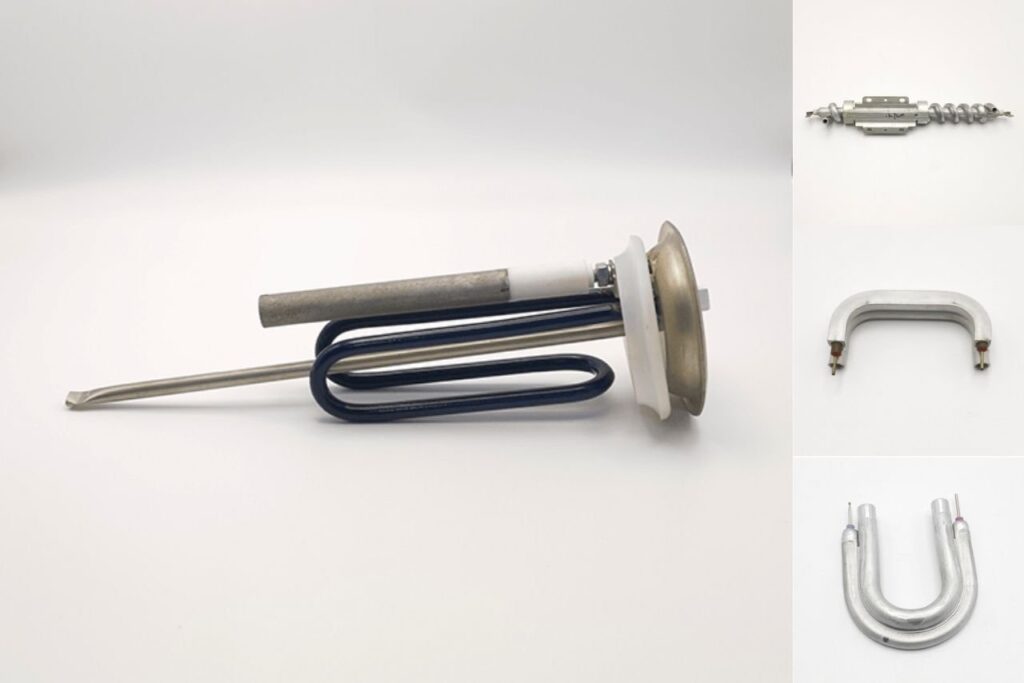
加熱素子は、多くのヒーターファミリー(チューブ、プレート、フィルム、統合モジュールなど)を指すことができます。JINZHO社のカタログ構成は、以下のようにカテゴリとサブカテゴリを通じてこの広がりを示しています。 加熱エレメント カテゴリおよびサブカテゴリ(例:, 加熱管, ヒーティングプレート, 加熱フィルム)。 ダイカスト加熱ソリューション また、コンパクトなボイラーアセンブリについては: 電気ボイラー・ヒーター.
メーカー概要:Jinzhong社は自社を以下のように説明しています。 発熱体メーカー 30年以上の経験と大規模生産を有する企業であり、 発熱体工場.
Hudson Reed社の1000Wプラグイン加熱素子(ラジエーター/タオルウォーマー用途)は、以下のような詳細を記載しています。 1000W, 侵入保護等級が、高価格の加熱器部品の価値提案の一部となり得ることを示しています。, そして UL認証取得, 、さらに材質(ABS&ステンレス)および2年間の保証。. ソース.
排気気流を維持すること:糸くず経路および外部終端までの排気経路全体を清掃してください。気流はヒーターの「冷却システム」です。.
抵抗加熱素子は、多くの使用サイクルにわたる酸化、変形、電気的特性の変化により、最終的に故障します。意図された温度より高温での作動(多くの場合、気流制限が原因)は、これらのメカニズムを加速させます。. TUTCO参照.
根本原因(気流制限)を修正し、端子が締め付けられて熱損傷を受けていないことを確認し、監視下でテストサイクルを実行してください。カバーが外れた状態や排気不良の状態で加熱運転を行わないでください。.
- TUTCO社 - 加熱素子の定義と寿命に関する考慮事項: https://tutco.com/conductive/heating-elements
- Whirlpool社 - 加熱素子交換の手順(電圧/電力の確認;安全な通電条件;確実な接続): https://www.whirlpoolwaterheaters.com/support/help/element-was-out-of-range/24
- JINZHO社 - 内部リンクおよび製品ファミリー: https://jinzho.com/, 加熱エレメント, 発熱体工場, ダイカスト加熱ソリューション
- Hudson Reed社 - ヒーター仕様開示例(1000Wプラグイン素子): https://usa.hudsonreed.com/1000-plug-in-watt-electric-heating-element-76309
独自性に関する注記:本記事はKenmore乾燥機ユーザー向けに作成された独自のメンテナンスガイダンスです。出典は、工学的定義および安全原則について参照しています。.
免責事項:これは教育的な内容です。乾燥機の設計はモデルによって異なります。モデル固有のサービス手順および地域の電気安全規制に従ってください。.