
暖房ヒーターエレメントが作動すると、瞬時に快適な温かさが得られます。これらの高度な部品(例えば 金中電熱, の製品)は、数秒で電気を熱に変換します。電気暖房機は素早く反応し、各室全体に温かさを均一に分散させます。優れた 発熱体メーカー デザイン 家電製品の加熱素子 技術により、最も寒い夜でも快適な環境が維持されます。.
加熱エレメント 迅速かつ効率的な暖房を実現する最先端技術です。.
暖房ヒーターエレメントが瞬時に熱を生み出す仕組み
ヒーターエレメントの科学的原理
電気暖房機ヒーターエレメントの作動原理
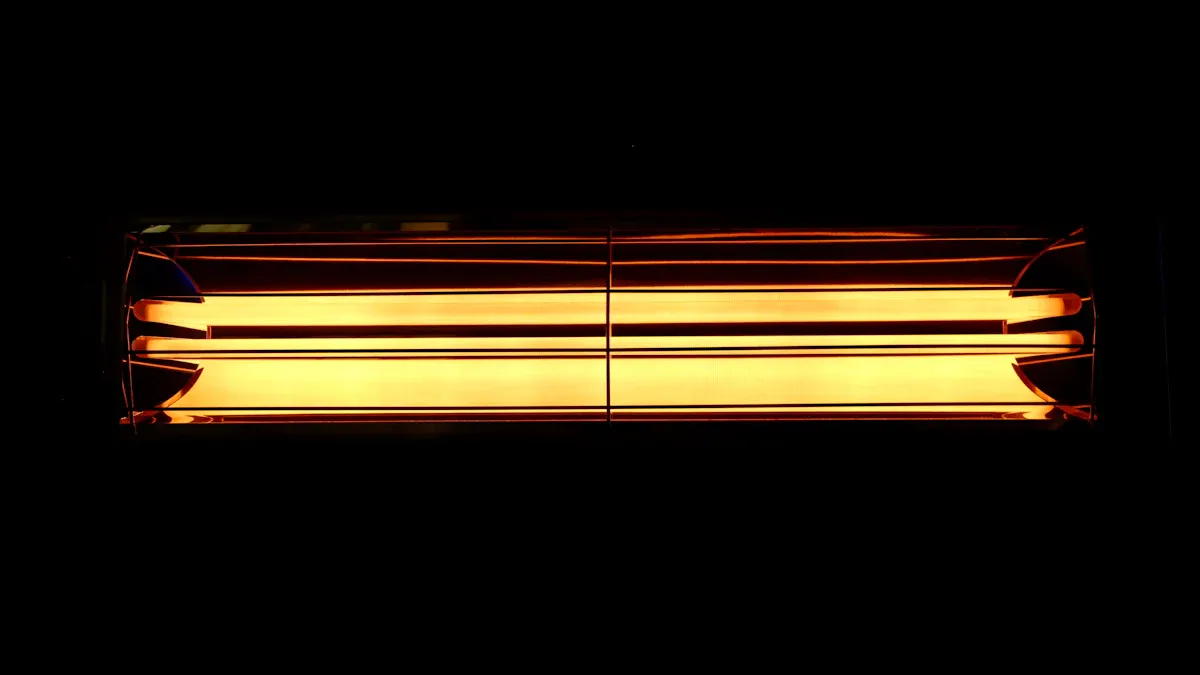
電気暖房機を作動させるたびに、 抵抗加熱 の科学的恩恵を受けています。電流がヒーターエレメントを流れる際、素材が電流に抵抗します。この抵抗によりエレメントは急速に発熱し、エネルギーを熱として放出します。このプロセスは加熱効果が電流の方向に依存しないため効率的に機能し、常に安定した温かさが得られます。.
ヒント ヒーターエレメントの高抵抗率素材はより多くの熱を発生させるため、暖房機はより速やかに室内を温めることができます。.
主要な加熱方式の簡易比較:
| 加熱方法 | 説明 |
|---|---|
| 抵抗加熱 | 抵抗体に電流を通し、放射・伝導・対流により熱を発生。. |
| 誘導加熱 | 特殊設計の巻線を用いて被加熱物内部に直接発熱。. |
| 誘電加熱 | 誘電損失を利用して電気不良導体材料を加熱。. |
ヒーターエレメントの素材特性
電気炉の速度と効率は、その加熱要素に使用される材料に依存します。 メーカーは、高い電気抵抗率と優れた耐熱性を持つ材料を選択し、迅速かつ信頼性の高い加熱を確保します。 家庭用電気炉の加熱要素には、ニッケルクロム合金が一般的に使用されていることがわかります。.
| 素材 | 主要構成材料 | 耐食性 | 代表的な用途 |
|---|---|---|---|
| ニッケル・クロム合金 | Ni + Cr | 高耐熱性、耐腐食性、高電気抵抗率 | 電気加熱エレメント、高温機器 |
| 鉄-クロム-アルミニウム | 鉄・クロム・アルミニウム合金 | 耐温度1400℃、優れた耐酸化性、長寿命 | 工業炉、窯業炉、オーブン |
| 炭化ケイ素 | 炭化ケイ素 | 耐温度2700℃、耐酸化性・耐熱衝撃性 | 工業炉、高温加熱エレメント |
| 二ケイ化モリブデン | 二硫化モリブデン | 耐温度1700℃、保護酸化膜形成 | 工業炉、セラミック焼成炉 |
| タングステン | W | 極高融点、高温環境での高抵抗性 | 真空炉、電子加熱機器 |
これらの材料は急速に加熱し、長い冬の夜でも安定した性能を維持します。 インテリジェント除霜サイクル. あなたの電気炉は、天候に関係なく信頼性の高い暖房を提供します。供給空気温度が安定しているため、突然の寒さや不均一な暖かさを心配する必要はありません。.
住宅内での迅速な熱拡散
電気暖房機の気流循環システム
電気暖房機は強力な送風機で空気を効率的に循環させます。ヒーターエレメントが設定温度に達すると、送風機が室内の冷気を吸い込み、高温エレメント上に押し出します。空気は熱を吸収後、ダクトシステムを通じて全室に拡散されます。.
迅速な熱拡散のプロセス:
- サーモスタットが温度低下を感知.
- 暖房機制御システムへ信号を送信.
- 制御システムがヒーターエレメントを作動.
- 送風機モーターが冷気を吸入し、加熱エレメント上へ導く.
- 温風が供給ダクトを通じて室内温度を急速に上昇.
注: 送風機速度の調整 により快適性とエネルギー効率の最適化が可能です。高速運転はより多くの空気を循環させ室温を迅速に上昇させ、低速運転は気流を抑えながら安定した温かさを維持します。.
迅速な応答を実現するサーモスタット制御
サーモスタットで暖房の応答速度を制御できます。温度設定を変更すると、サーモスタットは直ちに暖房機と通信。システムはヒーターエレメントの作動と必要に応じた送風機速度の調整で応答します。最新サーモスタットは精密制御を実現し、設定温度から体感温度までの時間差を最小限に抑えます。.
単速・多速・可変速など異なる送風機モーターは、室内の暖房速度に影響します。可変速モーターは現在の気象条件とニーズに適応し、最速かつ最も安定した結果を提供します。.
寒夜に効果的な暖房ヒーターエレメントの理由
電気暖房システムの安定性能
外気温が急激に低下する状況でも、電気暖房機は安定した暖房を提供します。ヒーターエレメントは一定の供給空気温度を維持し、冷気の流入なく室内を快適に保ちます。インテリジェント除霜サイクルにより効率的な霜対策を実現し、運転中の中断を最小限に抑えます。.
| 状態 | 結果 |
|---|---|
| 外気温度 | 24°F (-4.4°C) |
| 供給空気温度 | 98–101°F (36.7–38.3°C) |
| 冷気流入 | なし |
| 除霜サイクル効率 | 短時間・低頻度 |
| 霜対策管理 | 極端な温度における信頼性 |
炉内の加熱要素は、過酷な条件に耐えるために高度な材料を使用しています。ニクロムは一般的な用途に適しており、炭化ケイ素は酸化性または腐食性環境で優れた性能を発揮します。.
条件への適合性
一般的な用途に最適.
| 素材 | 酸化性または腐食性条件に適している |
|---|---|
| ニクロム | 高抵抗率材料 |
| 炭化ケイ素 | なぜなら、より少ない電流でより多くの熱を発生させるからです。この設計により、エネルギー消費が削減され、熱分布が改善されます。また、全体的なコストを削減し、冬の間一貫した性能を享受できます。 |
次のようなメリットがあります 高温加熱要素は、均一な熱分布を必要とする作業に不可欠です。一貫した温度を維持する能力が、最終製品の成功を左右することがよくあります。 炉の加熱要素の信頼性を維持するためには、以下を行うべきです:.
摩耗や酸化を検出するために定期的な点検を実施する。 正確な温度管理 残留物やスケールの蓄積を除去する。.
均一な間隔で適切に設置されていることを確認する。
- これらの加熱要素の組成により、急激な温度変化に対応でき、住宅用および産業用の両方で信頼性の高い性能に不可欠です。.
- 電気炉システムには内蔵の安全機能が含まれているため、安心感を得られます。過熱保護、自動停止、温度センサーが連携して事故を防止します。これらの機能は、長時間の使用中でも家を保護し、加熱要素が安全に動作することを保証します。.
- 他の加熱方法との速度比較.
暖房システムをオンにしたとき、迅速な結果を求めます。電気炉の加熱要素は、他のオプションよりもはるかに速く暖かさを提供します。.
Built-in Safety Features
電気炉 vs スペースヒーター.
スペースヒーターは局所的な熱を提供しますが、部屋全体を暖めるには時間がかかることがよくあります。不均一な温度や冷たいスポットに気づくかもしれません。一方、電気炉の加熱要素は、家のダクトシステムを通じて均一に熱を分配します。迅速な家全体の快適さを体験できます。
暖房システムを起動した際、迅速な結果を求めることでしょう。. 電気炉の加熱素子は 他の選択肢よりもはるかに速く暖かさを提供します。.
輻射床暖房は穏やかな暖かさを提供しますが、システムが希望温度に達するまでにかなりの時間を要します。熱が上昇して空間を満たすのを長く待つことになります。電気炉の加熱要素は即座に反応し、数分以内に温度を上昇させ、寒い夜に耐える必要がないことを保証します。
ヒント:即時の快適さを得るには、高品質の加熱要素を備えた電気炉を選んでください。他の加熱方法と比較して、より速く、より信頼性の高い暖かさを楽しめます。.
加熱要素の速度を最大化する
電気炉でより速く暖めるためのヒント.
迅速な暖かさのためのサーモスタット設定.
電気炉を初めてオンにするとき、通常の快適レベルより数度高くサーモスタットを設定することで、迅速な暖かさを実現できます。この動作により、システムがすべての加熱要素を即座に作動させる信号が送られます。最新のサーモスタットは迅速に応答するため、数分以内に温度上昇を感じられます。サーモスタットの精度をテストすることで、不必要なエネルギーコストを回避し、効率的な暖房を確保できます。
ファンを使用して熱循環を促進する
天井ファンやポータブルファンを家で使用することで、熱分布を改善できます。ファンは炉からの暖かい空気を隅々まで押し出し、冷たいスポットを排除します。炉のブロワー速度を調整することで、さらに気流が向上します。例えば、
ブロワーモーターの黒い線を黄色い線に交換する.
ことで循環が最適化され、より速い暖房につながります。この簡単な調整により、加熱要素がより効率的に暖かさを提供できます。
ヒント:通気口とダクトを定期的に清掃し、気流の妨げをなくして、熱供給の速度を最大化してください。, 最適な加熱要素性能のためのメンテナンス 炉フィルターの清掃と交換.
炉フィルターを清潔に保つことで、加熱要素を最高効率で動作させ続けられます。標準的なグラスファイバーフィルターは1~3ヶ月ごとに交換が必要です。.
一方、高性能プリーツフィルターは6~12ヶ月持続します。ペットがいる場合、アレルギーがある場合、またはほこりの多い地域に住んでいる場合は、より頻繁にフィルターを交換する必要があるかもしれません。頻繁なフィルター交換は目詰まりを防ぎ、効率的な暖房を維持し、炉を安全上の危険から保護します。
加熱要素の定期的な点検
加熱要素を定期的に点検することで、その寿命を延ばせます。 摩擦と摩耗を防ぐためです。エネルギー消費を監視して、非効率や故障を特定します。専門家による点検を予約して、問題を早期に発見します。これらの手順により、, 加熱要素が確実に動作し、迅速で一貫した暖かさを提供します。.
摩擦を減らし、寿命を延ばす
エネルギー消費を監視する. 可動部の潤滑 非効率を特定する 通気口とダクトを清掃する, 気流と空気質を改善する.
| メンテナンスタスク | ベネフィット |
|---|---|
| 可動部の潤滑 | 最適な気流を維持する |
| サーモスタットの精度をテストする | 効率的な暖房を確保する |
| 専門家による点検を予約する | 問題を早期に検出する |
| エアフィルターを交換する | 遅い暖房の問題のトラブルシューティング |
| 暖房遅延の一般的な原因 | サーモスタットが故障している場合や気流が遮断されている場合、暖房が遅いことに気づくかもしれません。不安定な電源供給も暖房効率に影響を与える可能性があります。故障した加熱要素やシーケンサーは適切な動作を妨げます。安全装置が過熱を防ぐために暖房を停止することがあります。 |
| 焼損した加熱要素 | 、故障したシーケンサー、および経年劣化した炉は、性能低下の原因となることがよくあります。 |
Troubleshooting Slow Heating Issues
Common Causes of Delayed Heating
You may notice slow heating if your thermostat malfunctions or if airflow becomes blocked. Inconsistent power supply can also affect heating efficiency. Malfunctioning heating elements or sequencers prevent proper operation. Safety devices sometimes halt heating to prevent overheating. Burnt-out heating elements, faulty sequencers, and aging furnaces often contribute to reduced performance.
DIY Solutions for Immediate Results
You resolve delayed heating quickly by following these steps:
- サーモスタットの設定を確認する for accuracy.
- Ensure the furnace receives power.
- Inspect and replace clogged air filters.
- Look for blockages in air ducts.
- Set the furnace to the correct mode.
These actions help your heating elements deliver fast, reliable warmth and restore comfort to your home.
Repairing or Replacing Furnace Heating Elements for Fast Results
Signs Your Heating Element Needs Attention
Unusual Noises or Smells from Electric Furnace
You notice your electric furnace making loud noises or emitting strange odors. These symptoms often signal that the heating element requires immediate attention. When you hear banging, rattling, or screeching, mechanical failures or loose components may be present. A burning smell or the scent of natural gas can indicate overheating or electrical problems. You should never ignore these warning signs, as they may pose safety risks.
If your carbon monoxide alarm sounds or you detect exhaust venting from the furnace, act quickly and turn off the system. Safety must always come first.
Here are common signs that your furnace heating elements need repair or replacement:
- Furnace not keeping up with thermostat settings
- Water leaking or pooling around the furnace
- Loud noises from the furnace
- A hot or burning smell from the furnace
- Smell of natural gas or exhaust
- Carbon monoxide alarm activation
Inconsistent or Weak Heat Output
You depend on your heating element to deliver steady warmth. When you experience weak or inconsistent heat output, the heating elements may have become faulty or their wiring may have deteriorated. This issue prevents your furnace from operating effectively and leaves your home feeling cold. If you notice that your furnace struggles to maintain the set temperature, you should inspect the heating element and related components.
Quick Fixes and Professional Help
Simple Repairs for Heating Elements
You can address some heating element issues with fast repair methods. If you discover a break in the heating element, intertwining the broken ends and applying a special adhesive can create a permanent join. Brazing or silver soldering may also restore function, though you might need to replace the entire element if resistance changes significantly. Creating a junction can help if airflow is restricted, and this method does not usually affect performance.
| 方法 | 説明 |
|---|---|
| Intertwining broken ends | Overlap the two ends and intertwine them, then apply a special adhesive to create a permanent join. |
| Brazing or silver soldering | This method may require replacing the entire element due to potential changes in resistance. |
| Junction creation | Making a junction may not significantly affect the element’s performance if airflow is restricted. |
注意点:加熱素子の修理を試みる前に、必ず 炉への電源を遮断してください。.
When to Call a Furnace Technician
You should seek professional help when you encounter persistent problems or safety concerns. Unusual noises, frequent short-cycling, and strange odors all suggest underlying issues that require expert attention. Increased energy bills or inadequate heating often point to mechanical failures or worn parts. If you see a flickering or yellow pilot light, this may indicate gas flow problems or burner assembly issues.
| 症状 | 影響 |
|---|---|
| 異常な騒音 | Suggests mechanical failures or loose components; requires immediate attention. |
| Frequent short-cycling | Indicates potential thermostat issues or clogged filters; can lead to increased energy costs. |
| Strange odors (e.g., burning) | May indicate overheating or electrical problems; poses safety risks. |
| 光熱費の増加 | Signals inefficiency possibly due to mechanical failure or worn parts; warrants professional evaluation. |
| Inadequate heating | Suggests malfunctioning components; should be addressed to prevent further damage. |
| Flickering/yellow pilot light | Indicates gas flow issues or burner assembly problems; requires immediate professional assistance. |
If you feel unsure about any repair, contact a certified furnace technician. Professional service ensures your furnace heating elements operate safely and efficiently.
Enhancing Electric Furnace Efficiency for Faster Warmth
Upgrading Heating Elements and Furnace Systems
High-Efficiency Heating Elements
You can boost the speed and reliability of your electric furnace by upgrading to high-efficiency heating elements. Modern heating elements, such as electric resistors and silicon carbide rods, convert electrical energy into heat with minimal loss. Electric resistors deliver a fast thermal response and a long operational life, so your home warms up quickly. Silicon carbide rods withstand intense thermal cycles, which improves reliability during cold nights. When you choose high-performance heating elements, you maximize energy efficiency and reduce thermal losses. Some users report energy savings of up to 15% after installing advanced heating elements.
ヒント The design of heating elements, especially the power ratio between hot and cold ends, plays a key role in improving efficiency and heating speed.
Smart Thermostats and Controls
You achieve faster and more precise heating by installing smart thermostats and advanced controls. These devices allow you to set exact temperatures and schedules, so your electric furnace responds instantly to your needs. Smart thermostats communicate with your heating elements, adjusting output based on real-time data. You experience consistent warmth and avoid unnecessary energy use. Variable-speed and modulating systems further enhance heating speed by adapting airflow and heat output to match your preferences.
| Furnace Type | 効率(AFUE) | 暖房速度への貢献 |
|---|---|---|
| モジュレーティングガス | ~98% | 高い |
| シングルステージ | より低い | 中程度 |
| 可変速 | 中程度 | 中程度 |
二段階システムでは送風機の速度を上げたり、炉のフィルターを清潔に保ち、ダクトを断熱することで空気循環を改善することもできます。ダンパーを調整し、レジスターを開くことで、暖かい空気がすべての部屋に迅速に行き渡ります。.
保温性向上のための住宅断熱の改善
隙間風や漏れの密閉
より速く、より安定した暖かさを維持するには、 隙間風 や自宅の漏れを密閉します。冷気の侵入と暖気の流出を防ぐことで、暖房要素がより効果的に機能します。この簡単な手順により、電気炉は外気と戦うことなく熱を供給できます。部屋がより早く暖まり、快適さが長く続くことに気付くでしょう。.
- 隙間風の密閉は冷気の侵入を防ぎます。.
- 暖気が室内に留まり、暖房効率が向上します。.
- 暖房要素が家中に安定した暖かさを提供します。.
主要エリアへの断熱材追加
屋根裏、壁、這い這いスペースなどの重要なエリアに断熱材を追加することで、保温性と炉の効率を高めます。適切な断熱は 熱伝達を低減し, 、その結果、暖房要素の稼働頻度を減らします。米国エネルギー省は、適切な断熱により 暖房費と冷房費を最大20%節約できる. と述べています。住宅を断熱することで、HVACのサイクルを最小限に抑え、安定した室内温度を維持します。.
- 断熱性の高い住宅は熱損失を減らし、エネルギー消費を低下させます。.
- 断熱が不十分だと炉の負担が増え、コストが上昇し、寿命が短くなります。.
注記:適切な断熱は、暖房要素が安定した暖かさを維持し、炉の摩耗を減らし、最も寒い夜でも家を快適に保つのに役立ちます。.
信頼性の高い暖房要素で寒い夜を防ぐ
電気炉の季節準備
冬前のメンテナンスチェックリスト
暖房要素の信頼性に焦点を当てて、冬に備えて家を準備します。徹底した冬前のメンテナンスルーチンにより、気温が下がったときにシステムが一貫した暖かさを提供できるようになります。以下の手順に従って性能を最大化してください:
- HVAC会社に炉の点検整備を予約してください。年間メンテナンスにより、暖房要素の効率と信頼性が維持されます。.
- ユニット周辺の汚れやゴミを取り除いてください。清潔な環境は詰まりを防ぎ、適切な空気の流れを確保し、暖房要素が最大能力で動作するのを助けます。.
- エネルギー効率のためにサーモスタットを再プログラムしてください。不在時に温度を下げる設定に調整し、暖房要素への不要な負担を軽減します。.
ヒント 定期的なメンテナンスはシステムをスムーズに稼働させ、 早期交換を避けるのに役立ちます。小さな問題が大きくなる前に対処することで、システムの寿命を延ばします。.
専門家による検査のスケジュール
冬が来る前に専門家による点検を予約することで、信頼性の高い暖房要素を維持します。技術者は性能に影響を与える可能性のある摩耗、腐食、電気的問題をチェックします。定期的な点検は、シーズンごとに信頼性の高い運転を促進します。小さな問題を早期に特定し解決することで、過度の摩耗や故障を防ぎます。.
| メンテナンス作業 | ベネフィット |
|---|---|
| 専門家による検査 | 問題が悪化する前に検出する |
| 清掃と調整 | 効率的な暖房要素を確保する |
| サーモスタット調整 | エネルギー使用と快適性を最適化する |
緊急暖房ソリューション
寒い夜のためのバックアップ暖房オプション
予期せぬ炉の故障時に備えてバックアップ暖房オプションを準備することで、快適さを守ります。これらの代替手段は安心感を提供し、寒さを心配する必要がないようにします。バックアップ電源は主要システムへの負担を軽減し、停電時にも暖かさを維持します。極端な気象条件でも継続的な快適さの恩恵を受けられます。.
- ガス暖炉は停電時でも機能し、ファンがなくても熱を提供します。.
- 薪ストーブは信頼性の高いバックアップとして機能しますが、大気汚染の問題を考慮する必要があります。.
- 小型のプラグインヒーターは特定の部屋の暖かさを補完し、全体的な快適性を高めます。.
注記:二次的な暖房オプションを用意しておくことで、緊急時に暖かさと安全を維持できます。.
炉の故障時の対処法
暖房器具が故障した際には、迅速に対応してください。 まず、サーモスタットと電源を確認してください。 問題が解決しない場合は、予備の暖房源を使用して住まいの暖かさを保ってください。使用していない部屋のドアを閉め、窓を密閉して熱を逃がさないようにしてください。できるだけ早く専門の技術者に修理を依頼してください。.
| ステップ | アクション |
|---|---|
| サーモスタットを確認する | 設定が正しいことを確認する |
| バックアップ電源を使用する | 代替暖房要素を作動させる |
| 熱を保持する | ドアを閉め、窓を密閉する |
| 修理を依頼する | 迅速なサービスを受けるために技術者に電話する |
コールアウト:バックアップ暖房源は、主要な暖房要素が 復旧するまで、必要な暖かさと 快適さを提供します。.
ご自宅に適した炉の暖房要素の選び方
電気炉用暖房要素の種類
金属製 vs. セラミック製暖房要素
電気炉をアップグレードする際、金属製とセラミック製の暖房要素の選択に直面します。ニッケルクロムや鉄クロムアルミニウム合金などの金属製暖房要素は、信頼性の高い性能と迅速な立ち上がり時間を提供します。これらの要素は耐腐食性があり、中程度から高温に対応できるため、ほとんどの住宅用暖房ニーズに適しています。炭化ケイ素や二ケイ化モリブデンなどの材料で作られることが多いセラミック製暖房要素は、要求の厳しい環境で優れています。これらはより高い温度に耐え、優れた耐酸化性を備えており、産業用や実験室用途に有益です。.
ヒント:ご家庭での迅速で一貫した暖かさには金属製暖房要素をお選びください。より高い温度安定性や特殊な加熱が必要な場合は、セラミック製暖房要素を選択してください。.
こちらは 一般的な暖房要素タイプの比較:
| 発熱体タイプ | 最高使用温度 | 主な特徴 | アプリケーション |
|---|---|---|---|
| ニッケルクロム(Ni-Cr)合金 | 1,100~1,200°C | 高い延性、耐食性を有し、中温から高温の加熱に適している | 家庭用電化製品、実験室加熱、工業用窯 |
| 鉄-クロム-アルミニウム(Fe-Cr-Al) | 1,300~1,400°C | 優れた耐酸化性、低コスト、高温用途に適している | ガラス窯、セラミック製造、熱処理炉 |
| 二ケイ化モリブデン(MoSi₂) | 最大1,900°C | 卓越した耐酸化性、高融点、過酷な用途に最適 | 実験室および工業用高温炉 |
価格帯とコストパフォーマンスの考慮事項
発熱体を選定する際には、コストと性能のバランスを考慮する必要があります。金属製発熱体は通常、コストが低く、標準的な家庭用加熱において優れたコストパフォーマンスを発揮します。セラミック製発熱体はより高価ですが、過酷な条件下で長寿命と優れた性能を提供します。決定を下す前に、予算と加熱要件を考慮してください。.
- 金属製発熱体:手頃な価格で信頼性が高く、ほとんどの家庭に最適です。.
- セラミック製発熱体:初期コストは高いが、特殊用途や高温加熱に最適です。.
注記:高品質の発熱体に投資することで、メンテナンスコストが削減され、炉の効率が長期的に向上します。.
炉モデルへの発熱体の適合
互換性と設置のヒント
適切な発熱体を炉のモデルに適合させることで、最適な加熱を確保できます。まず、炉の型番とメーカーを特定します。特定のユニットに必要な発熱体の種類を判断します。現在の発熱体の寸法と取り付け方式を測定します。ワット数と電圧要件を確認し、正しい電力定格を確認します。コネクタの種類が炉の仕様と一致していることを確認します。部品番号と電気定格を比較して互換性を確認します。最適な適合性と効率性のために、OEM部品を優先してください。.
- 炉の型番とメーカーの詳細を特定する.
- 特定の炉モデルに必要な発熱体の種類を判断する.
- 既存の発熱体の寸法と取り付け方式を測定する.
- ワット数と電圧要件を確認し、適切な電力定格を確保する.
- コネクタの種類が炉の仕様と一致していることを確認する.
- 部品番号と電気定格を比較して互換性を確保する.
- 最適な適合性と効率性のためにOEM部品を優先する.
注意喚起:正確な適合により、設置の問題を防ぎ、加熱性能を最大化します。.
高品質な発熱体の調達
信頼できる供給元から発熱体を調達することで、炉の信頼性が向上します。電気加熱部品を専門とし、認証製品を提供するメーカーを探してください。購入前に製品仕様と互換性を確認してください。高品質な発熱体は一貫した暖かさを提供し、寒い夜の故障リスクを低減します。.
- 実績のある信頼できるブランドを選ぶ.
- 互換性に関する技術文書を確認する.
- 設置について質問がある場合は、HVAC専門家に相談する.
ヒント:認証された発熱体への投資は、安全な動作と長期的な家庭での価値を保証します。.
炉の 発熱体に頼れば、寒い夜も すぐに解決できます。これらの部品は即時的で信頼性の高い暖かさを提供するため、ご自宅は快適に保たれます。定期的なメンテナンスと賢いアップグレードにより、電気炉は効率的に動作します。摩耗の兆候に気づいたら、炉の発熱体を修理または交換する時期です。このアプローチにより、暖房システムは冬の間中、信頼性を維持します。.
点検を積極的に行い、毎シーズン快適な家をお楽しみください。.
よくあるご質問
炉の発熱体はどのくらいの速さで家を暖められますか?
炉が作動してから数分以内に顕著な暖かさを感じることができます。高品質な発熱体は最適温度に素早く達するため、ご自宅はすぐに快適になります。.
炉の発熱体が故障する原因は何ですか?
経年劣化、電気サージ、またはほこりの蓄積により故障が発生する可能性があります。過熱や不十分なメンテナンスも原因となります。定期的な点検により、問題を早期に発見できます。.
炉の発熱体は自分で交換できますか?
技術的なスキルがあり、安全ガイドラインに従えば、一部の発熱体は交換可能です。ほとんどの住宅所有者にとっては、専門家による設置が適切な適合と安全な動作を保証します。.
加熱要素を交換する必要があるかどうかはどうすればわかりますか?
弱い熱、異常な音、または焦げる臭いに気づいた場合。炉が設定温度に達するのに苦労している可能性があります。これらの兆候は、発熱体を点検または交換すべきであることを示しています。.
すべての炉の発熱体は、すべての炉と互換性がありますか?
発熱体は炉のモデルに適合させる必要があります。ワット数、電圧、コネクタの種類を確認してください。誤った発熱体を使用すると、効率が低下したり、損傷を引き起こす可能性があります。.
炉のメンテナンスはどのくらいの頻度で行うべきですか?
少なくとも年に1回、できれば冬の前に専門家によるメンテナンスを予定する必要があります。定期的なサービスにより、発熱体の効率が維持され、炉の寿命が延びます。.
スマートサーモスタットは発熱体の性能を向上させますか?
スマートサーモスタットは精密な温度制御を提供するため、メリットがあります。これらのデバイスは、炉の応答を速め、エネルギーをより効率的に使用するのに役立ちます。.

