Nelle macchine da caffè domestiche è possibile trovare diversi elementi riscaldanti. Tra questi vi sono elementi tubolari, a cartuccia, a immersione, a fascia e in alluminio pressofuso. Ogni tipo contribuisce a riscaldare l'acqua rapidamente. Mantengono inoltre il caffè caldo. Questi elementi riscaldanti consumano energia. Alcune macchine consentono un notevole risparmio energetico. Possono ridurre i costi energetici fino al 90% rispetto ai modelli più vecchi.
Punti Chiave
Diversi elementi riscaldanti riscaldano l'acqua rapidamente. Mantengono inoltre il caffè caldo. Tra questi vi sono elementi tubolari, a cartuccia, a immersione, a fascia e in alluminio pressofuso.
L'acciaio inossidabile e l'Incoloy durano a lungo. Non si arrugginiscono facilmente. Questo li rende adatti per luoghi con acqua dura.
Gli elementi riscaldanti a cartuccia e a fascia diventano molto caldi molto rapidamente. Puoi ottenere il tuo caffè più velocemente. Non devi aspettare a lungo.
Una pulizia e una decalcificazione frequenti aiutano gli elementi riscaldanti a funzionare bene. Questo aiuta anche la tua macchina da caffè a durare più a lungo.
Scegli un elemento riscaldante che corrisponda al tuo metodo di preparazione del caffè. Considera il tuo consumo energetico e la cura che desideri dedicare. Questo ti aiuterà a goderti di più il tuo caffè.
Tipi di Elementi Riscaldanti
Tubolare
Gli elementi riscaldanti tubolari sono molto comuni nelle macchine da caffè domestiche. Li puoi trovare nelle macchine da caffè a goccia e nelle macchine per espresso. Anche alcune piastre riscaldanti li utilizzano. Questi elementi hanno un tubo metallico con una bobina all'interno. La bobina si riscalda quando l'elettricità la attraversa. Il tubo protegge la bobina e distribuisce il calore in modo uniforme.
Gli elementi tubolari sono speciali perché possono essere piegati in molte forme. Questo li aiuta ad adattarsi a diversi design di macchine da caffè.
Ecco una tabella che elenca le caratteristiche principali degli elementi riscaldanti tubolari:
Componente/Caratteristica | Descrizione/Specifica |
|---|---|
Componenti di base | Guaina metallica, resistenza a spirale, isolamento in ossido di magnesio, perni freddi per il collegamento elettrico |
Materiali della guaina e temperature massime di esercizio | Rame (177°C), Alluminio (260°C), Acciaio Inossidabile (760°C), Incoloy (927°C), Inconel (982°C) |
Tensioni | Fino a 600 volt CA |
Intervallo diametro guaina | Da 0,25 a 0,865 pollici |
Flessibilità di progettazione | Forme personalizzate per diverse macchine |
Applicazioni | Applicazioni |
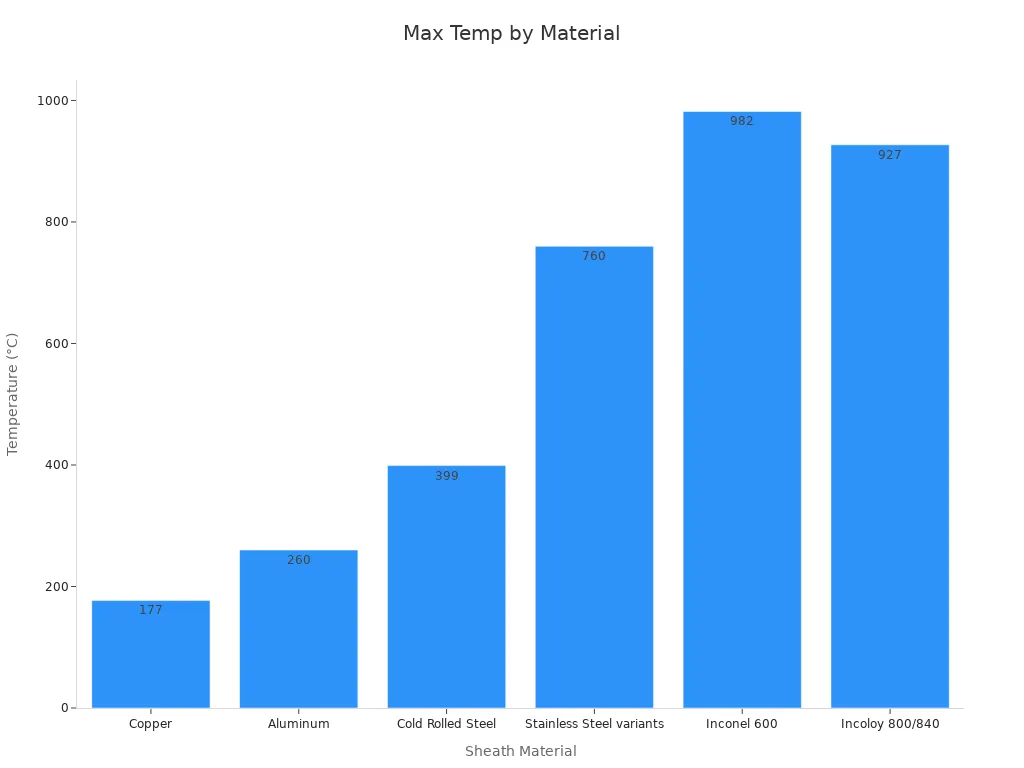
Macchine da caffè, scaldabagni, vaporizzatori, riscaldamento olio. Gli elementi riscaldanti tubolari riscaldano l'acqua rapidamente e in modo uniforme. Questo fornisce la temperatura giusta per l'infusione. Il tuo caffè ha un sapore migliore grazie a questo. Materiali resistenti come l'acciaio inossidabile li aiutano a durare a lungo. Inoltre, non si arrugginiscono facilmente.
A cartuccia
Gli elementi riscaldanti a cartuccia sembrano piccoli bastoncini metallici. Si trovano spesso nelle macchine per espresso dove lo spazio è limitato. Questi elementi si inseriscono in fori in blocchi metallici o caldaie. Quando accendi la macchina, la cartuccia si riscalda rapidamente. Trasmette il calore direttamente all'acqua o al metallo circostante.
Gli elementi a cartuccia permettono di controllare la temperatura molto bene. Questo aiuta a preparare l'espresso alla giusta temperatura ogni volta. Anche alcune macchine da caffè a goccia di fascia alta li utilizzano. Le loro dimensioni ridotte li rendono facili da inserire in spazi piccoli.
Suggerimento: Gli elementi a cartuccia sono i migliori per macchine che necessitano di riscaldamento rapido e controllo preciso della temperatura.
A immersione
A immersione.
Gli elementi riscaldanti a immersione sono posizionati direttamente nell'acqua all'interno della macchina da caffè. Li puoi trovare in alcune macchine da caffè a goccia più vecchie e nei bollitori elettrici. Quando accendi la macchina, l'elemento si riscalda e scalda l'acqua.
Possono creare punti caldi se l'acqua non viene mescolata.
Dovresti controllare il livello dell'acqua in modo che l'elemento non si bruci.
Se non mescoli o muovi l'acqua, puoi ottenere punti caldi e freddi. Questo può alterare il sapore del tuo caffè. Mescolare aiuta a distribuire il calore e mantiene la temperatura uniforme.
A fascia.
Gli elementi riscaldanti a fascia avvolgono l'esterno di un contenitore metallico o di una caldaia. Li puoi trovare in alcune macchine per espresso e piastre riscaldanti. La fascia si riscalda e trasmette il calore attraverso il metallo all'acqua o al caffè all'interno.
Gli elementi a fascia si riscaldano rapidamente. Aiutano a mantenere stabile la temperatura di infusione..
Funzionano bene per preparare il caffè e mantenerlo caldo.
Studi dimostrano che gli elementi riscaldanti a fascia possono raggiungere il 90% della loro temperatura target in circa un secondo.. Questo significa che la tua macchina da caffè diventa calda rapidamente. Non devi aspettare a lungo per il tuo caffè. Il riscaldamento rapido aiuta anche a mantenere la temperatura stabile per un buon sapore del caffè.
In alluminio pressofuso
Gli elementi riscaldanti in alluminio pressofuso utilizzano un blocco di alluminio con fili riscaldanti all'interno. Li puoi trovare in alcune macchine per espresso di fascia alta e piastre riscaldanti. L'alluminio distribuisce il calore molto bene, quindi la temperatura rimane uniforme.. Gli elementi in alluminio pressofuso durano a lungo. L'alluminio non arrugginisce e può sopportare urti. Questi elementi possono funzionare ad alte temperature per anni. L'alluminio resistente e leggero aiuta anche la tua macchina da caffè a consumare meno energia.
Nota: Gli elementi riscaldanti in alluminio pressofuso sono popolari perché sono resistenti, fanno risparmiare energia e distribuiscono il calore in modo uniforme.
Elementi Riscaldanti: Materiali e Costruzione.
Heating Elements: Materials and Construction
Materiali Comuni
Le macchine da caffè utilizzano diversi materiali per gli elementi riscaldanti. Ciascuno ha una funzione specifica. Ecco i più comuni:
Alluminio: Questo metallo diffonde il calore rapidamente. Lo si trova negli elementi in alluminio pressofuso. L'alluminio non arrugginisce, quindi dura a lungo.
Rame: Il rame trasferisce molto bene il calore. Alcune macchine utilizzano il rame per un riscaldamento rapido. Si piega facilmente, quindi può assumere molte forme.
Acciaio Inossidabile: L'acciaio inossidabile non arrugginisce e sopporta temperature elevate. Molte macchine da caffè a goccia e macchine espresso lo utilizzano. È resistente e sicuro per gli alimenti.
Incoloy: L'Incoloy è un tipo di lega. Può sopportare temperature molto elevate. Lo si trova in macchine progettate per durare molti anni.
Consiglio: Se desideri una macchina da caffè che duri a lungo, scegline una con elementi riscaldanti in acciaio inossidabile o Incoloy.
Ecco una tabella che mostra il motivo per cui ogni materiale viene utilizzato:
Materiale | Vantaggio Principale | Utilizzo Comune |
|---|---|---|
Alluminio | Trasferimento rapido del calore | Elementi pressofusi, piastre |
Rame | Flessibile, riscalda rapidamente | Tubolare, a immersione |
Acciaio Inossidabile | Resistente alla ruggine, robusto | Tubolare, a cartuccia |
Incoloy | Sopporta temperature elevate | Macchine di fascia alta |
Come Funzionano
Gli elementi riscaldanti generano calore tramite resistenza elettrica. Quando accendi la tua macchina da caffè, l'elettricità passa attraverso un filo all'interno dell'elemento. Il filo oppone resistenza al flusso. Questo rende il filo caldo. Il calore si trasferisce all'acqua o al metallo circostante.
I produttori installano gli elementi riscaldanti in modi diversi. Alcuni vengono pressati o crimpati. Altri utilizzano rivetti o viti per tenerli saldi. Questo mantiene l'elemento sicuro e aiuta a riscaldare in modo uniforme.
Non è necessario guardare all'interno per sapere che funziona. Quando senti la tua macchina da caffè ronzare o la percepisci calda, l'elemento riscaldante sta funzionando.
Vantaggi e svantaggi
Efficienza
Vuoi che la tua macchina da caffè riscaldi l'acqua rapidamente. Vuoi anche che consumi meno energia. Diversi elementi riscaldanti fanno questo a modo loro.
Riscaldatori a resistenza elettrica convertono quasi tutta l'elettricità in calore.
Alcuni elementi riscaldanti, come i tipi convettori, consumano meno energia ma mantengono comunque il caffè caldo.
I riscaldatori radianti possono consumare più energia perché riscaldano più del solo acqua.
Dispositivi di riscaldamento personale consumano meno potenza ma offrono comunque un buon comfort e risparmiano energia.
Se imposti la tua macchina da caffè a una temperatura più alta, può disperdere più calore. Questo significa che consuma più elettricità. Trovare l'impostazione giusta ti aiuta a risparmiare energia e mantiene il caffè caldo.
Durata
Vuoi che la tua macchina da caffè duri a lungo. Il tipo di elemento riscaldante e il suo materiale contano per quanto tempo funziona.
Gli elementi riscaldanti in acciaio inossidabile e Incoloy non arrugginiscono e sopportano bene le alte temperature.
Alluminio e rame si riscaldano rapidamente ma potrebbero non durare altrettanto a lungo con acqua dura.
La maggior parte degli elementi riscaldanti per scaldabagni elettrici dura da 6 a 10 anni. L'acqua dura può farli consumare più velocemente causando calcare.
Ecco una tabella per confrontare la durata:
Materiale | Durata | Note |
|---|---|---|
Acciaio Inossidabile | Alta | Resistente alla ruggine, robusto |
Incoloy | Molto elevata | Sopporta alte temperature, corrosione |
Alluminio | Media | Riscaldamento rapido, meno durevole |
Rame | Media | Flessibile, può corrodersi |
Manutenzione
Devi prenderti cura della tua macchina da caffè per mantenerla in buone condizioni.
Controlla gli elementi riscaldanti ogni sei mesi, soprattutto se hai acqua dura.
Rimuovi i depositi minerali con una spazzola o un ammollo nell'aceto.
Sciacqua il serbatoio ogni 3-6 mesi per eliminare i sedimenti e migliorarne il funzionamento.
L'uso di addolcitori d'acqua può prevenire l'accumulo di calcare e aiutare la tua macchina a durare più a lungo.
Pulire spesso la tua macchina mantiene il caffè buono. Aiuta anche la macchina a durare più a lungo. Se non la pulisci, potresti dover sostituire i pezzi più spesso.
Tabella Comparativa
Caratteristiche principali
Quando osservi gli elementi riscaldanti per macchine da caffè, noti grandi differenze. Non sono tutti uguali in termini di potenza, materiale o controllo del calore. La tabella seguente elenca i Caratteristiche principali per ciascun tipo. Puoi utilizzarlo per aiutarti a scegliere quello più adatto alle tue esigenze.
Tipo di riscaldatore | Intervallo di potenza | Intervallo di tensione | Materiale | Applicazione | Controllo della Temperatura | Caratteristiche di durata |
|---|---|---|---|---|---|---|
Riscaldatore tubolare | 500W – 5kW | 110V – 480V | Acciaio inossidabile / Incoloy | Caldaie, macchine per espresso | Termostati, controller | Elevata durata, resistente alla ruggine |
Riscaldatore a immersione | 500W – 3kW | 110V – 240V | Acciaio inossidabile / Rame | Riscaldamento diretto di liquidi, serbatoi di infusione | Termostati regolabili | Di lunga durata, resistente alla corrosione |
Riscaldatore a fascia | 500W – 4kW | 110V – 240V | Acciaio inossidabile / Incoloy | Serbatoi cilindrici, caldaie | Controllo termostatico | Robusto, distribuzione uniforme del calore |
Riscaldatore a cartuccia | 100W – 1.5kW | 110V – 240V | Acciaio inossidabile / Incoloy | Piccole macchine da caffè | Termostato integrato | Eccellente trasferimento di calore |
Riscaldatore in Ceramica | 200W – 1.5kW | 110V – 240V | Materiali ceramici | Piccole macchine da caffè, espresso | Termostato esterno | Temperatura stabile, efficiente dal punto di vista energetico |
I riscaldatori tubolari e a fascia sono adatti per macchine più grandi. I riscaldatori a cartuccia e in ceramica funzionano bene in macchine da caffè più piccole o più precise. I riscaldatori a immersione riscaldano l'acqua direttamente e durano a lungo.
Dovresti anche considerare la densità di potenza quando scegli un elemento riscaldante. La densità di potenza indica quanto calore si concentra in una piccola area. Se la densità di potenza è elevata, l'elemento si riscalda più rapidamente. Ma se non viene utilizzato correttamente, potrebbe usurarsi prima.
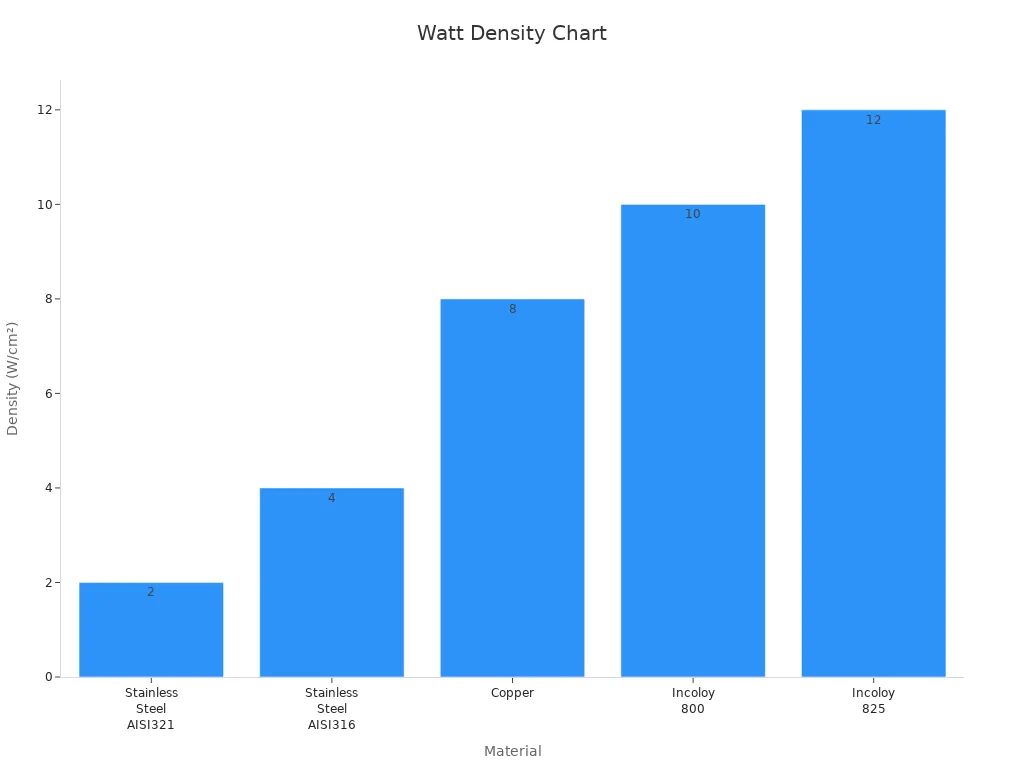
Gli elementi in acciaio inossidabile e Incoloy possono gestire un'elevata densità di potenza. Durano più a lungo anche con un uso intenso.
Il rame si riscalda rapidamente ma funziona al meglio con acqua pulita.
I riscaldatori in ceramica mantengono la temperatura stabile e risparmiano energia.
Suggerimento: se desideri una macchina da caffè che si riscaldi rapidamente e duri a lungo, scegli elementi riscaldanti in acciaio inossidabile o Incoloy con un buon controllo della temperatura.
Scelta dell'elemento riscaldante corretto
Fattori da considerare
Quando scegli un elemento riscaldante per la tua macchina da caffè domestica, dovresti considerare alcuni aspetti fondamentali. Queste scelte influenzano il funzionamento della macchina e la sua durata.
Qualità del materiale: L'acciaio inossidabile 316L non arrugginisce e dura a lungo, anche con acqua dura. I rivestimenti in ceramica o PTC aiutano a prevenire l'accumulo di calcare. Questo rende la pulizia più facile e aiuta l'elemento a durare più a lungo.
Costanza della temperatura: Mantenere l'acqua alla stessa temperatura offre un gusto di caffè migliore. Le macchine con sensori o controller PID Aiutano a mantenere costante il calore durante l'infusione.
Efficienza energetica: L'utilizzo di meno energia quando la macchina non sta erogando può farti risparmiare fino a 20% sulla bolletta energetica. Gli elementi riscaldanti efficienti aiutano anche il pianeta consumando meno elettricità.
Caratteristiche di Sicurezza: La protezione anti-riscaldamento a secco e lo spegnimento automatico contribuiscono alla tua sicurezza. Impediscono inoltre che la macchina subisca danni.
Esigenze di Manutenzione: Design facili da pulire e rivestimenti che prevengono il calcare rendono semplice la manutenzione della macchina. Dedicherai meno tempo alla pulizia e più tempo a bere il caffè.
Esigenze di Erogazione: Il tipo di caffè che preferisci è importante. I termoblocchi sono adatti per l'espresso. Le resistenze a spirale funzionano bene per il caffè filtrato. Le macchine a capsule utilizzano spesso elementi in ceramica PTC.
Certificazioni: Cerca marchi UL, CE o LFGB. Questi indicano che la macchina è sicura e realizzata con materiali di buona qualità.
Riscaldamento Rapido: Le macchine che si riscaldano velocemente significano che non devi aspettare a lungo per il tuo caffè. Questo è ideale se desideri un espresso o hai bisogno di caffè rapidamente al mattino.
IoT e Funzionalità Smart: Alcune macchine moderne ti permettono di utilizzare il telefono per controllare la temperatura e il consumo energetico. Queste funzionalità rendono più semplice ottenere il caffè perfetto.
Consiglio: Scegli sempre un elemento riscaldante che corrisponda al tuo metodo di erogazione e alla frequenza di utilizzo della macchina. Questo ti aiuta a ottenere il miglior caffè e a far funzionare bene la macchina.
Puoi scegliere tra diversi elementi riscaldanti per la tua macchina da caffè. I tipi tubolari e a fascia sono adatti per macchine a filtro ed espresso. I tipi a cartuccia e in alluminio pressofuso si riscaldano rapidamente in spazi ridotti. I tipi a immersione riscaldano l'acqua direttamente ma richiedono maggiore attenzione.
I sondaggi indicano che le persone ascoltano le recensioni degli utenti e i consigli degli esperti quando scelgono.
Gli studi dimostrano che è importante verificare quanto bene funziona la macchina e quanto è facile mantenerla.
Scegli un tipo che si adatti al tuo modo di preparare il caffè. Cerca di trovare modelli che consumino meno energia e durino a lungo.
FAQ
Quale elemento riscaldante funziona meglio con l'acqua dura?
Scegli elementi riscaldanti in acciaio inossidabile o Incoloy. Questi materiali non si arrugginiscono né accumulano calcare facilmente. Durano più a lungo quando l'acqua è dura.
Quali segnali indicano che un elemento riscaldante deve essere sostituito?
Se il caffè si riscalda lentamente, l'elemento potrebbe essere difettoso. Potresti anche notare una temperatura di erogazione irregolare o nessun calore. Un caffè debole o freddo può indicare che l'elemento deve essere controllato.
Qual è l'elemento riscaldante più sicuro per le macchine da caffè domestiche?
Gli elementi riscaldanti in acciaio inossidabile e ceramica sono molto sicuri. Non si arrugginiscono né rilasciano sostanze chimiche nocive nel caffè.
Quale manutenzione aiuta gli elementi riscaldanti a durare più a lungo?
Pulisci la macchina da caffè ogni pochi mesi. Usa aceto o una soluzione decalcificante per eliminare i depositi minerali. Questo aiuta l'elemento riscaldante a funzionare bene a lungo.
Quale elemento riscaldante garantisce il tempo di riscaldamento più rapido?
Gli elementi riscaldanti a cartuccia e a fascia si scaldano molto velocemente. Questi tipi sono adatti se vuoi che la macchina da caffè sia pronta in pochi secondi.