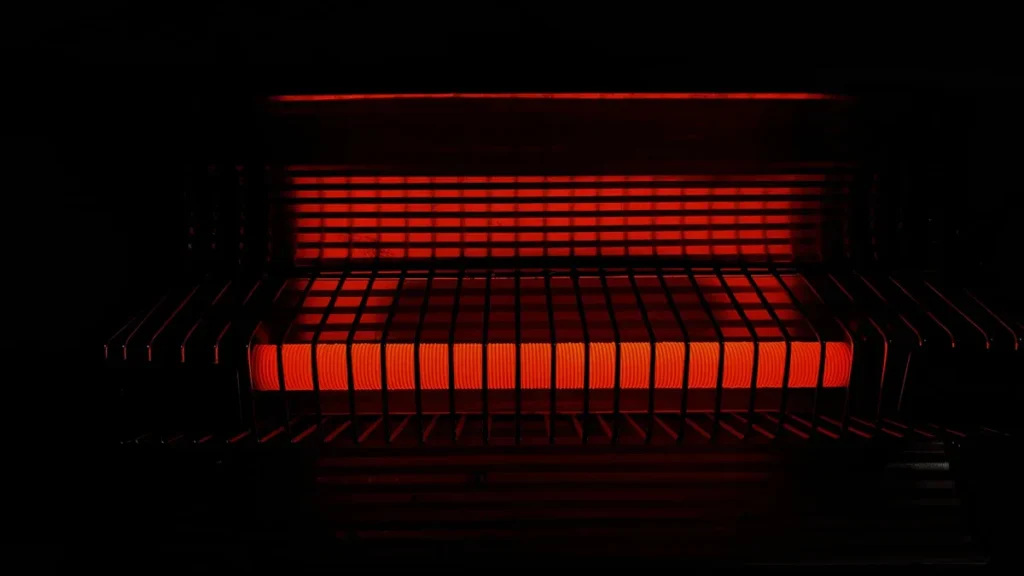
Vous exigez une chaleur fiable dans vos processus industriels ou vos appareils électroménagers. Un infrarouge élément chauffant délivre une chaleur immédiate et constante, ce qui en fait un choix de confiance pour les professionnels comme pour les particuliers. De nombreux Fabricants d'éléments chauffants, y compris Chauffage électrique Jinzhong, conçoivent des produits qui excellent en performance et en durabilité. Lorsque vous sélectionnez éléments chauffants pour appareils ménagers, vous bénéficiez d'une ingénierie avancée qui garantit un rendement stable et une longue durée de vie.
Mécanisme de l'élément chauffant infrarouge
Rayonnement infrarouge et transfert de chaleur
Comment un élément chauffant infrarouge émet de l'énergie
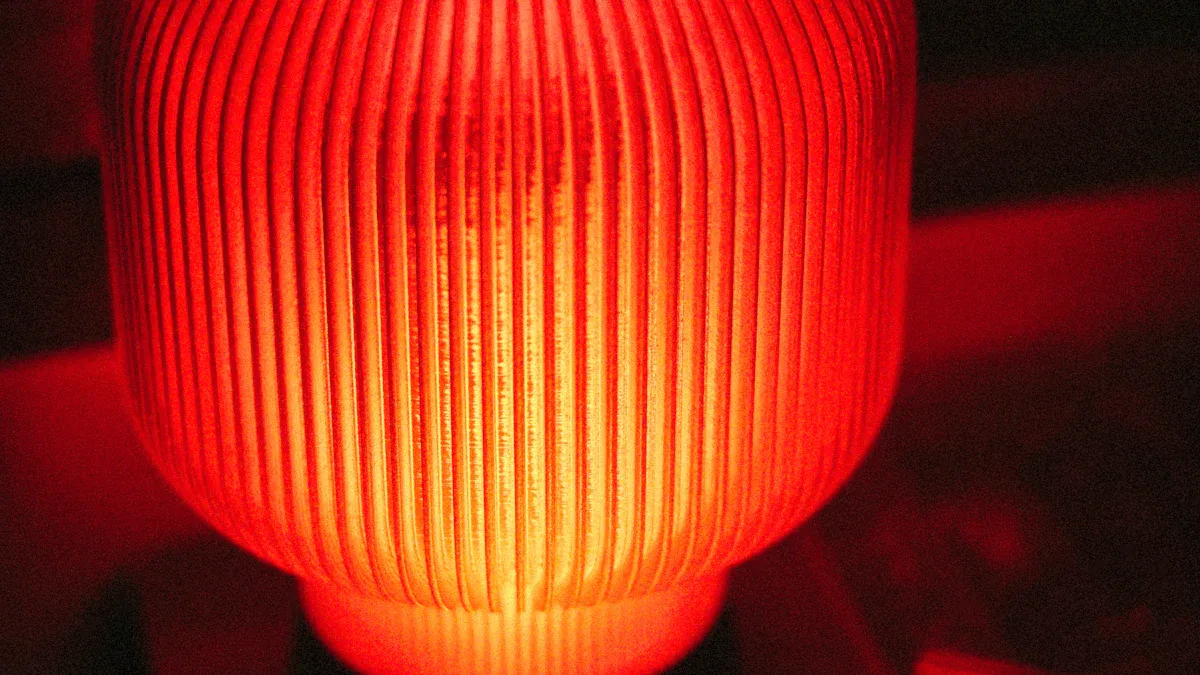
Vous bénéficiez d'une solution de chauffage qui utilise des principes scientifiques fondamentaux pour délivrer de la chaleur. Un élément chauffant infrarouge émet de l'énergie par chauffage radiant, qui transfère l'énergie via des ondes électromagnétiques. Ce processus réchauffe directement les objets et les personnes, plutôt que de chauffer l'air ambiant. La Loi de Stefan–Boltzmann explique qu'à mesure que la température de l'élément chauffant augmente, la quantité de chaleur rayonnante qu'il émet croît rapidement. L'émissivité joue également un rôle crucial. Les surfaces à émissivité plus élevée, comme les matériaux plus foncés, absorbent et émettent le rayonnement infrarouge plus efficacement.
Conseil : Une exposition directe à l' élément chauffant infrarouge vous garantit une chaleur des plus efficaces, car le rayonnement infrarouge se propage en ligne droite et nécessite une ligne de vue dégagée.
- Chauffage radiant : Transfère l'énergie par ondes électromagnétiques, réchauffant directement les objets.
- Loi de Stefan–Boltzmann : La puissance calorifique rayonnante augmente considérablement avec l'élévation de la température de l'élément.
- Émissivité : Les surfaces plus foncées absorbent et émettent le rayonnement infrarouge plus efficacement.
- Ligne de vue : Une exposition directe est essentielle pour un chauffage efficace.
- Absorption et réémission : Les surfaces chauffées stockent l'énergie et la libèrent progressivement, améliorant la chaleur globale.
La longueur d'onde du rayonnement infrarouge affecte également l'efficacité du transfert de chaleur vers différents matériaux. Par exemple, l'eau et le PVC absorbent le mieux le rayonnement infrarouge à ondes moyennes, tandis que les métaux réfléchissent la majeure partie de l'énergie infrarouge moyenne et lointaine. L'efficacité de votre élément chauffant infrarouge dépend de l'adaptation de son spectre d'émission aux caractéristiques d'absorption du matériau cible.
| Type de matériau | Longueur d'onde d'absorption maximale (μm) | Relation d'efficacité |
|---|---|---|
| Eau | 3 | Mieux absorbée par les radiateurs infrarouges à ondes moyennes |
| PVC | 3.5 | Mieux absorbée par les radiateurs infrarouges à ondes moyennes |
| Métaux | Gamme des ondes courtes | Réflectivité élevée dans l'infrarouge moyen et lointain |
Le rayonnement infrarouge se divise en trois catégories : Proche-IR (0,75–1,4 µm), Moyen-IR (1,4–3 µm) et Lointain-IR (3–1000 µm). La production d'énergie de votre élément chauffant varie avec sa température et le type de lampe ou d'émetteur utilisé.
Distribution directe de la chaleur rayonnante
Vous ressentez une chaleur immédiate car l'élément chauffant infrarouge délivre la chaleur directement aux surfaces et aux personnes. Contrairement aux radiateurs par convection, qui dépendent de la circulation de l'air, les radiateurs infrarouges concentrent l'énergie précisément là où vous en avez besoin. Cette approche directe minimise les pertes de chaleur et garantit que vous en ressentez les effets presque instantanément. Lorsque vous utilisez un élément chauffant infrarouge, vous remarquez que les objets de la pièce retiennent la chaleur et la libèrent progressivement, maintenant un environnement confortable même après l'arrêt du radiateur.
Caractéristiques de production de chaleur constante
Régulation stable de la température
Vous comptez sur une régulation stable de la température pour le confort et le contrôle des processus. Les éléments chauffants infrarouges excellent dans ce domaine grâce à leurs matériaux et leur conception avancés. Par exemple, les éléments en céramique et en quartz maintiennent une production de chaleur constante même en fonctionnement continu. Les composants en aluminium et en acier inoxydable maximisent la transmission de la chaleur rayonnante et réduisent le gaspillage d'énergie. Ces matériaux garantissent que votre élément chauffant infrarouge délivre une chaleur stable sans fluctuations fréquentes.
| Matériau | Propriétés | Avantages pour la production de chaleur |
|---|---|---|
| Aluminium | Réflectivité élevée, léger, résistant à la corrosion | Maximise la transmission de la chaleur rayonnante |
| Acier inoxydable | Durable, résistant aux hautes températures | Réduit les pertes de chaleur et le gaspillage d'énergie |
| Céramique | Bonne résistance thermique, stable à haute température | Maintient une production de chaleur constante |
| Quartz | Excellentes propriétés thermiques, léger | Émission de chaleur efficace, réponse rapide |
| Revêtements Or/Rubis | Réflectivité améliorée, chauffage de précision | Concentre la production de chaleur pour des besoins spécifiques |
Vous bénéficiez également de la capacité unique des panneaux chauffants infrarouges à stocker la chaleur dans les surfaces. Lorsque ces panneaux émettent de la chaleur sur les objets, ceux-ci retiennent la chaleur et la rayonnent à nouveau dans la pièce. Cet effet de chaleur persistante améliore le confort et réduit le besoin de fonctionnement continu, économisant de l'énergie à long terme.
Réponse rapide aux variations de puissance
Vous avez besoin d'une solution de chauffage qui réponde rapidement aux variations de puissance. Les éléments chauffants infrarouges offrent des temps de chauffe rapides et des ajustements immédiats des réglages de température. Les éléments en fibre de carbone offrent un chauffage rapide et une efficacité énergétique. Les conceptions à tube halogène et quartz délivrent une production de chaleur constante et ciblée, vous permettant de contrôler l'environnement avec précision. Cette réponse rapide garantit que vous disposez toujours de la quantité de chaleur appropriée exactement quand vous en avez besoin.
- Fibre de carbone : Chauffage rapide, économe en énergie.
- Halogène : Montée en température rapide, haute intensité.
- Tube quartz : Production de chaleur constante et ciblée.
Grâce à ces caractéristiques, votre élément chauffant infrarouge s'adapte à vos besoins, que vous recherchiez une chaleur instantanée ou un contrôle précis de la température pour des applications sensibles.
Fiabilité de l'élément chauffant infrarouge
Capacités de chauffage rapide
Génération instantanée de chaleur
Vous attendez de votre système de chauffage qu'il délivre rapidement de la chaleur, en particulier dans des environnements exigeants. Un élément chauffant infrarouge excelle dans ce domaine en atteignant sa température de fonctionnement en seulement quelques minutes. Contrairement aux radiateurs à convection traditionnels, qui peuvent nécessiter jusqu'à une demi-heure pour devenir pleinement efficaces, les panneaux infrarouges montent généralement en température en 3 à 5 minutes. Cette réponse rapide garantit un confort immédiat et un contrôle efficace des processus.
| Technologie de chauffage | Temps moyen pour atteindre la température de fonctionnement |
|---|---|
| Panneaux infrarouges | 3 à 5 minutes |
| Radiateurs à convection traditionnels | Jusqu'à 20-30 minutes |
Vous bénéficiez d'un avantage clair grâce à ce temps de chauffe rapide, ce qui rend les éléments chauffants infrarouges idéaux pour les applications résidentielles et industrielles où le temps et l'efficacité sont importants.
Pertes de chaleur minimales pendant le fonctionnement
Vous souhaitez que votre solution de chauffage maximise l'utilisation de l'énergie et minimise le gaspillage. Les éléments chauffants infrarouges atteignent près de 100 % d'efficacité en délivrant une chaleur rayonnante directement aux objets et aux surfaces, et non seulement à l'air. Ce transfert direct réduit les pertes d'énergie et garantit que presque toute l'énergie consommée se transforme en chaleur utilisable.
| Type de chauffage | Efficacité | Caractéristiques des pertes de chaleur |
|---|---|---|
| Chauffages infrarouges | Près de 100 % | Pertes de chaleur minimales, chauffe les objets directement |
| Chauffages conventionnels | Moins efficaces | Pertes d'énergie importantes par les conduits et l'isolation |
Remarque : En choisissant un élément chauffant infrarouge, vous réduisez la consommation d'énergie inutile et bénéficiez d'une méthode de chauffage plus durable.
Répartition uniforme de la chaleur
Couverture de surface uniforme
Vous avez besoin d'une chaleur constante dans chaque partie de votre espace. Les éléments chauffants infrarouges assurent une répartition uniforme de la chaleur en émettant un rayonnement ciblé qui pénètre directement les surfaces. Cette méthode évite le chauffage inégal souvent observé avec d'autres technologies.
| Caractéristique | Description |
|---|---|
| Rayonnement ciblé | Les longueurs d'onde infrarouges pénètrent directement les surfaces, les chauffant uniformément sans dépendre de l'air. |
| Pas de ‘points chauds’ | Les tubes en quartz répartissent la chaleur uniformément, évitant le chauffage inégal qui peut survenir avec d'autres éléments. |
- Les chauffages infrarouges de qualité professionnelle utilisent des réflecteurs conçus sur mesure pour améliorer la répartition de la chaleur.
- La chaleur rayonnante se diffuse naturellement, assurant des transitions de température graduelles.
Les chauffages infrarouges chauffent les objets directement, et non seulement l'air, ce qui réduit les pertes d'énergie et maximise l'efficacité. Cette approche ciblée garantit une chaleur uniforme sur toutes les surfaces.
Élimination des points froids
Vous rencontrez souvent des points froids avec les systèmes de chauffage conventionnels. Les éléments chauffants infrarouges résolvent ce problème en émettant une chaleur rayonnante qui réchauffe directement les objets et les surfaces. Vous pouvez positionner ces chauffages stratégiquement pour cibler des zones froides spécifiques, fournissant une chaleur directe et concentrée. Cette méthode minimise les pertes d'énergie et assure un chauffage efficace, même dans les endroits les plus froids.
- Les chauffages infrarouges émettent une chaleur rayonnante qui réchauffe directement les objets et les surfaces.
- Vous pouvez les positionner pour cibler des zones froides spécifiques et obtenir une chaleur directe et concentrée.
- Cette approche minimise les pertes d'énergie et assure un réchauffement efficace même des points les plus froids, améliorant ainsi l'uniformité globale de la température.
Conception et matériaux durables
Longévité de l'élément chauffant infrarouge
Vous souhaitez une solution de chauffage qui résiste à l'épreuve du temps. Un élément chauffant infrarouge bien fabriqué peut durer de 15 à 20 ans dans des conditions de fonctionnement normales. Les modèles commerciaux robustes peuvent dépasser 25 ans. Les panneaux infrarouges durent généralement environ 20 ans, certains modèles pouvant atteindre jusqu'à 30 ans selon la qualité. Les éléments chauffants en céramique de haute qualité peuvent fonctionner pendant plusieurs milliers d'heures, certains dépassant 10 000 heures.
- Les panneaux infrarouges devraient durer environ 20 ans.
- La durée de vie peut varier de 10 à 30 ans selon la qualité.
- Les modèles commerciaux robustes peuvent dépasser 25 ans.
- Les éléments en céramique de haute qualité peuvent dépasser 10 000 heures de fonctionnement.
Résistance aux contraintes environnementales
Toi besoin d'un élément chauffant offrant une fiabilité de performance dans des environnements exigeants. Les fabricants utilisent des matériaux avancés pour garantir la durabilité et la résistance aux contraintes environnementales. Historiquement, les matériaux céramiques offraient une résistance aux hautes températures. Les conceptions modernes privilégient désormais le quartz pour sa durabilité et son efficacité supérieures. Le quartz résiste aux hautes températures et améliore les performances globales de l'élément chauffant infrarouge.
| Composant | Description du matériau |
|---|---|
| Isolant | Matériau céramique à haute résistance aux chocs thermiques |
| Fil résistant | Ni80Cr20 de haute qualité |
| Couche de glaçure | Matériaux d'oxyde métallique à bon rayonnement avec additifs |
- Le quartz résiste aux hautes températures.
- Il offre des propriétés supérieures à la céramique.
- Il améliore l'efficacité globale du chauffage infrarouge.
Conseil : En choisissant un élément chauffant infrarouge fabriqué avec ces matériaux avancés, vous assurez une fiabilité à long terme et des performances constantes, même dans des environnements exigeants.
Élément chauffant infrarouge vs autres méthodes de chauffage
Comparaison avec les chauffages électriques
Fiabilité dans le maintien de la température
Vous remarquez une nette différence dans la manière dont les radiateurs infrarouges et les radiateurs électriques maintiennent la température. Les radiateurs infrarouges fournissent une chaleur instantanée en chauffant directement les objets et les personnes. Cette méthode entraîne moins de gaspillage d'énergie et un confort plus rapide. Les radiateurs électriques chauffent l'air, ce qui peut entraîner une répartition inégale de la température et des temps de chauffe plus longs. Vous bénéficiez d'une chaleur plus constante et plus fiable avec la technologie infrarouge, car elle ne dépend pas du mouvement de l'air. Les radiateurs infrarouges convertissent presque toute l'électricité en chaleur, vous atteignez donc rapidement la température souhaitée et la maintenez avec une fluctuation minimale.
Différences de consommation d'énergie
Vous souhaitez une solution de chauffage qui maintienne les coûts énergétiques bas. Les systèmes de chauffage infrarouge fournissent une chaleur radiante ciblée, vous permettant de ressentir une chaleur plus élevée à des puissances inférieures. Les radiateurs électriques utilisent la convection pour chauffer l'air, ce qui nécessite plus d'énergie et peut être moins efficace dans les grands espaces ou les espaces sujets aux courants d'air.
| Méthode de chauffage | Consommation d'énergie |
|---|---|
| Chauffage infrarouge | Puissance inférieure, plus efficace grâce au chauffage radiant direct |
| radiateurs électriques | Puissance supérieure, repose sur la convection, moins efficace |
- Les systèmes infrarouges consomment généralement moins d'énergie dans l'ensemble.
- Les radiateurs électriques nécessitent des apports électriques plus élevés pour chauffer suffisamment l'air.
- Le chauffage infrarouge fonctionne mieux dans les espaces bien isolés.
Comparaison avec le chauffage au gaz
Facteurs de sécurité et de constance
Vous accordez la priorité à la sécurité dans vos choix de chauffage. Les radiateurs infrarouges ne présentent pas de flammes nues, ont des têtes de brûleur fermées et des températures de surface basses. Ces éléments de conception les rendent adaptés aux espaces familiaux et publics. Les systèmes de chauffage au gaz peuvent présenter des risques tels que des dangers de combustion et des fuites de gaz. Les radiateurs infrarouges offrent également une chaleur immédiate et de faibles émissions, ce qui les rend compatibles avec les panneaux solaires. Les systèmes au gaz peuvent produire des émissions plus élevées et nécessitent une surveillance attentive pour la sécurité.
- Les radiateurs infrarouges sont économes en énergie et fournissent une chaleur immédiate.
- Ils ont de faibles émissions et fonctionnent bien avec les sources d'énergie renouvelables.
- Les systèmes de chauffage au gaz peuvent impliquer des émissions plus élevées et des préoccupations de sécurité.
Entretien et maintenance
Vous bénéficiez d'un entretien simple avec le chauffage infrarouge. Les systèmes de chauffage au gaz nécessitent une attention régulière pour fonctionner en toute sécurité et efficacité.
- Huiler le ventilateur pour éviter les dommages.
- Inspecter les tuyaux pour détecter les fuites afin de maintenir l'efficacité.
- Vérifier les joints pour éviter les fuites.
- Analyser les vannes pour garantir un positionnement correct.
- Nettoyer les systèmes d'échappement pour éviter l'accumulation de débris.
- Effectuer un nettoyage périodique des composants pour éliminer la poussière et la suie.
- Nettoyer les échangeurs de chaleur et les brûleurs chaque année.
- Inspecter et remplacer les filtres si nécessaire.
- Lubrifier le moteur du ventilateur d'alimentation et les roulements du ventilateur.
- Inspecter et nettoyer le brûleur pour garantir l'efficacité.
Les éléments chauffants infrarouges nécessitent un entretien moins fréquent, ce qui vous fait gagner du temps et réduit les coûts à long terme.
Comparaison avec le chauffage par le sol radiant
Installation et performance
Vous prenez en compte l'installation et la performance lors du choix d'un système de chauffage. Les panneaux infrarouges se montent sur les murs ou les plafonds, offrant une installation simple. Le film chauffant infrarouge s'installe sous les sols ou les plafonds, ce qui est plus complexe. Les panneaux infrarouges atteignent des températures de surface plus élevées (80°C à 120°C), offrant un chauffage rapide. Le film chauffant fonctionne à des températures plus basses (35°C à 55°C), fournissant une chaleur douce. Les panneaux infrarouges conviennent aux petits espaces nécessitant une chaleur ciblée, tandis que le film chauffant est idéal pour le chauffage de pièces entières dans les nouvelles constructions.
- Panneaux infrarouges : Montage mural ou au plafond, chauffage rapide, chaleur ciblée.
- Film chauffant : Installation sous le sol, chaleur douce, idéal pour les nouvelles constructions.
Adéquation à différents environnements
Vous adaptez votre système de chauffage à votre environnement pour des résultats optimaux.
| Système de chauffage | Environnements les mieux adaptés |
|---|---|
| Chauffage infrarouge | Grands espaces avec hauts plafonds, espaces commerciaux, zones extérieures |
| Chauffage par rayonnement au sol | Intérieurs résidentiels où le confort sous les pieds est priorisé |
Vous choisissez le chauffage infrarouge pour les grands espaces ou les espaces commerciaux et le chauffage par le sol radiant pour le confort résidentiel.
Avantages de l'élément chauffant infrarouge
Avantages en matière d'efficacité énergétique
Coûts d'exploitation réduits
Vous pouvez réduire considérablement vos coûts de chauffage en choisissant un élément chauffant infrarouge. Cette technologie délivre la chaleur directement aux objets et aux personnes, ce qui signifie moins de gaspillage d'énergie et des factures d'énergie moins élevées. Des études montrent que les radiateurs infrarouges peuvent réaliser des économies de coûts de carburant allant jusqu'à 50% par rapport aux méthodes de chauffage traditionnelles. Vous pouvez régler votre thermostat plus bas tout en restant confortable, ce qui réduit encore les dépenses. Les systèmes infrarouges à deux étages peuvent diminuer les coûts énergétiques de 12% supplémentaires.
- Une évaluation des systèmes de chauffage infrarouge à deux étages par rapport aux systèmes à air pulsé montre une amélioration de l'efficacité de 24%.
- Des rapports indiquent des économies annuelles de carburant allant jusqu'à 50%.
- Des analyses dans des revues industrielles rapportent des économies comprises entre 33% et 50% par rapport aux aérothermes.
Vous pouvez voir la différence des coûts d'exploitation dans le tableau ci-dessous :
| Technologie de chauffage | Coût d'exploitation (par heure) | Efficacité (%) | Notes supplémentaires |
|---|---|---|---|
| Chauffage infrarouge | 5p | 90% | Réchauffe directement les objets, ce qui réduit les coûts énergétiques |
| Électrique traditionnel | 10p – 35p | Variable | Moins efficace en raison du chauffage par convection |
| Chauffage au gaz | Coûts globaux plus élevés | Variable | Prix fluctuants et entretien nécessaire |
Réduction de l'empreinte environnementale
Vous contribuez à protéger l'environnement en utilisant le chauffage infrarouge. Ces systèmes fonctionnent à l'électricité, qui provient de plus en plus de sources renouvelables. Dans des endroits comme le Royaume-Uni, une grande partie de l'électricité provient désormais de l'énergie éolienne et solaire, ce qui réduit l'empreinte carbone du chauffage. Les éléments chauffants infrarouges consomment moins d'énergie car ils chauffent directement les objets, et non l'air. Cela entraîne moins d'émissions de carbone. Les systèmes traditionnels au gaz reposent sur des combustibles fossiles, qui ont un impact environnemental bien plus élevé. Le chauffage infrarouge minimise également le mouvement de l'air, ce qui réduit la poussière et les allergènes et contribue à maintenir une meilleure qualité de l'air intérieur.
Aspects de sécurité
Aucun risque de flamme nue
Vous évitez les dangers des flammes nues en choisissant le chauffage infrarouge. Ces systèmes fournissent une chaleur directe et ciblée sans produire de sous-produits nocifs. Vous pouvez les utiliser en toute sécurité dans des environnements contenant des matériaux inflammables. Les éléments chauffants infrarouges fonctionnent sans flammes nues, ce qui réduit considérablement le risque d'inflammation. Les radiateurs traditionnels peuvent créer des sources d'inflammation et des situations dangereuses. Les radiateurs infrarouges ne produisent pas de fumées, de vapeurs ni d'odeurs, rendant votre espace plus sûr et plus confortable.
| Certification | Description |
|---|---|
| Normes du Groupe CSA | Pour le Canada |
| FM Approval | Pour la sécurité incendie |
| Certifications UL | Pour les produits électriques et de chauffage |
| UL1030 | Éléments chauffants gainés |
| UL499 | Appareils de chauffage électriques |
| UL508A | Certification du panneau de commande |
| ISO 9001:2015 | Certification de gestion de la qualité |
Surfaces sans risque de brûlure au toucher
Vous bénéficiez de surfaces plus sûres avec le chauffage infrarouge. De nombreux modèles présentent des températures de surface basses, ce qui réduit le risque de brûlures. La conception élimine les pièces mobiles et les éléments ouverts, rendant ces radiateurs adaptés aux maisons, bureaux et espaces publics.
Conseil : Vérifiez toujours les certifications de sécurité comme UL ou l'approbation FM pour garantir que votre radiateur répond aux normes de sécurité les plus élevées.
Simplicité d'entretien
Nettoyage et entretien faciles
Vous gagnez du temps sur l'entretien avec le chauffage infrarouge. Inspectez et nettoyez régulièrement les évents pour éviter les obstructions. Vérifiez la sécurité et l'état des connexions électriques. Maintenez un montage correct en serrant les vis et en remplaçant celles qui sont endommagées. Suivez les directives du fabricant pour de meilleurs résultats. Effectuez une inspection complète avant la saison de chauffage pour résoudre tout problème rapidement.
Moins de besoins de remplacement
Vous rencontrez moins de pannes et de besoins de remplacement avec un élément chauffant infrarouge. La conception ne comporte aucune pièce mobile et utilise des matériaux durables, ce qui signifie moins d'usure. Vous dépensez moins en réparations et remplacements sur la durée de vie du système.
Répondre aux préoccupations courantes concernant l'élément chauffant infrarouge
Fiabilité dans le temps
Durée de vie prévue de l'élément chauffant infrarouge
Vous souhaitez que votre investissement en chauffage dure. La durée de vie prévue d'un élément chauffant infrarouge dépend de plusieurs facteurs. Des matériaux de haute qualité et une conception soignée jouent un rôle majeur dans la durabilité. En suivant les directives d'entretien du fabricant, vous pouvez prolonger la durée de vie de votre radiateur. Les modes d'utilisation comptent également. Prendre des pauses recommandées et utiliser l'alimentation électrique correcte aident à prévenir une usure inutile. Le tableau ci-dessous met en évidence les principaux facteurs influençant la fiabilité à long terme:
| Facteur | Description |
|---|---|
| Qualité des matériaux | Des matériaux de haute qualité garantissent la durabilité et préviennent les dysfonctionnements des éléments chauffants. |
| Conception de l'élément chauffant | La conception et la construction de l'élément chauffant affectent sa fiabilité et la constance de la production de chaleur. |
| Entretien par l'utilisateur | Un soin approprié et le respect des directives peuvent prolonger considérablement la durée de vie du coussin chauffant. |
| Modes d’utilisation | Des pauses d'utilisation recommandées aident à prévenir l'usure des éléments chauffants. |
| Alimentation électrique et tension | Une tension et une compatibilité d'alimentation électrique correctes sont cruciales pour éviter d'endommager les composants internes. |
Remarque : Vous pouvez maximiser la durée de vie de votre radiateur en suivant les recommandations du fabricant et en utilisant la tension correcte.
Performance dans des conditions difficiles
Vous pouvez avoir besoin que votre radiateur fonctionne dans des environnements exigeants. De nombreux radiateurs modernes utilisent une construction robuste en acier inoxydable et des conceptions à combustion scellée. Ces caractéristiques offrent une fiabilité dans des conditions difficiles. Vous pouvez vous attendre à ce que votre radiateur résiste au vent, à la pluie et aux températures froides. La technologie de chaleur infrarouge réchauffe les surfaces solides, restant ainsi efficace même dans les zones venteuses. La résistance à l'humidité et l'imperméabilisation protègent le radiateur dans des conditions humides. Des systèmes d'allumage optimisés garantissent un fonctionnement fiable par températures inférieures à zéro.
- Performance par tous temps, y compris vent, pluie et froid
- Acier inoxydable robuste et combustion scellée pour la durabilité
- Chauffage efficace dans des environnements venteux
- Conception résistante à l'humidité et imperméable
- Allumage fiable dans des climats inférieurs à zéro
Dépannage et questions des utilisateurs
Résolution des problèmes courants
Vous pourriez rencontrer des problèmes occasionnels avec votre radiateur. La plupart des problèmes ont des solutions simples. Si vous constatez une absence de production de chaleur, vérifiez l'alimentation électrique, la prise et le disjoncteur. En cas de chauffage irrégulier, ajustez le thermostat, nettoyez le radiateur et assurez-vous que rien ne bloque le flux d'air. Les bruits inhabituels résultent souvent de pièces desserrées ou de débris. Inspectez et nettoyez les évents, et lubrifiez les pièces mobiles si nécessaire.
- Absence de chaleur : Vérifiez l'alimentation, la prise, le cordon, la sortie, le disjoncteur, les piles de la télécommande, l'interrupteur manuel et le thermostat.
- Chauffage irrégulier : Ajustez l'emplacement, le thermostat et nettoyez régulièrement.
- Bruits inhabituels : Inspectez les pièces desserrées, nettoyez les évents et lubrifiez les mécanismes.
Assurer une production de chaleur constante
Vous souhaitez une chaleur stable de votre radiateur. Placez votre élément chauffant infrarouge dans un espace dégagé, loin des obstructions. Nettoyez l'appareil régulièrement pour éviter l'accumulation de poussière. Réglez le thermostat à la température souhaitée et vérifiez-le périodiquement. Suivez les instructions d'entretien du fabricant pour maintenir des performances optimales.
Conseil : Un nettoyage régulier et un placement approprié aident à garantir que votre radiateur fournisse une chaleur constante et fiable.
Applications réelles de l'élément chauffant infrarouge

Utilisations industrielles
Fabrication et transformation
Vous comptez sur un chauffage précis et efficace dans la fabrication. Un élément chauffant infrarouge offre un rendement radiant élevé, ce qui le rend idéal pour le durcissement de composites, le formage de pièces automobiles et le thermoformage d’emballages alimentaires. Vous obtenez des résultats constants avec une dégradation de puissance minimale, même après des milliers d’heures de fonctionnement. Le tableau ci-dessous met en évidence les principales applications industrielles et leurs indicateurs de performance :
| Application | Indicateurs de performance |
|---|---|
| Durcissement de composites | Rendement radiant >95 % |
| Formage et assemblage de composants automobiles | Dégradation de puissance ≤5 % après 10 000 heures de fonctionnement |
| Test de boucliers thermiques sur engins spatiaux | Uniformité de la température de surface (tolérance de ±5 %) |
| Séchage du béton | |
| Thermoformage d’emballages alimentaires |
Vous voyez ces éléments en action dans de grandes installations de fabrication, des usines de véhicules et des environnements de chauffage industriel. Leur capacité à fournir une chaleur directe et uniforme garantit une production de haute qualité et des économies d’énergie.
Environnements de contrôle qualité
Vous avez besoin de températures stables pour le contrôle qualité. Les éléments chauffants infrarouges maintiennent des tolérances serrées, ce qui est essentiel pour tester des boucliers thermiques ou sécher des revêtements. Vous bénéficiez d’une uniformité de la température de surface, favorisant des tests produits fiables et des résultats constants.
Applications résidentielles et commerciales
Solutions de Chauffage Résidentiel
Vous souhaitez confort et efficacité à la maison. Les éléments chauffants infrarouges fournissent une chaleur directe dans les salons, garages et ateliers. Vous pouvez les utiliser pour des espaces petits et grands, y compris les systèmes de chauffage central. Leur capacité à chauffer directement les objets et les personnes signifie que vous ressentez la chaleur plus rapidement, même dans des environnements avec courants d’air.
- Salons et chambres
- Garages et ateliers
- Chauffage central pour habitations
Espaces de bureaux et commerces
Vous créez des environnements confortables dans les bureaux, magasins de détail et lieux publics. Le chauffage infrarouge fonctionne bien dans les gymnases, centres de santé et terrains de sport intérieurs. Vous voyez également ces systèmes dans les restaurants, cafés et terrasses extérieures, où ils fournissent une chaleur ciblée sans chauffer l’air inutilisé.
- Immeubles de bureaux et espaces de vente au détail
- Restaurants et grands cafés
- Espaces événementiels extérieurs et terrasses
Note : Les radiateurs infrarouges fonctionnent efficacement dans des environnements fermés et ouverts, ce qui les rend très polyvalents pour un usage commercial.
Utilisations spécialisées
Équipements médicaux et de laboratoire
Vous dépendez d’un contrôle précis de la température dans les environnements médicaux et de laboratoire. Les éléments chauffants infrarouges soutiennent la thermothérapie ciblée, le soulagement des douleurs arthritiques et les processus de laboratoire nécessitant des températures exactes. Les hôpitaux et les installations de recherche utilisent ces systèmes pour leur fiabilité et leur sécurité.
Services alimentaires et hôtellerie
Vous améliorez la qualité et la sécurité des aliments dans les cuisines et les établissements hôteliers. Les éléments chauffants infrarouges aident à prolonger la durée de conservation du pain, à améliorer l’apparence des plats instantanés et à éviter la surchauffe lors du traitement du chocolat. Vous les trouvez également dans les applications d’emballage et de séchage alimentaire, où ils fournissent un chauffage rapide et uniforme.
| Domaine d'application | Description |
|---|---|
| Prolongation de la durée de conservation du pain | Réduit les moisissures, prolonge la durée de conservation de 3 à 4 jours |
| Traitement du chocolat | Garantit des températures exactes, évite la surchauffe |
| Plats instantanés | Améliore les enrobages de chapelure sans trop cuire |
| Séchage industriel | Séchage, durcissement et revêtement de précision dans diverses applications |
| Équipements médicaux et de laboratoire | Thermothérapie ciblée, contrôle précis de la température |
Vous bénéficiez d’économies d’énergie, de temps de réponse rapides et d’une qualité de produit améliorée dans ces industries spécialisées.
Vous obtenez une solution de chauffage fiable en choisissant un élément chauffant infrarouge. Cette technologie se distingue par sa capacité à fournir une chaleur stable et fiable dans de nombreux environnements. Une ingénierie avancée garantit l’efficacité énergétique et une performance durable. Vous investissez dans un système offrant à la fois un confort immédiat et une valeur à long terme.
Conseil : Envisagez cette option pour les applications où la constance de la chaleur et la durabilité sont primordiales.
FAQ
À quelle vitesse un élément chauffant infrarouge chauffe-t-il ?
Vous ressentez une chaleur quasi instantanée. La plupart des éléments chauffants infrarouges atteignent leur pleine température en 3 à 5 minutes. Cette réponse rapide garantit que vous ressentez la chaleur immédiatement, ce qui les rend idéaux pour les espaces où le confort immédiat est important.
Les éléments chauffants infrarouges sont-ils sûrs à utiliser autour des enfants et des animaux domestiques ?
Vous pouvez utiliser en toute sécurité des éléments chauffants infrarouges dans les foyers avec enfants et animaux domestiques. La plupart des modèles présentent des surfaces froides au toucher et aucune flamme nue. Suivez toujours les directives du fabricant concernant l’emplacement et le fonctionnement.
Quel entretien les éléments chauffants infrarouges nécessitent-ils ?
Vous avez besoin d’un entretien minimal. Dépoussiérez régulièrement la surface et vérifiez tout dommage visible. Inspectez les connexions de câblage une fois par an. Débranchez toujours l’appareil avant le nettoyage. Référez-vous à votre manuel d’utilisation pour des instructions d’entretien spécifiques.
Pouvez-vous installer vous-même des éléments chauffants infrarouges ?
Vous pouvez installer vous-même de nombreux panneaux infrarouges à l’aide d’outils de base. Le montage mural ou au plafond nécessite généralement une perceuse et un tournevis. Pour les systèmes complexes ou le câblage fixe, consultez un électricien agréé pour garantir la sécurité et la conformité.
Quelle est l’efficacité énergétique des éléments chauffants infrarouges par rapport à d’autres radiateurs ?
Vous bénéficiez d’une efficacité énergétique élevée. Les éléments chauffants infrarouges convertissent presque toute l’électricité en chaleur utilisable. Vous utilisez souvent moins d’énergie qu’avec les radiateurs à convection traditionnels, qui perdent de la chaleur par le mouvement de l’air.
Conseil : Une consommation d’énergie réduite signifie des factures d’électricité plus basses et une empreinte environnementale plus faible.
Les éléments chauffants infrarouges fonctionnent-ils bien dans les grands espaces ou les espaces ouverts ?
Vous obtenez un chauffage efficace dans les grandes zones ou les espaces ouverts. Les radiateurs infrarouges chauffent directement les objets et les personnes, et non seulement l’air. Pour de meilleurs résultats, positionnez plusieurs unités pour couvrir l’ensemble de l’espace et éviter les zones froides.
Quels environnements conviennent le mieux aux éléments chauffants infrarouges ?
Les éléments chauffants infrarouges sont idéaux pour les maisons, les bureaux, les entrepôts et les terrasses extérieures. Ils fonctionnent bien aussi bien dans les environnements fermés qu'ouverts. Choisissez toujours un modèle homologué pour votre application spécifique.