

Si observa que su calentador de agua eléctrico no produce agua caliente, se enfrenta a uno de los problemas más comunes. elementos calefactores de electrodomésticos Un termostato Elemento calefactor defectuoso suele ser la causa del problema. Debe verificar interrupciones en el suministro eléctrico o fallas en el cableado. Calefacción eléctrica Jinzhong y otros fabricantes de elementos calefactores Se recomienda inspeccionar el calentador regularmente. Una acción rápida ayuda a restaurar la comodidad y previene daños mayores.
Consejo: Siempre desconecte la energía antes de inspeccionar cualquier componente.
Lista rápida: Problemas comunes del calentador de agua eléctrico
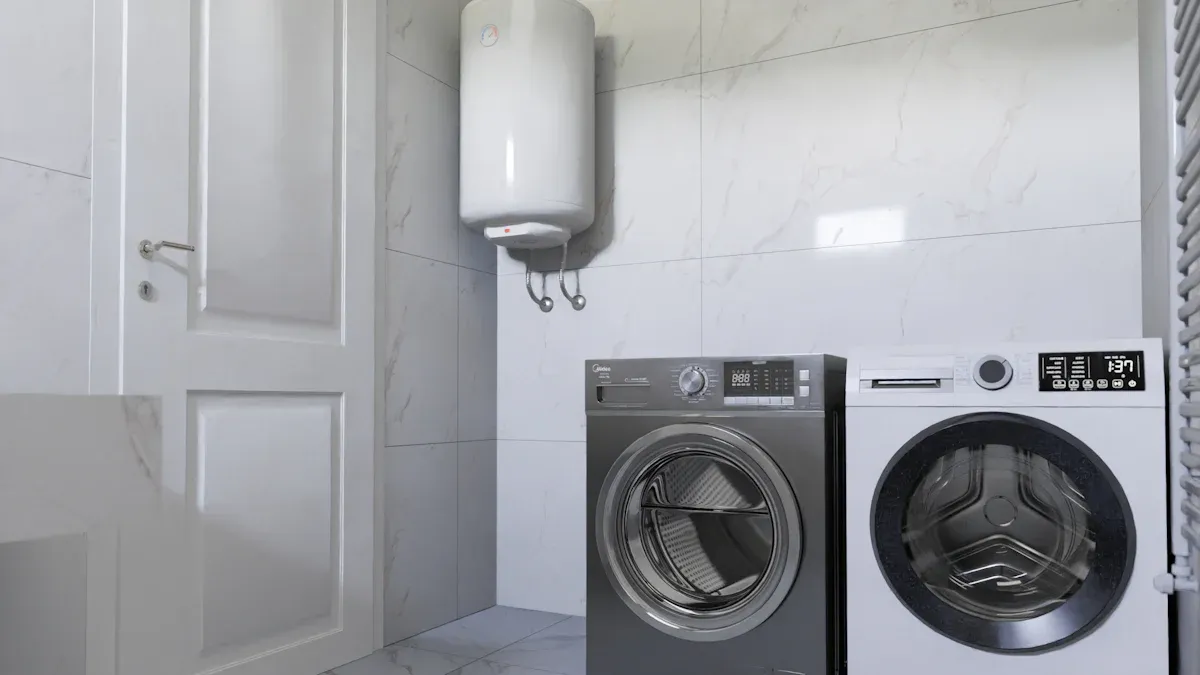
Cuando su el calentador de agua eléctrico Si deja de calentar, debe identificar rápidamente la causa raíz. Utilice esta lista para guiar su inspección inicial y solución de problemas.
Problemas de suministro eléctrico
Disyuntor disparado
Siempre debe comenzar revisando el disyuntor. Un disyuntor disparado interrumpe el suministro eléctrico, haciendo que el calentador deje de funcionar. Restablezca el disyuntor y observe si se dispara nuevamente. Los disparos frecuentes pueden indicar un problema eléctrico más profundo.
Conexiones de cableado sueltas
Las conexiones de cableado sueltas o corroídas pueden impedir que el calentador reciba energía de manera constante. Inspeccione el cableado en la caja de conexiones del calentador. Apriete cualquier conexión suelta y busque signos de desgaste o daño. Los cortocircuitos o quemaduras eléctricas a menudo resultan de conexiones deficientes, lo que lleva a fallas del sistema.
⚡ Consejo: Desconecte la energía en el disyuntor antes de inspeccionar cualquier cableado para evitar descargas eléctricas.
Problemas del termostato
Configuración de temperatura incorrecta
Verifique la configuración del termostato en su calentador. Si la temperatura está configurada demasiado baja, no obtendrá suficiente agua caliente. Ajuste la configuración a su temperatura preferida, generalmente entre 120°F y 140°F.
Termostato defectuoso
A Un termostato defectuoso puede causar temperaturas de agua inconsistentes o impedir que el elemento calefactor se active. Según encuestas recientes a consumidores, los termostatos defectuosos a menudo conducen a un rendimiento de calentamiento impredecible. Revise la siguiente tabla para ver problemas comunes del termostato y sus explicaciones:
| Descripción del problema | Explicación |
|---|---|
| El termostato no enciende el elemento calefactor | El elemento calefactor no se activa, lo que resulta en agua fría. |
| Agua sobrecalentada | El termostato se atasca, causando un sobrecalentamiento peligroso. |
| Temperatura del agua irregular | El termostato cicla de manera impredecible, lo que lleva a temperaturas fluctuantes. |
| Cortocircuitos o quemaduras eléctricas | Problemas de cableado o corrosión causan fallas del sistema. |
Si nota temperaturas de agua fluctuantes o falta de agua caliente, es posible que deba reemplazar el termostato.
Fallo del elemento del calentador de agua
Elemento calefactor quemado
Un elemento del calentador de agua quemado es un problema frecuente. El cable de resistencia dentro del elemento falla debido al sobrecalentamiento, a menudo causado por acumulación de sedimentos o uso excesivo. Puede notar que el agua nunca se calienta, incluso cuando el termostato está configurado correctamente.
Acumulación de sedimentos en el elemento
Los minerales en el suministro de agua pueden acumularse en los elementos calefactores, aislándolos y reduciendo su eficiencia. El aumento de los niveles de ruido y el calentamiento lento son signos comunes. El mantenimiento regular ayuda a prevenir la acumulación de sedimentos y prolonga la vida útil del calentador.
🔍 Nota: Los elementos calefactores defectuosos y la acumulación de sedimentos se encuentran entre los problemas más reportados en las encuestas a consumidores.
Problemas más frecuentemente reportados en calentadores de agua eléctricos
| Descripción del problema |
|---|
| Elementos calefactores defectuosos que no calientan suficientemente el agua |
| Termostatos defectuosos que conducen a temperaturas de calentamiento de agua inconsistentes |
| Aumento de los niveles de ruido debido a la acumulación de minerales o sedimentos en los elementos |
| Acumulación de agua alrededor de la base del tanque debido a conexiones sueltas |
| Reportes de fugas que ocurren dentro de los primeros días después de la instalación |
Debe utilizar esta lista para identificar los problemas más comunes con su el calentador de agua eléctrico. calentador. Abordar estos problemas tempranamente ayuda a restaurar el agua caliente y previene daños mayores en el calentador.
Otras causas comunes
Botón de reinicio disparado
Puede pasar por alto el botón de reinicio en su calentador de agua eléctrico, pero juega un papel crítico en la seguridad del sistema. El botón de reinicio, a menudo llamado interruptor de límite alto, corta la energía a los elementos calefactores si la temperatura del agua excede niveles seguros. Puede encontrar este botón cerca del termostato, generalmente detrás de un pequeño panel. Si su calentador de agua deja de calentar, presione el botón de reinicio para ver si restaura la función.
⚠️ Consejo: Si el botón de reinicio se dispara repetidamente, debe investigar más a fondo. Los disparos persistentes a menudo señalan problemas subyacentes, como un termostato defectuoso, un elemento calefactor defectuoso o problemas eléctricos dentro de la unidad.
No debe ignorar los disparos frecuentes del botón de reinicio. Esta característica de seguridad lo protege del sobrecalentamiento y posibles daños. Es posible que deba verificar la configuración del termostato o inspeccionar los elementos calefactores en busca de signos de falla. Si el botón de reinicio no resuelve el problema, considere asistencia profesional.
Elemento del calentador de agua viejo o desgastado
Los elementos calefactores en los calentadores de agua eléctricos tienen una vida útil limitada. Con el tiempo, puede notar un rendimiento de calentamiento reducido o una falla completa. Los elementos viejos o desgastados a menudo muestran signos visibles de corrosión o depósitos minerales. Debe inspeccionar el elemento en busca de óxido, picaduras o acumulación de sarro. Estos problemas restringen la transferencia de calor y reducen la eficiencia.
Puede probar el elemento calefactor usando un multímetro para verificar la continuidad eléctrica. Si el elemento falla la prueba, es necesario reemplazarlo. Siempre debe apagar la energía y drenar el tanque antes de intentar cualquier reparación. Los elementos más nuevos restauran el rendimiento de calentamiento y mejoran la eficiencia energética.
- Los signos comunes de un elemento calefactor desgastado incluyen:
- El agua permanece tibia o fría a pesar de una configuración correcta del termostato.
- Aumento de la factura energética debido a una calefacción ineficiente.
- Corrosión visible o acumulación de minerales en la superficie del elemento.
🔍 Nota: Acumulación de sedimentos La acumulación de sedimentos puede obstaculizar la eficiencia de los elementos calefactores, conduciendo a fallas de calentamiento. Debe enjuagar el tanque regularmente para minimizar la acumulación de sedimentos.
Factores adicionales a considerar
Puede encontrar otros problemas que contribuyen a fallas de calentamiento. La acumulación de sedimentos dentro del tanque puede aislar el elemento calefactor, reduciendo su capacidad para calentar el agua de manera eficiente. Una válvula de presión defectuosa puede causar fugas problemas y afectar el rendimiento general de calentamiento. Las fugas pueden resultar de la acumulación de sedimentos, falla de la válvula de presión o sellos desgastados.
- Otras causas comunes de problemas en calentadores de agua eléctricos:
- Acumulación de sedimentos dentro del tanque
- Mal funcionamiento de la válvula de presión
- Fugas en las conexiones o en la base del tanque
Debe abordar estos problemas de inmediato para mantener un suministro confiable de agua caliente y prevenir reparaciones costosas. La inspección y el mantenimiento regulares lo ayudan a identificar problemas temprano y extender la vida útil de su calentador de agua eléctrico.
Seguridad primero: Precauciones para reparaciones de calentadores de agua eléctricos
Antes de comenzar cualquier reparación del calentador de agua eléctrico, debe priorizar la seguridad. Los calentadores de agua eléctricos funcionan con electricidad de alto voltaje y pueden exponerlo a graves peligros si no sigue las precauciones adecuadas. Puede prevenir accidentes y lesiones preparando su espacio de trabajo y usando el equipo de protección adecuado.
Apague la energía
Localice el interruptor automático de su calentador de agua eléctrico
Siempre debe comenzar localizando el interruptor automático dedicado para su calentador en el cuadro eléctrico. La mayoría de los calentadores de agua eléctricos utilizan un interruptor automático de doble polo, que controla el suministro de energía a la unidad. Es necesario identificar el interruptor correcto para evitar el contacto accidental con cables energizados.
Confirme que la energía esté desconectada antes de comenzar
Después de apagar el interruptor automático, debe confirmar que la energía esté realmente desconectada. Utilice un detector de voltaje sin contacto o un multímetro digital para verificar el voltaje en los terminales del calentador. Este paso garantiza que no se arriesgue a una descarga eléctrica durante la reparación. Mantener el área alrededor del calentador seca también ayuda a prevenir cortocircuitos.
⚠️ Consejo: Programe inspecciones anuales para verificar problemas eléctricos o peligros potenciales. Utilice siempre el tamaño de interruptor automático apropiado según lo especificado por el fabricante.
| Riesgo para la seguridad | Descripción |
|---|---|
| Electricidad de Alto Voltaje | Trabajar con sistemas de alto voltaje puede provocar electrocución y otros peligros eléctricos. |
| Exposición a Químicos Nocivos | La posible exposición a químicos nocivos durante las reparaciones puede representar riesgos para la salud. |
| Se Requiere Asistencia Profesional | Contratar a un electricista certificado es crucial para evitar accidentes y garantizar el manejo adecuado de los componentes. |
Reúna Herramientas y Suministros
Destornillador y multímetro
Debe reunir las herramientas esenciales antes de comenzar cualquier reparación. Un destornillador le permite retirar paneles de acceso y cubiertas. Un multímetro digital le ayuda a medir voltaje y resistencia, asegurando un diagnóstico seguro de problemas. También puede usar un probador de continuidad para verificar si el elemento calefactor funciona correctamente.
Elemento de repuesto para calentador de agua y piezas
Prepare una pieza de repuesto adecuada, como un nuevo elemento calefactor, si su diagnóstico confirma una falla. Las herramientas de aislamiento le ayudan a manejar los componentes de manera segura. Debe leer el manual de su modelo de calentador e inspeccionar todos los cables eléctricos en busca de desgaste o daño antes de proceder.
🛠️ Lista de Verificación para Reparaciones Seguras:
- multímetro digital
- Destornilladores
- Probador de continuidad
- Herramientas de aislamiento
- Equipo de seguridad (guantes y gafas)
- Pieza de repuesto para el elemento calefactor
Protéjase
Use guantes y gafas de seguridad
Debe usar guantes aislados y gafas de seguridad para protegerse de descargas eléctricas y escombros voladores. El calzado protector y la ropa resistente a las llamas añaden otra capa de seguridad, especialmente si trabaja en espacios reducidos o cerca del agua.
Evite el contacto del agua con la electricidad
Mantenga su área de trabajo despejada y asegúrese de que la zona alrededor del calentador permanezca seca. El contacto del agua con la electricidad aumenta el riesgo de descarga. Familiarícese con las instrucciones del fabricante y conozca sus límites. Si se siente inseguro, busque ayuda profesional para tareas de reparación complejas.
👷 Equipo de Protección Recomendado:
- guantes aislantes
- Gafas de seguridad
- Cascos de seguridad
- Ropa resistente a las llamas
- Calzado protector
Puede reducir los riesgos siguiendo estas precauciones y utilizando el equipo adecuado. La preparación adecuada garantiza una reparación del calentador segura y exitosa.
Solución de Problemas Paso a Paso para Fallas del Elemento del Calentador de Agua Eléctrico
Cuando su calentador de agua eléctrico deja de producir agua caliente, necesita un enfoque sistemático para identificar el problema. Puede resolver la mayoría de los problemas siguiendo estos pasos de solución de problemas. Esta guía le ayuda a verificar el suministro eléctrico, inspeccionar el termostato y probar el elemento del calentador de agua.
Verifique el Suministro Eléctrico
Inspeccione el interruptor automático y el cableado
Debe comenzar examinando el interruptor automático dedicado a su calentador. Localice el interruptor en su cuadro eléctrico y verifique que no se haya disparado. Si encuentra el interruptor en posición “apagado”, reseteélo y observe si se dispara nuevamente. Los disparos persistentes suelen indicar fallas eléctricas dentro del calentador o del cableado.
Inspeccione las conexiones del cableado en la caja de conexiones del calentador. Busque cables sueltos, corroídos o dañados. Apriete cualquier conexión floja y reemplace los cables que muestren signos de desgaste. Reduce el riesgo de cortocircuitos eléctricos y garantiza un suministro de energía constante.
⚡ Consejo: Siempre apague el interruptor automático antes de tocar cualquier cableado. Use un probador de voltaje para confirmar que la energía esté desconectada.
Pruebe el tomacorriente para verificar el voltaje
Después de inspeccionar el interruptor automático y el cableado, necesita probar el tomacorriente que suministra energía a su calentador. Use un multímetro digital para medir el voltaje en los terminales. Configure el multímetro en el rango de voltaje de CA apropiado. Coloque una sonda en cada terminal y verifique la lectura. Un calentador de agua eléctrico estándar requiere 240 voltios. Si observa una lectura más baja, puede tener un problema de cableado o un interruptor automático defectuoso.
Inspeccionar el termostato
Ajuste la configuración de temperatura
Puede ajustar el termostato para asegurarse de que esté configurado a la temperatura deseada. La mayoría de los calentadores de agua eléctricos le permiten cambiar la configuración usando un destornillador de cabeza plana. El rango recomendado está entre 120°F y 140°F. Si la configuración es demasiado baja, no obtendrá suficiente agua caliente.
Pruebe el termostato con un multímetro
Una inspección precisa del termostato requiere un enfoque paso a paso. Siga estos pasos para obtener resultados confiables:
- Apague el suministro eléctrico en el interruptor automático y permita que el calentador se enfríe.
- Retire el panel de acceso y retire el aislamiento para exponer el termostato.
- Tome una foto del cableado como referencia antes de desconectar cualquier cable.
- Configure su multímetro en la posición “ohmios” o “continuidad”.
- Toque con una sonda cada terminal de tornillo del termostato. Una lectura de cero significa que el termostato funciona. Una lectura infinita indica un termostato defectuoso.
- Después de la inspección y los ajustes, restaure la energía y verifique un flujo constante de agua caliente.
🛠️ Nota: Use siempre guantes protectores y mantenga su área de trabajo seca durante la prueba del termostato.
Probar el elemento calefactor
Inspección visual en busca de corrosión o daño
Debe inspeccionar visualmente el elemento del calentador de agua en busca de signos de corrosión, óxido o acumulación de minerales. Retire el panel de acceso de metal y el aislamiento para exponer el elemento calefactor. Busque decoloración, picaduras o depósitos de cal. Estos problemas reducen la eficiencia y pueden hacer que el elemento calefactor falle.
Prueba de continuidad eléctrica del elemento del calentador de agua
Puede realizar una prueba de continuidad para determinar si el elemento del calentador de agua funciona correctamente. Utilice este método para obtener resultados precisos:
- Apague el interruptor automático del calentador.
- Retire el panel de acceso y el aislamiento para exponer el elemento calefactor.
- Identifique el elemento del calentador de agua, generalmente una pieza redonda o hexagonal sujeta por dos tornillos.
- Configure su multímetro en el rango de ohmios más bajo.
- Afloje un tornillo y desconecte el cable del elemento.
- Coloque una sonda en el tornillo suelto y la otra sonda en el tornillo opuesto.
- Lea la pantalla del multímetro. Un elemento calefactor en buen estado debe mostrar una resistencia entre 10 y 30 ohmios.. La mayoría de los elementos estándar marcan cerca de 10 ohmios.
- Si la lectura es cero o infinita, el elemento está defectuoso y necesita ser reemplazado.
- Repita el proceso para el segundo elemento si su calentador tiene dos.
- Vuelva a conectar los cables, reemplace el aislamiento y asegure el panel de acceso.
🔍 Consejo: La prueba regular de los elementos calefactores le ayuda a detectar problemas a tiempo y mantener agua caliente confiable.
Puede restaurar el rendimiento de su calentador de agua eléctrico siguiendo estos pasos de solución de problemas. La inspección y prueba cuidadosas del elemento del calentador de agua y del termostato aseguran que aborde la causa raíz de las fallas de calefacción.
Examine otros problemas
Cuando su calentador de agua eléctrico aún no calienta después de revisar el elemento y el termostato, debe examinar varios otros problemas potenciales. Pasar por alto estos factores puede retrasar sus reparaciones y prolongar su incomodidad. Debe abordar este paso de manera metódica para asegurarse de no pasar por alto un problema oculto.
Presione el botón de reinicio
El botón de reinicio, también conocido como interruptor de límite alto, actúa como una característica de seguridad crítica en su calentador de agua eléctrico. Cuando la temperatura del agua supera los límites seguros, este botón se dispara y corta la energía a los elementos calefactores. Generalmente puede encontrar el botón de reinicio detrás del panel de acceso superior, cerca del termostato.
Para reiniciar su calentador de agua:
- Apague la energía en el disyuntor.
- Retire el panel de acceso superior y el aislamiento.
- Localice el botón de reinicio rojo en el termostato.
- Presione el botón firmemente hasta que escuche un clic.
- Vuelva a colocar el aislamiento y el panel, luego restaure la energía.
Si su calentador de agua comienza a funcionar después de presionar el botón de reinicio, supervíselo de cerca. Los disparos repetidos indican problemas más profundos, como un termostato defectuoso, un elemento calefactor que funciona mal o problemas de cableado eléctrico. No debe ignorar los reinicios frecuentes. Los problemas persistentes pueden requerir que reemplace componentes o consulte a un profesional.
⚠️ Alerta: Si el botón de reinicio se dispara más de una vez, no continúe reiniciándolo sin una investigación adicional. Esta característica de seguridad evita el sobrecalentamiento y posibles daños a su calentador de agua.
Busque fugas o corrosión en el tanque
Las fugas y la corrosión pueden hacer que su calentador de agua eléctrico deje de calentar de manera eficiente. El agua acumulada alrededor de la base del tanque o el óxido visible en el exterior señalan un problema que debe abordar de inmediato.
Debe inspeccionar estas áreas:
- Juntas y accesorios del tanque: Verifique si hay humedad o manchas de óxido.
- Juntas del elemento calefactor: Busque goteos o depósitos minerales alrededor del elemento.
- Válvula de alivio de presión: Asegúrese de que no tenga fugas ni esté atascada en posición abierta.
La corrosión dentro del tanque a menudo conduce a pequeñas fugas que empeoran con el tiempo. Si ve agua de color oxidado o escamas, su tanque puede tener corrosión interna. En casos graves, es posible que deba reemplazar todo el calentador de agua.
💧 Consejo: Incluso una pequeña fuga puede causar cortocircuitos eléctricos o dañar el aislamiento. Aborde las fugas de inmediato para evitar reparaciones costosas.
También debe considerar otros factores que pueden impedir que su calentador de agua caliente adecuadamente:
- Verifique el caudal de agua. Si el agua se mueve a través del calentador demasiado rápido, es posible que no se caliente hasta la temperatura deseada.
- Asegúrese de que el suministro de voltaje coincida con los requisitos de su calentador. Use un multímetro para verificar el voltaje en los terminales del calentador.
- Inspeccione la conexión neutra en el cableado. Una conexión neutra defectuosa o floja puede evitar que ambos elementos calefactores funcionen.
- Mida el voltaje entre los cables activo (caliente) y neutro en el tanque. Un voltaje inadecuado puede causar fallas de calefacción.
| Problema a verificar | Por qué es importante | Qué hacer |
|---|---|---|
| Caudal de agua | Demasiado rápido = calefacción insuficiente | Ajuste el flujo o consulte a un fontanero |
| Suministro de voltaje | Bajo voltaje = los elementos no calientan | Pruebe con un multímetro |
| Conexión neutra | Neutro defectuoso = ningún elemento calienta | Inspeccione y apriete las conexiones |
| Fugas o corrosión | Daños por agua = peligros eléctricos e ineficiencia | Repare las fugas o reemplace el tanque |
Al examinar estos problemas adicionales, aumenta sus posibilidades de restaurar el agua caliente de manera rápida y segura. También protege su hogar de daños mayores y asegura que su calentador de agua eléctrico funcione con la máxima eficiencia.
Cómo reemplazar el elemento del calentador de agua de manera segura

Reemplazar un elemento del calentador de agua requiere una preparación cuidadosa y atención a la seguridad. Puede restaurar el rendimiento de su calentador de agua eléctrico siguiendo un enfoque sistemático. Esta guía explica cómo reemplazar los componentes del elemento del calentador de agua paso a paso, asegurándose de evitar errores comunes y peligros.
Extracción del elemento calefactor antiguo
Drene el tanque del calentador de agua eléctrico
Siempre debe apagar la energía en el disyuntor antes de comenzar cualquier trabajo. Confirme que la energía esté apagada usando un probador de voltaje. Deje que el agua en el tanque se enfríe completamente para evitar quemaduras. Conecte una manguera de jardín a la válvula de drenaje en la base del tanque y dirija el otro extremo a una ubicación de drenaje segura. Abra la válvula de drenaje y un grifo de agua caliente cercano para que entre aire al sistema, lo que acelera el drenaje.
⚠️ Advertencia: Nunca vuelva a encender la energía hasta que el tanque esté completamente lleno de agua. El encendido en seco de un elemento calefactor puede causar una falla inmediata.
Desatornille y retire el elemento defectuoso
Una vez que el tanque esté vacío, localice el panel de acceso y retírelo con un destornillador. Retire el aislamiento para exponer el elemento del calentador de agua. Desconecte los cables de los terminales del elemento. Use una llave para elementos o un dado de 1 1/2 pulgadas de profundidad para aflojar y retirar el elemento defectuoso. Limpie las roscas en la abertura del tanque con un trapo para eliminar residuos o acumulación de minerales. Inspeccione la junta en busca de daños y déjela a un lado si planea reutilizarla.
Instalar el nuevo elemento del calentador de agua
Inserte y asegure el elemento calefactor de reemplazo
Verifique la placa de datos del calentador de agua para confirmar que el voltaje y la potencia del elemento de reemplazo coincidan con las especificaciones originales. Deslice la junta sobre el nuevo elemento y lubríquela con una gota de detergente líquido para obtener un mejor sellado. Inserte el elemento de reemplazo en la abertura del tanque y apriételo a mano. Use la llave para elementos para asegurarlo firmemente, pero evite apretar en exceso. Vuelva a conectar los cables de alimentación, asegurándose de que todas las conexiones estén firmes y seguras.
Vuelva a llenar el tanque y restaure la energía
Cierre la válvula de drenaje y retire la manguera. Abra la válvula de suministro de agua fría para volver a llenar el tanque. Deje un grifo de agua caliente abierto para permitir que el aire escape. Espere hasta que el agua fluya de manera constante desde el grifo, lo que indica que el tanque está lleno y todo el aire ha sido purgado. Vuelva a colocar el aislamiento y el panel de acceso, asegurándose de que todas las cubiertas estén aseguradas.
🔔 Consejo: Nunca restaure la energía hasta que confirme que el tanque está lleno y todo el aire ha salido. Este paso evita daños al nuevo elemento del calentador de agua.
Vuelva a encender la energía en el disyuntor. El calentador de agua eléctrico comenzará a calentar el agua.
Pruebas después del reemplazo
Verifique si hay fugas alrededor del nuevo elemento.
Inspeccione el área alrededor del elemento de reemplazo para detectar fugas mientras el tanque se llena. Apriete ligeramente el elemento si nota alguna filtración de agua. Si las fugas persisten, inspeccione la junta para verificar su correcta colocación o daños. Un sello seguro garantiza un funcionamiento eficiente y previene daños por agua.
Confirme que el calentador de agua eléctrico esté calentando correctamente.
Después de restablecer la energía, permita que el calentador funcione durante al menos 30 minutos. Verifique la temperatura del agua en un grifo cercano. Utilice un multímetro digital Verifique el voltaje en los terminales del elemento si sospecha de problemas. Pruebe tanto el elemento superior como el inferior si su calentador utiliza dos. Si el agua no se calienta como se esperaba, revise nuevamente su instalación y las conexiones del cableado.
🛡️ Nota: Siempre Asegure todas las cubiertas y paneles. Antes de volver a encender la corriente. Este paso reduce el riesgo de incendio y descarga eléctrica.
Ahora sabe cómo reemplazar calentador de agua las piezas del elemento de manera segura y eficiente. Seguir estos pasos le ayuda a evitar errores comunes y garantiza que su calentador de agua eléctrico vuelva a su rendimiento óptimo.
Cuándo llamar a un profesional para reparaciones de calentadores de agua eléctricos
Señales de que necesitas ayuda
Puede llegar a un punto en el que la solución de problemas por cuenta propia no resuelva los problemas de su calentador de agua eléctrico. Ciertas señales de advertencia indican que debe contactar a un técnico calificado para la reparación. Los problemas eléctricos persistentes pueden presentar riesgos de seguridad y pueden requerir herramientas o experiencia especializadas.
Problemas eléctricos persistentes después de la solución de problemas
Si continúa experimentando fallas eléctricas después de seguir los pasos estándar de solución de problemas, debe buscar asistencia profesional. Problemas como temperaturas fluctuantes del agua, ruidos inusuales como chasquidos o retumbos, o agua descolorida a menudo indican fallas eléctricas o mecánicas más profundas. También puede notar fugas, volumen reducido de agua caliente o presión de agua inconsistente. Estos síntomas sugieren que su calentador necesita atención experta.
- Temperaturas del agua fluctuantes
- Ruidos inusuales (chasquidos, golpes, retumbos)
- Agua descolorida (óxido o acumulación de minerales)
- Fugas (agua acumulada o goteando)
- No hay agua caliente
- Volumen reducido de agua caliente
- Presión de agua inconsistente
⚠️ Alerta: Intentar reparaciones complejas sin la capacitación adecuada puede exponerlo a riesgos graves, incluyendo descarga eléctrica y daños por agua.
El reemplazo del elemento del calentador de agua no restaura el calentamiento
Es posible que reemplace el elemento calefactor y aún así descubra que su calentador no produce agua caliente. Esta situación a menudo apunta a problemas subyacentes con el cableado, los termostatos o daños internos en el tanque. Si ya ha reemplazado el elemento y el problema persiste, debe contactar a un técnico con licencia. Continuar solucionando problemas sin éxito puede llevar a complicaciones adicionales.
Encontrar un técnico cualificado
Seleccionar al profesional adecuado para la reparación del calentador de agua eléctrico garantiza resultados seguros y efectivos. Debe evaluar a los técnicos según sus credenciales, experiencia y afiliaciones industriales.
Qué buscar en un profesional de reparación de calentadores de agua
Debe confirmar que el técnico posee una licencia válida y tiene seguro. La membresía en organizaciones como NECA u otras asociaciones eléctricas certificadas demuestra un compromiso con los estándares de la industria. La capacitación específica relacionada con calentadores de agua garantiza que el técnico comprenda los requisitos únicos de su sistema.
- Técnico con licencia y seguro
- Membresía en asociaciones eléctricas certificadas (por ejemplo, NECA)
- Capacitación especializada en sistemas de calentadores de agua
🛡️ Consejo: Siempre solicite prueba de licencia y seguro antes de programar una reparación.
Preguntas que hacer antes de contratar
Debe hacer preguntas específicas para verificar las calificaciones del técnico y su enfoque de reparación. Este proceso le ayuda a evitar riesgos como electrocución, exposición química o daños por agua. Muchas garantías requieren servicio profesional, por lo que contratar a un experto calificado protege su inversión.
- ¿Tiene licencia para realizar reparaciones de calentadores de agua eléctricos?
- ¿Tiene seguro para cubrir posibles responsabilidades?
- ¿Qué capacitación específica tiene con sistemas de calentadores de agua eléctricos?
- ¿Es miembro de alguna asociación eléctrica certificada?
- ¿Puede proporcionar referencias o documentación de reparaciones anteriores de calentadores?
💡 Nota: Las reparaciones deficientes o los intentos de bricolaje pueden anular su garantía y provocar problemas continuos. El servicio profesional garantiza el cumplimiento de los estándares de seguridad y un rendimiento confiable del calentador.
Cómo prevenir futuros problemas con los elementos del calentador de agua eléctrico
Puede prolongar la vida útil de su calentador de agua eléctrico y evitar averías inesperadas siguiendo una rutina de mantenimiento regular. El cuidado proactivo le ayuda a detectar problemas a tiempo y mantiene sus elementos calefactores funcionando de manera eficiente.
Consejos de mantenimiento periódico
Lave el tanque anualmente para reducir los sedimentos
Los depósitos minerales y los sedimentos pueden acumularse dentro del tanque de su calentador de agua con el tiempo. Estos depósitos aíslan los elementos calefactores, haciendo que trabajen más y se desgasten más rápido. Debe lavar el tanque al menos una vez al año para eliminar los sedimentos y mantener un rendimiento óptimo. Para hogares con agua dura o alto consumo de agua caliente, considere lavarlo cada seis meses.
- Limpie los elementos calefactores periódicamente para eliminar el polvo y los residuos.
- Lave el tanque anualmente para eliminar la acumulación de minerales.
- Inspeccione el cableado y las conexiones para detectar daños.
- Use un multímetro para probar el voltaje y la continuidad.
- Siga las pautas del fabricante para el uso adecuado y las piezas de repuesto compatibles.
💡 Consejo: La limpieza y el lavado regulares no solo mejoran la eficiencia de calefacción, sino que también reducen los costos de energía.
Inspeccione los elementos calefactores y el termostato regularmente
Las inspecciones rutinarias le ayudan a detectar problemas antes de que se vuelvan graves. Debe revisar y probar los elementos del calentador de agua al menos una vez al año. Si su hogar usa mucha agua caliente o tiene agua dura, inspeccione cada tres a seis meses. Las inspecciones semestrales pueden revelar signos tempranos de desgaste o acumulación de sedimentos. Calibre el termostato anualmente para garantizar un control preciso de la temperatura.
- Inspeccione y pruebe los elementos calefactores anualmente.
- Para hogares de alto consumo, revise cada 3 a 6 meses.
- Calibre el termostato anualmente.
- Realice controles trimestrales si nota cambios en el rendimiento.
🛠️ Nota: La detección temprana de fallas le permite programar reparaciones oportunas y evitar costosos reemplazos.
Signos de desgaste y cuándo reemplazar el elemento del calentador de agua
Óxido o corrosión en el elemento calefactor
El óxido o la corrosión visibles en el elemento calefactor indican la necesidad de atención inmediata. La corrosión debilita el metal y reduce la eficiencia de calefacción. Puede notar fugas alrededor del calentador de agua o agua descolorida, lo que a menudo indica daños estructurales o problemas de presión.
- Las fugas del calentador de agua sugieren corrosión o problemas de presión.
- El agua descolorida apunta a óxido dentro del tanque o en el elemento.
- ruidos inusuales, como retumbos o chasquidos, indican acumulación de sedimentos.
⚠️ Alerta: Si ve óxido o corrosión, reemplace el elemento del calentador de agua de inmediato para evitar daños mayores.
Rendimiento de calentamiento de agua inconsistente
Temperaturas fluctuantes del agua o agua tibia a menudo indican que el elemento calefactor está fallando. Es posible que se quede sin agua caliente rápidamente o experimente cambios bruscos de temperatura. La acumulación de sedimentos o un termostato defectuoso también pueden causar un calentamiento irregular.
- Temperaturas inconsistentes del agua señalan un elemento calefactor defectuoso.
- Agua tibia o fría sugiere un funcionamiento inadecuado.
- Quedarse sin agua caliente demasiado rápido puede requerir un reemplazo.
- La acumulación de sedimentos y los problemas con el termostato contribuyen a problemas de rendimiento.
| Síntoma | Posible causa | Acción recomendada |
|---|---|---|
| Agua tibia en lugar de caliente | Elemento calefactor roto | Pruebe y reemplace el elemento |
| Cambios bruscos de temperatura | Elemento calefactor defectuoso | Inspeccionar y reemplazar |
| ruidos inusuales | Acumulación de sedimentos | Lave el tanque e inspeccione |
🔍 Consejo: Aborde el calentamiento irregular de inmediato para mantener la comodidad y evitar reparaciones mayores.
El mantenimiento regular y el reemplazo oportuno de los elementos calefactores garantizan que su calentador de agua eléctrico proporcione agua caliente confiable durante todo el año. Protege su inversión y reduce el riesgo de fallas inesperadas al mantenerse proactivo.
Resumen de solución de problemas y próximos pasos para propietarios de calentadores de agua eléctricos
Principales conclusiones
Pasos de acción rápida para diagnosticar y solucionar problemas
Puede resolver la mayoría de los problemas del calentador de agua eléctrico siguiendo un proceso claro. Comience desconectando la energía antes de inspeccionar o reparar cualquier parte de su calentador. La seguridad siempre debe ser lo primero. A continuación, identifique problemas comunes como interrupciones en el suministro eléctrico, termostatos defectuosos o un elemento calefactor que funciona mal. Debe verificar los ajustes de temperatura y confirmar que estén entre 110 y 130 grados Fahrenheit. Si nota acumulación de sedimentos, lave el tanque anualmente para mantener la eficiencia. Inspeccione la válvula de alivio de presión y busque fugas alrededor del tanque. Aborde estos problemas rápidamente para restaurar el agua caliente y evitar daños mayores.
⚡ Consejo: Soluciones simples como ajustar el termostato o apretar conexiones sueltas a menudo restauran el rendimiento de su calentador. Para fallas eléctricas complejas o problemas persistentes, contacte a un profesional.
Cuándo hacerlo usted mismo versus llamar para pedir ayuda
Puede realizar tareas básicas de mantenimiento y solución de problemas usted mismo. Ajustar la temperatura, lavar el tanque e inspeccionar fugas solo requieren herramientas simples y un enfoque cuidadoso. Si descubre cableado carbonizado, pequeños cortocircuitos o un suministro eléctrico inconsistente, debe buscar asistencia experta. Intentar reparaciones avanzadas sin la capacitación adecuada puede exponerlo a riesgos eléctricos. Cuando el reemplazo del elemento calefactor no resuelve el problema, o si nota corrosión dentro del tanque, llame a un técnico autorizado.
| Tareas que puede hacer usted mismo | Cuándo llamar a un profesional |
|---|---|
| Ajustar la configuración del termostato | Fallas eléctricas persistentes |
| Lavar el tanque para eliminar sedimentos | El reemplazo del elemento calefactor falla |
| Inspeccionar fugas y corrosión | Cableado carbonizado o cortocircuitos |
| Probar el suministro eléctrico con un multímetro | Daño interno del tanque |
Estímulo para actuar
Restaure el agua caliente rápidamente con reparaciones simples
Puede restaurar el agua caliente en su hogar actuando con prontitud. La inspección y el mantenimiento regulares mantienen su calentador funcionando de manera eficiente. Las reparaciones simples, como apretar conexiones o ajustar el termostato, a menudo resuelven problemas comunes. Si nota un rendimiento de calentamiento reducido o agua tibia, pruebe el elemento calefactor y reemplácelo si es necesario. La acción rápida evita molestias y le ayuda a evitar reparaciones costosas.
🛠️ Nota: Un suministro eléctrico constante es esencial para un calentamiento efectivo. Verifique conexiones sueltas o pequeñas fallas que puedan permitir el paso del voltaje pero fallen bajo demanda pesada.
Evite problemas mayores con mantenimiento regular
Protege su calentador y extiende su vida útil realizando un mantenimiento regular. Lave el tanque anualmente para evitar la acumulación de sedimentos. Instale un ablandador de agua para reducir los depósitos minerales y aísle las tuberías para conservar el calor. Reemplace la varilla de ánodo regularmente para prevenir la corrosión. Gestione su uso de agua caliente para evitar sobrecargar el calentador. Inspeccione la válvula de alivio de presión y aborde las fugas tan pronto como las encuentre.
- El mantenimiento regular reduce el riesgo de averías inesperadas.
- El cuidado proactivo garantiza agua caliente confiable durante todo el año.
- El reemplazo oportuno de componentes desgastados mantiene su calentador eficiente.
💡 Consejo: Pequeños pasos hoy previenen problemas mayores mañana. Manténgase proactivo y programe revisiones periódicas para mantener su calentador en óptimas condiciones.
Puede restaurar el agua caliente siguiendo un proceso claro de solución de problemas para su calentador de agua eléctrico. Siempre priorice la seguridad y actúe rápidamente cuando surjan problemas. Intente reparaciones simples primero, pero contacte a un técnico calificado si los problemas persisten. El mantenimiento regular le ayuda a evitar averías costosas:
- Inspeccione su sistema con frecuencia para detectar problemas menores a tiempo.
- Lave el tanque anualmente para prevenir la acumulación de sedimentos.
- Use un ablandador de agua para reducir los depósitos minerales.
- Programe inspecciones anuales a medida que su calentador envejece.
PREGUNTAS FRECUENTES
¿Qué debe hacer si su calentador de agua eléctrico no calienta?
Debe verificar el suministro eléctrico, la configuración del termostato y el elemento calefactor. Inspeccione si hay fugas o corrosión. Si no puede resolver el problema, contacte a un técnico autorizado para un diagnóstico adicional.
¿Con qué frecuencia debe lavar el tanque de su calentador de agua eléctrico?
Debe lavar el tanque al menos una vez al año. Si su hogar tiene agua dura o un alto consumo de agua caliente, considere lavarlo cada seis meses para prevenir la acumulación de sedimentos y mantener la eficiencia.
¿Se puede reemplazar un elemento calefactor sin vaciar el tanque?
Debe vaciar el tanque antes de reemplazar el elemento calefactor. Este paso evita derrames de agua y lo protege de riesgos eléctricos. Siempre apague la energía antes de comenzar cualquier reparación.
¿Por qué el botón de reinicio sigue disparándose en su calentador de agua?
Los disparos frecuentes indican problemas subyacentes como un termostato defectuoso, un elemento calefactor que funciona mal o problemas en el cableado eléctrico. Debe investigar más a fondo o consultar a un profesional si el botón de reinicio se dispara repetidamente.
¿Qué es un calentador de agua de doble elemento y cómo funciona?
Un calentador de agua de doble elemento utiliza dos elementos calefactores, uno en la parte superior y otro en la inferior del tanque. Cada elemento calienta el agua de forma independiente, proporcionando una recuperación más rápida y un suministro constante de agua caliente.
¿Cómo puede saber si su termostato está defectuoso?
Puede notar temperaturas de agua inconsistentes o falta de agua caliente. Use un multímetro para probar la continuidad. Si el termostato falla la prueba, debe reemplazarlo para restaurar el funcionamiento adecuado.
¿Es seguro realizar reparaciones del calentador de agua eléctrico uno mismo?
Puede realizar tareas básicas de mantenimiento, como limpiar el tanque o ajustar el termostato. Para reparaciones eléctricas o reemplazo de elementos, debe seguir precauciones de seguridad. Si no se siente seguro, contacte a un técnico calificado.
🛡️ Consejo: Siempre apague la energía en el interruptor automático antes de inspeccionar o reparar su calentador de agua eléctrico.