A heater oven element acts as the core component responsible for generating heat inside the oven. This element ensures that the oven reaches and maintains the desired temperature for cooking. When this part fails, users may notice uneven cooking or a complete lack of heat.
Tip: If an oven does not heat properly, inspect the heater oven element for visible damage before seeking repairs.
Heater Oven Element Basics
What a Heater Oven Element Does
How It Generates Heat
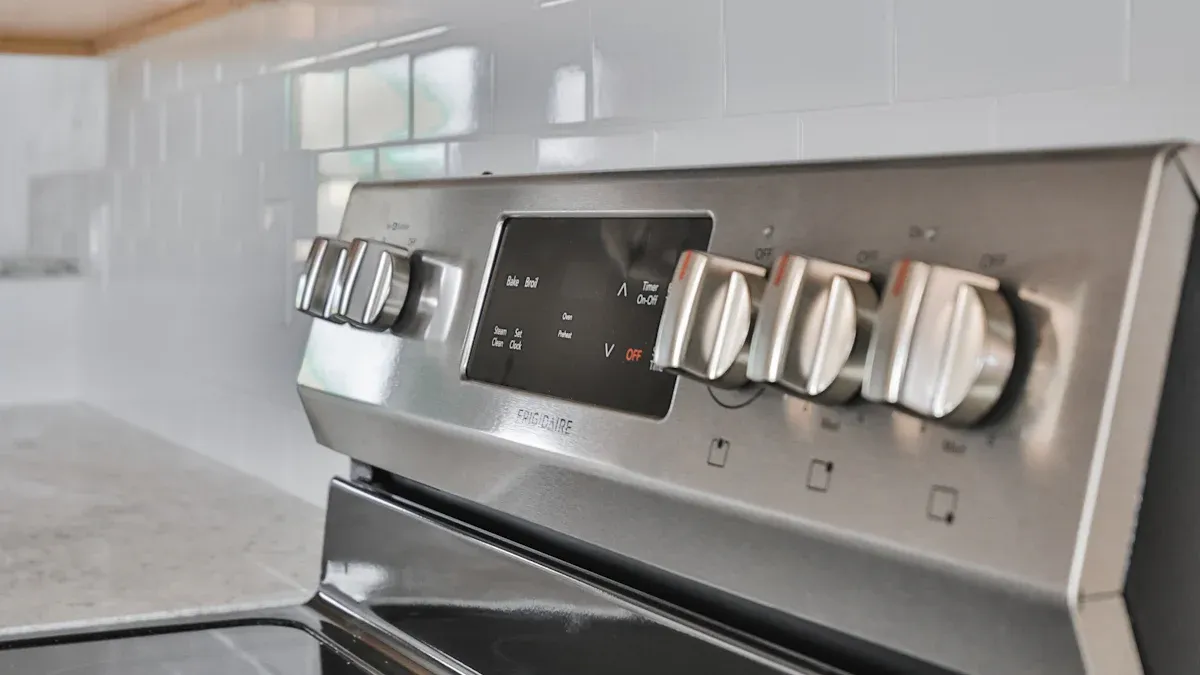
A heater oven element serves as the primary source of heat in most modern ovens. When electricity passes through the oven heating element, resistance within the metal coil causes it to heat up. This process transforms electrical energy into thermal energy, which then radiates throughout the oven cavity. The electric oven heating element can reach temperatures up to 750°C, depending on its design and intended use. The top element often provides radiant heat for broiling, while the bottom element delivers convective heat ideal for baking and roasting. These elements work together to ensure food cooks evenly and efficiently.
Types of Heater Oven Elements
Ovens typically use two main types of heating elements: bake elements and broil elements. The bake element sits at the bottom of the oven and supplies steady, even heat for baking and roasting. The broil element, located at the top, produces intense, direct heat for broiling and browning. The following table summarizes their functions and characteristics:
| Heater Element | Ubicación | Función Principal | Distribución del calor | Temperatura | Usos Comunes |
|---|---|---|---|---|---|
| Elemento de Horneado | Bottom of oven | Provides even, consistent heat for baking, roasting, and slow cooking | Heats oven cavity from below, heat rises and circulates evenly | 200°F to 500°F (93°C to 260°C) | Baking cakes, bread, pastries; roasting meats and vegetables; cooking casseroles and pies |
| Broil Element | Top of oven | Provides intense, direct heat for quick cooking and browning | Emits radiant heat from above, cooks food from top down | 500°F to 550°F (260°C to 288°C) | Broiling steaks, fish, chicken; melting cheese; browning casseroles; toasting bread and sandwiches |
Location of the Heater Oven Element
Top and Bottom Elements
The placement of each oven heating element directly affects how heat circulates within the oven. Most ovens feature a bottom heating element for baking and a top element for broiling. During preheating, both elements may activate to quickly bring the oven to the desired temperature. After preheating, a third element or fan may help maintain consistent heat. The timing and activation of these elements play a crucial role in delivering and sustaining heat.
Note: Ovens with a hidden bottom element offer easier cleaning but may heat more slowly. Some models use a fan to circulate heat, compensating for the absence of an exposed bottom element.
Differences in Electric and Gas Ovens
Electric ovens rely on metal coils as their primary heating source, while gas ovens use burners. The elemento calefactor en un horno powered by electricity provides precise temperature control and even heat distribution. In contrast, gas ovens may heat unevenly, especially if the burner placement does not allow for optimal circulation. Some electric ovens use multiple heating elements and fans to ensure uniform cooking results. The design and location of each heating element in an oven determine how effectively it can bake, roast, or broil food.
- Ovens with only a top element and a fan can still achieve even heat distribution.
- The absence of a bottom element may affect baking outcomes, such as the texture of cakes or pizza.
- Multiple elements activate at different times to optimize heat delivery and maintain temperature.
Heater Oven Element and Cooking Performance
Temperature Control and Even Heating
Maintaining Consistent Oven Temperatures
A well-functioning oven heating element ensures that the oven maintains a stable temperature throughout the cooking process. The heating element in an oven quickly generates heat and works with the thermostat to keep the temperature close to the set value. However, heat must travel through air, which does not conduct heat efficiently. This causes temperature fluctuations inside the oven cavity. Oven walls vary in thickness and distance from the element, leading to hot and cold spots. When the heater oven element operates correctly, it minimizes these fluctuations and helps food cook evenly.
A damaged or faulty heating element disrupts this balance. The oven may struggle to reach the desired temperature, or the temperature may swing unpredictably. Hot and cold spots develop, causing some areas of food to cook faster or burn while others remain undercooked. Incomplete heating can also pose food safety risks, especially when preparing meats or casseroles.
Note: Opening the oven door during cooking causes rapid heat loss. The heating element must work harder to restore the temperature, which can further reduce temperature stability.
Preheating and Cooking Times
The oven heating element plays a critical role in preheating. A healthy element brings the oven up to temperature quickly, reducing wait times and ensuring the oven is ready when needed. If the element becomes damaged, preheating takes longer. The oven may never reach the set temperature, leading to extended cooking times and inconsistent results. Users may notice that recipes take longer than expected or that baked goods do not rise or brown as they should.
Effects on Baking and Roasting
Cooking Results with a Working Element
A properly functioning oven heating element delivers even heat distribution, which is essential for successful baking and roasting. Cakes rise evenly, bread develops a golden crust, and meats roast to the correct doneness. The element’s ability to maintain a steady temperature ensures that food cooks thoroughly and safely.
Common Issues from a Faulty Heater Oven Element
When the heating element malfunctions, several problems can occur:
- Uneven cooking, with some parts of food overcooked and others undercooked
- Longer cooking times due to the oven taking more time to reach or maintain temperature
- Inaccurate temperature readings, causing the oven to run hotter or cooler than the set value
- Incomplete preheating, resulting in poor baking or roasting outcomes
- Burned or undercooked food from inconsistent heat distribution
- Visible damage to the element, such as cracks or burns, directly affecting performance
These issues highlight the importance of regular inspection and prompt replacement of a faulty oven heating element. Addressing problems early helps maintain cooking quality and kitchen safety.
Identifying Heater Oven Element Problems
Visual Signs of Trouble
Burn Marks, Blisters, or Breaks
Homeowners often notice visible damage when a heater oven element begins to fail. Burn marks, blisters, or cracks on the surface of the element signal that the component has experienced excessive heat or physical stress. These marks may appear as dark spots, melted areas, or even small holes along the coil. In some cases, the element may break entirely, leaving a gap in the metal. Such damage disrupts the flow of electricity, preventing the element from generating heat efficiently.
- Cracks or breaks visible on the heating element.
- Burn marks or blisters along the coil.
- Melted or deformed sections.
- Loose or disconnected ends.
Tip: If the element does not glow bright orange when the oven is on, this often indicates a break or internal fault.
Uneven Color or Damage
A healthy heating element in an oven should display a uniform color when powered. Discoloration, such as dark patches or areas that remain dull while the rest of the element glows, points to uneven heating or internal damage. These color changes often result from overheating, wire fracturing, or repeated rapid heating and cooling cycles. Over time, these stresses weaken the element, making it more susceptible to failure.
- Uneven color or dull spots when the oven is in use.
- Discoloration or visible signs of melting.
- Areas that do not heat up or glow as expected.
Physical inspection remains one of the most effective ways to identify early signs of trouble. Addressing these issues promptly can prevent more serious oven malfunctions.
Performance Warning Signs
El horno no calienta correctamente
Performance issues often provide the first indication of a failing heater oven element. When the oven struggles to reach or maintain the set temperature, users may notice that food takes longer to cook or does not cook at all. The element may fail to glow, or the oven may produce no heat. Unusual burning smells can also signal that the element has developed internal faults or is overheating.
- Oven does not heat up or takes much longer than usual.
- El element fails to glow bright orange durante el funcionamiento.
- Unusual odors, such as burning or melting, coming from the oven.
A technician identifies overheating, physical impact, and rapid heating cycles as common causes of element failure. Power surges and voltage spikes, though less frequent, can also damage the element. Preventive measures, such as installing thermostats or avoiding rapid on/off cycling, help extend the life of the heating element.
Food Cooking Unevenly
Cocción desigual stands out as a significant indicator of a problem with the heating element in an oven. When the element cannot distribute heat evenly, one side of the oven may cook food faster, while other areas remain undercooked. Hot spots or cold spots inside the oven cavity often result from cracks, breaks, or internal faults in the element. These issues lead to inconsistent temperature distribution and poor cooking results.
Performance issues like uneven cooking occur frequently and should prompt immediate inspection. Testing the element for electrical continuity with a multimeter or visually inspecting for cracks and discoloration helps confirm the diagnosis. If the temperature deviation inside the oven exceeds 35 degrees from the set value, or if the oven consistently fails to maintain temperature, the problem likely requires professional repair or replacement of the faulty component.
Note: Promptly addressing these warning signs ensures safe and reliable oven performance, reducing the risk of further damage or food safety concerns.
Diagnosing Heater Oven Element Issues
At-Home Inspection Steps
Técnicas de inspección visual
Homeowners can often identify heater oven element problems through a careful visual inspection. Before starting, they should desconecte el horno de su fuente de alimentación by unplugging it or switching off the circuit breaker. This step prevents electrical hazards. The oven must cool completely to avoid burns. Removing all racks provides clear access to the heating element. If a cover or panel protects the element, a screwdriver may be necessary to remove it. Wearing dry, heat-resistant gloves and safety glasses adds an extra layer of protection.
Once the element is visible, individuals should look for cracks, blistering, burn marks, or any deformation. These signs indicate physical damage. If damage appears, the next step involves unscrewing the element and disconnecting the wires. Documenting the wire positions before removal helps during reassembly. A workspace free of clutter reduces the risk of accidents.
Testing with a Multimeter
A multimeter offers a reliable way to test the functionality of a heater oven element. After removing the element, set the multimeter to resistance or continuity mode. Touch the probes to the element terminals. A reading within the expected resistance range signals that the element works correctly. If the multimeter shows infinite resistance or no continuity, the element has failed and requires replacement. Reassembling the oven involves restoring the wiring as documented and securing the element. Power can then be safely restored.
Tip: For gas ovens, always shut off the gas supply before starting any inspection or repair.
Cuándo llamar a un profesional
Complex Electrical Problems
Some heater oven element issues require professional expertise. Calentamiento desigual, failure to reach the set temperature, or the oven not turning on despite a proper power supply often point to complex electrical faults. Disparos frecuentes de disyuntores, visible damage such as melting or broken connectors, and electrical problems like short circuits fall outside the scope of safe DIY repair. These situations demand a trained technician to prevent further damage and ensure safe operation.
Consideraciones de seguridad
Safety remains the top priority when dealing with oven repairs. Signs such as gas smells, sparks, smoke inside the oven, or unusual noises like buzzing or rattling indicate serious internal problems. Food burning despite correct temperature settings or certain parts of the oven not heating at all also suggest deeper issues. Attempting to fix these problems without proper training can lead to injury or worsen the damage. Regular maintenance and prompt professional intervention help maintain both performance and safety.
What to Do If the Heater Oven Element Fails
When a heater oven element fails, immediate action ensures both safety and continued kitchen functionality. Ignoring a faulty element can lead to electrical hazards, fire risks, and uneven cooking. Homeowners should address the issue promptly to maintain safe and efficient oven operation.
Replacement Options for Heater Oven Elements
Pasos para el reemplazo de bricolaje
Many homeowners choose to handle heating element replacement themselves. The process requires careful preparation and attention to safety. Here is a step-by-step guide:
- Disconnect the oven from its power source by unplugging it or switching off the circuit breaker.
- Remove all oven racks to create clear access to the heating element.
- Allow the oven to cool completely. For brittle elements, warming the oven to the lowest setting for a few minutes and then letting it cool until just warm can prevent shattering.
- Clean out crumbs and debris from the oven bottom to ensure a safe workspace.
- Remove any protective base cover, which may require unscrewing.
- Wear safety gloves and glasses before handling the element.
- Unscrew or unclip the faulty element and disconnect the wires, noting their positions for reassembly.
- Test the element with a multimeter for continuity. If the element shows no continuity, proceed with replacement.
- Install the new element by connecting the wires and securing it in place.
- Reassemble the oven, replace the racks, and restore power.
Tip: If unsure about how to change the element or if electrical issues persist, consult a professional technician.
Choosing the Right Replacement Part
Selecting the correct replacement ensures reliable oven performance. Most consumers replace oven heating elements with parts that match the oven’s make and model. This guarantees the right wattage, size, and connector type—such as push-on, screw-in, or plug-in. High-quality elements often use nickel-chromium alloy or other heat-resistant materials for durability and efficiency.
Experts recommend choosing OEM (original equipment manufacturer) parts for better quality and reliability. While generic parts are available and widely used, OEM elements remain the preferred choice for dependable performance. Specialized suppliers like PartsFe offer both OEM and compatible parts for residential and commercial ovens. Always verify the connector type and ensure the element fits the specific oven model before purchase.
| Tipo de Reemplazo | Descripción | Ventajas | Contras |
|---|---|---|---|
| OEM | Made by the original manufacturer, designed for specific models | High reliability, perfect fit, warranty support | Higher cost |
| Genérica | Compatible with multiple models, made by third-party manufacturers | Lower cost, widely available | May lack durability, fit issues possible |
Note: Proper oven element replacement extends appliance life and prevents further damage.
Safety Tips for Replacement
Turning Off Power Before Work
Safety remains the top priority during any oven element replacement. Always disconnect the oven from its power source before starting. Unplug the appliance or switch off the circuit breaker to eliminate the risk of electric shock. Never attempt heating element replacement while the oven is plugged in or powered.
Handling the Heater Oven Element Safely
Proper handling of the heater oven element prevents injury and damage. Wear safety gloves and glasses to protect against sharp edges and accidental contact with electrical components. Remove oven racks and any base cover to allow unobstructed access. Clean the oven interior to avoid slipping or contamination. Handle the element gently, especially if it has become brittle from repeated heating cycles.
⚠️ Continuing to use an oven with a failed element increases the risk of electrical hazards, fire, and further appliance damage. Prompt replacement is essential for safe operation.
If the oven element replacement process seems complex or if electrical problems persist, seek professional assistance. Technicians possess the expertise to diagnose and resolve issues safely, ensuring the oven returns to optimal performance.
Heater Oven Element Costs and Decisions
Replacement Costs and Factors
Price of Heater Oven Elements
The price of a heater oven element varies based on several factors. Most homeowners find that the part itself ranges from $15 to $100, depending on the oven brand and model. Those considering buying an electric oven heating element should check compatibility with their specific appliance. The table below summarizes typical costs for both DIY and professional replacements:
| Componente de costo | Costo de Reemplazo por Bricolaje | Costo de Reemplazo Profesional |
|---|---|---|
| Piezas (elemento calefactor) | $10 a $50 | $10 a $50 |
| Trabajo | $0 | $50 a $200 por hora |
| Costo Total Estimado | $10 a $50 | $150 a $400 |
DIY replacement remains the most affordable option, limited mainly to the price of the part. Professional service increases the total cost due to labor charges.
Labor Costs for Professional Help
Labor costs for professional heater oven element replacement typically range from $50 to $125 per hour. The total repair cost, including both parts and labor, usually falls between $150 and $450. Several factors influence these costs:
- Type of oven (electric or gas)
- Brand and model
- Disponibilidad de piezas de recambio
- Geographic location and technician rates
- Age of the oven
Older ovens or rare models may require more expensive or hard-to-find parts, increasing the overall cost. Cobertura de garantía can sometimes reduce out-of-pocket expenses.
Repair or Replace the Oven?
When to Repair the Heater Oven Element
Repairing the heater oven element often makes sense when the damage is limited to the element itself and replacement parts are available. Most repairs are straightforward and cost-effective, especially for newer ovens. Homeowners should inspect the element for visible damage such as cracks or burns. If the oven functions well otherwise, replacing the faulty element restores performance without significant expense.
Consejo: Always disconnect power before starting any repair to ensure safety.
When to Replace the Entire Oven
Replacing the entire oven becomes a better option under certain conditions. If the oven is very old, parts are discontinued, or multiple components fail, the cost of ongoing repairs may exceed the value of a new appliance. High labor costs, frequent breakdowns, or safety concerns also justify investing in a new oven. Homeowners should weigh the total repair cost against the price of a new model and consider energy efficiency improvements available with modern ovens.
Note: Consulting the user manual or a professional technician helps determine the best course of action for each situation.
Maintaining Your Heater Oven Element
Consejos de Limpieza y Cuidado
Safe Cleaning Methods for Elements
Proper cleaning practices help extend the lifespan of a heating element and maintain oven efficiency. Users should always disconnect the oven from power before starting any cleaning task to prevent electrical hazards. A soft cloth or sponge works best for wiping down the heating element. Mild cleaning agents or a simple water-vinegar mixture can remove grease and grime without damaging the surface. For stubborn stains, letting the cleaner sit for a few minutes before gently scrubbing with a sponge proves effective. After cleaning, the heating element must dry completely before restoring power. Regular cleaning not only improves heating performance but also reduces energy consumption and supports a longer appliance lifespan.
Consejo: Clean spills as soon as the oven cools. Immediate action prevents buildup that forces the heating element to work harder.
What to Avoid When Cleaning
Certain cleaning habits can harm the heating element and reduce its effectiveness. Users should avoid abrasive brushes, metal scrubbers, or harsh chemicals, as these can scratch or corrode the element’s surface. Excessive scrubbing may strip protective coatings and lead to premature failure. Wrapping drip pans in foil can cause short circuits and should be avoided. The oven’s self-cleaning feature, while convenient, exposes the heating element to extreme temperatures that may cause premature wear and release harmful fumes. Skipping regular cleaning allows grease and debris to accumulate, increasing the risk of overheating and uneven heating.
Prevenir problemas futuros
Regular Inspections and Maintenance
Routine inspections play a vital role en la prevención de fallos del elemento calefactor. Las inspecciones visuales en busca de grietas, ampollas o decoloración ayudan a detectar signos tempranos de daño. Las conexiones eléctricas en el elemento calefactor y los dispositivos de control deben revisarse para garantizar su firmeza y prevenir arcos eléctricos o quemaduras. Las listas de verificación de mantenimiento suelen incluir tareas diarias, semanales y mensuales, como inspeccionar el desgaste de la junta de la puerta del horno y asegurar que el interior permanezca libre de residuos. Utilizar un multímetro para probar la continuidad eléctrica durante las inspecciones puede revelar fallos ocultos. Seguir las directrices del fabricante sobre los intervalos de inspección y las recomendaciones de sustitución garantiza un rendimiento óptimo y la seguridad.
Hábitos Adecuados de Uso del Horno
Los buenos hábitos en el uso diario del horno protegen aún más el elemento calefactor. Sobrecargar el horno ejerce un estrés adicional sobre el elemento calefactor, lo que provoca un desgaste prematuro. Golpear la puerta del horno puede crear tensión y causar daños físicos. Los usuarios deben evitar estas acciones para mantener la integridad del elemento calefactor. Controlar la temperatura del horno y abordar cualquier irregularidad con prontitud ayuda a prevenir el sobrecalentamiento. Programar un mantenimiento profesional en los intervalos recomendados permite la detección temprana de posibles problemas y garantiza la fiabilidad a largo plazo.
El mantenimiento regular y un uso consciente pueden prolongar la vida útil del elemento calefactor varios años, reducir los costes energéticos, y garantizar resultados de cocción consistentes para los cocineros domésticos.
A Un elemento calefactor del horno en buen funcionamiento garantiza una cocción eficiente y segura. La inspección y el mantenimiento regulares previenen riesgos como fallos eléctricos o peligro de incendio. Los técnicos recomiendan revisar en busca de daños y y limpiar para evitar la acumulación de grasa. Los usuarios deben desconectar siempre la alimentación antes del mantenimiento y solicitar ayuda profesional para reparaciones complejas. Un cuidado adecuado garantiza temperaturas consistentes y prolonga la vida útil del horno, lo que se traduce en mejores resultados en cada comida.
PREGUNTAS FRECUENTES
¿Qué causa el fallo de un elemento calefactor del horno?
Varios factores pueden causar el fallo, como la antigüedad, el uso frecuente, las sobretensiones eléctricas o los daños físicos. El sobrecalentamiento y la acumulación de grasa también contribuyen. La inspección y limpieza regulares ayudan a prevenir fallos prematuras.
¿Con qué frecuencia se debe inspeccionar el elemento calefactor del horno?
Los técnicos recomiendan inspeccionar el elemento calefactor cada tres a seis meses. Las revisiones periódicas ayudan a identificar signos tempranos de desgaste, como decoloración o grietas, y garantizan un funcionamiento seguro.
¿Puede un elemento del horno defectuoso afectar a la seguridad alimentaria?
Sí. Un elemento defectuoso puede causar una cocción desigual o insuficiente de los alimentos. Esto aumenta el riesgo de enfermedades transmitidas por alimentos, especialmente al preparar carnes o guisos.
¿Es seguro sustituir un elemento calefactor del horno sin ayuda profesional?
Los propietarios pueden sustituir el elemento de forma segura si siguen los pasos de seguridad adecuados. Desconecte siempre la alimentación antes de comenzar. Si no está seguro o si persisten problemas eléctricos, busque asistencia profesional.
¿Todos los hornos utilizan el mismo tipo de resistencia?
No. Los hornos utilizan diferentes elementos según la marca, el modelo y la función. Consulte siempre el manual del horno o a un técnico para asegurarse de obtener el recambio correcto.
¿Cuáles son los signos de que un elemento del horno necesita sustitución?
Los signos comunes incluyen grietas visibles, marcas de quemaduras, coloración irregular o que el elemento no brille durante el uso. La comida puede cocinarse de forma desigual o tardar más de lo habitual.
¿Pueden los productos de limpieza dañar el elemento calefactor del horno?
Los productos químicos agresivos, las esponjas abrasivas o los cepillos de metal pueden dañar la superficie del elemento. Utilice limpiadores suaves y un paño suave. Evite frotar en exceso para mantener la integridad del elemento.
¿Cuánto dura normalmente un elemento calefactor de horno?
La mayoría de los elementos calefactores duran entre cinco y diez años con el cuidado adecuado. La vida útil depende de la frecuencia de uso, los hábitos de mantenimiento y el estado general del horno.