Al comparar el elemento calefactor de las secadoras Samsung y Maytag, los datos de los usuarios indican que Maytag es la opción preferida para la mayoría de los propietarios de viviendas y aficionados al bricolaje. Los usuarios destacan la fiabilidad de grado comercial de Maytag, su vida útil más larga y su robusto rendimiento de calefacción. La siguiente tabla resume los factores clave:
| Aspecto | Secadoras Samsung | Secadoras Maytag |
|---|---|---|
| Vida Útil Promedio | 10–14 años | 15+ años |
| Fiabilidad | Buena, varía según el modelo | De servicio pesado, constante |
| Relación Costo-Beneficio | Fuerte con mantenimiento | Ligera ventaja debido a la durabilidad |
Obtiene más valor y menos problemas de falta de calentamiento en la secadora con Maytag, especialmente si realiza el mantenimiento regularmente.
Experiencias Reales de Usuarios con Elementos Calefactores de Secadoras
Fiabilidad Diaria en Situaciones de Secadora que No Calienta
Consistencia en el Rendimiento de Calefacción
Cuando depende de su secadora para la colada diaria, espera un calentamiento constante en cada ciclo. Muchos usuarios informan que tanto los modelos Samsung como Maytag ofrecen un calentamiento consistente cuando el elemento calefactor de la secadora funciona correctamente. Puede notar que las secadoras Maytag a menudo mantienen una temperatura más estable, lo que ayuda a prevenir el problema común de que la secadora no caliente. Esta fiabilidad significa que puede confiar en que su electrodoméstico seque la ropa por completo, incluso después de años de uso.
Manejo de Cargas de Ropa Pesadas
Si lava con frecuencia artículos voluminosos como toallas o ropa de cama, necesita una secadora que pueda manejar cargas pesadas sin perder potencia de calefacción. Los usuarios mencionan a menudo que las secadoras Maytag sobresalen en esta área. El elemento calefactor en estas máquinas proporciona suficiente calor para secar cargas grandes de manera uniforme. Las secadoras Samsung también funcionan bien, pero algunos usuarios notan que la calefacción puede volverse inconsistente con cargas de gran tamaño. Puede reducir la tensión en el elemento calefactor no sobrecargando su secadora y eligiendo el ciclo adecuado para cada tipo de tela.
Satisfacción del Rendimiento a partir de Historias de Usuarios
Velocidad y Eficiencia de Secado
Desea que su colada se realice de forma rápida y eficiente. La satisfacción con el rendimiento a menudo se reduce a qué tan rápido y efectivamente su secadora completa cada ciclo. Varios factores influyen en esto, incluyendo el diseño del elemento calefactor y la presencia de características como sensores de humedad. Estos sensores ajustan el tiempo de secado según la humedad de su ropa, lo que ayuda a optimizar la calefacción y el uso de energía.
- Las clasificaciones ENERGY STAR muestran que las secadoras más nuevas usan menos energía mientras mantienen un rendimiento sólido.
- Los sensores de humedad y los sistemas de control avanzados ayudan a reducir los tiempos de ciclo y prevenir el sobrecalentamiento.
- Su elección de ciclo y tamaño de carga también afecta el consumo de energía y la velocidad de secado.
| Tipo de Secadora | Rango de Tiempo de Ciclo (minutos) | Factor de Energía Combinado Clasificado (CEF) (lbs/kWh) | Notas |
|---|---|---|---|
| Secadoras Eléctricas con Ventilación | 36 a 67 | ~3.73 – 3.74 | El tiempo de ciclo varía con el control del elemento calefactor y la detección de humedad |
| Secadoras a Gas con Ventilación | 33 a 89 | ~3.30 – 3.31 | El control del quemador y la terminación automática impactan el tiempo de ciclo |
Esta tabla muestra que la eficiencia y velocidad de su secadora dependen del sistema de control del elemento calefactor y la presencia de sensores de humedad.
Satisfacción y Frustraciones de Usuarios Compartidas en Línea
Puede encontrar que los usuarios expresan satisfacción cuando su secadora seca la ropa rápida y uniformemente. La frustración a menudo surge cuando ocurre el problema de que la secadora no calienta, lo que lleva a tiempos de secado más largos o ropa húmeda. Muchos usuarios aprecian la durabilidad de Maytag y sus menores problemas de calefacción, mientras que algunos propietarios de Samsung mencionan la necesidad de un mantenimiento más frecuente. Puede evitar muchas frustraciones comunes siguiendo rutinas de mantenimiento adecuadas y usando los ajustes correctos para cada carga.
Historias Destacadas sobre Elementos Calefactores de Secadoras
Experiencias Positivas con Samsung y Maytag
Verá que los usuarios elogian las secadoras Maytag por su calefacción robusta y su capacidad para manejar un uso frecuente y pesado. Muchos propietarios informan años de servicio confiable con reemplazos mínimos del elemento calefactor. Las secadoras Samsung también reciben comentarios positivos por sus características modernas y calefacción eficiente, especialmente en modelos más nuevos con sensores avanzados.
Experiencias Negativas y Lecciones Aprendidas
Algunos usuarios comparten historias sobre fallas inesperadas del elemento calefactor de la secadora, especialmente en modelos antiguos de Samsung. Estas experiencias suelen resaltar la importancia de la limpieza regular y de no sobrecargar la secadora. Puede aprender de estas lecciones revisando el filtro de pelusa, limpiando los conductos de ventilación y programando un mantenimiento rutinario. Tomar estas medidas ayuda a prolongar la vida útil de su elemento calefactor de la secadora y mantiene su electrodoméstico funcionando sin problemas.
Durabilidad y Vida Útil de los Elementos Calefactores de Secadoras
Vida Útil Promedio Según los Usuarios
Longevidad del Elemento Calefactor de la Secadora Samsung
Cuando posee una secadora Samsung, puede esperar que el elemento calefactor dure entre 8 y 14 años en condiciones de uso normal. Muchos usuarios informan que sus secadoras continúan funcionando bien durante una década o más, especialmente si sigue las rutinas de mantenimiento recomendadas. Sin embargo, puede notar que las cargas pesadas frecuentes o la limpieza omitida pueden acortar la vida útil del elemento calefactor. Si usa su secadora a diario, debe monitorear su rendimiento y estar atento a signos de calefacción reducida.
Longevidad del Elemento Calefactor de la Secadora Maytag
Las secadoras Maytag a menudo se destacan por su construcción robusta. Es probable que vea que el elemento calefactor de una secadora Maytag dure 15 años o más. Muchos usuarios atribuyen esta longevidad a las piezas de grado comercial utilizadas en estas máquinas. Si mantiene su secadora y evita sobrecargarla, puede maximizar la vida útil del elemento calefactor. La limpieza regular y el uso adecuado le ayudan a evitar un reemplazo prematuro.
Factores que Afectan la Vida Útil del Elemento Calefactor
Patrones de Uso y Frecuencia
La frecuencia con la que usa su secadora impacta directamente la vida útil del elemento calefactor. Si realiza múltiples cargas cada día, el elemento experimenta más desgaste. Puede extender su vida usando el ciclo correcto para cada tipo de tela y evitando cargas pesadas consecutivas. El uso ocasional ejerce menos tensión en el sistema de calefacción, lo que significa que puede pasar años sin necesidad de un reemplazo.
Hábitos de Mantenimiento y su Impacto
Sus hábitos de mantenimiento juegan un papel crítico en cuánto dura su elemento calefactor de la secadora. Limpiar el filtro de pelusa después de cada carga y revisar la ventilación en busca de obstrucciones ayuda a prevenir el sobrecalentamiento. Debe programar una limpieza profunda al menos una vez al año. Estos pasos reducen el riesgo de fallo del elemento calefactor y mantienen su secadora funcionando de manera eficiente.
Consejo: Un mantenimiento constante no solo prolonga la vida de su secadora, sino que también mejora la seguridad y la eficiencia energética.
Comparaciones de Usuarios sobre la Frecuencia de Reemplazo
Perspectivas de Propietarios a Largo Plazo
Los propietarios a largo plazo a menudo comparten que las secadoras Maytag requieren menos reemplazos del elemento calefactor con el tiempo. Si elige una Maytag, es posible que se encuentre reemplazando el elemento solo una vez en la vida útil del electrodoméstico. Los propietarios de Samsung a veces informan reemplazos más frecuentes, especialmente si la secadora maneja cargas grandes regularmente.
Con qué Frecuencia los Usuarios Reemplazan Cada Marca
Puede usar la siguiente tabla para comparar la frecuencia típica de reemplazo:
| Marca | Años Promedio Antes del Reemplazo | Número típico de reemplazos (15 años) |
|---|---|---|
| Samsung | 8–10 | 1–2 |
| Maytag | 12–15 | 0–1 |
Si desea menos interrupciones y menos mantenimiento, las secadoras Maytag suelen ofrecer una mejor experiencia. Sin embargo, ambas marcas pueden brindar una larga vida útil con el cuidado adecuado.
Sustitución del elemento calefactor: Facilidad y costo
Viabilidad de la sustitución del elemento calefactor como proyecto de bricolaje
Relatos paso a paso de usuarios sobre la sustitución
Puede sustituir usted mismo el elemento calefactor de una secadora si sigue instrucciones claras. Muchos usuarios logran hacerlo con guías que desglosan el proceso en pasos manejables. Por ejemplo, la guía de Excel Dryer recomienda este método:
- Desconecte la alimentación eléctrica de la secadora.
- Retire la cubierta para acceder a los componentes internos.
- Localice y desconecte los cables conectados al elemento calefactor.
- Retire el elemento calefactor antiguo.
- Instale el nuevo elemento, asegurando la orientación correcta y la colocación de la junta.
- Fije el conjunto con tornillos, evitando un apriete excesivo.
- Vuelva a conectar los cables.
- Reinstale la cubierta.
- Restablezca la alimentación y pruebe la secadora.
También puede encontrar guías exhaustivas en línea, como las de wikiHow, que incluyen entrevistas a expertos y referencias en vídeo. Muchos usuarios elogian estos recursos por hacer accesible la sustitución del elemento calefactor, incluso para quienes tienen experiencia limitada en reparaciones.
Herramientas y habilidades necesarias para cada marca
Solo necesita herramientas básicas para la mayoría de los trabajos de sustitución del elemento calefactor. Por lo general, basta con un destornillador, un juego de llaves de vaso y unos alicates de punta fina. Tanto las secadoras Samsung como Maytag requieren herramientas similares, pero siempre debe consultar el manual de su modelo para obtener instrucciones específicas. No necesita habilidades técnicas avanzadas, pero debe sentirse cómodo trabajando con electrodomésticos y siguiendo precauciones de seguridad.
Costo y tiempo para la sustitución del elemento calefactor de la secadora
Disponibilidad y precios de piezas de repuesto
Encontrará que las piezas de repuesto para secadoras Samsung y Maytag están ampliamente disponibles. Puede comprar elementos calefactores genuinos o de mercado secundario en línea o en tiendas de repuestos para electrodomésticos. El costo del elemento calefactor de la secadora varía según el modelo y la marca, pero la mayoría de los usuarios informan diferencias de precio mínimas entre Samsung y Maytag. La complejidad del modelo afecta más al precio final que la marca en sí.
Costos de mano de obra y servicio compartidos por usuarios
Si contrata a un profesional para la sustitución del elemento calefactor, las tarifas de mano de obra suelen oscilar entre 100 y 190 dólares por hora. La complejidad de su modelo de secadora puede aumentar el costo total debido al tiempo de diagnóstico y sustitución. La siguiente tabla resume los factores clave de costo:
| Aspecto | Comparación Samsung vs Maytag |
|---|---|
| Impacto de la marca | Diferencia mínima en los costos de reparación entre marcas; la complejidad del modelo es más relevante |
| Tarifas de mano de obra | 100 a 190 dólares por hora, típico para la sustitución del elemento calefactor |
| Factores de costo | Los modelos más complejos cuestan más debido al tiempo de diagnóstico y sustitución |
| Tiempo promedio | Varía según la complejidad del modelo |
| Estadísticas de informes de usuarios | No se encontraron estadísticas específicas de tiempo o costo promedio que comparen Samsung y Maytag |
Consejos de mantenimiento para evitar problemas de falta de calentamiento en la secadora
Prevención de futuras fallas del elemento calefactor
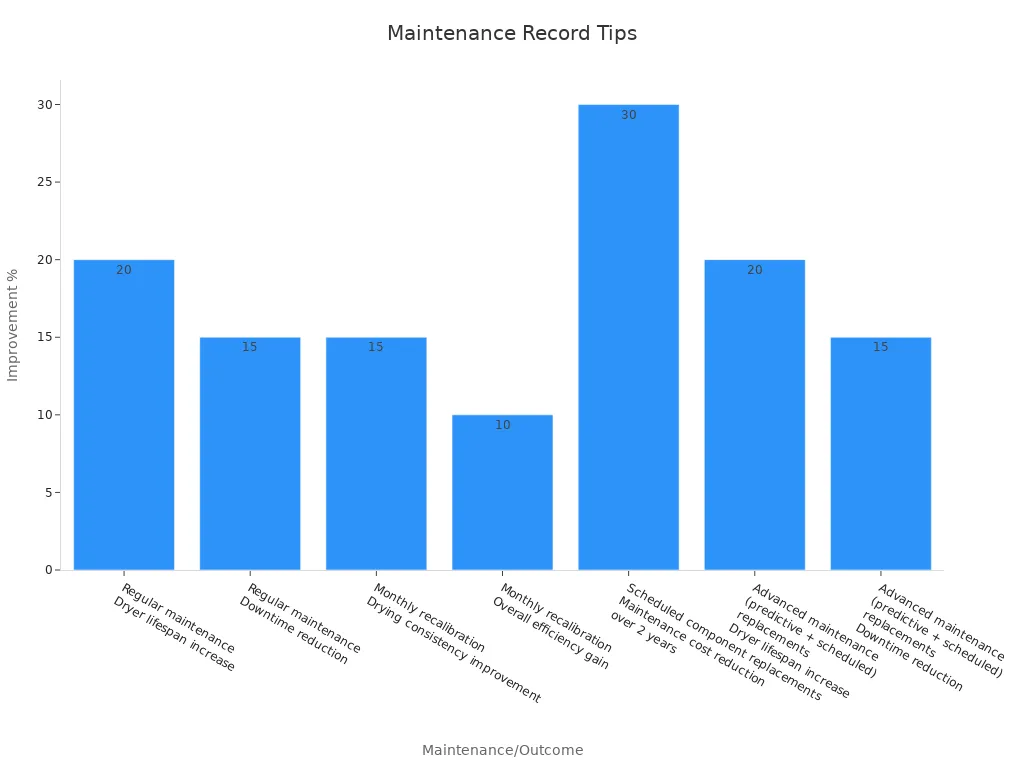
Puede prolongar la vida útil del elemento calefactor de su secadora siguiendo algunos hábitos de mantenimiento sencillos. La limpieza regular y las inspecciones programadas ayudan a prevenir el sobrecalentamiento y reducen el riesgo de fallas. Los registros de mantenimiento muestran que estas actividades pueden aumentar la vida útil de la secadora hasta en un 20% y reducir el tiempo de inactividad en un 15%. La recalibración mensual de las zonas de secado también mejora la uniformidad y eficiencia del secado.
Consejos de limpieza y mantenimiento de usuarios
- Limpie el filtro de pelusas antes y después de cada uso para evitar obstrucciones.
- Inspeccione el elemento calefactor o el quemador de gas en busca de signos de desgaste o daño.
- Revise regularmente las conexiones eléctricas para evitar reparaciones de emergencia.
- Mantenga un registro de mantenimiento para realizar un seguimiento de inspecciones, reparaciones y sustituciones.
Consejo: Los registros de mantenimiento precisos y la calibración regular de los sistemas de control de su secadora le ayudan a tomar decisiones informadas y a prolongar la vida útil de su elemento calefactor.
Costo y valor de los elementos calefactores de secadora
Costos iniciales para Samsung vs Maytag
Comparación de precios de piezas OEM y genéricas
Cuando busca un nuevo elemento calefactor para secadora, se enfrenta a una elección entre piezas del fabricante de equipos originales (OEM) y alternativas genéricas. Para las secadoras Samsung, la diferencia de precio es notable. Las piezas OEM cuestan alrededor de 136 dólares, mientras que las versiones genéricas oscilan entre 22 y 25 dólares. Esto significa que las piezas genéricas cuestan aproximadamente una quinta parte del precio de las OEM. Muchos usuarios encuentran atractivo el ahorro, pero las reseñas muestran resultados mixtos. Algunas piezas genéricas funcionan bien durante años, pero otras fallan prematuramente. Las piezas OEM reciben elogios por su fiabilidad y rendimiento constante. Utilizan materiales probados en cuanto a durabilidad y seguridad. Las piezas genéricas pueden parecer similares, pero a menudo carecen de los mismos controles de calidad.
| Marca | Tipo de pieza | Precio aproximado | Resumen de la experiencia del usuario | Notas de ingeniería/calidad |
|---|---|---|---|---|
| Samsung | OEM | $136 | Generalmente fiable, no se reportan arrepentimientos | Diseñada con propiedades de materiales específicas y probada para rendimiento y longevidad |
| Samsung | Genérica | $22 – $25 | Reseñas mixtas: algunas fallas tempranas, algunos éxitos a largo plazo | Puede utilizar materiales similares, pero carece de pruebas del fabricante; la calidad y la longevidad pueden variar; ingeniería inversa |
Es posible que no encuentre datos detallados de precios para piezas Maytag, pero la mayoría de los usuarios reportan tendencias similares. Las piezas OEM cuestan más, pero ofrecen tranquilidad. Las piezas genéricas ahorran dinero inicialmente, pero pueden requerir un reemplazo más temprano.
Dónde comprar elementos calefactores genuinos
Puede adquirir elementos calefactores genuinos en distribuidores autorizados de piezas para electrodomésticos, sitios web del fabricante o mercados en línea de buena reputación. Siempre verifique el número de pieza de su modelo de secadora antes de realizar el pedido. Muchos usuarios recomiendan comprar en fuentes oficiales para evitar piezas falsificadas o de baja calidad. Los talleres locales de reparación de electrodomésticos también ofrecen opciones OEM y genéricas, brindándole flexibilidad según su presupuesto y necesidades.
Valor a largo plazo y frecuencia de reemplazo
Costo total de propiedad a lo largo del tiempo
Al considerar el costo total de poseer una secadora, debe mirar más allá de la compra inicial. El costo del elemento calefactor de la secadora, la frecuencia de reemplazo y el posible tiempo de inactividad se acumulan. Las piezas OEM pueden costar más al principio, pero suelen durar más y reducen el riesgo de reparaciones repetidas. Si elige piezas genéricas, podría ahorrar dinero ahora, pero enfrentará reemplazos más frecuentes. Durante una década, el costo total de propiedad puede favorecer las piezas OEM, especialmente si valora la confiabilidad y menos interrupciones.
Calificaciones de usuarios sobre la relación calidad-precio
Muchos usuarios califican su experiencia basándose tanto en el costo como en el rendimiento. Las puntuaciones altas de satisfacción suelen provenir de quienes eligen piezas OEM para su secadora. Los clientes destacan la profesionalidad de los proveedores de servicios, las explicaciones claras y los procedimientos de reemplazo eficientes.. Se mencionan con frecuencia la instalación fácil y los técnicos capacitados. Estas experiencias positivas generan confianza y animan a los usuarios a mantenerse con piezas OEM, incluso a un precio más alto.
Satisfacción con el reemplazo del elemento calefactor
Experiencias de usuarios con piezas de posventa frente a piezas OEM
Encuentra una variedad de opiniones cuando se trata de piezas de posventa frente a piezas OEM. Algunos usuarios reportan éxito con elementos calefactores de posventa, especialmente cuando quieren ahorrar dinero. Otros experimentan fallas tempranas o calentamiento inconsistente. Las piezas OEM reciben elogios más consistentes por su ajuste, rendimiento y longevidad. Puede notar que los usuarios que valoran la confiabilidad a largo plazo prefieren los reemplazos OEM, mientras que aquellos con un presupuesto ajustado a veces se arriesgan con genéricos.
Valor percibido después del reemplazo
Después de completar un reemplazo, muchos usuarios se sienten satisfechos cuando su secadora funciona como nueva. Aquellos que invierten en piezas OEM a menudo expresan mayor confianza en el rendimiento futuro de su electrodoméstico. Los clientes aprecian el servicio rápido y minucioso y la comunicación clara de los técnicos. Los comentarios positivos se centran en la tranquilidad que brindan las piezas confiables y la instalación profesional. Puede esperar una experiencia más fluida y un mejor valor a largo plazo cuando elige componentes de calidad para su secadora.
Problemas comunes de falta de calentamiento en secadoras y soluciones
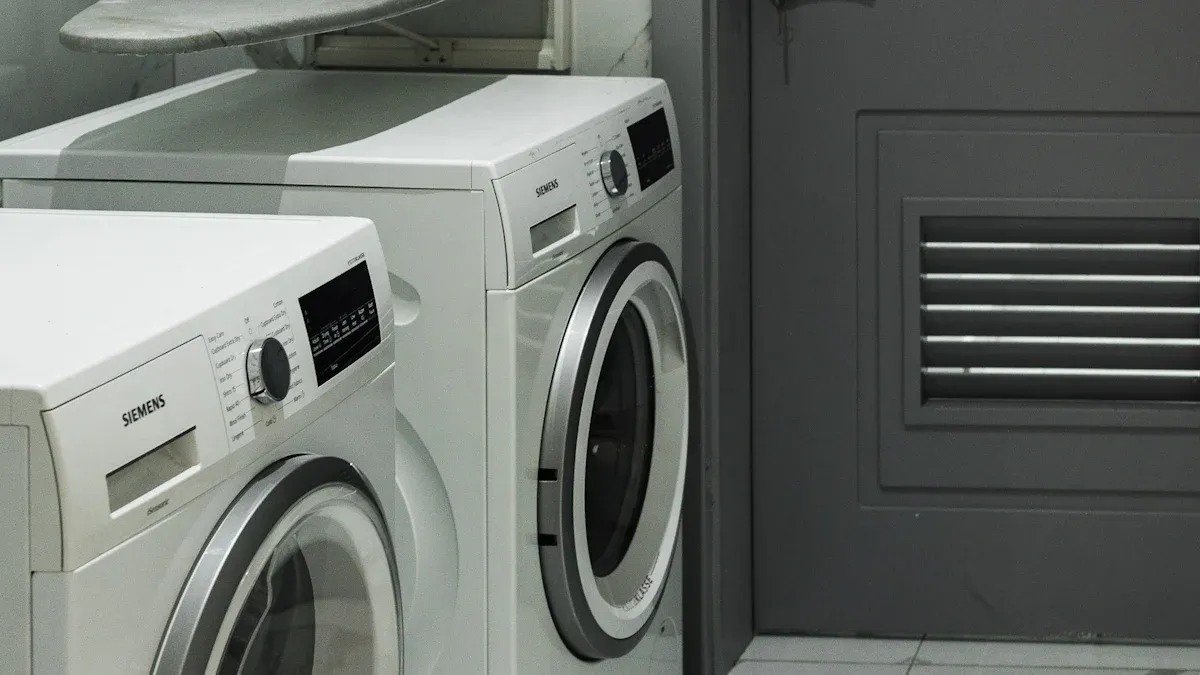
Problemas con el elemento calefactor de secadoras Samsung
Problemas más reportados y soluciones
Cuando experimenta que una secadora Samsung no calienta, a menudo enfrenta algunos problemas comunes. Muchos usuarios reportan que los elementos calefactores en secadoras Samsung se queman antes de lo esperado. Esta falla prematura generalmente resulta de una combinación de desgaste y mala ventilación. Puede notar que su secadora deja de producir calor o tarda mucho más en secar la ropa. Otras causas frecuentes incluyen un fusible térmico roto, termistores defectuosos y termostatos quemados.
Puede ver las principales causas de los problemas de falta de calentamiento en la siguiente tabla, basada en datos de la Asociación Nacional de Protección contra Incendios:
| Causa | Porcentaje (%) |
|---|---|
| Falta de limpieza de filtros de pelusa/ventilaciones | 32 |
| Falla mecánica | 27 |
| Falla eléctrica | 16 |
| Fuente de calor demasiado cerca de materiales combustibles | 6 |
| Uso inadecuado de la secadora | 3 |
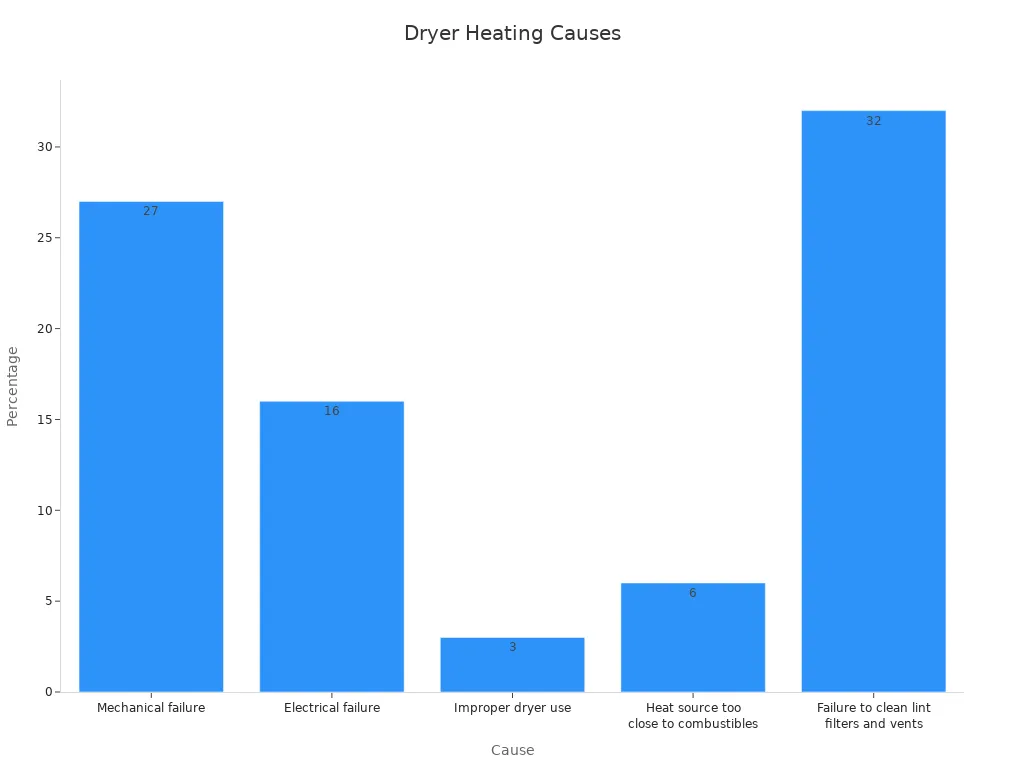
Debe prestar especial atención a la acumulación de pelusa y las ventilaciones obstruidas, ya que representan la mayor parte de las fallas de calentamiento.
Cómo solucionan los usuarios la falta de calentamiento en modelos Samsung
Puede abordar una secadora Samsung que no calienta siguiendo algunos pasos de solución de problemas:
- Desenchufe la secadora e inspeccione el elemento calefactor en busca de daños visibles.
- Use un multímetro para verificar la continuidad del elemento calefactor y el fusible térmico.
- Limpie el filtro de pelusa y revise el sistema de ventilación en busca de obstrucciones.
- Reemplace cualquier elemento calefactor defectuoso, fusible térmico roto o termistor defectuoso.
- Restablezca los códigos de error como HE después de las reparaciones.
Muchos usuarios encuentran que reemplazar un elemento calefactor defectuoso o eliminar la acumulación de pelusa restaura el calentamiento adecuado. Si nota fallas repetidas, debe verificar problemas de flujo de aire o considerar actualizar a una pieza más robusta.
Problemas con el elemento calefactor de secadoras Maytag
Problemas más reportados y soluciones
Cuando se encuentra con una secadora Maytag que no calienta, generalmente trata con causas similares. Los usuarios a menudo reportan problemas de calentamiento debido a elementos desgastados, ventilaciones obstruidas o termostatos que funcionan mal. Las secadoras Maytag tienden a tener menos quejas sobre fallas prematuras del elemento calefactor, pero aún debe estar atento a signos de calor reducido o tiempos de secado más largos.
Puede prevenir la mayoría de los problemas limpiando el filtro de pelusa después de cada carga e inspeccionando el sistema de ventilación regularmente. Si su secadora deja de calentar, verifique la continuidad del elemento y los componentes relacionados.
Cómo solucionan los usuarios la falta de calentamiento en modelos Maytag
Puede resolver la mayoría de los problemas de falta de calentamiento en secadoras Maytag con una solución de problemas básica:
- Desconecte la alimentación y retire el panel trasero de la secadora.
- Inspeccione el elemento calefactor en busca de roturas o decoloración.
- Pruebe el elemento, el fusible térmico y el termostato con un multímetro.
- Limpie a fondo todos los filtros de pelusa y ventilaciones.
- Reemplace cualquier elemento calefactor defectuoso o fusible quemado.
A menudo restaurará el calentamiento completo reemplazando un solo componente o eliminando una obstrucción.
Solución de problemas y reparaciones rápidas para el reemplazo del elemento calefactor
Consejos de la comunidad para reparaciones rápidas
Puede ahorrar tiempo y dinero siguiendo estos consejos de solución de problemas de la comunidad de reparación de secadoras:
- Siempre comience con una inspección visual en busca de signos evidentes de un elemento calefactor defectuoso.
- Use un multímetro para verificar la continuidad del elemento y los fusibles.
- Limpie los filtros de pelusa y las ventilaciones antes de reemplazar cualquier pieza.
- Mantenga un juego de herramientas básicas listo para acceso rápido.
- Documente cada paso de reparación para rastrear problemas recurrentes de falta de calentamiento.
Consejo: La limpieza regular y la solución de problemas oportuna le ayudan a evitar fallas de calentamiento repetidas y prolongar la vida útil de su secadora.
Cuándo llamar a un profesional
Debe llamar a un profesional si:
- No puede identificar la causa de la falta de calentamiento de la secadora después de una solución de problemas básica.
- Note olores eléctricos, chispas o signos de daño en el cableado.
- Experimente fallos repetidos incluso después de reemplazar el elemento calefactor.
- Si se siente incómodo trabajando con componentes eléctricos.
Un técnico certificado puede diagnosticar problemas complejos y garantizar reparaciones seguras y fiables.
Veredicto final: ¿Qué elemento calefactor de secadora es el ganador?
Ganador determinado por los usuarios y razones clave.
Resumen de las preferencias de los usuarios y evidencia.
Usted desea una secadora que funcione de manera fiable, seque la ropa rápidamente y requiera reparaciones mínimas. Al observar las historias y datos reales de los usuarios, se ve una tendencia clara. La mayoría de los propietarios de viviendas y aficionados al bricolaje eligen Maytag como su elemento calefactor de secadora preferido. Los usuarios valoran a Maytag por su construcción duradera y menos fallos de calefacción con el tiempo. Muchos usuarios informan que su secadora Maytag continúa proporcionando una calefacción potente incluso después de años de uso intensivo. También notará que los elementos calefactores de Maytag a menudo requieren menos reemplazos, lo que significa menos tiempo de inactividad y menores costos a largo plazo.
Las secadoras Samsung también reciben comentarios positivos, especialmente por sus funciones modernas y sensores avanzados. Sin embargo, es posible que vea más informes de reemplazos de elementos calefactores en Samsung, especialmente en modelos más antiguos. Los usuarios que priorizan la tecnología avanzada a veces prefieren Samsung, pero la mayoría de las personas quieren una secadora que simplemente funcione, siempre.
Principales factores detrás de la elección.
Se observan varias razones principales por las que los usuarios eligen a Maytag como ganador:
- Fiabilidad: Las secadoras Maytag mantienen una calefacción constante, incluso con un uso frecuente.
- Vida útil: El elemento calefactor de una secadora Maytag suele durar 15 años o más.
- Facilidad de mantenimiento: Puede reemplazar el elemento calefactor con herramientas básicas e instrucciones claras.
- Valor: Menos reemplazos y reparaciones significan que ahorra dinero durante la vida útil de su secadora.
Nota: Si desea un mejor rendimiento de la secadora y menos interrupciones, Maytag se destaca como la mejor opción para la mayoría de los usuarios.
Quién debería elegir los elementos calefactores de secadora Samsung
Escenarios de mejor ajuste y perfiles de usuario
Es posible que los elementos calefactores de secadora Samsung se adapten mejor si valora las funciones avanzadas y el diseño moderno. Si desea una secadora con sensores inteligentes, controles digitales y modos de ahorro de energía, Samsung ofrece opciones sólidas. También podría preferir Samsung si disfruta solucionar problemas y realizar sus propias reparaciones, ya que las piezas de repuesto están ampliamente disponibles y las guías son fáciles de encontrar.
Considere Samsung si:
- Desea una secadora con la tecnología más reciente e integración en el hogar inteligente.
- Realiza cargas pequeñas y no usa su secadora todos los días.
- Se siente cómodo realizando reparaciones y mantenimiento básicos.
- Prefiere un aspecto elegante y moderno en su lavandería.
Las secadoras Samsung pueden proporcionar una calefacción fiable y un secado eficiente, especialmente en los modelos más nuevos. Puede maximizar la vida útil de su elemento calefactor Samsung limpiando las rejillas de ventilación regularmente y evitando sobrecargas pesadas.
Quién debería elegir los elementos calefactores de secadora Maytag
Escenarios de mejor ajuste y perfiles de usuario
Debería elegir un elemento calefactor de secadora Maytag si desea durabilidad y mínimas molestias. Si tiene una familia numerosa o usa su secadora a diario, Maytag ofrece la fiabilidad que necesita. Apreciará la construcción de servicio pesado y las piezas de grado comercial que mantienen su secadora funcionando año tras año.
Considere Maytag si:
- Necesita una secadora que maneje cargas pesadas y uso frecuente.
- Desea menos reemplazos de elementos calefactores y menos tiempo de inactividad.
- Valora las reparaciones sencillas y el fácil acceso a las piezas de repuesto.
- Prefiere un historial comprobado de fiabilidad sobre características llamativas.
Las secadoras Maytag sobresalen en hogares donde las demandas de lavandería son altas. Puede confiar en que su elemento calefactor Maytag proporcionará calor constante y resultados uniformes, lo que lo convierte en un favorito entre los usuarios que desean tranquilidad.
Consejos prácticos para problemas de secadora que no calienta
Qué hacer si aún no está seguro
Cuando su secadora deja de funcionar como se esperaba, puede sentirse frustrado o abrumado. Desea una solución que ahorre tiempo y dinero mientras mantiene su rutina de lavandería en marcha. Si aún se siente inseguro sobre los próximos pasos, puede seguir un enfoque estructurado para diagnosticar y resolver el problema.
Comience con lo básico. Muchos problemas de la secadora provienen de causas simples que puede abordar sin ayuda profesional. Use esta lista de verificación para guiar su solución de problemas:
- Verifique que la secadora esté enchufada de forma segura y que ambos disyuntores estén encendidos..
- Asegúrese de que la puerta de la secadora se cierre completamente, ya que una puerta abierta interrumpe el funcionamiento.
- Limpie el filtro de pelusa a fondo, eliminando incluso el polvo fino que puede bloquear el flujo de aire.
- Inspeccione el sistema de ventilación en busca de obstrucciones que impidan el movimiento adecuado del aire.
- Para secadoras a gas, confirme que la válvula de gas esté abierta y suministrando combustible.
Si su secadora aún no funciona después de estas comprobaciones, puede pasar a inspecciones más detalladas. Use un multímetro para probar los componentes clave. Examine el elemento calefactor, los termostatos y los fusibles térmicos para verificar la continuidad. Reemplace cualquier pieza que falle la prueba. También debe buscar rodillos de tambor desgastados o problemas del motor, ya que estos pueden reducir la velocidad del tambor y afectar el rendimiento del secado.
Consejo: Limpiar el filtro de pelusa después de cada uso e inspeccionar el sistema de ventilación cada pocos meses puede prevenir la mayoría de las fallas de la secadora.
Es posible que desee considerar la antigüedad y el historial de reparaciones de su secadora antes de invertir en reparaciones importantes. La mayoría de las secadoras duran entre 10 y 13 años. Si su electrodoméstico está cerca del final de su vida útil o si los costos de reparación superan la mitad del precio de una secadora nueva, el reemplazo puede ofrecer un mejor valor.
Aquí hay un proceso paso a paso que puede seguir al solucionar un problema persistente de la secadora:
- Verifique la fuente de alimentación y restablezca los disyuntores si es necesario.
- Limpie los filtros de pelusa y los conductos de ventilación para asegurar un flujo de aire adecuado.
- Inspeccione el elemento calefactor en busca de daños visibles.
- Pruebe los termostatos y fusibles térmicos con un multímetro y reemplace las piezas defectuosas.
- Si la secadora aún no funciona, llame a un técnico profesional.
También puede prevenir problemas futuros adoptando estos hábitos de mantenimiento:
- Evite sobrecargar la secadora, ya que las cargas pesadas tensionan las piezas internas.
- Programe un servicio profesional cada uno o dos años para una inspección exhaustiva.
- Mantenga un registro de mantenimiento para llevar un control de reparaciones y reemplazos.
Si no está seguro sobre algún paso de reparación o nota signos de daño eléctrico, contacte a un técnico certificado. La seguridad siempre debe ser lo primero.
Un enfoque metódico le ayuda a resolver la mayoría de los problemas de la secadora de manera eficiente. Usted gana confianza en su capacidad para mantener su electrodoméstico y tomar decisiones informadas sobre reparación o reemplazo.
Usted observa que la mayoría de los usuarios reales seleccionan a Maytag como la mejor opción para un elemento calefactor de secadora. Usted obtiene una mayor vida útil, menos reemplazos y un rendimiento confiable con esta marca. Si desea una secadora que maneje cargas diarias y minimice el tiempo de inactividad, Maytag se destaca. Antes de decidir, revise sus hábitos de lavado y lea las experiencias de los usuarios. Elija la secadora que se ajuste a sus necesidades y ofrezca un valor comprobado.
PREGUNTAS FRECUENTES
¿Cómo sabe si el elemento calefactor de su secadora está defectuoso?
Usted puede notar que su secadora funciona pero no calienta. La ropa permanece húmeda después de un ciclo completo. Puede probar el elemento calefactor con un multímetro para verificar continuidad. La falta de continuidad significa que necesita un reemplazo.
¿Puede reemplazar usted mismo el elemento calefactor de una secadora?
Sí, puede reemplazarlo usted mismo. Necesita herramientas básicas como un destornillador y un juego de llaves de tubo. Siempre desconecte primero la secadora. Siga el manual de su modelo o una guía en línea confiable para obtener instrucciones paso a paso.
¿Con qué frecuencia debe limpiar el conducto de ventilación de su secadora?
Debe limpiar el conducto de ventilación de su secadora al menos una vez al año. Si usa su secadora a diario o nota tiempos de secado más largos, límpielo con más frecuencia. La limpieza regular previene el sobrecalentamiento y extiende la vida útil del elemento calefactor.
¿Son los elementos calefactores genéricos tan confiables como las piezas OEM?
Los elementos calefactores genéricos cuestan menos, pero su confiabilidad varía. Las piezas OEM ofrecen un mejor control de calidad y una mayor vida útil. Si desea tranquilidad y menos reemplazos, elija OEM. Para ahorros a corto plazo, las piezas genéricas pueden funcionar.
¿Qué causa que un elemento calefactor de secadora falle prematuramente?
Las causas comunes incluyen la acumulación de pelusa, conductos bloqueados, sobrecargas frecuentes y un mantenimiento deficiente. El sobrecalentamiento debido a un flujo de aire restringido daña el elemento. Puede prevenir fallas prematuras limpiando regularmente los filtros y conductos.
¿Cuánto cuesta reemplazar el elemento calefactor de una secadora?
Los costos de reemplazo oscilan entre 22€ para piezas genéricas y 136€ para piezas OEM. Si contrata a un técnico, espere pagar entre 100€ y 190€ por hora de mano de obra. El reemplazo por cuenta propia ahorra los costos de mano de obra.
¿Qué debe revisar si su secadora no calienta?
Comience por revisar el suministro eléctrico, el filtro de pelusa y el conducto de ventilación en busca de obstrucciones. Pruebe el elemento calefactor, el fusible térmico y el termostato con un multímetro. Reemplace cualquier pieza defectuosa. Si el problema persiste, llame a un profesional.