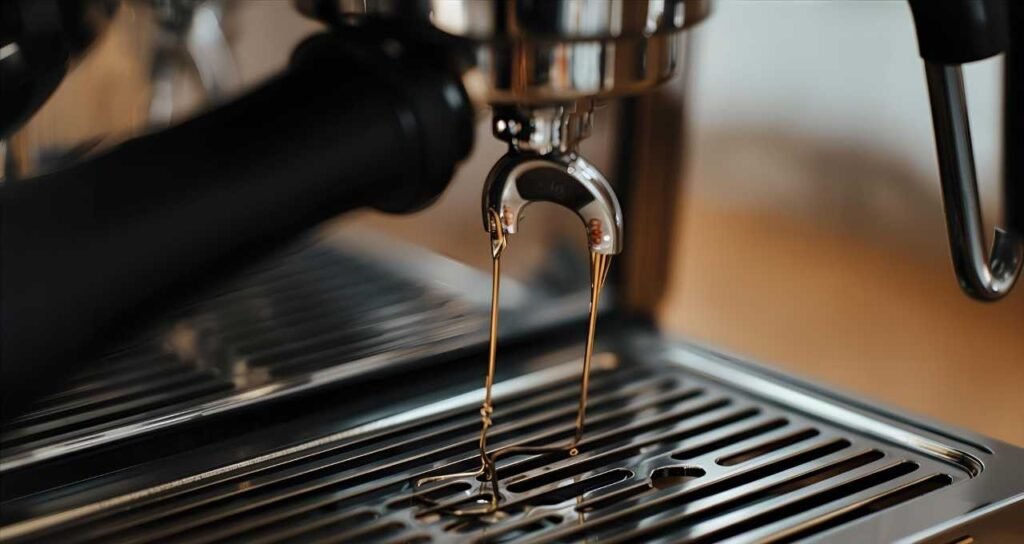
En el ritual diario de millones de personas, la máquina de café es un electrodoméstico indispensable. Sin embargo, detrás del aroma reconfortante y el sabor intenso se esconde una huella ambiental significativa, gran parte de la cual está determinada por un solo componente, a menudo pasado por alto: el elemento calefactor. Esta pieza pequeña pero poderosa es responsable de la gran mayoría del consumo energético de una máquina de café. A medida que tanto consumidores como fabricantes toman mayor conciencia ambiental, la tecnología detrás del Elemento calefactor de la cafetera está experimentando una evolución crítica. La industria se está alejando de los diseños tradicionales, a menudo ineficientes, hacia alternativas innovadoras y ecológicas que prometen no solo una huella de carbono reducida, sino también un rendimiento mejorado.
Este artículo proporciona una comparación exhaustiva entre los elementos calefactores convencionales y sus contrapartes modernas y sostenibles. Profundizaremos en las diferencias fundamentales en eficiencia energética, sostenibilidad de materiales, procesos de fabricación e impacto general del ciclo de vida. Al comprender estas distinciones, tanto los consumidores pueden tomar decisiones de compra más informadas como los fabricantes pueden ser pioneros en la próxima generación de electrodomésticos ecológicos. La elección de la tecnología de calefacción ya no es solo una cuestión de función; es una declaración de responsabilidad ambiental.
La Vieja Guardia: Comprensión de los Elementos Calefactores Resistivos Tradicionales
Durante décadas, el estándar en la mayoría de las cafeteras de grado de consumo ha sido el elemento calefactor tubular revestido. A menudo denominado por el nombre comercial Calrod, este diseño es simple, económico de producir y funcionalmente confiable, lo que explica su dominio de larga data en el mercado.
Cómo Funcionan y de Qué Están Hechos
El principio es sencillo calentamiento por resistencia. Una bobina de alambre, típicamente hecha de una aleación de nicrom La aleación (níquel-cromo) está alojada dentro de un tubo o vaina metálica, generalmente fabricada de acero inoxidable o cobre. Esta bobina está aislada eléctricamente de la vaina exterior mediante un polvo cerámico, más comúnmente óxido de magnesio, que es un excelente conductor térmico pero un mal conductor eléctrico. Cuando una corriente eléctrica pasa a través de alambre de nicromo, la bobina, esta se calienta intensamente, y dicho calor se transfiere a través del óxido de magnesio hacia la vaina exterior, la cual a su vez calienta el agua en la caldera o termobloque.
Los Inconvenientes Ambientales de los Elementos Tradicionales
Si bien es efectivo, este diseño convencional conlleva varias responsabilidades ambientales que se están volviendo cada vez más significativas en un mundo centrado en la sostenibilidad.
- Ineficiencia Energética y Retardo Térmico: El problema principal es masa térmica y la calefacción indirecta. El elemento debe calentarse primero a sí mismo, luego el polvo aislante, luego el grueso revestimiento metálico, y solo entonces el agua. Este proceso resulta en un notable “retardo térmico”, lo que significa que se consume energía durante un período antes de que el agua comience a calentarse de manera efectiva. Además, una cantidad significativa de calor se pierde en el aire circundante y los componentes de la máquina en lugar de transferirse directamente al agua, lo que lleva a un desperdicio de energía durante cada ciclo de preparación.
- Huella de Material: La extracción y el procesamiento de níquel y cromo para el alambre de nicromo son procesos intensivos en energía con un impacto ambiental considerable. Si bien los materiales son robustos, la gran masa de metal requerida para el elemento y su revestimiento contribuye a una mayor huella de material por unidad.
- Ciclo de Vida y Degradación del Rendimiento: Estos elementos son altamente susceptibles a la acumulación de depósitos minerales (cal) cuando se usan con agua dura. Esta cal actúa como aislante, obligando al elemento a trabajar más y consumir más energía para alcanzar la misma temperatura del agua. Esta pérdida progresiva de eficiencia acorta la vida útil efectiva del electrodoméstico. Eventualmente, el ciclo térmico constante causa que el alambre de nicromo se fatigue y se rompa, resultando en un circuito abierto y una máquina inutilizable, contribuyendo a los desechos electrónicos.
La Revolución Verde: Una Nueva Generación de Tecnología de Calefacción
En respuesta a las deficiencias de los elementos tradicionales, los ingenieros han desarrollado varias tecnologías innovadoras que priorizan la eficiencia, la velocidad y la sostenibilidad. Estas soluciones modernas representan un cambio de paradigma en cómo calentamos el agua para nuestro café.
1. Calentadores de Película Gruesa
La tecnología de película gruesa es uno de los avances más prometedores. En lugar de una bobina de alambre dentro de un tubo, un calentador de película gruesa consiste en pastas resistivas y dieléctricas impresas directamente sobre un sustrato plano o cilíndrico, como cerámica o acero inoxidable.
Ventajas Ecológicas:
- Eficiencia energética excepcional: Con una masa térmica muy baja y contacto directo con la superficie que calienta el agua, los calentadores de película gruesa tienen una respuesta térmica casi instantánea. El calor se genera precisamente donde se necesita, reduciendo drásticamente los tiempos de calentamiento y minimizando la pérdida de energía. Las eficiencias pueden superar el 98%, una mejora significativa sobre el 80-90% que se observa a menudo en los diseños tubulares más antiguos.
- Ahorro de Material y Espacio: Esta tecnología utiliza significativamente menos materia prima. Las capas impresas tienen un grosor de micras, lo que resulta en un elemento ligero y compacto que reduce la huella de material general del electrodoméstico y permite diseños de productos más innovadores.
- Densidad de Potencia: Pueden alcanzar una densidad de potencia muy alta, lo que significa que se puede generar más calor desde un área de superficie más pequeña, contribuyendo aún más a su eficiencia y rendimiento rápido.
Comparación de Eficiencia: Tiempo de Arranque y Uso de Energía
| Característica | Elemento Tubular Tradicional | Elemento Moderno de Película Gruesa |
|---|---|---|
| Tiempo para Hervir (250ml) | 60 – 90 segundos | 20 – 30 segundos |
| Eficiencia Energética Típica | 80% – 90% | >98% |
| Masa Térmica | Alta | Extremadamente Baja |
| Desperdicio de Energía Durante el Arranque | Significativo | Mínimo |
2. Calentadores PTC (Coeficiente de Temperatura Positivo)
Los calentadores PTC son otra opción inteligente y sostenible. Estos son calentadores autorregulables hechos de materiales cerámicos especializados. Su característica definitoria es que su resistencia eléctrica aumenta bruscamente a medida que alcanzan una temperatura específica y predeterminada.
Ventajas Ecológicas:
- Seguridad Inherente y Ahorro de Energía: A medida que un elemento PTC se acerca a su temperatura diseñada, su resistencia creciente hace que reduzca automáticamente su consumo de energía. Esta propiedad autorregulable evita el sobrecalentamiento sin necesidad de termostatos externos o fusibles térmicos en algunas aplicaciones. Esto no solo ahorra energía al no exceder la temperatura objetivo, sino que también reduce el número de componentes, simplificando la fabricación y reduciendo los posibles puntos de falla.
- Durabilidad y Longevidad Excepcionales: Los calentadores PTC no son propensos a las fallas por quemadura comunes en los elementos basados en alambre. Su construcción de estado sólido los hace extremadamente resistentes al choque térmico y la vibración, lo que lleva a una vida operativa mucho más larga y reduce la frecuencia de reemplazo y los residuos.
3. Elementos Calefactores por Fundición a Presión
Un método altamente efectivo para maximizar la transferencia térmica es el elemento calefactor por fundición a presión. En este proceso, un elemento calefactor tubular se coloca en un molde, y se inyecta aluminio fundido a su alrededor, incrustando permanentemente el calentador dentro de un bloque de metal sólido (un termobloque).
Ventajas Ecológicas:
- Transferencia Térmica Superior: Este es el beneficio clave. La unión perfecta y sin espacios entre el tubo calefactor y el bloque de aluminio circundante crea una vía térmica increíblemente eficiente. No hay espacios de aire ni puntos de contacto ineficientes, lo que asegura que casi todo el calor generado se transfiera directamente al bloque y luego al agua que fluye a través de él. Esto minimiza el desperdicio y acelera el calentamiento.
- Durabilidad y Protección Mejoradas: La fundición de aluminio proporciona una carcasa robusta y protectora alrededor del delicado tubo calefactor, protegiéndolo de golpes físicos y corrosión. Este diseño robusto contribuye a una vida útil más larga.
- Integración de Diseño: Este enfoque es una especialidad de empresas avanzadas. Un fabricante experto
eléctricode elementos calefactores puede diseñar y producir estas soluciones integradas de fundición a presión, creando un único componente de alto rendimiento que reemplaza múltiples piezas, optimizando la cadena de suministro y el proceso de ensamblaje para los fabricantes de electrodomésticos.

Comparación Directa: Elementos Tradicionales vs. Ecológicos
| Característica | Elemento Tubular Tradicional | Elemento de Película Gruesa | Elemento PTC | Elemento a Presión (Die-Cast) |
|---|---|---|---|---|
| Eficiencia energética | Moderado (80-90%) | Muy Alto (>98%) | Alto (Autorregulable) | Alto a Muy Alto |
| Tiempo de Calentamiento | Lento | Muy Rápido | Rápido | Rápido |
| Precisión Térmica | Moderado | Excelente | Excelente | Muy bien |
| Huella de Material | Grande | Muy Pequeña | Pequeña | Mediana a Grande |
| Ciclo de Vida y Durabilidad | Moderada (Propenso a incrustaciones/fallo por sobrecalentamiento) | Buena a Muy Buena | Excelente (Vida útil muy larga) | Excelente (Muy duradero) |
| Complejidad de Fabricación | Bajo | Alta | Medio | Media a Alta |
| Ventaja Ecológica Clave | Costo inicial bajo | Mínimo desperdicio de energía | Autorregulación, longevidad | Transferencia de calor máxima |
La Perspectiva General: Evaluación del Ciclo de Vida y Huella de Carbono
Al evaluar el impacto ambiental de un elemento calefactor de café máquina, es esencial considerar todo su ciclo de vida, desde la “cuna a la tumba”. Esto incluye la extracción de materias primas, la fabricación, la “fase de uso” (donde consume electricidad) y su disposición final.
Huella de Carbono del Ciclo de Vida de una Cafetera (Ilustrativo)
- Fase de Uso (Consumo Eléctrico): 75%
- Fabricación y Materiales: 15%
- Transporte: 5%
- Fin de Vida Útil: 5%
Como se ilustra, la fase de uso domina abrumadoramente la huella de carbono. Por eso la eficiencia energética es el factor más importante en un elemento calefactor desde el punto de vista ecológico. Un elemento que ahorra incluso un 10% de energía en cada uso tendrá un impacto positivo mucho mayor durante su vida útil que uno fabricado con materiales reciclados que funciona de manera ineficiente.
Tecnologías ecológicas como los elementos de Película Gruesa, PTC y a Presión de alta eficiencia reducen directa y drásticamente este impacto de la fase de uso. Sus vidas útiles más largas también reducen la frecuencia de fabricación y disposición, disminuyendo el impacto de las otras etapas del ciclo de vida.
Haciendo el Cambio: Un Llamado a la Acción para Consumidores y Fabricantes
La transición hacia una cultura cafetera más sostenible es una responsabilidad compartida.
Para los Consumidores:
- Elijan con Sabiduría: Al comprar una máquina nueva, busquen términos como “calentamiento rápido”, “termobloque” o “ahorro de energía”. Estos suelen indicar el uso de tecnología de calentamiento más moderna y eficiente.
- Mantengan su Máquina: Descalcificar regularmente su cafetera es lo más eficaz que puede hacer para mantener su eficiencia, independientemente del tipo de elemento. Un elemento limpio transfiere mejor el calor y utiliza menos energía.
- Reparen, No Reemplacen: Si su máquina deja de calentar, pruebe los componentes. A menudo, un simple reemplazo del elemento calefactor o un fusible térmico puede salvar un electrodoméstico que por lo demás es funcional de terminar en el vertedero.
Para los Fabricantes:
- Innoven y Adopten: El futuro está en la tecnología eficiente. Es crucial asociarse con proveedores visionarios especializados en soluciones personalizadas, desde fundición a presión avanzada hasta sistemas integrados de Película Gruesa y PTC.
- Diseñen para la Sostenibilidad: Diseñen productos que no solo sean energéticamente eficientes, sino también fáciles de reparar. Usar un Elemento calefactor modular que pueda reemplazarse fácilmente extiende la vida de todo el producto.
- Eduquen al Mercado: Comuniquen claramente los beneficios de ahorro de energía y el rendimiento superior de sus productos. Una etiqueta “ecológica” respaldada por datos tangibles sobre la reducción de energía resonará con los consumidores modernos.
Conclusión
El humilde elemento calefactor está en el corazón de nuestra experiencia diaria con el café y su costo ambiental. Si bien las bobinas resistivas tradicionales nos han servido durante años, representan un paradigma obsoleto de ineficiencia. Las claras ventajas de las tecnologías modernas —la respuesta ultrarrápida de los calentadores de capa gruesa, la autorregulación inteligente de los elementos PTC y la transferencia térmica superior de las soluciones de fundición a presión— ofrecen un camino definitivo hacia adelante. Al adoptar estas innovaciones, la industria del café puede ofrecer una experiencia de producto superior que no solo es más rápida y confiable, sino también significativamente más amable con nuestro planeta. La mejor taza de café es la que sabe bien y se siente bien al usarla, y ese futuro está impulsado por una tecnología de calefacción sostenible.
Preguntas frecuentes (FAQ)
1. ¿Cuál es el tipo de elemento calefactor de cafetera más eficiente energéticamente? coffee machine heating element?
Los calentadores de película gruesa generalmente se consideran los más eficientes energéticamente debido a su masa térmica extremadamente baja y su método de calentamiento directo. Esto permite una transferencia de calor casi instantánea con eficiencias que a menudo superan el 98%, lo que significa que se desperdicia muy poca electricidad durante el proceso de calentamiento.
2. ¿Descalcificar mi cafetera realmente la hace más ecológica?
Sí, absolutamente. La acumulación de cal en un elemento calefactor actúa como aislante, obligando al elemento a utilizar más electricidad y funcionar durante más tiempo para calentar el agua a la temperatura deseada. La descalcificación regular elimina esta capa, restaurando la capacidad del elemento para transferir calor de manera eficiente. Esto reduce directamente el consumo de energía con cada uso, convirtiéndolo en una práctica de mantenimiento ecológica fundamental.
3. ¿Son más caras las cafeteras con elementos calefactores ecológicos? more expensive?
Inicialmente, pueden serlo. Los procesos de fabricación de tecnologías avanzadas como los calentadores de película gruesa (Thick Film) o PTC son más complejos que los de los elementos tradicionales de resistencia bobinada, lo que puede conllevar un costo inicial más alto del aparato. Sin embargo, esta inversión inicial a menudo se compensa durante la vida útil de la máquina mediante facturas de electricidad más bajas y una mayor vida operativa, reduciendo la necesidad de reparaciones o sustituciones costosas.
4. ¿Cómo puedo saber qué tipo de elemento calefactor tiene mi cafetera? cafetera?
Para el consumidor promedio, puede ser difícil distinguirlo desde el exterior. Sin embargo, se pueden encontrar pistas en la publicidad y las especificaciones del producto. Las máquinas que anuncian tecnología de “calentamiento rápido”, “termochorro” (thermojet) o “termobloque” (thermoblock) suelen utilizar sistemas más modernos de fundición a presión o de película gruesa. Las máquinas con tiempos de calentamiento muy lentos tienen más probabilidades de utilizar elementos tubulares tradicionales más antiguos en una caldera simple. La única forma segura es consultar las especificaciones técnicas del fabricante o abrir la máquina (cuando esté desenchufada y fría) e inspeccionar visualmente el componente.
5. ¿Qué es un “fusible térmico” y su función está relacionada con la ecología?
Un fusible térmico (o corte térmico) es un dispositivo de seguridad diseñado para cortar la energía al elemento calefactor si supera una temperatura segura, evitando el sobrecalentamiento y posibles incendios. Si bien su función principal es la seguridad, está indirectamente relacionado con la ecología. En los calentadores PTC, la naturaleza autorreguladora a veces puede eliminar la necesidad de un fusible térmico separado, reduciendo el número de componentes que deben fabricarse y desecharse. En los sistemas tradicionales, un fusible térmico y un termostato que funcionen correctamente evitan que el elemento funcione de manera incontrolada, lo que sería un enorme desperdicio de energía.
6. Can I upgrade my old coffee 6. ¿Puedo actualizar mi cafetera vieja
Esto generalmente no es factible para el aficionado al bricolaje promedio. Los elementos calefactores no son universales; deben coincidir con el voltaje, la potencia, las dimensiones físicas y el tipo de conexión específicos del original. Los elementos ecológicos, como los calentadores de película gruesa, se integran en el diseño de la máquina de una manera fundamentalmente diferente. Si bien puede reemplazar un elemento tradicional defectuoso por uno idéntico, adaptar una tecnología completamente diferente requeriría una reingeniería significativa de la estructura y la electrónica de la máquina.
Referencias y Fuentes:
- Reparación e Identificación de Componentes: con un nuevo elemento calefactor ecológico? elementos calefactores, La información sobre el diagnóstico e identificación de termostatos.
https://home.howstuffworks.com/how-to-repair-small-appliances3.htmhttps://www.home-barista.com/repairs/testing-heating-element-with-multimeter-t58900.html
- Disponibilidad y Tipos de Piezas: La variedad de elementos calefactores (por marca, voltaje, potencia y conexión) se revisó en varios minoristas especializados en línea importantes para comprender el mercado actual de piezas de repuesto.
https://espressocare.com/collections/heating-elementshttps://www.chriscoffee.com/products/rocket-coffee-boiler-heating-elementhttps://greatinfusions.com/home-espresso-replacement-heating-elements/https://coffeeaddicts.ca/collections/elements
- Fabricación y Tecnología: Los detalles sobre las tecnologías modernas de calentamiento, incluida la fundición a presión y la gama de soluciones disponibles para diferentes electrodomésticos, se basaron en información de fabricantes industriales.
https://jinzho.com/product-category/heating-element/
- Guías Visuales: , termostatos y fusibles se cotejó con guías de reparación de HowStuffWorks y discusiones de la comunidad de bricolaje en foros como Home-Barista. elementos calefactores El proceso físico de acceso y reemplazo de elementos calefactores.
https://www.youtube.com/watch?v=NHaoo0Ld-oMhttps://www.youtube.com/watch?v=brzef5yr0PE
- Conocimiento General y Discusión: Discusiones más amplias de la comunidad en Reddit y otros foros proporcionaron información sobre modos de falla comunes y perspectivas de los usuarios sobre el rendimiento de los elementos calefactores.
https://www.reddit.com/r/diyelectronics/comments/12xuu47/heating_element_in_coffee_maker/