
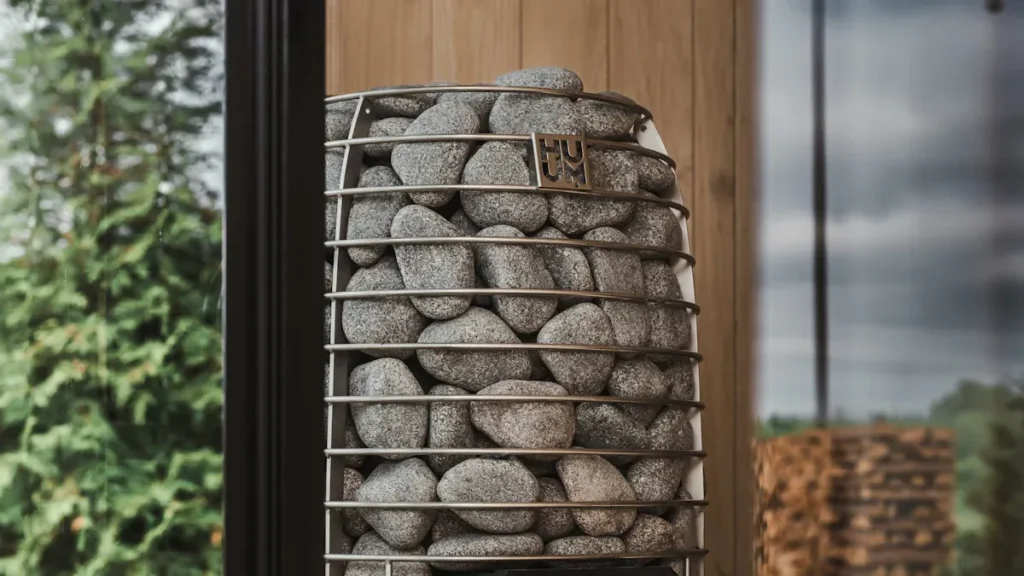
El mercado mundial de servicios de sauna continúa su impresionante expansión y se prevé que crecerá de 1.4T1.070 millones en 2024 a 1.4T1.180 millones en 2025. Este crecimiento pone de manifiesto la creciente demanda de experiencias de bienestar personalizadas en casa. Seleccionar el elemento calefactor adecuado para la sauna es una decisión crucial para los propietarios. Lo ideal Elemento calefactor depende del tipo de calefacción que prefiera cada persona, de su presupuesto y de las posibilidades específicas de instalación de la vivienda. Fabricantes de elementos calefactores, como Calefacción eléctrica Jinzhong, innovar continuamente con nuevos elementos calefactores de electrodomésticos. En última instancia, la elección de cualquier sauna se reduce a tres tecnologías principales.
- Eléctrico tradicional
- Infrarrojos
- Leña
Opciones de los elementos calefactores de la sauna

Elegir el elemento de calor adecuado para la sauna es el paso más crítico para definir su experiencia de bienestar en el hogar. Cada tecnología ofrece un tipo de calor distintivo, conlleva diferentes requisitos de instalación y opera bajo principios únicos. Las opciones principales son los calentadores eléctricos tradicionales, los emisores infrarrojos modernos y las estufas de leña clásicas.
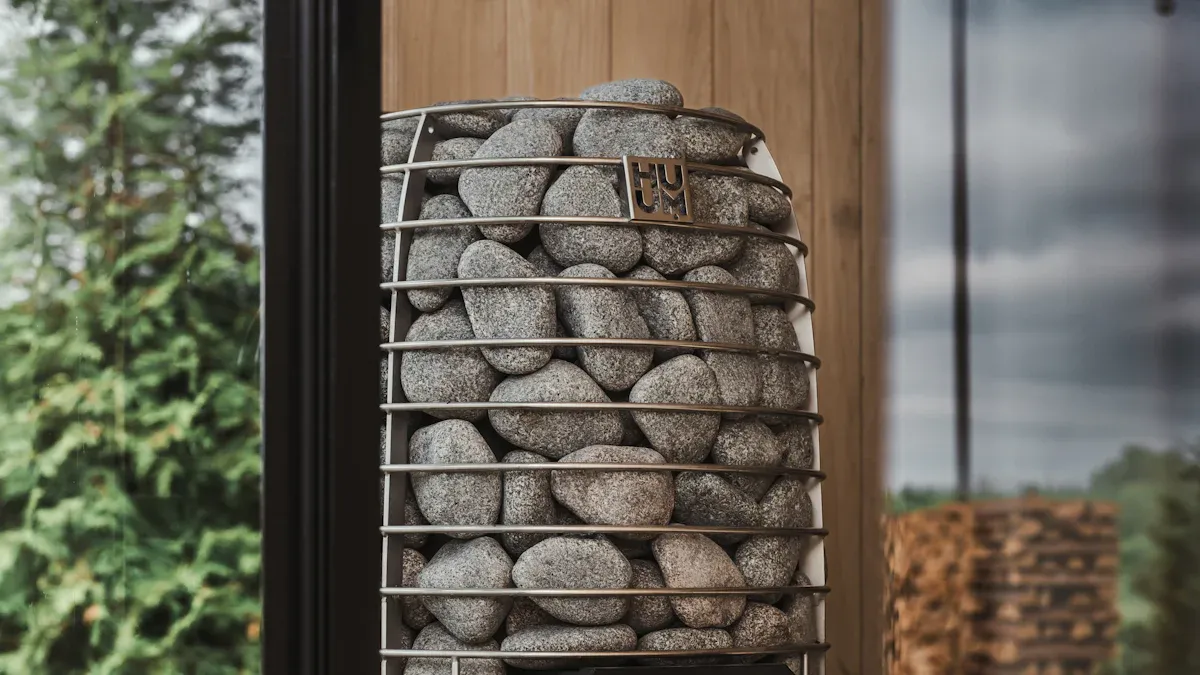
Calefactores eléctricos tradicionales
Los calefactores eléctricos tradicionales son la opción más común para las saunas residenciales modernas, ya que ofrecen un equilibrio entre comodidad y rendimiento clásico.
Cómo funcionan
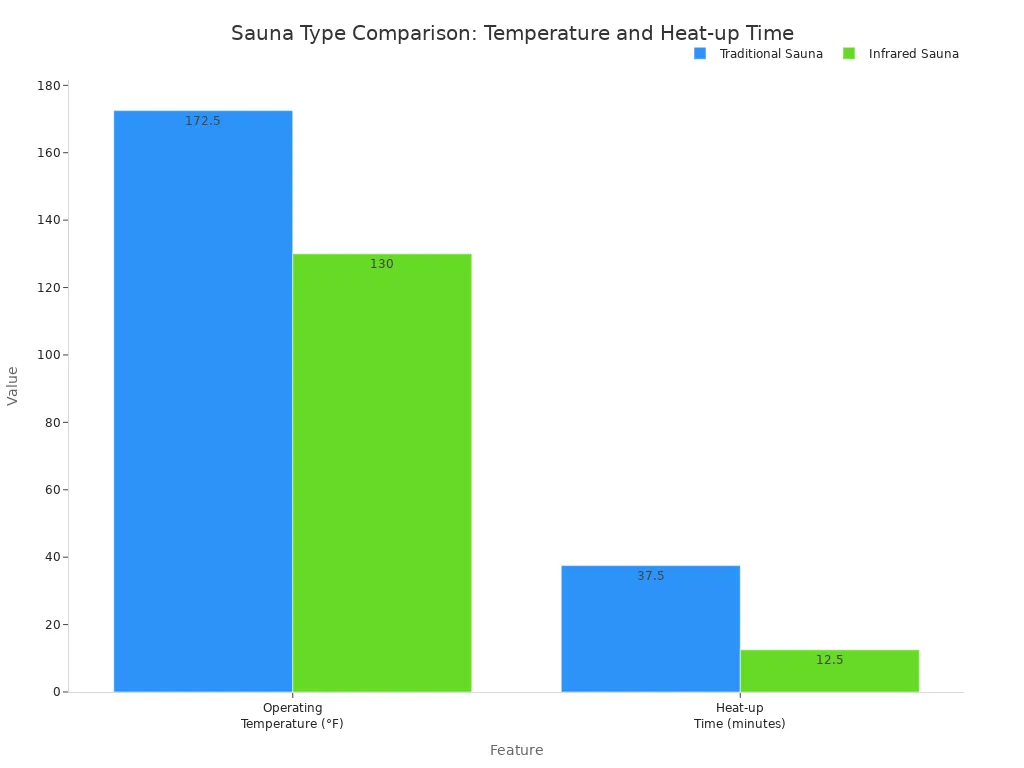
Estas unidades utilizan elementos calefactores eléctricos para calentar un compartimento de rocas de la sauna. El calentador eleva la temperatura del aire ambiente dentro de la sauna a entre 150°F y 195°F. A continuación, los usuarios pueden verter agua en las rocas calientes. Esta acción produce una explosión de vapor, conocida como löyly en finés, lo que aumenta considerablemente la humedad de la habitación e intensifica la sensación de calor.
Lo mejor para
Un calefactor eléctrico es ideal para las personas que desean una experiencia de sauna clásica con la comodidad moderna. Los usuarios que disfrutan con las altas temperaturas y la posibilidad de crear vapor encontrarán esta opción perfecta. Su funcionamiento sencillo, basado en interruptores y controles digitales, ofrece una gestión precisa de la temperatura con el mínimo esfuerzo.
Consideraciones clave
Aunque convenientes, estos calefactores tienen requisitos específicos. La mayoría de los elementos calefactores eléctricos residenciales requieren un circuito de 240 V, lo que a menudo exige una instalación profesional. El consumo eléctrico es otro factor. Una unidad típica consume alrededor de 6 kW mientras se calienta y se estabiliza en 3-4 kW durante el uso, lo que repercutirá en la factura de la luz. Dimensionar el calentador correctamente es crucial para la eficiencia.
| Potencia del calentador (kW) | Volumen recomendado de la sala (pies cúbicos) |
|---|---|
| 4 | Hasta 200 |
| 6 | 250-450 |
| 8 | 350-700 |
Emisores de infrarrojos
La tecnología de infrarrojos proporciona un tipo diferente de experiencia en la sauna, ya que se centra en calentar directamente el cuerpo en lugar del aire.
Cómo funcionan
Los emisores de infrarrojos utilizan ondas de luz para calentar el cuerpo del usuario desde el interior. Este método es muy eficaz y permite que la sauna funcione a temperaturas mucho más bajas y confortables, normalmente entre 120°F y 140°F. Existen tres tipos principales de longitudes de onda infrarrojas:
- Infrarrojo cercano (NIR): Utiliza las longitudes de onda más cortas para penetrar en la superficie de la piel.
- Infrarrojo medio (MIR): Llega más profundamente a los tejidos blandos del cuerpo.
- Infrarrojo lejano (FIR): Tiene la longitud de onda más larga, penetrando hasta 2,5 cm por debajo de la piel para calentar músculos y articulaciones. La mayoría de las saunas terapéuticas de infrarrojos priorizan los emisores FIR.
Lo mejor para
Las saunas de infrarrojos son una opción excelente para los usuarios sensibles al calor intenso o los que buscan beneficios terapéuticos específicos. El suave calor permite sesiones más largas y cómodas, facilitando la lectura o la meditación. Las personas que buscan un alivio profundo de los tejidos, una desintoxicación y una mejor recuperación muscular suelen preferir la tecnología de infrarrojos.
Consideraciones clave
La diferencia principal radica en la experiencia en sí misma. Una sauna infrarroja no produce vapor y carece del calor intenso y envolvente de una sauna tradicional. Si bien la investigación respalda muchos beneficios para la salud, los estudios cardiovasculares a largo plazo son más extensos para las saunas tradicionales. Como ventaja, los elementos de calefacción infrarrojos son excepcionalmente eficientes energéticamente y generalmente funcionan con un tomacorriente doméstico estándar de 120 V, lo que simplifica la instalación.
Estufas de leña
Las estufas de leña ofrecen la experiencia de sauna más auténtica y rústica, conectando a los usuarios con los orígenes de la práctica.
Cómo funcionan
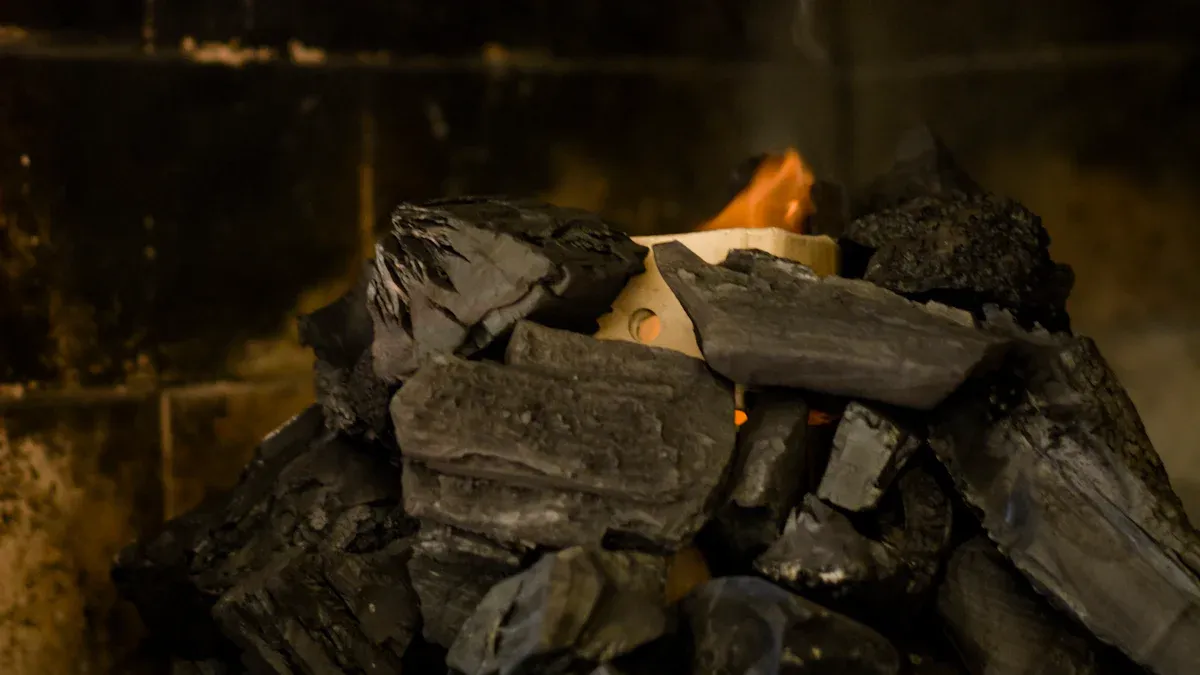
Una estufa de leña funciona quemando leña en una cámara de combustión para calentar el cuerpo de la estufa y las piedras apiladas sobre ella. Al igual que un calentador eléctrico, calienta el aire de la habitación a altas temperaturas. Los usuarios también pueden verter agua sobre las piedras para generar vapor potente. Este método es completamente autónomo, dependiendo únicamente de un suministro de leña.
Lo mejor para
Esta opción es para los tradicionalistas. Las personas que aprecian el ritual de encender un fuego, el aroma de la madera quemada y un calor potente y radiante encontrarán las estufas de leña inigualables. Son perfectas para cabañas, propiedades rurales o cualquier sauna al aire libre donde la electricidad no esté disponible o no sea deseable.
Consideraciones clave
Las estufas de leña son las que requieren más infraestructura y esfuerzo. Un sistema de chimenea adecuado para la ventilación es obligatorio para la seguridad. También exigen una distancia considerable a los materiales combustibles y un protector de suelo incombustible. El usuario es responsable de conseguir y almacenar la leña, encender el fuego y realizar el mantenimiento periódico, incluida la retirada de cenizas y el deshollinado de la chimenea.
Rendimiento térmico: ¿Qué tipo de calor quieres?
El rendimiento del elemento calefactor de una sauna determina directamente la experiencia del usuario. Factores como la rapidez con la que se puede utilizar la sauna y el carácter específico del calor son puntos de decisión críticos. Cada tecnología de calefacción ofrece un perfil térmico distinto, que satisface las diferentes preferencias de velocidad, temperatura y sensación.
Comparación del tiempo de calentamiento
El tiempo que se tarda en pasar de un arranque en frío a una sauna lista para usar varía significativamente entre los tipos de calentador. Este período de espera es una consideración importante de estilo de vida para muchos usuarios.
| Tipo de calentador | Tiempo medio de calentamiento | Factor clave |
|---|---|---|
| Eléctrico | 30–45 minutos | Calienta el aire y las piedras |
| Infrarrojos | 10–20 minutos | Calienta el cuerpo directamente |
| Leña | 45–60+ minutos | Depende del manejo del fuego |
Velocidad del calentador eléctrico
Un calentador eléctrico debe calentar todo el volumen de aire en la sauna, junto con una gran masa de piedras. Este proceso generalmente toma de 30 a 45 minutos para alcanzar la temperatura de funcionamiento deseada. Los usuarios deben planificar sus sesiones con anticipación para adaptarse a este ciclo de precalentamiento.
Velocidad del emisor infrarrojo
Los emisores infrarrojos ofrecen la ruta más rápida para comenzar una sesión. Una sauna infrarroja puede superar los 100 °F en 15 minutos. La energía infrarroja comienza a emitirse inmediatamente después de la activación, calentando el cuerpo del usuario directamente. Esto significa que una persona puede comenzar su sesión casi de inmediato, incluso antes de que el aire de la cabina alcance su temperatura máxima.
Velocidad de la estufa de leña
Una estufa de leña tiene el tiempo de calentamiento más variable y más largo. Los usuarios deben encender y mantener un fuego hasta que genere suficiente calor para calentar la estufa y las piedras. Este proceso puede tomar desde 45 minutos hasta más de una hora, dependiendo de la calidad de la leña, el tamaño de la estufa y las condiciones exteriores.
Rango de temperatura y sensación
El tipo de calor es tan importante como la temperatura. Cada calentador crea un ambiente único, desde vaporoso e intenso hasta suave y penetrante.
Alto calor y Löyly con eléctrico
Los calentadores eléctricos se destacan en crear la experiencia clásica de sauna finlandesa. Producen altas temperaturas ambientales, típicamente entre 150 °F y 195 °F. La característica definitoria es la capacidad de generar löyly, o vapor, vertiendo agua sobre las piedras calientes. Esta acción proporciona una ola de calor húmedo que muchos tradicionalistas buscan.
Calor profundo con infrarrojo
La tecnología infrarroja proporciona un calor suave y terapéutico. Los emisores operan a una temperatura del aire mucho más baja, generalmente de 120 °F a 140 °F. En lugar de calentar el aire, las ondas infrarrojas penetran el cuerpo, creando un calor profundo desde el interior. Esto permite sesiones más largas y cómodas sin el calor intenso de una sauna tradicional.
Nota: La experiencia infrarroja es completamente seca. No implica vapor, centrándose en cambio en la transferencia de calor directa al cuerpo para un alivio profundo de músculos y articulaciones.
Calor seco auténtico con leña
Una estufa de leña produce un calor radiante y potente que muchos usuarios describen como más suave y agradable que el calor eléctrico. Calienta eficazmente el aire a altas temperaturas, similar a una unidad eléctrica. También proporciona una experiencia excepcional löyly cuando el agua entra en contacto con las piedras sobrecalentadas, ofreciendo lo que muchos consideran la experiencia de vapor más auténtica y robusta disponible.
Instalación: ¿Qué permite su espacio?
El espacio existente y la infraestructura de un propietario son factores principales al seleccionar un elemento de calor para sauna. El proceso de instalación varía desde configuraciones simples de enchufar hasta proyectos complejos que requieren contratistas profesionales. Comprender los requisitos eléctricos, de ventilación y de espacio es esencial antes de realizar una compra.
Requisitos eléctricos
La fuente de alimentación suele ser el primer obstáculo logístico. Las diferentes tecnologías de calefacción tienen demandas eléctricas muy distintas.
Circuitos de 240 V para calentadores eléctricos
Los calentadores eléctricos tradicionales son electrodomésticos potentes. Casi siempre requieren un circuito dedicado de 240 V, similar al de una estufa eléctrica o una secadora de ropa. Un electricista autorizado realiza típicamente esta instalación. Las especificaciones eléctricas clave incluyen:
- Voltaje: La mayoría de las unidades funcionan con 240 voltios.
- Tamaño del disyuntor: Los disyuntores varían de 30 a 60 amperios, dependiendo de la potencia del calentador.
- Calibre del cable: Un cable de calibre #10 a #6 AWG es estándar, según el consumo de amperaje.
Enchufe de 120 V para paneles infrarrojos
Las saunas infrarrojas ofrecen ventajas significativas de instalación. La mayoría de los paneles infrarrojos y cabinas prefabricadas están diseñados para la eficiencia energética. Funcionan con un tomacorriente doméstico estándar de 120 V, eliminando la necesidad de costosos trabajos eléctricos. Esta conveniencia de enchufar y usar los convierte en una opción popular para una fácil integración en el hogar.
Ventilación y distancias de seguridad
La ventilación y el espaciado adecuados son innegociables para la seguridad y el rendimiento. Cada tipo de calentador tiene necesidades específicas para garantizar un funcionamiento seguro.
Necesidades de chimenea para estufas de leña
La ventilación adecuada es crítica para las estufas de leña. Requieren un sistema de chimenea dedicado para evacuar de manera segura el humo y los gases de combustión de la sauna. La instalación debe cumplir con los códigos de construcción locales y las especificaciones del fabricante.
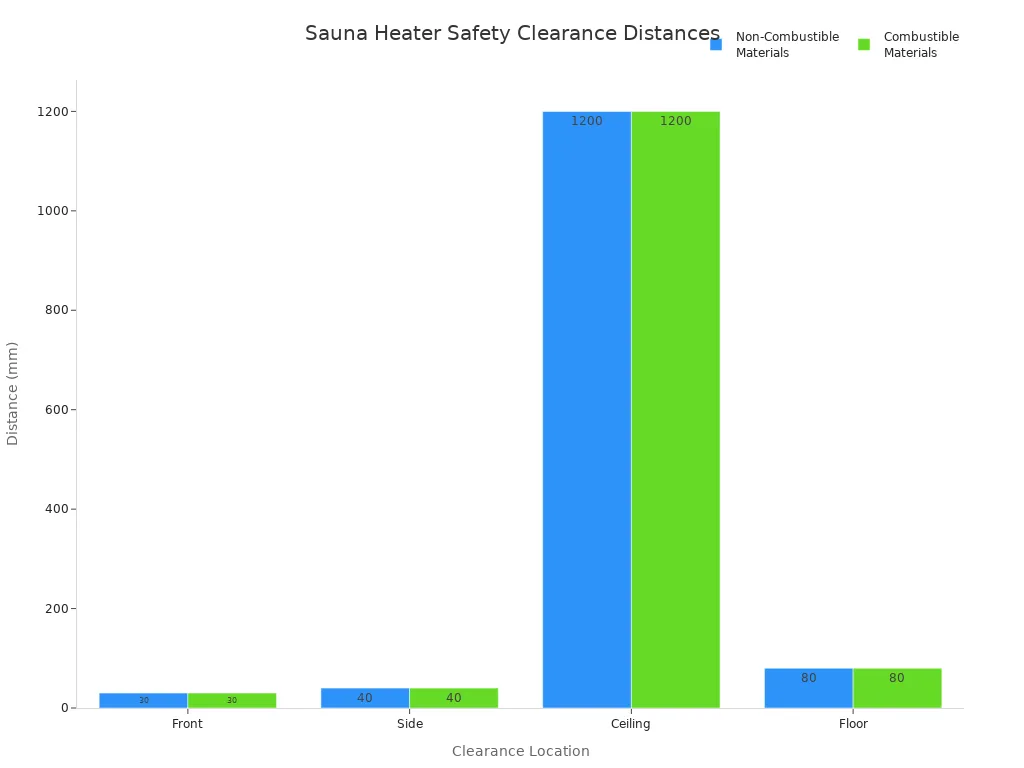
Distancias de seguridad para todos los tipos
Todos los calentadores de sauna producen calor intenso y requieren una zona de amortiguamiento para prevenir riesgos de incendio. Los fabricantes proporcionan distancias mínimas de separación precisas de paredes, techos y bancos. Estas distancias deben respetarse tanto para superficies combustibles como no combustibles.
Huella y colocación
El tamaño físico y la ubicación del calentador impactan el diseño interior y la funcionalidad de la sauna.
Montaje en pared vs. de pie
Los calentadores eléctricos y de leña vienen en dos estilos principales. Las unidades montadas en pared son excelentes para habitaciones más pequeñas porque ahorran espacio en el piso. Los modelos de pie a menudo tienen una mayor capacidad de piedras para un mejor vapor y sirven como una característica central de la habitación.
Colocación estratégica de los paneles infrarrojos
La calefacción por infrarrojos depende de la colocación estratégica de múltiples emisores. Los paneles se instalan típicamente en las paredes, debajo del banco y, a veces, en el suelo. Esta configuración asegura que el cuerpo del usuario reciba una cobertura de 360 grados para obtener el calor más efectivo y uniforme en los tejidos profundos. ♨️
Análisis de Costos: Precio Inicial vs. Costos Operativos a Largo Plazo
Un análisis de costos integral implica mirar más allá del precio de etiqueta para comprender el costo total de propiedad. El precio de compra inicial, los gastos operativos continuos y la eficiencia energética juegan un papel importante en el compromiso financiero de una sauna para el hogar.
Precio de Compra Inicial
La inversión inicial para un calentador de sauna varía ampliamente según la tecnología, la calidad de construcción y las características.
Calentadores de Nivel Básico vs. Premium
Los precios de los calentadores aumentan con los materiales y la tecnología. Los modelos de nivel básico ofrecen funcionalidad básica. Los calentadores premium a menudo cuentan con construcción de acero inoxidable, mayores capacidades de rocas y controles digitales avanzados o Wi-Fi, lo que incrementa su costo inicial.
Comparación de Costos por Tipo de Calentador
Cada tipo de calentador ocupa un rango de precio diferente. Los calentadores de sauna eléctricos suelen tener los costos iniciales más bajos. Solo requieren acceso a energía eléctrica para su instalación. Los calentadores de leña tienen costos iniciales más altos, debido en gran parte a la compleja y laboriosa instalación de la chimenea que requieren. Las saunas de infrarrojos presentan un amplio rango de costos. Una unidad de sauna de infrarrojos modular generalmente cuesta entre $6,000 y $10,000. Una sauna de infrarrojos construida a medida puede tener precios desde $10,000 hasta $40,000 después de la instalación profesional.
Costos Operativos a Largo Plazo
El costo diario o semanal de operar su sauna es una consideración presupuestaria crítica a largo plazo.
Uso de Electricidad de los Elementos Calefactores
Los calentadores infrarrojos son significativamente más económicos de operar que sus contrapartes eléctricas tradicionales. La diferencia en el consumo de energía impacta directamente en las facturas de servicios públicos.
| Aparato | Potencia Típica | Costo por 1 Hora de Uso (a $0.13/kWh) |
|---|---|---|
| Sauna Eléctrica Tradicional | 6000W | $0.78 |
| Sauna Infrarroja | 1800W | $0.23 |
Nota: Una sauna eléctrica tradicional utiliza potentes elementos calefactores de 6000-9000 vatios para calentar el aire. Una sauna de infrarrojos utiliza emisores más eficientes de 1500-2500 vatios para calentar el cuerpo directamente, lo que resulta en un menor consumo de energía.
El Costo Continuo de la Leña
Para las estufas de leña, el costo operativo principal es la leña. Este gasto varía según su ubicación y si compra cuerdas precortadas o consigue la madera usted mismo. Representa un costo constante y no eléctrico.
Eficiencia Energética en 2025
Los fabricantes continúan innovando, impulsando una mayor eficiencia para reducir los costos operativos y el impacto ambiental.
Eficiencia de los Paneles de Calefacción Infrarroja
Los paneles de calefacción infrarroja siguen siendo líderes en eficiencia energética. Consumen aproximadamente un tercio de la electricidad de los calentadores tradicionales y ofrecen tiempos de calentamiento mucho más rápidos. Esta eficiencia los convierte en una opción atractiva para usuarios frecuentes preocupados por el consumo de energía.
Eficiencia del Calentador Eléctrico Moderno
Los calentadores eléctricos modernos están cerrando la brecha de eficiencia con nuevas tecnologías. Los avances clave para 2025 incluyen:
- Materiales avanzados: Grafeno y fibra de carbono de grado aeronáutico en los elementos calefactores ofrecen una conductividad térmica superior, reduciendo el desperdicio de energía.
- Tecnología Inteligente: La integración IoT permite controles basados en aplicaciones y programación asistida por IA. Estos sistemas optimizan el uso de energía al calentar la sauna precisamente cuando se necesita.
- Sistemas Híbridos: Algunos modelos nuevos combinan tecnologías de calefacción, brindando a los usuarios una experiencia personalizable con un perfil energético más flexible.
Mantenimiento y Vida Útil de Sus Elementos Calefactores
El cuidado adecuado es esencial para maximizar el rendimiento y la vida útil de cualquier calentador de sauna. Un mantenimiento constante de la sauna garantiza seguridad, eficiencia y una experiencia de calidad durante años. Cada tipo de calentador tiene requisitos de mantenimiento únicos.
Mantenimiento Rutinario por Tipo
La limpieza e inspección regulares evitan que problemas menores se conviertan en problemas mayores. Los usuarios siempre deben desconectar la alimentación y asegurarse de que la unidad esté completamente fría antes de realizar cualquier mantenimiento de la sauna.
Reemplazo de Rocas de Sauna
Las piedras de sauna son un componente crítico en las saunas tradicionales. Los usuarios deben inspeccionar sus piedras de sauna anualmente. Con el tiempo, calentamiento y enfriamiento los ciclos causan que las rocas se agrieten y desmoronen. Este residuo puede dañar los elementos calefactores debajo. Es una buena práctica retirar las piedras de sauna una vez al año para limpiarlas y verificar los elementos en busca de residuos. Reemplace las rocas después de aproximadamente 300 horas de uso o cuando muestren signos de deterioro.
Limpieza de Emisores Infrarrojos
Las saunas de infrarrojos requieren un mantenimiento mínimo. Los emisores no tienen contacto directo con agua o rocas. Una simple limpieza con un paño suave y húmedo suele ser suficiente para eliminar el polvo o las manchas de las cubiertas protectoras. Esta tarea sencilla mantiene los emisores funcionando con la máxima eficiencia.
Eliminación de Cenizas y Limpieza de Chimeneas
Las estufas de leña requieren la atención más práctica.
- Eliminación de Cenizas: Los usuarios deben eliminar las cenizas de la cámara de combustión regularmente para asegurar un flujo de aire adecuado para una combustión eficiente.
- Inspección de la Estufa: Una revisión mensual del cuerpo de la estufa en busca de grietas u óxido es una precaución prudente.
- Limpieza de Chimenea: La chimenea requiere inspección y limpieza anual para eliminar la acumulación de creosota, un peligro significativo de incendio.
Vida Útil Esperada y Durabilidad
La durabilidad de un calentador de sauna varía significativamente según el tipo. Una unidad bien mantenida proporcionará un servicio confiable durante muchos años. La inversión inicial a menudo se correlaciona con la longevidad esperada de los elementos calefactores.
| Tipo de calentador | Vida Útil Promedio Esperada (Años) |
|---|---|
| Elementos de Calefacción Eléctrica | 7-12 |
| Paneles de Calentador Infrarrojo | 15-20 |
| Estufas de leña | 30+ |
Longevidad de los Elementos Calefactores Eléctricos
Los elementos calefactores eléctricos dentro de un calentador tradicional son las partes que experimentan mayor desgaste. Con el cuidado adecuado, incluida la colocación correcta de las piedras de sauna para evitar doblar las bobinas, estos componentes suelen durar entre 7 y 12 años antes de necesitar un reemplazo.
Durabilidad de los Paneles Infrarrojos
Los paneles infrarrojos son conocidos por su impresionante durabilidad. Dado que operan a temperaturas más bajas y no tienen partes móviles, los emisores de carbono o cerámica de alta calidad pueden durar de 15 a 20 años. Esta longevidad los convierte en una inversión confiable a largo plazo para cualquier sauna.
Robustez de las estufas de leña
Una estufa de leña bien mantenida está diseñada para durar toda la vida. La construcción simple y robusta, fabricada en acero de calibre pesado o hierro fundido, puede soportar décadas de uso. Con un cuidado rutinario, estos calentadores pueden superar fácilmente los 30 años de servicio, lo que los convierte en la opción más duradera disponible.
Características clave para su calentador de sauna en 2025
Un excelente calentador de sauna combina materiales superiores, controles intuitivos y mecanismos de seguridad robustos. Más allá de generar calor, la unidad adecuada mejora toda la experiencia de sauna mediante un diseño y una ingeniería cuidadosos. A medida que la tecnología evoluciona, las características disponibles en 2025 ofrecen a los usuarios un control sin precedentes sobre su entorno de bienestar. Comprender estas características clave es crucial para realizar una compra informada.
Materiales del calentador y calidad de construcción
Los materiales utilizados en la construcción de un calentador influyen directamente en su durabilidad, rendimiento y seguridad. Los componentes de alta calidad garantizan longevidad y una entrega de calor constante.
Construcción en acero inoxidable
El acero inoxidable de alta calidad es un material excelente para calentadores de sauna eléctricos tradicionales y de leña. Su punto de fusión está en el miles de grados Fahrenheit, garantizando que no se volatilice ni emita partículas a las temperaturas normales de funcionamiento de la sauna. Esta estabilidad inherente lo convierte en una opción superior. Además, el acero inoxidable ofrece una excepcional resistencia a la oxidación y la corrosión, lo cual es vital en el entorno de alta temperatura y alta humedad de una sauna tradicional. Los fabricantes lo eligen frecuentemente para componentes críticos como el cuerpo del calentador y la chimenea, destacando su durabilidad en condiciones exigentes.
Emisores de Carbono para Calor Uniforme
Los emisores de carbono son un distintivo de las saunas infrarrojas modernas. Estos calentadores utilizan grandes paneles de fibra de carbono para producir ondas infrarrojas. Este diseño ofrece varias ventajas clave:
- Distribución Uniforme del Calor: La gran superficie de los paneles de carbono proporciona un calor suave y constante en toda la sauna, eliminando los “puntos calientes” concentrados comunes en otros tipos de emisores.
- Longitud de Onda de Alta Calidad: Los emisores de carbono son muy eficaces para producir longitudes de onda de infrarrojo lejano, ideales para una penetración profunda en el cuerpo.
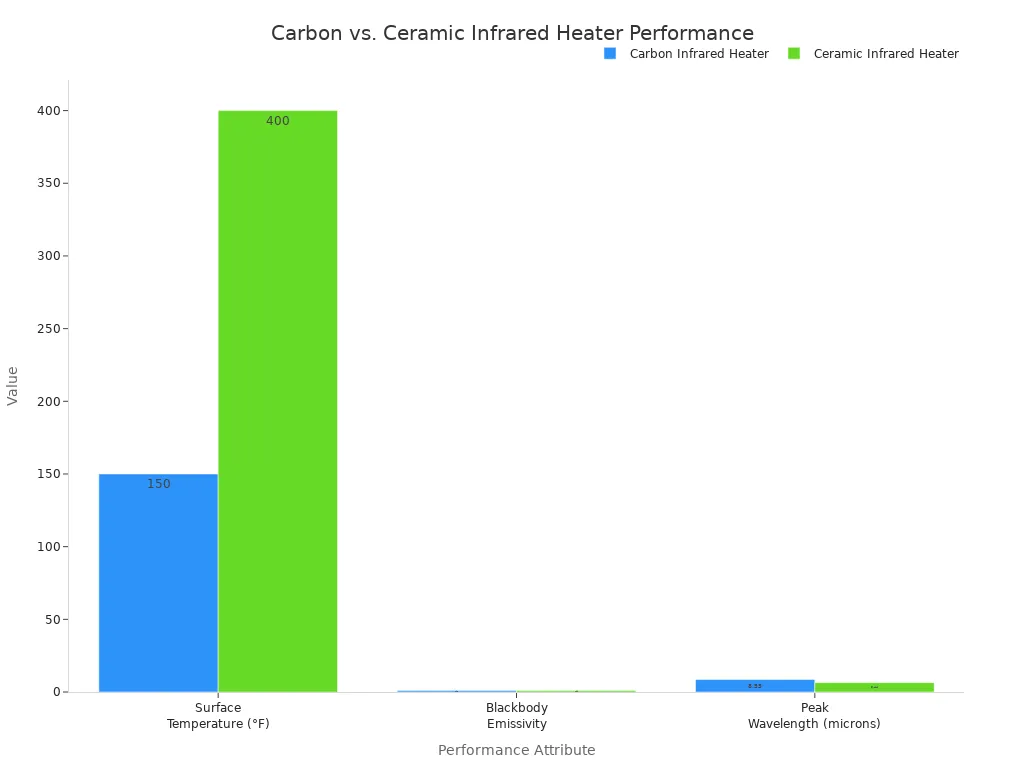
- Temperatura Superficial Más Baja: Funcionan a una temperatura superficial mucho más baja (alrededor de 60°C–65°C), lo que permite a los usuarios sentarse más cerca cómodamente y disfrutar de una sesión más relajante.
Emisores Cerámicos para Alta Intensidad
Los emisores cerámicos utilizan varillas de cerámica para generar un calor infrarrojo potente y focalizado. Son conocidos por su alta intensidad y tiempos de calentamiento rápidos.
| Atributo | Calentador Infrarrojo de Carbono | Calentador Infrarrojo Cerámico |
|---|---|---|
| Distribución del calor | Cobertura uniforme y suave | Calor intenso y dirigido |
| Temperatura de la superficie | 60–65°C | 175–205°C |
| Intensidad del Calor | Más suave, menor potencia de salida | Fuerte, alta eficiencia de radiación |
| Caso de Uso Ideal | Relajación de cuerpo completo | Sesiones terapéuticas dirigidas |
Si bien los calentadores cerámicos producen un calor robusto y vigorizante, su salida focalizada a veces puede sentirse áspera o crear un calentamiento desigual si no se colocan correctamente. Sobresalen en saunas infrarrojas más pequeñas donde el calor dirigido y de alta intensidad es el objetivo principal.
Sistemas de Control Modernos vs. Manuales
El sistema de control es la interfaz principal del usuario con su sauna. La elección entre un sistema digital moderno y uno manual tradicional se reduce a una preferencia por la conveniencia frente a la simplicidad.
Controles Digitales y Wi-Fi
Los controles digitales modernos, especialmente aquellos con conectividad Wi-Fi, ofrecen un nuevo nivel de conveniencia y precisión. Las características populares para 2025 incluyen:
- Operación Remota: Las aplicaciones para smartphone permiten a los usuarios precalentar su sauna desde cualquier lugar.
- Temperatura de Precisión: Establecer y mantener la temperatura exacta deseada para una experiencia consistente.
- Programación: Programar la sauna para que esté lista a una hora específica cada día.
- Control del Ambiente: Ajustar la iluminación integrada y los ventiladores para personalizar el entorno.
- Aprendizaje Inteligente: Algunos sistemas aprenden las preferencias del usuario con el tiempo para personalizar la experiencia de la sauna.
Estas interfaces elegantes e intuitivas, que a menudo cuentan con pantallas táctiles, proporcionan una gestión integral del entorno de la sauna.
Controles Manuales Simples y Confiables
Los controles manuales ofrecen una alternativa directa y confiable a los complejos sistemas digitales.
Estos sistemas suelen utilizar un dial para la temperatura y otro para un temporizador. Sus principales beneficios son la durabilidad y la facilidad de uso. Con menos componentes electrónicos, hay menos posibilidades de fallo, lo que los convierte en una opción robusta para usuarios que valoran la fiabilidad y la simplicidad por encima de todo.
Características de Seguridad Esenciales
La seguridad es la consideración más importante para cualquier sauna. Los fabricantes de renombre incorporan múltiples capas de seguridad en sus productos para proteger a los usuarios y la propiedad.
La Importancia de las Marcas UL y ETL
Las certificaciones de laboratorios de pruebas independientes como UL (Underwriters Laboratories) y ETL (Electrical Testing Laboratories) son cruciales. Estas marcas confirman que un producto cumple con los estándares de seguridad establecidos en Norteamérica.
| Proceso de dar un título | Alcance de los Estándares de Seguridad |
|---|---|
| ETL | Estándares de seguridad norteamericanos |
| UL | Normas de seguridad de EE. UU. y Canadá |
Comprar un calentador con una marca UL o ETL proporciona tranquilidad, ya que ha sido sometido a pruebas rigurosas de seguridad eléctrica y contra incendios.
Sensores de Apagado por Alta Temperatura
Un apagado por alta temperatura es una característica de seguridad no negociable. Este sensor corta automáticamente la energía a los elementos calefactores si la temperatura dentro de la sauna supera un límite de seguridad preestablecido. El proceso funciona en unos simples pasos:
- Un sensor monitorea continuamente la temperatura cerca de los elementos calefactores.
- Si la temperatura supera el límite establecido de fábrica, el sensor activa un interruptor.
- El interruptor interrumpe el suministro de energía, impidiendo que el calentador se caliente más.
- Muchos sistemas requieren un reinicio manual, lo que obliga al usuario a reconocer el evento de sobrecalentamiento antes de usar la sauna nuevamente.
Este mecanismo es una defensa crítica contra fallos y riesgos de incendio.
Protectores y cercas de seguridad
Una barrera física alrededor del calentador es esencial, especialmente para modelos eléctricos tradicionales y de leña. Un protector o cerca evita el contacto accidental con las superficies calientes del calentador y las piedras. Estos protectores están diseñados para respetar las distancias de seguridad requeridas por el fabricante, asegurando un flujo de aire adecuado mientras crean una zona segura dentro de la sauna.
Elección y reemplazo del elemento calefactor de su sauna
Incluso los componentes de sauna más duraderos requieren un reemplazo eventual. Saber cuándo y cómo reemplazar un elemento calefactor garantiza la seguridad y el rendimiento continuos de cualquier sauna. Este proceso implica reconocer los signos de fallo e identificar correctamente la pieza de repuesto adecuada.
Cuándo reemplazar el elemento calefactor
Un elemento calefactor puede fallar repentinamente o degradarse con el tiempo. Los usuarios deben estar atentos a los síntomas de una unidad defectuosa y también considerar los beneficios de una actualización proactiva.
Signos de un elemento defectuoso
Un elemento defectuoso a menudo presenta síntomas claros que indican la necesidad de inspección o reemplazo. Un elemento calefactor quemado es un problema común, que a menudo requiere desmontaje para verificar daños visibles o probar la continuidad eléctrica. Los indicadores clave incluyen:
- La sauna no se calienta adecuadamente o tarda mucho más de lo habitual.
- Signos visibles de daño en los elementos calefactores, como grietas, roturas o abultamientos.
Un signo más urgente es un olor distintivo. Cuando la sauna se está calentando, un olor a cables quemados proveniente de los calentadores es una advertencia grave que requiere atención inmediata.
Actualización para un mejor rendimiento
Reemplazar un elemento también es una oportunidad para mejorar la experiencia de sauna. Un usuario podría optar por actualizar un elemento antiguo a un modelo más nuevo para mejorar la eficiencia energética o los tiempos de calentamiento más rápidos. La actualización también puede ser una forma de cambiar sutilmente el perfil de calor de la sala, dependiendo de los materiales y el diseño del nuevo componente.
Encontrar la pieza de repuesto adecuada
Obtener la pieza de repuesto correcta es fundamental para una reparación exitosa. Los componentes no coincidentes pueden representar un riesgo de seguridad o simplemente no funcionar.
Coincidencia de marca y modelo
Para garantizar un ajuste perfecto y un rendimiento óptimo, los usuarios deben seleccionar una pieza compatible. Los siguientes pasos guían el proceso de selección:
- Considere el material. El acero inoxidable es duradero y resistente a la corrosión. El Incoloy ofrece una resistencia superior a la oxidación y tiempos de calentamiento rápidos.
- Piense en el diseño. Los calentadores tubulares proporcionan una distribución uniforme del calor, mientras que los calentadores de aletas ofrecen una transferencia de calor eficiente.
- Asegure la compatibilidad. El paso más importante es verificar que el voltaje, la potencia y las dimensiones físicas del nuevo elemento coincidan con las especificaciones de su calentador de sauna.
Comprensión de la potencia y el voltaje
La potencia y el voltaje son especificaciones no negociables. El voltaje del nuevo elemento debe coincidir con el circuito que alimenta la sauna. La potencia determina la salida de energía del calentador y debe ser apropiada para el volumen de la sala.
| Tamaño de la sauna | Potencia recomendada |
|---|---|
| Pequeña a mediana | 1500W a 4500W |
| Saunas más grandes | 6000W a 9000W |
Elegir la potencia correcta asegura que la sauna pueda alcanzar y mantener su temperatura objetivo de manera eficiente.
En última instancia, elegir el elemento calefactor de sauna adecuado se reduce a preferencia personal. Una persona debe decidir entre el calor clásico y vaporoso de una unidad eléctrica tradicional, el calor terapéutico profundo de los paneles infrarrojos o la autenticidad rústica de las estufas de leña. El calentador ideal se alinea con los niveles de comodidad individuales, las capacidades de instalación y las limitaciones presupuestarias. Esta guía proporciona una lista de verificación completa, empoderando a los propietarios para seleccionar con confianza el corazón perfecto para su nueva sauna.
PREGUNTAS FRECUENTES
¿Qué calentador de sauna es el más eficiente energéticamente?
Los calentadores infrarrojos ofrecen la mejor eficiencia energética. Utilizan significativamente menos energía que los calentadores eléctricos tradicionales porque calientan el cuerpo directamente en lugar de toda la sala. Esta eficiencia conduce a costos operativos más bajos para los usuarios frecuentes.
¿Puede un propietario instalar un calentador de sauna?
La instalación depende del tipo de calentador.
- Infrarrojo: La mayoría funciona con un tomacorriente estándar de 120V, lo que permite una instalación sencilla por cuenta propia.
- Eléctrico: Estos requieren un circuito de 240V, por lo que un electricista con licencia debe realizar la instalación por seguridad y cumplimiento del código.
¿Con qué frecuencia debe un usuario reemplazar las rocas de sauna?
Los usuarios deben reemplazar las rocas de sauna aproximadamente cada 300 horas de uso o cuando muestren signos visibles de agrietamiento. La inspección y limpieza anual de las rocas son prácticas recomendadas para proteger los elementos calefactores de residuos.
¿Cuál es la principal diferencia entre el calor infrarrojo y el tradicional?
La diferencia principal radica en cómo entregan el calor. Un sauna tradicional calienta el aire a altas temperaturas, creando un ambiente intenso y vaporoso. Un sauna infrarrojo utiliza ondas de luz para calentar el cuerpo directamente a temperaturas del aire más bajas y suaves.
¿Es segura una sauna de leña para uso en interiores?
Una estufa de leña puede ser segura en interiores si se instala correctamente. Requiere una instalación profesional de la chimenea para una ventilación adecuada y el cumplimiento estricto de todas las distancias de seguridad de los materiales combustibles especificadas por el fabricante. Compruebe siempre los códigos de construcción locales.
¿Qué tipo de calentador tiene el menor coste de funcionamiento a largo plazo?
Las estufas de infrarrojos suelen tener los costes de funcionamiento más bajos debido a su mayor eficiencia energética. El coste de una estufa de leña varía en función del precio de la leña. Las estufas eléctricas tradicionales suelen tener el mayor consumo de electricidad por sesión.
¿Qué significan las certificaciones UL y ETL?
UL (Underwriters Laboratories) y ETL (Electrical Testing Laboratories) son certificaciones de seguridad independientes. Un calefactor con estas marcas ha sido sometido a rigurosas pruebas para cumplir las normas de seguridad norteamericanas sobre riesgos eléctricos y de incendio, lo que garantiza un producto más seguro.

