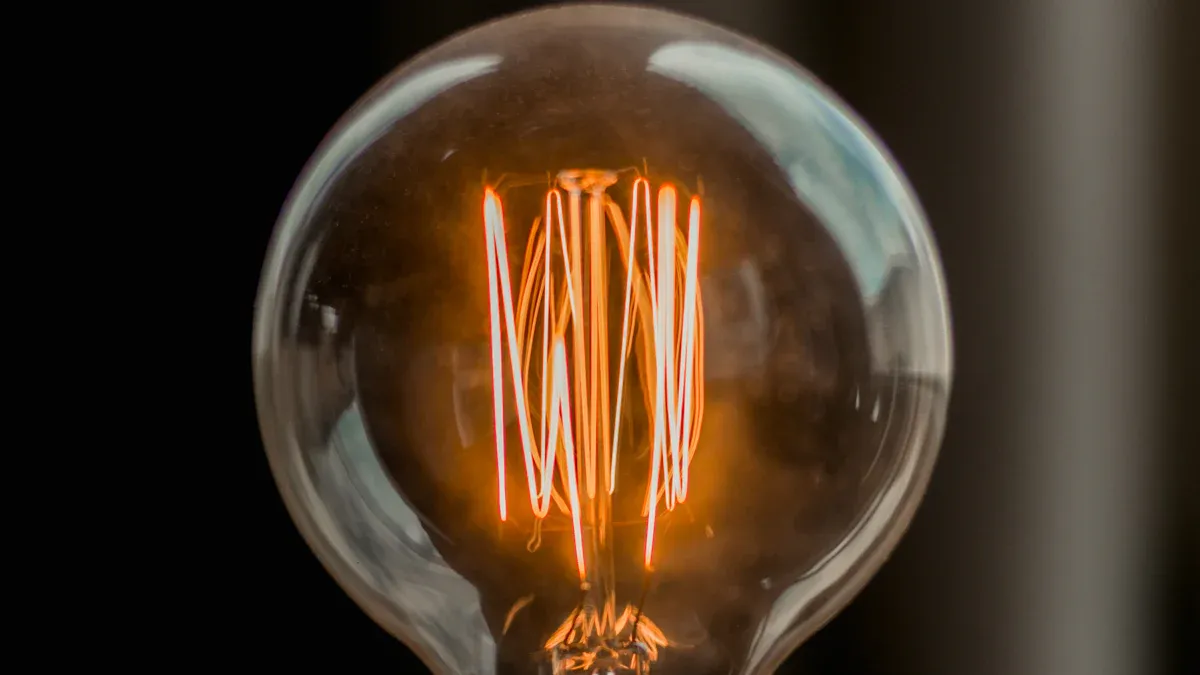
Usted prolonga la vida útil de su calentador cuando prioriza el cuidado. elemento calefactor La limpieza regular y las inspecciones rápidas evitan reparaciones costosas. Desenchufe el calentador antes de comenzar cualquier mantenimiento. Muchos elementos calefactores de electrodomésticos fallan por negligencia, lo que puede generar riesgos de seguridad. Los informes muestran que los calentadores portátiles causan aproximadamente 21,800 incendios residenciales y 300 muertes cada año. En 2021, 32,200 incendios domésticos por calefacción provocaron 190 muertes. Cuando revise las conexiones del elemento del calentador de agua, use herramientas simples y siga los pasos de seguridad. Si un elemento del calentador de agua falla, reemplácelo con una pieza de un proveedor de confianza. fabricantes de elementos calefactores como Calefacción eléctrica Jinzhong.
Señales de un elemento calefactor defectuoso

Problemas comunes con los elementos calefactores
Sin calor o calentamiento desigual
Es posible que note que su calefactor no logra calentar el espacio o produce temperaturas inconsistentes. La falta de calefacción destaca como uno de los problemas más comunes con los elementos calefactores. Cuando el elemento calefactor no brilla en naranja intenso, a menudo señala un problema. Podría encontrar que la comida en su horno se cocina de manera desigual o que el elemento del calentador de agua tiene dificultades para mantener el agua caliente. Estos síntomas de un elemento de calentador de agua defectuoso pueden generar frustración y facturas de energía más altas. Temperaturas inconsistentes o puntos fríos en toda su casa indican que el calentador no puede distribuir el calor adecuadamente. Si observa un aumento repentino en su factura de electricidad, sospeche que una falta de calentamiento puede ser la causa posible.
Daños visibles o decoloración
El daño visible proporciona una advertencia clara de que su elemento calefactor necesita atención. Debe buscar quemaduras, marcas de carbonización o grietas en el elemento. Estas señales de un elemento calefactor defectuoso a menudo aparecen antes de una falla completa. La acumulación excesiva en el calentador también puede causar daños visibles y reducir la eficiencia. Si detecta algún cambio físico, como decoloración o piezas rotas, reemplace el elemento defectuoso de inmediato. Las inspecciones regulares le ayudan a detectar daños visibles a tiempo y prevenir problemas adicionales.
Olores o ruidos extraños
Ruidos extraños y olores a quemado indican problemas con su calentador. Cuando enciende el calentador y nota un olor a quemado, la acumulación de polvo puede ser la causa, pero los componentes sobrecalentados también pueden generar este olor. Un olor a humedad apunta a moho o hongos en el calentador o en los conductos. Los olores a gas o aceite requieren acción inmediata, ya que indican fugas que pueden provocar falta de calentamiento o incluso situaciones peligrosas. Escuche ruidos extraños, como zumbidos o chasquidos, que a menudo acompañan a un elemento calefactor defectuoso. Estos sonidos sugieren daños internos o conexiones sueltas.
Peligros de seguridad a tener en cuenta
Riesgos eléctricos
Operar un calentador con un elemento defectuoso lo expone a riesgos eléctricos. El cableado suelto o dañado puede causar cortocircuitos, lo que lleva a más daños en el electrodoméstico. Siempre debe desenchufar el calentador antes de inspeccionar el elemento calefactor. Nunca ignore daños visibles o ruidos extraños, ya que a menudo señalan problemas eléctricos subyacentes. Usar un calentador con problemas eléctricos aumenta el riesgo de descarga o lesiones.
Peligros de incendio
Un elemento calefactor defectuoso representa riesgos significativos de incendio. Los olores a quemado, especialmente aquellos que persisten, pueden indicar sobrecalentamiento o fallas eléctricas. Si continúa usando un calentador con daños visibles o falta de calentamiento, corre el riesgo de iniciar un incendio. Muchas causas comunes de problemas, como el mantenimiento descuidado o ignorar las señales de advertencia tempranas, contribuyen a estos peligros. Siempre aborde los síntomas rápidamente para mantener su hogar seguro.
Consejo: Programe revisiones regulares para detectar daños visibles y escuche ruidos extraños para prevenir riesgos de incendio.
Guía de Solución de Problemas Paso a Paso
Preparación para el mantenimiento
Apague y desenchufe
Antes de comenzar cualquier trabajo en su calentador, siempre apague la energía y desenchufe el electrodoméstico. Este paso lo protege de descargas eléctricas y evita la activación accidental durante el mantenimiento. Espere a que el calentador se enfríe por completo. Las superficies calientes pueden causar quemaduras, por lo que la paciencia es esencial. Siga estos pasos para garantizar la seguridad:
- Apague el calentador y desenchúfelo del tomacorriente.
- Permita que el elemento calefactor se enfríe completamente.
- Inspeccione el área alrededor del calentador en busca de signos de daño por calor o residuos.
- Revise los quemadores en busca de corrosión o acumulación de hollín. Si nota alguno, consulte a un profesional.
- Examine el intercambiador de calor en busca de grietas u óxido. Contacte a un técnico si encuentra daños.
- Inspeccione el sistema de escape en busca de corrosión u obstrucciones. Busque ayuda profesional si es necesario.
Nota: Programe un mantenimiento profesional anual para inspecciones exhaustivas y verificaciones de seguridad. Las inspecciones regulares le ayudan a identificar problemas potenciales antes de que se vuelvan graves.
Deje enfriar el elemento
Dejar que el elemento calefactor se enfríe es una medida de seguridad crítica. Reduce el riesgo de quemaduras y facilita el manejo del calentador. Siempre espere hasta que la superficie se sienta fría al tacto antes de continuar. Este paso también evita daños accidentales a componentes sensibles durante el mantenimiento.
Herramientas para el mantenimiento del elemento calefactor
Herramientas manuales básicas
Necesita las herramientas adecuadas para solucionar problemas y mantener su calentador de manera efectiva. Las herramientas manuales básicas incluyen:
- Destornilladores (plano y Phillips)
- Alicates
- Cortaalambres
- Cepillos suaves (nylon)
- Paños de microfibra
- Esponjas no abrasivas
Estas herramientas le ayudan a abrir el calentador, limpiar el elemento calefactor y asegurar las conexiones. Use una linterna para inspeccionar áreas difíciles de ver. Tenga a mano una solución desincrustante, como vinagre o un producto comercial, para limpiar la acumulación.
Multímetro para pruebas
Un multímetro es esencial para diagnosticar problemas comunes con su elemento calefactor. Esta herramienta mide directamente la resistencia del elemento calefactor. Recibe retroalimentación inmediata sobre su funcionalidad. Los elementos que funcionan normalmente muestran resistencia entre 10 y 30 ohmios. Si ve una lectura de resistencia baja o cero, el elemento calefactor ha fallado. Usar un multímetro hace que el proceso de solución de problemas sea directo y confiable. Siempre pruebe el elemento del calentador de agua con un multímetro para confirmar si necesita reemplazo.
Consejo: Un multímetro le ayuda a solucionar problemas eléctricos de manera rápida y precisa. Siempre siga las instrucciones del fabricante al usar esta herramienta.
Técnicas de inspección visual
Revisión de grietas o roturas
Debería Inspeccione visualmente los elementos calefactores antes de comenzar cualquier reparación. Busque grietas, roturas o deformaciones a lo largo del elemento calefactor. Examine las conexiones, cables y aislantes en busca de signos de daño o desgaste. Los signos obvios de daño, como roturas o espacios en la bobina, indican la necesidad de reemplazo inmediato. Asegúrese de que los elementos calefactores estén firmemente fijados y no sueltos o desprendidos.
Busque puntos quemados
Quemaduras o manchas oscuras en el elemento calefactor, que señalan sobrecalentamiento o falla eléctrica. Las áreas de decoloración a menudo aparecen antes de que el calentador deje de funcionar por completo. Los terminales sueltos o corroídos también pueden causar calentamiento desigual o falta de calentamiento. Inspeccione cuidadosamente el elemento del calentador de agua en busca de carbonización o puntos quemados. Si encuentra alguno, reemplace la pieza dañada para restaurar el funcionamiento seguro.
Llamada: Inspeccione regularmente los elementos calefactores en busca de daños visibles. La detección temprana le ayuda a solucionar problemas antes de que se vuelvan peligrosos.
Siguiendo esta guía de solución de problemas paso a paso, puede mantener su calentador, diagnosticar problemas comunes y mantener su elemento calefactor en óptimas condiciones.
Pruebas de continuidad
Uso de un multímetro
Necesita confirmar si el elemento calefactor de su calentador funciona correctamente. Probar la continuidad es un método confiable. Usa un multímetro para medir la resistencia a través de los terminales del elemento calefactor. Este proceso le ayuda a identificar si el elemento conduce electricidad como debería.
Siga estos pasos para probar la continuidad:
- Apague y desenchufe su calentador. La seguridad es lo primero.
- Configure su multímetro en la configuración de ohmios más baja, generalmente 200 ohmios.
- Coloque una punta de prueba en cada terminal del elemento calefactor.
- Registre la lectura de resistencia que se muestra en el multímetro.
- Compare la lectura con el rango aceptable, que generalmente está entre 9 y 12 ohmios para la mayoría de los elementos calefactores. Para un elemento de calentador de agua, verifique las especificaciones del fabricante y permita un margen de ±10%.
Consejo: También debe verificar si hay cortocircuitos midiendo entre un terminal y la vaina. Una lectura baja aquí sugiere un cortocircuito.
Un multímetro proporciona resultados rápidos y precisos. Puede utilizar esta herramienta tanto para la resolución de problemas del elemento calefactor del calentador de agua como del calentador de ambiente. Si encuentra una resistencia fuera del rango normal, sabrá que el elemento calefactor está defectuoso.
Interpretación de resultados
Debe comprender lo que significan las lecturas para tomar decisiones informadas. Cuando vea un valor de resistencia dentro del rango aceptable, su elemento calefactor funciona según lo previsto. Si la lectura es muy alta o infinita, el circuito está abierto y el calentador no puede funcionar. Una lectura baja entre un terminal y la vaina indica un cortocircuito, lo que puede provocar sobrecalentamiento o fallo del sistema.
Si su medición de resistencia cae fuera del rango recomendado, debe reemplazar el elemento calefactor. Nunca debe ignorar lecturas anormales, ya que indican problemas eléctricos más profundos en su calentador.
Llamada: Compare siempre sus resultados con el valor nominal de su modelo de calentador específico. Documente sus lecturas para referencia futura.
Identificación de Problemas Eléctricos
Verificación de conexiones
Debe inspeccionar todas las conexiones al solucionar problemas de su calentador. Los terminales sueltos o corroídos pueden provocar que el elemento calefactor falle. Comience apagando el suministro eléctrico en el panel de servicio y en el propio calentador. Abra el panel de acceso al cableado y use un multímetro para probar el voltaje en los cables entrantes. Si detecta voltaje, deténgase y verifique los interruptores automáticos para asegurarse de que la alimentación esté completamente apagada.
Busque daños visibles en las conexiones del elemento calefactor. Apriete cualquier terminal suelto y limpie la corrosión. Las conexiones defectuosas a menudo provocan un calentamiento desigual o un fallo completo. Debe documentar cualquier discrepancia en las lecturas de su multímetro y reemplazar los componentes dañados.
Nota: Nunca intente realizar reparaciones si no está seguro acerca de la seguridad eléctrica. Llame a un profesional para problemas complejos.
Inspección del cableado
Debe examinar el cableado dentro de su calentador en busca de signos de desgaste o daño. Los problemas eléctricos comunes incluyen componentes calefactores defectuosos, problemas con el capacitor, problemas de cableado del termostato, cortocircuitos, circuitos sobrecargados y cableado deteriorado. Estos problemas pueden causar que su calentador funcione mal o presentar riesgos de seguridad.
Pasos para inspeccionar el cableado:
- Apague el suministro eléctrico al calentador tanto en el panel de servicio como en el electrodoméstico.
- Abra el panel de acceso al cableado.
- Use una sonda o un multímetro para probar el voltaje desde todos los conductores de alimentación a tierra. Si obtiene una lectura distinta de cero, verifique los interruptores automáticos.
- Una vez que confirme que la alimentación está apagada, inspeccione todos los cables en busca de deshilachados, decoloración o marcas de quemaduras.
- Pruebe los contactores con un multímetro, comparando las lecturas entre los cables para identificar elementos defectuosos.
- Documente sus hallazgos y reemplace cualquier cable o componente con discrepancias significativas.
⚠️ Nunca intente inspeccionar o reparar el cableado usted mismo a menos que sea un técnico calificado. Las reparaciones eléctricas requieren experiencia profesional.
Mantiene su calentador seguro y confiable al verificar regularmente las conexiones e inspeccionar el cableado. Abordar los problemas eléctricos a tiempo evita reparaciones costosas y reduce los riesgos de incendio. Asegura que su elemento calefactor funcione de manera eficiente y prolonga la vida útil de su calentador.
Reparación y Reemplazo de Elementos Calefactores
Mantenimiento y Reparaciones Simples
Apriete de conexiones sueltas
Las conexiones sueltas a menudo causan que su calentador funcione mal o deje de funcionar por completo. Debe inspeccionar todos los terminales y puntos de cableado durante el mantenimiento de rutina. Use un destornillador o una llave para apretar cualquier tornillo o tuerca suelta. Las conexiones seguras ayudan a que su elemento calefactor ofrezca un rendimiento constante y evitan el arco eléctrico, que puede dañar el calentador. Siempre apague la alimentación antes de acceder al elemento calefactor para evitar descargas eléctricas.
Limpieza de acumulaciones
El polvo, los depósitos minerales y otros residuos pueden acumularse en su elemento calefactor con el tiempo. Esta acumulación reduce la eficiencia y puede causar un calentamiento desigual. Puede usar un cepillo suave o una esponja no abrasiva para limpiar suavemente la superficie. Para el mantenimiento del elemento calefactor del calentador de agua, una solución desincrustante como el vinagre ayuda a disolver los depósitos minerales. Asegúrese de que el calentador esté frío antes de comenzar a limpiar. La limpieza regular prolonga la vida útil de sus elementos calefactores y mejora el rendimiento general del calentador.
Consejo: Si nota roturas menores en el elemento calefactor, puede intentar estos métodos de reparación:
- Superponga los dos extremos y entrelácelos, luego aplique un adhesivo especial para una conexión eléctrica permanente.
- Use soldadura fuerte o soldadura de plata para unir los extremos, pero tenga en cuenta que esto puede aumentar la resistencia y causar sobrecalentamiento.
- Para una solución mecánica, enrolle los extremos alrededor de un tornillo de máquina pequeño y asegúrelo con una tuerca y arandelas.
Cuándo reemplazar el elemento calefactor
Señales de que se necesita reemplazo
Debe reconocer cuándo las reparaciones ya no son efectivas y el reemplazo se vuelve necesario. Busque estas señales clave:
- Olores inusuales o a quemado provenientes del calentador.
- Calentamiento inconsistente o desigual en su habitación o electrodoméstico.
- El calentador tarda más de lo habitual en alcanzar la temperatura deseada.
- Daño visible en el elemento calefactor o en las superficies cercanas.
- Un aumento repentino en sus costos de calefacción.
Si observa alguno de estos síntomas, reemplazar los componentes defectuosos es la opción más segura. Continuar usando un calentador dañado puede provocar más problemas o riesgos de seguridad.
Elección de la pieza de repuesto adecuada
Seleccionar el elemento calefactor correcto asegura que su calentador funcione de manera segura y eficiente. Considere estos factores al elegir un reemplazo:
- Temperatura: Asegúrese de que el nuevo elemento pueda soportar las temperaturas más altas que alcanza su calentador.
- Compatibilidad de Materiales: Verifique que el material del elemento funcione bien con su electrodoméstico, especialmente en entornos corrosivos.
- Densidad de Potencia: Equilibre la velocidad de calentamiento y la vida útil; una mayor densidad de potencia calienta más rápido pero puede desgastarse antes.
- Conductividad Térmica: Una alta conductividad permite una transferencia de calor eficiente.
- Resistencia a la Oxidación: Elija un elemento que resista la oxidación para una vida útil más larga en entornos de alta temperatura.
- Durabilidad: Un elemento calefactor robusto reduce los costos futuros de mantenimiento y reemplazo.
Siempre haga coincidir las especificaciones de su elemento calefactor antiguo con el nuevo. Para el reemplazo del elemento calefactor del calentador de agua, siga las instrucciones del fabricante para reemplazar un elemento de calentador de agua a fin de garantizar la compatibilidad y la seguridad.
Proceso de reemplazo paso a paso
Extracción del elemento antiguo
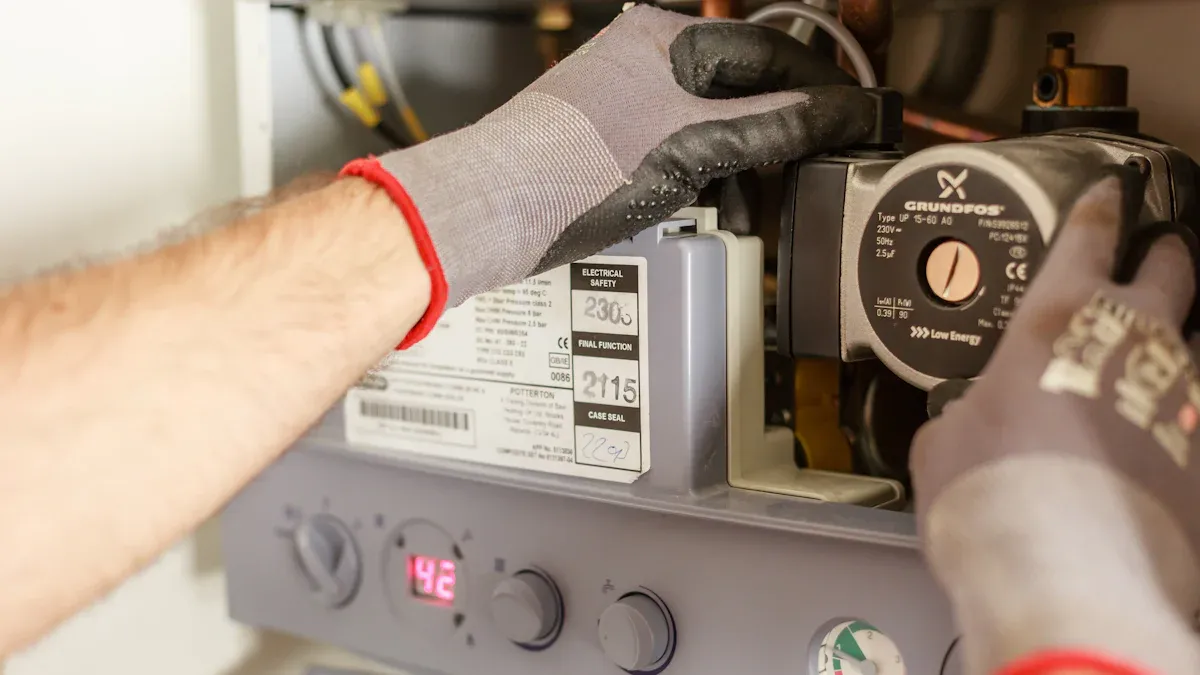
Debe seguir un proceso cuidadoso al reemplazar un elemento calefactor en su calentador. Comience por apagar el interruptor automático y desenchufar el electrodoméstico. Use guantes aislantes y gafas de seguridad para protegerse de descargas eléctricas y residuos. Cree un espacio de trabajo seguro despejando el desorden e inspeccionando sus herramientas.
| Herramientas/Precauciones de Seguridad | Descripción |
|---|---|
| Destornilladores y llaves | Retire los paneles de acceso y asegure el nuevo elemento calefactor. |
| Multímetro | Verifique la continuidad eléctrica y confirme que el elemento antiguo está defectuoso. |
| Guantes aislantes | Proteja las manos de descargas eléctricas y quemaduras. |
| Gafas de seguridad | Proteja los ojos de residuos o chispas. |
| Apagar la alimentación eléctrica | Desconecte el calentador de su fuente de alimentación. |
| Espacio de trabajo seguro | Despeje el área e inspeccione las herramientas para garantizar la seguridad. |
Siga estos pasos:
- Desconecte la alimentación desenchufando el calentador o apagando el disyuntor.
- Retire cualquier panel o cubierta para acceder al elemento calefactor.
- Use un destornillador para quitar los tornillos que sujetan el elemento en su lugar.
- Deslice cuidadosamente el elemento hacia afuera y desconéctelo del suministro eléctrico.
Nota: En el caso de calentadores de agua, puede ser necesario vaciar el tanque antes de acceder al elemento calefactor.
Instalación del nuevo elemento
Una vez que retire el elemento calefactor antiguo, compárelo con el nuevo para asegurar la compatibilidad. Alinee el nuevo elemento con los puntos de montaje y conecte los terminales eléctricos de forma segura. Use un destornillador o una llave para fijar el elemento en su lugar. Verifique nuevamente que todas las conexiones estén ajustadas.
- Coloque el nuevo elemento calefactor y vuelva a instalar los tornillos.
- Reemplace cualquier panel o cubierta que haya retirado anteriormente.
- Vuelva a enchufar el calentador o encienda el disyuntor.
- Pruebe el calentador encendiéndolo y ajustándolo a la temperatura deseada.
- Observe el calentador para verificar su funcionamiento adecuado y compruebe si hay olores o ruidos inusuales.
⚠️ Siga siempre las instrucciones del fabricante para reemplazar un elemento de calentador de agua o cualquier otro elemento calefactor. Si en algún paso se siente inseguro, contacte a un técnico profesional.
Siguiendo estos pasos, garantiza una reparación o reemplazo seguro y eficaz de su elemento calefactor. El mantenimiento regular y la atención oportuna a los problemas mantienen su calentador funcionando de manera eficiente y prolongan su vida útil.
Mantenimiento Preventivo para Elementos Calefactores
Métodos de Limpieza Regulares
Con qué frecuencia limpiar
Mantiene su calentador funcionando de manera eficiente cuando limpia el elemento calefactor regularmente. La limpieza ayuda a prevenir la acumulación de polvo, grasa y otros contaminantes que dificultan la transferencia de calor. Debe limpiar su calentador al menos una vez por temporada de calefacción. Para electrodomésticos como un elemento de calentador de agua, limpiar antes del inicio de la temporada y después de un uso intensivo garantiza un rendimiento óptimo. La limpieza regular forma la base de un mantenimiento eficaz y consejos de prevención.
- La limpieza regular es esencial para mantener el rendimiento óptimo de los elementos calefactores.
- La limpieza ayuda a prevenir la acumulación de polvo, grasa y otros contaminantes que pueden dificultar la eficiencia de la transferencia de calor.
- Se recomiendan inspecciones y limpiezas regulares para garantizar la funcionalidad.
Técnicas de limpieza seguras
Protege su calentador y a sí mismo siguiendo técnicas de limpieza seguras. Siempre apague la alimentación eléctrica y deje que el elemento calefactor se enfríe completamente antes de comenzar. Use un cepillo de cerdas suaves para eliminar residuos sueltos, suciedad o polvo del elemento calefactor. Aplique una solución de limpieza suave o alcohol isopropílico a un paño suave y limpie suavemente la superficie. Evite usar agua o agentes corrosivos, ya que estos pueden dañar el calentador. Para el cuidado del elemento del calentador de agua, purgar el tanque del calentador de agua ayuda a eliminar los depósitos minerales y prolonga la vida útil del elemento calefactor.
Consejo: Nunca use materiales abrasivos o productos químicos agresivos en los elementos calefactores. La limpieza suave preserva la integridad de su calentador.
Inspecciones Rutinarias
Qué buscar
Identifica problemas tempranamente al inspeccionar su calentador regularmente. Busque signos de desgaste, daño o corrosión en el elemento calefactor. Verifique si hay grietas, puntos quemados o decoloración. Inspeccione el cableado eléctrico y las conexiones en busca de signos de desgaste o corrosión. Examine los filtros de aire en busca de polvo u obstrucciones que afecten el flujo de aire. Para el mantenimiento del elemento del calentador de agua, verifique la acumulación de minerales y fugas.
| Elemento de la Lista de Verificación | Descripción |
|---|---|
| Elementos de Calefacción y Enfriamiento | Inspeccione quemadores, tiras calefactoras, encendedores de chispa, sensores de llama, serpentines del evaporador, etc. |
| Filtros de aire | Verifique los filtros de aire en busca de polvo, suciedad, acumulación de hielo u obstrucciones que dificulten el flujo de aire. |
| Motor del Ventilador | Inspeccione el motor del ventilador y las aspas del ventilador por desgaste, lubrique las piezas móviles y verifique el funcionamiento. |
| Componentes Eléctricos | Inspeccione las conexiones y componentes eléctricos por desgaste, corrosión o daño. |
| Presión y Carga | Mida la presión y la carga para mejorar la eficiencia energética. |
| Conductos | Inspeccione los conductos en busca de fugas, grietas y asegure un aislamiento y sellado adecuados. |
Establecimiento de un programa de mantenimiento
Maximiza la fiabilidad de su calentador estableciendo un programa de mantenimiento consistente. Programe inspecciones al menos una vez al año, idealmente antes de que comience la temporada de calefacción. El mantenimiento anual ayuda a garantizar un funcionamiento eficiente y seguro. Para calentadores de uso intensivo, considere revisiones más frecuentes. Documente las fechas y hallazgos de las inspecciones para realizar un seguimiento del rendimiento del calentador y planificar el mantenimiento futuro.
Nota: Programar inspecciones y limpiezas anuales le ayuda a evitar averías inesperadas y contribuye a prevenir problemas futuros.
Evitando Problemas Comunes con los Elementos Calefactores
Sobrecargar el electrodoméstico
Previene fallos en el calentador evitando sobrecargas. Distribuya los electrodomésticos de alto vataje en múltiples tomacorrientes para equilibrar la carga. Use circuitos dedicados para calentadores de alta demanda. Evite sobrecargar regletas y cables de extensión; resérvelos para dispositivos de baja potencia. Programe inspecciones eléctricas regulares para identificar posibles problemas de sobrecarga. Actualice el cableado y los paneles eléctricos obsoletos para satisfacer las demandas de energía modernas. Desenchufe los dispositivos cuando no estén en uso para reducir la carga en los circuitos.
- Distribuya los electrodomésticos de alta potencia en múltiples tomacorrientes para equilibrar la carga.
- Evite sobrecargar regletas y cables de extensión; úselos solo para dispositivos de baja potencia.
- Programe inspecciones eléctricas regulares para identificar posibles problemas de sobrecarga.
- Actualice el cableado y los paneles eléctricos obsoletos para satisfacer las demandas de energía modernas.
- Desenchufe los dispositivos cuando no estén en uso para reducir la carga en los circuitos.
- Use circuitos dedicados para electrodomésticos de alta demanda para evitar la competencia por la energía.
Ignorar las señales de advertencia tempranas
Protege su calentador respondiendo rápidamente a las señales de advertencia. Olores inusuales, calentamiento desigual o ruidos extraños indican problemas con el elemento calefactor. Ignorar estas señales puede llevar a reparaciones costosas o riesgos de seguridad. Los consejos de mantenimiento regular incluyen verificar puntos calientes, corrosión y fragilización. Abordar los problemas tempranamente le ayuda a evitar averías y contribuye a prevenir problemas futuros.
| Causa | Impacto | Prevención |
|---|---|---|
| Formación de Puntos Calientes | Sobrecalentamiento localizado que lleva a una avería | Asegurando un calentamiento uniforme y la colocación adecuada de los soportes |
| Oxidación y Estrés Térmico | Debilitamiento del elemento con el tiempo | Uso de materiales con alta resistencia a la oxidación y minimización de los ciclos térmicos |
| Fragilización Debido al Crecimiento de Grano | Mayor susceptibilidad a la rotura bajo tensión | Selección de materiales con mejor estabilidad a altas temperaturas y limitación de la temperatura máxima de operación |
| Contaminación y Corrosión | Corrosión que conduce a una falla eventual | Mantenimiento de un entorno limpio y uso de recubrimientos protectores |
⚠️ Responda a las señales de advertencia tempranas para mantener su calentador seguro y prolongar la vida útil de su elemento calefactor.
Seguridad y ayuda profesional
Conociendo sus límites en el mantenimiento del elemento calefactor
Cuándo llamar a un profesional.
Puede sentirse seguro al realizar un mantenimiento básico del calentador, pero algunas situaciones requieren atención experta. El mantenimiento regular por parte de un profesional puede evitar que surjan problemas mayores. Debe llamar a un técnico si nota alguno de estos signos:
- La luz piloto de su calentador no se mantiene encendida o muestra colores inusuales.
- Encuentra filtros obstruidos que no puede limpiar o reemplazar por sí mismo.
- El termostato no responde o da lecturas incorrectas.
- Los conductos muestran signos de fugas o daños.
- Su calentador tarda más en calentarse, produce olores extraños o sus facturas de servicios públicos aumentan inesperadamente.
Los técnicos profesionales siguen las pautas de uso adecuadas y tienen la capacitación para manejar problemas complejos del elemento calefactor. Protege su calentador y su hogar al buscar ayuda cuando surgen estos problemas.
Riesgos de las reparaciones caseras (DIY)
Quizás desee ahorrar dinero reparando su calentador usted mismo, pero las reparaciones de bricolaje pueden ser peligrosas. Intentar reparar un elemento calefactor o un elemento de calentador de agua sin la capacitación adecuada lo expone a varios riesgos:
- Manejar líneas de gas puede provocar fugas de gas, riesgos de incendio y envenenamiento por monóxido de carbono.
- Corre el riesgo de explosiones si trabaja con gas natural inflamable.
- Pueden ocurrir lesiones físicas como quemaduras o descargas eléctricas debido a reparaciones inadecuadas.
- No cortar la energía antes de comenzar las reparaciones aumenta el riesgo de electrocución.
- Las reparaciones incorrectas pueden anular las garantías del fabricante, dejándolo responsable de costos futuros.
⚠️ Siempre considere su seguridad primero. Si no está seguro de algún paso, contacte a un profesional. Su seguridad y la confiabilidad de su calentador dependen de la atención experta.
Eliminación segura de elementos calefactores
Métodos de eliminación adecuados
Cuando reemplace un elemento calefactor o un elemento de calentador de agua, debe deshacerse de la pieza vieja de manera responsable. Muchos elementos calefactores contienen metales como el nicromo, que se pueden reciclar. El reciclaje ayuda a reducir los residuos y apoya la sostenibilidad ambiental. Algunas personas se vuelven creativas y reutilizan elementos calefactores viejos para manualidades o proyectos artísticos. La siguiente tabla describe los métodos de eliminación recomendados:
| Método | Descripción |
|---|---|
| Elementos calefactores reciclados | Los elementos calefactores hechos de nicromo pueden reciclarse como chatarra metálica para nuevos productos como joyería y obras de arte. |
| Sea creativo con los elementos calefactores | Los elementos calefactores viejos pueden reutilizarse en proyectos de manualidades como campanas de viento o arte mural. |
♻️ Consulte con su centro de reciclaje local para obtener instrucciones específicas sobre el reciclaje de elementos calefactores. Nunca arroje los elementos calefactores en la basura común, ya que pueden contener materiales que dañan el medio ambiente.
Consideraciones ambientales
Ayuda a proteger el medio ambiente al deshacerse adecuadamente de los elementos calefactores. El reciclaje reduce la demanda de nuevas materias primas y mantiene las sustancias peligrosas fuera de los vertederos. Siempre siga las regulaciones locales para la eliminación de desechos electrónicos. Si elige reutilizar un elemento calefactor, asegúrese de manipularlo de manera segura y evite exponerse a bordes afilados o productos químicos residuales. La eliminación responsable apoya una comunidad más limpia y segura y garantiza que las mejoras de su calentador no dañen el planeta.
Lista de verificación de referencia rápida para el cuidado del elemento calefactor
Tareas de mantenimiento de un vistazo
Tareas mensuales
Mantiene su calentador funcionando sin problemas siguiendo una rutina mensual simple. La atención regular le ayuda a detectar pequeños problemas antes de que se conviertan en grandes problemas. Aquí hay una lista rápida de lo que debe hacer cada mes:
- Inspeccione el calentador en busca de polvo, suciedad o residuos en la superficie y alrededor de las rejillas de ventilación.
- Verifique el elemento calefactor en busca de signos visibles de desgaste, como decoloración o acumulación menor.
- Escuche si hay ruidos inusuales cuando encienda el calentador.
- Asegúrese de que todas las conexiones eléctricas estén firmes y no presenten signos de corrosión.
- Limpie el exterior del calentador con un paño suave y seco.
Consejo: Configure un recordatorio en su teléfono o calendario para no olvidar nunca una revisión mensual.
Revisiones anuales
Una inspección anual le ayuda a mantener la seguridad y eficiencia de su calentador. Debe programar estas revisiones antes del inicio de la temporada de calefacción:
| Tarea | Por qué es importante |
|---|---|
| Inspeccione el elemento calefactor | Detección temprana de grietas o puntos quemados |
| Pruebe el elemento del calentador de agua | Confirme el funcionamiento adecuado y evite duchas frías |
| Examine el cableado y los terminales | Prevenga riesgos eléctricos |
| Limpie o reemplace los filtros de aire | Mejore el flujo de aire y el rendimiento del calentador |
| Purge el tanque del calentador de agua | Elimine la acumulación de minerales y extienda la vida útil del elemento |
Usted protege su inversión y garantiza calor confiable al priorizar el mantenimiento anual.
Resumen de los Pasos para la Solución de Problemas
Qué hacer primero
Cuando su calentador deja de funcionar o muestra signos de problemas, necesita un plan claro. Comience con estos pasos:
- Apague y desenchufe el calentador para garantizar su seguridad.
- Deje que el elemento calefactor se enfríe completamente antes de tocar cualquier pieza.
- Inspeccione visualmente el calentador en busca de daños evidentes o conexiones sueltas.
- Use un multímetro para probar la continuidad del elemento calefactor y del elemento del calentador de agua.
- Limpie cualquier polvo o acumulación que encuentre en el elemento calefactor.
Nota: Siga siempre las instrucciones del fabricante para su modelo específico de calentador.
Cuándo detenerse y buscar ayuda
Debe conocer sus límites en cuanto a las reparaciones del calentador. Si observa alguno de los siguientes puntos, deténgase y llame a un profesional:
- Olores a quemado persistentes o humo proveniente del calentador
- Disparo repetido de los interruptores automáticos cuando usa el calentador
- Signos de arco eléctrico o cables derretidos cerca del elemento calefactor
- El elemento del calentador de agua falla en las pruebas de continuidad después del reemplazo
- Se siente inseguro acerca de cualquier paso de reparación
⚠️ Su seguridad es lo primero. Los técnicos profesionales tienen las herramientas y la formación para manejar problemas complejos del calentador.
Usted mantiene su calentador seguro y confiable cuando se enfoca en el cuidado regular. Siga siempre los pasos de seguridad antes de reparar o mantener su calentador. La acción rápida le ayuda a evitar problemas mayores con su elemento calefactor. Usted sabe cuándo reparar o reemplazar un elemento calefactor al estar atento a las señales de advertencia en su calentador. El mantenimiento preventivo le ahorra tiempo y dinero. Usted extiende la vida útil del elemento de su calentador de agua y de su calentador con revisiones rutinarias. Usted protege su hogar al inspeccionar su calentador y limpiar el elemento calefactor. Usted mejora el rendimiento cuando reemplaza un elemento defectuoso del calentador de agua. Usted evita reparaciones costosas al cuidar su elemento calefactor y su calentador.
Consejo: Programe inspecciones regulares para mantener su elemento calefactor y su calentador funcionando de manera eficiente.
PREGUNTAS FRECUENTES
¿Con qué frecuencia debe inspeccionar su elemento calefactor?
Debe inspeccionar su elemento calefactor al menos una vez por temporada de calefacción. Para electrodomésticos de uso diario, revise mensualmente en busca de signos de desgaste, acumulación o daño.
¿Qué herramientas necesita para el mantenimiento básico del elemento calefactor?
Necesita un destornillador, alicates, un cepillo suave y un multímetro. Estas herramientas le ayudan a limpiar, ajustar conexiones y probar problemas eléctricos.
¿Se puede reparar un elemento calefactor agrietado?
No se puede reparar de forma segura un elemento calefactor agrietado. Reemplácelo inmediatamente para prevenir riesgos eléctricos y garantizar un rendimiento confiable.
¿Por qué tu calentador huele cuando lo enciendes?
Un olor a quemado a menudo significa que polvo o residuos se queman en el elemento. Los olores persistentes o inusuales pueden indicar sobrecalentamiento o problemas eléctricos. Desenchufe e inspeccione el calentador.
¿Qué causa el calentamiento desigual en su electrodoméstico?
Las conexiones sueltas, la acumulación en el elemento o un elemento calefactor defectuoso pueden causar calentamiento desigual. La limpieza y las inspecciones regulares ayudan a prevenir este problema.
¿Es seguro usar un calentador con daños visibles?
⚠️ Nunca use un calentador con daños visibles. Los elementos o el cableado dañados aumentan el riesgo de incendio y descarga eléctrica. Reemplace las piezas defectuosas antes de usar el aparato.
¿Cómo desecha un elemento calefactor viejo?
Recicle los elementos calefactores viejos en un centro de reciclaje local. Muchos contienen metales como nicromo, que se pueden reutilizar o reciclar. Evite tirarlos a la basura común.