Es posible que no se dé cuenta de cuánto pueden afectar sus hábitos inadecuados de calefacción y refrigeración a su comodidad y gastos. Solo los filtros obstruidos pueden aumentar el uso de energía hasta en un 15%, lo que significa miles de dólares en costos adicionales cada año para grandes instalaciones. Incluso en su hogar, usar el tipo incorrecto elementos calefactores de electrodomésticos o descuidar el mantenimiento profesional Fabricantes de elementos calefactores como Calefacción eléctrica Jinzhong puede acortar la vida útil de su equipo Elemento calefactor y sistema. Prestar atención a estos detalles mantiene protegida su calefacción, refrigeración y su bolsillo.
Errores con el Termostato en Calefacción y Refrigeración
Configurar Temperaturas Extremas
Subir Demasiado la Calefacción
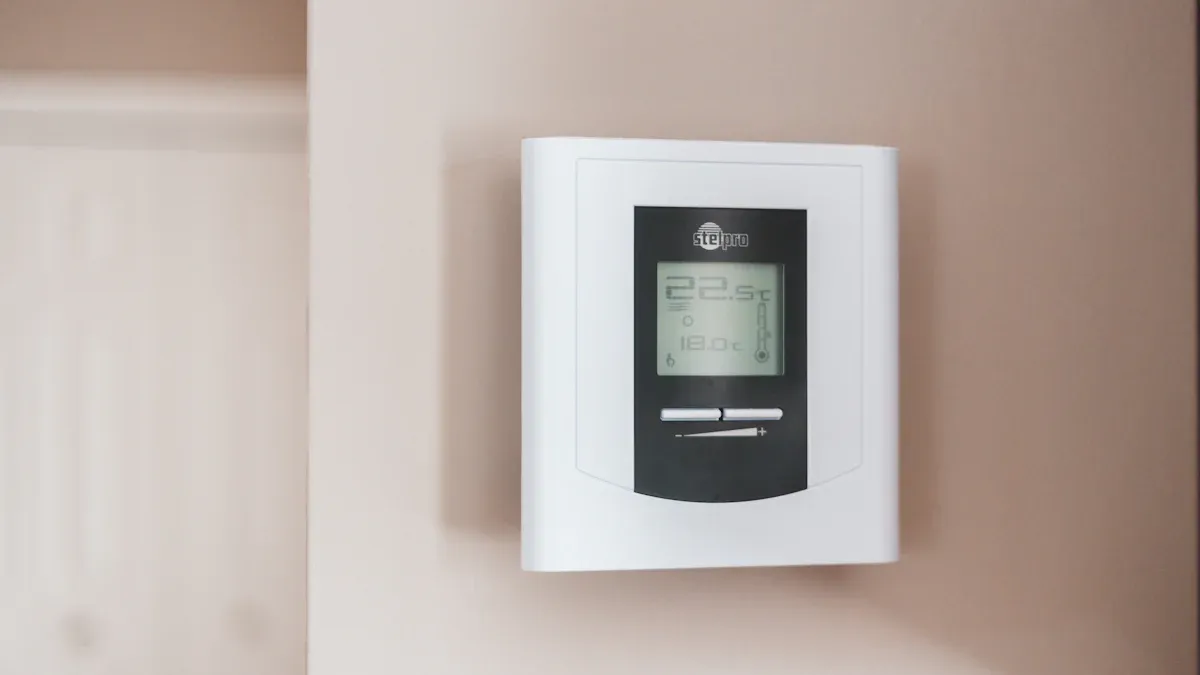
Podría pensar que configurar su sistema de calefacción a una temperatura alta calentará su hogar más rápido. En realidad, este enfoque solo obliga a su sistema a trabajar más, desperdiciando energía y aumentando el desgaste. Cuando sube demasiado la calefacción, se arriesga a facturas de servicios más altas y acorta la vida útil de su equipo. Los sistemas HVAC funcionan mejor dentro de rangos de temperatura específicos. Configurar su termostato a 20°C (68°F) durante el invierno mientras está en casa ayuda a mantener la comodidad y la eficiencia. Pequeños ajustes pueden generar ahorros significativos con el tiempo.
Consejo: Evite los cambios frecuentes de temperatura. Permita que su sistema de calefacción mantenga una temperatura constante para un rendimiento óptimo.
Configurar la Refrigeración Demasiado Baja
Configurar su sistema de refrigeración a una temperatura muy baja no enfría su hogar más rápido. En cambio, hace que su aire acondicionado funcione durante más tiempo, consumiendo más electricidad y ejerciendo una tensión innecesaria en el sistema. La configuración de refrigeración recomendada es 25.5°C (78°F) cuando está en casa. Esta temperatura lo mantiene cómodo y ayuda a que su sistema de refrigeración dure más. Las configuraciones de refrigeración extremas pueden provocar averías frecuentes y reparaciones costosas.
| Evidencia | Explicación |
|---|---|
| Configurar los termostatos demasiado altos en invierno o demasiado bajos en verano aumenta el consumo de energía. | Las configuraciones extremas conducen a un mayor uso de energía. |
| Los sistemas HVAC están diseñados para funcionar de manera óptima dentro de rangos de temperatura específicos. | La tensión por configuraciones extremas afecta la longevidad del sistema. |
| Los ajustes regulares prolongan el tiempo entre las necesidades de mantenimiento. | Las configuraciones apropiadas mejoran la longevidad del sistema. |
Ignorar las Funciones Programables
No Usar las Opciones de Programación para Calefacción y Refrigeración
Los termostatos programables ofrecen funciones de programación que le ayudan a controlar la calefacción y la refrigeración según su rutina diaria. Muchos propietarios ignoran estas opciones, perdiéndose ahorros de energía. Aproximadamente el 40% de los propietarios de termostatos programables no utilizan las funciones de programación. Al establecer horarios, se asegura de que sus sistemas de calefacción y refrigeración funcionen solo cuando sea necesario, reduciendo el desperdicio de energía.
- Colocación incorrecta del termostato
- Ajustes frecuentes de temperatura
- Acumulación de suciedad
- Configuraciones inadecuadas
Estos errores comunes pueden hacer que sus sistemas de calefacción y refrigeración funcionen de manera ineficiente, lo que genera facturas de energía más altas.
Olvidar Ajustar para las Vacaciones
Cuando se va de vacaciones, debe ajustar la configuración de su termostato. Olvidarse de hacerlo significa que sus sistemas de calefacción y refrigeración continúan funcionando como si estuviera en casa, desperdiciando energía y dinero. Alrededor del 33% de los propietarios de termostatos programables anulan su programación, lo que cancela los beneficios. Siempre configure su termostato en modos de ahorro de energía antes de ausentarse por períodos prolongados.
Nota: La configuración adecuada del termostato reduce la tensión en sus sistemas de calefacción y refrigeración y le ayuda a ahorrar dinero durante todo el año.
Errores de Mantenimiento para Sistemas de Calefacción y Refrigeración
Omitir los Cambios Regulares de Filtro
Dejar que los Filtros de Calefacción y Refrigeración se Ensucien
Es posible que no se dé cuenta de la rapidez con que los filtros de sus sistemas de calefacción y refrigeración pueden obstruirse. El polvo, el pelo de mascotas y otras partículas se acumulan con el tiempo, restringiendo el flujo de aire y obligando a su sistema a trabajar más. Para mantener un rendimiento óptimo, debe cambiar los filtros HVAC cada 90 días. Si tiene mascotas o alergias, necesita reemplazar los filtros cada 1-2 meses. Los hogares con múltiples mascotas o personas alérgicas se benefician al cambiar los filtros cada 20 a 45 días. Los filtros limpios ayudan a que sus sistemas de calefacción y refrigeración funcionen de manera eficiente, mejoran la calidad del aire interior y reducen el riesgo de averías.
Consejo: Marque su calendario o configure recordatorios para revisar sus filtros regularmente. Los cambios constantes de filtros protegen su inversión y mantienen su hogar cómodo.
Usar el Tipo de Filtro Incorrecto
Seleccionar el tipo de filtro incorrecto para su sistema de calefacción o refrigeración puede causar varios problemas:
- La reducción del flujo de aire ejerce una tensión adicional en su sistema HVAC..
- La disminución de la eficiencia significa que su sistema usa más energía.
- La mala calidad del aire aumenta los alérgenos y el polvo en su hogar.
- Es probable que se produzcan reparaciones frecuentes y una vida útil más corta del sistema.
- Las facturas de servicios más altas son el resultado del mayor consumo de energía.
- Mayor impacto ambiental debido al mayor uso de energía.
- Podría enfrentar un reemplazo prematuro de su sistema.
Siempre verifique los requisitos de su sistema antes de comprar filtros. Usar el tipo de filtro correcto garantiza que su equipo de calefacción y refrigeración funcione como está diseñado.
Descuidar las Inspecciones Profesionales
Omitir las Puestas a Punto Anuales de Calefacción y Refrigeración
Podría pensar que su sistema de calefacción o refrigeración funciona bien, pero omitir las inspecciones profesionales puede conducir a problemas ocultos. Las inspecciones profesionales regulares son esenciales para prevenir fallas mayores. Estas inspecciones permiten a los técnicos detectar problemas de manera temprana, abordarlos antes de que escalen y mantener su sistema funcionando sin problemas. El mantenimiento proactivo mejora la eficiencia, extiende la vida útil del sistema y mejora la calidad del aire interior.
| Frecuencia de las Inspecciones | Beneficios de las Inspecciones Regulares |
|---|---|
| Al menos dos veces al año | Detección temprana de problemas |
| Inspecciones estacionales | Previene reparaciones costosas |
| El mantenimiento regular | Extiende la vida útil del sistema |
| Mejora la calidad del aire interior | Mejora la eficiencia energética |
Ignorar Problemas Pequeños
Los problemas pequeños en su sistema de calefacción o refrigeración pueden convertirse rápidamente en reparaciones costosas si los ignora. Por ejemplo, una línea de drenaje de condensado obstruida o residuos alrededor de la unidad exterior pueden causar daños por agua o sobrecalentamiento. El mantenimiento regular de su unidad de aire acondicionado y el reemplazo oportuno de los filtros a menudo se pasan por alto, pero son cruciales para un funcionamiento óptimo. Abordar los problemas menores de inmediato le ayuda a evitar averías inesperadas y mantiene la fiabilidad de sus sistemas de calefacción y refrigeración.
Errores en el Uso del Sistema de Calefacción y Refrigeración
Bloquear las Rejillas de Ventilación y los Registros
Cubrir las Rejillas de Ventilación de Calefacción y Refrigeración con Muebles
Puede pensar que colocar un sofá o una estantería sobre una rejilla de ventilación ahorra espacio, pero esta decisión puede dañar su sistema de calefacción y refrigeración. Cuando bloquea las rejillas, restringe el flujo de aire. Su sistema debe trabajar más para empujar el aire a través de los conductos, lo que aumenta el consumo de energía y eleva sus facturas de servicios públicos. La distribución desigual de la temperatura hace que algunas habitaciones sean incómodas, y puede notar puntos calientes o fríos. La tensión en su equipo HVAC puede provocar reparaciones costosas y acortar su vida útil. El polvo y los alérgenos se acumulan cuando el flujo de aire está obstruido, lo que reduce la calidad del aire interior. La acumulación de calor en las rejillas bloqueadas puede incluso crear riesgos de incendio. La alta humedad de las rejillas bloqueadas fomenta el crecimiento de moho, lo que plantea riesgos para la salud.
- Bloquear las rejillas restringe el flujo de aire, lo que obliga a su sistema a trabajar más.
- La distribución desigual de la temperatura hace que las habitaciones sean incómodas.
- La tensión en el equipo puede reducir la vida útil y provocar reparaciones costosas.
- La mala calidad del aire resulta de la acumulación de polvo y alérgenos.
- Mayor riesgo de peligros de incendio debido a la acumulación de calor.
- Los niveles elevados de humedad promueven el crecimiento de moho y los riesgos para la salud.
Consejo: Mantenga siempre las rejillas de ventilación y los registros libres de muebles y otras obstrucciones. Este simple paso ayuda a que su sistema de calefacción y refrigeración funcione de manera eficiente y segura.
Cerrar Demasiados Registros
Es posible que cierre los registros en habitaciones no utilizadas para ahorrar energía, pero esta práctica puede resultar contraproducente. Su sistema de calefacción y refrigeración está diseñado para un flujo de aire equilibrado en toda su casa. Cerrar demasiados registros interrumpe este equilibrio, lo que obliga a su sistema a compensar. El resultado es un mayor uso de energía, temperaturas desiguales y un mayor desgaste de su equipo. También puede notar más polvo y humedad en las áreas cerradas. En su lugar, mantenga la mayoría de los registros abiertos y ajuste su termostato o sistema de zonificación para un mejor control.
Sobreesforzar el Sistema
Hacer Funcionar la Calefacción y la Refrigeración Sin Parar
Hacer funcionar su sistema de calefacción o refrigeración sin parar puede parecer una forma de mantener la comodidad, pero crea varios problemas. El funcionamiento constante acelera el desgaste de los componentes, lo que acorta la vida útil de su sistema. Necesitará un mantenimiento más frecuente, como cambios de filtro y limpiezas de serpentines, para que todo funcione sin problemas. A medida que las piezas se desgastan, su sistema pierde eficiencia y lucha por mantener las temperaturas deseadas, consumiendo más energía. El funcionamiento ininterrumpido puede causar serpentines del evaporador congelados, especialmente si el flujo de aire está restringido por filtros sucios. El mayor consumo de energía aumenta su huella de carbono y sus facturas mensuales. Las averías frecuentes se vuelven más probables y puede enfrentar reparaciones costosas.
- El mayor desgaste acorta la vida útil del sistema.
- Se requiere un mantenimiento más frecuente.
- La eficiencia reducida conduce a un mayor uso de energía.
- Pueden ocurrir serpentines congelados con el funcionamiento ininterrumpido.
- El impacto ambiental crece con el aumento del consumo de energía.
- Facturas de energía disparadas resultan del funcionamiento continuo.
- Las averías y reparaciones frecuentes se vuelven comunes.
Nota: Dé a su sistema de calefacción y refrigeración descansos regulares. Use termostatos programables y establezca horarios para evitar un funcionamiento innecesario.
Calentar o Refrigerar Habitaciones Vacías
Calentar o refrigerar habitaciones vacías desperdicia una cantidad significativa de energía. Los estudios muestran que entre el 27.5% y el 31.5% de la energía en edificios residenciales se utiliza para acondicionar espacios desocupados. El consumo de energía de cada habitación varía ampliamente, dependiendo del comportamiento del ocupante y la duración de la desocupación. Puede reducir el desperdicio cerrando las puertas de las habitaciones no utilizadas, ajustando su termostato o usando controles de zonificación. Concéntrese en las áreas ocupadas para maximizar la comodidad y la eficiencia.
| Acción | Beneficio |
|---|---|
| Acondicione solo las habitaciones ocupadas | Facturas de energía más bajas |
| Use controles de zonificación | Mejora del confort |
| Ajustar la configuración del termostato | Reducción de la tensión del sistema |
Consejo: Revise su rutina diaria y ajuste su estrategia de calefacción y refrigeración. Apunte a la comodidad donde más la necesite y evite el uso innecesario de energía.
Errores de Instalación y Actualización en Calefacción y Refrigeración
Elegir el Tamaño de Sistema Incorrecto
Instalar un Sistema de Calefacción o Refrigeración Sobredimensionado
Cuando selecciona un sistema sobredimensionado para calefacción o refrigeración de espacios, crea más problemas de los que resuelve. Las unidades sobredimensionadas ciclan de encendido a apagado con demasiada frecuencia, lo que lleva a ineficiencia y facturas de energía más altas. Puede notar temperaturas inconsistentes en toda su casa. Estos sistemas tampoco logran eliminar la humedad de manera efectiva, lo que le deja incómodo durante los meses de verano. La siguiente tabla destaca las consecuencias de elegir el tamaño de sistema incorrecto para sistemas de calefacción y refrigeración del hogar:
| Tipo de Tamaño del Sistema | Consecuencias |
|---|---|
| Sobredimensionado | – Ciclado corto que lleva a ineficiencia y facturas más altas – Deshumidificación inadecuada que causa incomodidad – Temperaturas inconsistentes en todo el hogar |
| Subdimensionado | – Funcionamiento constante que lleva al desgaste prematuro – Puntos cálidos o fríos en las habitaciones – Mayor desgaste, lo que lleva a costos de reparación más altos |
Instalar un Sistema de Calefacción o Refrigeración Subdimensionado
Si instala un sistema subdimensionado, lo obliga a funcionar constantemente para satisfacer sus necesidades de confort. Este funcionamiento constante causa desgaste prematuro y aumenta el desgaste. Experimentará puntos cálidos o fríos en diferentes habitaciones, y su sistema requerirá reparaciones frecuentes. Una unidad subdimensionada no puede seguir el ritmo de las demandas de calefacción o refrigeración del espacio, lo que lleva a costos más altos y menor comodidad.
Errores de Instalación por Cuenta Propia (DIY)
Omitir la Ayuda Profesional para la Calefacción y Refrigeración
Podría considerar instalar su equipo de calefacción y refrigeración usted mismo para ahorrar dinero. Sin embargo, los errores de instalación por cuenta propia a menudo resultan en una eficiencia reducida y facturas de energía más altas. Las instalaciones profesionales mejoran la eficiencia energética y la fiabilidad del sistema. La instalación adecuada minimiza riesgos como fallas eléctricas y asegura que su sistema funcione de manera segura. Cuando omite la ayuda profesional, corre el riesgo de reparaciones costosas y una vida útil reducida de su equipo.
- Los errores de instalación por cuenta propia pueden llevar a una eficiencia reducida y facturas de energía más altas.
- Los errores comunes incluyen un dimensionamiento incorrecto de las unidades y un diseño deficiente de los conductos.
- Estos errores pueden resultar en reparaciones costosas y una vida útil reducida del sistema.
Consejo: Consulte siempre a un técnico autorizado para instalar sistemas de calefacción y refrigeración del hogar. La experiencia profesional protege su inversión y garantiza un funcionamiento seguro.
Ubicación Incorrecta del Termostato
Colocar su termostato en una ubicación incorrecta afecta el rendimiento de su sistema de calefacción y refrigeración. Si lo instala cerca de ventanas, puertas o luz solar directa, el termostato recibe lecturas inexactas. Esto provoca que su sistema funcione más tiempo del necesario o que ciclice con demasiada frecuencia. Debe colocar los termostatos en áreas centrales, alejados de fuentes de calor y corrientes de aire. Una ubicación adecuada ayuda a mantener temperaturas consistentes y mejora la eficiencia energética.
- El uso inadecuado del termostato puede provocar que los sistemas funcionen más tiempo del necesario.
- La configuración y ubicación incorrectas generan ineficiencia y costos más altos.
Nota: Revise la ubicación de su termostato durante las actualizaciones. Una colocación correcta favorece una calefacción y refrigeración eficientes en todo su hogar.
Errores de Eficiencia Energética en Calefacción y Refrigeración
Aislamiento Deficiente
Ignorar el Aislamiento del Ático para Calefacción y Refrigeración
Es posible que pase por alto su ático al pensar en la eficiencia energética, pero esta área juega un papel crítico en la comodidad y los costos de su hogar. Un aislamiento deficiente del ático permite que el aire caliente o frío se escape, forzando a su sistema HVAC a trabajar más. El Departamento de Energía de EE. UU. estima que hasta el 30% de la pérdida de energía en los hogares proviene de un aislamiento inadecuado. Cuando ignora el aislamiento del ático, crea condiciones de vida incómodas. Algunas habitaciones pueden sentirse mucho más frías en invierno o más calientes en verano, lo que lleva a que use su sistema de calefacción o refrigeración con más frecuencia. Este uso constante aumenta sus facturas de servicios públicos y ejerce una tensión adicional en su equipo.
Consejo: Inspeccione el aislamiento de su ático regularmente. Mejorar el aislamiento puede ayudarle a mantener una temperatura constante y reducir el desperdicio de energía.
Olvidar las Ventanas y Puertas
Las ventanas y puertas a menudo se convierten en puntos débiles en la eficiencia energética de su hogar. Las fugas no selladas alrededor de estas áreas pueden provocar que del 20 al 30 por ciento de su aire caliente o frío se escape. Cuando olvida revisar si hay corrientes de aire o espacios, su sistema HVAC debe compensar el aire perdido, lo que aumenta el consumo de energía y los costos. Puede mejorar la comodidad y reducir las facturas sellando los espacios con burletes o masilla. Este sencillo paso ayuda a que su hogar retenga el aire acondicionado y favorece el funcionamiento eficiente de sus sistemas de calefacción y refrigeración.
No Sellar Fugas
Pasar por Alto las Fugas en los Conductos de los Sistemas de Calefacción y Refrigeración
Los conductos a menudo están ocultos detrás de paredes y techos, por lo que es posible que no note las fugas de inmediato. Cuando el aire se escapa a través de fugas en los conductos, su sistema HVAC trabaja más para alcanzar la temperatura deseada. Los conductos con fugas pueden desperdiciar hasta el 20% del aire que viaja a través de su sistema. Esta pérdida significa que su sistema usa más energía, lo que genera facturas más altas y un mayor desgaste. Con el tiempo, el trabajo excesivo constante acorta la vida útil de su equipo y provoca reparaciones más frecuentes. También puede notar temperaturas desiguales, con algunas habitaciones sintiéndose demasiado calientes o demasiado frías porque llega menos aire acondicionado a ellas.
Corrientes de Aire Pasadas por Alto en el Hogar
Las corrientes de aire en su hogar, especialmente cerca de ventanas, puertas y zócalos, pueden socavar incluso los sistemas de calefacción y refrigeración más eficientes energéticamente. Pasar por alto estas corrientes de aire permite que el aire exterior entre y que el aire acondicionado se escape. Como resultado, su sistema HVAC debe funcionar más tiempo para mantener la comodidad, lo que reduce la eficiencia energética y aumenta los costos. Puede mejorar el rendimiento de su hogar revisando si hay corrientes de aire y sellándolas rápidamente.
- Establezca un plan de mantenimiento preventivo para mantener su sistema eficiente.
- Aproveche la tecnología inteligente para optimizar la operación del HVAC según la ocupación.
- Realice puestas a punto regulares de su sistema para evitar el desperdicio de energía debido a componentes sucios.
- Implemente la zonificación del HVAC para enfriar solo las áreas ocupadas y reducir el desperdicio.
- Actualice a termostatos programables o inteligentes para un mejor control.
- Selle los conductos y mejore el aislamiento para mantener las temperaturas deseadas.
Nota: Mejorar el aislamiento, sellar las fugas y mantener su sistema son las formas más efectivas de aumentar la eficiencia energética. Estos pasos le ayudan a ahorrar dinero, reducir su huella de carbono y mantener su hogar cómodo durante todo el año.
Errores de Seguridad con Equipos de Calefacción y Refrigeración

Ignorar las Señales de Advertencia
Ruidos u Olores Extraños de los Sistemas de Calefacción o Refrigeración
Nunca debe ignorar ruidos u olores inusuales provenientes de sus sistemas de calefacción y refrigeración. Estas señales de advertencia a menudo indican peligros de seguridad subyacentes. Sonidos desconocidos, como golpes o traqueteos, pueden indicar piezas sueltas o rotas. Un chirrido agudo puede apuntar a problemas con el motor del ventilador. Si nota un olor a quemado, podría tener acumulación de polvo o incluso una fuga de gas, lo que requiere atención inmediata. Un olor a quemado después del primer día de funcionamiento podría indicar aislamiento de cableado quemado, lo que representa un riesgo de incendio. Las fugas de su aire acondicionado pueden indicar una fuga peligrosa de refrigerante. Los olores a humedad en su hogar pueden sugerir crecimiento de moho, lo cual es perjudicial para su salud.
Consejo: Si detecta algún ruido u olor extraño, apague su sistema y contacte a un técnico profesional de inmediato.
Ciclado Frecuente del Sistema
Los arranques y paradas frecuentes, conocidos como ciclo corto, pueden indicar problemas graves en su equipo de calefacción o refrigeración. Puede notar que su sistema funciona solo durante unos minutos antes de apagarse y reiniciarse. Este patrón estresa componentes clave, como el arrancador y el motor del ventilador, lo que lleva a reparaciones costosas. El ciclo corto también puede reducir la eficiencia energética y comprometer la comodidad interior. Su sistema lucha por manejar la humedad y la temperatura, haciendo que su espacio habitable sea incómodo. En algunos casos, el ciclo corto puede indicar un intercambiador de calor agrietado, que puede filtrar monóxido de carbono, un gas peligroso y potencialmente mortal. Las sobretensiones eléctricas del ciclado constante pueden dañar el cableado y crear riesgos de incendio.
Señales de Advertencia Comunes de Falla del Sistema:
- Códigos de falla o advertencias en su termostato
- Ruidos mecánicos desconocidos
- Agua o líquido en lugares donde no debería estar
- Ruido del conducto de aire más fuerte de lo normal
- Filtros sucios o obstruidos
- Muchas paradas y arranques en un corto período de tiempo (ciclo corto)
- Cambios en sus facturas de servicios públicos
- Caídas en el rendimiento de calefacción o refrigeración
- Luces que se atenúan cuando el equipo se enciende
- Sin mantenimiento realizado en más de un año
| Impacto | Explicación |
|---|---|
| Eficiencia Energética Reducida | Los arranques frecuentes usan más energía, aumentando sus facturas de servicios públicos. |
| Confort Interior Comprometido | El control deficiente de la humedad y la temperatura crea condiciones de vida incómodas. |
| Desgaste Acelerado | Cada arranque estresa los componentes, aumentando el riesgo de avería y acortando la vida útil del sistema. |
Uso Inseguro de Calefactores Portátiles
Colocar Calefactores Cerca de Artículos Inflamables
Los calefactores portátiles pueden proporcionar calor adicional, pero un uso inadecuado crea riesgos significativos de incendio. Colocar calefactores cerca de artículos inflamables, como cortinas, ropa de cama o muebles, aumenta la posibilidad de ignición. Los equipos de calefacción son la segunda causa principal de incendios domésticos en los Estados Unidos, con más de 65,000 incendios domésticos atribuido a equipos de calefacción cada año. Siempre debe mantener una zona de tres pies alrededor de su calentador libre de cualquier material inflamable.
| Estadística | Valor |
|---|---|
| Incendios domésticos causados por calentadores portátiles | 25,000 |
| Quemaduras y visitas a salas de emergencia | 6,000 |
| Porcentaje de incendios fatales por calefacción en el hogar | 79% |
Consejo de seguridad: Coloque su calentador sobre una superficie dura, nivelada e inflamable. Mantenga a niños y mascotas alejados del calentador.
Dejar calentadores sin supervisión
Dejar calentadores portátiles sin supervisión es una causa principal de incendios y lesiones residenciales. Siempre debe apagar su calentador al salir de la habitación o al ir a dormir. Desconecte el calentador cuando no esté en uso para prevenir incendios accidentales. Muchas visitas a salas de emergencia son resultado de quemaduras y lesiones relacionadas con calentadores sin supervisión.
Pautas de seguridad recomendadas:
- Coloque el calentador sobre una superficie dura, nivelada e inflamable.
- Mantenga una zona de 3 pies alrededor del calentador libre de niños y mascotas.
- Mantenga el calentador alejado de materiales combustibles.
- Apáguelo al salir de la habitación o al ir a dormir.
- Desconecte el calentador cuando no esté en uso.
El mantenimiento regular de sus sistemas de calefacción y refrigeración ayuda a identificar peligros, como fugas de monóxido de carbono, cableado defectuoso y crecimiento de moho. Protege su hogar y familia al estar alerta a señales de advertencia y seguir las pautas de seguridad.
Puede lograr un confort térmico óptimo y un ambiente interior más saludable al evitar errores comunes de calefacción y refrigeración. El mantenimiento regular prolonga la vida útil del sistema y mejora su ambiente interior. Los hábitos de uso inteligente, como instalar termostatos programables y sellar fugas en conductos, le ayudan a mantener el confort térmico mientras ahorra dinero. Revise esta lista rápida para mantener su ambiente interior seguro y eficiente:
- Cambie los filtros de aire regularmente para un mejor confort térmico.
- Programe mantenimiento anual para proteger su ambiente interior.
- Mantenga los respiraderos despejados para apoyar un confort térmico consistente.
- Selle fugas para mantener un ambiente interior estable.
| Tarea de mantenimiento | Beneficio |
|---|---|
| Comprobar los ajustes del termostato | Garantiza confort térmico y ahorros |
| Limpieza de serpentines | Mejora la eficiencia del ambiente interior |
PREGUNTAS FRECUENTES
¿Cuál es la mejor manera de mejorar la calidad del aire interior en su hogar?
Puede mejorar la calidad del aire interior manteniendo su sistema HVAC, cambiando filtros regularmente y usando ventilación adecuada. Abra ventanas cuando sea posible y evite obstruir respiraderos. Estos pasos ayudan a eliminar contaminantes y mantener un ambiente hogareño saludable.
¿Con qué frecuencia debe programar inspecciones profesionales de HVAC?
Debe programar inspecciones profesionales de HVAC al menos dos veces al año. Las revisiones regulares aseguran que sus sistemas HVAC funcionen eficientemente, mejoran la calidad del aire interior y le ayudan a detectar problemas temprano. Esta rutina favorece una mejor ventilación y prolonga la vida útil del equipo.
¿Por qué obstruir respiraderos afecta la calidad del aire y la ventilación?
Obstruir respiraderos restringe el flujo de aire y la ventilación, causando temperaturas desiguales y mala calidad del aire. Su sistema HVAC trabaja más forzado, lo que puede llevar a averías. Mantener los respiraderos despejados ayuda a mantener una ventilación equilibrada y favorece una calidad óptima del aire interior.
¿Puede mejorar el aislamiento ayudar a ahorrar electricidad?
Mejorar el aislamiento reduce la pérdida de energía, lo que ayuda a ahorrar electricidad. Un aislamiento adecuado mantiene su hogar confortable, reduce el uso de HVAC y mejora la calidad del aire interior. Notará una mejor ventilación y facturas de servicios reducidas.
¿Cuáles son las señales de que su sistema HVAC necesita mantenimiento?
Señales comunes incluyen ruidos extraños, ciclado frecuente, flujo de aire reducido y mala calidad del aire. Puede notar temperaturas desiguales o aumento de polvo. Programe mantenimiento si observa estos problemas para proteger sus sistemas HVAC y mejorar la ventilación.
¿Cómo impacta la ventilación en la calidad del aire interior?
La ventilación elimina el aire viciado e introduce aire fresco, lo que mejora la calidad del aire interior. Una buena ventilación ayuda a su sistema HVAC a controlar la humedad y contaminantes. Debe usar extractores y mantener los respiraderos abiertos para una mejor calidad del aire.
¿Por qué es importante el reemplazo de filtros para sistemas HVAC?
Reemplazar filtros mantiene sus sistemas HVAC funcionando eficientemente y favorece una buena calidad del aire interior. Los filtros sucios restringen la ventilación, aumentan el uso de energía y esparcen alérgenos. Debe revisar los filtros mensualmente y reemplazarlos según sea necesario.
¿Qué papel juega HVAC en el mantenimiento de la calidad del aire?
Su sistema HVAC circula aire, controla la humedad y filtra contaminantes. Una ventilación adecuada y mantenimiento regular aseguran que sus sistemas HVAC entreguen aire limpio. Puede confiar en su HVAC para mantener una calidad de aire interior saludable en su hogar.