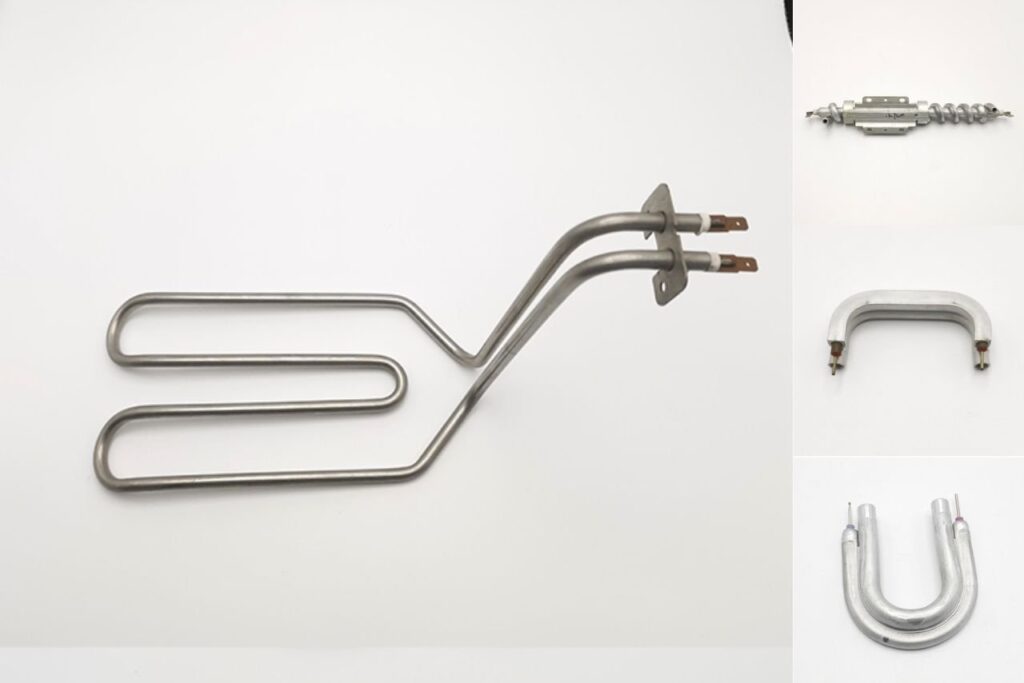
Der Austausch eines Heizelements für Warmwasserbereiter kann die reale Effizienz hauptsächlich durch Wiederherstellung der ordnungsgemäßen Wärmeübertragung und des stabilen Betriebs verbessern, insbesondere wenn das alte Element isoliert ist Kalkablagerungen entstehen oder teilweise ausfällt, während der größte Effizienzverlust, der bei einem Upgrade vermieden werden sollte, ein vermeidbarer Installationsfehler ist: Whirlpool warnt davor, dass das Wiedereinschalten der Stromversorgung, bevor der Tank vollständig gefüllt und entlüftet ist, Trockenbrand zum Durchbrennen des oberen Heizelements führen kann, was sofortige Nacharbeit und Energieverschwendung verursacht.
Anforderung an die Luftentlüftung
3 Minuten
Vollstrahl-Entlüftung gemäß Whirlpool
Erwartete Aufheizzeit
Bis zu 2 Stunden
Whirlpool-Hinweis nach Wiederherstellung der Stromversorgung
Beispielhafter Preis einer Heizungskomponente
$209.95
Hudson Reed Auflistung (1000W)
Beispielhafte Komponentenleistung
1000 W
Hudson Reed-Eintrag
- Was „bessere Effizienz“ für elektrische Warmwasserbereiter bedeutet
- Wenn der Austausch des Heizelements ein Upgrade darstellt (vs. nur eine Reparatur)
- Effizienzkiller, die Sie während des Austauschs beheben können
- Upgrade-orientierter Austausch-Workflow (Sicherheit zuerst)
- Heizelement-Design & Materialien: Warum Qualität die Lebenszyklus-Effizienz beeinflusst
- Jenseits von Tanks: Wie Heizrohre, -platten, -folien und Druckgussmodule integriert werden
- FAQ (3)
- Zitate & ausgehende Links
In einem elektrischen Warmwasserspeicher wird „Effizienz“ oft als schnellere Wiederherstellung, stabile Warmwasserbereitstellung und weniger verschwendete Zyklen erlebt, nicht als drastische Reduzierung des Stromverbrauchs pro Gallone in einem einwandfrei funktionierenden System.
Das praktische Ergebnis des Austauschs eines beeinträchtigten Heizelements ist typischerweise: zuverlässigere Wärmeübertragung, weniger störende Ausfälle und reduzierter Bedarf an wiederholten Serviceeinsätzen. Dies ist im betrieblichen Sinne ein „Effizienz-Upgrade“ – weniger Ausfallzeiten und weniger Nacharbeitsenergie – und nicht das Versprechen einer festen prozentualen Reduzierung ohne Messung.
- Das Warmwasser inkonsistent ist (kurze Entnahmen, längere Wiederherstellungszeit).
- Das Heizelement nach dem Ausbau Kalk, Korrosion oder sichtbare Verformung aufweist.
- Wiederholte Ausfälle aufgetreten sind, die auf eine Fehlanpassung oder schlechte Installationspraxis hindeuten (z. B. Trockenlauf).
- Der Tank selbst undicht oder strukturell beeinträchtigt ist.
- Elektrische Sicherheitskomponenten oder Verkabelung über eine einfache Wiederanschließbarkeit hinaus beschädigt sind.
- Der Abfluss durch starke Sedimente blockiert ist und nicht sicher gehandhabt werden kann (Whirlpool empfiehlt technische Unterstützung, wenn der Tank nicht ordnungsgemäß entleert werden kann).
Whirlpools Warnung ist eindeutig: Nicht einschalten, bis der Tank voll ist und die Luft entfernt wurde; andernfalls kann das obere Heizelement durchbrennen aufgrund von Trockenbrand. DREI MINUTEN.
Lecks erzwingen Entleerungs- und Wiedereinbauzyklen. Whirlpool weist an, die Gewinde zu reinigen, die Dichtung zu installieren, sie mit einem Tropfen Spülmittel zu schmieren und richtig festzuziehen.
Whirlpools Schritte betonen, dass alle Drahtverbindungen fest sein müssen. Lose Anschlüsse können lokale Erwärmung und intermittierende Leistung verursachen, was sich als „Ineffizienz“ zeigt, da das System schlecht zyklisiert und früher ausfällt.
Der folgende Workflow ist „upgrade-orientiert“, da er die Wahrscheinlichkeit von Nacharbeit verringert und die langfristige Zuverlässigkeit verbessert – zwei Ergebnisse, die Verbraucher als verbesserte Effizienz erleben.
| Phase | Schlüsselaktionen | Warum es die Effizienz unterstützt |
|---|---|---|
| Abkühlen & trennen | Heißwasser laufen lassen, bis es kühl ist; Kaltwasserzufuhr ABSTELLEN | Verhindert Verletzungen; reduziert übereilte Fehler |
| Entleeren & ausbauen | Schlauch an Ablassventil; Ablass öffnen; Heizelement mit 1 1/2"-Stecknuss ausbauen | Kontrollierter Ausbau verhindert Schäden und Verzögerungen |
| Überprüfen & installieren | Spannung/Leistung des Typenschilds überprüfen; Gewinde reinigen; Dichtung aufsetzen; schmieren; festziehen | Korrekte Nennwerte + ordnungsgemäße Abdichtung reduziert Nacharbeit |
| Befüllen & entlüften | Tank befüllen; Strahlregler entfernen; vollen Strahl laufen lassen für DREI MINUTEN | Verhindert Trockenbrand (sofortiger Ausfall) |
| Dichtheitsprüfung & Wiederzusammenbau | Dichtheit prüfen; Schutz-/Isolierung/Abdeckung wieder anbringen; Stromversorgung wiederherstellen | Reduziert Wasserschäden, verbessert die Sicherheit, stabilisiert den Betrieb |
Quelle: https://www.whirlpoolwaterheaters.com/support/help/element-was-out-of-range/24
Die technische Übersicht von TUTCO ist für Effizienzsteigerungen relevant, da sie erklärt, warum sich zwei Elemente mit ähnlichen Nennwerten im Feld unterschiedlich verhalten können. Spurenelementen die Eigenschaften verändern können, was die Lebensdauer beeinflusst.
- Zuerst auf die korrekte Nennleistung (Spannung/Wattzahl) achten, dann auf Verarbeitungsqualität und Umgebungseignung.
- In anspruchsvollen Umgebungen können Materialauswahl und Empfindlichkeit gegenüber Verunreinigungen den Unterschied zwischen langer Lebensdauer und häufigem Austausch ausmachen.
- Zuverlässigkeit über den Lebenszyklus reduziert versteckte Energiekosten durch wiederholte Heizzyklen, wiederholtes Nachfüllen und Servicearbeiten.
Jinzhong organisiert Produkte in Familien, die unterschiedliche technische Ansätze zur Beheizung widerspiegeln:
- Heizungsrohre (z. B. Wasserheizrohr, Kesselheizrohr, Fritteusenelemente)
- Heizplatte (Kesselplatten, Kaffeemaschinenplatten, Geschirrspüler-Heizelemente)
- Heizfolie (Auflistungen von Dickschicht- und Dünnschichtheizungen)
- Druckguss-Heizlösungen (Druckguss-Legierungssubstrate und Geräteheizkörper)
- Elektrokessel-Heizung (Dampfkessel-/Kaffeekessel-Kategorien)
Ein Hausbesitzer, der ein Tankelement aufrüstet, konzentriert sich darauf, den korrekten Betrieb wiederherzustellen. Ein OEM, der eine Geräteplattform aufrüstet, kann Designs vergleichen: Rohrheizkörper versus a Dickschichtheizung auf einem Keramik- oder Druckguss-Heizkörper, abhängig von Platzbeschränkungen, Ansprechzeit und thermischen Steuerungsanforderungen.
Heizelement Hersteller von Heizelementen Heizelement-Fabrik Druckguss-Heizlösungen
Wird ein neues Element die Stromrechnung sofort senken?
Ein neues Element verbessert die Betriebseffizienz am zuverlässigsten, indem es die ordnungsgemäße Beheizung wiederherstellt und wiederholte Ausfälle verhindert. Wenn das alte Element stark verkalkt war oder zeitweise ausfiel, können Benutzer eine schnellere Wiederherstellung und stabilere Temperaturen feststellen. Der Energieverbrauch eines funktionierenden Systems wird jedoch hauptsächlich durch den Warmwasserbedarf und Wärmeverluste bestimmt, sodass die Ergebnisse variieren.
Was ist der wichtigste Schritt zum Schutz eines neuen Effizienzsteigerungs-Elements?
Verhindern Trockenbrand. Whirlpool warnt davor, dass das obere Element durchbrennt, wenn die Stromversorgung eingeschaltet wird, bevor der Tank vollständig gefüllt ist. Ihre Entlüftungsmethode erfordert das Ablaufenlassen von heißem Wasser mit vollem Strahl für DREI MINUTEN.
Wie sollte das korrekte Ersatzelement ausgewählt werden?
Whirlpool weist an, das korrekte Ersatzteil durch Bezugnahme auf das Datenetikett des Warmwasserbereiters für Spannung und Leistung. zu bestätigen. Die korrekte Nennwertauswahl ist die Grundlage für sicheren Betrieb und stabile Leistung.
- Whirlpool Warmwasserbereiter – Austauschablauf, Trockenbrandwarnung und 3-minütige Entlüftungsanforderung: https://www.whirlpoolwaterheaters.com/support/help/element-was-out-of-range/24
- TUTCO – Definition von Heizelementen, Materialüberlegungen, Integrationsarten und weniger offensichtliche Kosten-/Qualitätsauswirkungen: https://tutco.com/conductive/heating-elements
- Hudson Reed – Beispiel für eine Heizkomponentenauflistung mit Preis-/Spezifikationsangabe ($209,95, 1000W, IP67, UL-geprüft): https://usa.hudsonreed.com/1000-plug-in-watt-electric-heating-element-76309
- Jinzhong – interne Kategorie- und Lösungsseiten, auf die für den Kontext der Heizungsfamilien verwiesen wird: Heizungsrohre, Heizplatte, Heizfolie, Druckguss-Heizlösungen, Elektrokessel-Heizung