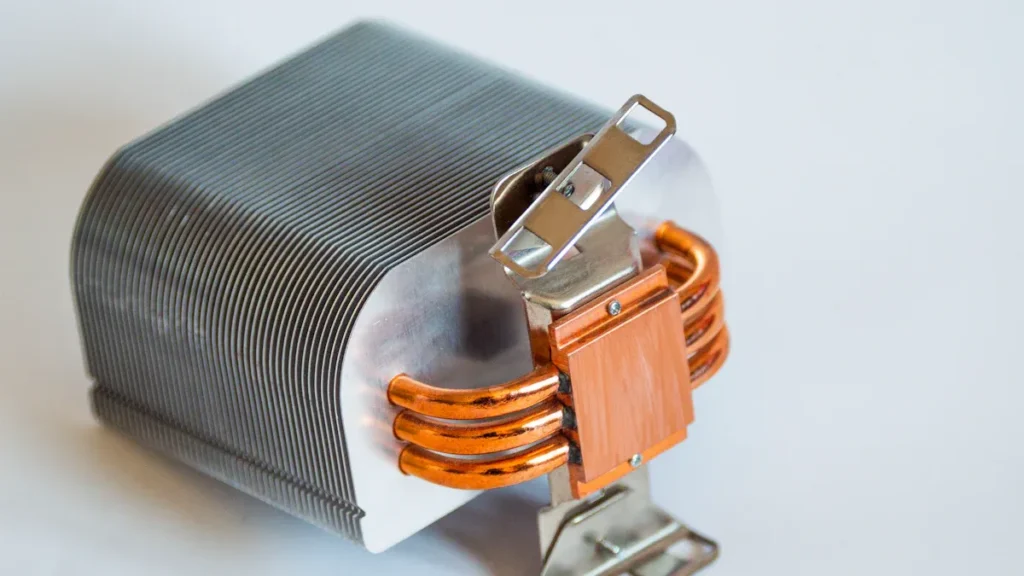
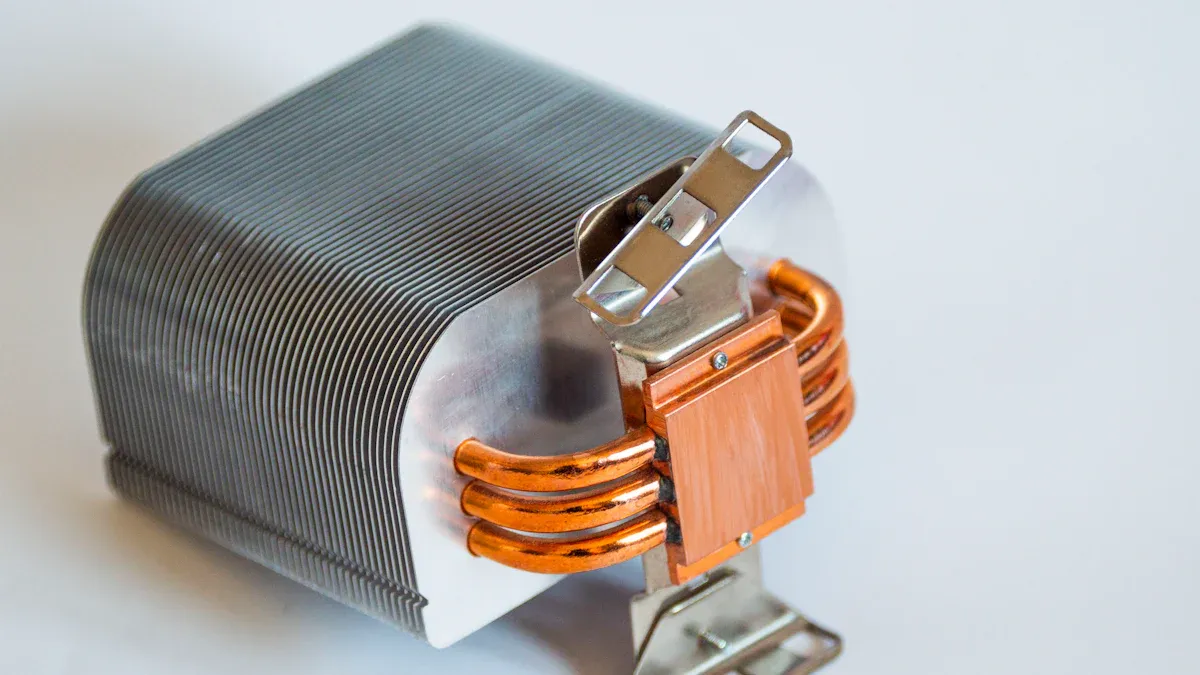
為您的系統選擇合適的加熱線圈需要仔細關注技術細節。您必須考量線材表面負載、線圈節距以及線圈與線材直徑比等參數,因為這些參數直接影響系統的性能與使用壽命。 發熱元件. 。例如, 線圈與線材直徑比介於 5 至 12 之間 可確保穩定性,而電阻調整範圍在 10-30% 之間對於金屬護套 加熱管. 至關重要。適當匹配的 加熱元件 不僅能提供高效熱能,還有助於避免代價高昂的故障。.
定義您的加熱線圈應用需求
選擇正確的 工業加熱線圈 始於對您應用獨特需求的清晰理解。在選擇加熱線圈之前,您必須明確溫度、功率及環境因素。這種方法可確保您的系統在任何環境下均能安全且高效地運行。.
設定溫度要求
最高與最低溫度
您需要確認應用中將遇到的最高與最低溫度。工業加熱線圈的性能取決於這些極限值。例如,無塵室中的製程需要嚴格的溫度控制,而廠房公用設施間則允許較寬的範圍。 下表彙整了溫度與濕度控制的行業基準, ,依據 ISPE 與 ASHRAE 標準制定。這些基準有助於您驗證溫度要求,並確保符合營運及法規需求。.
| 設施空間類型 | 濕度操作範圍 (%) | 溫度/濕度控制與驗證備註 |
|---|---|---|
| 潔淨公用設施(技術性) | 最高 60% | 溫度與濕度設定點依據 ISPE 與 ASHRAE 標準,並依操作人員舒適度及製程需求調整,用以驗證加熱線圈要求。. |
| 原料倉庫(受控) | 30–60% | 容許範圍反映行業基準與當地條件,支援以公差為基礎的製程驗證。. |
| 受控無塵室等級(ISO 5 至 ISO 8 / Grade A 至 D) | 30–60% | 嚴格的環境控制符合行業指南與操作人員經驗,確認溫度要求流程。. |
| 廠房公用設施間 | 最高 80% | 較寬的濕度範圍反映控制要求較不嚴格,但仍符合公認標準。. |
| 成品(冷藏) | 20–80% | 依產品與製程需求延展範圍,展現以基準驗證的靈活性。. |
溫度均勻性
均勻的溫度分布對許多應用而言至關重要。您必須確保工業加熱線圈在整個區域內提供一致的熱能。不均勻的加熱可能導致產品缺陷或製程效率低落。例如,在製藥或電子製造中,即使微小的溫度波動也可能影響品質。您應選擇符合系統幾何形狀與熱傳需求的加熱線圈設計。.
確定功率與電壓
計算瓦數
您必須計算應用的功率需求。首先確定總熱負載,其取決於材料或空間的質量、比熱及目標溫升。工業加熱線圈的選型依賴準確的瓦數計算,以避免加熱不足或過熱。務必將環境熱損失及任何製程特定需求納入考量。.
電壓匹配
將加熱線圈的電壓與系統電源匹配至關重要。使用錯誤的電壓可能降低效率或損壞線圈。工業加熱線圈製造商提供多種電壓等級的產品,以適用不同應用。安裝前務必確認與您設施電力基礎設施的相容性。.
評估環境因素
濕氣與化學品暴露
環境條件在加熱線圈性能中扮演重要角色。暴露於濕氣或化學品可能導致腐蝕、效率降低或過早失效。研究顯示,在供暖季節期間,污染物排放與室內空氣品質可能發生顯著變化,尤其是在通風不良或高濕度的環境中。您應選擇能抵抗腐蝕並耐受嚴苛化學品的材料與塗層,特別是在工業或實驗室環境中。.
- 統計與經驗模型評估熱泵在不同條件下的能源消耗與二氧化碳排放 。.
- 研究強調各種供暖系統的污染物排放 (CO、CO2、NOx、SO2、PM2.5、PAHs),尤其是中國農村地區的固體燃料供暖,並將排放與健康風險關聯。.
- 生命週期評估量化了典型德國住宅中 13 種住宅供暖系統的環境影響 。假設永續燃料供應,生質能供暖系統顯示出最低的環境影響。.
環境條件
環境溫度、濕度與空氣品質會影響工業加熱線圈的效率與使用壽命。氣象與地形可能影響污染物擴散與濃度,進而影響系統性能。您必須考量當地氣候、通風,甚至供暖系統的運行週期。例如,高濕度或頻繁溫度波動的地區可能需要特殊的線圈材料或設計。.
- 熱泵的環境優勢在很大程度上取決於當地的發電結構;例如,以核能為主法國比美國等依賴化石燃料的地區受益更多。.
- 供暖季節期間的室內空氣品質監測顯示,由於通風不足和熱環境不佳,污染物和健康風險有所增加。.
- 生態效率分析指出,空氣源熱泵(配備或不配備光伏系統)和木質氣化爐系統在環境和經濟效率方面表現最佳。.
提示:在最終確定您的工業加熱盤管選型之前,務必評估您應用的環境。此步驟有助於您避免代價高昂的更換,並確保可靠運行。.
物理與系統限制
空間與安裝
在選擇加熱盤管之前,您必須評估系統中的可用空間。每個安裝地點都有其獨特的挑戰。有些系統提供充足的安裝空間,而有些系統則要求您將盤管安裝在狹小或不規則的空間內。您應精確測量安裝區域的尺寸。此步驟有助於您避免在安裝過程中進行代價高昂的修改或延誤。.
許多應用需要緊湊型加熱解決方案。例如,實驗室儀器或醫療設備通常需要能夠在狹小空間內提供精確熱量的微型盤管。相比之下,工業烤箱或暖通空調系統則可容納更大、更堅固的盤管。您應始終查閱製造商關於最小彎曲半徑、安裝方向和間隙要求的規格說明。.
提示:為您系統的空間限制建立一份檢查清單。此做法可確保您選擇的加熱盤管能夠無縫安裝並安全運行。.
安裝選項也會影響您的決策。有些加熱盤管配備支架、法蘭或螺紋接頭,便於安裝。其他盤管則需要客製化的安裝硬體。您應確認所選盤管支援最適合您系統的安裝方式。牢固的安裝可防止振動、減少磨損並延長盤管的使用壽命。.
整合與相容性
您必須確保加熱盤管能與您現有的系統順利整合。相容性問題可能導致運行故障或安全隱患。首先檢視您系統的電氣和機械介面。檢查盤管的端子、連接器和接線是否符合您設備的要求。.
機械相容性與電氣匹配同樣重要。您應驗證盤管的形狀、尺寸和安裝特性是否與您系統的設計相符。有些應用需要客製化形狀的盤管,以環繞管道、儲罐或其他部件。其他應用則受益於可簡化更換和維護的標準設計。.
表格可以幫助您比較不同應用中的整合因素:
| 整合因素 | 選型考量 | 應用範例 |
|---|---|---|
| 電氣連接 | 端子類型、電壓、額定電流 | 工藝加熱器、烤箱 |
| 機械配合 | 形狀、尺寸、安裝硬體 | 實驗室設備 |
| 控制整合 | 感測器相容性、回饋選項 | 暖通空調、工業控制 |
您還應考慮加熱盤管如何與感測器、控制器和安全裝置互動。許多應用需要精確的溫度監控。正確的整合可確保準確的回饋和可靠的運行。.
注意:務必查閱您系統的文件和加熱盤管製造商的指南。此方法有助於您避免代價高昂的相容性問題,並確保長期可靠性。.
加熱盤管與柔性加熱元件選項的類型
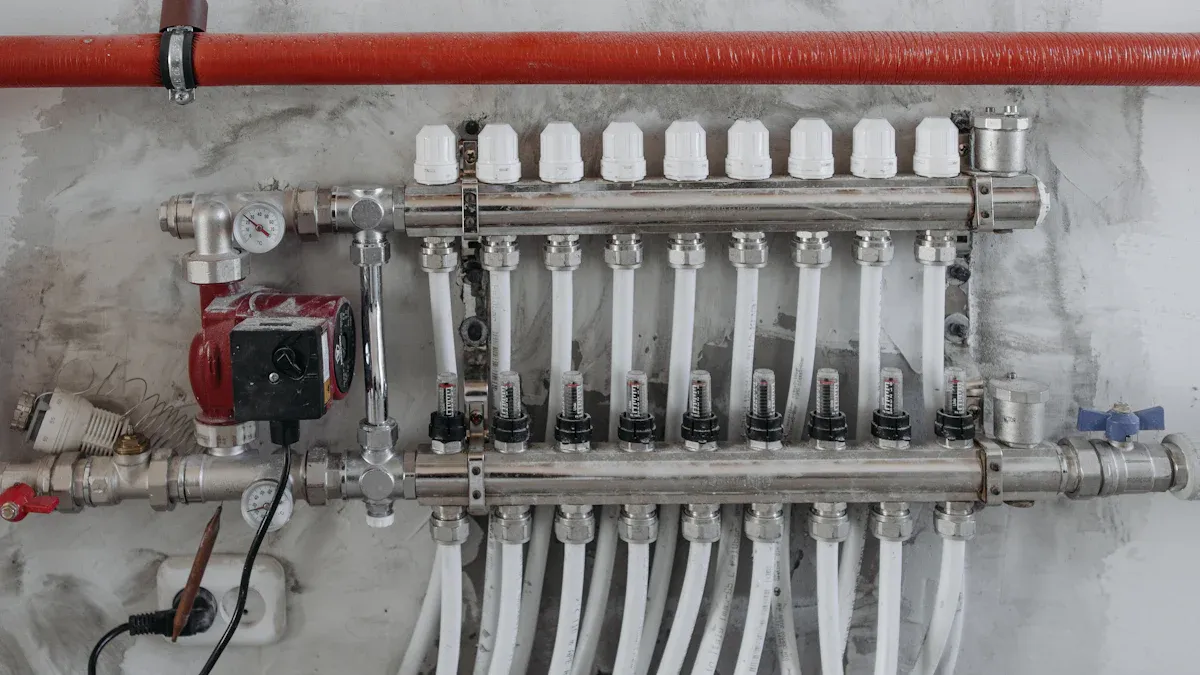
在選擇加熱解決方案時,您必須了解不同類型的加熱盤管和可用的柔性加熱元件選項。每種類型都服務於特定的應用和環境,因此您的選擇直接影響系統性能、可靠性和效率。 加熱線圈 常見的加熱盤管類型.
管狀加熱盤管
管狀加熱盤管是工業和商業應用中最通用的選項之一。您可以在烤箱、熱水器和工藝設備中找到這些盤管。製造商使用金屬護套(通常為不鏽鋼或因科鎳合金)設計,以保護內部的電阻絲。這種結構使您能夠在惡劣環境中使用管狀盤管,包括潮濕或接觸化學品的環境。您可以將管狀盤管彎曲成客製化形狀,使其適用於獨特的系統佈局。
翅片式加熱盤管, 翅片式加熱盤管增加了熱傳遞的表面積。您通常在空氣加熱系統、風管加熱器和空間加熱器中使用這些盤管。翅片通常由鋁或不鏽鋼製成,附著在盤管表面。這種設計通過允許更快速地將熱量散發到周圍空氣中來提高效率。翅片式盤管在暖通空調系統和需要快速加熱大量空氣的工業加熱盤管應用中表現出色。, 筒式加熱器以緊湊的形式提供集中、高密度的熱量。您將這些加熱器直接插入金屬塊、模具或壓板上的鑽孔中。筒式加熱器提供精確的溫度控制,使其成為塑膠加工、包裝設備和模具加熱的理想選擇。其堅固的結構確保了較長的使用壽命,即使在要求嚴苛的工業加熱盤管環境中也是如此。.
開放式盤管加熱器
開放式盤管加熱器使用裸露的電阻絲,通常由鎳鉻合金製成。您可以在強制空氣加熱系統、乾燥器和一些實驗室設備中看到這些加熱器。開放式盤管加熱器具有快速升溫時間和高效率。然而,您應避免在高濕度或腐蝕性氣體環境中使用它們,因為裸露的電線會迅速退化。.
筒式加熱器
注意:根據《全球爐用加熱盤管市場報告》,電加熱盤管因其多功能性和能源效率而主導市場。電磁感應加熱盤管在汽車和航太等工業領域越來越受歡迎,這些領域中快速加熱和可持續性至關重要。住宅應用仍然是最大的細分市場,但隨著製造業的擴張和精確溫度控制變得更加重要,工業加熱盤管的需求正在上升。.
柔性加熱元件解決方案
柔性加熱元件技術改變了您在現代系統中應對加熱挑戰的方式。這些加熱器適應複雜的形狀、表面和環境,提供無與倫比的客製化和性能。.
客製化形狀與輪廓 您可以指定幾乎任何形狀或尺寸的柔性加熱元件。製造商使用矽膠、聚酯和聚醯亞胺(Kapton)等材料來製造能夠貼合彎曲、不規則或緊湊表面的加熱器。例如,矽膠柔性加熱元件提供出色的耐用性、防潮性和溫度穩定性。您通常在防凍保護、醫療設備和餐飲服務設備中使用它們。, 聚酯柔性加熱器為較低溫度的應用提供了輕量、經濟高效的解決方案。您可以在電子產品、電池保溫和顯示面板中找到它們。Kapton柔性加熱元件設計在需要高耐溫性、化學穩定性和電氣絕緣的環境中表現出色。這些加熱器服務於最重視可靠性和精確度的航太、醫療和電子行業。.
提示:當您需要為獨特表面或狹小空間配備加熱器時,請考慮柔性加熱元件。您可以訂購客製化的形狀、功率和電壓,以滿足您的確切要求。
特殊應用.
Custom Shapes and Profiles
You can specify flexible heating elements in almost any shape or size. Manufacturers use materials like silicone, polyester, and polyimide (Kapton) to create heaters that conform to curved, irregular, or compact surfaces. For example, silicone flexible heating elements provide excellent durability, moisture resistance, and temperature stability. You often use them in freeze protection, medical devices, and food service equipment.
Polyester flexible heaters offer a lightweight, cost-effective solution for lower temperature applications. You find them in electronics, battery warming, and display panels. Kapton flexible heating element designs excel in environments that demand high temperature resistance, chemical stability, and electrical insulation. These heaters serve aerospace, medical, and electronics industries where reliability and precision matter most.
Tip: When you need a heater for a unique surface or a tight space, consider a flexible heating element. You can order custom shapes, wattages, and voltages to match your exact requirements.
Specialized Applications
柔性加熱元件在專業及嚴苛應用中表現卓越。例如,矽橡膠加熱器能承受惡劣環境及反覆彎曲。您可將其用於工業加熱線圈系統中的管線伴熱、儲罐加熱及防凍保護。矽橡膠加熱器的類型包括蝕刻箔式及繞線式設計,各自在熱分佈與耐用性方面提供特定優勢。.
聚醯亞胺(Kapton)柔性加熱元件可提供快速、均勻的熱傳遞,並能抵抗化學品及濕氣。您可在航空航天領域依賴此類加熱器進行除冰,在醫療設備中用於患者保暖,以及在汽車系統中用於電池及燃油管線加熱。. 雲母表面加熱器, 是另一種柔性選擇,具備高溫能力及均勻加熱特性,適用於塑膠加工及半導體製造。.
您還可在餐飲服務、電子製造及再生能源系統中發現矽膠柔性加熱元件的應用。例如,您可使用其防止風力發電機內部產生冷凝,或維持太陽能供電設備中的電池溫度。聚酯柔性加熱器則為加熱衣物、汽車座椅及寵物保暖墊等消費品提供解決方案。.
下表總結了常見柔性加熱元件材料的關鍵特性:
| 材料 | 溫度範圍 | 關鍵特性 | 典型應用 |
|---|---|---|---|
| 矽膠 | -60°C 至 230°C | 柔性、防潮 | 管線伴熱、儲罐加熱、餐飲服務 |
| 聚酯 | -40°C 至 150°C | 輕量、具成本效益 | 電子產品、顯示器、電池保暖 |
| 聚醯亞胺(Kapton) | -269°C 至 260°C | 耐化學品、薄型、耐用 | 航空航天、醫療、電子 |
| 雲母 | 最高可達 600°C | 高溫、均勻加熱 | 塑膠、半導體、工業 |
特別提示: 柔性加熱元件,如矽膠、聚酯及Kapton柔性加熱元件設計, 使您能解決幾乎任何行業中的加熱挑戰。其適應性、快速熱傳遞及可客製化特性,使其成為現代系統設計中不可或缺的要素。.
您應始終將柔性加熱元件的材料及結構與應用場景的溫度、化學及機械需求相匹配。此方法可確保安全性、效率及長期可靠性。.
加熱線圈材料與結構的匹配
材料選擇以確保耐用性
不鏽鋼及合金
您必須為您的 加熱線圈 選擇正確的材料以確保長期耐用性。不鏽鋼因其耐鏽蝕且在高溫下保持強度而成為熱門選擇。許多工業系統採用不鏽鋼,因其能應對惡劣環境。您也可能會遇到為特定需求設計的合金,例如改善熱傳遞或抵抗特定化學品。當您比較材料時,會發現不鏽鋼在使用壽命及可靠性方面通常優於基本金屬。.
在您將矽膠或聚酯作為 在多數電烘乾機中,加熱元件位於加熱器外殼內,當鼓風機將空氣抽過滾筒並排出排氣管時,對空氣進行加熱。, 一部分的應用中,您必須確保線圈材料不會與這些組件發生反應。例如,矽橡膠加熱器通常與不鏽鋼線圈搭配,以在嚴苛環境中提供穩健且柔性的加熱。聚酯系統可能需要不同的合金以避免不必要的化學交互作用。在做出最終選擇前,您應始終查閱相容性對照表。.
耐腐蝕及抗氧化性
腐蝕及氧化會縮短加熱線圈的使用壽命。您需要選擇能抵抗這些威脅的材料,尤其是當您的系統在潮濕或化學侵蝕性環境中運行時。不鏽鋼在抗腐蝕及抗氧化方面均提供優異保護。在某些情況下,若您的應用涉及接觸酸、鹼或鹽水,您可能需要選擇特殊合金。.
矽膠及聚酯在保護加熱元件方面均發揮作用。矽橡膠加熱器使用矽膠作為外層,屏蔽線圈免受濕氣及化學品侵蝕。聚酯絕緣層亦有助於防止腐蝕,特別是在低溫應用中。您應定期檢查系統,以及早發現腐蝕跡象並及時更換受損部件。.
提示:始終將您的線圈材料與環境及系統中的其他材料(如矽膠或聚酯)相匹配,以最大化耐用性。.
結構與形狀考量
標準設計與客製設計
您面臨標準與客製加熱線圈設計之間的選擇。標準線圈提供快速供貨及針對常見應用的成熟性能。然而,客製設計使您能將線圈精確匹配至系統的幾何形狀及加熱需求。例如,您可能需要一個能貼合複雜形狀或向特定區域提供均勻熱量的線圈。.
近期工程研究顯示,線圈形狀對性能有重大影響。研究人員使用 有限元素分析 比較傳統雙螺旋加熱器與形似空間填充碎形曲線的線圈。他們發現某些碎形形狀(如希爾伯特曲線及摩爾曲線)能提供更好的溫度均勻性,並更有效地利用金屬。當您需要精確熱控制時,可利用此資訊指導決策。.
矽膠及聚酯均能良好適應客製線圈設計。矽橡膠加熱器可模製成幾乎任何形狀,非常適合獨特的系統佈局。聚酯加熱器則為薄型或輕量應用提供靈活性。您應與製造商諮詢,探索符合需求的客製選項。.
尺寸設計以實現熱分佈
適當的尺寸設計可確保您的加熱線圈在目標區域內提供均勻熱量。您必須考慮線圈直徑、節距及間距等因素。模擬分析顯示,調整這些參數可提升熱傳遞效率。例如,, 具有最佳化間距及直徑的垂直螺旋線圈 在許多熱系統中可實現更佳性能。.
矽膠及聚酯均影響尺寸設計決策。矽橡膠加熱器讓您能根據需求建立大型或小型加熱區域。聚酯加熱器則適用於需要溫和、均勻熱量的緊湊空間。您應始終計算所需功率,並將線圈尺寸與應用相匹配。.
表格可協助您比較不同材料的尺寸考量:
| 材料 | 最適合 | 典型應用 |
|---|---|---|
| 矽膠 | 柔性、高溫 | 矽橡膠加熱器、醫療 |
| 聚酯 | 輕量、低溫 | 電池預熱、電子元件 |
注意:務必平衡線圈尺寸、材料與形狀,以達到系統最佳熱分佈。.
加熱器性能與能源效率
當您為系統選擇加熱器時,必須同時關注性能與 能源效率. 能源效率。這些因素決定您的加熱器在多大程度上滿足製程需求,以及長期運作下的能耗量。審慎規劃有助於避免能源浪費,並確保可靠的溫度調節。.
功率密度與熱輸出
計算功率需求
您應始終從計算應用所需的功率需求開始。功率密度(即每單位面積或體積所傳遞的功率量)在加熱器選型中扮演關鍵角色。例如,針對熱電發電機的技術研究顯示, 功率密度範圍可從 0.9 W/cm² 至高達 3 W/cm²,最大效率可達 8.5%。. 另一項針對堆疊式熱電發電機設計的研究顯示, 功率密度為 48.22 W/L,功率輸出為 848.37 W, 且可在高溫下運作。這些基準數據有助於您了解現代加熱線圈技術的預期表現。.
為確定所需功率,請考量需要加熱的面積大小、目標溫升幅度,以及向環境散失的熱量。使用以下公式:
功率(W)= 質量 × 比熱 × 溫升 / 時間
此計算可確保您的加熱器提供足夠能量,以達到並維持目標溫度。.
避免過熱
過熱可能損壞您的加熱器及系統。您必須正確選配加熱器尺寸,並使用可防止溫度過高的控制裝置。務必檢查您特定加熱器類型的最大允許功率密度。超過這些限制可能導致熱點產生、縮短使用壽命,或造成安全隱患。安裝感測器與熱斷路裝置,以監控並保護您的系統。.
提示:使用具備內建安全功能的加熱器,例如熱熔斷器或自動關閉裝置,以降低過熱風險。.
能源效率策略
最小化能源消耗
您可以透過選擇符合應用需求的加熱器來最小化能源消耗。避免選用過大規格,因為這會導致能源浪費與較高的營運成本。對系統進行隔熱處理,以減少熱損失並維持穩定溫度。選擇導熱性良好的材料,以改善熱傳遞效率並縮短預熱時間。.
- 使用可程式控制器,依據需求調整加熱器輸出。.
- 安排定期維護,使加熱器維持在最佳效率狀態運作。.
優化熱傳遞
優化熱傳遞可確保加熱器在最需要的位置傳遞能量。將加熱器盡量靠近目標區域放置,並採用能最大化表面接觸面積的設計。例如,翅片式加熱器可增加表面積並提升空氣加熱效率。柔性加熱器可貼合複雜形狀,提供均勻的熱分佈。.
下表總結了提升加熱器效率的關鍵策略:
| 策略 | 優點 |
|---|---|
| 適當選型 | 減少能源浪費 |
| 良好隔熱 | 維持溫度穩定 |
| 有效佈置 | 改善熱傳導效率 |
| 定期保養 | 延長加熱器使用壽命 |
注意:高效的加熱器運作不僅節省能源,亦有助於穩定的溫度調節與長期可靠性。.
加熱線圈的安裝、維護與安全
安裝最佳實務
安裝與電氣連接
您在安裝加熱器時必須遵循精確步驟, 以確保安全可靠的運作。務必牢固固定加熱器,防止移動或振動。使用製造商認可的支架或安裝五金件。檢查所有電氣連接是否緊固且無腐蝕。鬆動的電線可能導致過熱或電氣故障。請根據您的電壓與電流需求,使用正確的線徑與絕緣材料。切勿繞過安全裝置或接地連接。 提示:在為加熱器通電前,請再次檢查所有連接。這個簡單步驟可預防許多常見的安裝問題。.
感測器佈置.
正確的感測器佈置對於精確的溫度控制至關重要。將感測器放置在靠近加熱線圈或您欲監控的區域。避免將感測器放置在通風口或散熱片附近,因為這些位置可能導致讀數不準確。牢固固定感測器,防止運作期間移動。若您的系統在電氣雜訊較多的環境中運作,請使用屏蔽電纜。
維護與檢查.
清潔與保養間隔
定期維護可保持加熱器高效運作。清潔加熱線圈及周邊組件,去除灰塵、碎屑與堆積物。至少每年安排一次檢查,在嚴苛環境中則應更頻繁。
檢查報告. 有助於您追蹤系統性能並及早發現磨損跡象。這些報告通常會標明狀況、所需維修項目與建議事項。這種結構化方法有助於您預防故障、提升能源效率,並延長設備使用壽命。 例行維護工作包括:.
Routine maintenance tasks include:
- 清潔線圈 並清除碎屑
- 檢查是否有異常噪音或振動
- 檢查電氣連接
- 驗證恆溫器與控制裝置的運作
專業評估與年度檢查可確保您的加熱器以最佳效率運作。這些步驟也有助於您在問題變成昂貴的故障之前及早發現。.
更換指南
若您發現效能下降、明顯損壞或頻繁故障,請更換加熱器或加熱線圈。請遵循製造商關於使用壽命與更換間隔的指南。務必使用經核准的更換零件,以維持系統安全與效率。詳細記錄所有維護與更換事項,以供日後參考。 安全與合規.
安裝過熱保護裝置以保護您的系統。使用熱熔斷器、保險絲或溫度限制器,以防止危險的溫度上升。這些裝置會在加熱器超過安全限制時將其關閉。定期測試安全裝置,以確保其正常運作。
過熱保護
標準與認證.
您必須遵守行業標準與認證,以確保安全運作。安全規範處理觸電、燒傷與化學品暴露等危害。下表概述了加熱線圈系統的關鍵安全事項:
安全面向
| 常見危害 | 詳細資訊 |
|---|---|
| 觸電、燒傷、化學品暴露、墜落 | 安全檢查清單 |
| 個人防護裝備使用、上鎖/掛牌程序、設備檢查、緊急應變 | 訓練主題 |
| 電氣安全、冷媒處理、墜落防護 | MSP、CSD、ANSI/ANAB ISO/IEC 17024:2012 |
| 認證 | 法規合規 |
| EPA、OSHA 標準 | 近期安全標準與事故數據凸顯了不當安裝或維護的風險。有記錄的傷害與死亡事件,包括 |
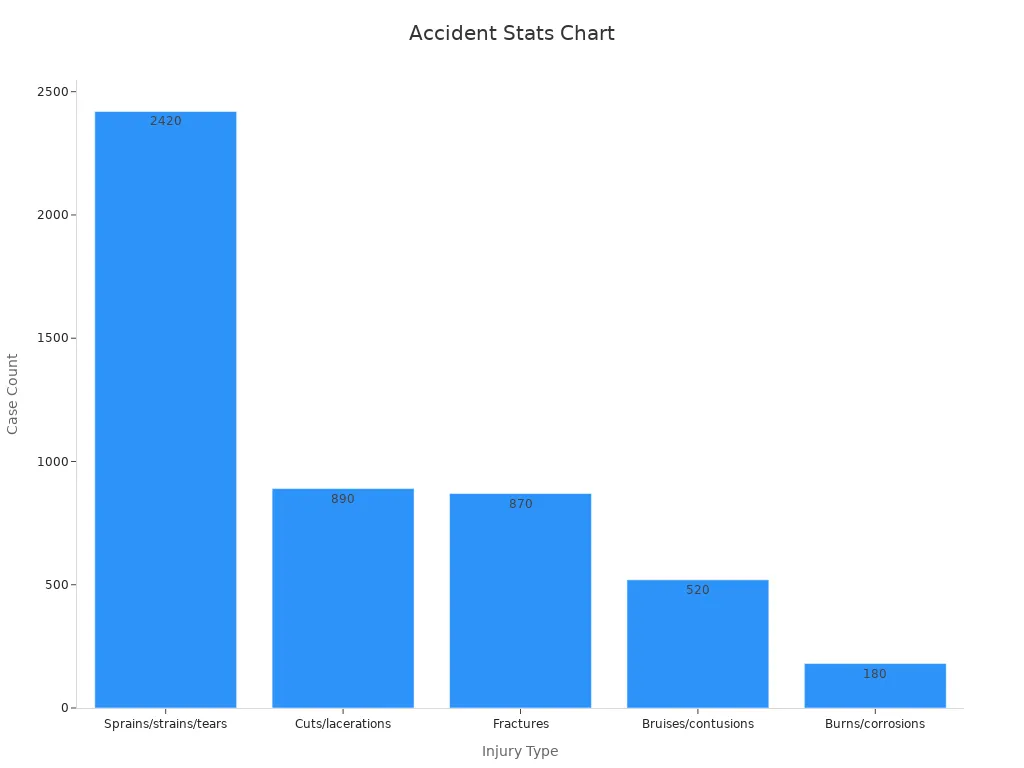
,強化了嚴格安全規範的必要性。諸如安全專業大師(MSP)與安全總監認證(CSD)等認證,顯示了對安全專業知識的正式認可。您應始終遵循法規要求,並隨時掌握最新的安全實務。 一氧化碳中毒, 注意:安全管理軟體可協助您追蹤加熱器系統的檢查清單、訓練與合規狀況。.
避免常見的加熱線圈選型錯誤.
當您選擇加熱線圈時,必須避免可能損害系統安全、效率與可靠性的常見錯誤。許多故障源於忽略相容性、環境因素或維護需求。透過了解這些陷阱,您可以做出明智的決策並保護您的投資。
系統相容性問題 電氣與物理不匹配, 您需要確保加熱線圈符合系統的電氣與物理要求。電氣不匹配(例如電壓或電流額定值錯誤)可能導致過熱、效能下降,甚至設備故障。物理不匹配(例如安裝不當或安裝方式不相容)可能導致機械應力與過早磨損。.
技術文件與故障案例研究指出了多項問題:
Incoloy 800 浸水式加熱元件中的應力腐蝕開裂
通常由含氯化物的水所引起。.
- 點蝕、護套管故障、疲勞與過熱,經常因冶金不相容性與熱應力而發生。
- 護套管與線材材料之間,或材料與環境條件之間的不相容性,可能導致腐蝕與機械故障。 案例研究顯示,超過材料降伏強度的熱應力(尤其是在 Incoloy 800HT 管材中)會導致故障。.
- 鋼製加熱元件中的酸露點凝結物可能引發腐蝕導致的故障。.
- 您應始終確認線圈的材料、電氣額定值與設計符合您的系統規格。模擬與建模工具(例如有限元素分析)可協助您預測並防止這些問題。.
- 環境疏忽.
- 腐蝕與濕氣風險.
您必須考慮加熱線圈將運作的環境。濕氣、化學物質與空氣中的污染物會加速腐蝕並降低效能。許多故障發生在選型過程中忽略了這些風險時。.
常見的環境疏忽包括:
使用無法承受氯化物、酸類或高濕度暴露的材料。
未考慮會侵蝕線圈表面的凝結水或化學蒸氣。.
- 在惡劣環境中忽略防護塗層或特殊合金的需求。
- 您可以透過選擇耐腐蝕材料並確保適當密封來防止這些問題。定期檢查有助於您在腐蝕造成重大故障之前及早發現初期跡象。.
- 提示:請務必將線圈的材料與結構,配合您應用場合的特定環境條件。.
- 提示:請務必將線圈的材料與結構,配合您應用場合的特定環境條件。.
You can prevent these problems by choosing corrosion-resistant materials and ensuring proper sealing. Regular inspection helps you catch early signs of corrosion before they cause major failures.
Tip: Always match your coil’s material and construction to the specific environmental conditions of your application.
維護之低估
檢修通道與可維護性
在選擇加熱盤管時,您絕不應低估維護的重要性。檢修通道不良或維護程序困難,可能導致設備遭到忽略,並增加故障風險。.
- 維護績效統計與服務報告顯示:
- 加熱設備在工業環境中 列為火災的第二大主因 。.
- 未實施預防性維護計畫的設施,其 設備故障率增加30%.
- 延遲維護直至故障發生,將導致更高成本與更大危害。.
- 主動式維護可預防超過三分之二的設備故障,同時提升安全性與效率。.
您需要將系統設計為便於檢修盤管與接線。安排定期 定期檢查 清潔以延長設備使用壽命。透過優先考量可維護性,您可減少停機時間並避免高昂的維修費用。.
注意:投資於預防性維護不僅保護您的系統,亦確保符合安全標準,並降低長期成本。.
何時應諮詢專家或製造商以取得加熱器解決方案
客製化與複雜應用
獨特系統需求
您可能會遇到標準加熱盤管無法滿足系統需求的情況。客製化與複雜應用通常需要您諮詢專家或製造商。這些專業人士可協助您克服技術挑戰,並確保您的加熱解決方案完全符合您的確切需求。.
- 客製化成型管狀加熱元件 可服務於特殊設備,如實驗室儀器、測試艙、醫療裝置及先導工廠。在這些情況下,您可受惠於近乎無限的成型能力與可配置功率。.
- 選擇正確的護套材料——不鏽鋼、因科鎳合金、鈦或銅——可確保耐用性與耐腐蝕性。當您面對嚴苛或獨特環境時,製造商的指導至關重要。.
- 功率密度必須符合您應用的強度。正確的選擇可防止過熱並最大化效率。.
- 您可能需要客製化形狀與安裝方式,如直管式、U型、髮夾式、浸入式、法蘭安裝、螺入式或夾緊式。與製造商合作可協助您解決空間、熱分布及安裝需求。.
- 先進的安全功能,包括防爆設計、過熱保護、定時控制及溫度感測器,在危險環境中至關重要。.
- 絕緣材料如氧化鎂,以及塗層如陶瓷、氟聚合物或聚醯亞胺,可平衡熱傳導、電氣絕緣與耐化學性。.
- 環境因素——高溫、腐蝕性介質或化學暴露——會影響元件設計。詳細的諮詢可確保性能與使用壽命。.
- 製造商支援 提供工程專業知識與客製化能力。您可滿足產業要求,並符合品質與安全標準。.
若您使用客製化矽橡膠加熱器,您在設計與性能上可獲得靈活性。這些加熱器可適應複雜形狀,並在嚴苛環境中提供可靠的熱能。.
技術支援與故障排除
協助與保固選項
您在操作過程中可能會遇到加熱盤管的技術問題。製造商的技術支援可協助您快速有效地解決這些問題。支援團隊會引導您完成故障排除步驟,並提供針對您系統量身打造的解決方案。.
- 骯髒的濾網與堵塞的盤管 常導致熱泵故障。您應定期清潔與更換濾網,以防止這些問題發生。.
- 正確的尺寸選定與安裝在加熱盤管的高效運作中扮演關鍵角色。製造商支援可確保您選擇並安裝正確的元件。.
- 某些問題,如冷媒洩漏或電氣故障,需要專業人員介入。製造商協助可幫助您安全地處理這些複雜問題。.
系統化的故障排除方法可改善您的成果。例如,在診斷步入式冷卻庫中的加熱盤管問題時,您應:
- 檢查蒸發器與冷凝器風扇是否正常運作。.
- 檢查蒸發器盤管是否結冰。.
- 確保盤管保持清潔且無雜物。.
此方法稱為 「ABC(先氣流後充填)原則」, ,在調整冷媒量之前,優先檢查氣流與盤管狀況。遵循此策略,您可節省時間並避免不必要的維修。.
製造商亦提供保固選項,以保障您的投資。您可獲得缺陷保障,以及安裝或操作問題的技術支援。受益於矽橡膠加熱元件的應用,因其特殊性,通常需要此等級的支援。.
提示:當您遇到持續性或複雜的加熱盤管問題時,請務必聯繫製造商的技術支援團隊。他們的專業知識可確保安全、高效且長期的運作。.
為您的系統選擇正確的加熱盤管,可確保最佳性能與長期可靠性。您必須考量溫度、功率、環境與相容性,以獲得最佳結果。案例研究突顯了審慎選擇的效益:
- 加拿大一座油藏透過優化加熱元件 將產量提升25%.
- 美國一座油田透過精確的溫度與功率控制,將能源使用量減少30%。.
請諮詢專家。 針對客製化或複雜需求。正確的選擇能保護您的投資,並確保安全、高效的運作。.
常見問題
選擇加熱線圈材料時,我應考慮哪些因素?
您應評估溫度範圍、耐腐蝕性,以及與您系統的相容性。. 不鏽鋼 在大多數環境下表現良好。對於嚴苛化學品或高濕度環境,請選擇特殊合金。務必使材料符合您應用的需求。.
如何計算我的加熱線圈所需的正確瓦數?
使用以下公式:
功率(W)= 質量 × 比熱 × 溫升 / 時間
您還必須考量熱損失與製程需求。精確的計算可確保高效且安全的運作。.
我可以在客製化形狀的系統中使用標準加熱線圈嗎?
標準線圈適用於許多應用。對於獨特形狀或狹小空間,您應要求客製化設計的線圈。製造商可以製造符合您系統幾何形狀與安裝需求的線圈。.
我應多久檢查或保養一次加熱線圈?
您應至少每年檢查一次加熱線圈。在嚴苛環境中,請增加檢查頻率。定期清潔與保養可延長線圈使用壽命,並防止意外故障。.
哪些跡象顯示我的加熱線圈需要更換?
常見跡象包括加熱效能降低、可見損壞、安全裝置頻繁跳脫,或異常噪音。若您發現任何這些情況,請立即更換線圈,以維護系統安全。.
可撓式加熱元件是否適用於高溫應用?
可撓式加熱元件(如矽膠或聚醯亞胺(Kapton))可處理廣泛的溫度範圍。安裝前,請務必查閱製造商規格,確認最高溫度額定值。.
為什麼電壓匹配對加熱線圈很重要?
電壓不匹配可能導致過熱、效率降低或線圈故障。您必須始終將線圈的電壓額定值與系統電源匹配,以確保安全可靠的運作。.
我何時應諮詢加熱線圈製造商或專家?
若您的應用涉及客製化形狀、嚴苛環境或複雜控制需求,請諮詢專家。製造商支援可確保您獲得正確的解決方案與技術指導。.