
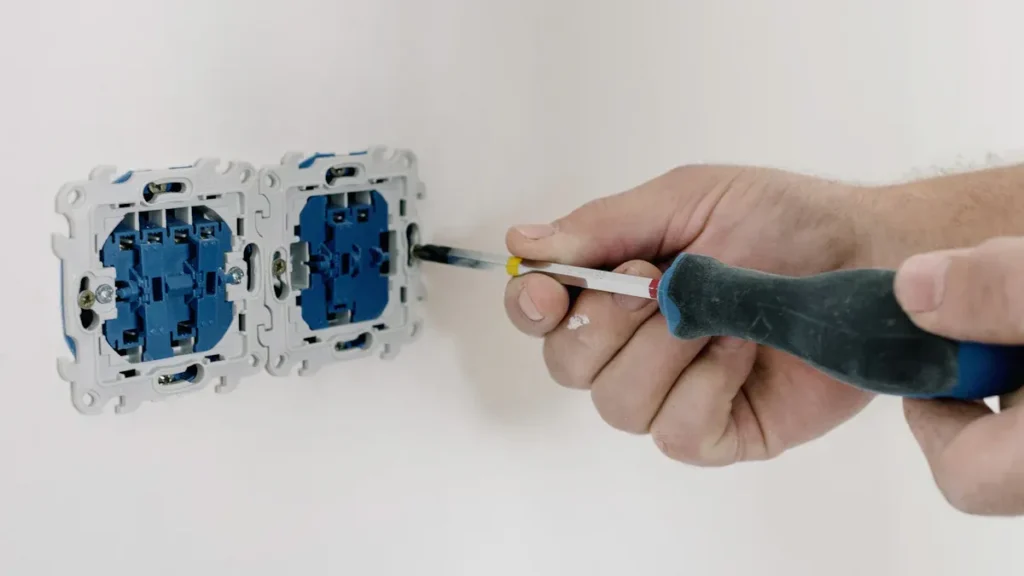
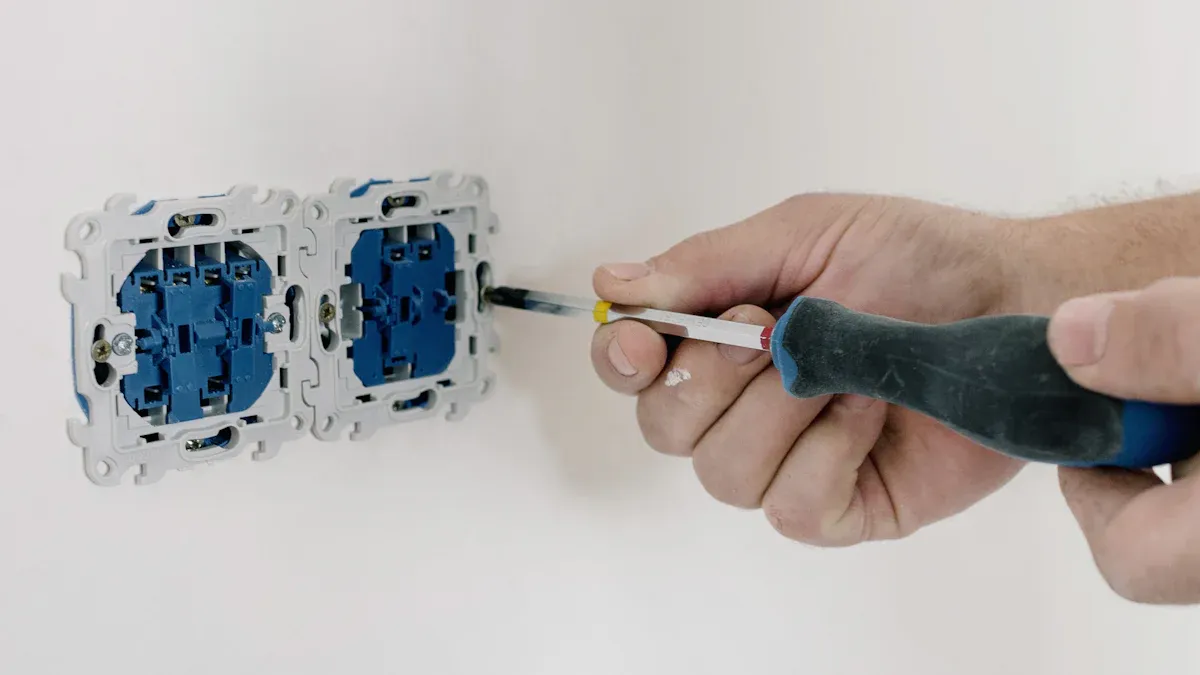
的最佳參考依據。您可以透過遵循明確步驟並優先考量安全,來更換 發熱元件 在處理暖氣設備時充滿信心,即使您從未維修過 加熱元件 或 加熱管 相關設備。逐步的正確指示有助於您在操作電熱元件時避免錯誤,尤其是在熱水器故障的情況下。下表顯示了清晰的指引如何使更換故障加熱元件變得安全、經濟且易於管理:
| 面向 | 預計時間 | 成本範圍 | 複雜程度 | 步驟數量 | 所需工具 |
|---|---|---|---|---|---|
| 電烤箱加熱元件 | 約 15 分鐘 | $20 – $50 | 初學者 | 10 | 尖嘴鉗、螺絲起子、螺母起子 |
如果您需要排空水箱或固定新的 加熱元件, 零件,您會發現此過程易於上手且富有成就感。.
電熱元件安全注意事項
當您維修爐具加熱元件時,您必須遵守 嚴格的安全注意事項. 。這些步驟可保護您免受觸電、燒傷和火災危險。許多事故的發生是因為人們忽略了基本安全規則。您可以透過仔細準備並尊重電力的力量來避免這些風險。.
在更換加熱元件前關閉電源
找到並關閉斷路器
您必須始終 請切斷電源 在觸碰爐具中的任何電熱元件之前,請務必關閉電源。找到電氣配電盤中對應的斷路器。將其關閉以切斷爐具的所有電源。此步驟不可省略。權威安全指南強調,在檢查、維修或更換爐具加熱元件之前,您必須在服務配電盤處關閉電源。此動作可防止電氣危險並保護您免受傷害。.
使用萬用電表確認電源已關閉
關閉斷路器後,請使用萬用電表確認沒有電流流向爐具加熱元件。將探針放置在電線連接的端子上。讀數應顯示零電壓。此雙重檢查可確保您達到真正的「零能量狀態」。切勿跳過此步驟,因為意外接觸帶電電路可能導致嚴重傷害或死亡。.
提示: 開始前請取下所有金屬首飾。金屬可以導電,並增加燒傷或觸電的風險。.
處理爐具加熱元件時使用防護裝備
佩戴手套與護目鏡
處理爐具加熱元件時,您應始終佩戴手套和護目鏡。專業手套,尤其是那些採用相變材料增強的手套,可以吸收並散發熱量。此防護可降低您觸碰高溫爐具零件時燒傷的風險。護目鏡可保護您的眼睛免受火花或碎屑的傷害。.
設置安全工作區域
開始前準備好您的工作空間。清除雜物,並使易燃材料遠離爐具。將工具放置在易於拿取的位置。確保該區域光線充足且通風良好。切勿在潮濕或濕潤的環境中維修爐具加熱元件。.
- 將爐具放置在穩定、水平的表面上。.
- 將電線遠離走道,以防止絆倒。.
- 請勿使用爐具烘乾衣物或解凍管道。.
電熱元件更換安全警告
了解觸電風險
爐具加熱元件中的電力攜帶足夠的能量,可能導致 危險的觸電電流. 。即使是低電壓也可能引發不自主的肌肉反應,導致更嚴重的接觸。絕緣有所幫助,但並不能消除所有風險。. 火災可能發生 如果您將爐具放置得離可燃材料太近或使用不當。請始終遵循製造商說明,切勿操作有缺陷的爐具。.
何時應聯絡專業人員
如果您對任何步驟感到不確定,, 請聯繫持照技術人員. 。某些爐具維修需要進階知識或特殊工具。專業安裝可確保爐具加熱元件安全且高效地運作。切勿拿自身安全或家庭安全冒險。.
逐步指南所需的工具與材料
在您開始 逐步指南, 之前,您需要收集正確的工具和材料。備妥一切將有助於您有效率且安全地更換爐具加熱元件。此準備工作也能降低過程中出錯或延誤的風險。.
更換電熱元件的基本工具
螺絲起子和扳手
您將需要一套螺絲起子和扳手,以拆卸和固定爐具上的面板、蓋子和安裝五金。請為您的特定爐具型號選擇正確的尺寸和類型。使用錯誤的工具可能會磨損螺絲或損壞零件,使工作更加困難。.
用於安全檢查的萬用電表
萬用電表對於在觸碰任何電線之前檢查電源是否關閉至關重要。您也可以使用它來測試爐具加熱元件的導通性。技術指南建議使用萬用電表進行 安全診斷與維修. 。在繼續操作之前,請始終確認您的爐具已斷電。.
爐具加熱元件的更換零件
識別正確的電熱元件
選擇正確的更換零件至關重要。您必須使電壓、電流、長度、直徑和材料類型與您的爐具要求相匹配。下表重點說明了在定位和更換電器中的電加熱元件時可能遇到的常見設計和可及性挑戰:
| 設計/可及性方面 | 說明/挑戰 |
|---|---|
| 元件尺寸與材料 | 電壓、電流、長度、直徑、材料類型和操作溫度會影響性能。. |
| 支撐與絕緣 | 絕緣體可防止下垂;其尺寸會影響設備大小。. |
| 熱行為 | 高溫可能導致下垂或變形,需要進行調整。. |
| 氣流管理 | 適當的氣流可防止過熱和故障。. |
| 多個元件相互作用 | 緊密排列時需要考慮組合加熱效應。. |
| 電引線設計 | 引線必須承受溫度、磨損,並確保安全端接。. |
| 引線處理與保護 | 必須防止機械和環境損壞。. |
| 材料脆性 | 某些合金在極端溫度下會變脆,影響安裝。. |
| 表面積負載 | 必須進行計算以避免過熱和過早失效。. |
在購買新的電加熱元件之前,請查閱爐具手冊或舊元件上的標籤以確認規格。.
墊圈、密封件和O型環
安裝新的爐具加熱元件時,您應檢查並更換任何墊圈、密封件或O型環。這些零件可防止洩漏並確保緊密配合。使用磨損或損壞的密封件可能導致空氣或水洩漏,降低爐具效率並引起進一步的問題。.
順利安裝的選用耗材
安裝區域的清潔材料
灰塵和碎屑可能會干擾新爐具加熱元件的安裝。使用乾淨的布、刷子或吸塵器清潔安裝區域。乾淨的表面可確保正確密封,並有助於防止日後問題。.
潤滑劑或防卡劑
在安裝螺絲或螺紋上塗抹少量潤滑劑或防卡劑,可使日後拆卸更容易。如果您的爐具在潮濕或腐蝕性環境中運行,此步驟尤其有幫助。.
提示: 開始前整理好您的工具和零件。仔細的準備工作有助於您不間斷地按照逐步指南進行操作。.
通過備齊這些工具和材料,您將為成功更換爐具加熱元件做好準備。仔細的選擇和準備可降低損壞、洩漏或危險後果的風險,如 眾多維修事故報告. 所示。在處理爐具時,請始終優先考慮安全和準確性。.
逐步指南:準備與拆卸
更換加熱元件的準備工作
清理和整理工作區域
您應始終在 更換加熱元件 爐具內進行操作之前,先準備好您的工作空間。乾淨、整潔的區域可降低事故風險,並幫助您追蹤小零件。清除工作區域內的雜物、工具和任何易燃材料。將爐具放置在穩定、水平的表面上。良好的照明使您能清楚地看到連接點和安裝位置。如果您需要拆卸烘乾機或其他設備,請確保有足夠的空間來擺放面板和五金件。.
提示: 使用小容器或磁性托盤來存放螺絲和緊固件。這可防止在重新組裝過程中遺失或混淆。.
備齊所有工具和零件
開始前備齊所有必要的工具和更換零件。您將需要螺絲刀、扳手和用於安全檢查的萬用表。準備好新的爐具加熱元件,以及任何墊圈、密封件或O型環。如果您計劃使用潤滑劑或防卡劑,請將其放在觸手可及的地方。提前整理好工具和零件可簡化流程並盡量減少中斷。如果您需要拆卸烘乾機,請查閱手冊以了解是否需要任何專用工具。.
拆卸電加熱元件
拆卸設備外蓋或面板
要拆卸爐具加熱元件,您必須從爐具上卸下後面板或其他外蓋。使用正確的螺絲刀或扳手,以避免損壞螺絲或剝離螺紋。將卸下的面板和緊固件放在一起,以便於重新組裝。有些爐具需要卸下多個面板,因此請有條不紊地操作並記下每個步驟。如果遇到阻力,請仔細檢查是否有隱藏的螺絲或卡扣。.
定位爐具加熱元件
打開爐具後,找到爐具加熱元件。如果不確定,請參考設備手冊或圖示。加熱元件通常位於鼓風機或空氣處理器附近,用安裝螺絲或支架固定。檢查該區域是否有損壞、腐蝕或燒焦的接線跡象。現在處理這些問題可以防止日後出現故障和更高的維修費用。. 使用不正確或通用的更換零件,或忽略燒焦的接線, ,可能導致火災隱患並使保固失效。如果您發現電線損壞或持續出現加熱問題,請諮詢專業人員以避免安全風險和不必要的開支。.
備註: 爐具加熱元件安裝不當可能導致 觸電、短路,甚至火災隱患. 正確的程序與安全措施能保護您免受這些風險,並確保爐具可靠運作。.
完成此步驟後 準備與進入階段, ,您即可繼續更換損壞的加熱元件。仔細的設置與對細節的重視能幫助您避免常見錯誤,並確保安裝過程順利進行。.
更換爐具加熱元件的步驟:拆卸流程
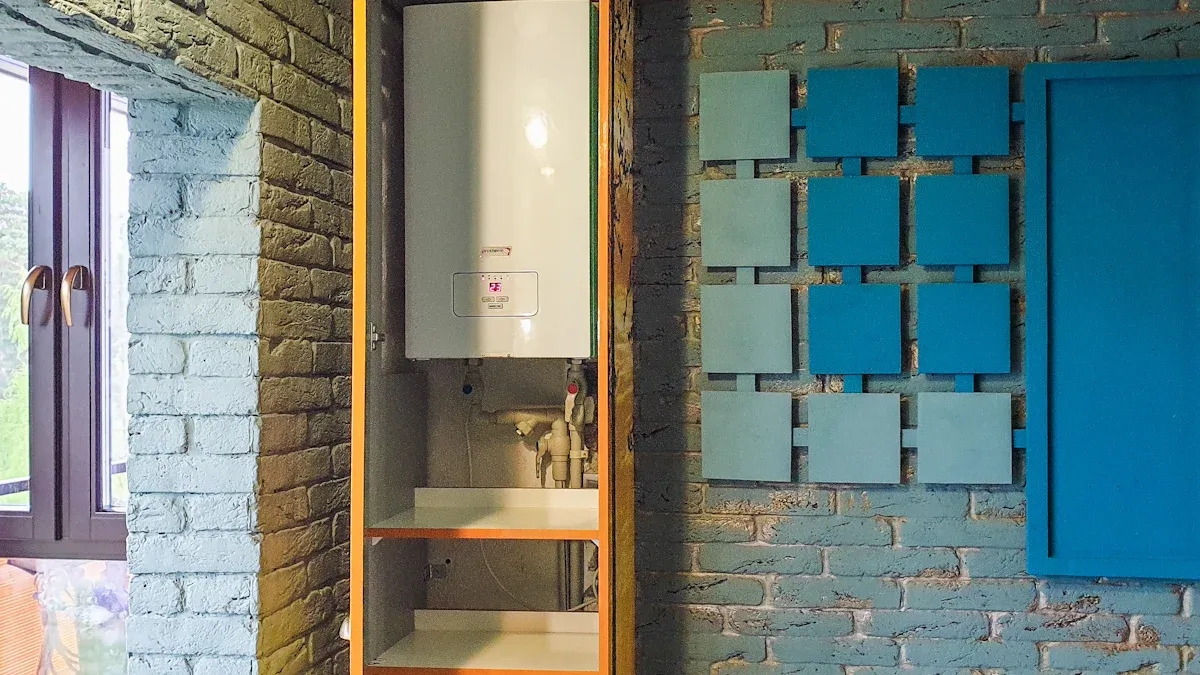
當您開始更換爐具加熱元件的步驟時,必須謹慎且有條不紊地操作。此過程涉及斷開電線並從爐具中取出加熱元件。每個步驟都能確保安全並防止設備受損。.
斷開電熱元件上的電線
在移除加熱元件之前,您必須先斷開連接至爐具加熱元件的電線。此步驟對安全及後續成功重新組裝至關重要。.
標記電線以便輕鬆重新組裝
在斷開爐具加熱元件的電線之前,您應為每條電線做好標記。使用遮蔽膠帶或預製的電線標籤。記錄每個接點的端子編號或顏色代碼。此做法有助您日後正確重新連接所有電線。若跳過此步驟,您可能會混淆電線,導致爐具故障。.
提示: 用手機拍攝清晰的接線照片。此視覺參考可在重新組裝時節省時間。.
再次確認電源已關閉
在斷開電線之前,您必須再次確認電源已關閉。使用萬用電表再次測試端子,確認沒有電壓存在。即使您已關閉斷路器,仍應始終以電表驗證。此習慣能保護您免受觸電,並防止意外損壞爐具。.
拆除舊加熱元件
斷開電線後,您即可 從爐具中取出加熱元件 。請小心處理每個零件,以避免損壞安裝五金或周圍組件。.
鬆開固定螺絲或螺母
找到固定爐具加熱元件的螺絲或螺母。使用正確的螺絲起子或扳手將其鬆開。緩慢轉動每個緊固件,並將其存放在安全的地方。某些爐具使用支架或夾具而非螺絲。若不確定安裝方式,請查閱您的說明手冊。.
- 逐一取下螺絲或螺母。.
- 將每個緊固件放入小容器中,以免遺失。.
- 若螺絲感覺卡住,請輕柔施壓,避免損壞螺絲頭。.
安全取出元件
鬆開所有緊固件後,輕輕將爐具加熱元件從其槽位中拉出。用雙手支撐元件,以防止其彎曲或斷裂。某些爐具加熱元件可能因腐蝕或碎屑而感覺卡住。可稍微搖動元件使其鬆脫,但切勿使用過大的力氣。.
備註: 若遇到阻力,請檢查是否有隱藏的螺絲或夾扣。強行取出可能損壞爐具或安裝區域。.
您現已完成從爐具中取出加熱元件的步驟。將舊零件放置一旁,以便妥善處理。在安裝新的爐具加熱元件之前,檢查安裝區域是否有損壞或殘留物的跡象。遵循這些步驟,您即可確保維修過程安全且高效。.
更換爐具加熱元件的步驟:安裝流程
安裝新的電熱元件
清潔安裝區域
在您 安裝新的加熱元件, 之前,您需要徹底清潔安裝區域。灰塵、碎屑或腐蝕可能阻礙緊密安裝,並降低爐具的效率。使用乾布或軟刷清除任何殘留物。若發現鏽蝕或頑固堆積物,請使用非研磨性墊片輕輕去除。乾淨的表面能確保爐具加熱元件正確就位,並使墊圈或密封件正常發揮作用。.
提示: 花點時間檢查安裝區域是否有裂縫或損壞。在繼續之前先處理任何問題,以避免日後故障。.
定位並固定新的加熱元件
小心地將新的爐具加熱元件對準安裝槽位。穩住元件並將其滑入定位,確保其不會彎曲或卡住周圍零件。元件正確就位後,使用先前拆下的螺絲、螺母或夾具將其固定。均勻地鎖緊每個緊固件,以避免元件變形或損壞爐具。切勿鎖得過緊,否則可能損壞螺紋或使安裝點破裂。.
- 再次確認爐具加熱元件與安裝表面齊平貼合。.
- 確認所有緊固件均已旋緊且牢固。.
正確安裝的元件將有助於爐具安全且高效地運作。.
重新連接加熱元件的電線
將電線連接至正確的端子
現在您需要將電線重新連接至爐具加熱元件。參考您先前所做的標籤或拍攝的照片。將每條電線連接至其正確的端子。此步驟對安全運作至關重要。接線錯誤可能導致爐具故障或造成安全隱患。.
備註: 若您對接線不確定,請查閱爐具說明手冊或尋求專業建議。.
確保電氣連接牢固
重新連接電線後,檢查每個接點是否緊固。鬆動的電線可能導致電弧、過熱或間歇性運作。使用螺絲起子或鉗子確保每個端子牢牢固定電線。輕輕拉動每條電線,確認其不會鬆脫。牢固的電氣連接有助於爐具加熱元件提供穩定的性能。.
- 檢查電線是否有磨損或損壞的跡象。.
- 在恢復供電之前,更換任何磨損或脆化的電線。.
更換後重新組裝設備
裝回外蓋或面板
爐具加熱元件安裝並接線完成後,您即可重新組裝爐具。裝回先前拆下的所有外蓋或面板。小心對齊每個面板,並使用原來的螺絲或緊固件將其固定。正確的重新組裝可保護內部組件,並有助於維持安全運作。.
提示: 切勿遺留任何面板未裝回,即使是暫時性的。裸露的電線或組件可能造成觸電或火災風險。.
清理工作區域
清理您的工作區域以完成安裝流程。收拾您的工具,並依照當地法規處理舊的爐具加熱元件。清除區域內任何碎屑、包裝或未使用的零件。整潔的工作區域可降低事故風險,並幫助您在恢復爐具供電前發現任何問題。.
- 將工具存放在安全的地方,以備日後維護使用。.
- 再次確認沒有任何物品阻擋爐具的通風口或進氣口。.
遵循這些步驟,您即可確保爐具加熱元件的安裝安全且有效。在每個階段仔細注意細節,有助於您的爐具可靠運作,並延長新加熱元件的使用壽命。.
更換加熱元件後的測試與故障排除
恢復電熱元件的電源
重新開啟斷路器
安裝新的爐子電熱元件後,您需要恢復系統的電源和供水。前往您的配電盤,將爐子的斷路器重新開啟。此步驟重新為加熱器供電,並為測試做好準備。請務必站在配電盤側面,並用單手切換斷路器。此方法可在發生問題時降低您的風險。.
觀察是否有立即性問題
恢復電源後,請密切觀察爐子是否有任何立即性的問題。聆聽是否有異常聲響,並查看是否有火花或煙霧。檢查加熱器周圍區域是否有漏液或燒焦氣味的跡象。若您發現任何上述問題,請立即關閉電源並檢查您的施工。迅速採取行動可防止進一步的 爐子電熱元件問題.
測試新的爐子電熱元件
使用設備控制來檢查加熱功能
使用爐子的控制裝置啟動加熱循環。將恆溫器設定為高於目前室溫的溫度。加熱器應在數分鐘內開始運作。若您想測試熱水器,請依照相同流程調高溫度設定。啟動後不久,您應能感受到暖空氣或熱水。.
檢查是否正常運作
觀察爐子運作情形。確保加熱器產生穩定的熱能,且鼓風機運轉平順。檢查是否有爐子電熱元件需要更換的跡象,例如氣流微弱、冷點,或爐子無法正常加熱。檢查該區域是否有漏液或異常噪音。若一切運作符合預期,則表示您已成功完成安裝。.
提示: 使用三用電表 若您想了解如何測試電熱元件,請測量端子處的電壓和電流,以確認元件功能正常。.
常見問題排除
更換後仍無熱能
若爐子無法產生熱能,請先檢查接線連接。確保每條電線都連接到正確的端子。檢查斷路器並確認其保持在開啟(ON)位置。有時,爐子電熱元件問題是因斷路器跳脫或電線鬆脫所致。若您無法找出問題,請查閱爐子手冊或聯絡專業人員。.
異常噪音、異味或漏水
異常噪音、燒焦味或可見漏液皆為故障徵兆。聆聽加熱器是否有嘎嘎聲或嗡嗡聲。聞聞看是否有燒焦氣味,這可能表示有電氣問題。檢查爐子或加熱器周圍是否有漏液跡象。水或空氣洩漏會降低效率並造成損壞。請迅速處理這些問題,以避免進一步的爐子電熱元件問題。.
若您發現持續漏液或無法解決問題,請聯絡持證技術人員尋求協助。.
更換電熱元件時應避免的常見錯誤
當您維修爐子時,應避免可能導致昂貴維修或安全危害的常見錯誤。在過程中注意細節,以 更換故障的電熱元件 有助於您達成成功的結果,並確保居家安全。.
忽略電熱元件的安全步驟
忘記關閉電源
在觸碰爐子的任何部件之前,您必須先關閉電源。許多意外是因為人們忘記這個關鍵步驟而發生。若您讓電源保持開啟,將有觸電甚至引發火災的風險。請務必檢查斷路器,並使用萬用電表確認電源已關閉。這個簡單的習慣能保護您和您的設備。.
未使用防護裝備
維修爐子時,您絕不可省略防護裝備。手套和護目鏡可保護您免受燒傷、火花和碎屑的傷害。有些人認為可以跳過此步驟,但即使是小小的失誤也可能造成傷害。每次處理電熱元件時,請將安全列為首要考量。.
提示: 將您的安全裝備放在爐子工具附近的專屬位置。這個習慣讓您每次都能輕鬆記得並使用。.
爐子電熱元件安裝不正確
混淆電線或接線
在從爐子上斷開電線之前,您需要先標記電線。混淆接線可能導致爐子故障或無法加熱。拍照或使用標籤來追蹤每條電線。此步驟可確保您正確地重新連接所有線路,並避免在重新組裝時產生混淆。.
元件未正確就位
您必須將新的電熱元件正確安裝在爐子中。若您倉促進行此步驟,元件可能無法良好接觸,導致效能不佳或損壞。在鎖緊緊固件之前,請務必檢查元件是否平整且牢固。鬆動或歪斜的元件可能導致爐子過熱或短路。.
使用錯誤的電熱元件更換零件
元件類型不符
您需要使更換的電熱元件符合爐子的規格。使用錯誤的類型可能導致爐子運作效率低落,甚至完全無法運作。安裝新元件前,請務必檢查電壓、瓦數和尺寸。您的爐子手冊提供正確的資訊。.
忽略製造商規格
為爐子選購零件時,您絕不可忽略製造商的規範。這些規格確保電熱元件能正確安裝並安全運作。若您使用通用或不相容的零件,可能損壞爐子並使保固失效。請務必遵循指示,並使用經認可的組件。.
請記住,細心注意細節並嚴格遵守安全步驟,能幫助您避免這些常見錯誤。您的爐子將更有效率地運作,同時降低受傷或昂貴維修的風險。.
您可以自信地更換爐子中的電熱元件。請務必遵循 安全步驟 並再次檢查您的施工。使用符合爐子規格的正確零件,以確保可靠運作。若您感到不確定,請聯絡專業人員尋求協助。憑藉耐心和細心,您能修復爐子並維持居家舒適。.
請記住:當您以謹慎和精確的態度進行維修時,爐子才能發揮最佳效能。.
常見問題
如何判斷加熱元件是否需要更換?
您可能會注意到爐子無法正常加熱或頻繁啟動。若熱水器故障,您可能會遇到水溫偏溫或完全沒有熱水的情況。使用萬用電表測試元件,可確認其是否已故障。.
您可以在沒有專業協助的情況下更換電熱元件嗎?
您可以自行更換電熱元件,只要遵循安全步驟並使用正確的工具。開始前請務必關閉電源並確認電源已關閉。若在任何時候感到不確定,請聯絡持證技術人員。.
在拆除舊電熱元件之前,您應該做什麼?
您應在斷路器處關閉電源,並使用萬用電表確認無殘餘電壓。備齊所有必要工具和零件。準備好工作區域,並將所有緊固件整理好,以便重新組裝。.
安裝新元件後,如何測試您的熱水器?
將恆溫器設定為較高溫度並啟動系統。檢查熱能輸出是否穩定。使用萬用電表測量端子處的電壓和電流。運作期間注意是否有任何異常噪音或漏液。.
更換電熱元件前,是否需要排空水箱?
對於 翅片式加熱盤管增加了熱傳遞的表面積。您通常在空氣加熱系統、風管加熱器和空間加熱器中使用這些盤管。翅片通常由鋁或不鏽鋼製成,附著在盤管表面。這種設計通過允許更快速地將熱量散發到周圍空氣中來提高效率。翅片式盤管在暖通空調系統和需要快速加熱大量空氣的工業加熱盤管應用中表現出色。, 是的,您必須排空水箱,以防止拆除元件時水溢出。將水管連接到排水閥,並在開始更換前將水箱排入合適的排水口或水桶中。.
更換期間應使用哪些安全裝備?
請佩戴絕緣手套和安全眼鏡,以保護自己免受觸電和碎屑傷害。確保工作區域乾燥且光線充足。在附近放置滅火器作為額外預防措施。.
若更換元件後爐子仍無法加熱,該怎麼辦?
檢查所有接線連接,並確認斷路器已開啟。確保您安裝了正確的更換零件。若問題持續存在,請查閱您的電器手冊,或聯絡專業人員進行進一步診斷。.
提示: 維修期間請務必將電器手冊置於手邊,以便隨時參考。.

