

When the oven element goes out, you may notice that your favorite recipes do not turn out as expected. Temperatures inside the oven become unpredictable, which leads to uneven or incomplete cooking. If the oven element goes out, you risk food safety and quality. Take action quickly to maintain consistent results and avoid disappointment at mealtime.
How an Oven Element Goes Out Affects Your Cooking
When the oven element goes out, you face a range of cooking problems that can ruin your meals and disrupt your kitchen routine. Understanding these effects helps you recognize issues early and take the right steps to restore your oven’s performance.
Uneven Cooking and Baking
Food Cooks Inconsistently
A faulty heating element is one of the most common reasons for uneven cooking in electric ovens. When the element works properly, it glows evenly with a bright orange or red color. If you notice dark spots or sections that do not glow, the element has likely failed. This failure disrupts the even distribution of heat, causing some parts of your food to cook faster than others.
Tip: Always check the appearance of your heating element before starting a big baking project. Even a small section that does not glow can lead to disappointing results.
Hot and Cold Spots in the Oven
A broken or damaged heating element leads to hot and cold spots inside the oven cavity. You might find that one side of a tray browns quickly while the other side stays pale. This uneven heat distribution makes it difficult to achieve consistent results, especially with baked goods that require precise temperatures.
- Hot spots can burn the edges of cakes or cookies.
- Cold spots leave the center undercooked or soggy.
- Rotating trays may help, but it does not solve the underlying problem.
Properly functioning elements distribute heat evenly, preventing these frustrating issues. Replacing a damaged element restores balanced heat and improves your cooking performance.
Incomplete or Failed Dishes
Undercooked or Half-Cooked Food
When the heating element fails, your oven cannot maintain the steady temperature needed for thorough cooking. You may pull out a casserole that looks done on top but remains raw underneath. This problem poses a risk to food safety, especially with dishes containing eggs, poultry, or meat.
Extended Cooking Times
A failing heating element forces you to wait longer for your food to finish. You might notice that recipes take much longer than usual, or that the oven timer goes off before your dish is ready. This delay happens because the oven struggles to reach and hold the set temperature.
Note: If you notice that your oven not heating up as quickly as before, check the heating element for visible signs of damage, such as blisters or cracks.
烤箱加热异常
Oven Not Reaching Set Temperature
A damaged heating element prevents your oven from reaching the temperature you select. You may set the dial to 350°F, but the oven only heats to 250°F. This temperature gap leads to undercooked food and unreliable results. You can use an oven thermometer to confirm if the internal temperature matches the setting.
Preheating Takes Too Long
If your oven takes much longer to preheat than it used to, the heating element may be to blame. The oven relies on the element to generate enough heat quickly. When the element wears out, preheating becomes a slow process, delaying your entire meal.
Quick Check: If preheating takes more than 20 minutes, inspect the heating element for visible damage or uneven glowing.
A well-maintained heating element ensures your oven heats up efficiently and cooks food evenly. Over time, repeated heating and cooling cycles can wear out the element, making replacement necessary to restore proper function.
Signs Your Oven Element Goes Out
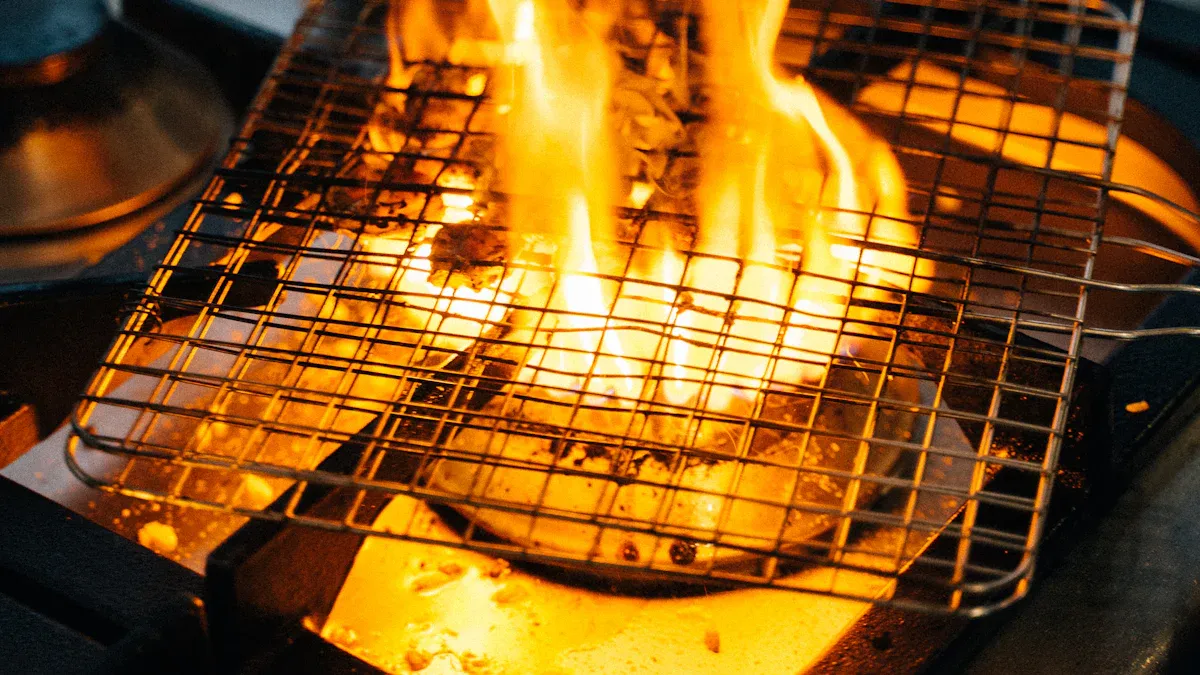
When your oven element goes out, you can spot several warning signs before your cooking suffers. Recognizing these early indicators helps you act quickly and avoid bigger problems in your kitchen.
Visual Signs of Oven Element Burning
Element Not Glowing or Only Partially Glowing
A healthy heating element should 在大约10分钟的加热时间内发出明亮的橙光。如果无法发光或仅部分发光,则很可能存在故障。 of reaching the set temperature. If you notice that the element does not glow at all or only certain sections light up, you likely have a faulty oven element. Appliance repair professionals recommend 目视检查 as the first step. Uneven glowing means the element cannot distribute heat properly, which leads to poor cooking results.
Burn Marks, Blisters, or Cracks
You may see burn marks, blisters, or cracks on the heating element during a quick check. These signs often appear as dark spots, raised blisters, or even separated areas along the element. Such damage signals that the oven element burning has occurred and the part is no longer safe or effective. Users often notice these issues during regular cleaning or when performance drops. Continuing to use an element with 可见损伤 increases safety risks and can cause further appliance problems.
Visible Damage or Breaks
Physical breaks or gaps in the heating element are clear signs of failure. If you see any part of the element that looks broken, separated, or melted, you should stop using the oven immediately. Professionals rely on these visual cues before moving on to electrical tests. Regular inspection for cracks or breaks on both the upper and lower elements helps you catch problems early.
Tip: Always inspect your oven for signs of oven element burning if you notice any change in cooking performance.
Cooking Symptoms
食物受热不均
Nấu không đều is one of the most common symptoms when the oven element goes out. You might find that one side of your dish cooks faster, or you notice cold spots in the oven. This happens because a damaged heating element cannot maintain consistent temperatures. If you see that your food browns unevenly or remains raw in certain areas, check the element for visible issues.
Dishes Taking Longer Than Usual
Longer cooking times often point to a faulty heating element. When the element cannot reach or hold the set temperature, your recipes take much longer to finish. You may notice that preheating takes more time or that the oven timer goes off before your food is ready. These delays suggest the element is not working efficiently.
Oven Displaying Error Codes
Some modern ovens display error codes when they detect heating element problems. For example, certain models show codes like “E12” to indicate a boiler heating failure. While not every oven has this feature, error codes can help you identify the source of the problem quickly. Always refer to your oven’s manual for specific code meanings and troubleshooting steps.
Tiếng ồn hoặc mùi lạ
Buzzing, Popping, or Crackling Sounds
异常噪音 often signal trouble with the heating element. While some clicking is normal as the oven heats or cools, louder clicking, buzzing, popping, or crackling sounds can mean the element is nearing the end of its life. These sounds may also point to electrical wiring or component malfunctions. If you hear these noises, stop using the oven and inspect the element for damage.
Burning Odor
A strong burning odor, especially one that smells like burning plastic or wire, is a serious warning sign. This smell often accompanies oven element burning or electrical issues. You may also notice smoke or strange odors 在运行过程中。这些症状需要立即关注,因为它们可能表明绝缘故障甚至存在火灾风险。.
注意:如果闻到焦糊味或听到异常噪音,请关闭烤箱并拔掉电源插头。若不确定原因,请联系专业人员。.
保持对这些迹象的警觉,可在故障加热元件影响烹饪或引发安全隐患前及时发现。定期检查与及时处理有助于维护厨房设备的可靠性与安全性。.
加热元件损坏后的紧急处理步骤
当烤箱加热元件发生故障时,需迅速采取安全措施。正确的操作可避免触电危险并防止设备进一步损坏。.
安全注意事项
关闭烤箱电源
安全是第一要务。一旦怀疑加热元件有问题,应立即关闭烤箱。此步骤可切断电流,降低烫伤或触电风险。.
断开电源连接
在检查或接触设备任何部件前,必须切断烤箱电源。请按家电安全机构推荐的步骤操作:
- 从墙壁插座拔下烤箱插头,或关闭 专供烤箱使用的断路器。.
- 通过确认显示屏和照明灯已熄灭,再次检查烤箱是否完全断电。.
- 操作前需等待烤箱及加热元件完全冷却。.
- 佩戴干燥的耐热手套和护目镜,防止烫伤和触电危险。.
- 清除工作区域内所有纸张、塑料或毛巾等易燃物以防火。.
- 切勿用湿手接触电气部件。.
- 在断路器或烤箱上放置警示标签,防止作业期间意外恢复供电。.
⚠️ Mẹo: 若发现灯光闪烁、嗡嗡异响或燃气气味,请立即停止操作并联系专业人员。.
情况评估
目视检查加热元件
确认烤箱处于安全状态后,进行目视检查。观察烘烤管和烧烤管是否存在裂纹、烧痕、鼓包或变色。检查可见断裂或熔化区域。查看连接点和接线端子是否有腐蚀、电线松动或烧焦痕迹。若出现以上任何迹象,很可能需要更换加热元件。.
排查明显隐患
检查烤箱内部及周边区域是否存在隐患。移除工作区内所有可燃物(如烤箱手套、食品包装)。检查电线是否破损。若发现裸露线材或电气烧灼痕迹,请停止操作并联系认证家电维修技师。.
🔍 Ghi chú: 若具备相关经验,可使用万用表测试元件通断性。. 正常读数范围应在10-40欧姆之间. Không có tính liên tục có nghĩa là thành phần đã bị hỏng.
后续决策
临时烹饪替代方案
若烤箱无法使用,可考虑安全的备餐替代方案。在维修或更换加热元件前,可使用微波炉、烤面包机、慢炖锅或灶具进行烹饪。这些设备可帮助维持日常烹饪需求,同时避免设备进一步损坏。.
需停止使用烤箱的情况
若发现可见损坏、焦糊味或异常噪音,请立即停止使用烤箱。继续使用故障烤箱可能导致电气危险或火灾。若对任何步骤存在疑虑,应停止操作并咨询专业人员。您与家庭的安全至关重要。.
Remember: 每年至少进行一次例行检查与专业维护 有助于预防未来故障并保障厨房安全。.
应自行更换烤箱加热元件还是联系专业人员?
选择自行更换还是聘请专业人员,需综合考虑安全、成本、保修及设备使用年限等因素。.
自行更换与专业维修对比
适合自行操作的情况
若具备基础技能和合适工具,可处理简单维修。当问题明确(如加热元件存在可见裂纹或断裂)时,许多业主可成功更换加热元件。您应当:
- 检查加热元件是否明显损坏.
- 使用烤箱温度计检测温度准确性.
- 短暂拔插电源以重置烤箱.
- 清洁烤箱及加热元件去除污垢.
若上述步骤未解决问题,可尝试对简单故障进行自行更换。自行维修可节省成本并提供灵活性,但必须始终断电并遵守安全规范。.
Khi nào nên gọi cho chuyên gia
若出现以下情况应联系专业人员:
- 故障排除后仍持续加热不均.
- 异常噪音、烟雾或焦糊味.
- 电火花、错误代码或电气问题迹象.
- 涉及线路或传感器的复杂维修.
专业人员具备经验、资质和专用工具. 能确保安全精准的维修,保障居家安全。若缺乏经验或不确定操作,技术人员可避免代价高昂的失误。.
⚠️ Mẹo: 始终将安全置于首位。若闻到燃气味、发现电弧现象或基础检查后问题仍存在,请立即联系专业人员。.
| Diện mạo | 自行更换烤箱加热元件 | 专业技术人员更换 |
|---|---|---|
| Lợi ích | 自行更换优势:节省成本、时间灵活、学习机会 | 专业维修优势:精准诊断、保修保障、安全可靠 |
| 风险 | 自行更换风险:触电、丧失保修、可能造成二次损坏 | 专业维修特点:前期成本较高,但更安全可靠 |
| 适用任务 | 自行更换适用:简单元件更换、灯泡、门封条 | 专业维修适用:电气布线、燃气连接、复杂维修 |
| Chi phí | 自行更换成本:零件费10-75美元,耗时2-6小时 | 专业维修成本:150-450美元(含人工及零件) |
成本与保修考量
替换元件价格
烤箱加热元件替换件价格通常在 15至100美元之间, 具体取决于您的烤箱品牌和型号。若聘请专业人员维修,零件和人工总费用通常在 150至450美元. 范围内。相比高端型号,普通电烤箱的维修成本往往更低。.
人工成本与保修范围
DIY维修看似更经济,但擅自操作可能导致制造商保修失效 。专业维修通常能维持保修权益,并可享受额外的零件与人工质保。. 制造商保修一般涵盖产品缺陷,但不包括意外损坏或不当安装. 。若烤箱仍在保修期内,选择专业服务更为稳妥。.
设备使用年限与维修决策
考量烤箱使用寿命
烤箱平均使用寿命约为13至15年. 。随着使用年限增加,加热元件及其他部件更易发生故障。若烤箱使用超过10年且维修费用超过新机价格的50%,更换新设备可能是更明智的投资。较新型号的烤箱通常维修性价比更高。.
核查制造商召回信息
更换烤箱加热元件前,请查询制造商是否发布过召回通知。召回计划可能涵盖加热元件更换或维修费用。定期维护与检查有助于及早发现问题,延长烤箱使用寿命。.
注意:决定维修或更换前,请务必查阅烤箱保修条款并综合考虑设备使用年限。.
如何安全更换烤箱加热元件

更换故障加热元件可恢复烤箱性能并确保烹饪安全。只要准备合适的工具、细致规划并注重细节,即可完成此项维修。. 遵循以下步骤 以保障人身与设备安全。.
所需工具和材料
螺丝刀、手套与替换元件
开始前请备齐所有必要工具和材料。. 制造商指南 建议如下:
- 拔掉烤箱电源插头或切断供电。.
- 佩戴护目镜和绝缘手套以防触电和烫伤。.
- 使用螺丝刀拆卸保护面板和固定螺丝。.
- 准备钳子和剪线钳用于断开和固定电线。.
- 购买与烤箱型号匹配的替换加热元件。.
- 准备万用表用于测试电路连接。.
- 清理工作区域,确保无杂物且远离易燃材料。.
提示:请始终遵循烤箱说明书的具体指示和安全预防措施。.
烤箱加热元件更换分步指南
断开电源
首先拔掉烤箱电源或关闭断路器。通过检查显示屏和照明确认烤箱已断电。此步骤可防止触电,确保维修期间安全。.
拆卸旧元件
取出烤箱烤架以接触加热元件。. 卸下保护盖板 :旋开螺丝取下保护盖。佩戴护目镜和手套。拧下固定加热元件的安装螺丝。轻轻向前拉出元件并断开电线,注意防止电线滑入烤箱内壁后方。.
安装新元件
从包装中取出新加热元件。按原位置将电线接至新元件。将元件推入定位,对齐安装支架后用螺丝固定。仔细检查所有连接是否紧固,元件安装是否到位。.
重新通电与测试
恢复供电 :插入电源插头或打开断路器。将烤箱设为高温模式。新加热元件应在 数分钟内发出亮橙色或红色光芒 。若出现此现象,表明安装成功。装回所有保护盖板并将烤架放回原位。.
更换后测试
预热与监测
启动烤箱并设定预热程序。观察加热元件升温过程,应呈现均匀发光且无闪烁或暗斑。使用烤箱温度计确认实际温度达到设定值。.
功能检查
检查加热元件是否存在裂纹或变色等可见损伤。. 若怀疑存在问题,可使用万用表检测通路 。正确安装的加热元件应显示低电阻值并按预期发热。若烤箱无法加热,请检查线路连接并查阅说明书中的故障排除建议。.
注意:安装后发现任何异常,请立即关闭烤箱并复核每个步骤。确认运行安全前切勿使用烤箱。.
预防加热元件烧损与未来故障
保持烤箱最佳状态有助于避免元件烧损,延长设备寿命。遵循简单的维护与安全规范即可预防多数加热元件故障。.
定期清洁与维护
及时清理溢出物
食物残渣和油脂积聚在加热元件上可能导致过热或短路。清洁前务必确保烤箱 完全冷却 并切断电源。尽快用湿布擦拭溢出物。清洁烤架及其下方区域,防止碎屑阻碍空气流通或引发火灾隐患。.
提示:按建议使用烤箱 自清洁功能 ,并结合人工清洁以达到最佳效果。.
避免使用强效化学品
强效化学品可能损坏加热元件及其他内部部件。选择温和的非研磨性清洁剂。避免直接向元件喷洒清洁液,应将清洁剂涂抹于布料后轻柔擦拭表面。此方法可保护元件,确保烤箱烹饪安全。.
安全烹饪规范
避免烤箱超载
过度负载会给加热元件带来额外压力。同时放置过多器皿会阻碍热循环,迫使元件超负荷工作并增加故障风险。摆放炊具时应确保每件物品周围空气流通顺畅。这种做法可保证受热均匀,减轻元件负荷。.
使用正确的炊具
仅使用尺寸合适且适用于烤箱的耐热炊具。过大或不合适的烤盘可能接触加热元件,导致加热不均甚至损坏。务必确保炊具未堵塞通风口或与加热元件接触。.
定期检查与专业维护
检查早期磨损迹象
定期检查有助于在问题恶化前及时发现。检查加热元件是否出现变色、起泡或裂纹。检查烤箱门密封条是否磨损,必要时进行更换。检查烤箱后方和底部区域,清除可能影响气流的杂物。.
制定定期维护计划
根据使用频率,设定每三至六个月 清洁和检查烤箱的计划, 。对于商用烤箱,, 每月检查一次 最为理想。每年应聘请持证技术人员进行专业维护。技术人员将检查加热元件、线路及控制系统,并测试烤箱温度准确性。保留 维护记录 有助于跟踪问题并预防突发故障。.
注意:遵循 预防性维护计划 并备有备用零件可减少停机时间,避免加热元件突发故障。.
将这些实践纳入日常操作,可保护烤箱免受损坏,并确保其长期可靠运行。.
何时应为烤箱元件问题寻求专业帮助
复杂电路或控制板故障
线路或控制板故障迹象
您可能会发现烤箱出现异常行为,例如无法加热、显示错误代码或意外关闭。这些症状通常指向更深层的电路或控制板问题。. 继电器故障、电容器老化或焊点虚接 可能中断加热元件的电力供应。您可能会观察到温度波动或烤箱无法按预期关闭。这些问题可能使加热元件过载或损坏,导致反复故障。若出现这些迹象,应联系专业人员。技术人员拥有专业工具和知识,可安全诊断并修复复杂电路故障。.
断路器跳闸或漏电保护器启动
断路器 或漏电保护器频繁跳闸表明存在严重电路问题。这可能由 线路松动或损坏, 、系统过载或元件故障引起。若每次使用烤箱都导致跳闸,, 请立即停止使用. 。在此状态下继续运行烤箱会增加火灾或触电风险。合格技术人员可检查线路、电源线和接线端子,以识别并解决问题。.
烤箱元件反复烧毁或故障
设备潜在问题
若烤箱元件反复烧毁,可能不仅是正常磨损所致。常见原因包括:
- 使用 不正确或不兼容的替换加热元件
- 替换元件存在批次缺陷
- 安装不当,如元件弯曲或错位
- 元件未正确安置在支架上
- 潜在电路问题,包括线路或控制板故障
- 缺乏定期维护, ,如清洁元件和校准温控器
元件反复故障并不常见,通常指向安装或零件质量问题。若基础故障排除无法解决问题,应寻求专业检测。.
制造商召回或产品缺陷
有时反复故障由制造商缺陷或召回引起。务必检查您的烤箱或其部件是否属于召回范围。若是,请联系制造商或持证技术人员寻求指导。使用召回或缺陷部件可能危及安全与性能。.
安全隐患与紧急问题
塑料烧焦气味
MỘT 烤箱散发出的塑料烧焦味 是严重警告信号。该气味通常表明线路裸露、电路短路或连接松动。应立即停止使用烤箱并联系专家。延迟维修可能导致火灾或触电风险。.
火花、烟雾或电弧现象
若观察到火花、烟雾或电弧迹象,则面临严重危险。这些症状表明线路故障或元件损坏。在此状态下继续使用烤箱可能导致灾难性后果。及时的专业干预可消除安全隐患,保护您的家庭安全。.
⚠️ Ghi chú: 切勿忽视异常气味、频繁跳闸或可见电路问题。专业评估能确保烤箱安全可靠运行。.
烤箱元件故障可能影响烹饪并产生安全隐患。应注意加热不均、可见裂纹或元件不发热等迹象。迅速采取行动以防止问题恶化。简单维修可自行处理,但若发现电路问题或反复故障,应联系专业人员。定期维护——例如 清洁设备、检查元件和使用合适炊具——有助于延长烤箱寿命并保障厨房安全。.
关键要点:
- 定期检查烤箱是否损坏或加热不均。.
- 及时清理溢溅物和油污以防过热。.
- 使用烤箱温度计监测温度准确性。.
- 安排专业维护以及早发现隐藏问题。.
Câu hỏi thường gặp
如何判断烤箱元件是否损坏?
若元件不发热、出现可见裂纹或烧焦痕迹,即可判断其损坏。加热不均和预热时间延长也是故障信号。使用烤箱前应始终检查元件状态。.
加热元件损坏后能否继续使用烤箱?
不应使用元件损坏的烤箱。否则可能导致加热不均并产生安全隐患。再次使用前请关闭烤箱,并安排维修或更换。.
烤箱加热元件通常使用寿命是多久?
大多数烤箱加热元件使用寿命为5至10年。实际寿命取决于使用频率、维护状况及零件质量。定期清洁和检查有助于延长元件寿命。.
自行更换烤箱加热元件是否安全?
若遵循所有安全步骤,可安全更换烤箱元件。操作前务必断开电源。若不确定或发现电路损坏,请联系专业技术人员。.
烤箱加热元件烧毁的原因是什么?
常见原因包括频繁使用、食物溢出、电源浪涌以及清洁不当。使用不合适的炊具或烤箱超载也可能对加热元件造成压力。定期维护有助于预防早期故障。.
更换烤箱加热元件需要多少费用?
更换元件通常花费15至100美元。若聘请专业人员,预计需支付150至450美元(含零件和人工费)。在购买或安排维修前,请检查您的保修条款。.
为什么您的烤箱预热时间比以前更长?
加热元件磨损或损坏常导致预热缓慢。温控器或控制板也可能存在问题。检查加热元件是否有可见损坏,并使用烤箱温度计检测温度准确性。.