
2025年家庭供暖趋势反映出向能源效率、智能控制和环保解决方案的转变。用户如今对供暖系统抱有更高期待,不仅追求舒适性,也注重可持续性与现代设计。最新取暖器趋势凸显了行业的几大变革:
- 高效节能系统与可持续材料 正引领市场发展。.
- 脱碳与电气化进程推动着电动热泵的普及。.
- 智能暖通空调平台实现了精准的分房间供暖控制。.
- 散热器设计创新 将供暖设备转变为家居装饰的焦点。.
- 领先技术 加热元件制造商, 例如 Hệ thống sưởi điện Jinzhong, 不断进步 bộ phận làm nóng thiết bị gia dụng 以实现更优性能。.
| Diện mạo | Tóm tắt bằng chứng |
|---|---|
| 集中供暖能耗 | 约占城市家庭能源使用的70%,固定时间表常导致能源浪费 |
| 区域供暖优势 | 可降低60%的能耗与15%的成本 |
| 设计创新 | 现代散热器现采用大胆配色与垂直造型 |
这些 home heating trends promise improved comfort, lower energy bills, and a reduced carbon footprint.
智能供暖系统与人工智能优化暖通空调系统
人工智能驱动的家庭供暖控制
自适应温度管理
人工智能优化暖通空调系统 通过引入自适应温度管理彻底改变了家庭供暖趋势。这些系统运用 深度强化学习与模型预测控制技术 分析实时数据,包括电价、天气条件和居住者偏好。该技术动态调整供暖计划,在保持最佳舒适度的同时降低能耗与成本。智能暖通空调系统利用占用传感器与环境数据,仅对必要空间供暖,最大限度减少浪费。业主可获得显著的节能效益,智能温控器与系统集成 每年可降低10-15%的供暖成本. 。现代热泵搭配智能控制后,最高可减少50%的供暖费用。.
提示:自适应温度管理确保持续舒适性并最大化能效,尤其在天气波动期间效果显著。.
学习用户偏好
人工智能优化暖通空调系统持续学习用户习惯与偏好。通过分析日常作息、占用模式和历史数据,系统可定制供暖计划。随着时间推移,技术不断优化运行逻辑,改进预测精度并提升性能。智能供暖系统运用地理围栏技术预判用户到达与离开时间,相应调整温度。与智能家居技术的集成使其能动态响应天气预报、能源价格和传感器数据。分区供暖与智能风口通过精准调节有人区域进一步提升能效,可能降低30%的能耗。这些家庭供暖趋势的进步有助于减少公用事业开支并提升舒适度。.
暖通空调趋势中的预测性维护
自动化诊断
预测性维护 已成为现代暖通空调趋势的基石。人工智能驱动系统执行自动化诊断,在潜在故障升级前进行识别。该技术监测设备性能,检测风扇不平衡或电机性能不足等问题。早期发现支持主动维护,, 将意外停机时间减少高达50%. 。自动化诊断优化系统效率,降低10-20%的能源过度消耗。通过减少磨损延长设备寿命,推迟昂贵的更换需求。.
| 预测性维护优势 | Sự miêu tả |
|---|---|
| 早期故障检测 | 在故障发生前识别问题 |
| 减少停机时间 | 在非高峰时段安排维护 |
| 延长设备寿命 | 最大限度减少磨损 |
| 效率提升 | 检测并纠正低效问题 |
| 降低维修成本 | 避免紧急维修和二次损坏 |
维护警报
智能暖通空调系统提供实时维护警报,确保及时干预。这些警报会通知业主必要的滤网更换、固件更新或潜在系统故障。计划性维护变得更可预测,优化资源配置并降低紧急维修成本。维护警报通过预防意外故障,有助于维持室内空气质量和舒适度。行业报告显示预测性维护 可延长设备寿命5至10年 并提升能源效率,从而大幅节约运营成本。.
家庭供暖的语音与应用集成
智能家居兼容性
与智能家居技术的集成提升了家庭供暖趋势的便利性。智能暖通空调系统可与亚马逊Alexa、谷歌Home和苹果HomeKit等平台同步。业主通过语音命令或智能手机应用控制供暖设置,创造无缝体验。这些系统与其他智能设备(包括照明与安防摄像头)交互,增强整体家居自动化与能源效率。传感器检测占用情况和环境条件,实现节能的动态调节。.
注:智能家居兼容性简化日常操作,并支持能源管理目标。.
远程访问与智能调度
远程访问功能 让用户能通过直观的智能手机应用随时随调节供暖。自动化程序可根据时间或占用情况安排温度变化,减少能源浪费。实时监控与即时通知提供系统状态更新和维护警报,预防昂贵维修。地理围栏功能根据用户距离激活或关闭供暖,在确保舒适的同时减少不必要的能源消耗。数据分析提供能耗模式洞察,支持优化供暖策略与降低成本的明智决策。.
- 远程访问与智能调度的主要优势:
- 即时响应系统需求
- 增强业主灵活性
- 经记录验证 可实现10-12%的供暖节能
由人工智能优化暖通空调系统驱动的智能供暖系统,代表了家庭供暖趋势的重大进步。这些系统提供自适应舒适性、预测性维护和无与伦比的便利性,为住宅供暖的效率和可持续性树立了新标准。.
能源效率与环保型取暖器趋势
家庭供暖中的先进热泵技术
空气源热泵
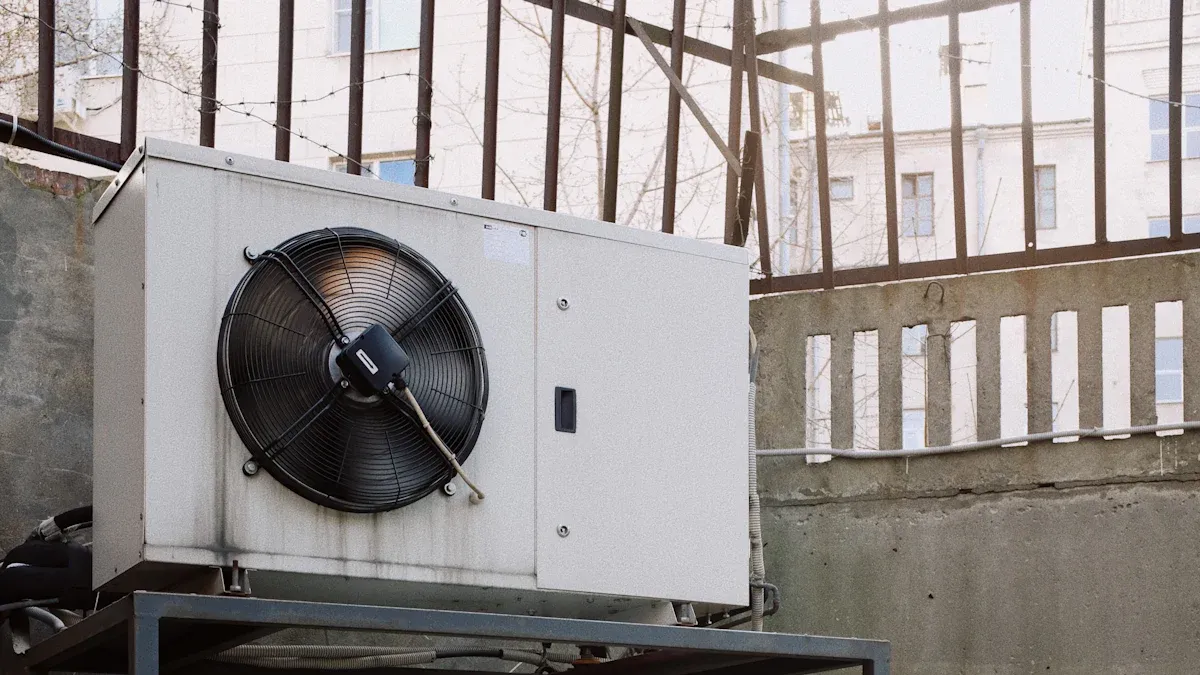
空气源热泵已成为住宅供暖领域节能解决方案的首选。这些系统能从室外空气中提取热量并传递至室内,即使在寒冷气候下也能稳定运行。现代空气源热泵具有高效运行特性,可降低能耗与运行成本。科学研究表明,相较于传统燃气锅炉,此类系统能够 减少高达75%的能耗 。业主可享受碳排放降低的益处,热泵可减少 40%-60%的碳排放(具体数值取决于地理位置与气候条件). 。采用空气源热泵符合脱碳政策导向,并助力实现净零排放目标。.
| Diện mạo | 先进热泵系统 | 传统供暖系统 |
|---|---|---|
| Hiệu quả năng lượng | 能效为天然气锅炉的3-5倍 | 天然气锅炉基准能效 |
| 碳排放减少量 | 降低40%-60%排放 | 化石燃料燃烧导致更高排放 |
| 运行机制 | 热量转移,无燃烧过程 | 燃烧化石燃料 |
| Chi phí | 初始成本较高,运行成本较低 | 前期成本较低,燃料成本较高 |
| Tác động môi trường | 降低化石燃料价格波动影响,减少二氧化碳排放 | 排放量高,存在价格波动风险 |
提示:空气源热泵提供可靠性能与显著节能效果,是环保型家庭供暖的优选方案。.
地源热泵系统
地源热泵, (亦称地热热泵)利用地球稳定的地下温度提供持续稳定的供暖与制冷。这些系统通过地下管道循环流体,冬季吸收热量、夏季释放热量。地热及混合热泵以最低电力消耗实现全年舒适环境,其可靠性与高效性在极端温度地区尤为突出。地热供暖系统可降低能源费用与环境影响,为基于化石燃料的系统提供可持续替代方案。虽然初始安装成本较高,但长期节省与政府激励措施使地源热泵成为实用投资选择。.
- 地源热泵关键优势:
- 全年稳定运行性能
- 能耗较低
- 减少碳足迹
- 与可再生能源兼容性
氢能锅炉与绿色气体
低碳排放供暖
氢能锅炉与绿色气体代表了环保供暖领域的重大进步。这些系统使用氢气或生物甲烷替代天然气,减少排放并支持向清洁能源转型。市场研究表明该领域增长迅速,全球氢能锅炉市场规模在2024年已达 18.2亿美元 ,预计至2033年复合年增长率将达17.3%。在政府政策与监管激励推动下,欧洲处于领先地位。氢能锅炉提供低碳排放供暖,减少住宅系统环境影响,支持脱碳进程。.
| Diện mạo | Chi tiết |
|---|---|
| 市场规模(2024年) | 18.2亿美元 |
| 复合年增长率(2024-2033年) | 17.3% |
| 欧洲市场份额(2024年) | 53%(9.7亿美元) |
| 市场驱动因素 | 政策支持、激励措施、技术进步、消费者认知提升 |
| 区域领先市场 | 英国、德国、荷兰、美国、加拿大、日本、韩国 |
| 细分市场 | 独户住宅、多户住宅 |
| Thách thức | 基础设施、初始成本、技术障碍 |
从燃气向环保选项转型
从传统燃气锅炉向氢能与绿色气体系统转型需要基础设施升级与消费者教育。新装系统与旧系统替换推动市场增长。政府激励与监管支持促使业主采用环保供暖技术。技术进步持续提升系统效率与可靠性。向氢能锅炉与绿色气体的转型支持可持续发展目标,降低对化石燃料的依赖。.
- 成功转型步骤:
- 评估现有供暖系统
- 调研可用激励政策
- 咨询暖通空调专业人员
- 规划安装与维护方案
暖通空调趋势中的低GWP制冷剂
Tác động môi trường
低GWP制冷剂 改变了暖通空调系统的环境影响。科学研究强调R744(二氧化碳)、R290和R1234yf等制冷剂在降低一次能源消耗与二氧化碳排放方面的能力。这些环保制冷剂性能优于传统高GWP选项,可减少直接与间接排放。生命周期气候性能分析表明,低GWP制冷剂能提升能效并降低运行成本。例如R744热泵在较高温升条件下能实现卓越效率与更清洁运行。采用环保制冷剂符合全球环境政策,支持向绿色暖通空调系统转型。.
注:选择低GWP制冷剂有助于业主减少碳足迹并适应不断发展的法规要求。.
法规符合性
环保制冷剂的监管要求持续塑造暖通空调行业。美国. 环保署《创新与制造法案》要求到2036年将氢氟碳化物分阶段削减85%, ,特定领域GWP限值将于2025年1月1日生效。住宅制冷必须使用GWP低于150的制冷剂,空调系统则需低于700。欧盟实施类似法规,2025年起禁止在独立设备中使用GWP≥150的制冷剂,2026年全面禁用所有氟化气体。制造商、承包商与消费者必须通过更新认证、设备改造及了解激励政策来适应变化。与ASHRAE和UL协调制定的安全标准针对新型制冷剂特性提出要求。.
| Vùng đất | 监管框架与核心要求 | 生效日期 | 对制冷剂及行业的影响 |
|---|---|---|---|
| 欧盟 | 氟化气体法规禁止在独立设备中使用GWP≥150制冷剂;2026年起禁用所有氟化气体 2025年1月1日(GWP≥150禁令),2026年1月1日(所有氟化气体禁令). | Jan 1, 2025 (GWP ≥ 150 ban), Jan 1, 2026 (all F-gases ban) | Accelerates shift to natural refrigerants like CO₂ and ammonia; drives innovation and market growth. |
| United States | EPA AIM Act mandates 85% phasedown of HFCs by 2036; sector-based GWP limits; labeling, reporting, safety standards. | Jan 1, 2025 (sector GWP limits) | Pushes manufacturers and contractors toward low-GWP refrigerants; requires training, certification, and system retrofits. |
| Asia-Pacific | Emerging regulatory focus with growing adoption driven by urbanization and awareness. | Không có | Market growth expected; trend toward eco-friendly refrigerants noted. |
Energy-Efficient and Eco-Friendly Technologies for Residential Heating
- Biomass heating uses organic materials like wood pellets, offering eco-friendly performance when sourced sustainably.
- Hydronic radiant heating circulates warm water through pipes, minimizing heat loss and working well with renewable energy sources.
- Solar heating harnesses solar energy via panels to heat air or water, reducing fossil fuel reliance.
- Geothermal heating extracts heat from underground using minimal electricity, providing reliable year-round comfort.
- Passive solar design collects and stores solar heat naturally, lowering the need for additional heating.
- Wind energy heating uses small turbines to generate electricity for heating, complementing other renewable sources.
Solar-powered air conditioning and solar heating systems continue to gain popularity, especially in regions with abundant sunlight. These technologies reduce energy bills and environmental impact, supporting the transition to renewable energy sources. Homeowners who invest in energy-efficient heat pumps, geothermal & hybrid heat pumps, and eco-friendly refrigerants contribute to a cleaner future and benefit from long-term savings.
Callout: Energy-efficient solutions and renewable technologies offer reliable performance, lower costs, and improved sustainability for modern home heating.
Underfloor Heating for Energy Efficiency
热量分布均匀
Underfloor heating systems deliver warmth evenly across every room. Unlike traditional radiators, which create hot and cold spots, underfloor heating ensures a consistent temperature from wall to wall. This homogeneous heat distribution reduces temperature fluctuations and eliminates drafts. Homeowners experience greater comfort, especially during colder months, because the system maintains a steady environment. The design of underfloor heating allows it to operate at lower temperatures while still achieving the same level of comfort as higher-temperature radiator systems. This approach not only improves comfort but also enhances the overall efficiency of the heating system.
| Hệ mét | Underfloor Heating (UFH) Performance | Traditional Radiators Performance | Ghi chú |
|---|---|---|---|
| System Energy Efficiency Indicator (SEEI) | 25% higher at 5ºC, 40% higher at -5ºC | Đường cơ sở | UFH shows significantly better system efficiency under typical and extreme cold conditions |
| Running Costs | Reduced by 25% at 5ºC, 32% at -5ºC | Đường cơ sở | UFH lowers daily heating costs (e.g., £2.31 at 5ºC vs higher for radiators) |
| Coefficient of Performance (CoP) | 3.7 at 5ºC | 2.5 at 5ºC | Heat pumps paired with UFH operate more efficiently, increasing CoP by 1.2 points |
Tip: Underfloor heating works especially well with air source heat pumps and other energy-efficient solutions, making it a smart choice for both new builds and retrofits.
Tiết kiệm năng lượng
Underfloor heating systems help homeowners save energy and reduce operational costs. Building performance data shows that these systems can lower running costs by up to 32% in cold weather compared to traditional radiators. The higher system energy efficiency indicator (SEEI) means that underfloor heating uses less energy to achieve the same or better results. When paired with heat pumps, the coefficient of performance (CoP) increases, allowing the system to deliver more heat per unit of energy consumed. This synergy between underfloor heating and modern heat pumps supports eco-friendly living and long-term savings.
Homeowners benefit from lower utility bills and a reduced carbon footprint. The compatibility of underfloor heating with sustainable technologies, such as air source heat pumps, further enhances its appeal. The system’s ability to maintain comfort at lower temperatures leads to less energy waste and supports the adoption of energy-efficient solutions in modern homes.
Electrification and Decarbonization of Home Heating
Reducing Fossil Fuel Dependence
Electrification of home heating marks a major step toward reducing reliance on fossil fuels. By switching from gas or oil systems to electric heat pumps and hybrid water heaters, households can cut greenhouse gas emissions significantly. In 2021, buildings accounted for 30% of U.S. greenhouse gas emissions. Electrification, especially when powered by renewable energy sources, lowers emissions and improves indoor air quality. This shift also reduces environmental hazards and benefits low-income families by lowering utility bills.
Hybrid heat pump water heaters stand out as a leading energy-efficient solution. These systems use up to four times less energy than traditional water heaters, which translates to a substantial reduction in fossil fuel use and emissions. Federal tax credits and utility rebates make these technologies more accessible, encouraging widespread adoption. As more homes electrify their heating, the demand for fossil fuels decreases, supporting a cleaner and healthier environment.
Supporting Sustainability Goals
Decarbonization of residential heating aligns with global sustainability goals. Advanced hydronic heating technologies, when combined with air-to-water heat pumps, can reduce operational carbon emissions by up to 67.5% for a single-family home compared to natural gas boilers. This reduction equals approximately 2,658 kilograms of CO2 per year. If the electricity comes from renewable sources, the environmental benefits increase even further.
These systems also improve heat transfer efficiency by over 46%, making them suitable for both new and existing homes. The integration of energy-efficient solutions with renewable energy supports compliance with stricter building codes and prepares homes for future policies focused on sustainability. Electrification and decarbonization not only help homeowners achieve lower energy costs but also contribute to a more eco-friendly and resilient energy grid.
Callout: Electrification and decarbonization of home heating empower homeowners to support sustainability, reduce emissions, and enjoy the benefits of modern, energy-efficient solutions.
Design and Comfort Innovations in Home Heating
Designer Radiators and Vintage-Inspired Heater Trends
时尚紧凑的设计适配现代户外环境
Designer radiators have transformed the perception of heating in modern homes. These radiators combine efficient heating with customizable designs, turning functional elements into visual highlights. Homeowners can select from a wide range of shapes, such as vertical, horizontal, or column styles, and choose bespoke colors or finishes like black, white, or stainless steel. Quality materials, including aluminum, steel, and cast iron, enhance both durability and heat retention. Accessories such as radiator valves and pipe sleeves further elevate the look, allowing radiators to blend seamlessly with any interior design theme, from modern minimalism to classic elegance.
Tip: Designer radiators now offer programmable thermostats, WiFi-enabled controls, and open window detection, optimizing energy use and reducing costs.
Recent heating innovation also includes electric fireplaces with 100% efficiency and customizable aesthetics. These solutions fit contemporary interiors while supporting eco-friendly goals. Vintage-inspired heaters have made a comeback, blending nostalgic design with modern technology. Compact space heaters, such as those designed by Naoto Fukasawa, combine minimalist and retro appeal with advanced ceramic and far-infrared heating. Homeowners can enjoy both style and comfort, as these innovations enhance thermal comfort and support health and productivity.
Space-Saving Designs
Space-saving heater designs address the needs of modern living spaces. Compact heaters, like the Ceramic Fan Heater D030, feature timer settings and multiple heat levels, maximizing efficiency in small areas. The Vornado Whole Room VHeater provides multi-directional heating with a vintage look, while far-infrared electric heaters with steam functions prevent dryness and maintain comfort. These systems require minimal installation effort and low maintenance, increasing homeowner satisfaction. The variety of styles and finishes ensures that heating systems can fit diverse interior themes without sacrificing performance.
Zonal Heating and Personalized Comfort
Room-by-Room Control
Zonal heating systems, also known as smart hvac zoning, allow homeowners to control temperatures in individual rooms. Each zone features its own thermostat, which communicates with a central control panel. The system opens or closes dampers to direct airflow only where needed. This approach eliminates conflicts over thermostat settings and increases comfort for everyone in the home. Zoned systems operate quietly, as only active zones run at any given time, contributing to a peaceful environment.
Customizable Heating Zones
Smart hvac zoning enables targeted heating and cooling, preventing energy waste by conditioning only occupied rooms. Homeowners can set different temperatures for each zone, optimizing comfort and reducing utility bills. Smart thermostats and motorized dampers provide precise control and scheduling, while remote adjustments and monitoring add convenience. These systems also improve indoor air quality by optimizing airflow and filtration in each zone, which benefits those with allergies or respiratory concerns. Professional installation and regular maintenance ensure long-term efficiency and comfort.
Note: Smart hvac zoning supports energy management and sustainability by reducing unnecessary heating and improving system performance.
Compact and Ductless Systems in HVAC Trends
Cài đặt linh hoạt
Compact and ductless hvac systems offer unmatched installation flexibility. These systems require only a small wall opening to connect indoor and outdoor units, making them ideal for homes without existing ductwork. Homeowners can install them in sunrooms, basements, additions, or even outdoor spaces. Multiple indoor unit styles, such as wall-mounted, ceiling cassette, or floor-mounted options, allow customization to fit both space and aesthetic needs. Ductless systems avoid the complexity and cost of traditional ductwork, streamlining the installation process.
静音运行
Ductless hvac systems achieve quiet operation by placing noisy components, like compressors and condensers, outside the building. Indoor units remain discreet and can be mounted in less obtrusive locations. The smooth, continuous operation of these systems minimizes noise spikes, creating a calm indoor environment. Homeowners benefit from both comfort and peace, as these systems support a tranquil living space while delivering efficient heating.
Callout: Compact and ductless hvac systems represent a key innovation in hvac trends, offering flexible, quiet, and efficient heating solutions for modern homes.
Advanced Air Purification in Home Heating
HEPA Filters and UV-C Light
Modern home heating systems increasingly feature advanced air purification technologies that deliver significant health benefits. HEPA filters, recognized for their efficiency, capture up to 99.97% of airborne particles, including allergens, dust, and pathogens. These filters remove particulates as small as 0.15 microns, making them highly effective against common household contaminants. Activated carbon filters complement HEPA technology by eliminating gases, odors, and volatile organic compounds (VOCs), further improving air freshness.
UV-C light purification represents another breakthrough in home heating trends. High-output UV-C lamps, integrated into HVAC systems, sterilize airborne pathogens such as viruses and bacteria. This technology disrupts the DNA of microorganisms, reducing the risk of mold growth and microbial contamination. UVV oxidation technology also breaks down chemical pollutants and persistent odors, ensuring a cleaner and healthier environment. Systems like iWave-R and HALO-LED operate automatically, providing continuous purification throughout the home.
Tip: Regular filter replacement and system maintenance help sustain optimal performance and support enhanced indoor air quality.
Bipolar Ionization for Indoor Air Quality
Bipolar ionization technology has emerged as a powerful tool for improving indoor air quality in residential heating systems. This process releases charged ions into the air, which attach to airborne particles, allergens, and microbes. The ions cause these contaminants to cluster together, making them easier for filters to capture. Bipolar ionization actively reduces allergens, pollutants, and VOCs, creating a safer living space for individuals with respiratory concerns.
Integrated air purification systems offer several advantages:
- Capture a broad spectrum of airborne contaminants, including particulates, microbes, gases, odors, and VOCs.
- Enable whole-home purification that operates automatically and efficiently.
- Reduce respiratory issues, allergy symptoms, and microbial contamination.
- Enhance HVAC system efficiency and longevity by lowering particulate load.
Continuous operation of these advanced purifiers maintains consistently healthy air throughout the home. According to the EPA, indoor air can contain two to five times more pollutants than outdoor air, highlighting the importance of robust purification technologies. Advanced systems not only filter but also actively break down pathogens and chemical pollutants, resulting in enhanced indoor air quality that benefits allergy sufferers and those with health concerns.
Callout: Advanced air purification technologies integrated with home heating systems deliver enhanced indoor air quality, reduce health risks, and create a more comfortable living environment.
Financial Incentives and Cost Savings for Home Heating Upgrades
Rebates and Tax Credits for Eco-Friendly Systems
Federal Programs
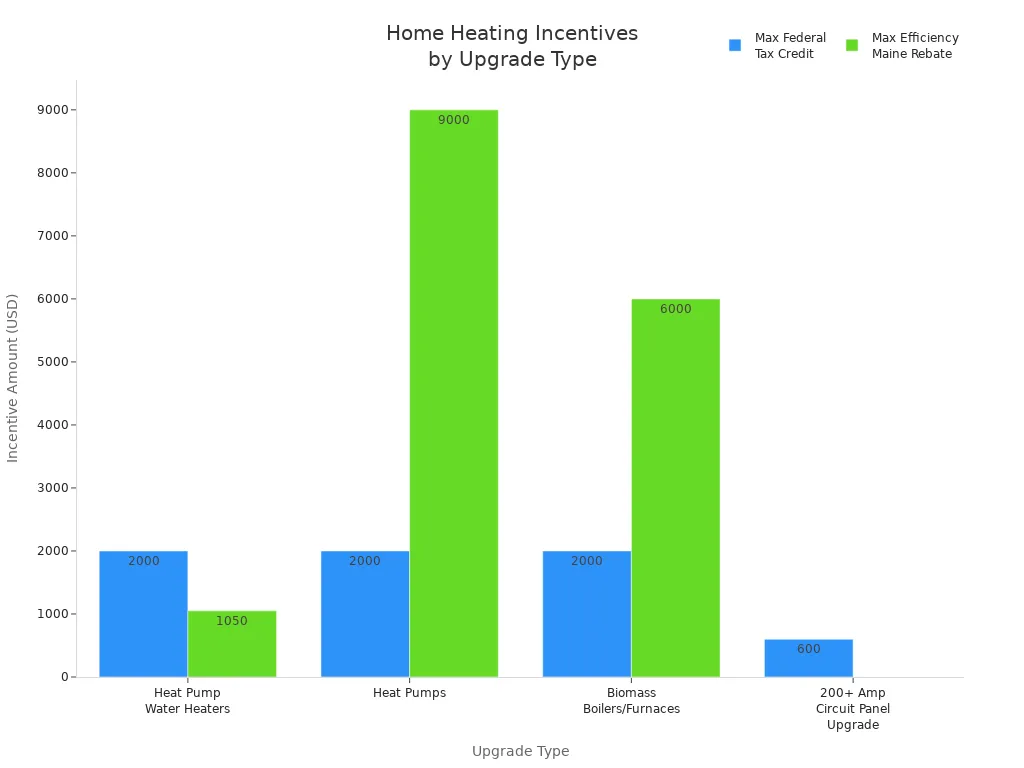
Homeowners upgrading to eco-friendly heating systems in 2025 can access a range of federal tax credits. The Inflation Reduction Act offers up to $2,000 for installing heat pump hvac systems and heat pump water heaters. An additional $1,200 is available for other energy efficiency improvements, such as insulation and windows. These credits apply to expenses incurred and products placed in service by December 31, 2025. The Energy Efficient Home Improvement Tax Credit (25C) allows homeowners to claim up to $3,200 per year, covering 30% of the cost for eligible improvements. These incentives encourage the adoption of advanced hvac and solar technologies, making upgrades more affordable.
| 激励类型 | Sự miêu tả | Amount / Benefit | Eligibility / Notes |
|---|---|---|---|
| Federal Tax Credits (Inflation Reduction Act) | Tax credits for energy efficient home improvements including heat pump hvac systems and water heaters | Up to $2,000 for heat pump hvac and water heaters; up to $1,200 for other energy efficiency improvements | Available through end of 2025; must meet eligibility requirements and have product placed in service by Dec 31, 2025 |
| Energy Efficient Home Improvement Tax Credit (25C) | Federal tax credit for qualifying home improvements including heat pumps and building envelope components | Up to $3,200 per year total: $2,000 for heat pump hvac and water heaters; $1,200 for other improvements | Applies through 2032; includes insulation, windows, doors, hvac systems, energy audits |
Tip: Homeowners should complete projects before the deadline and work with qualified contractors to maximize these benefits.
State and Local Incentives
Many states and local utilities offer additional rebates for energy-efficient heating upgrades. Programs like TECH Clean California and the HEERA Program provide rebates for heat pump hvac systems, with amounts varying by household income and utility enrollment. California utility companies, such as SMUD and PG&E, offer rebates for heat pump installations, smart thermostats, and solar-powered air conditioning. These incentives can reach up to $8,000 for qualifying households, making advanced hvac and solar systems more accessible.
Demand-Response Programs in HVAC Trends
Utility Partnerships
Utility companies partner with homeowners to promote demand-response programs. These programs reward participants for reducing energy use during peak demand periods. Smart hvac systems play a key role by automatically adjusting temperature settings, pre-cooling or pre-heating spaces, and shifting loads to off-peak hours. Utilities often provide incentives or bill credits for participation, helping homeowners save money while supporting grid stability.
- Key benefits of utility partnerships:
- Lower energy bills through reduced peak demand charges
- Financial incentives for participation
- Enhanced grid reliability and fewer blackouts
智能能源管理
配备物联网传感器和先进控制系统的智能暖通空调系统,能够实现自动化需求响应。这些系统实时调整运行参数,在最大限度节约能源的同时将用户不适感降至最低。在近期一次热浪期间,纽约市多户住宅的自动化需求响应实现了 300千瓦的负荷削减, ,从而避免了电网故障。智能能源管理还支持太阳能等可再生能源的整合,使住宅能在能源最充裕时使用太阳能驱动的空调与供暖系统。.
注:自动化需求响应与智能暖通空调系统既能帮助业主节省公用事业费用,也有助于构建更具韧性的电网。.
供暖趋势带来的长期节省
降低公用事业费用
采用最新的暖通空调及太阳能供暖技术可带来显著的长期节约效益。. 智能暖通空调系统最高可减少25%的能源浪费. 热泵热水器可降低高达50%的热水加热成本. 经合理选型的即热式热水器最高可节省30%的能源成本. 。这些系统消除了待机损耗,仅在需要时运行,从而降低月度账单支出。.
| 供暖技术 / 激励措施 | 平均长期成本节省 / 效益 |
|---|---|
| 智能暖通空调系统 | 最高减少25%能源浪费 |
| Máy nước nóng bơm nhiệt | 最高降低50%热水加热成本 |
| 即热式热水器(经合理选型) | 最高减少30%能源成本 |
| 税收抵免(《通胀削减法案》) | 最高抵免30%安装成本(上限2,000美元) |
| 补贴(宾州节能计划) | 热泵安装最高补贴8,000美元 |
提升房屋价值
现代暖通空调与太阳能系统能提升房产价值。房地产数据显示,购房者青睐配备 多区域暖通空调, 、辐射供暖及节能特性的住宅。配备 辐射供暖系统的住宅售价最高可提升24%, ,这反映出市场对舒适性与能效的强烈需求。智能温控器与能源之星认证电器也吸引着重视低运营成本与先进技术的买家。这些升级改造提升了房屋的市场吸引力,并在转售时往往能收回大部分成本。.
重点提示:投资先进的暖通空调及太阳能空调系统既能带来即时节约,也能创造长期价值,使住宅更舒适、高效且更具吸引力。.
业主践行供暖趋势的实操步骤
评估现有家庭供暖系统
能源审计
寻求改善供暖系统的业主应从全面的能源审计开始。审计可识别能效漏洞并明确待改进领域。专业人士建议采取以下步骤:
- 更换空气过滤器 每90天更换一次过滤器 ,以维持最佳气流与系统性能。.
- 安排预防性维护检查,尤其在出现故障征兆时。.
- 检查是否存在供暖不均、持续循环或异常噪音(如撞击声或摩擦声)。.
- 使用填缝剂或密封条封堵门窗、插座、管道及踢脚线周围的漏风处。.
- 非使用期间保持壁炉风门关闭,防止不必要的热量流失。.
- 评估暖通空调系统的使用年限与状况,若设备已使用超过 15-20年 15年或出现性能衰退迹象,需考虑更换。.
- 通过当地公用事业公司安排专业能源评估(通常费用低廉或免费)。.
- 确保一氧化碳探测器和烟雾报警器功能正常以保障安全。.
提示:专业能源审计可提供定制化的能效升级建议,帮助合理规划投资优先级。.
识别升级机会
完成能源审计后,业主应明确升级机会。定期暖通空调检查能及早发现磨损迹象。及时更换过滤器并清洁室外机是季节性维护的重要环节。检查温控器功能与绝缘有效性可确保持续节能。供暖不稳定、维修频繁或能源费用上涨等预警信号表明系统需要升级。通过评估 季节能效比(SEER) 等能效评级,可判断新暖通空调系统是否能提供更优的能源性能。升级至智能暖通空调技术能提升舒适度并降低能耗。.
选择合适的环保技术
匹配需求与预算
选择最适宜的环保供暖技术需审慎考量。业主应进行 家庭能源审计 以评估保温层、窗户及气密性。专业负荷计算可根据房屋面积、气候条件与保温质量确定正确的系统规格。当地气候影响系统选择——热泵适用于温和气候,高效炉则在寒冷地区表现更佳。研究热泵、高效炉及无管迷你分体系统等暖通空调选项,有助于匹配具体需求。通过年燃料利用率(AFUE)和供暖季节性能系数(HSPF2)等能效评级可对比能源性能。业主应权衡前期成本与长期节能效益,并考量可用的补贴与激励措施。.
| Công nghệ | 气候适应性 | 供暖技术类型 | Chi phí trả trước | Tiết kiệm dài hạn |
|---|---|---|---|---|
| 热泵式 | Vừa phải | 适用气候 | 能效评级 | 显著 |
| 热泵 | 温和 | 高(HSPF2) | Trung bình | Vừa phải |
| 高效炉 | Biến | 寒冷 | Trung bình | Vừa phải |
高(AFUE)
无管迷你分体系统 多变 高(SEER).
新型取暖器趋势安装规划
时间线与成本分析
有效的安装规划需评估房屋面积、布局及供暖需求。业主应考虑能效评级以降低运营成本。预算必须包含安装、持续维护及运营开支。调研激励政策如 联邦税收抵免和地方公用事业返利计划 可显著降低前期投入。遵守建筑规范并获取必要许可能避免法律风险。旧设备的拆除与处置费用应纳入预算。保修与维护计划可保障投资并延长系统寿命。.
注:通过系统额定功率与当地电费计算预期能耗,有助于预估月度开支。.
寻找合格安装商
聘请 专业安装人员 可确保规范安装、效率达标及安全合规。业主应选择 持证且投保的承包商 并参考其良好口碑。获取多方报价有助于优化预算与安装质量。专业咨询能根据房屋特点定制系统选型,避免设备选型不当等常见问题。服务商提供的维护计划可带来财务保障与使用安心。.
重点提示:选择合格的暖通空调专业人员并周密规划,能实现成功的能效升级并获取长期节能效益。.
2025年取暖器趋势呈现向智能技术、环保系统及创新设计的转型,通过重塑家庭供暖趋势提升舒适度与能效。. 智能温控器、可再生能源集成及低全球变暖潜能值制冷剂 推动节能与可持续发展。业主可借助先进的供暖解决方案降低开支与环境影响。.
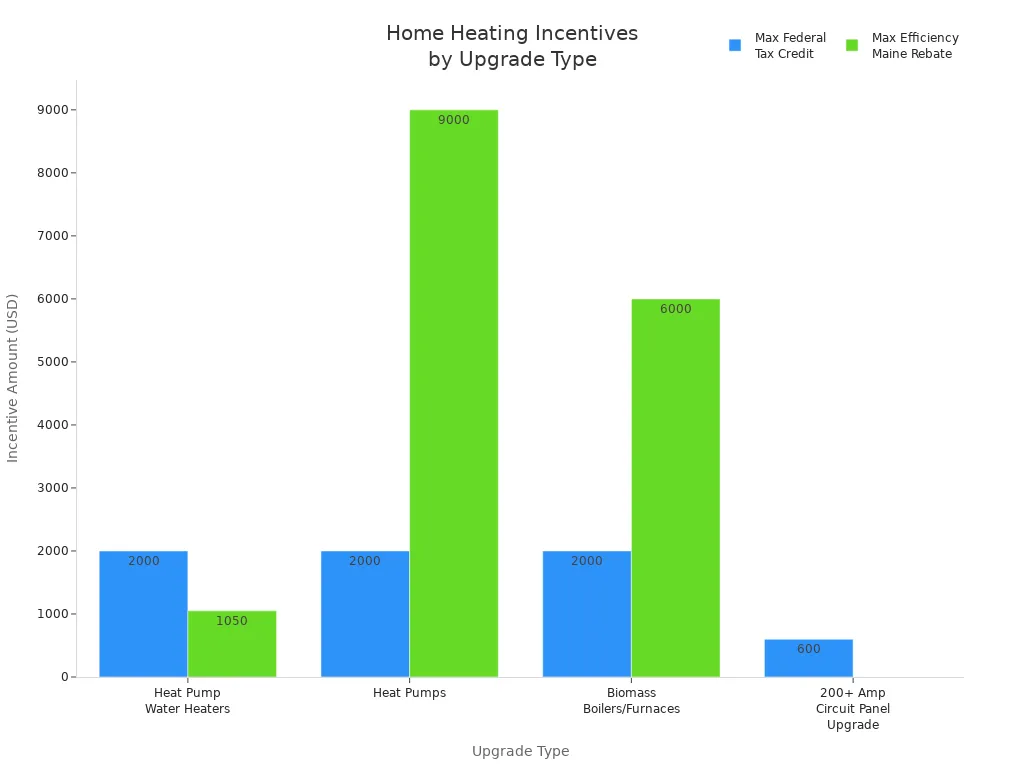
为最大化这些优势,用户在升级供暖系统时应 探索可用激励政策、使用比价工具并咨询合格安装商 。.
Câu hỏi thường gặp
2025年最高能效的家庭供暖系统是什么?
热泵(特别是空气源与地源型号)在能效方面领先。这类系统通过热量转移而非直接产生热量,可比传统燃气锅炉减少高达75%的能耗。.
智能温控器如何提升家庭供暖?
智能温控器可学习用户偏好并自动调节温度。其通过传感器与定时功能仅对有人区域供暖,从而降低能源账单并提升舒适度。.
升级环保取暖设备是否有财政激励?
是的。联邦税收抵免、州级返利及公用事业计划为安装热泵、智能暖通空调系统等高效技术提供财政激励。业主在升级过程中可节省数千美元。.
地暖系统能否用于现有住宅?
地暖可在多数住宅中进行改造安装。最佳安装时机为房屋翻新或地板更换期间。专业评估可确定兼容性与成本。.
什么是低全球变暖潜能值制冷剂?为何重要?
低全球变暖潜能值制冷剂具有更低的全球变暖影响潜力。其有助于减少暖通空调系统的温室气体排放,并符合美国与欧洲的新环保法规。.
分区供暖如何提升舒适度?
分区供暖支持按房间独立控温。各区域独立运行,用户可自定义舒适温度并避免加热未使用空间。此方式既节能又提升满意度。.
高级空气净化系统能否缓解过敏?
可以。配备HEPA过滤器、UV-C紫外线或双极电离技术的系统能清除室内空气中的过敏原、灰尘与微生物。这些技术可改善空气质量并减轻过敏症状。.
安装现代供暖系统需要多长时间?
安装时间因系统类型与房屋面积而异。多数热泵或无管道系统需1至3天。复杂的改造工程或全屋升级可能耗时更长。.