当您使用电暖炉时, 顺序控制器作为加热元件的主控装置。. 该设备管理每个电气元件的时序和分级启动,以防止过热或损坏。了解顺序控制器的工作原理,您便能识别暖炉内部的问题。认识顺序控制器在分段供电中的作用有助于诊断故障,从而节省电力并降低昂贵维修的风险。.
加热元件及其在电暖炉中的作用
什么是加热元件?
材料与结构
您会发现 加热元件是每个电暖炉的核心。 制造商通常使用金属电阻合金来制造这些部件。住宅电暖炉中最常见的加热元件类型包括 镍铬(镍铬合金)和铁铬铝(FeCrAl)合金。. 镍铬合金由约80%的镍和20%的铬组成,具有高电阻率和优异的抗氧化性。铁铬铝合金以其耐用性和更高的耐温性著称,也常见于电加热系统中。.
这些材料通常 các bộ phận làm nóng 被制成线圈或带状。制造商将这些线圈悬挂、嵌入或支撑在绝缘框架内。这种设计确保了最佳的热传递,并延长了加热系统的使用寿命。无论是悬挂式、嵌入式还是支撑式,其构造方法都会影响暖炉的耐用性和效率。.
加热元件的产热原理
您可能想知道 加热元件在电暖炉内部 如何工作。当您打开电暖炉时,电流流过 加热线圈。. 这些金属线圈的电阻将电能转化为热能。这一过程使线圈发热至红炽状态,通常达到 600°C以上的温度。. 随后,暖炉将空气吹过这些炽热的线圈,加热空气,再由鼓风机将热空气分配到整个房屋。.
Mẹo: 您电暖炉中的 顺序控制器控制多个加热元件的启动。. 这种分级启动方式可防止电源浪涌并确保高效运行。.
在电暖炉运行中的重要性
提供持续温暖
加热元件在为您的生活空间提供稳定热量方面发挥着至关重要的作用。作为电炉中热量的主要来源, 这些组件确保通过炉子的空气达到所需温度。鼓风机随后将加热后的空气通过管道系统输送,维持每个房间的舒适度。可靠的加热元件意味着您将经历更少的温度波动和更一致的舒适体验。, 您可以通过小心连接R线和W线来执行恒温器旁路测试。如果炉子开始加热,则恒温器可能存在故障。使用万用表测试.
能耗考量
加热元件的性能直接影响电暖炉的效率和能耗。优化的加热线圈通过最大化热区与冷端之间的功率比来减少能量浪费。然而,绝缘质量和环境条件等因素也会影响整体能效。在某些情况下,改进的加热元件设计可实现 高达15%的节能,, 但具体效果因暖炉尺寸和使用模式而异。.
您应记住,加热元件效率只是复杂加热系统的一部分。环境因素,如门窗敞开或保温不良,可能比元件本身对暖炉能耗的影响更大。尽管如此,保持高质量的加热元件并了解系统中使用的 加热元件类型将有助于实现更好的性能和 更低的能源成本。.
Ghi chú: 定期检查您的 电暖炉加热元件 和加热线圈有助于维持系统效率并延长加热系统的使用寿命。.
电暖炉的控制系统
现代电暖炉依靠精密的控制系统来提供安全、高效的供暖。每次您调节恒温器或注意到室内温度变化时,都在与这一系统交互。了解控制板与恒温器如何协同工作,有助于您认识供暖系统背后的复杂性。.
暖炉控制概述
控制板的工作原理
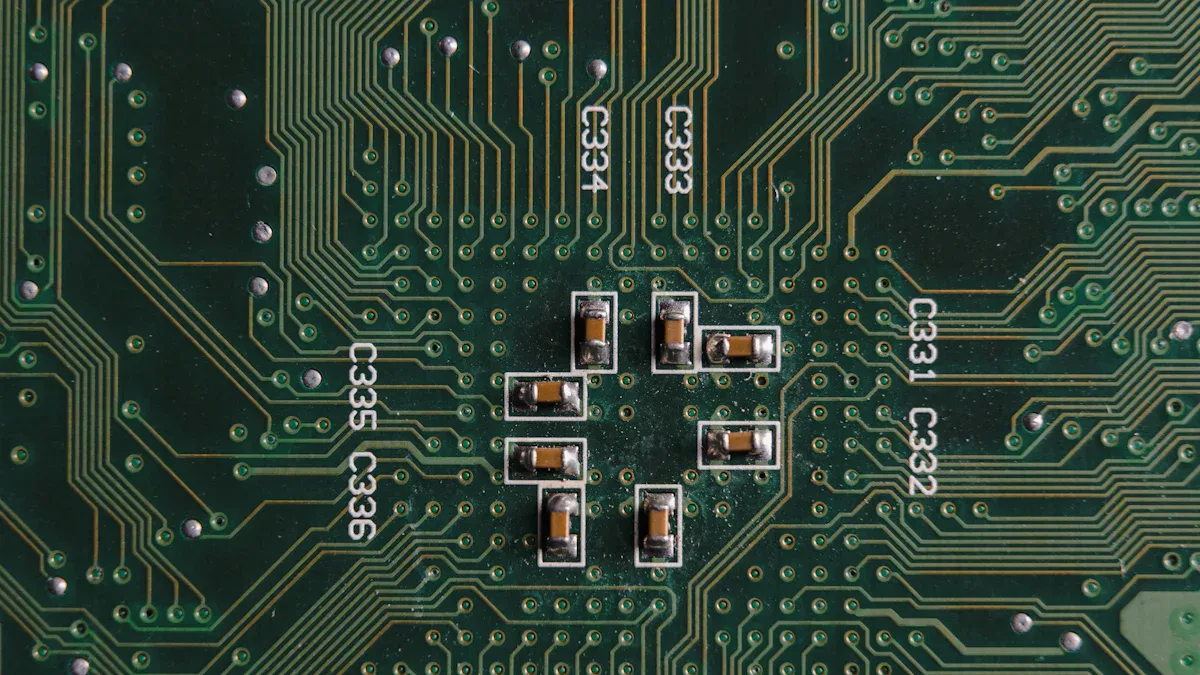
您可以将 控制板视为电暖炉的大脑。. 该组件接收来自恒温器和传感器的信号,然后处理信息以做出实时决策。控制板使用微处理器或微控制器分析数据,并协调加热元件、鼓风机电机和安全装置的运行。当您设置恒温器时,控制板决定何时启动或关闭暖炉的各个部分。.
控制板管理加热元件的逐步启动。这种方式可防止电涌并延长电暖炉的使用寿命。它还监控限位开关等安全装置,并在检测到不安全状况时关闭系统。控制板通过与传感器通信并与家庭自动化技术集成,支持故障排除和提高能效。.
与其他组件的集成
您电暖炉的控制板并非独立工作。它与多个关键组件协调以确保可靠运行:
- 恒温器:这些设备通过向控制板发送信号来开启或关闭加热元件,从而调节温度。.
- 顺序控制器:它们管理电气负载的顺序和时序,防止过载。.
- 限位开关:这些安全装置在温度超过安全限值时切断加热元件的电源。.
- 继电器和接触器:这些机电开关控制 流向加热元件的电流并处理更高的功率 负载。.
- 鼓风机电机:该电机使空气在加热元件上循环,高效分配热量并防止过热。.
Mẹo: 定期检查控制板及相关组件有助于维持电暖炉的性能。.
恒温器的作用
向控制板发送信号
恒温器是您与电暖炉之间的主要交互界面。. 当室内温度低于设定值时,恒温器会向控制板发送信号。. 这一操作 启动暖炉的启动序列。. 随后控制板为加热元件通电并启动鼓风机电机,确保仅在需要时为您的房屋提供暖风。.
您受益于这一自动过程,因为它保持了供暖系统的高效性。恒温器与控制板的直接连接确保了精确的温度调节,并防止不必要的能源使用。.
用户设置与温度调节
您通过调节恒温器设置来控制舒适度。包括可编程型号在内的现代恒温器允许您安排一天中的温度变化。这一功能优化了能源使用并提升了系统性能。通过设置您偏好的温度,可确保电暖炉仅在必要时运行。.
恒温器操作在维持舒适的室内气候方面起着关键作用。控制板响应您的输入,协调加热元件和鼓风机电机的启动。恒温器与控制板之间的这种无缝交互构成了高效电暖炉运行的基础。.
Ghi chú: 升级为可编程恒温器可以提高能源效率,并让您对供暖系统拥有更大的控制权。.
顺序控制器:加热元件控制的关键
什么是顺序控制器?
在电炉中的基本功能
您依赖顺序控制器作为中央控制设备,用于管理 电炉中加热元件的启动。 顺序控制器充当定时机制,确保每个加热元件按受控顺序开启和关闭。此过程可防止电炉一次性消耗过多电流,避免家庭电路过载。顺序控制器接收来自控制板的信号,并以安全、分阶段的方式分配电力至加热元件。这种对电流的精细管理既保障了加热系统的安全性,也提升了其效率。.
在住宅电炉中,您会发现几种常见的顺序控制器类型:
- 单级顺序控制器:控制一组加热元件,通常用于基础型电炉。.
- 多级顺序控制器:管理多组加热元件,适用于更先进或更大的系统,实现逐步升温。.
- 通用顺序控制器:设计用于适配多种电炉型号,可替换多个原始设备制造商(OEM)的顺序控制器。.
每种顺序控制器在维持电炉正常运行方面都发挥着关键作用,无论其规模或复杂程度如何。.
顺序控制器与其他控制装置的区别
您可能想知道顺序控制器与电炉中其他控制装置有何不同。控制板作为主要决策者,而顺序控制器专门负责加热元件的精确定时与分级控制。继电器和接触器仅通过闭合或断开电路来输送电力,但顺序控制器利用热敏开关和定时机制,按特定顺序激活每个加热元件。这一独特功能使顺序控制器对于防止电气过载和确保电炉平稳运行至关重要。.
Mẹo: 时序控制器的作用是协调加热元件的启动,与控制板协同工作,以优化安全性和效率。.
时序控制器的工作原理
加热元件的分段与定时控制
您将受益于时序控制器对加热元件启动的分段与定时控制能力。当温控器发出加热需求时,控制板会向时序控制器发送信号。随后时序控制器按照精确的序列工作:
1. 电力进入熔炉,首先流向时序控制器。. 2. 时序控制器将电力引导至第一个加热元件。.
3. 时序控制器等待第一个加热元件达到设定温度后,才允许电压流向下一个元件。.
4. 此过程对每个后续加热元件重复进行,逐一激活它们。.
5. 时序控制器持续这种分段启动,直到所有必要的加热元件全部启动,或温控器发出停止循环的信号。
这种有序的方法确保您的熔炉在启动时不会汲取过量电流。通过分段激活加热元件,时序控制器有助于维持稳定的电力负载,并防止可能触发断路器的突然电流尖峰。
- 并非每个加热元件都会在每个循环中激活。时序控制器根据实际加热需求作出响应,因此您的熔炉仅使用达到所需温度所需的能量。这种分段过程既保证了家居舒适度,又提高了能效。 防止电涌.
- 您依赖时序控制器保护电熔炉免受过载影响。时序控制器采用多种内置安全机制来防止电涌:.
- 时序控制器以受控序列协调加热元件的启动和关闭.
- ,防止可能触发断路器或造成损坏的突然电流浪涌。.
- 它们监控电流,利用定时和控制逻辑逐步激活加热元件,从而优化能源使用并防止过载。.
- 一些时序控制器包含温度限制开关,如果温度超过安全阈值,会自动关闭加热元件,增加了一层额外的安全保障。.
Ghi chú: 通过逐步激活加热元件,时序控制器保持温度稳定,避免可能对电路造成压力的突然波动。.
时序控制器充当控制中心,接收传感器和温控器的输入信号,以协调加热组件的安全高效运行。.
对时序控制器进行定期维护对于确保持续防止电气过载非常重要。
定期检查和维护时序控制器有助于确保熔炉可靠运行,并保护您家庭的电气系统。
时序控制器与控制板协同对加热元件的精细管理,构成了电熔炉安全高效性能的核心。了解此设备的工作原理,您就能更好地认识其在供暖系统中的重要性,并知道何时需要专业检修。
电熔炉控制中的辅助组件 继电器与接触器 向加热元件的电力输送.
- 您依赖.
- 继电器和接触器.
- 来管理流向熔炉加热元件的电力。这些组件充当开关,但其功能远不止简单的电灯开关。继电器利用电磁铁闭合电路,允许来自控制板的低功率信号激活加热器等大功率设备。接触器是继电器的一种,可处理更高的电流负载。您通常会在需要为电动机或多个加热元件切换电源的系统中找到接触器。.
Mẹo: 继电器和接触器安全地启用或禁用电熔炉中的电源电路。.
它们确保仅适量电力到达加热元件,保护系统免受过载。
这些开关在高效安全运行中起着关键作用,尤其是在熔炉频繁启停时。
- 如果熔炉无法加热,故障的继电器或接触器可能是原因。定期检查有助于防止意外故障。 与时序控制器及控制板的协调.
- 您受益于继电器、接触器、时序控制器和控制板之间的精确协调。这种团队协作确保您的熔炉平稳安全运行。其工作流程如下:.
- 当您需要加热时,.
- Các 控制板接收来自温控器的信号。, 控制板发送启动指令,为继电器或接触器中的线圈通电。.
- 通电的线圈闭合触点,允许电力流向加热元件。.
- 时序控制器管理顺序和定时.
- ,分段激活加热元件和鼓风机电机。.
保持电路使继电器或接触器保持吸合状态,直到达到所需温度。.
当温控器发出信号表明室内已足够温暖时,控制板切断线圈电源。
Bảo vệ quá nhiệt
触点断开,切断加热元件的电源并停止加热循环。 此序列防止电气过载,并确保每个组件仅在需要时获得电力。控制板充当中央协调器,而继电器、接触器和时序控制器则负责电力的安全输送和定时控制。安全开关与高温限制控制器.
您依赖安全开关和高温限制控制器来防止熔炉过热。高温限制开关如同熔炉内部的温控器。如果. 温度升至安全阈值以上——通常约为160°F(71°C).
——开关将关闭熔炉。一旦温度降至更安全的水平(通常接近130°F/54°C),开关会恢复运行。此循环可防止系统损坏并降低火灾风险。
风机限制开关也通过控制鼓风机发挥作用.
- 。它们根据温度启停鼓风机,确保热空气在室内高效流通,并防止加热线圈过热。 确保安全运行.
- 您可以信赖高温限制控制器作为防止危险过热的最后一道防线。这些设备监控熔炉温度,并在出现不安全温度时触发紧急关机。它们保护您的熔炉组件和家庭免受火灾或电气损坏等危害。.
- 高温限制控制器通过在需要时关闭系统来.
- 防止灾难性过热。.
Ghi chú: 其有效性取决于定期维护以及解决气流受限或滤网脏污等根本原因。.
随着时间的推移,高温限制开关可能因热应力而性能下降,因此及时更换至关重要。
采取预防措施,如更换空气滤网和保持通风口畅通,有助于这些控制器可靠工作。
如果您的熔炉频繁关闭,可能是高温限制控制器因潜在问题而触发。专业的暖通空调服务可以诊断并解决这些问题,确保您的熔炉安全运行。
时序控制器如何与控制板及其他控制器协调 组件间的通信从温控器到时序控制器的信号流.
您通过温控器控制电熔炉,温控器是整个加热过程的起点。当室内温度低于设定值时,温控器会向时序控制器线圈发送一个低电压信号——通常为.
24伏.
Mẹo: 。此信号启动使加热元件投入运行的序列。时序控制器同时接收此低电压控制信号和来自断路器的高电压电力。.
激活加热元件与鼓风机电机
顺序控制器接收信号后,开始激活加热元件。它逐一闭合触点,使电流依次流向每个加热元件。这种分阶段方法确保电炉不会一次性消耗过多电力。鼓风机电机最后启动,仅在加热元件预热之后。此定时可防止冷空气在室内循环,并强调了适当气流的重要性。由于系统避免了不必要的能量峰值,您将体验到持续的热量和更高的效率。.
管理多个加热元件
分阶段激活以提高效率
您的 电炉可能包含多个加热元件。. 顺序控制器通过使用 双金属片 来管理这些元件,该双金属片受热弯曲,按特定顺序闭合电气触点。每个加热元件一次一个或分小组激活。这一渐进过程使电炉高效预热,并避免突然的电流浪涌。鼓风机电机仅在加热元件达到适当温度后启动,确保只有热空气通过管道输送。当您的房屋达到设定温度时,顺序控制器冷却,断开触点,同时关闭加热元件和鼓风机。.
- 分阶段激活维持系统稳定性。.
- 逐步加热提高能源效率。.
- 正确的顺序控制延长电炉组件的使用寿命。.
平衡电气负载
您受益于顺序控制器平衡电炉电气负载的能力。通过分阶段激活加热元件,顺序控制器防止电气系统过载。这种平衡保护了您家中的布线和断路器。它还确保气流保持稳定,兼顾舒适性与安全性。顺序控制器与控制板和恒温器的协调,使您的加热系统即使在需求高峰期也能平稳运行。.
Ghi chú: 稳定的气流和平衡的电气负载有助于维持最佳加热性能,并降低系统故障风险。.
电炉加热元件控制的常见问题
顺序控制器或控制板问题的迹象
加热元件不启动
您可能会注意到电炉 吹出冷风 或在需要热量时无法启动。此问题通常指向顺序控制器或控制板故障。当顺序控制器失效时,加热元件无法正常点火。您可能会遇到短循环,即电炉快速开启和关闭,却无法加热房屋。控制板故障也可能导致电炉完全无法启动。有时,您会在显示屏上看到错误代码,或听到鼓风机运行但无热量输出。这些症状表明您的加热系统未收到激活加热元件的正确指令。.
Mẹo: 如果您的电炉无响应或仅循环冷风,请检查控制板上的错误代码或闪烁指示灯。.
元件卡在开启或关闭状态
您可能会遇到加热元件在房屋达到设定温度后仍保持开启的情况。此问题可能导致过热并增加能源费用。另一方面,元件卡在关闭状态会使您的房屋寒冷且不舒适。这两个问题通常源于顺序控制器故障或控制板继电器缺陷。. 风机持续运行, 、频繁循环或烧焦气味也可能表明更深层的电气故障。电涌、积尘、腐蚀或布线问题常导致这些故障。.
- 电炉无响应
- 吹出冷风
- 短循环
- 风机持续运行
- 频繁出现错误代码
故障排除步骤
目视检查与测试
首先确认您的 恒温器设置为‘加热’模式 ,且设定温度至少高于室温五度。如果显示屏暗淡,请更换恒温器电池。接下来,检查您的空气滤清器。堵塞的滤清器会限制气流,并可能导致加热问题。检查标有‘Furnace’、‘HVAC’或‘Heat’的断路器,如果跳闸则复位。确保电炉电源开关处于开启状态。.
炉子电源端子和加热元件处的电压。 正确的读数确认电源已到达系统。在断电状态下,测试加热元件的导通性。. Proper readings confirm that power reaches the system. With the power off, test heating elements for continuity. 读数在8-30欧姆之间 表示元件良好,而无穷大电阻则表示故障。检查安全装置,如高温限位开关和热熔断器,这些装置在触发时会阻止加热。.
Ghi chú: 切勿绕过安全开关。在处理电气组件时,始终将安全放在首位。.
Khi nào nên gọi cho chuyên gia
某些电炉问题需要专业人员处理。如果您注意到烧焦气味、冒烟、火花、漏水、断路器反复跳闸或异常噪音,请立即停止排查并致电专业HVAC技术人员。复杂的电气故障,如顺序控制器问题或控制板故障,需要专用工具和专业知识。专业人员使用 万用表检查导通性、电阻和电压。. 他们还评估定时机制和温度限值,以确保安全运行。.
- 对于超出基本检查范围的电气测试或维修,请致电专业人员。.
- 如果您对任何步骤不确定,请避免尝试维修。.
- 由合格技术人员进行的定期维护有助于预防未来的加热问题。.
🛠️ 专业建议: 安排年度电炉检查,以便在小问题演变成大修之前及时发现。.
电炉控制装置的维护与升级
定期检查与保养
检查顺序控制器与控制板
Bạn nên 每年至少检查一次电炉控制装置 以维持安全性和性能。年度专业检查帮助您及早发现问题,例如故障的顺序控制器或控制板。在较冷气候下,您可能受益于每年两次检查——一次在供暖季前,一次在供暖季后。这些检查允许技术人员测试电气连接、验证顺序控制器的定时,并确保控制板响应恒温器信号。如果您注意到 异常噪音、加热不均或能源费用增加, 立即安排一次检查。早期发现可避免昂贵的维修,并确保您的熔炉高效运行。.
Mẹo: 在专业维护间隙,请留意熔炉的警示信号,如异味或运行困难。及时处理这些问题可防止更大的故障。.
清洁与预防性维护
您可以通过简单的清洁和预防性步骤来延长熔炉的使用寿命。定期更换空气过滤器以保持正常气流。堵塞的过滤器会限制气流,导致时序器和控制板超负荷工作,降低效率。每年清洁两次通风口盖板以保持气流畅通。灰尘和碎屑可能积聚在电气元件上,因此请轻轻清理熔炉柜周围的灰尘。清洁设备内部前务必关闭电源。预防性维护还包括检查电线是否松动,并确保所有安全开关功能正常。.
保持气流稳定不仅能提升舒适度,还能保护敏感的熔炉控制装置免于过热。.
升级或更换控制装置
选择兼容组件
当您计划升级时,首先应 明确目标. 您可能希望降低能耗成本、提升舒适度或延长系统寿命。评估现有控制装置,识别限制效率或气流的过时部件。考虑新的通风和过滤需求,特别是在您希望改善室内空气质量的情况下。查阅制造商指南以选择兼容的时序器、控制板和恒温器。若升级至智能控制装置,请确认您的系统支持远程访问和现代通信协议。探索公用事业激励计划或能效升级的资金支持方案。.
详细的计划有助于避免运行中断,并确保新控制装置与现有系统顺利集成。.
专业安装与自行安装对比
您需要在专业安装与自行安装之间做出选择。持证专业人员具备专业知识,遵循当地规范,并确保布线安全。他们根据最佳气流和性能要求选型并安装控制装置。专业安装通常能保持保修有效,并提供安装后支持。自行安装看似成本较低,但操作失误可能导致气流不畅、安全隐患或系统故障。专业人员负责办理许可和检查手续,降低风险并让您高枕无忧。.
- 对于电熔炉控制装置而言, 专业安装是最安全可靠的选择。.
您依赖时序器作为电暖炉的核心“大脑”,确保安全高效的加热。恰当的控制可维持系统可靠性,让您的家居保持舒适。定期维护能带来长期益处:
- 减少维修频率和昂贵的故障
- 延长设备寿命并改善室内空气质量
- 提高能源效率并降低公用事业费用
若遇复杂控制或时序器问题,务必咨询合格的暖通空调专业人员。.
Câu hỏi thường gặp
时序器在电暖炉中起什么作用?
您依靠时序器来控制加热元件的启动顺序与时机。该装置可防止电路过载,确保暖炉安全高效地为您的住宅供暖。.
如何判断时序器是否出现故障?
您可能会注意到暖炉吹出冷风、加热元件持续开启或频繁启停。若出现这些迹象,请安排专业检测以确认时序器性能。.
可以自行更换时序器吗?
除非具备电气经验,否则不应尝试更换时序器。时序器接线涉及高压电。为保障安全及保修权益,应聘请持证暖通空调技术人员。.
为何加热元件需分阶段启动?
分阶段启动可防止电力浪涌并平衡住宅用电负荷。您将获得效率提升,并降低断路器跳闸或部件损坏的风险。.
应多久检查一次暖炉控制系统?
您应安排每年对暖炉控制系统进行检查。在寒冷气候地区,建议每半年检查一次。定期维护有助于及早发现问题,确保系统平稳运行。.
若暖炉持续关闭该怎么办?
请先检查空气过滤器和温控器设置。若问题持续,可能是限温开关或时序器故障导致停机。请联系专业人员进行全面诊断。.
可编程温控器是否兼容电暖炉?
大多数现代电暖炉支持可编程温控器。您可通过升级实现更精准的温控与节能效果。安装前务必确认与您暖炉型号的兼容性。.