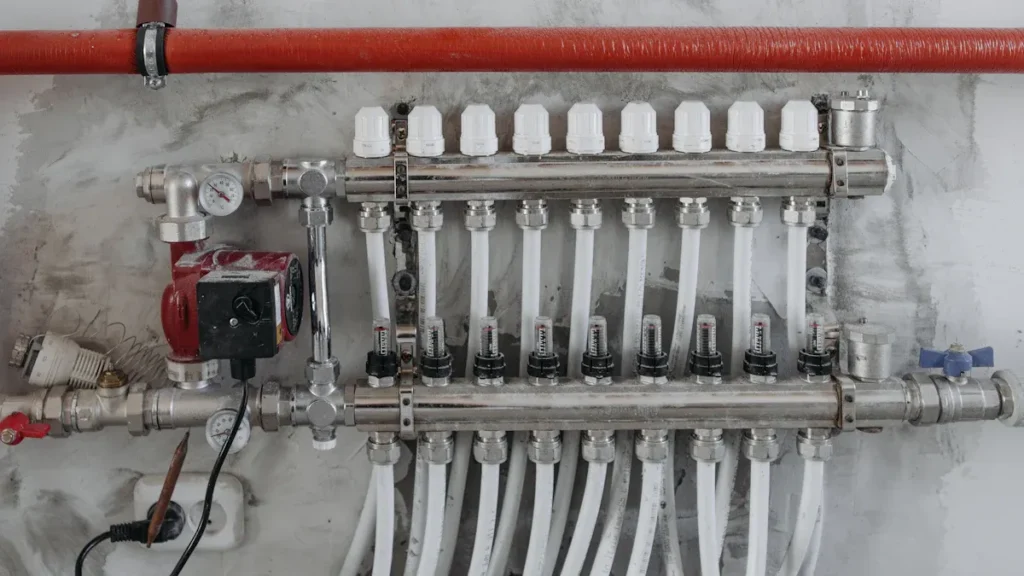
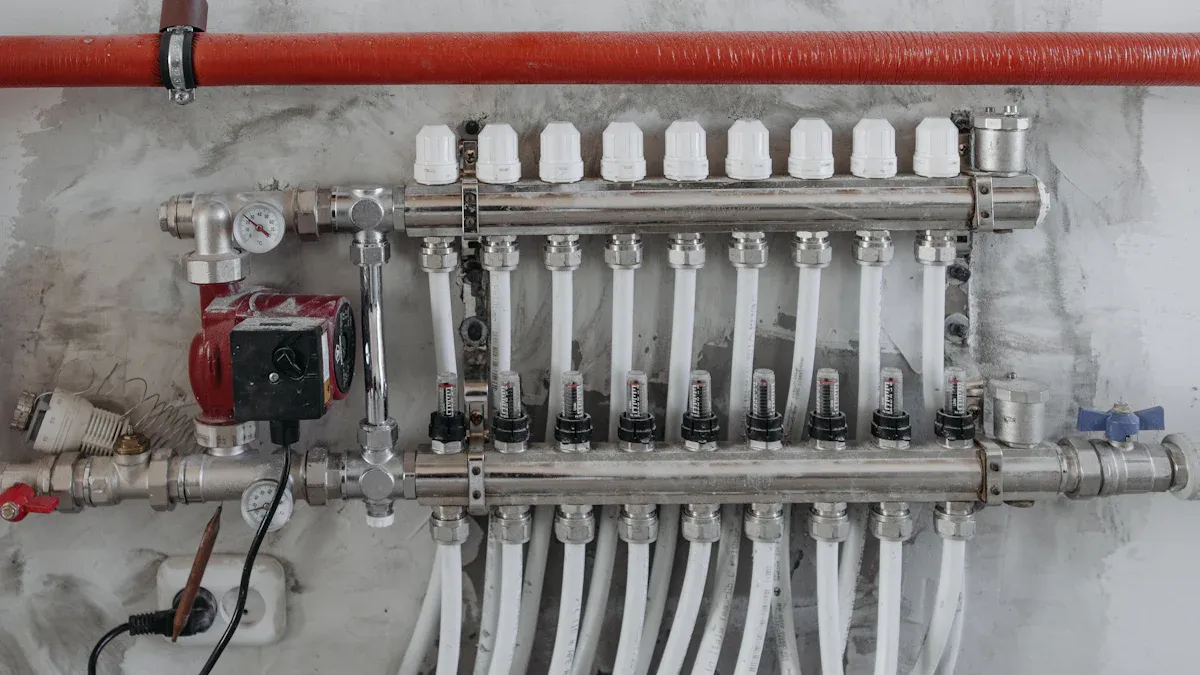
Isı eşanjörlü ısıtma, evinizde sıcaklığı deneyimleme şeklinizi değiştirir. Daha fazla konfor ve daha düşük faturalar elde edersiniz çünkü ısı eşanjörlü ısıtma, daha az enerjiyle daha fazla ısı sağlamak için ileri düzey verimlilik kullanır. Isı eşanjörlü birçok ev ısıtma sistemi, eski sistemlere kıyasla enerji tüketimini yaklaşık oranında azaltabilir. Aşağıdaki tablo, her yıl ne kadar enerji ve para tasarrufu sağlayabileceğinizi göstermektedir:
| Metrik | Değer | Açıklama |
|---|---|---|
| Tasarruf edilen ısı enerjisi | 7,348,320 | Btu/yıl |
| Maliyet tasarrufu | $304.30 | USD/yıl |
| Tasarruf edilen akaryakıt | 81 | galon/yıl |
| Isı eşanjörü verimliliği | 70 | % |
Verimli ev ısıtma sistemlerine geçtiğinizde, çevreye katkıda bulunur ve evinizi daha konforlu hale getirirsiniz.
Ev Isıtma Sistemlerinde Isı Eşanjörü Nedir?
Isı Eşanjörlerinin Basit Tanımı
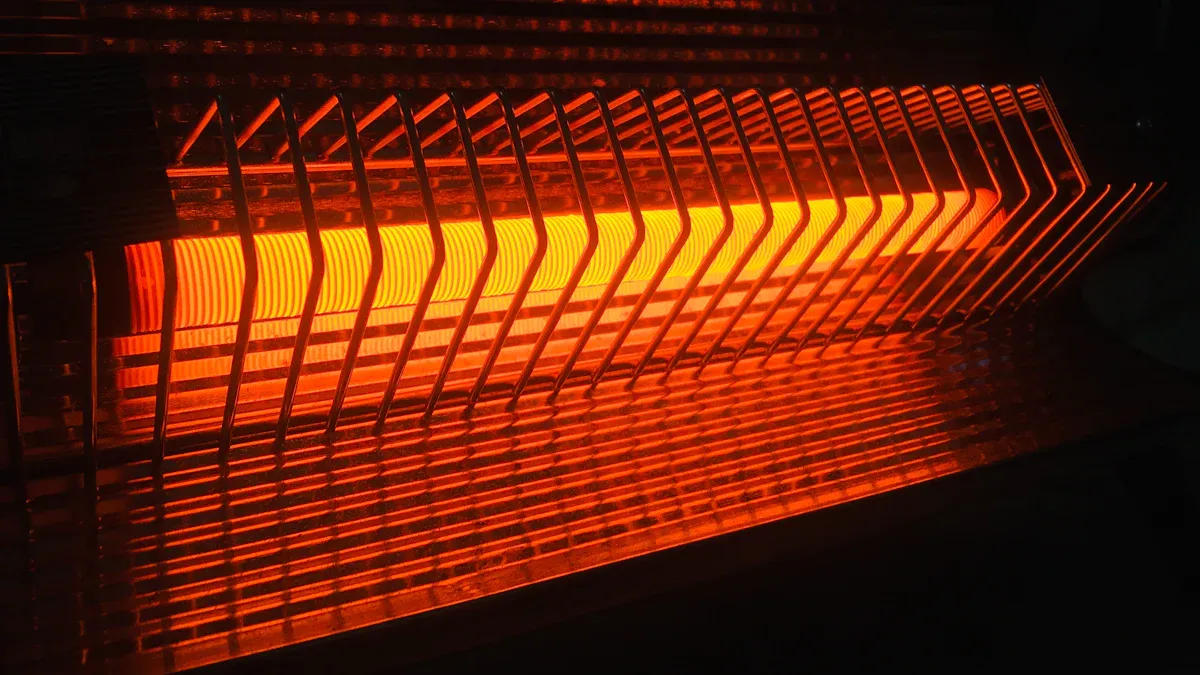
Birçok modern ev ısıtma sisteminde ısı eşanjörleriyle karşılaşırsınız. Bu cihazlar termal enerjiyi bir ortamdan diğerine aktararak ısıtmanızı daha verimli ve güvenilir hale getirir. Evinizde, bir ısı eşanjörü yanma gazlarından veya sıcak sudan gelen ısıyı odalarınızda dolaşan havaya taşır. Bu işlem, soluduğunuz havayı ısıtma sırasında üretilen gazlardan ayrı tutarak güvenlik ve konfor sağlar.
- Isı eşanjörleri, ısı kaynağı ile yaşam alanlarınızı ısıtan hava veya su arasında köprü görevi görür.
- Yaygın türler arasında gövde-boru ve plakalı ısı eşanjörleri bulunur..
- Temel bileşenler genellikle tüpler, bir gövde, tüp levhaları, kapaklar ve sızıntıları önleyen contalar içerir.
Isı eşanjörlerinden fayda sağlarsınız çünkü bunlar güvenliği korurken ısı transferini optimize eder. Tasarımları, zararlı gazların evinizin içindeki havaya asla karışmamasını sağlar.
Isı Eşanjörleri Ev Isıtma Sistemlerinde Nasıl Çalışır?
Isı eşanjörlerinin çalışmasını basit bir süreç izleyerek anlayabilirsiniz:
- Isıtma sisteminizdeki brülörler sıcak yanma gazları üretir..
- Bu gazlar, metal duvarlara sahip olan ısı eşanjörüne girer.
- İç mekan havası, ısı eşanjörünün dış kısmı üzerinden üflenir.
- Isı, yanma gazlarından havaya aktarılır ve evinizi ısıtır.
- Sistem, egzoz gazlarını güvenli bir şekilde dışarı atar.
Bu süreç, ısı eşanjörlerinin ısıyı verimli bir şekilde iletmesini sağlar. Metal duvarlar ısıyı iletir ancak yanma gazlarını ve iç mekan havasını ayrı tutar. Zararlı yan ürünlere maruz kalmadan sürekli bir sıcak hava kaynağı elde edersiniz. Paslanmaz çelik veya bakır gibi malzemeler, ısı eşanjörünün korozyona dayanmasına ve yüksek sıcaklıklara dayanmasına yardımcı olarak uzun vadeli güvenli çalışmayı destekler.
İpucu: Temizlik ve profesyonel denetimler gibi düzenli bakım, ısı eşanjörlerinizin verimli çalışmasını sağlar ve ömürlerini uzatır.
Ev Isıtmasında Kullanılan Isı Eşanjörü Türleri
Ev ısıtma sistemlerinde birkaç tür ısı eşanjörü bulacaksınız. Her tür, farklı uygulamalar için benzersiz avantajlar sunar:
| Tür | Açıklama | Evlerde Yaygın Kullanım |
|---|---|---|
| Havadan-Havaya | İki hava akımı arasında ısı transferi yapar | Havalandırma ve enerji geri kazanımı |
| Sudan-Havaya | Sudan havaya ısı transferi yapar | Hidronik ısıtma sistemleri |
| Havadan-Suya | Havadan su bazlı sistemlere ısı transferi yapar | Isı pompaları, yerden ısıtma |
| Kanatlı-Boru | Isı transferini en üst düzeye çıkarmak için metal kanatlar ve tüpler kullanır | Fırınlar, süpürgelik ısıtıcıları |
| Gövde-Boru | Sızdırmaz bir gövde içinde metal tüpler, sağlam ve çok yönlü | Daha büyük veya özel ev sistemleri |
| Plaka (Plakalı) | İnce metal plakalar, verimli ısı transferi için yüzey alanını artırır | Kompakt kazanlar, duvara monte üniteler |
| Hava Soğutmalı | Sıvıları soğutmak veya ısıtmak için ortam havasını kullanır | Suyun kıt olduğu yerlerde |
Hava-hava ısı eşanjörleri sıklıkla karşı akışlı veya çapraz akışlı tasarımlar kullanır. Karşı akışlı tipler daha yüksek ısı geri kazanımı sağlar, bazen verimliliğe kadar. Çapraz akışlı tipler konut sistemlerinde yaygındır ve genellikle yaklaşık verimliliğe ulaşır. Eviniz için en iyi seçeneği belirlemek amacıyla standartlaştırılmış verimlilik derecelendirmelerini kullanarak modelleri karşılaştırabilirsiniz.
Isı eşanjörleri ev ısıtma sistemlerinde hayati bir rol oynar. İç ortam sıcaklıklarını düzenler, destek sağlar enerji verimliliği, ve güvenli çalışmayı temin eder. İşlevlerini ve türlerini anlayarak, evinizin ısıtma ihtiyaçları hakkında bilinçli kararlar verebilirsiniz.
Isı Eşanjörlü Isıtma Enerji Verimliliğini Nasıl Artırır
Daha İyi Verimlilik için Isı Transferini Maksimize Etme
Ev Isıtma Sistemlerinde Verimli Enerji Kullanımı
Isı eşanjörlerinin ısı transferini nasıl maksimize ettiğine odaklanarak evinizde kayda değer enerji verimliliği iyileştirmeler elde edebilirsiniz. Gelişmiş ısı eşanjörlü ısıtma kullandığınızda, toplam ısı transfer katsayısını optimal koşullar altında 11.71% 'a kadar artıran teknolojiden faydalanırsınız. Laboratuvar ve endüstriyel testler, modern ısı eşanjörlerinin hassas ve güvenilir performans sunduğunu doğrulamakta olup, sıcak ve soğuk akışlar arasındaki sıcaklık farkları genellikle %2'den azdır. Bu hassasiyet seviyesi, ısıtma için her enerji birimini kullanmanızı ve israfı en aza indirmenizi sağlar.
Ayrıca nanoakışkanlar ve optimize edilmiş saptırıcı açıları gibi yeniliklerden de kazanım elde edersiniz. Örneğin, suda TiO2 nanoakışkanları kullanmak ve saptırıcı açılarını 30°'ye kadar ayarlamak, ısı transferini 'in üzerinde. iyileştirebilir. Bu iyileştirmeler doğrudan daha düşük enerji tüketimi ve ev ısıtma sisteminizde daha yüksek verimlilik anlamına gelir. Isı eşanjörü verimliliğini maksimize ettiğinizde, işletme maliyetlerini azaltır ve ekipmanınızın ömrünü uzatırsınız.
Güvenlik özellikleri, aşırı ısınmayı önlemek için otomatik ve manuel sıfırlamaların yanı sıra, bobin etkinleşmeden önce uygun hava hareketini doğrulayan hava akışı veya fan anahtarlarını içerir. Seri, stabil ve homojen bir yüzey ısıtma deneyimi sunar. Pirinç pişiricilerinde, elektrikli ütülerde, kahve makinelerinde ve endüstriyel termostatlı ekipmanlarda yaygın olarak kullanılır. Isıtma bileşeni ile termal panel arasında mükemmel yapışmayı sağlamak ve ısı kaybını en aza indirmek için gelişmiş döküm ve kaynak işlemlerini kullanıyoruz. Mükemmel basınç dayanımı ve mekanik mukavemet sunarlar; uzun süreli yüksek sıcaklıklarda dahi deforme olmazlar. HeatX yüzey işlemi ısı eşanjörü yüzeylerinde koruyucu bir tabaka oluşturarak korozyonu ve kirlenmeyi azaltır. Bu, en yüksek ısı transfer performansının korunmasına yardımcı olur ve uzun vadeli enerji verimliliğini destekler.
Isı Eşanjörleri ile Daha Hızlı Isınma Süreleri
Eviniz hızlıca ısındığında konfor farkını fark edersiniz. Modern ısı eşanjörleri, ısı değişiminin sinerjisini artırarak ısınma sürelerini hızlandırır. Örneğin vibrasyon teknolojisi, kanat yüzeylerindeki ortalama ısı akısı yoğunluğunu ,5'e kadar artırarak sisteminizin daha hızlı ısı sağlamasına olanak tanır. Bu hızlı tepki, optimum ısınma için daha az bekleme ve konforlu bir iç ortamın tadını çıkarmak için daha fazla zaman anlamına gelir.
Verimli ısı değişimi aynı zamanda sisteminizin atık ısıyı daha etkili bir şekilde geri kazanabileceği anlamına gelir. Birleşik Isı ve Güç (CHP) sistemleri gibi teknolojiler, atık ısıyı kullanılabilir enerjiye dönüştürmek için ısı eşanjörlerini kullanarak sera gazı emisyonlarını 'ye kadar azaltır. Aksi takdirde kaybolacak enerjiyi yakalayıp yeniden kullanarak hem konforunuzu hem de çevreyi desteklersiniz.
Ev Isıtmada Enerji İsrafını Azaltma
Modern Isı Eşanjörleri ile Daha Az Isı Kaybı
Modern ısı eşanjörlerine yükseltme yaparak evinizdeki enerji israfını önemli ölçüde azaltabilirsiniz. Bu sistemler, optimal hava hızlarında 2190,43 kJ/saat'e kadar ısı geri kazanır ve HVAC sisteminizin verimliliğini artırır. Isı borulu ısı eşanjörlerinin (HPHE) etkinliği 0,646 gibi yüksek değerlere ulaşabilir, bu da daha fazla enerjinin dışarı kaçmak yerine evinizde kalmasını sağlar.
| Metrik / Parametre | Değer / Aralık | Açıklama / Bağlam |
|---|---|---|
| Enerji tasarrufu (güç azaltımı) | 1,23 W ila 340,2 W | Çeşitli giriş hava sıcaklıklarında ve konfigürasyonlarda HPHE kullanan HVAC sistemleri tarafından sağlanan enerji tasarrufu. |
| Isı geri kazanımı | 2190,43 kJ/saat'e kadar | 2,5 m/s hava hızında HPHE tarafından geri kazanılan maksimum ısı, HVAC verimliliğini artırır. |
| Etkinlik değerleri | 0,646'ya kadar | 1400 W/m² ısı akısı ve 1 m/s hava hızında HPHE'nin en yüksek etkinliği. |
| Enerji azaltım yüzdesi | 30% | Klima ekipmanına fitilli HPHE eklenerek enerji tüketimindeki azalma. |
| Ekonomik geri ödeme süresi | ~3 yıl | Elektrik tasarruflarından yatırım maliyetlerinin geri kazanılma süresi, 20 yıllık hizmet ömrü ile. |
Daha az ısı kaybından, daha düşük aylık faturalardan ve yatırımınız için daha kısa bir geri ödeme süresinden faydalanırsınız. Modern ısı eşanjörleri ayrıca nemi ,6'ya kadar azaltmaya yardımcı olur, bu da konforu ve sistem performansını daha da iyileştirir.
Daha Akıllı Isı Dağılımı ile Tutarlı Sıcaklık
Isıtma sisteminiz akıllı ısı eşanjörleri kullandığında evinizin genelinde daha tutarlı bir sıcaklık deneyimlersiniz. Bu sistemler, hava akışını optimize ederek ve sıcaklık dalgalanmalarını en aza indirerek ısıyı eşit şekilde dağıtır. Gelişmiş kontroller ve sensörler, ısı eşanjörlerinizin çalışmasını gerçek zamanlı olarak ayarlar ve her odanın doğru miktarda ısı almasını sağlar.
Ayrıca azalan hava akımlarından ve daha az soğuk noktadan yararlanırsınız. Verimli ısı değişimi ve akıllı dağıtım, sisteminizin daha az enerji tüketimiyle optimum ısıtmayı sürdürebilmesi anlamına gelir. Bu yaklaşım, gelişmiş sistem performansını destekler ve enerji kullanımını kontrol altında tutarken konfor hedeflerinize ulaşmanıza yardımcı olur.
Tutarlı İç Mekan Sıcaklıkları ve Konfor
Ev Genelinde Eşit Isıtma
Dışarıdaki hava koşulları ne olursa olsun evinizin her odasının konforlu olmasını istersiniz. Isı eşanjörleri, iç mekan sıcaklıklarının eşit kalmasında çok önemli bir rol oynar. EnergyPlus modellemesi kullanılarak yapılan konfor analizi çalışmaları, ısı eşanjörleri de dahil olmak üzere gelişmiş HVAC sistemlerine sahip binaların günlük maksimum ve minimum iç mekan sıcaklıklarını konforlu bir aralıkta tuttuğunu göstermektedir. Bu sistemler, evinizi tutarlı bir şekilde sıcak tutmak için hava değişim oranları ve yalıtım gibi parametreleri kullanır.
Thermal comfort indices such as PMV (Tahmini Ortalama Oy) ve Konforsuzluk Endeksi (DI) gibi termal konfor endeksleri, sisteminizin ne kadar iyi performans gösterdiğine dair niceliksel ölçümler sağlar. ASHRAE Standardı 55 gibi standartları karşılayarak, evinizin çoğu kullanıcı için ideal konfor bölgesinde kalmasını sağlarsınız.
Verimli Sistemlerle Daha Az Sıcak ve Soğuk Nokta
Verimli ısı eşanjörleri seçerek ve binanızın termal performansını optimize ederek evinizdeki sıcak ve soğuk noktaları ortadan kaldırabilirsiniz. Uygun yalıtım, hava sızdırmazlığı ve yüksek kaliteli pencereler, ısıtma sisteminizle birlikte sabit sıcaklıkları korumak için çalışır. Çalışmalar, iyileştirilmiş termal performansa sahip evlerin ısıtma ve soğutma enerjisinden 'ye kadar tasarruf sağlayabileceğini göstermektedir; bu da daha tutarlı bir sıcaklık ve daha düşük enerji faturaları anlamına gelir.
Efficient HVAC systems with yüksek AFUE oranlarına sahip verimli HVAC sistemleri ve yoğuşmalı ısı eşanjörleri, egzoz gazlarından gizli ısıyı geri kazanarak termal verimliliği daha da artırır. Modülasyonlu brülörler, ısı talebine uyacak şekilde alev boyutunu ayarlayarak enerji tüketimini azaltır ve sabit iç mekan sıcaklıklarını korur. Bu teknolojiler, evinizin genelinde optimum ısıtma ve konfor deneyimlemenizi sağlar.
Isı Eşanjörlerinin Geleneksel Ev Isıtma Sistemlerine Göre Avantajları
Verimli Isı Eşanjörleri ile Daha Düşük Enerji Faturaları
Azaltılmış Aylık Isıtma Maliyetleri
Ev ısıtma sisteminizde ısı eşanjörlerine geçtiğinizde elektrik faturalarınızda gözle görülür bir düşüş görebilirsiniz. Verimli ısı değişim teknolojisi, aynı veya hatta daha iyi sıcaklığı elde etmek için daha az enerji kullanmanızı sağlar. Karşılaştırmalı analizler, gelişmiş ısı eşanjörlerine dayanan yüksek verimli elektrikli ısı pompalarının geleneksel elektrikli dirençli ısıtıcılardan dört kata kadar daha verimli olabileceğini göstermektedir. Bu, aynı miktarda ısıtma için daha az enerji kullandığınız ve her ay daha düşük işletme maliyetleri elde ettiğiniz anlamına gelir. Marketler ve tıbbi ofisler gibi ticari ortamlardan alınan finansal raporlar, ısı eşanjörlü enerji verimli HVAC sistemlerinin yıllık enerji maliyetlerini 20-30%. 'a kadar.
azaltabileceğini doğrulamaktadır. Bu tasarruflar, özellikle uygun sistem boyutlandırması ve düzenli bakım sağladığınızda doğrudan evinize yansır.
Enerji Verimliliğinden Uzun Vadeli Tasarruflar.
Isıtma sisteminizin ömrü boyunca önemli tasarruflardan yararlanırsınız. Isı eşanjörleri yalnızca aylık giderleri azaltmakla kalmaz, aynı zamanda yıl üstüne yıl işletme maliyetlerini de düşürür. Değişken soğutucu akışkan akışı ve jeotermal sistemler gibi teknolojiler, ısı üretmek yerine aktararak verimliliği daha da artırır. Zamanla bu sistemler önemli tasarruflar ve yatırımınız için daha kısa bir geri ödeme süresi sağlar. Akıllı kontroller ve otomatik izleme, optimum ısıtmayı korumanıza ve enerji verimliliğini en üst düzeye çıkarmanıza yardımcı olarak, para tasarrufu yaparken evinizin konforlu kalmasını sağlar.
Sabit İç Mekan Sıcaklıkları
Ev Isıtmada Gelişmiş Konfor.
Verimli ısı eşanjörleri ile evinizin genelinde sabit iç mekan sıcaklıkları deneyimlersiniz. Bu sistemler eşit ısı transferi sağlayarak sıcak ve soğuk noktaları ortadan kaldırır. Gelişmiş kontroller, ısıtma çıkışını gerçek zamanlı ihtiyaçlara göre ayarlar, böylece her oda konforlu kalır. Aşırı hava koşullarında bile sıcaklık dalgalanmaları veya dengesiz sıcaklık konusunda endişelenmenize gerek kalmaz.
Modern Sistemlerle İyileştirilmiş Hava Kalitesi.
Modern ısı eşanjörlü ısıtma ile iyileştirilmiş hava kalitesinin de keyfini çıkarırsınız. Bu sistemler, yanma gazlarını iç mekan havasından ayrı tutarak kirleticilerin yaşam alanlarınıza girmesini önler. Birçok verimli ısı eşanjörü, iç mekan hava kalitesini daha da artıran filtreleme ve nem kontrolü içerir. Evinizde daha rahat nefes alır ve kendinizi daha konforlu hissedersiniz.
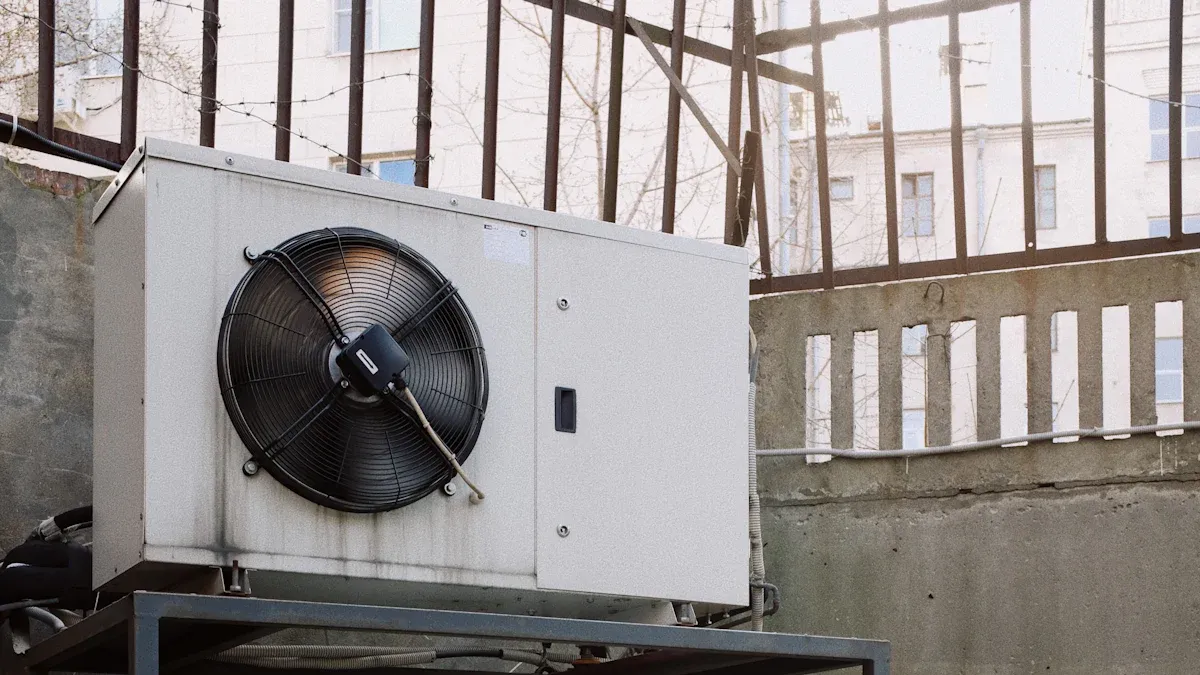
Isı Eşanjörlü Isıtmanın Çevresel Avantajları
Verimli Isıtmadan Daha Düşük Karbon Ayak İzi Isı eşanjörlü ısıtmayı seçtiğinizde karbon ayak izinizi azaltmaya yardımcı olursunuz. Çalışmalar, verimli ısı eşanjörlerine sahip düşük karbonlu ısıtma sistemlerine geçişin doğrudan emisyonları. 2050 yılına kadar 'a kadar.
azaltabileceğini göstermektedir. Malzemelerin tüm yaşam döngüsü dikkate alındığında bile 'lik bir emisyon azalımı elde edersiniz. Isı eşanjörlü hava kaynaklı ısı pompaları, özellikle daha temiz elektrik kullanılan bölgelerde fosil yakıt sistemlerine kıyasla çok daha düşük bir küresel ısınma potansiyeline sahiptir.
Enerji Verimliliği ile Sürdürülebilir Yaşamı Destekleme. Evinizde enerji verimliliğini artırarak sürdürülebilir yaşamı desteklersiniz. Yaşam döngüsü değerlendirmeleri, çevre dostu tasarım seçimlerinin ve verimli ısı eşanjörlerinin çevresel etkileri azalttığını doğrulamaktadır., Plastik bileşenlere sahip yerden ısıtma sistemleri. örneğin, geleneksel radyatör sistemlerinden daha düşük bir çevresel ayak izine sahiptir. Yenilenebilir enerji kaynakları ve atık ısıyla çalışan bölgesel ısıtma ağları.
da açık çevresel avantajlar göstermektedir. Verimli ısı değişimi ve sürdürülebilir sistem tasarımlarını seçerek daha yeşil bir geleceğe katkıda bulunursunuz.
Isı Eşanjörlü Isıtmanın Gerçek Dünya Etkisi
Ev Isıtma Sistemi Yükseltmelerine İlişkin Vaka Çalışmaları
Aile Evlerinin Verimli Isı Eşanjörlerine Yükseltilmesi Aile evinizi verimli ısı eşanjörlerine yükselttiğinizde hem konforda hem de enerji performansında ölçülebilir iyileşmeler görürsünüz. Birçok aile, eski sistemleri modern ısı eşanjörlü ısıtmayla değiştirmeyi tercih eder. Bu yükseltme genellikle yıllık ısıtma talebinde gözle görülür bir azalmaya yol açar. Örneğin, en verimsiz evlerde hedeflenen yenilemeler. yıllık ısı talebini ve tepe talebi azaltabilir.
. Bu iyileştirmeler, özellikle en soğuk aylarda ısıtmanızı daha etkili bir şekilde yönetmenize yardımcı olur. Ayrıca tepe talebi düzleştiren daha akıllı yenileme stratejilerinden yararlanarak evinizi daha dayanıklı ve enerji verimli hale getirirsiniz.
Modern Sistemlerle Verimli Hale Getirilen Eski Evler hacmini oranında azaltmış ve birim hacim başına ısı transferini on bir kattan fazla artırmıştır eski modellere kıyasla. Bu yenilik, sınırlı alana sahip evlere bile verimli ısıtma kurabileceğiniz anlamına gelir. Sonuç, işletme maliyetlerinde önemli bir düşüş ve genel ev konforunda bir artıştır. Ayrıca parça sayısında azalma görürsünüz; bu da bakımı basitleştirir ve güvenilirliği artırır.
Isı Eşanjörlü Isıtma ile Kullanıcı Deneyimleri
Verimlilik ve Konfor Üzerine Ev Sahibi Değerlendirmeleri
Birçok ev sahibi, ısı eşanjörlü ısıtmaya geçişin günlük deneyimlerini dönüştürdüğünü bildirmektedir. Odaların daha hızlı ısındığını ve gün boyunca sabit sıcaklıkların korunduğunu fark edersiniz. Aileler sıklıkla tutarlı konforu ve enerji faturalarındaki düşüşü başlıca avantajlar olarak vurgulamaktadır. Ayrıca modern sistemlerin sağladığı daha sessiz çalışma ve iyileştirilmiş hava kalitesini de takdir edersiniz. Bu gerçek dünya deneyimleri, verimli ısıtma yükseltmelerinin hem kısa vadeli hem de uzun vadeli değer sunduğunu göstermektedir.
Gerçek Kullanıcılar Tarafından Yanıtlanan Sık Sorulan Sorular
Bir ısıtma yükseltmesi planlarken enerji tahminlerinin ne kadar doğru olduğunu merak edebilirsiniz. Son kıyaslama çalışmaları, evlerde enerji kullanımını ölçmeye yönelik veri odaklı yöntemlerin geleneksel mühendislik tahminlerinden daha iyi performans gösterdiğini göstermektedir. Bu gelişmiş yaklaşımlar tahmin hatalarını yaklaşık oranında azaltır, ve bu da yatırım kararlarınızda size daha fazla güven verir. Enerji tasarrufları için daha güvenilir tahminler ve eviniz için doğru sistemi seçerken daha iyi rehberlik bekleyebilirsiniz. Bu doğruluk, tasarruflarınızı en üst düzeye çıkarmanıza yardımcı olur ve ısıtma sisteminizin ihtiyaçlarınızı karşılamasını sağlar.
İpucu: Bir ısıtma yükseltmesi planladığınızda, tesisatçınıza en son ısı eşanjörü teknolojileri ve veri odaklı değerlendirme araçları hakkında soru sorun. Bu kaynaklar, eviniz için en iyi sonuçları elde etmenize yardımcı olur.
Ev Isıtma Sistemleri için Isı Eşanjörlerinin Seçimi ve Bakımı
Verimli Bir Isı Eşanjöründe Aranacak Özellikler
Ev Isıtma Sistemleri ile Boyutlandırma ve Uyumluluk
Ev ısıtma sistemleriniz için bir ısı eşanjörü seçtiğinizde, doğru boyutlandırma ve uyumluluğa odaklanmanız gerekir. Küçük boyutlu bir ünite yeterli ısıtma sağlamakta zorlanırken, aşırı büyük bir ünite enerji israfına ve maliyetlerin artmasına neden olabilir. Cooling Co. firma rehberi eviniz için ısıtma yükünü metrekare, yalıtım ve iklime dayalı olarak hesaplamanızı önerir. Bu, ısı eşanjörlerinizin evinizin gereksinimleriyle eşleşmesini ve tutarlı bir sıcaklık sağlamasını garanti eder.
Ayrıca mevcut ev ısıtma sistemlerinizle uyumluluğu da kontrol etmelisiniz. Bazı ısı eşanjörleri belirli yakıt türleri veya sistem tasarımlarıyla en iyi şekilde çalışır. Örneğin, plakalı ısı eşanjörleri kompakt alanlara uyarken, gövde-boru modelleri daha büyük evler için uygundur. Ünitenin mevcut kurulumunuzla sorunsuz entegre olduğunu doğrulamak için her zaman üretici spesifikasyonlarını inceleyin.
Verimlilik için Enerji Derecelendirmeleri ve Sertifikalar
Verimlilik derecelendirmeleri, farklı ısı eşanjörlerini karşılaştırmanıza ve bilinçli kararlar almanıza yardımcı olur. Tasarrufları en üst düzeye çıkarmak ve enerji kullanımını azaltmak için en az AFUE (Yıllık Yakıt Kullanım Verimliliği) derecesine sahip üniteleri arayın. Birçok MarketsandMarkets gibi uzman analizleri, sertifikaların ve endüstri standartlarına uyumun önemini vurgulamaktadır. Bu derecelendirmeler, yakıtın veya elektriğin ne kadarının eviniz için kullanılabilir ısıtmaya dönüştüğünü yansıtır.
Ayrıca modelleri karşılaştırmak için teknik kriterleri ve istatistiksel parametreleri kullanabilirsiniz. Aşağıdaki tablo, yaygın ısı eşanjörü türleri için temel özellikleri özetlemektedir:
| Isı Değiştirici Türü | Temel Teknik Kriterler | İstatistiksel/Tasarım Parametreleri |
|---|---|---|
| Plakalı Isı Eşanjörü | Oluklu plakalar, kompakt boyut | Isı transfer alanı: 0,378 m², Plaka kalınlığı: 0,5 mm |
| Kanatlı Borulu Isı Eşanjörü | Kanat sıraları, boru çapı, kanat aralığı | Boru aralığı: 1-1,5 inç, Kanat kalınlığı: 0,005 inç, Serpantin boyutu: 18″x18″ |
| Gövde-Boru Isı Eşanjörü | Gövde/boru çapları, akış hızları | Yağ akışı: 300-540 L/sa, Su akışı: 180 L/sa, Sıcaklık aralığı: 60-275°C |
Doğru ısı eşanjörünü seçmek, bu teknik detayları evinizin ihtiyaçları ve enerji hedeflerinizle dengelemeyi gerektirir.
Zirve Verimlilik için Bakım İpuçları
Isı Eşanjörlerinin Düzenli Temizliği
Isı eşanjörlerini temiz tutarak ev ısıtma sistemlerinizde zirve verimliliği korursunuz. Toz, kalıntı ve mineral birikimi ısı transfer yüzeylerini tıkayabilir, sisteminizin daha fazla çalışmasına ve daha fazla enerji kullanmasına neden olabilir. PNNL bakım kontrol listesi ısı eşanjörü genelinde su sıcaklıklarının ve basınç düşüşlerinin izlenmesini önerir. Temizlik programları üretici yönergelerini takip etmelidir, ancak yoğun ısıtma sezonlarında yüzeyleri aylık olarak kontrol etmeniz ve temizlemeniz gerekebilir.
İpucu: Yüzey temizliği için yumuşak bir fırça veya vakum kullanın ve kireç veya tortuyu gidermek için su tarafı bileşenlerini yıkayın.
Ev Isıtma Sistemleri için Profesyonel Denetimler
Isı eşanjörlerinizin güvenli ve verimli bir şekilde çalışmasını sağlamak için düzenli profesyonel denetimler planlamalısınız. Teknisyenler sızıntıları, korozyonu ve doğru akış hızlarını kontrol eder. Ayrıca sisteminizin tasarım spesifikasyonlarını karşıladığını doğrulamak için pompa basıncını, amperajı, voltajı ve su akışını izlerler. Haftalık ila aylık sıklıkta yapılan düzenli kontroller, sorunları erken yakalamanıza ve eviniz için güvenilir ısıtma sağlamanıza yardımcı olur.
- Giriş ve çıkış su sıcaklıklarını izleyin.
- Basınç düşüşlerini kontrol edin ve ısı çekimini veya atımını hesaplayın.
- Pompa performansını ve elektriksel parametreleri takip edin.
Doğru Bakım, ısı eşanjörlerinizin ömrünü uzatır ve enerji israfını en aza indirirken evinizin konforunu korur.
Isı Eşanjörü Isıtma ve Ev Isıtma Sistemlerinde Gelecek Trendleri
Enerji Verimliliği için Isı Eşanjörü Teknolojisinde Yenilikler
Üreticiler, ısı geri kazanım stratejilerini optimize etmeye ve ısıtma performansını iyileştirmeye odaklandıkça ısı eşanjörü teknolojisinde hızlı değişimler göreceksiniz. Mikro kanallı ısı eşanjörleri ve korozyona dayanıklı alaşımlar gibi yeni tasarımlar ve malzemeler, hem dayanıklılığı hem de verimliliği artırır., Şirketler artık yüzey alanını en üst düzeye çıkaran karmaşık şekiller oluşturmak için katmanlı üretim kullanmakta; bu da daha iyi ısı transferi ve daha kompakt üniteler sağlamaktadır. Bu gelişmelerden, emisyonların düşürülmesine ve ev ısıtma sisteminizin çevresel etkisinin azaltılmasına yardımcı oldukları için fayda sağlarsınız.
- Mikro kanal tasarımları ısı transferini iyileştirir ve soğutucu akışkan kullanımını azaltır.
- Korozyona dayanıklı alaşımlar ekipmanınızın ömrünü uzatır.
- Katmanlı üretim, özel ve yüksek performanslı bileşenlerin üretilmesini sağlar.
- Akıllı izleme sistemleri, gerçek zamanlı performans takibi ve öngörücü bakım imkânı sunar.
Çevre ve güvenlik düzenlemelerinin daha yeşil teknolojilerin gelişimini yönlendirdiğini fark edeceksiniz. Üreticiler, güvenilirlik ve pazar kabulünü sağlamak için ASME ve ISO gibi uluslararası standartlara uyum sağlamaktadır. Küresel ısı eşanjörü pazarının istikrarlı bir şekilde büyümesi beklenmektedir, ve bu büyüme, yenilenebilir enerji yatırımları ve endüstriyel genişleme ile desteklenmektedir. Şirketler, daha verimli ve bakımı kolay ürünler oluşturmak için nanoteknoloji ve modüler tasarımlara yatırım yapmaktadır. MIT'deki araştırmalar, ısıyı doğrudan elektriğe dönüştürebilen termoelektrik cihazlarda topolojik malzemelerin, kullanımını vurgulamaktadır. Bu yenilik, enerji sistemlerinin dönüşümünü desteklemekte ve evinizde enerji geri kazanım potansiyelini artırmaktadır.
Denizcilik uygulamalarındaki atık ısı geri kazanım teknolojilerine ilişkin yakın tarihli bir inceleme, Organik Rankine Çevrimi (ORC), termal enerji depolama ve hibrit soğutma gibi sistemlerin entegrasyonunun yakıt verimliliğini önemli ölçüde artırabileceğini ve emisyonları azaltabileceğini göstermektedir. Bazıları olgun, bazıları hâlâ geliştirme aşamasında olan bu teknolojiler, yenilikçi ısı eşanjörlerinin enerji geri kazanımı ve sistem performansı üzerindeki geniş etkisini ortaya koymaktadır.
Isı Eşanjörlerinin Akıllı Ev Isıtma Sistemleriyle Entegrasyonu
Artık daha fazla kontrol ve verimlilik için ısı eşanjörlerini akıllı ev ısıtma sistemlerine bağlayabilirsiniz. Modern sistemler, sıcaklığı ve akışı gerçek zamanlı olarak izlemek için sensörler ve kontrolörler kullanır; böylece ısıtma performansını optimize edebilirsiniz. Sektör liderleri, akıllı ev platformlarıyla sorunsuz çalışan gelişmiş ısı transfer kitleri geliştirmekte ve telefonunuzdan veya otomatik rutinler aracılığıyla ayarları değiştirme imkânı sunmaktadır.
Akıllı ev entegrasyonu, ısıtma sisteminizin hava durumu tahminlerine, doluluk oranına ve enerji fiyatlarına yanıt verebilmesi anlamına gelir; böylece konfor ve maliyet tasarrufu sağlanır.
rezistans modellerinin en uygun giriş seviyesini sunduğunu göreceksiniz. Bu rezistanslar tipik olarak standart malzemeler kullanır ve standart konut tanklarına uyar. Temel modellerin fiyatı en düşük Hibrit ısıtma sistemleri ısı pompalarını, güneş panellerini, biyokütleyi ve termal enerji depolamayı birleştirir. Akıllı kontrol sistemleri, maliyet, emisyon ve verimliliğe dayalı olarak en iyi enerji kaynağını seçer. Bu yaklaşım, enerji kullanımınızı yönetmenize ve her kaynaktan geri kazanımı en üst düzeye çıkarmanıza yardımcı olur. Araştırmalar, ısı eşanjörlerinin talep tarafı yönetimi ve öngörücü kontroller gibi akıllı yönetim stratejileriyle entegrasyonunun daha güvenilir ve sürdürülebilir ev ısıtması sağladığını göstermektedir.
Termal depolamadaki ısı kayıpları veya malzeme sınırlamaları gibi bazı zorluklarla karşılaşabilirsiniz; ancak devam eden araştırmalar bu sorunları çözmeye devam etmektedir. Bu teknolojileri benimsedikçe, ev ısıtmasının daha akıllı, daha verimli ve çevre için daha iyi olduğu bir geleceği desteklemiş olursunuz.
Isı eşanjörü teknolojisini seçerek ev ısıtmanızda devrim yaratabilirsiniz. Bu yükseltme, evinizdeki enerji verimliliğini ve konforu artırır. Daha düşük enerji faturaları ve daha sıcak bir ev ortamı fark edeceksiniz. Isı eşanjörleri, daha akıllı ve daha yeşil bir ev oluşturmanıza yardımcı olur. Evinizin yıllarca konforlu ve verimli kalmasını sağlamak için geçiş yapmayı değerlendirin.
İpucu: Ev ısıtma sisteminizi bir ısı eşanjörüyle yükseltmek, hem konforunuzu hem de sürdürülebilirliğe olan bağlılığınızı destekler.
SSS
Ev ısıtmada ısı eşanjörü kullanmanın ana avantajı nedir?
Bir ısı eşanjörü ile daha yüksek enerji verimliliği elde edersiniz. Sistem ısıyı daha etkili bir şekilde aktarır; bu da enerji faturalarınızı düşürür ve konforu artırır. Ayrıca daha az yakıt kullanarak çevresel etkinizi de azaltırsınız.
Isı eşanjörünüzü ne sıklıkla bakıma almalısınız?
Isı eşanjörünüzü yılda en az bir kez incelemeli ve temizlemelisiniz. Düzenli bakım, tortu oluşumunu önler, güvenli çalışmayı sağlar ve sisteminizin verimli bir şekilde çalışmasını sürdürür.
Daha eski bir ısıtma sistemine ısı eşanjörü sonradan takılabilir mi?
Bir ısı eşanjörünü çoğu eski sisteme sonradan taktırabilirsiniz. Mevcut kurulumunuzla uyumluluğu kontrol etmeniz gerekir. Doğru boyutlandırma ve kurulum için bir profesyonele danışın.
Isı eşanjörü iç hava kalitesini iyileştirir mi?
İyileştirilmiş iç hava kalitesinden fayda sağlarsınız. Isı eşanjörü, yanma gazlarını soluduğunuz havadan ayrı tutar. Birçok modern sistem ayrıca toz ve alerjenleri gideren filtreler içerir.
Evler için en uygun ısı eşanjörü türleri hangileridir?
Evlerde yaygın olarak plakalı, kanatlı borulu ve gövde-borulu ısı eşanjörleri kullanılmaktadır. En iyi tür; ısıtma sisteminize, mevcut alana ve verimlilik hedeflerinize bağlıdır.
Isı eşanjörünüzün verimli çalışıp çalışmadığını nasıl anlarsınız?
Tutarlı iç ortam sıcaklıkları ve daha düşük enerji faturaları fark edersiniz. Düzensiz ısınma veya artan maliyetler görürseniz, ısı eşanjörünüzün temizlenmesi veya incelenmesi gerekebilir.
Isı eşanjörleri ev kullanımı için güvenli midir?
Güvenli ev ısıtması için ısı eşanjörlerine güvenebilirsiniz. Zararlı gazları iç ortam havasından ayrı tutarlar. Düzenli denetimler ve bakım, sürekli güvenliği sağlar.
Isı eşanjörü karbon ayak izinizi azaltmanıza yardımcı olur mu?
Bir ısı eşanjörü kullanarak karbon ayak izinizi azaltırsınız. Verimli ısı transferi, daha az yakıt yakmanız anlamına gelir; bu da sera gazı emisyonlarını keser ve sürdürülebilir yaşamı destekler.