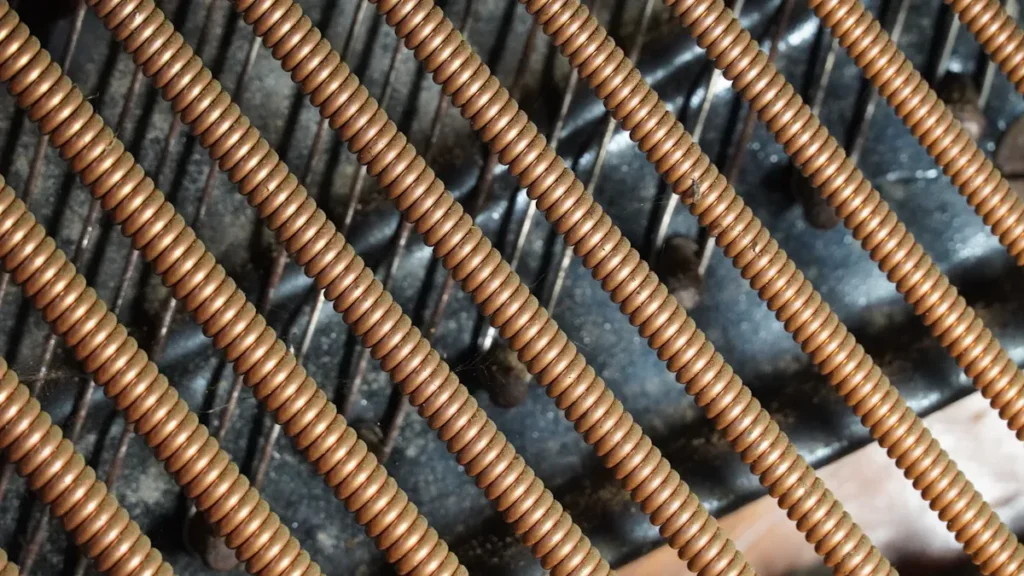
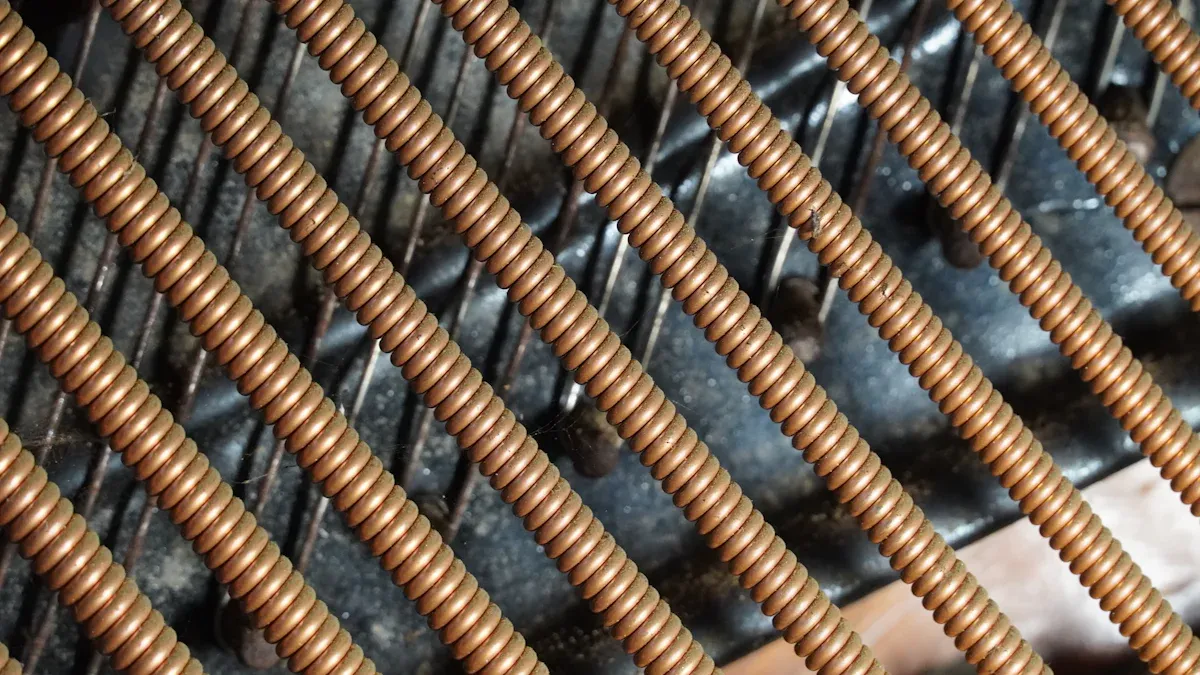
2025 başvurunuzda, tam gereksinimlerinize uygun bir ısıtma bobini seçerek en iyi sonuçları elde edersiniz. Doğru seçim, aşağıdakilere bağlıdır: bobin malzemesi, boyut, şekil gibi kritik faktörlere, ve çalışma ortamına bağlıdır. Küresel ısıtma bobini pazarının 2032 yılına kadar $4,1 milyara ulaşması beklenirken, daha fazla endüstri enerji verimli çözümler talep etmektedir. Şu gibi faktörlere odaklanmalısınız: dayanıklılık, performans metrikleri ve koruyucu kılıflar. Bobinleri ihtiyaçlarınıza göre eşleştirmek, verimlilik, güvenlik ve uzun hizmet ömrü sağlar.
Isıtma Bobini Uygulamaları için Temel Seçim Kriterleri
Isıtma Elemanları için Uygulama Gereksinimleri
Sıcaklık Aralığı
Isıtma elemanlarını seçmeden önce uygulamanız için çalışma sıcaklığını tanımlamalısınız. Gerekli sıcaklık aralığı, ihtiyacınız olan elektrikli ısıtma bobini elemanlarının türünü belirler. Örneğin, poliimid ısıtıcılar yüksek sıcaklıklarda iyi performans gösterirken, silikon kauçuk seçenekleri nem direnci sunar. Süreciniz hızlı sıcaklık değişimleri içeriyorsa, bozulmadan termal döngüye dayanabilen ısıtma elemanlarını seçin. Erken arızayı önlemek için bobinin maksimum sıcaklık değerini her zaman sisteminizin ihtiyaçlarıyla eşleştirin.
Isıtma Yükü ve Kapasitesi
Isıtma yükünü doğru bir şekilde hesaplamak, doğru miktarda ısı sağlayan ısıtma elemanlarını seçmenizi sağlar. Şunları göz önünde bulundurun: voltaj, watt ve watt yoğunluğu, çünkü bu faktörler elektrikli ısıtma bobinlerinin tasarımını ve performansını yönlendirir. Üreticiler, ısı çıkış gereksinimlerinizi karşılamak için eleman kalınlığını ve aralığını ayarlar. Çok bölgeli ısıtma uygulamaları için, farklı alanları verimli bir şekilde yönetmek üzere birden fazla giriş güç hattı veya tek bir sıcaklık kontrol cihazı kullanabilirsiniz.
Çevresel Koşullar
Hava hızı, nem, kimyasal maruziyet ve mekanik stres gibi çevresel faktörler, ısıtma elemanlarının performansını ve ömrünü doğrudan etkiler. Koruyucu kaplamalar veya dayanıklı malzemeler, korozyona ve fiziksel hasara karşı direnç göstermeye yardımcı olur. Alan sınırlı olduğunda, daha ince elemanlar ve daha sıkı aralıklar, kompakt veya hareketli parçalarda eşit ısı dağılımı sağlar. Güvenilir çalışmayı sağlamak için kurulum ortamını her zaman göz önünde bulundurun.
Elektrikli Isıtma Bobinleri için Performans Hususları
Verimlilik
Enerji verimliliği 2025 yılında elektrikli ısıtma bobinleri için en önemli öncelik olmaya devam etmektedir. Gibi performans kriterleri Performans Katsayısı (COP) ve Enerji Verimlilik Oranı (EER) , enerji tüketimine göre ısı çıkışını ölçerek sistemleri karşılaştırmanıza yardımcı olur. Çoğu elektrikli ısıtma bobini elemanı neredeyse tüm elektrik gücünü ısıya dönüştürse de, ısının alanınızda dağılma şekli genel enerji verimliliğini etkiler. Daha iyi ısı dağılımına sahip sistemler, konforu korurken daha az enerji tüketir.
Tepki Süresi
Hızlı tepki süresi, istenen çalışma sıcaklığına hızla ulaşmanızı sağlar. Örneğin, aşındırılmış folyo ısıtma elemanları, hassas ısı kontrolü ve hızlı termal tepki sağlayarak hızlı ayarlamalar gerektiren uygulamalar için idealdir. Daha kısa tepki süreleri, proses kontrolünü iyileştirir ve enerji israfını azaltır.
Kontrol ve Modülasyon
Gelişmiş kontrol ve modülasyon özellikleri, optimum enerji verimliliği için ısı çıkışını ince ayarlamanıza olanak tanır. Gerçek zamanlı izleme için termokupllar veya RTD'ler gibi sıcaklık sensörlerini entegre edin . Çok bölgeli ısıtma ve değişken güç girişi, tutarlı sıcaklıkları korumanıza ve aşırı ısınmayı önlemenize yardımcı olur.
Doğru Isıtma Elemanını Seçerken Güvenlik ve Uyumluluk
2025 için Düzenleyici Standartlar
Güvenlik ve performansı sağlamak için endüstri standartlarına ve sertifikalarına uymalısınız. Temel standartlar şunları içerir:
- ASME Kazan ve Basınçlı Kap Kodu
- UL 207 ve ANSI/ASHRAE güvenlik kodları
- Kanada Kayıt Numarası (CRN)
- CSA sertifikası (STD C22.2)
- Avrupa Basınçlı Ekipman Direktifi (PED)
- AHRI Standardı 410
- ETL sertifikası (ANSI/UL 1995, CAN/CSA C22.2 No 236-05)
- Kalite yönetimi için ISO 9001:2015
Bu standartlar, dünya çapında ısıtma elemanları için tasarım, güvenlik ve düzenleyici gereksinimleri tanımlar.
Aşırı Isınma Koruması
Aşırı ısınma, hem ekipman hem de personel için önemli riskler oluşturur. Güvenli olmayan sıcaklık artışlarını önlemek için termal kesiciler, sigortalar ve yedekli sensörler entegre edin. Sıcaklık sensörlerinin düzenli kalibrasyonu ve doğru yerleştirilmesi, güvenli çalışmanın sürdürülmesine yardımcı olur.
Elektrik ve Yangın Güvenliği
Uygun topraklama, güvenli kablolama ve düzenli denetimler sağlayarak elektrik güvenliğine öncelik vermelisiniz. Sızıntıları ve yapısal arızaları önlemek için korozyona dayanıklı malzemeler ve koruyucu kaplamalar kullanın. Operatör eğitimi ve üretici yönergelerine bağlılık, yangın veya elektrik tehlikesi riskini daha da azaltır.
İpucu: Düzenli denetimler ve önleyici bakım korozyon, sızıntı ve sensör arızaları gibi yaygın sorunları önlemenize yardımcı olarak ısıtma elemanlarınızın güvenli ve güvenilir şekilde çalışmasını sağlar.
Uzun Ömür ve Bakım Seçim İpuçları
Dayanıklılık
Isıtma bobininizin, özellikle zorlu ortamlarda mümkün olduğunca uzun süre dayanmasını istersiniz. Dayanıklılık, malzemeye, üretim kalitesine ve bobinin korozyona, oksidasyona ve termal yorgunluğa ne kadar iyi direnç gösterdiğine bağlıdır. Paslanmaz çelik ve Incoloy alaşımları, yüksek sıcaklıklara ve aşındırıcı atmosferlere karşı mükemmel direnç sunar. Sert bir ortamda çalışıyorsanız, koruyucu kılıf veya kaplamaya sahip bir bobin seçin. Bu ek katman, elemanı nemden, kimyasallardan ve fiziksel darbelerden korur.
İpucu: Üreticinin önerilen çalışma sınırlarını her zaman kontrol edin. Bu sınırların aşılması bobinin ömrünü kısaltabilir ve beklenmedik arızalara yol açabilir.
Bakım Kolaylığı
Kolay bakım, size zaman kazandırır ve duruş süresini azaltır. Bir ısıtma bobini seçerken denetim, temizlik ve değiştirme işlemlerini basitleştiren özellikler arayın. Modüler tasarımlar, tüm sistemi sökmeden arızalı elemanları değiştirmenize olanak tanır. Hızlı bağlantı terminalleri ve erişilebilir montaj noktaları, rutin bakımı çok daha kolay hale getirir.
Basit bir bakım kontrol listesi, ısıtma bobininizi en iyi durumda tutmanıza yardımcı olabilir:
- Aşınma, korozyon veya renk değişikliği belirtilerini kontrol edin.
- Bobin yüzeyindeki toz ve kalıntıları temizleyin.
- Elektrik bağlantılarını sıkılık ve bütünlük açısından test edin.
- Hasarlı yalıtımı veya koruyucu kılıfları değiştirin.
| Bakım Görevi | Sıklık | Fayda |
|---|---|---|
| Görsel Denetim | Aylık | Erken sorun tespiti |
| Temizlik | Üç Aylık | Aşırı ısınmayı önler |
| Elektrik Testi | Yıllık | Güvenli çalışmayı sağlar |
Garanti ve Destek
Güvenilir garanti kapsamı ve teknik destek, size gönül rahatlığı sağlar. Satın alma işleminizi sonuçlandırmadan önce garanti koşullarını inceleyin. Hem parçaları hem de işçiliği kapsayan bir teminat arayın. Bazı üreticiler kritik uygulamalar için genişletilmiş garantiler sunar. Hızlı yanıt veren teknik destek, sorunları hızlıca çözmenize ve duruş süresini en aza indirmenize yardımcı olur.
Güvenlik özellikleri, aşırı ısınmayı önlemek için otomatik ve manuel sıfırlamaların yanı sıra, bobin etkinleşmeden önce uygun hava hareketini doğrulayan hava akışı veya fan anahtarlarını içerir. Kurulum kılavuzları ve garanti sertifikaları dahil tüm belgeleri güvenli bir yerde saklayın. Bu, gerektiğinde desteğe erişmeyi veya talepte bulunmayı kolaylaştırır.
Bu seçim ipuçlarını takip ettiğinizde, ısıtma bobininizin minimum bakımla uzun vadeli performans sunmasını sağlarsınız. Dayanıklılık, bakım kolaylığı ve güçlü desteğe öncelik vermek, yatırımınızdan en iyi şekilde yararlanmanıza ve maliyetli aksaklıkları önlemenize yardımcı olacaktır.
Isıtma Bobini Türlerini ve Seçim İpuçlarını Anlama
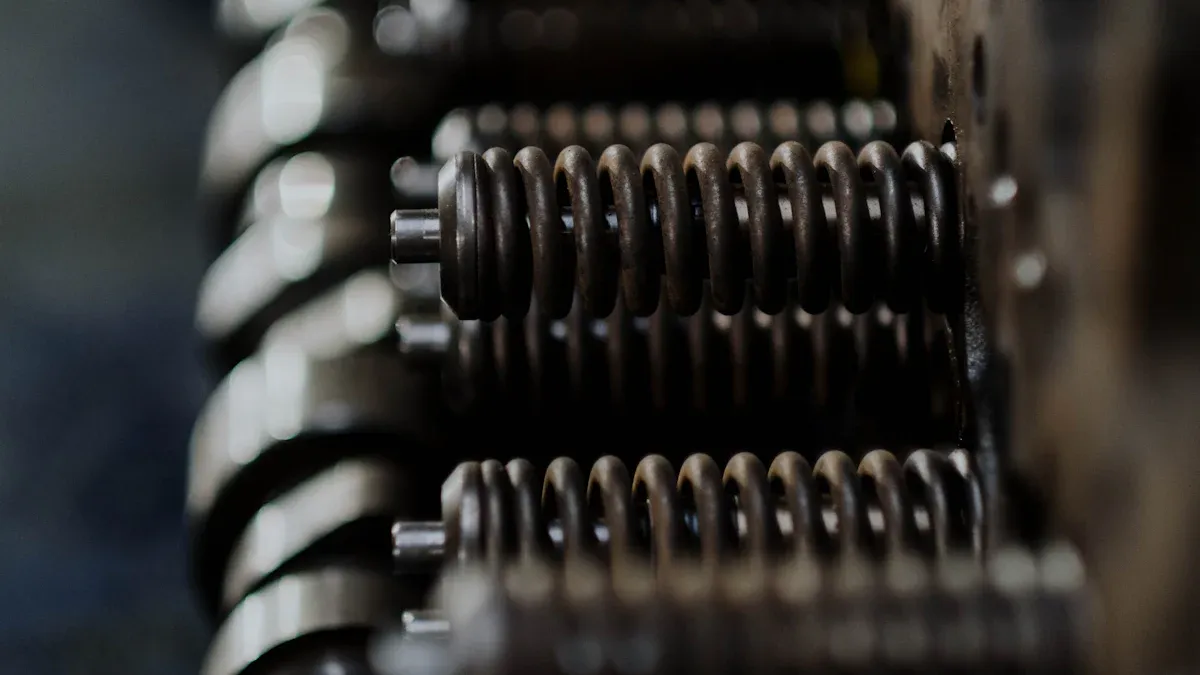
Borulu Isıtma Bobinleri
Artıları ve Eksileri
Sağlam performans ve uyarlanabilirlik gerektiğinde borulu ısıtma bobinlerinden faydalanırsınız. Bu bobinler, dahili elektrik direncini korumak için metal bir kılıf kullanır tel ısıtma elemanı, bu da dayanıklılığı ve güvenliği artırır. ε-NTU yöntemi gibi ampirik modellere, güvenerek termal kapasitelerini ve geniş bir koşul yelpazesindeki etkinliklerini tahmin edebilirsiniz. Borulu bobinler, farklı ortamlara ve sistem gereksinimlerine iyi uyum sağlar.
- Karmaşık HVAC konfigürasyonlarında bile tutarlı bir ısıtma kapasitesi elde edersiniz.
- Bu bobinler, değişken akış hızlarını, glikol konsantrasyonlarını ve farklı rakımları işler.
- Ayrıntılı geometrik verilere ihtiyaç duymadan boyutlandırma için basitleştirilmiş modeller kullanabilirsiniz.
- Borulu bobinler hem kuru ısıtma hem de soğutma modlarında iyi performans gösterir.
- Dinamik performans değerlendirmesi için simülasyon araçlarıyla kolayca entegre olurlar.
Bununla birlikte, borulu bobinlerin bazı alternatiflere göre daha fazla kurulum alanı gerektirebileceğini görebilirsiniz. Metal kılıfları, açık bobin tasarımlarına kıyasla maksimum çalışma sıcaklığını sınırlayabilir.
Tipik Uygulamalar
Borulu ısıtma bobinlerini genellikle hava işleme üniteleri, fan coil üniteleri ve split sistemler dahil olmak üzere HVAC sistemlerinde görürsünüz. Hassas sıcaklık ve nem kontrolüne ihtiyaç duyduğunuz uygulamalarda mükemmeldirler. Ayrıca özel dış hava sistemlerinde, nem alma tekerleği sistemlerinde ve ısı geri kazanım cihazlarında da bulunurlar. Çok yönlülükleri, onları hem kısmi yük hem de soğutulmuş kirişler gibi özel uygulamalar için uygun kılar.
Kanatlı Isıtma Bobinleri
Artıları ve Eksileri
Kanatlı ısıtma bobinleri, kanatçıkların sağladığı artırılmış yüzey alanı sayesinde size gelişmiş ısı transferi sunar. Bu bobinler için küresel pazar, HVAC, enerji üretimi ve otomotiv endüstrilerindeki talep nedeniyle büyümeye devam etmektedir. Özellikle paslanmaz çelikten üretildiklerinde, güçlü korozyon ve oksidasyon direncinden, faydalanırsınız. Kanatlı bobinler dayanıklıdır, bakımı kolaydır ve katı güvenlik standartlarını karşılar.
- Neme bağlı kısa devrelere karşı dirençli oldukları için ıslak veya tehlikeli ortamlarda kullanabilirsiniz.
- Kanatlı bobinler, kir, toz ve tiftiğe karşı koruma sağlayarak elektrik kısa devre riskini azaltır.
- Elemanları terminal kutusundan kolayca değiştirebilirsiniz, bu da bakım kolaylığını artırır.
- Sağlam tasarımları, nükleer enerji santralleri gibi yüksek titreşimli ortamlara dayanıklıdır.
- Daha yüksek termal atalet sayesinde hassas sıcaklık kontrolü elde edersiniz.
Kanatlı serpantinlerin, açık tip serpantinlere kıyasla daha yüksek basınç düşüşüne sahip olduğunu belirtmelisiniz. Ancak, açık tip sistemlerde basınç düşüşünü daha da artırabilecek ek basınç plakalarına ihtiyaç duymazlar.
Tipik Uygulamalar
Verimli termal yönetim ve dayanıklılık gerektiren ortamlarda kanatlı ısıtma serpantinleri kullanırsınız. HVAC kanal ısıtıcılarında, endüstriyel proses ısıtmada ve yenilenebilir enerji sistemlerinde yaygındırlar. Neme ve yabancı maddelere karşı dirençleri, gıda işleme ve kimya tesisleri dahil zorlu ortamlar için idealdir.
Açık Bobin Isıtma Elemanları
Artıları ve Eksileri
Açık bobin ısıtma elemanları Yüksek sıcaklık uygulamaları için size uygun maliyetli bir çözüm sunar. Basit tasarımlarından ve hızlı termal tepkilerinden faydalanırsınız. Aşağıdaki tablo, açık tip serpantin elemanları ile kanatlı borulu elemanları karşılaştırmaktadır.:
| Yön | Açık Bobin Isıtma Elemanları | Kanatlı Borulu Elemanlar |
|---|---|---|
| İlk kurulumu daha ucuzdur | Daha basit tasarım ve daha düşük ağırlık nedeniyle daha ekonomik yapı. | Daha yüksek watt yoğunluklarını karşılayabildiği için daha pahalıdır. |
| Özellik | 1200°F'ye kadar, daha yüksek sıcaklık uygulamaları için uygundur. | 600°F'ye kadar önerilir. |
| Basınç Düşüşü | Elemanların kapladığı alanın daha az olması nedeniyle daha düşük basınç düşüşü. | Eleman tasarımı nedeniyle daha yüksek basınç düşüşü. |
| Termal Tepki | Düşük termal atalet nedeniyle hızlı tepki. | Daha yavaş tepki ancak daha homojen sıcaklık kontrolü. |
| Serpantin Sıcaklığı | Hava akımına doğrudan maruz kaldığında daha soğuk çalışır. | Kılıf ve kanat tasarımı nedeniyle daha sıcak çalışır. |
| Hava Akışı Gereksinimleri | Sıcak noktaları önlemek için homojen hava akışı gerektirir. | Homojen olmayan hava akışına karşı daha toleranslıdır. |
| 安全注意事项 | Kılıf eksikliği nedeniyle kazara temasın mümkün olduğu yerlerde daha az uygundur. | Metal kılıf nedeniyle daha güvenlidir. |
Sıcak noktaları ve aşırı ısınmayı önlemek için homojen hava akışını sağlamalısınız. Açık tip serpantin elemanları koruyucu kılıfa sahip değildir, bu nedenle kazara temasın mümkün olduğu alanlarda bunlardan kaçınmalısınız.
Tipik Uygulamalar
Endüstriyel fırınlar, kurutucular ve proses hava ısıtıcıları gibi hızlı ısıtma ve yüksek sıcaklık gerektiren uygulamalar için açık tip serpantin ısıtma elemanlarını seçersiniz. Düşük maliyetleri ve hızlı tepkileri, güvenlik muhafazalarının bulunduğu büyük ölçekli ısıtma uygulamaları için cazip kılar.
Kartuş Elektrikli Isıtma Serpantinleri
Artıları ve Eksileri
Kartuş elektrikli ısıtma serpantinleri ile hassas ve güvenilir ısıtma elde edersiniz. Bu serpantinler, delinmiş deliklere sıkıca oturarak yüksek watt yoğunluğunu doğrudan hedef bölgeye iletir. Özellikle kritik uygulamalarda uzun hizmet ömrü bekleyebilirsiniz. Örneğin, mini kalem ısıtıcılar genellikle 50.000 ila 90.000 saat. arasında dayanır. Gelişmiş yarık kılıf tasarımları, geleneksel ısıtıcılara kıyasla proses ısıtma maliyetlerinizi 'a kadar azaltmanıza yardımcı olur. NPH eheat modelleri gibi modern kartuş ısıtıcılar, enerji verimliliğini 'e kadar artırır. Paslanmaz Çelik 321 kılıflar korozyona karşı direnç gösterir ve sökme işlemini basitleştirirken, daha uzun seramik çekirdekler daha az elektrik bağlantısı ve daha fazla dayanıklılık anlamına gelir.
| Performans Özelliği | Açıklama / Metrik |
|---|---|
| Isıtıcı Ömrü | Kritik uygulamalarda 50.000–90.000 saat |
| Maliyet Tasarrufu | Proses ısıtma maliyetlerinde 'a kadar azalma |
| : Daha düşük elektrik direnci, bakır elemanların suyu ısıtmak için daha az güç kullanması anlamına gelir, bu da enerji faturalarınızı azaltabilir. | Geleneksel kartuş ısıtıcılara kıyasla 'e kadar iyileştirme |
| Malzeme Kalitesi | Korozyon direnci için Paslanmaz Çelik 321 kılıf |
| Yapı Kalitesi | Daha az bağlantı ve geliştirilmiş dayanıklılık için daha uzun seramik çekirdekler |
| Üretim Hassasiyeti | Sıkı toleranslar ve optimum watt dağılımı |
| Mühendislik Hizmetleri | Termal danışmanlık ve tasarım optimizasyonu mevcuttur |
Ancak, yetersiz havalandırılan düzeneklerde ısı tahliyesi konusunda zorluklarla karşılaşabilirsiniz. Kartuş serpantinleri, sıcak noktaları veya erken arızayı önlemek için hassas oturma ve montaj gerektirir.
Tipik Uygulamalar
Kartuş elektrikli ısıtma serpantinlerini plastik enjeksiyon kalıplarında, paketleme ekipmanlarında, sıcak damgalamada ve tıbbi cihazlarda kullanırsınız. Bu serpantinler, lokalize, yüksek yoğunluklu ısı ve sıkı sıcaklık kontrolü gerektiren uygulamalarda üstün performans gösterir. Ayrıca gıda işleme, basınçlı döküm ve bilimsel enstrümanlarda da bulunurlar.
Esnek Isıtma Elemanları
Artıları ve Eksileri
Esnek ısıtma elemanları size eşsiz uyarlanabilirlik sağlar. Rijit ısıtıcıların performans gösteremediği durumlarda kritik olan kavisli veya düzensiz yüzeylere uyacak şekilde şekillendirebilirsiniz. Bu elemanlar ince, hafif ve enerji verimli kalır. Homojen ısı dağılımı ve hızlı tepki sürelerinden faydalanırsınız. Silikon kauçuk, poliimid ve karbon bazlı elemanlar gibi gelişmiş malzemeler dayanıklılığı ve özelleştirmeyi artırır. Baskılı ısıtma teknolojileri ve grafen bazlı ısıtıcılar, minyatür ürünler için seçeneklerinizi daha da genişletir.
- Esnek ısıtıcılar karmaşık şekillere ve yüzeylere uyum sağlar.
- Kompakt cihazlarda kusursuz entegrasyon elde edersiniz.
- Havacılık buz çözme veya elektrikli araç akü ısıtması gibi aşırı koşullarda güvenilir şekilde çalışırlar.
- Otomotiv, tıbbi ve endüstriyel otomasyon sektörlerinde pazar büyümesi güçlü kalmaya devam etmektedir.
Esnek ısıtıcıların, rijit serpantinlere kıyasla daha düşük maksimum sıcaklık limitlerine sahip olabileceğini belirtmelisiniz. Ayrıca hasar veya performans kaybını önlemek için dikkatli kurulum gerektirirler.
Tipik Uygulamalar
Esnek ısıtma elemanlarını otomotiv koltuk ve akü ısıtıcılarında, tıbbi teşhis cihazlarında, giyilebilir elektroniklerde ve havacılık sistemlerinde bulursunuz. Ayrıca yarı iletken üretiminde ve akıllı bina uygulamalarında da hizmet verirler. Bir tür esnek ısıtıcı olan şerit ısıtma elemanı, kompakt alanlarda homojen ısı sağlar ve hızlı termal çevrimi destekler.
İndüksiyon Isıtma Serpantinleri
Artıları ve Eksileri
İndüksiyon ısıtma bobinleri size hızlı, temassız ısıtma sunar. hassas sıcaklık kontrolü. Bu bobinler yalnızca hedeflenen bileşeni ısıttığı için yüksek enerji verimliliğinden yararlanırsınız. Süreçleri otomatikleştirebilir ve üretim kalitesini iyileştirebilirsiniz. Ancak, homojen ısıtma elde etmek için bobin tasarımını, frekansı ve konumlandırmayı optimize etmelisiniz. Yanlış ayarlar, özellikle karmaşık şekillerde cilt etkisi, nedeniyle sıcaklık heterojenliğine yol açabilir.
| Yön | Operasyonel Faydalar | Kısıtlamalar ve Zorluklar |
|---|---|---|
| Sıcaklık Kontrolü | Hassas, tutarlı ısıl işlem | Karmaşık şekiller için homojen ısıtma zordur |
| Isıtma Hızı | Hızlı ısıtma, artırılmış verimlilik | Yalnızca iletken malzemelerle sınırlıdır |
| : Daha düşük elektrik direnci, bakır elemanların suyu ısıtmak için daha az güç kullanması anlamına gelir, bu da enerji faturalarınızı azaltabilir. | Azaltılmış enerji israfı ve işletme maliyetleri | Daha yüksek başlangıç sistem maliyetleri |
| Bileşen Dayanıklılığı | İyileştirilmiş sertlik ve aşınma direnci | Gelişmiş kontrol ve izleme gerektirir |
| Üretim Kalitesi | Tutarlı ürün performansı | Bobin tasarımı süreç kalitesi için kritiktir |
Tipik Uygulamalar
İndüksiyon ısıtma bobinlerini metal sertleştirme, dövme ve lehimlemede kullanırsınız. Bu bobinler, ateşli silah namlusu üretiminde, mühimmat imalatında ve enerji üretiminde önemli bir rol oynar. Ayrıca otomotiv parça üretiminde ve yüksek hassasiyetli endüstriyel süreçlerde de kullanılırlar.
Isıtma Bobini Malzemelerinin ve Tasarımlarının Karşılaştırılması
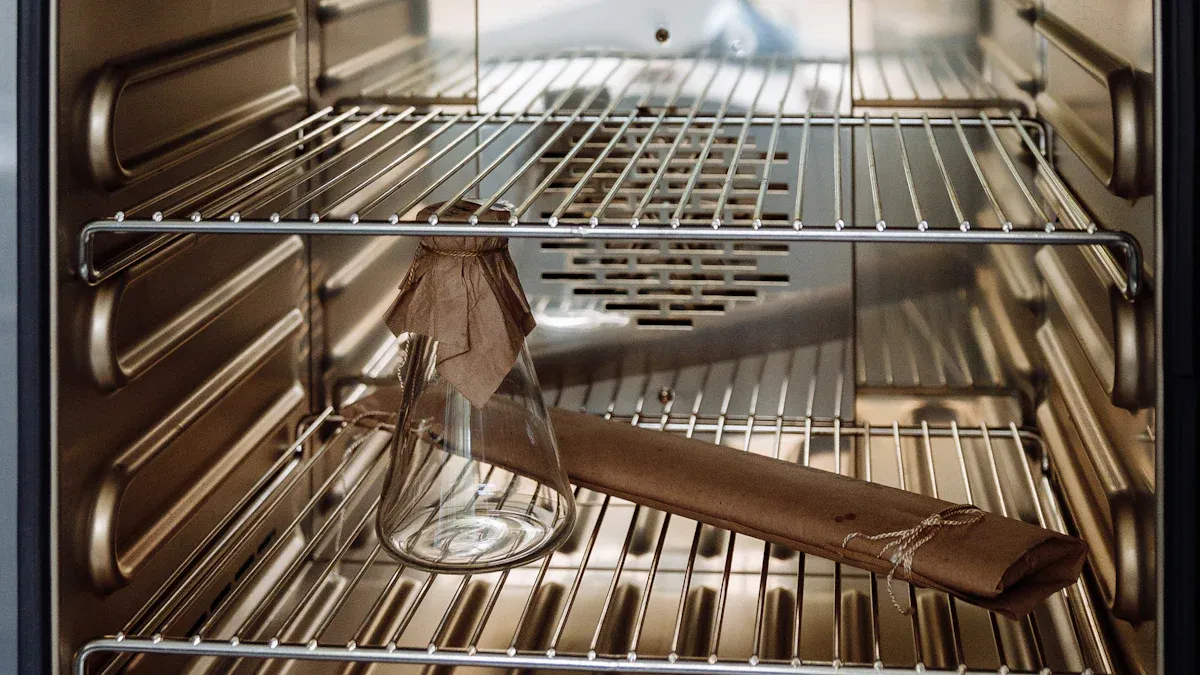
Yaygın Isıtma Bobini Malzemeleri
Paslanmaz Çelik
Güçlü korozyon direnci ve dayanıklılık gerektiğinde genellikle paslanmaz çeliği tercih edersiniz. Isıtma bobini malzemeleri için paslanmaz çelik, özellikle 304 ve 316 kaliteleri, krom içeriği sayesinde pasif bir oksit tabakası oluşturur. Bu özellik, onu endüstriyel, denizcilik ve farmasötik ortamlar için uygun hale getirir. Ancak paslanmaz çeliğin termal iletkenliği orta düzeydedir, bu nedenle ısıyı diğer seçenekler kadar verimli aktaramayabilir. Yüksek mekanik mukavemeti ve düşük bakım gereksinimi sayesinde yüksek sıcaklık operasyonlarında uzun süreli kullanımı desteklersiniz.
Bakır
Bakır ve bakır-nikel alaşımları mükemmel termal iletkenlik sağlar ve bu da onları ısı eşanjörleri ile hızlı ısı transferinin kritik olduğu sistemler için ideal kılar. Bakırı özellikle denizcilik ortamlarında faydalı bulursunuz çünkü oyuklanmaya ve gerilim korozyonuna karşı direnç gösterir. Bakırın sünekliği ve şekillendirilebilirliği, karmaşık bobin şekilleri oluşturmanıza olanak tanır ve bu da ısıtma elemanı tasarım esnekliğini artırır. Bakır daha düşük başlangıç maliyetleri sunarken, yüksek sıcaklık uygulamalarına uygunluğunu dikkate almalı ve proses akışkanlarınızla malzeme uyumluluğunu sağlamalısınız.
Incoloy ve Diğer Alaşımlar
En zorlu yüksek sıcaklık operasyonları için Incoloy ve AL-6XN® veya Hastelloy® gibi özel alaşımları seçersiniz. Bu malzemeler, agresif kimyasal ortamlarda bile üstün oksidasyon ve korozyon direnci sağlar. Incoloy’un yüksek sıcaklıklardaki mekanik mukavemeti ve stabilitesi, onu yüksek sıcaklık uygulamaları ve korozif atmosferler için en iyi tercih haline getirir. Maksimum malzeme uyumluluğu ve uzun hizmet ömrü gerektiğinde, bu alaşımlar güvenilir performans sunar.
İpucu: Yaygın ısıtma bobini malzemelerinin temel özelliklerini karşılaştırmak için aşağıdaki tabloyu kullanın :
| Özellik | Paslanmaz Çelik (304, 316, 403) | Bakır-Nikel Alaşımları (70/30, 90/10) |
|---|---|---|
| Korozyon Direnci | Yüksek; pasif oksit tabakası oluşturur | Mükemmel; koruyucu oksit tabakası oluşturur |
| Mekanik Dayanım | Yüksek çekme dayanımı, iyi sertlik | İyi süneklik, alaşım elementleriyle geliştirilir |
| Termal İletkenlik | Orta (8,1–15,1 Btu/(ft·sa·°F)) | Daha Yüksek (29–40 W/m·K) |
| Uygulama Uygunluğu | Endüstriyel, gıda, denizcilik, farmasötik | Denizcilik, ısı eşanjörleri, soğutma sistemleri |
| Maliyet ve Bakım | Daha yüksek maliyet, düşük bakım | Daha düşük maliyet, minimum bakım |
Uygulamaya Göre Malzeme Seçim İpuçları
Korozif Ortamlar
Korozif ortamlarda çalışırken malzeme uyumluluğuna öncelik vermelisiniz. Çevrimiçi korozyon izleme sensörleri kullanan saha çalışmaları , gerçek zamanlı verilerin operasyonel değişikliklerin korozyon oranlarını nasıl etkilediğini anlamanıza yardımcı olduğunu gösterir. Malzeme bozulmasını değerlendirmek ve en iyi ısıtma bobini malzemelerini seçmek için gravimetrik analiz ve SEM-EDX tortu analizini kullanabilirsiniz. Termal sprey kaplamalar ve katı yağlayıcılar , özellikle yüksek sıcaklık operasyonlarında korozyon ve oksidasyon direncini daha da artırır.
Yüksek Sıcaklık Uygulamaları
Yüksek sıcaklık operasyonları için bütünlüğü koruyan ve oksidasyona direnç gösteren malzemelere ihtiyacınız vardır. Paslanmaz çelik ve Incoloy alaşımları bu koşullar altında iyi performans gösterir. Gelişmiş kaplamalar ve ısıl işlemler uygulayarak bobin ömrünü iyileştirebilirsiniz. Malzeme uyumluluğunu her zaman prosesinizdeki spesifik sıcaklık ve kimyasal maruziyetle eşleştirin.
Gıda ve Tıbbi Uygulamalar
Gıda ve tıbbi uygulamalarda sıkı malzeme uyumluluğu gerektirirsiniz. Paslanmaz çelik, hijyenik özellikleri ve kontaminasyona karşı direnci nedeniyle tercih edilen seçenek olmaya devam etmektedir. Düzenleyici standartları karşılayan ve sık temizlik döngülerine bozulmadan dayanabilen ısıtma bobini malzemelerini seçmelisiniz.
Elektrikli Isıtma Bobinleri için Tasarım Hususları
Bobin Şekli ve Konfigürasyonu
Doğru bobin şeklini, çapını ve adımını seçerek ısıtma elemanı tasarım performansını etkilersiniz. Bobin şekli, çapı ve adımı. Mühendislik raporları, bobin geometrisinin ısı dağılımını, yüzey alanı yükünü ve dayanıklılığı etkilediğini göstermektedir. Bobin gerdirmesini ve tel çapını ayarlayarak yüzey alanı yükünü optimize edebilir, yüksek sıcaklık operasyonlarında verimliliği artırabilirsiniz.
Montaj ve Entegrasyon
Bobinleri sarkmayı önlemek ve termal genleşmeyi yönetmek için uygun izolatörlerle desteklemelisiniz. İyi montaj uygulamaları sıcak noktaları azaltır ve bobin ömrünü uzatır. Yüzey alanı yükünü dengelemek ve aşırı ısınmayı önlemek için hava akışını ve korumayı da göz önünde bulundurmalısınız.
Özel ve Standart Tasarımlar
Uygulamanızın karmaşıklığına bağlı olarak özel ve standart ısıtma elemanı tasarımı arasında karar verirsiniz. Özel tasarımlar, benzersiz gereksinimler için bobin şeklini, yüzey alanı yükünü ve malzeme uyumluluğunu uyarlamanıza olanak tanır. Standart tasarımlar, yaygın yüksek sıcaklık operasyonları için daha hızlı teslim süreleri ve kanıtlanmış performans sunar.
Doğru Isıtma Elemanını Seçmek için Adım Adım Kılavuz
Uygulama Parametrelerinizi Tanımlayın
Temel Verileri Toplayın
Uygulamanızla ilgili tüm temel bilgileri toplayarak başlarsınız. Bu adım, güvenilir performans ve uzun hizmet ömrü sunan ısıtma elemanlarını seçmenizi sağlar. Şu adımları izleyin:
- İhtiyacınız olan ısı transferi türünü belirleyin—iletim, konveksiyon veya radyasyon.
- Gerekli gücü ve ısı akısını hesaplayın. Şu formülü kullanın:
Güç (W) = Kütle × Özgül Isı Kapasitesi × Sıcaklık Değişimi / Süre - Isıtma elemanının boyutunu veya kütlesini belirleyin. Isıtma hızını sıcaklık stabilitesi ile dengeleyin.
- Uygulamanızın sert veya esnek bir ısıtıcı gerektirip gerektirmediğine karar verin. Isıtılacak alanın şeklini ve stabilitesini göz önünde bulundurun.
- Çalışma ortamını değerlendirin. Nem, korozif gazlar veya kirleticiler açısından kontrol edin.
- Isıtıcı tipine uygun ve kolay değiştirmeye olanak tanıyan bir kurulum yöntemi seçin.
- Toplam sahip olma maliyetini değerlendirin. İlk satın alma, işletme maliyetleri ve beklenen ömrü dahil edin.
İpucu: Isıtma elemanı sıcaklık aralığını uygulamanızla eşleştirmek, erken arızayı önler ve dayanıklılığı sağlar.
Kısıtlamaları Belirleyin
Seçiminizi etkileyebilecek tüm sınırlamaları tanımalısınız. Bu kısıtlamalar, maliyetli hatalardan kaçınmanıza ve ısıtma elemanlarının sisteminize uyum sağlamasına yardımcı olur.
- Alan sınırlamaları: Kurulum için mevcut alanı ölçün.
- Güç kaynağı: Gerilim ve akım mevcudiyetini doğrulayın.
- Çevresel faktörler: Kimyasallara, neme veya toza maruz kalmayı not edin.
- Güvenlik gereksinimleri: Karşılamanız gereken düzenleyici veya endüstri standartlarını belirleyin.
- Bakım erişimi: Isıtma elemanını kolayca inceleyip değiştirebildiğinizden emin olun.
Not: Doğru kurulum ve rutin bakım, aşınma veya hasarı erken tespit etmenizi sağlar, performansı korur ve ömrü uzatır.
Isıtma Bobini Tipini ve Malzemesini İhtiyaçlarla Eşleştirin
Kullanım Senaryoları
Yaygın senaryoları inceleyerek seçim sürecinizi iyileştirirsiniz:
- Yüksek sıcaklık endüstriyel fırınlar için, aşırı ısıya dayanan direnç teli veya İç bağlantılar (gerekli çapalar): yüksek ısıya dayanıklı malzemeler seçin.
- Gıda işlemede, hijyen ve korozyon direnci için paslanmaz çelik veya metal kılıflı elemanlar seçin.
- Laboratuvar testlerinde, özel ekipmanlara uyum sağlamak için esnek veya özel şekilli elemanlar kullanın.
- Otomotiv veya havacılıkta, molibden disilisit veya silisyum karbür gibi ileri malzemeler zorlu ortamları ve hızlı çevrimleri yönetir.
Her zaman Isıtma elemanını gerekli sıcaklık aralığıyla eşleştirin ve çalışma ortamıyla uyumlu hale getirin. Bu yaklaşım, kimyasal bozulmayı önler ve verimliliği korur.
Karar Noktaları
Doğru ısıtma elemanını seçerken birkaç önemli kararla karşı karşıya kalırsınız:
- Uygulamanız hızlı ısınma mı yoksa hassas sıcaklık kontrolü mü gerektiriyor?
- Eleman korozif veya nemli bir ortamda mı çalışacak?
- Standart mı yoksa özel bir tasarıma mı ihtiyacınız var?
- Önceliğiniz nedir—enerji verimliliği, dayanıklılık mı yoksa maliyet etkinliği mi?
| Karar Noktası | Husus | Örnek Çözüm |
|---|---|---|
| Sıcaklık Aralığı | Maksimum ve minimum çalışma sıcaklığı | 1200°C'ye kadar Nikrom |
| Malzeme Uyumluluğu | Kimyasallara veya neme maruz kalma | Oksitleme için silisyum karbür |
| : Daha düşük elektrik direnci, bakır elemanların suyu ısıtmak için daha az güç kullanması anlamına gelir, bu da enerji faturalarınızı azaltabilir. | İşletme maliyetlerini azaltın | Yüksek dirençli malzemeler |
| Dayanıklılık ve Uzun Ömür | Arıza süresini ve değiştirme işlemlerini en aza indirin | Metal kılıflı veya seramik |
| Kurulum ve Bakım | Erişim ve değiştirme kolaylığı | Modüler veya hızlı bağlantı tasarımı |
Uyarı: Özel ısıtma elemanı türleri ve ileri malzemeler hakkında farkındalık, pazar trendleriyle uyum sağlamanıza ve benzersiz uygulama ihtiyaçlarını karşılamanıza yardımcı olur.
Isıtma Elemanlarının Performansını ve Güvenliğini Değerlendirin
Test ve Sertifikasyon
Isıtma elemanlarınızın tanınmış standartlara uygun olduğunu doğrulayarak güvenlik ve güvenilirlik sağlarsınız. Aşağıdakiler gibi önde gelen kuruluşlar CSA Group ve UL Solutions kapsamlı test ve sertifikasyon çalışmaları yürütür. Bu testler şunları içerir:
- Fonksiyonel güvenlik değerlendirmeleri
- IEC 60730 ve UL 2417 standartlarına uygunluk
- Ürün performansı ve çevresel simülasyon testleri
- Enerji verimliliği doğrulaması
- Kendiliğinden tutuşma sıcaklığı ve dielektrik delinme gerilimi testleri
Bu sertifikalar, ısıtma elemanlarınızın zorlu koşullar altında güvenli bir şekilde çalıştığını ve sanitasyon, verimlilik ve güvenilirlik açısından endüstri gereksinimlerini karşıladığını doğrular.
Güvenlik Özellikleri Kontrol Listesi
Temel güvenlik özelliklerinin varlığını doğrulayarak ekipmanınızı ve personelinizi korursunuz. Bu kontrol listesini kullanın:
- Aşırı ısınma koruması (termal kesiciler veya sigortalar)
- Uygun topraklama ve güvenli elektrik bağlantıları
- Korozyona dayanıklı malzemeler ve koruyucu kaplamalar
- Kritik uygulamalar için yedekli sıcaklık sensörleri
- Tüm ilgili düzenleyici standartlara uygunluk
İpucu: Düzenli denetimler ve üretici yönergelerine bağlılık, yangın, elektrik tehlikeleri ve beklenmeyen arıza süresi riskini azaltır.
Seçim Önerileri için Üreticilere veya Uzmanlara Danışın
Profesyonel Tavsiye Ne Zaman Alınmalı
Isıtma bobini seçim sürecinde uzman görüşünün değerini fark etmelisiniz. Üreticiler ve endüstri uzmanları, geniş bir uygulama yelpazesinde derin teknik bilgi ve deneyime sahiptir. Onların rehberliği, maliyetli hatalardan kaçınmanıza ve sisteminizin tüm performans ve güvenlik gereksinimlerini karşılamasını sağlamanıza yardımcı olur.
Aşağıdaki durumlarda profesyonellere başvurmayı değerlendirin:
- Karmaşık veya Özel Uygulamalar: Projeniz benzersiz sıcaklık profilleri, standart dışı gerilimler veya özel geometriler içeriyorsa, uzman tasarım desteğinden faydalanırsınız.
- Katı Düzenleyici Uygunluk: Uygulamanız belirli endüstri standartlarını veya sertifikasyonları karşılamak zorundaysa, uzmanlar bu gereksinimleri doğru şekilde yorumlamanıza ve uygulamanıza yardımcı olur.
- Zorlu Ortamlar: Aşındırıcı atmosferler, yüksek nem veya aşırı sıcaklıklar gibi zorlu koşullarla karşı karşıyaysanız, uzmanlar uygun malzemeleri ve koruyucu özellikleri önerir.
- Gelişmiş Kontrollerle Entegrasyon: Hassas modülasyon, çok bölgeli ısıtma veya akıllı kontrollerle entegrasyon gerektiren sistemler için, en son teknolojileri anlayan mühendislere danışmaktan kazanç sağlarsınız.
- Belirsiz Performans Gereksinimleri: Isıtma yükü hesaplamaları, tepki süreleri veya verimlilik hedefleri konusunda netliğiniz yoksa, profesyoneller doğru boyutlandırma ve seçim konusunda yardımcı olur.
İpucu: Üreticiler veya teknik uzmanlarla erken görüşme yapmak, proje takviminizi hızlandırır ve ilerleyen aşamalarda tasarım revizyonu riskini azaltır.
Tedarikçilere Sorulacak Sorular
Isıtma bobini tedarikçileriyle görüşürken hedefli sorular sorarak karar alma sürecinizi güçlendirirsiniz. Açık iletişim, teknik ve operasyonel ihtiyaçlarınıza uygun ürünler almanızı sağlar.
Tedarikçilerle görüşürken bu kontrol listesini kullanmayı değerlendirin:
- Uygulamam için hangi bobin tipini ve malzemesini önerirsiniz?
- Çalışma ortamınıza ve sıcaklık aralığınıza dayalı gerekçe talep edin.
- Isıtma elemanlarınız için performans verisi veya test sonuçları sağlayabilir misiniz?
- Verimlilik dereceleri, tepki süreleri ve dayanıklılık metrikleri gibi dokümanları talep edin.
- Ürünleriniz hangi sertifikalara ve standartlara uygundur?
- Sektörünüz için geçerli güvenlik ve kalite standartlarına uygunluğu teyit edin.
- Kurulum ve bakım süreçlerinde nasıl destek sağlıyorsunuz?
- Mevcut kılavuzlar, eğitimler veya yerinde destek hakkında bilgi alın.
- Hangi garanti koşullarını ve satış sonrası desteği sunuyorsunuz?
- Parça, işçilik ve teknik destek kapsamını netleştirin.
- Bobin tasarımlarını özel gereksinimlerime göre özelleştirebilir misiniz?
- Özel çözümlerin fizibilitesini, teslim süresini ve maliyet etkilerini belirleyin.
- Kalite kontrol ve ürün izlenebilirliğini nasıl yönetiyorsunuz?
- Üretim süreçleri, denetim protokolleri ve parti takibi hakkında soru sorun.
Güvenlik özellikleri, aşırı ısınmayı önlemek için otomatik ve manuel sıfırlamaların yanı sıra, bobin etkinleşmeden önce uygun hava hareketini doğrulayan hava akışı veya fan anahtarlarını içerir. Tüm tedarikçi yanıtlarını belgeleyin ve basit bir tablo kullanarak karşılaştırın. Bu yaklaşım, seçenekleri objektif olarak değerlendirmenize yardımcı olur.
| Question | Tedarikçi A Yanıtı | Tedarikçi B Yanıtı | Tedarikçi C Yanıtı |
|---|---|---|---|
| Bobin Tipi ve Malzeme Önerisi | |||
| Sağlanan Performans Verisi | |||
| Sertifikalar ve Standartlar | |||
| Kurulum ve Bakım Desteği | |||
| Garanti ve Satış Sonrası Destek | |||
| Özelleştirme Seçenekleri | |||
| Kalite Kontrol ve İzlenebilirlik |
Uzmanlarla görüşerek ve doğru soruları sorarak başarılı bir ısıtma bobini seçimi sağlarsınız. Bu süreç, uygulamanız için daha iyi performans, güvenlik ve uzun vadeli değer sunar.
Pratik Isıtma Bobini Seçim Kontrol Listesi ve Karar Matrisi
Hızlı Başvuru Seçim Kontrol Listesi
Temel Kriterler
Isıtma bobini seçim sürecinizi kolaylaştırmak için net bir kontrol listesine ihtiyacınız vardır. Sisteminizin güvenilir performans ve güvenlik sağlamasını garanti etmek için bu temel kriterlere odaklanın:
- Uygulamanız için gereken sıcaklık aralığını tanımlayın.
- Isıtma yükünü hesaplayın ve verimli ısı transferi için uygun yüzey alanı yüklemesini sağlayın.
- Malzeme uyumluluğunu proses akışkanları, çevresel koşullar ve temizlik maddeleri ile doğrulayın.
- Kurulum ortamını nem, hava akışı ve kimyasallara maruz kalma gibi faktörler açısından değerlendirin.
- Endüstri standartlarına ve güvenlik düzenlemelerine uygunluğu doğrulayın.
- Sıcak noktaları önlemek ve homojen ısıtma sağlamak için yüzey alanı yüklemesini değerlendirin.
- Sağlam aşırı ısınma koruması ve elektrik güvenliği özelliklerini kontrol edin.
İpucu: Kriterleri operasyonel hedeflerinize ve paydaş görüşlerine göre önceliklendirin. Analitik Hiyerarşi Süreci (AHP) gibi karar verme çerçeveleri, her faktörü önem derecesine göre ağırlıklandırmanıza yardımcı olur.
İsteğe Bağlı Özellikler
Temel gereksinimleri ele aldıktan sonra, performansı artırabilecek veya bakımı kolaylaştırabilecek isteğe bağlı özellikleri değerlendirin:
- Hassas modülasyon ve çok bölgeli ısıtma için gelişmiş kontrol sistemleri.
- Daha kolay servis için modüler veya hızlı bağlantı tasarımları.
- Özel bobin şekilleri veya kanatlı tasarımlar aracılığıyla geliştirilmiş yüzey alanı yüklemesi.
- Gerçek zamanlı izleme ve öngörücü bakım için akıllı sensörler.
- Genişletilmiş garantiler ve hızlı teknik destek.
Aşağıdaki gibi yapılandırılmış bir yaklaşım, Kalite Evi (QFD), bu özellikleri belirli ihtiyaçlarınızla ilişkilendirmenize ve optimum seçim için bunları sıralamanıza yardımcı olur.
Uygulamalar için Isıtma Bobini Karar Matrisi
Uygulama ve Bobin Türü Karşılaştırması
Uygulama gereksinimlerinize göre bobin tiplerini karşılaştırmak için bir karar matrisi kullanabilirsiniz. Bu yöntem, teknik, ekonomik ve bağlamsal faktörlere dayalı olarak seçenekleri puanlamanıza ve sıralamanıza olanak tanır. Araçlar gibi puanlama tabloları, değer tabloları ve renkli ısı haritaları ödünleşimleri görselleştirmenize ve en uygun seçeneği belirlemenize yardımcı olur.
| Uygulama | Boru Tipi Bobin | Kanatlı Bobin | Açık Bobin | Kartuş Bobin | Esnek Eleman | İndüksiyon Bobini |
|---|---|---|---|---|---|---|
| Yüksek Sıcaklık Endüstriyel Fırın | ✓ | ✓ | ✓ | ✓ | – | ✓ |
| Gıda İşleme | ✓ | ✓ | – | ✓ | ✓ | – |
| Tıbbi Cihazlar | – | – | – | ✓ | ✓ | – |
| HVAC Sistemleri | ✓ | ✓ | ✓ | – | – | – |
| Otomotiv/Havacılık | – | ✓ | – | ✓ | ✓ | ✓ |
Not: Kullanın performans kıyaslamaları ve modelleme araçları seçimlerinizi doğrulamak için. Enerji verimliliği veya yüzey alanı yükü gibi ölçülebilir hedefler belirleyin ve tasarım aşaması boyunca bunları takip edin.
Malzeme ve Çevre
Malzeme uyumluluğu, bobin ömrü ve güvenliğinde kritik bir rol oynar. Bobin malzemelerini çalışma ortamıyla eşleştirmeli; korozyon, sıcaklık ve temizlik gereksinimleri gibi faktörleri dikkate almalısınız. Bir karar matrisi bu ilişkileri görselleştirmenize yardımcı olur.
| Ortam | Paslanmaz Çelik | Bakır | Incoloy/Alaşım | Yüzey Alanı Yükü Değerlendirmeleri |
|---|---|---|---|---|
| Korozif | ✓ | – | ✓ | Yüksek yüzey alanı yükü |
| Yüksek Sıcaklık | ✓ | – | ✓ | Optimize edilmiş yüzey alanı yükü |
| Gıda/Tıbbi | ✓ | – | – | Üniform yüzey alanı yükü |
| Denizcilik | ✓ | ✓ | ✓ | Geliştirilmiş yüzey alanı yükü |
| Temiz Oda | ✓ | – | – | Kontrollü yüzey alanı yükü |
Ağırlıklı kriterler ve duyarlılık analizi kullanan dinamik bir karar matrisi, en sağlam ve verimli çözümü seçmenizi sağlar. Yöntemler gibi TOPSIS ve bulanık çok kriterli karar verme modelleri teknik performans, maliyet ve riski dengelemenize olanak tanır.
Vurgu: Gerekçenizi ve puanlamanızı her zaman belgeleyin. Bu uygulama kalite güvencesini destekler ve nihai seçiminizi gerekçelendirmenize yardımcı olur.
Isıtma Elemanları için Kurulum, Bakım ve Güvenlik En İyi Uygulamaları
Elektrikli Isıtma Bobinleri için Kurulum Kılavuzları
Doğru Montaj
Elektrikli ısıtma bobinlerini doğru şekilde monte ederek optimum performans ve güvenlik sağlarsınız. Yönlendirme ve destek için her zaman üreticinin tavsiyelerine uyun. Çalışma sırasında titreşimi veya hareketi önlemek için bobini sıkıca sabitleyin. Elektrik kaçaklarını ve termal genleşme sorunlarını önlemek için uygun yalıtkanlar kullanın. Isıtma elemanlarını kanallara veya muhafazalara monte ederken duvarlardan ve diğer bileşenlerden yeterli boşluk bırakın. Bu boşluk, uygun hava akışı ve ısı dağılımı sağlar.
Elektrik Bağlantıları
Tüm elektrik bağlantılarını özenle yapmalısınız. Sisteminizin voltajı ve akımı için derecelendirilmiş terminaller ve konektörler kullanın. Ark oluşumunu veya aşırı ısınmayı önlemek için tüm bağlantıları sıkın. Gelecekteki bakımı kolaylaştırmak için kabloları net şekilde etiketleyin. Sistemi enerji vermeden önce açıkta kalan teller veya gevşek bağlantılar olup olmadığını kontrol edin. Nitelikli bir elektrikçi, kurulumun yerel kodlara ve güvenlik standartlarına uygun olduğunu doğrulamalıdır.
Isıtma Bobini Ömrü için Bakım İpuçları
Denetim Programları
Yapılandırılmış bir denetim programı izleyerek ısıtma elemanlarının ömrünü uzatırsınız. Merkezi bakım yönetim sistemleri, hatırlatıcıları otomatikleştirmenize ve servis geçmişini takip etmenize yardımcı olur. Rutin denetimler, aşınma, korozyon veya elektrik arızalarının erken belirtilerini tespit etmenizi sağlar. Araştırmalar, sistematik önleyici bakımın ekipman ömrünü -30 oranında uzatabileceğini ve beklenmedik arızaları azaltabileceğini göstermektedir. Bobin sağlığını izlemek ve zamanında müdahaleler planlamak için akıllı sensörler ve dijital dokümantasyon kullanın.
Temizlik ve Bakım
Elektrikli ısıtma bobinlerini temiz tutarak verimliliği korur ve erken arızayı önlersiniz. Toz, kalıntı ve tortular bobini yalıtarak aşırı ısınmaya neden olabilir. Düzenli temizlik, filtre değişimi ve yağlama, aşınma ve yıpranmayı azaltır. Bakım takip araçları, eğilimleri belirlemenize ve bakım stratejilerini optimize etmenize yardımcı olur. Temizlik maddeleri ve yöntemleri için her zaman üretici yönergelerini izleyin. Bakım işlemlerinin ayrıntılı kayıtlarını tutmak, garanti taleplerini destekler ve operasyonel verimliliği artırır.
İpucu: Önleyici bakıma bağlılık ve detaylara gösterilen özen, çalışma süresini önemli ölçüde artırır ve operasyonel maliyetleri azaltır.
Doğru Isıtma Elemanını Seçerken Güvenlik Protokolleri
Acil Durum Prosedürleri
Net müdahale protokolleri oluşturarak acil durumlara hazırlanırsınız. Kontrol panellerinin yakınına acil kapatma talimatlarını asın. Personeli duman, olağandışı koku veya atan sigortalar gibi uyarı işaretlerini tanımaları için eğitin. Yangın söndürücüleri ve ilk yardım çantalarını erişilebilir tutun. Herkesin rolünü bildiğinden emin olmak için acil durum tatbikatlarını düzenli olarak gözden geçirin ve uygulayın.
Eğitim ve Dokümantasyon
Isıtma elemanları ve elektrikli ısıtma bobinleri hakkında kapsamlı eğitim sağlayarak güvenli bir iş yeri oluşturursunuz. Tüm personelin kurulum, çalıştırma ve bakım prosedürlerini anladığından emin olun. Kablo şemaları, servis kayıtları ve güvenlik veri sayfaları dahil olmak üzere güncel dokümantasyonu koruyun. Dijital bakım yazılımı, eğitim tamamlama ve ekipman durumunu takip etmenize yardımcı olur.
| Güvenlik Uygulaması | Fayda |
|---|---|
| Personel Eğitimi | Kaza riskini azaltır |
| Net Dokümantasyon | Arıza tespitini basitleştirir |
| Acil Durum Tatbikatları | Müdahale hazırlığını iyileştirir |
Not: Tutarlı eğitim ve dokümantasyon, düzenlemelere uymanızı ve güvenli, verimli bir tesis sağlamanızı destekler.
Yapılandırılmış bir yaklaşım izleyerek doğru ısıtma serpantinini seçebilirsiniz:
- Uygulamanızın sıcaklık ve çevresel gereksinimlerini tanımlayın.
- Serpantin tipini ve malzemesini özel gereksinimlerinizle eşleştirin.
- Performansı, güvenlik özelliklerini ve bakım seçeneklerini değerlendirin.
İpucu: Nihai kararı vermeden önce her zaman uzmanlara danışın ve sertifikaları inceleyin. Dikkatli seçim, ısıtma sisteminiz için güvenilir performans, güvenlik ve uzun hizmet ömrü sağlar.
SSS
Isıtma serpantini seçerken en önemli faktör nedir?
Serpantinin sıcaklık değerini ve malzemesini uygulamanızla eşleştirmeye öncelik vermelisiniz. Bu, güvenli çalışma ve uzun hizmet ömrü sağlar. Proses ortamınızla uyumluluğu her zaman kontrol edin.
Elektrikli ısıtma serpantinlerini ne sıklıkla incelemelisiniz?
Isıtma serpantinlerini aşınma, korozyon veya elektriksel sorun belirtileri açısından aylık olarak incelemelisiniz. Düzenli kontroller, sorunları erken tespit etmenize ve sistem verimliliğini korumanıza yardımcı olur.
Farklı uygulamalar için aynı ısıtma serpantinini kullanabilir misiniz?
Tüm uygulamalar için aynı serpantini kullanmamalısınız. Her proses, belirli malzemeler, watt yoğunlukları veya güvenlik özellikleri gerektirebilir. Her zaman benzersiz gereksinimleriniz için tasarlanmış bir serpantin seçin.
Isıtma elemanlarında hangi sertifikalara dikkat etmelisiniz?
UL, CSA ve ISO 9001:2015 gibi sertifikalara bakın. Bu standartlar, ısıtma elemanının sektörünüz için güvenlik, kalite ve performans gereksinimlerini karşıladığını doğrular.
Gerekli ısıtma yükünü nasıl hesaplarsınız?
Isıtma yükünü şu formülü kullanarak hesaplarsınız:
Güç (W) = Kütle × Özgül Isı × Sıcaklık Değişimi / Zaman
Doğru boyutlandırmayı sağlamak için her değişken için doğru verileri toplamalısınız.
Hangi bakım adımları ısıtma serpantininin ömrünü uzatır?
Serpantinleri düzenli olarak temizlemeli, elektrik bağlantılarını kontrol etmeli ve hasarlı yalıtımı değiştirmelisiniz. Önleyici bakım programı uygulamak, duruş süresini azaltır ve serpantin ömrünü uzatır.
Esnek ısıtma elemanları yüksek sıcaklık kullanımı için güvenli midir?
Esnek Isıtma elemanlarının nasıl çalıştığını bilmek Orta sıcaklıklar için uygundur. Yüksek sıcaklık uygulamaları için malzemenin maksimum değerini doğrulamalı ve rehberlik için üreticiye danışmalısınız.