
Você pode manter seus aquecedores de placas funcionando com segurança e eficiência por meio de cuidados e atenção regulares. A manutenção adequada reduz o risco de problemas e ajuda você a obter o máximo de cada O elemento de aquecimento e conjunto de tubos de aquecimento. Quando você prioriza a segurança do aquecedor de ambiente, protege seu investimento e cria um ambiente mais seguro. Sempre trate Placas de Aquecimento com respeito para garantir desempenho duradouro.
Por que a Manutenção do Aquecedor de Placas e a Segurança do Aquecedor de Ambiente São Importantes
Protegendo Sua Casa e Sua Família
Você desempenha um papel crucial na segurança da sua casa ao dar ao seu sistema de aquecimento a atenção que ele necessita. Ao praticar o cuidado com o aquecedor radiante, você reduz o risco de incêndios domésticos por aquecimento e outros perigos. Muitas situações reais mostram como a manutenção regular pode prevenir incidentes perigosos:
- Uma creche enfrentou desafios de aquecimento durante o inverno. A ação rápida para substituir o forno protegeu tanto a saúde quanto a propriedade.
- Um proprietário descobriu uma caldeira insegura e a substituiu imediatamente, mantendo a família segura contra riscos de aquecimento.
- A manutenção regular em um tanque de óleo externo detectou ferrugem precocemente. Essa medida proativa preveniu vazamentos e reparos caros, protegendo a casa e a família.
Você pode ver que um sistema bem mantido mantém seus entes queridos seguros e sua propriedade protegida. A segurança do aquecedor de ambiente deve ser sempre uma prioridade máxima.
Garantindo a Operação Eficiente do Aquecedor de Placas
Você quer que seu sistema de aquecimento funcione da melhor forma. A operação eficiente depende de quão bem você mantém seu sistema radiante. Quando você mantém a manutenção em dia, ajuda seu sistema a fornecer calor constante e evita falhas repentinas. Para manter seu sistema radiante funcionando sem problemas, você deve:
- Monitorar a pressão e a temperatura de operação para permanecer dentro dos limites seguros.
- Medir as taxas de fluxo para identificar obstruções ou incrustações no sistema.
- Inspecionar desgaste, corrosão, vazamentos e a condição das juntas.
- Limpar o sistema usando métodos de Limpeza no Local (CIP) ou manuais para remover depósitos.
- Solucionar vazamentos, redução de transferência de calor e obstruções para manter o desempenho radiante.
- Seguir um cronograma de manutenção regular e manter registros do seu sistema.
Ao seguir estas etapas, você garante que seu sistema radiante use energia de forma eficiente e mantenha sua casa confortável.
Prolongando a Vida Útil dos Aquecedores de Placas
Você investe em aquecedores de placas para desfrutar de calor confiável por anos. O cuidado adequado e a manutenção do aquecedor radiante prolongam a vida do seu sistema de aquecimento. Quando você presta atenção ao seu sistema, detecta pequenos problemas antes que se tornem grandes. Você também evita reparos e substituições caros. Um sistema radiante bem mantido permanece forte, fornece calor consistente e economiza dinheiro ao longo do tempo. Torne o cuidado radiante um hábito, e seu sistema recompensará você com serviço confiável.
Preparação e Verificações de Segurança Antes da Manutenção do Aquecedor de Placas
Antes de iniciar qualquer manutenção no aquecedor de placas, você precisa preparar seu espaço de trabalho e reunir as ferramentas adequadas e os equipamentos de segurança. A preparação cuidadosa ajuda a evitar acidentes e garante que seu trabalho atenda aos padrões da indústria.
Reunindo Ferramentas e Equipamentos de Segurança para a Manutenção
Ferramentas Essenciais para a Manutenção do Aquecedor de Placas
Você deve reunir todas as certas necessárias antes de começar. Esta etapa economiza tempo e reduz o risco de erros. As ferramentas comuns incluem:
- Multímetro para verificar se não há tensão presente
- Escovas e panos de limpeza não abrasivos
- Peças de reposição aprovadas pelo fabricante
- Extintor de incêndio para emergências
- Chaves e chaves de fenda para apertar conexões
- Mangueiras para drenagem e limpeza
- Detector de vazamento de gás se o seu sistema usar gás
Dica: Sempre use ferramentas recomendadas pelo fabricante para evitar danos ao seu aquecedor de placas.
Equipamentos de Proteção Individual Recomendados
Os equipamentos de proteção individual (EPI) mantêm você seguro durante a manutenção. Você deve usar:
- Luvas isoladas para proteção contra choque elétrico
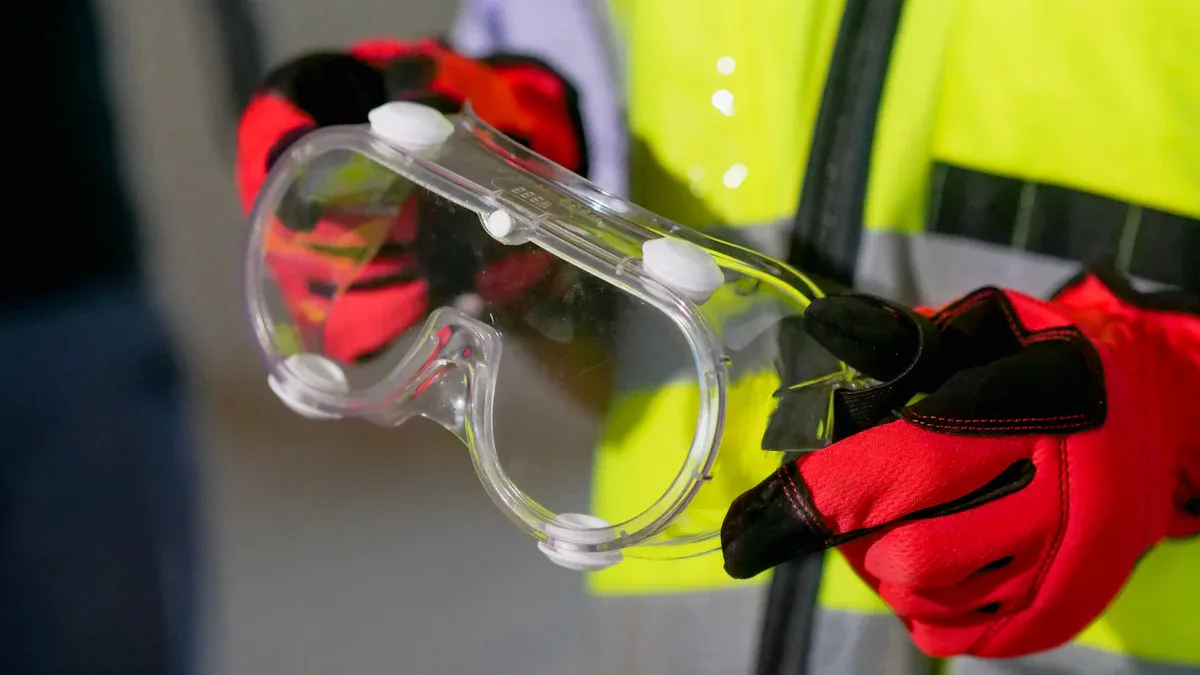
- Óculos de segurança para proteger os olhos de detritos
- Roupas resistentes ao calor para trabalhar perto de superfícies quentes
- Calçado resistente para evitar escorregões e lesões
- Respirador se você usar produtos químicos de limpeza
Inspecione seu EPI antes de cada uso. Equipamentos danificados podem colocá-lo em risco.
Desligamento e Isolamento Seguro de Aquecedores de Placa
Desligamento do Fornecimento de Energia e Água
Você deve desligar todo o fornecimento de energia e água antes de começar. Desligue o interruptor elétrico principal e feche todas as válvulas de água conectadas ao aquecedor de placa. Esta etapa evita choques acidentais e vazamentos.
Procedimentos de Bloqueio e Etiquetagem para Segurança do Aquecedor de Ambiente
Os procedimentos de bloqueio e etiquetagem garantem que ninguém ligue o sistema acidentalmente enquanto você trabalha. Fixe um cadeado e uma etiqueta no interruptor de energia e nas válvulas de água. Identifique claramente o equipamento como “Em Manutenção”. Essa prática segue as diretrizes de segurança da indústria e protege todos na área.
Inspeção da Área de Trabalho para Manutenção Segura
Limpeza da Área ao Redor dos Aquecedores de Placa
Um espaço de trabalho limpo e organizado reduz o risco de acidentes. Remova qualquer desordem, ferramentas ou materiais ao redor do aquecedor de placa. Certifique-se de que o piso esteja seco e nivelado para evitar escorregões.
Verificação de Perigos e Obstruções
Realize inspeções visuais da área. Procure por sinais de danos, corrosão ou vazamentos. Verifique se há saídas de ar bloqueadas, fiação exposta ou qualquer outro perigo. Resolva esses problemas antes de iniciar a manutenção para garantir um ambiente seguro.
Nota: Seguir uma lista de verificação baseada nas diretrizes do fabricante ajuda a cobrir cada etapa de segurança e mantém seu processo de manutenção eficiente.
Dicas de Instalação Segura para Aquecedores de Placa
Escolhendo o Local Adequado para Segurança do Aquecedor de Ambiente
Garantindo Ventilação e Fluxo de Ar Adequados
Você precisa selecionar um local que permita que seu aquecedor de placa respire. A ventilação adequada evita superaquecimento e reduz o risco de incêndio. Coloque seu aquecedor em um ambiente com boa circulação de ar. Evite usar aquecedores de ambiente em áreas úmidas, como cozinhas ou banheiros, pois a umidade aumenta o risco de choque elétrico. Sempre verifique se há um selo de certificação UL para confirmar que o aquecedor atende aos padrões de segurança.
Dica: Teste os alarmes de fumaça e monóxido de carbono antes de usar seu aquecedor. Essa etapa simples adiciona uma camada extra de proteção para sua casa.
Mantendo uma Zona de Segurança ao Redor dos Aquecedores de Placa
Crie uma zona de segurança clara ao redor do seu aquecedor de placa. Mantenha pelo menos 1 metro de distância entre o aquecedor e qualquer objeto inflamável, como cortinas, móveis ou roupas de cama. Certifique-se de que crianças e animais de estimação fiquem longe do aquecedor para evitar queimaduras ou acidentes. Coloque o aquecedor em uma área de baixo tráfego para evitar riscos de tombamento. Essas dicas de segurança ajudam a manter um ambiente seguro.
Fixação dos Aquecedores de Placa para Operação Segura
Aperto das Conexões Elétricas e Mecânicas
Antes de ligar seu aquecedor de placa, verifique todas as conexões elétricas e mecânicas. Aperte parafusos e fixadores para garantir estabilidade. Centralize o aquecedor e seus materiais para distribuir a pressão uniformemente. Inspecione a fiação quanto a danos e confirme que todas as conexões estão seguras. Verificações pré-operação ajudam a identificar problemas precocemente e mantêm seu sistema funcionando sem problemas.
Colocação dos Aquecedores de Placa em Superfícies Estáveis e Não Inflamáveis
Coloque seu aquecedor de placa sobre uma superfície plana, estável e não inflamável. Evite colocá-lo sobre carpetes ou tapetes, que podem reter calor e aumentar o risco de incêndio. Use apenas superfícies niveladas para evitar tombamento. Conecte o aquecedor diretamente a uma tomada de parede, não a um filtro de linha ou extensão. Essa prática reduz a chance de superaquecimento e riscos elétricos.
Seguindo as Diretrizes de Instalação do Fabricante
Cumprimento dos Requisitos de Ventilação e Espaçamento
Sempre leia e siga o manual de instalação do fabricante. Os fabricantes especificam requisitos de ventilação e espaçamento por um motivo. Coloque seu aquecedor em um local que atenda a essas diretrizes. Certifique-se de que a área ao redor do aquecedor permaneça desobstruída e que o fluxo de ar não esteja bloqueado. Eletricistas qualificados devem realizar todas as conexões elétricas para garantir a segurança.
Evitando Extensões e Filtros de Linha
Conecte seu aquecedor de placa diretamente a uma tomada de parede dedicada. Extensões e filtros de linha podem superaquecer e causar incêndios. Verifique se seu circuito elétrico corresponde aos requisitos de voltagem do aquecedor. Após a instalação, teste o aquecedor para confirmar o funcionamento adequado. Essas dicas de segurança protegem seu equipamento e sua casa.
Guia Passo a Passo de Manutenção do Aquecedor de Placa
Limpeza dos Aquecedores de Placa para Desempenho Ideal
Técnicas de Limpeza de Superfície
Você deve iniciar os cuidados com o aquecedor radiante limpando o exterior dos seus aquecedores de placa. Poeira e detritos podem se acumular na superfície, reduzindo a eficiência radiante e aumentando o risco de incêndio. Use um pano macio e não abrasivo ou uma escova para limpar os painéis. Evite produtos químicos agressivos que possam danificar o acabamento ou deixar resíduos. Se notar manchas persistentes, umedeça levemente o pano com água. Sempre seque bem a superfície antes de religar o sistema.
Dica: Limpe a área ao redor do seu sistema de aquecimento regularmente para evitar acúmulo de poeira e manter o fluxo de ar seguro.
Limpeza Interna e Substituição de Filtros
A limpeza interna é essencial para restaurar o desempenho radiante e prevenir falhas no sistema. Com o tempo, lama, incrustações e sujeira oleosa podem se acumular no interior dos componentes. Você deve programar a limpeza antes de notar uma queda na temperatura ou um aumento significativo na perda de pressão. Esse cuidado proativo ajuda a evitar paradas não planejadas e reparos dispendiosos.
- Use Métodos de Limpeza no Local (CIP) quando possível. Circule uma solução química pelo sistema para dissolver incrustações sem desmontagem.
- Para depósitos persistentes, desmonte a unidade e limpe cada placa com água pressurizada.
- Substitua os filtros conforme o cronograma do fabricante para manter o fluxo de ar ideal e evitar que contaminantes entrem no sistema.
A limpeza regular e a substituição de filtros minimizam o tempo de inatividade, reduzem o consumo de energia e ajudam a prevenir o desenvolvimento de bactérias nocivas no interior do sistema de aquecimento. A parceria com prestadores de serviços experientes pode ajudá-lo a elaborar um plano de manutenção adaptado ao seu sistema radiante específico.
Inspeção de Aquecedores de Placas quanto a Desgaste e Danos
Verificação de Placas, Juntas e Vedações
Você precisa inspecionar todas as placas, juntas e vedações durante cada sessão de manutenção. Procure sinais de desgaste, como afinamento, empenamento ou endurecimento das juntas. Vedações danificadas podem causar vazamentos e reduzir a eficiência radiante. Use uma lanterna para verificar superfícies irregulares ou desalinhamento. Substitua imediatamente qualquer componente desgastado ou danificado para manter o sistema operando com segurança.
Identificação de Corrosão, Rachaduras ou Vazamentos
Corrosão e rachaduras podem comprometer a integridade dos seus aquecedores de placas. Examine todas as superfícies metálicas quanto a ferrugem, descoloração ou corrosão puntiforme. Preste atenção especial às juntas e pontos de conexão, pois essas áreas são mais propensas a vazamentos. Se detectar qualquer umidade ou odores incomuns, investigue mais a fundo para localizar a fonte. Verifique e repare prontamente qualquer vazamento para evitar danos adicionais e manter o desempenho radiante.
Nota: Documente suas inspeções em um registro de manutenção. Manter registros detalhados ajuda a rastrear problemas recorrentes e apoia o cuidado proativo do seu sistema de aquecimento.
Aperto e Fixação de Conexões
Parafusos, Elementos de Fixação e Conexões de Mangueiras
Parafusos e elementos de fixação soltos podem causar vibrações, vazamentos e até riscos elétricos. Você deve verificar cada ponto de conexão durante a manutenção. Use as ferramentas corretas para apertar parafusos e conexões de mangueiras, mas evite apertar demais, o que pode danificar as roscas ou esmagar as juntas. Para linhas de gás, use um detector de vazamentos ou água com sabão para confirmar que não há vazamentos após o aperto.
- Verifique novamente a fiação elétrica quanto a conexões seguras e isolamento adequado.
- Substitua imediatamente qualquer fio ou conector danificado.
- Registre cada tarefa de aperto no seu registro de manutenção para referência futura.
Garantia de Estabilidade e Prevenção de Vibrações
Um sistema de aquecimento estável opera de forma mais eficiente e segura. Certifique-se de que seus aquecedores de placas estejam apoiados em uma superfície nivelada e não inflamável. Fixe todos os suportes de montagem e estruturas de apoio para evitar movimento. Vibrações podem afrouxar conexões ao longo do tempo, portanto, inspeções regulares são necessárias. Resolva imediatamente qualquer ruído incomum ou instabilidade para proteger seu sistema radiante e prolongar sua vida útil.
Manter o sistema estável e as conexões apertadas reduz o risco de incêndio, choque elétrico e falha mecânica. O cuidado consistente garante que seu sistema de aquecimento radiante ofereça desempenho confiável ano após ano.
Teste da Funcionalidade do Aquecedor de Placas Após a Manutenção
Após concluir a manutenção, você precisa verificar se o seu sistema radiante opera com segurança e eficiência. Esta etapa garante que seu sistema de aquecimento forneça calor radiante confiável e mantenha o desempenho ideal. Testes cuidadosos ajudam a identificar problemas precocemente e protegem seu investimento.
Ligação Segura e Monitoramento da Operação
Você deve sempre ligar o sistema radiante com cautela. Comece removendo todas as ferramentas e materiais de limpeza da área. Verifique novamente se todos os painéis, tampas e proteções de segurança estão no lugar. Restaure a energia do sistema de aquecimento ligando o disjuntor principal ou reconectando a fonte de alimentação. Se o sistema usar água, abra as válvulas lentamente para evitar picos de pressão.
Dica: Mantenha distância do sistema ao restaurar a energia pela primeira vez. Observe quaisquer sons, odores ou vibrações incomuns.
Monitore o sistema radiante de perto durante a inicialização. Observe as luzes indicadoras estáveis e ouça o zumbido normal de operação. Verifique se há vazamentos nas conexões e observe os manômetros de pressão e temperatura do sistema. Se notar luzes de aviso ou códigos de erro, consulte imediatamente o manual do fabricante.
Você também deve verificar a distribuição uniforme do calor radiante na superfície do aquecedor de placas. Aquecimento irregular pode indicar ar preso, obstruções ou montagem inadequada. Use um termômetro sem contato para verificar temperaturas consistentes. Se detectar pontos frios ou calor excessivo, desligue o sistema e inspecione quanto a erros de instalação.
Um sistema radiante bem mantido iniciará suavemente e atingirá a temperatura desejada sem demora. A observação cuidadosa durante esta fase ajuda a confirmar que seu trabalho de manutenção restaurou a operação segura e eficiente.
Verificação das Configurações do Termostato e Controles
Uma vez que o sistema radiante esteja em funcionamento, você precisa verificar se o termostato e os controles funcionam corretamente. Ajuste o termostato para a temperatura desejada e observe como o sistema de aquecimento responde. O aquecedor radiante deve ligar e desligar conforme necessário para manter a temperatura configurada.
- Teste todos os recursos programáveis, como temporizadores ou modos ecológicos.
- Ajuste o termostato para cima e para baixo para garantir que o sistema responda prontamente.
- Confirme se os recursos de desligamento de segurança são ativados se o sistema superaquecer ou apresentar mau funcionamento.
Nota: Se o seu sistema radiante incluir controles remotos ou inteligentes, teste também esses recursos. Certifique-se de que pode ajustar as configurações pelo seu dispositivo e receber alertas se o sistema detectar um problema.
Verifique se todas as luzes indicadoras, displays e botões de controle funcionam conforme o esperado. Se encontrar controles sem resposta ou leituras imprecisas, resolva esses problemas antes do uso regular. Controles funcionando corretamente ajudam a manter conforto e segurança durante toda a temporada de aquecimento.
Você deve documentar os resultados dos testes no seu registro de manutenção. Registre quaisquer ajustes feitos e observe a resposta do sistema. Essa prática ajuda a acompanhar o desempenho do sistema radiante ao longo do tempo e apoia o planejamento futuro da manutenção.
Precauções de Segurança com Aquecedores de Ambiente Durante a Manutenção
Uso de Equipamentos de Proteção Individual
Luvas, Proteção Ocular e Roupas de Proteção
Você precisa se proteger antes de iniciar qualquer manutenção no aquecedor de placas. Sempre use luvas isoladas para prevenir choque elétrico. Óculos de segurança protegem seus olhos de detritos ou respingos. Escolha roupas de proteção que resistam a calor e produtos químicos. Calçados fechados e resistentes ajudam a prevenir escorregões e lesões. Essas precauções de segurança reduzem o risco de acidentes e mantêm você focado na tarefa.
Manuseio Seguro de Produtos Químicos de Limpeza
Muitos agentes de limpeza contêm produtos químicos fortes. Você deve ler todos os rótulos e seguir as instruções do fabricante de perto. Trabalhe com soluções de limpeza em pequenas quantidades e evite misturar produtos. Armazene os produtos químicos em seus recipientes originais e mantenha-os longe de fontes de calor. Se derramar um produto químico, limpe-o imediatamente usando o método recomendado. Lave bem as mãos após manusear qualquer produto de limpeza.
Dica: Mantenha um kit de primeiros socorros por perto em caso de exposição acidental a produtos químicos.
Garantia de Ventilação Adequada e Qualidade do Ar
Trabalhar em Áreas Bem Ventiladas
A ventilação adequada é essencial durante a manutenção. Abra janelas ou use exaustores para aumentar o fluxo de ar. Essa prática ajuda a remover vapores e partículas transportadas pelo ar. De acordo com a Norma ASHRAE 62.1-2010, manter a ventilação com ar externo favorece a qualidade saudável do ar interno. Você deve sempre garantir que a área seja acessível e que o ar possa circular livremente.
| Aspecto | Por Que Isso Importa |
|---|---|
| Normas de Ventilação | Diluem poluentes internos e favorecem a saúde dos ocupantes durante a manutenção |
| Ventilação por Exaustão | Controla a propagação de contaminantes e evita o acúmulo de substâncias nocivas |
| Acessibilidade para Manutenção | Garante que você alcance todos os componentes e mantenha um fluxo de ar eficaz |
| Ventilação Natural | Abrir janelas pode complementar sistemas mecânicos para melhor qualidade do ar |
Prevenção do Acúmulo de Vapores Durante a Manutenção
Você deve evitar que vapores se acumulem. Aumente as taxas de ventilação e verifique se os sistemas de exaustão funcionam corretamente. Limpe os filtros de ar e os dutos antes de iniciar a manutenção. Monitore a qualidade do ar, se possível, especialmente ao usar produtos de limpeza químicos. Essas etapas ajudam você a evitar dores de cabeça, tonturas ou problemas de saúde mais graves.
Praticando a Segurança Elétrica com Aquecedores de Placa
Evitando Circuitos Energizados e Usando Ferramentas Isoladas
Você deve sempre desconectar a energia antes de trabalhar no seu aquecedor de placa. Use ferramentas isoladas para evitar contato acidental com fios energizados. Luvas não condutoras e calçados isolados adicionam outra camada de proteção. Nunca toque em partes elétricas com as mãos molhadas ou ao ficar em superfícies úmidas. Saiba onde estão os disjuntores e interruptores de desligamento para que você possa agir rapidamente em uma emergência.
- Inspecione os cabos quanto a danos antes do uso.
- Não use extensões nem conecte outros dispositivos na mesma tomada do aquecedor.
- Trabalhe somente em equipamentos que tenham sido devidamente desligados.
Prevenindo Choques Elétricos e Riscos de Incêndio
Você desempenha um papel fundamental na prevenção de choques elétricos e riscos de incêndio. Siga sempre as instruções do fabricante e nunca opere um aquecedor defeituoso. Instale e teste detectores de fumaça nas áreas onde você utiliza aquecedores. Mantenha uma distância de três pés ao redor do aquecedor de qualquer material inflamável. Desligue e desconecte o aquecedor quando não estiver em uso. Essas dicas de segurança ajudam você a evitar riscos comuns e a manter seu espaço de trabalho seguro.
Lembre-se: verificações regulares e atenção cuidadosa às precauções de segurança protegem tanto você quanto seu equipamento durante cada sessão de manutenção.
Erros Comuns na Manutenção de Aquecedores de Placa a Evitar
Ignorar Etapas Essenciais de Segurança para Aquecedores de Ambiente
Você pode sentir vontade de apressar a manutenção, mas ignorar etapas de segurança coloca você e seu equipamento em risco. Muitas investigações de incêndio revelam que manutenção inadequada ou negligência leva a incidentes graves. Por exemplo, a National Fire Protection Association (NFPA) relata que equipamentos de aquecimento, incluindo aquecedores de ambiente, causam a maior porcentagem de mortes civis durante o período noturno. Uso sem supervisão, falha na limpeza de poeira das aberturas de ventilação e desrespeito às instruções do fabricante aumentam o risco de incêndio. Conectar aquecedores a extensões ou réguas de energia pode causar superaquecimento ou curtos-circuitos. Você deve sempre seguir as diretrizes do fabricante para limpeza e substituição de filtros e usar recursos de segurança, como desligamento automático. Essas etapas ajudam a prevenir incêndios e proteger sua casa.
Dica: Sempre desconecte o aquecedor quando não estiver em uso e inspecione os cabos de alimentação quanto a desgaste ou danos antes de cada sessão de manutenção.
Apertar Demais ou de Menos as Conexões
Você precisa prestar atenção especial ao apertar parafusos e fixadores em aquecedores de placa. Estudos técnicos mostram que o aperto inadequado afeta a resistência mecânica e o desempenho de vedação das conexões flangeadas. Apertar demais pode deformar flanges ou danificar juntas, enquanto apertar de menos reduz a tensão de contato da junta e aumenta o risco de vazamentos. Ambos os erros comprometem a integridade estrutural do seu sistema.
| Erro | Resultado Possível |
|---|---|
| Apertar demais | Deformação do flange, danos ao material, vazamentos |
| Apertar de menos | Vedação reduzida, vazamentos, vibração |
Você deve sempre usar uma chave dinamométrica e seguir os valores de torque recomendados pelo fabricante. Essa prática garante uma operação confiável e evita reparos dispendiosos.
Uso de Produtos de Limpeza Inadequados
Você deve escolher os produtos de limpeza com cuidado para evitar danos ao equipamento ou a criação de riscos à segurança. As Fichas de Dados de Segurança (FDS) fornecem informações essenciais sobre perigos químicos, manuseio seguro e procedimentos de emergência. Use somente agentes de limpeza aprovados pelo fabricante ou pelo departamento de segurança da instalação. Alguns produtos de limpeza podem corroer superfícies metálicas ou deixar resíduos que afetam o desempenho. Desinfetantes registrados pela EPA devem ser usados conforme as instruções do rótulo para garantir segurança e eficácia. Desviar das concentrações recomendadas ou usar produtos químicos não testados pode danificar superfícies e anular garantias.
- Sempre revise a FDS antes de usar qualquer novo produto de limpeza.
- Teste os agentes de limpeza em uma pequena área se não tiver certeza sobre a compatibilidade.
- Documente quaisquer desvios dos procedimentos recomendados para manter a transparência e a segurança.
Usar os produtos de limpeza corretos protege seu investimento e garante que seus aquecedores de placa continuem operando com eficiência.
Ignorar Pequenos Vazamentos, Ruídos ou Sinais de Desgaste
Você pode notar um pequeno gotejamento, um chiado fraco ou uma leve vibração vinda do seu aquecedor de placa. Esses problemas menores muitas vezes parecem inofensivos, mas podem sinalizar problemas mais profundos dentro do seu sistema. Ao ignorar esses sinais de alerta precoces, você corre o risco de transformar um reparo simples em um conserto caro. Pequenos vazamentos podem levar a danos por água, corrosão ou até riscos elétricos se não forem verificados. Ruídos incomuns podem indicar componentes soltos, ar preso ou falhas mecânicas em desenvolvimento.
Dica: Resolver problemas menores durante inspeções regulares evita que eles se transformem em falhas graves.
Você deve sempre investigar qualquer som novo, vazamento ou desgaste visível assim que notá-lo. Use seu registro de manutenção para acompanhar essas mudanças ao longo do tempo. Se identificar um problema recorrente, agende uma inspeção completa para identificar a causa raiz. A ação rápida mantém seu aquecedor de placa operando com segurança e eficiência.
Negligenciar os Cronogramas Regulares de Manutenção do Aquecedor de Placa
Pular a manutenção programada coloca seu equipamento e sua segurança em risco. Quando você atrasa ou ignora inspeções regulares, permite que pequenos problemas cresçam sem serem notados. Relatórios do setor mostram que listas de verificação de manutenção preventiva ajudam a reduzir o tempo de inatividade, diminuir custos e prolongar a vida útil do seu aquecedor de placa. Você se beneficia de maior segurança, maior confiabilidade e desempenho consistente.
A manutenção de rotina também reduz corrosão, acúmulo de incrustações e ineficiências operacionais. Você economiza dinheiro nas contas de energia e evita substituições caras. Inspeções regulares ajudam você a identificar problemas antes que eles interrompam seu sistema de aquecimento. De acordo com uma análise estatística, mais de dois terços das falhas em sistemas elétricos podem ser prevenidas com manutenção preventiva de rotina. Componentes não incluídos nos programas programados falham três vezes mais frequentemente do que aqueles que estão incluídos.
Você deve criar um calendário de manutenção e segui-lo. Defina lembretes para trocas de filtros, limpeza e inspeções detalhadas. Documente cada sessão de manutenção para garantir responsabilidade e acompanhar a saúde do seu sistema. O cuidado consistente protege seu investimento e mantém seu aquecedor de placa operando com eficiência máxima.
Quando Chamar um Profissional para a Manutenção do Aquecedor de Placa
Você realiza muitas tarefas de manutenção por conta própria, mas algumas situações exigem atenção especializada. Saber quando chamar um profissional pode economizar tempo, dinheiro e estresse. Você protege seu sistema e sua segurança ao reconhecer os sinais que exigem habilidades especializadas.
Reconhecendo os Sinais que Exigem Ajuda Especializada
Vazamentos Persistentes ou Problemas Elétricos
Você pode notar vazamentos que continuam voltando mesmo após apertar conexões ou substituir vedações. Vazamentos persistentes frequentemente apontam para problemas mais profundos dentro do sistema. Problemas elétricos, como disjuntores desarmados, luzes piscando ou cheiros de queimado, sinalizam riscos graves. Você nunca deve ignorar esses sinais de alerta. Tentar corrigir falhas elétricas sem treinamento adequado pode levar a ferimentos ou danos adicionais.
Alerta: Se você vir água se acumulando perto de componentes elétricos, desligue a energia imediatamente e entre em contato com um técnico qualificado.
Ruídos, Cheiros ou Mau Funcionamento Incomuns
Você pode ouvir sons de batidas, chiados ou rangidos vindos do seu aquecedor de placa. Esses ruídos frequentemente indicam componentes com falha ou desalinhamento. Odores incomuns, como cheiros de queimado ou químicos, podem significar superaquecimento ou falhas elétricas. Se o seu aquecedor não ligar, ciclar rapidamente entre ligar e desligar, ou não atingir a temperatura definida, você precisa de uma inspeção profissional. Esses sintomas sugerem problemas que vão além da limpeza ou do aperto de rotina.
Escolhendo um Técnico Qualificado para Aquecedores de Placa
O que Procurar em um Profissional
Você quer um técnico com a experiência e as credenciais certas. Procure certificações de organizações reconhecidas do setor. Pergunte se o técnico já trabalhou com o seu tipo específico de aquecedor de placa. Um profissional qualificado entende o design, a operação e os requisitos de segurança de todos os componentes do sistema. Você também deve verificar se há comprovante de seguro e uma licença comercial válida.
| Qualificação | Por Que Isso Importa |
|---|---|
| Certificação do Setor | Confirma o conhecimento técnico |
| Experiência | Garante familiaridade com o seu sistema |
| Seguro | Protege você contra responsabilidades |
| Licença Comercial | Verifica a legitimidade |
Perguntas a Fazer Antes de Contratar
Você deve fazer perguntas claras antes de contratar um técnico. Considere o seguinte:
- Há quantos anos você faz manutenção em aquecedores de placa?
- Você pode fornecer referências ou comprovante de certificação?
- Qual é o seu processo para diagnosticar e reparar problemas?
- Você oferece garantia sobre o seu trabalho?
- Você fornecerá um orçamento por escrito antes de iniciar os reparos?
Dica: Sempre solicite uma fatura detalhada após o serviço. Este documento ajuda você a acompanhar o histórico de manutenção e apoia futuras reivindicações de garantia.
Você garante uma operação segura e confiável ao escolher o profissional certo para as necessidades do seu aquecedor de placa.
Lista de Verificação Rápida para Manutenção Contínua do Aquecedor de Placa e Segurança do Aquecedor de Ambiente
Tarefas Mensais de Manutenção do Aquecedor de Placa
Você deve seguir uma rotina mensal para manter seu sistema radiante seguro e eficiente. A atenção regular ajuda você a identificar pequenos problemas antes que se tornem problemas graves. Use esta lista de verificação para orientar suas tarefas mensais:
- Inspecione o exterior do seu aquecedor de placa quanto a poeira, sujeira ou detritos.
- Limpe a superfície com um pano macio para manter a transferência de calor radiante.
- Verifique se há vazamentos visíveis ou umidade ao redor do sistema.
- Teste o termostato e os controles para confirmar a operação precisa.
- Ouça por ruídos incomuns que possam indicar desgaste do sistema.
- Verifique se todas as proteções de segurança e coberturas permanecem seguras.
Dica: Defina um lembrete no seu telefone ou calendário para concluir essas tarefas todos os meses. A consistência mantém o seu sistema radiante em ótimas condições.
Verificações de Manutenção Sazonal e Anual
Você precisa realizar inspeções mais aprofundadas no início de cada estação de aquecimento e uma vez por ano. Essas verificações ajudam a preparar o seu sistema para uso intenso e a prolongar sua vida útil. Siga estes passos para a manutenção sazonal e anual:
| Tarefa | Frequência |
|---|---|
| Inspecione e substitua os filtros | Sazonal |
| Examine juntas e vedações quanto a desgaste | Anualmente |
| Aperte todos os parafusos e conexões de mangueiras | Sazonal |
| Limpe as placas e componentes internos | Anualmente |
| Teste todas as conexões elétricas | Sazonal |
| Revise os registros de desempenho do sistema | Anualmente |
Você deve agendar essas verificações antes do início da estação fria. Essa abordagem garante que o seu sistema radiante forneça calor confiável quando você mais precisar.
Manutenção de Registros e Documentação para Manutenção
Registros precisos ajudam você a acompanhar a saúde do seu sistema radiante ao longo do tempo. Você deve documentar cada sessão de manutenção, incluindo a data, as tarefas concluídas e quaisquer problemas encontrados. Use um livro de registro simples ou uma planilha digital para fácil acesso.
Manter registros detalhados permite que você identifique padrões, planeje manutenções futuras e forneça prova de cuidado caso precise de serviço de garantia.
Você também pode criar um calendário de manutenção para agendar tarefas futuras. Esse hábito apoia uma abordagem proativa e ajuda a evitar falhas inesperadas no sistema. A documentação organizada facilita a comunicação com profissionais, caso você precise de ajuda especializada.
Você pode alcançar uma manutenção segura e fácil do aquecedor de placas seguindo uma abordagem estruturada. Cuidados regulares e atenção à segurança do aquecedor de ambiente ajudam a manter o seu sistema eficiente e confiável. Use a lista de verificação rápida para se adiantar a possíveis problemas.
Lembre-se: Manutenção proativa protege o seu investimento e garante tranquilidade.
- Faça a manutenção do seu aquecedor de placas mensalmente.
- Resolva pequenos problemas antes que eles cresçam.
- Mantenha registros detalhados para referência futura.
Seja consistente, e o seu aquecedor de placas fornecerá calor confiável por anos.
FAQ
Com que frequência você deve limpar o seu aquecedor de placas?
Você deve limpá-lo aquecedor de placa todos os meses. A limpeza regular evita o acúmulo de poeira e mantém o seu sistema funcionando de forma eficiente. Sempre siga as recomendações do fabricante quanto à frequência e aos métodos de limpeza.
Quais sinais indicam que o seu aquecedor de placas precisa de manutenção?
Você deve procurar por vazamentos, ruídos incomuns, aquecimento inconsistente ou códigos de erro no painel de controle. Esses sinais sugerem que o seu aquecedor de placas precisa de atenção imediata para evitar danos adicionais ou riscos de segurança.
Você pode realizar a manutenção do aquecedor de placas por conta própria?
Você pode lidar com tarefas básicas, como limpeza e inspeções visuais. Para problemas complexos, como vazamentos persistentes ou falhas elétricas, você deve contatar um técnico qualificado para garantir reparos seguros e adequados.
Por que é importante evitar extensões elétricas com aquecedores de placas?
Extensões elétricas podem superaquecer e causar riscos de incêndio. Você deve sempre conectar o seu aquecedor de placas diretamente a uma tomada de parede para manter a segurança e prevenir problemas elétricos.
Qual equipamento de segurança você precisa para a manutenção do aquecedor de placas?
Você deve usar luvas isoladas, óculos de segurança e roupas resistentes ao calor. Calçados adequados e um respirador também podem ser necessários, especialmente ao usar produtos químicos de limpeza ou trabalhar em espaços confinados.
Como você verifica se há vazamentos no seu aquecedor de placas?
Você deve inspecionar todas as conexões e vedações quanto a umidade ou gotejamentos. Use uma lanterna para verificar áreas ocultas. Se encontrar qualquer vazamento, resolva-o imediatamente para prevenir danos por água ou riscos elétricos.
Quando você deve chamar um profissional para o serviço do aquecedor de placas?
Você deve chamar um profissional se notar vazamentos persistentes, problemas elétricos, odores estranhos ou ruídos. Um técnico pode diagnosticar e corrigir problemas que vão além da manutenção de rotina.

