Em 2025, o mercado global de elementos de aquecimento elétrico experimenta um crescimento acelerado impulsionado por materiais inovadores. Elemento de aquecimento os principais líderes do mercado, incluindo Jinzhong Electric Heating, impulsionam avanços em elementos de aquecimento elétrico e elementos de aquecimento para eletrodomésticos. A seleção de materiais molda o desempenho, a eficiência energética e a longevidade, à medida que Fabricantes de elementos de aquecimento atendem à demanda crescente. A demanda global por soluções elétricas impulsiona a expansão do mercado, enquanto as tendências de 2025 e as tendências de mercado para 2025 destacam a sustentabilidade e a durabilidade como prioridades máximas.
Os materiais-chave agora impulsionam o crescimento, otimizam a eficiência e estabelecem novos padrões para o mercado central de elementos de aquecimento.
Por que a Escolha do Material é Importante em Elementos de Aquecimento Elétrico
A seleção de materiais está no centro da inovação em aquecimento elétrico. À medida que a demanda crescente por aquecimento elétrico acelera, os fabricantes devem adequar as propriedades dos materiais aos requisitos das aplicações. Essa abordagem garante desempenho, eficiência e sustentabilidade ideais em sistemas modernos de aquecimento.
Desempenho e Eficiência
Capacidades de Transferência de Calor
A capacidade de um material transferir calor impacta diretamente a eficácia dos elementos de aquecimento elétrico. Materiais como papel de fibra de carbono e grafite proporcionam taxas de aquecimento rápidas e distribuição uniforme de temperatura. Essas propriedades os tornam ideais para sistemas de aquecimento dinâmicos e escaláveis. Metais e ligas, como aço inoxidável e cobre, exigem menos energia para atingir as temperaturas-alvo, mas podem apresentar taxas de aquecimento mais lentas e menor uniformidade. Fatores estruturais, incluindo porosidade e área de superfície, influenciam ainda mais a eficiência da transferência de calor e o risco de pontos quentes localizados.
能耗
Materiais avançados e inovações de design têm proporcionado melhorias mensuráveis no consumo de energia.
- Reduções no consumo de energia de até 25% foram observadas em aplicações industriais que utilizam materiais avançados.
- Materiais como tungstênio e nicromo convertem energia elétrica em calor com perda mínima, aumentando a eficiência energética.
- Sistemas de aquecimento infravermelho, que utilizam materiais com alta condutividade térmica, fornecem calor direcionado e minimizam o desperdício de energia.
Elementos de aquecimento personalizados, adaptados a necessidades específicas, otimizam o uso de energia e reduzem os custos operacionais. Processos de fabricação orientados por IA agora permitem a seleção precisa de materiais, melhorando ainda mais a eficiência energética e apoiando as metas de energia limpa.
Durabilidade e Longevidade
Resistência ao Desgaste
A durabilidade continua sendo um fator-chave na seleção de materiais. Materiais como carbeto de silício e dissiliceto de molibdênio resistem ao choque térmico, à oxidação e ao desgaste, resultando em maior vida útil. Ligas de níquel-cromo oferecem boa resistência à oxidação e flexibilidade mecânica, tornando-os adequados para aplicações de aquecimento em temperaturas médias a altas.
Necessidades de Manutenção
Os requisitos de manutenção dependem tanto da composição do material quanto das condições operacionais.
- Materiais de alta qualidade prolongam a vida operacional e reduzem a frequência de substituições.
- A limpeza e a inspeção regulares previnem aquecimento desigual e pontos quentes, prolongando ainda mais a vida útil.
- Fatores ambientais, como resistência à oxidação, determinam a adequação para ambientes específicos de aquecimento.
Sustentabilidade e Impacto Ambiental
Reciclabilidade
A sustentabilidade tornou-se uma prioridade máxima à medida que a demanda por aquecimento elétrico aumenta. Materiais recicláveis e designs otimizados ajudam a reduzir os impactos ambientais. As avaliações do ciclo de vida destacam a importância da reciclagem e do descarte responsável para minimizar o esgotamento de recursos e a poluição.
Fabricação Ecológica
Os processos de fabricação de elementos de aquecimento podem gerar gases de efeito estufa, poluentes atmosféricos e resíduos sólidos. O uso de fontes de energia limpa e o desenvolvimento de novos materiais com menores pegadas ambientais apoiam as metas globais de sustentabilidade. Os fabricantes agora priorizam métodos de produção ecologicamente corretos para alinhar-se às expectativas do mercado e aos padrões regulatórios.
Nota: A integração de materiais avançados e práticas de energia limpa não apenas melhora o desempenho, mas também aborda as preocupações ambientais, garantindo que as soluções de aquecimento elétrico atendam tanto aos objetivos operacionais quanto aos de sustentabilidade.
Tendências de 2025 em Ligas de Níquel-Cromo
Propriedades Únicas
Alto Ponto de Fusão
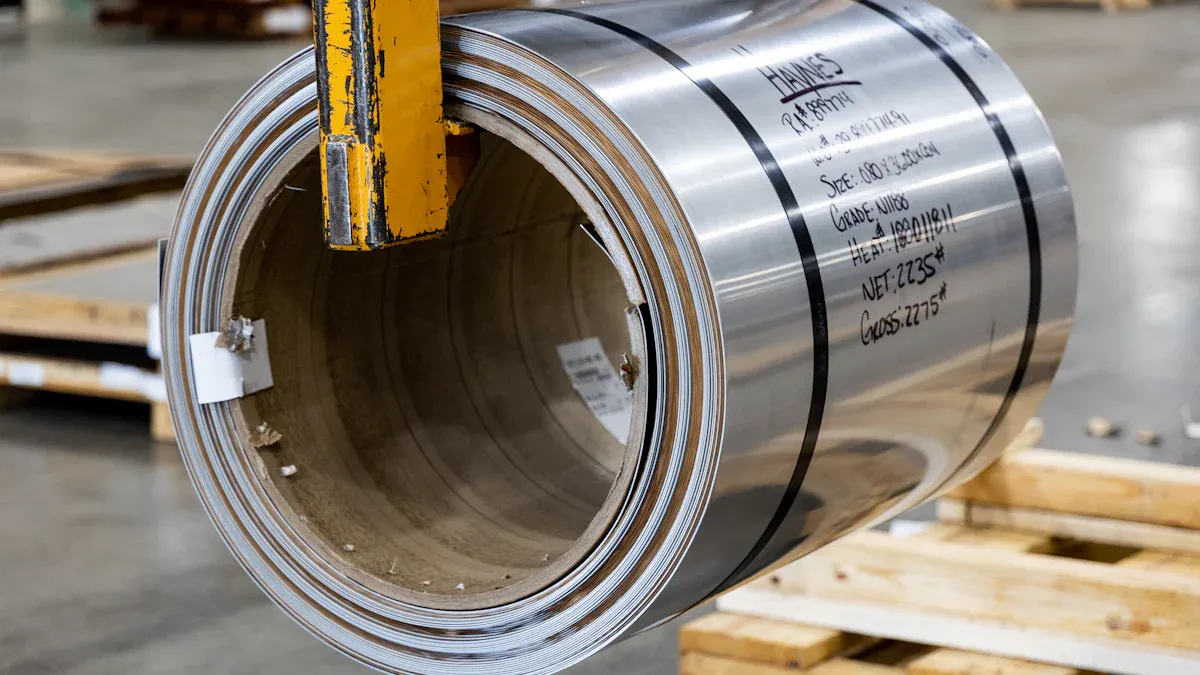
As ligas de níquel-cromo destacam-se no mercado central de elementos de aquecimento devido ao seu impressionante alto ponto de fusão, que atinge aproximadamente 1400°C. Essa propriedade permite que fabricantes industriais de elementos de aquecimento elétrico projetem sistemas que operam de forma confiável sob temperaturas extremas. As ligas mantêm estabilidade mecânica e elétrica mesmo durante exposição prolongada a calor elevado, o que é essencial para a tecnologia avançada em aplicações industriais de elementos de aquecimento elétrico.
Resistência à Corrosão
O cromo nas ligas de níquel-cromo forma uma camada protetora de óxido, conferindo resistência excepcional à oxidação e à corrosão. Essa característica garante que os elementos de aquecimento permaneçam duráveis em ambientes agressivos, incluindo aqueles encontrados em sistemas industriais de elementos de aquecimento elétrico e eletrodomésticos. As ligas resistem à sulfetação e à exposição a gases halogênios quentes, tornando-as adequadas para uma ampla gama de aplicações de aquecimento elétrico em 2025.
As ligas de níquel-cromo oferecem uma combinação única de alta resistividade elétrica, ductilidade e resistência à corrosão, diferenciando-as de outros materiais no mercado central de elementos de aquecimento.
- Principais diferenciais das ligas de níquel-cromo nas tendências de 2025:
- Alta resistividade elétrica para geração eficiente de calor
- Estabilidade em temperaturas elevadas
- Facilidade de fabricação em fios, bobinas e fitas
- Baixo coeficiente de temperatura da resistência para desempenho consistente
- Versatilidade em aplicações de aquecimento industrial, doméstico e laboratorial
Benefícios
Aquecimento Consistente
As ligas de níquel-cromo proporcionam desempenho de aquecimento consistente, o que é vital para sistemas industriais de elementos de aquecimento elétrico. Sua resistência elétrica estável garante saída de calor uniforme, reduzindo o risco de flutuações de temperatura. Essa confiabilidade suporta o controle preciso de temperatura em processos orientados por tecnologia e em eletrodomésticos de aquecimento.
Custo-Benefício
Embora o investimento inicial em ligas de níquel-cromo possa ser maior do que em alternativas, sua longa vida útil e a redução das necessidades de manutenção tornam-nas econômicas ao longo do tempo. Instalações que utilizam essas ligas relatam economias significativas devido à redução do tempo de inatividade e ao aumento da eficiência de produção. Por exemplo, uma planta de fundição de alumínio alcançou um aumento de 280% na vida útil do elemento e economizou $340.000 anuais ao migrar para fios especializados de níquel-cromo. A durabilidade das ligas compensa os custos de substituição, beneficiando tanto fabricantes industriais de elementos de aquecimento elétrico quanto produtores de eletrodomésticos.
- Vantagens das ligas de níquel-cromo no mercado central de elementos de aquecimento:
- Vida útil prolongada devido à resistência à oxidação e corrosão
- Menor frequência de manutenção e substituição
- Desempenho confiável em ambientes oxidantes e redutores
- Economia de custos para usuários industriais de elementos de aquecimento elétrico
Aplicações no Mundo Real
Fornos Industriais
Sistemas industriais de elementos de aquecimento elétrico em fornos dependem de ligas de níquel-cromo por sua capacidade de suportar altas temperaturas e atmosferas corrosivas. Essas ligas são utilizadas em aquecedores de imersão, aquecedores tubulares e aquecedores de circulação, apoiando avanços tecnológicos na manufatura e no processamento.
Eletrodomésticos
As ligas de níquel-cromo desempenham um papel crucial em eletrodomésticos de aquecimento, como fornos elétricos, torradeiras e aquecedores de ambiente. Seu aquecimento consistente e durabilidade garantem operação segura e eficiente para os consumidores. O mercado central de elementos de aquecimento continua a se expandir à medida que a tecnologia evolui e a demanda por soluções confiáveis de aquecimento elétrico doméstico cresce.
| Tipo de Aplicação | Descrição/Exemplos |
|---|---|
| Aquecedores de Imersão | Elementos de aquecimento imersos em líquidos |
| Aquecedores Tubulares | Elementos de aquecimento cilíndricos para diversos usos |
| Aquecedores de Circulação | Utilizados para aquecer fluidos em sistemas de circulação |
| Aquecedores de Banda | Aquecedores envolventes para objetos cilíndricos |
| Aquecedores de Fita | Elementos de aquecimento planos para aquecimento de superfícies |
| Aquecedores de Bobina | Aquecedores de fio enrolado para aquecimento compacto |
As ligas de níquel-cromo permanecem como pilar do mercado central de elementos de aquecimento em 2025, apoiando a tecnologia industrial de elementos de aquecimento elétrico e os avanços no aquecimento doméstico. Suas propriedades e benefícios únicos impulsionam tendências em eficiência, durabilidade e custo-benefício em diversas aplicações.
Materiais Cerâmicos e Tendências de Mercado 2025

Propriedades Únicas
Isolamento Elétrico
Os materiais cerâmicos se destacam no mercado de elementos de aquecimento elétrico devido à sua excepcional isolação elétrica. Ao contrário dos metais, cerâmicas como alumina, carbeto de silício e nitreto de alumínio atuam como fortes isolantes elétricos. Essa propriedade reduz o risco de choque elétrico e aumenta a segurança em aplicações industriais e de consumo. Os elementos de aquecimento cerâmicos também formam camadas protetoras de óxido, que previnem ainda mais a oxidação e prolongam a vida operacional. Sua alta resistência elétrica permite geração de calor eficiente e segura, tornando-os uma escolha preferencial para sistemas avançados de aquecimento em 2025.
Estabilidade Térmica
A estabilidade térmica define outra vantagem central das cerâmicas. Esses materiais suportam temperaturas extremas, frequentemente operando eficientemente a 1000–2000°C, superando em muito os limites da maioria dos metais. As cerâmicas resistem à fadiga térmica e ao trincamento, mantendo a integridade estrutural mesmo sob ciclos repetidos de aquecimento e resfriamento. Sua alta condutividade térmica, especialmente em materiais como o nitreto de alumínio, garante distribuição rápida e uniforme de calor. Essa estabilidade suporta a crescente demanda por elementos de aquecimento confiáveis e de alto desempenho no mercado em evolução.
As cerâmicas oferecem vida útil de 5 a 15 anos, superando significativamente os elementos metálicos, que normalmente duram apenas 1 a 5 anos.
Benefícios
Operação Segura
Os elementos de aquecimento cerâmicos proporcionam recursos de segurança superiores. Sua alta resistência elétrica atua como barreira contra choques elétricos, um fator crítico em dispositivos médicos e domésticos. Muitas cerâmicas utilizam tecnologia PTC (Coeficiente de Temperatura Positivo), que autorregula a temperatura aumentando a resistência à medida que o calor aumenta. Essa propriedade intrínseca previne o superaquecimento e elimina a necessidade de sensores externos. As superfícies de toque frio dos aquecedores cerâmicos reduzem os riscos de queimaduras, enquanto recursos de segurança integrados, como proteção contra superaquecimento e interruptores de tombamento, aumentam ainda mais a segurança do usuário.
| Característica | Elementos de Aquecimento Metálicos | Elementos de Aquecimento Cerâmicos |
|---|---|---|
| Resistência Elétrica | Conduz eletricidade, risco de choque | Isolante, reduz risco de choque |
| 表面温度 | Alto, perigo de queimadura | Menor, toque frio, mais seguro |
| Proteção contra Superaquecimento | Necessita de sensores externos | PTC autorregulável, mais seguro |
| Durabilidade e Vida Útil | Mais curta, substituição frequente | Mais longa, resiste à fadiga e corrosão |
Tolerância a Altas Temperaturas
Os materiais cerâmicos toleram temperaturas mais altas do que os metais, mantendo o desempenho sem empenar ou degradar. Sua resistência à corrosão e oxidação garante operação consistente em ambientes agressivos. As cerâmicas também retêm calor por mais tempo, reduzindo a perda de energia e os custos operacionais. Esses benefícios estão alinhados com as tendências de 2025, à medida que os fabricantes buscam materiais que ofereçam segurança e eficiência.
Aplicações no Mundo Real
Aquecedores de Ambiente
Os elementos de aquecimento cerâmicos tornaram-se o padrão em aquecedores de ambiente modernos. Eles proporcionam distribuição de calor rápida e uniforme e mantêm temperaturas confortáveis em quartos, salas de estar e escritórios. Sua durabilidade e eficiência energética atendem às demandas do mercado em expansão, especialmente à medida que os consumidores priorizam segurança e economia de custos.
Dispositivos Médicos
Os fabricantes de dispositivos médicos dependem de aquecedores cerâmicos por sua controle preciso de temperatura e conformidade com rigorosos padrões de segurança. O isolamento elétrico das cerâmicas e a emissão estável de calor garantem operação segura em instrumentos sensíveis, como dispositivos de diagnóstico de pele eletrônica. Sua resistência à corrosão e à fadiga térmica garante confiabilidade de longo prazo, um requisito fundamental no setor médico.
As tendências de mercado para 2025 destacam as cerâmicas como força motriz na evolução dos elementos de aquecimento elétrico. Suas propriedades e benefícios exclusivos as posicionam na vanguarda da inovação, atendendo às necessidades dos mercados industrial e consumidor em 2025.
Nitreto de Silício e o Crescimento do Mercado em 2025
Propriedades Únicas
Aquecimento Rápido
O nitreto de silício se destaca no setor de elementos de aquecimento elétrico industrial por sua capacidade de proporcionar aquecimento rápido. Este material apresenta baixa inércia térmica, o que lhe permite atingir temperaturas-alvo rapidamente e manter desempenho estável. Engenheiros valorizam o nitreto de silício por sua alta capacidade de carga superficial, suportando até 78 W/cm². O tamanho compacto dos elementos de nitreto de silício permite integração eficiente em sistemas modernos de aquecimento elétrico. Essas propriedades atendem ao crescimento previsto na produção de elementos de aquecimento elétrico, à medida que os fabricantes buscam soluções mais rápidas e confiáveis.
Resistência Mecânica
O nitreto de silício oferece resistência mecânica excepcional, mesmo em temperaturas elevadas. Sua alta dureza e resistência ao desgaste garantem que os elementos de aquecimento suportem ambientes industriais exigentes. O material resiste à corrosão por ácidos e álcalis, proporcionando um nível de durabilidade aproximadamente dez vezes maior que o aço inoxidável. O nitreto de silício também previne a auto-oxidação e a corrente de fuga, o que aumenta a segurança elétrica. A função de limpeza automática, resultante de sua estabilidade química, reduz a incrustação e prolonga a vida útil.
O nitreto de silício resolve problemas comuns encontrados em elementos de aquecimento metálicos, como incrustação, ruptura e baixo isolamento elétrico, tornando-o uma escolha preferencial para o crescimento do mercado em 2025.
| Propriedade/Característica | Descrição/Valor |
|---|---|
| Segurança Elétrica | Corrente de fuga muito baixa (<10 mA após interrupção) |
| Resistência a Alta Temperatura | Suporta até 1300°C |
| Capacidade de Carga Superficial | Alta carga superficial de até 78 W/cm² |
| Vida útil | Longa durabilidade, tipicamente 5000+ horas |
| Resistência à Corrosão | Forte resistência a ácidos e álcalis, 10x o aço inoxidável |
| Função de Limpeza Automática | Previne incrustação e corrosão ácida |
Benefícios
Eficiência Energética
O nitreto de silício aumenta a eficiência energética em aplicações de elementos de aquecimento elétrico industrial. Sua excelente resistência ao choque térmico permite lidar com mudanças rápidas de temperatura sem rachaduras. A camada protetora de sílica formada em altas temperaturas melhora ainda mais a resistência à corrosão. Essas características ajudam a manter desempenho consistente e reduzir a perda de energia. Como resultado, sistemas que utilizam nitreto de silício requerem menos energia para operar, apoiando o crescimento do mercado e as metas de sustentabilidade para 2025.
Vida Útil Estendida
A durabilidade do nitreto de silício proporciona vida útil estendida para elementos de aquecimento elétrico. Sua resistência ao desgaste e estabilidade dimensional sob carga significam que os componentes duram mais, mesmo em ambientes adversos. Os tubos de proteção de aquecedor, de nitreto de silício, por exemplo, protegem partes sensíveis contra danos, reduzindo a necessidade de substituições frequentes. Essa longevidade minimiza o desperdício e apoia o crescimento contínuo do mercado de elementos de aquecimento elétrico industrial.
- Componentes de nitreto de silício frequentemente duram entre 5.000 e 15.000 horas.
- A redução das necessidades de substituição diminui os custos operacionais e apoia práticas sustentáveis.
Aplicações no Mundo Real
Aquecedores Automotivos
Fabricantes automotivos utilizam cada vez mais o nitreto de silício em peças de motor, turbocompressores, velas de incandescência e válvulas de controle de gases de escape. Essas aplicações se beneficiam de melhor desempenho do motor, partida mais rápida e emissões reduzidas. A alta resistência mecânica e as capacidades de aquecimento rápido do material apoiam a transição do setor automotivo para soluções avançadas de aquecimento elétrico. Pressões regulatórias e incentivos governamentais impulsionam ainda mais a adoção do nitreto de silício, alimentando o crescimento do mercado em 2025.
Processamento Industrial
Sistemas de elementos de aquecimento elétrico industrial dependem do nitreto de silício para aquecimento de alto desempenho em eletrônicos, aeroespacial, fabricação de semicondutores e geração de energia. A estabilidade térmica e a resistência mecânica do material permitem operação eficiente em rolos de soldagem, tubos de proteção de termopares e tubos de proteção de aquecedores. A integração de tecnologias de IA e IoT nesses setores permite sistemas de aquecimento mais inteligentes e eficientes. À medida que a demanda por soluções de alto desempenho aumenta, o papel do nitreto de silício no processamento industrial continua a se expandir.
- Aplicações em expansão incluem elementos de aquecimento de ar e líquidos, ignitores e equipamentos avançados de fabricação.
- O crescimento do mercado em 2025 reflete a necessidade crescente de tecnologias de aquecimento elétrico confiáveis e energeticamente eficientes.
Aço Inoxidável em Elementos de Aquecimento Elétrico
Propriedades Únicas
Resistência à Oxidação
O aço inoxidável se destaca no mercado de núcleos de elementos de aquecimento por sua notável resistência à oxidação. A liga forma uma camada protetora de óxido, principalmente de cromo, que protege a superfície contra corrosão e oxidação. Níquel e molibdênio reforçam ainda mais essa barreira, tornando o aço inoxidável altamente durável em ambientes adversos. Essa propriedade permite que fabricantes de elementos de aquecimento elétrico industrial utilizem aço inoxidável em sistemas expostos a alta umidade, produtos químicos agressivos ou água dura. O material mantém integridade estrutural e resistência mesmo em temperaturas superiores a 1000°C, um fator crítico para aplicações de aquecimento elétrico em 2025.
- O aço inoxidável resiste ao acúmulo de incrustações e à corrosão, reduzindo as necessidades de manutenção.
- A camada protetora de óxido garante confiabilidade de longo prazo e eficiência energética.
- A resistência da liga à fadiga térmica suporta ciclos repetidos de aquecimento e resfriamento sem perda de desempenho.
Flexibilidade no Design
Engenheiros valorizam o aço inoxidável por sua flexibilidade no design. A resistência mecânica e a condutividade térmica moderada do material permitem controle preciso sobre a distribuição de calor. Elementos de aquecimento de aço inoxidável podem ser fabricados em diversas formas, incluindo hastes, tubos e bobinas, para se adequar a diferentes sistemas de elementos de aquecimento elétrico industrial. Engenharia avançada de superfície, como microestruturação, melhora a transferência de calor por ebulição e a eficiência geral. Essa adaptabilidade apoia a demanda crescente por soluções personalizadas no mercado de núcleos de elementos de aquecimento.
Benefícios
Versatilidade
A versatilidade do aço inoxidável impulsiona sua adoção generalizada no mercado de núcleos de elementos de aquecimento. A liga opera de forma confiável em diversos setores, incluindo processamento químico, farmacêutico, geração de energia, tratamento de água, HVAC, alimentos e bebidas e petróleo e gás. Sua condutividade térmica moderada permite distribuição uniforme de calor, prevenindo pontos quentes e garantindo controle estável de temperatura. Elementos de aquecimento de aço inoxidável suportam uma ampla faixa de potências e tensões, tornando-os adequados para aplicações de elementos de aquecimento elétrico residenciais e industriais.
- O aço inoxidável é reciclável, contribuindo para a sustentabilidade em 2025.
- A adaptabilidade do material permite seu uso tanto em eletrodomésticos inteligentes quanto em sistemas industriais de elementos de aquecimento elétrico de grande escala.
Baixa Manutenção
Elementos de aquecimento de aço inoxidável exigem manutenção mínima. A camada de óxido resistente à corrosão reduz a necessidade de reparos dispendiosos ou produtos de limpeza especializados. Limpadores padrão ou água morna com pano macio geralmente são suficientes para a manutenção. A vida útil estendida dos componentes de aço inoxidável significa substituições menos frequentes, reduzindo os custos do ciclo de vida no mercado de núcleos de elementos de aquecimento. Esse perfil de baixa manutenção atrai fabricantes e gerentes de instalações que buscam soluções confiáveis e econômicas para aquecimento elétrico.
Aplicações no Mundo Real
Aquecedores de Água
Hastes de aquecimento de aço inoxidável com tubos de aquecimento duplos tornaram-se padrão em aquecedores de água comerciais e industriais. Esses componentes proporcionam transferência de calor eficiente e suportam a exposição à água dura, que frequentemente causa incrustações em outros materiais. Os sistemas industriais de elementos de aquecimento elétrico se beneficiam da durabilidade e resistência à corrosão do aço inoxidável, garantindo desempenho consistente e longa vida útil.
Equipamentos para a Indústria Alimentícia
A indústria alimentícia depende de elementos de aquecimento em aço inoxidável para controle preciso de temperatura e saneamento. Aquecedores tubulares e de bujão roscado mantêm o calor em eletrodomésticos de cozinha, como mesas de buffet, armários de armazenamento de alimentos e lava-louças. Esses elementos desempenham um papel crítico nos processos de saneamento, apoiando a conformidade com as normas de segurança alimentar. Os sistemas industriais de elementos de aquecimento elétrico em restaurantes e instalações de processamento de alimentos utilizam aço inoxidável para proporcionar distribuição uniforme de calor e operação confiável.
A combinação única de resistência à oxidação, flexibilidade de design, versatilidade e baixa manutenção do aço inoxidável garante sua posição como material preferido no mercado de núcleos de elementos de aquecimento para 2025.
Compósitos Avançados e Expansão do Mercado em 2025
Propriedades Únicas
Estrutura Leve
Os compósitos avançados, especialmente fibra de carbono e compósitos de carbono/carbono, oferecem uma estrutura leve que os diferencia dos metais tradicionais. Sua baixa densidade permite que engenheiros projetem elementos de aquecimento que reduzem o peso total dos sistemas. Essa propriedade se mostra essencial em indústrias onde a redução de peso leva a maior eficiência e desempenho. Por exemplo, os compósitos de carbono/carbono podem diminuir o peso dos componentes de aquecimento em até 70% em comparação ao aço, apoiando a demanda do mercado por soluções mais leves e eficientes em 2025.
Desempenho Personalizável
Os engenheiros podem adaptar compósitos avançados para atender a requisitos específicos de aplicação. Ao ajustar a composição e a estrutura, os fabricantes alcançam níveis desejados de condutividade elétrica, resistência à tração e estabilidade térmica. A tabela a seguir destaca as principais propriedades e seu impacto no desempenho:
| Propriedade Exclusiva | Descrição / Evidência | Impacto no desempenho |
|---|---|---|
| Alta condutividade elétrica | Cargas de grafite reduzem a resistividade para 2,0789 Ω·m × 10⁻⁴ | Permite transporte eficiente de portadores, melhorando o aquecimento Joule e reduzindo o consumo de energia |
| Resistência à tração aprimorada | Aumento de 80% devido ao reforço de grafite e menos defeitos | Melhora a durabilidade mecânica e a estabilidade de longo prazo |
| Excelente conversão eletrotérmica | Eficiência de conversão acima de 95% | Rápido aumento de temperatura e economia de energia de 30–50% |
| Leve | Baixa densidade dos compósitos de carbono/carbono | Integração e manuseio mais fáceis em sistemas avançados |
| Ausência de radiação eletromagnética | Compósitos de fibra de carbono eliminam emissões | Mais seguro para a saúde e reduz interferência com eletrônicos |
| Boa estabilidade térmica e durabilidade | Resistem ao envelhecimento e mantêm o desempenho ao longo do uso prolongado | Operação estável e vida útil mais longa |
Benefícios
Eficiência Aprimorada
Os compósitos avançados proporcionam eficiência energética superior em aplicações de elementos de aquecimento. Sua alta condutividade térmica e rápida conversão eletrotérmica permitem tempos de aquecimento mais rápidos e distribuição uniforme de temperatura. Os compósitos de fibra de carbono, por exemplo, alcançam um aumento de temperatura de 140°C em menos de 80 segundos em baixa tensão, resultando em economia de energia de até 50%. Esses materiais também apoiam a mudança do mercado para sistemas de aquecimento inteligentes e adaptativos, que exigem componentes eficientes e responsivos.
Redução do Desperdício de Material
Os fabricantes se beneficiam da redução do desperdício de material ao utilizar compósitos avançados. A flexibilidade de design permite a moldagem em formas complexas, minimizando o excesso de material. A automação e os processos de fabricação contínua, como pultrusão e manufatura aditiva, reduzem ainda mais os refugos e melhoram a eficiência da produção. Os compósitos termoplásticos oferecem reciclabilidade, contribuindo para a sustentabilidade e apoiando o crescimento do mercado em 2025.
Dica: A manufatura aditiva permite elementos de aquecimento personalizados, reduzindo tanto o tempo de produção quanto o desperdício de material.
Aplicações no Mundo Real
Sistemas de Aquecimento Aeroespaciais
O setor aeroespacial depende de compósitos avançados para aplicações críticas de aquecimento. Termoplásticos de alto desempenho, como o PEEK, reduzem o peso enquanto mantêm a integridade estrutural sob condições extremas. Esses materiais são utilizados em aviônicos, invólucros de sensores, isolamento de cabos e elementos de isolamento térmico para aeronaves, VANTs e satélites. Sua capacidade de suportar ciclos térmicos rápidos e ambientes severos apoia o crescimento do mercado e garante operação confiável em sistemas aeroespaciais exigentes.
Eletrônicos de Alta Tecnologia
Os elementos aquecedores de compósitos avançados desempenham um papel crescente em eletrônicos de alta tecnologia. Sua natureza leve e durável os torna ideais para dispositivos de consumo compactos e sistemas inteligentes. Esses materiais proporcionam excelente gerenciamento térmico em veículos elétricos e apoiam a tendência de miniaturização em eletrônicos. O mercado observa maior adoção de elementos de aquecimento flexíveis e esticáveis para wearables, sistemas de energia renovável e dispositivos habilitados para IoT, impulsionando ainda mais o crescimento em 2025.
Carbeto de Silício (SiC) e Nitreto de Gálio (GaN) nas Tendências de 2025
Propriedades Únicas
Tolerância a Alta Tensão
O carbeto de silício e o nitreto de gálio transformaram a tecnologia de aquecimento elétrico ao oferecer tolerância excepcional a alta tensão. Os dispositivos de SiC suportam tensões de até 1200V e acima, tornando-os ideais para sistemas exigentes de aquecimento elétrico. Os componentes de GaN, embora tipicamente adequados para tensões mais baixas, destacam-se em aplicações de alta frequência e baixa tensão. Ambos os materiais superam os dispositivos tradicionais de silício, que possuem menor tolerância a tensão e maiores perdas. Esse avanço apoia as tendências de 2025 em direção a soluções de aquecimento elétrico mais robustas e confiáveis.
Condutividade Térmica Superior
Tanto o SiC quanto o GaN exibem condutividade térmica superior em comparação ao silício. A alta temperatura máxima de operação do SiC e sua excelente dissipação de calor permitem que os elementos de aquecimento elétrico operem com eficiência sob condições intensas. A alta mobilidade eletrônica do GaN possibilita operação em alta frequência com temperaturas mais baixas, reduzindo o risco de superaquecimento. Essas propriedades garantem que os sistemas de aquecimento mantenham estabilidade e desempenho, mesmo à medida que as demandas tecnológicas aumentam.
SiC e GaN natureza de banda larga (wide-bandgap) resulta em menor resistência de condução e maior tolerância a temperaturas elevadas, permitindo entrega de energia eficiente e de alta densidade em sistemas modernos de aquecimento elétrico.
Benefícios
Desempenho Aprimorado em Aquecimento por Indução
SiC e GaN redefiniram o desempenho do aquecimento por indução. Suas altas velocidades de comutação e baixa resistência interna resultam em melhoria de eficiência de até 70% em comparação a dispositivos baseados em silício. O SiC suporta aquecimento por indução de alta tensão e alta potência, enquanto o GaN possibilita operação em frequências altíssimas sem precedentes. Ambos os materiais reduzem perdas de condução e comutação, permitindo uma tecnologia de aquecimento mais compacta e potente.
| Categoria de Benefício | Carbeto de Silício (SiC) | Nitreto de Gálio (GaN) | Em comparação a Dispositivos de Silício |
|---|---|---|---|
| Melhoria de Eficiência | Aumento de eficiência de até 70% | Tempos de desligamento quase nulos, frequências de comutação muito altas | Ambos reduzem perdas de condução e comutação |
| Desempenho Térmico | Temperatura máxima mais alta, melhor dissipação de calor | Operação em alta frequência com temperaturas mais baixas | Pacotes menores e mais leves devido à melhor gestão de calor |
| Capacidade de Tensão | Suporta até 1200V+ | Adequado para tensões mais baixas, alta densidade de potência | Dispositivos de silício possuem menor tolerância a tensão |
| Velocidade de Comutação | Mais rápido que o silício | Tempo de desligamento quase zero | Dispositivos de silício possuem velocidades de comutação mais lentas |
| Economia de Energia | Densidade de potência e eficiência do sistema aprimoradas | Benefícios adicionais em altas frequências | Dispositivos de silício possuem maiores perdas |
Maior Economia de Energia
A adoção de SiC e GaN na tecnologia de aquecimento elétrico leva a economias significativas de energia. Menor resistência de condução e temperaturas operacionais mais altas reduzem a dissipação de potência. Esses materiais permitem pacotes menores e mais leves, o que melhora ainda mais a eficiência do sistema. Como resultado, sistemas de aquecimento elétrico que utilizam SiC e GaN consomem menos energia e geram menos desperdício de calor, alinhando-se às metas de sustentabilidade de 2025.
- Transistores de SiC e GaN toleram temperaturas operacionais mais altas, melhorando a confiabilidade.
- Menor resistência de condução leva a maior eficiência e menor geração de calor.
- Essas características os tornam ideais para eletrônica de potência automotiva e aquecimento por indução, permitindo economia de energia em comparação a dispositivos baseados em silício.
Aplicações no Mundo Real
Sistemas de Aquecimento por Indução
Fabricantes utilizam cada vez mais SiC e GaN em sistemas de aquecimento por indução. A alta tolerância a tensão e a estabilidade térmica do SiC suportam aplicações industriais em larga escala, como processamento de metais e manufatura avançada. As capacidades de alta frequência do GaN permitem aquecimento rápido e preciso em dispositivos compactos de consumo. Esses materiais permitem soluções de aquecimento elétrico mais eficientes, confiáveis e compactas.
Eletrônica de Potência
SiC e GaN tornaram-se essenciais na eletrônica de potência para aquecimento elétrico. Sua capacidade de operar em tensões e frequências mais altas suporta as tendências mais recentes em energia renovável, veículos elétricos e tecnologia de redes inteligentes. Esses materiais permitem o desenvolvimento de sistemas avançados de aquecimento elétrico que atendem às demandas de 2025, oferecendo desempenho aprimorado, economia de energia e confiabilidade.
A integração de SiC e GaN representa um grande salto na tecnologia de aquecimento elétrico, impulsionando as tendências de 2025 em direção a maior eficiência, sustentabilidade e design avançado de sistemas.
Aquecedores de Filme Espesso e Tendências de Mercado 2025
Propriedades Únicas
Design Compacto
Os aquecedores de filme espesso emergiram como uma solução líder na indústria de aquecimento devido ao seu design compacto. Os fabricantes constroem esses aquecedores sobre substratos de aço inoxidável ou cerâmica, aplicando isolamento impresso, pasta resistiva e camadas de esmalte. Esse perfil fino permite integração em dispositivos onde o espaço é limitado, como equipamentos médicos, veículos elétricos e eletrodomésticos. A flexibilidade de design permite formas e tamanhos personalizados, suportando uma ampla gama de aplicações. Como resultado, os aquecedores de filme espesso atendem às demandas de sistemas modernos que exigem componentes de aquecimento eficientes, leves e adaptáveis.
Controle Rápido de Temperatura
Engenheiros valorizam os aquecedores de filme espesso por seu controle rápido de temperatura. A baixa massa térmica permite ciclos rápidos de aquecimento e resfriamento, proporcionando gestão de temperatura precisa e repetível. Esses aquecedores distribuem calor uniformemente em superfícies planas, o que evita pontos quentes e garante desempenho consistente. A capacidade de operar em uma ampla faixa de temperaturas os torna adequados para sistemas avançados de aquecimento em ambientes automotivos, industriais e domésticos. A integração com controles inteligentes e tecnologias IoT aumenta ainda mais sua capacidade de resposta e adaptabilidade.
Nota: A crescente adoção de aquecedores de filme espesso em veículos elétricos para gestão térmica de baterias e aquecimento de cabine destaca sua importância nas tendências de mercado de 2025.
Benefícios
Economia de Energia
Os aquecedores de filme espesso oferecem significativa economia de energia. Sua A capacidade de aquecimento rápido reduz os tempos de aquecimento, o que leva a um menor consumo de energia. O controle preciso de temperatura minimiza o desperdício de energia ao manter condições ideais sem exceder os pontos de ajuste. A distribuição uniforme de calor melhora ainda mais a eficiência, apoiando as metas de sustentabilidade em 2025. Essas características tornam os aquecedores de filme espesso uma escolha atraente para fabricantes que buscam reduzir custos operacionais e atender aos requisitos regulatórios para sistemas energeticamente eficientes.
Enhanced Durability
A durabilidade é uma vantagem fundamental dos aquecedores de filme espesso. Os materiais robustos utilizados em sua construção resistem à corrosão e suportam ambientes adversos. Esses aquecedores suportam ciclos térmicos repetidos e estresse mecânico melhor do que os elementos tradicionais de cobre. Como resultado, os aquecedores de filme espesso proporcionam desempenho duradouro e exigem menos manutenção, o que prolonga a vida útil dos sistemas de aquecimento em aplicações exigentes.
| Categoria de Benefício | Descrição |
|---|---|
| Economia de Energia | A alta eficiência e o aquecimento rápido reduzem o consumo de energia e melhoram o controle de temperatura. |
| Durabilidade | Materiais resistentes à corrosão e construção robusta aumentam a longevidade e reduzem as necessidades de manutenção. |
Aplicações no Mundo Real
Dispositivos Médicos
Os aquecedores de filme espesso desempenham um papel vital em dispositivos médicos. Os fabricantes os utilizam em diagnósticos de sangue, aquecimento de fluidos e sistemas de aquecimento de pacientes devido ao seu controle preciso de temperatura e confiabilidade. Aquecedores de filme espesso à base de prata são comuns nessas aplicações devido à sua alta condutividade térmica e durabilidade. A integração de elementos de aquecimento inteligentes e tecnologias de IoT permite a regulação inteligente de temperatura, essencial para a segurança do paciente e o desempenho do dispositivo.
Eletrodomésticos de Consumo
No setor de consumo, os aquecedores de filme espesso suportam uma ampla gama de eletrodomésticos. Sua eficiência energética, aquecimento rápido e flexibilidade de design os tornam ideais para produtos como chaleiras elétricas, cafeteiras e aquecedores de ambiente. Aquecedores de filme espesso à base de cobre são populares nessas aplicações por sua condutividade térmica e resistência à corrosão. A demanda por soluções avançadas de aquecimento em eletrônicos domésticos e de consumo continua a impulsionar o crescimento do mercado em 2025.
- As principais aplicações incluem dispositivos médicos, eletrodomésticos, veículos elétricos e equipamentos industriais.
- A A integração de IoT e controles inteligentes aprimora o gerenciamento inteligente de temperatura em todos os setores.
Comparando os Principais Materiais para Elementos de Aquecimento Elétrico em 2025
Eficiência
Economia de Energia
Em 2025, o mercado de núcleos de elementos de aquecimento valoriza a economia de energia. Materiais como carboneto de silício e compósitos avançados lideram o caminho, oferecendo até 25% melhor condutividade térmica e reduções significativas no consumo de energia. Os fabricantes integram sensores e tecnologias inteligentes para permitir o controle preciso de temperatura, o que aumenta ainda mais a eficiência e reduz o tempo de inatividade. Elementos de aquecimento elétrico que utilizam esses materiais ajudam o mercado a alcançar custos operacionais mais baixos e apoiam a transição global para a descarbonização. À medida que a demanda por soluções sustentáveis aumenta, as empresas se concentram em materiais que proporcionam economias de energia imediatas e de longo prazo.
Distribuição de Calor
A distribuição uniforme de calor permanece essencial para um desempenho de aquecimento confiável. Compósitos avançados, como fibra de carbono, proporcionam melhor transferência de calor e minimizam pontos quentes. Cerâmicas e aço inoxidável também contribuem para perfis de temperatura uniformes, reduzindo o risco de superaquecimento localizado. O mercado de núcleos de elementos de aquecimento se beneficia dessas inovações, pois elas garantem qualidade consistente do produto e segurança em uma ampla gama de aplicações elétricas.
Nota: A integração de IA e diagnósticos inteligentes em sistemas de aquecimento elétrico suporta a manutenção preditiva, que mantém a distribuição ideal de calor e prolonga a vida útil do sistema.
Durabilidade
Vida Útil
A durabilidade impulsiona o crescimento no mercado de núcleos de elementos de aquecimento. Materiais de carboneto de silício e cerâmicos oferecem vida operacional estendida, muitas vezes durando vários anos a mais do que metais tradicionais. Compósitos autorreparáveis prolongam ainda mais a vida útil ao resistir à corrosão e ao choque térmico. Esses avanços reduzem a frequência de substituições, apoiando tanto a expansão do mercado quanto as metas de sustentabilidade em 2025.
Resistência a Danos
A resistência a danos é crítica em ambientes exigentes. O carboneto de silício resiste à incrustação e ao choque térmico, enquanto as cerâmicas suportam ciclos repetidos de aquecimento sem rachar. O aço inoxidável mantém sua integridade em condições corrosivas ou úmidas. O mercado de núcleos de elementos de aquecimento valoriza essas propriedades, pois elas reduzem as necessidades de manutenção e melhoram a confiabilidade para sistemas de aquecimento elétrico industriais e de consumo.
Custo
Investimento Inicial
O investimento inicial varia entre os materiais. Compósitos avançados e carboneto de silício geralmente exigem custos iniciais mais altos. No entanto, aço inoxidável e cerâmicas oferecem preços moderados com boa durabilidade. O mercado frequentemente pondera esses custos em relação ao desempenho e à longevidade esperados.
Valor de Longo Prazo
O valor de longo prazo frequentemente supera as despesas iniciais. Materiais com custos iniciais mais altos, como carboneto de silício e compósitos de fibra de carbono, proporcionam melhor eficiência, maior vida útil e manutenção reduzida. Isso resulta em menor custo total de propriedade para sistemas de aquecimento elétrico. O mercado de núcleos de elementos de aquecimento reconhece que investir em materiais avançados apoia tanto objetivos econômicos quanto ambientais.
| Material/Marca | Eficiência | Durabilidade | Custo | Impacto Ambiental |
|---|---|---|---|---|
| Carboneto de Silício (Sandvik) | Até 25% melhor condutividade térmica | Alta resistência ao choque térmico | Custo inicial mais alto, melhor valor de longo prazo | Suporta eficiência energética, reduz emissões |
| Carboneto de Silício (CoorsTek) | Redução de aproximadamente 15% no uso de energia | Vida operacional estendida | Custos operacionais mais baixos | Foco em fabricação ecologicamente correta |
| Compósitos Avançados (CFRP) | Transferência de calor aprimorada | Autorreparável, resistente à corrosão | Custo inicial mais alto, menos manutenção | Leve, reciclável, suporte renovável |
| Aço Inoxidável e Cerâmicas | Resistência à corrosão aprimorada | Vida útil mais longa, menos reparos | Custo moderado, boa durabilidade | Reciclável, produção ecologicamente correta |
O mercado de núcleos de elementos de aquecimento em 2025 continua a evoluir à medida que a demanda por soluções de aquecimento elétrico eficientes, duráveis e econômicas cresce. A inovação em materiais permanece central para o crescimento do mercado e a sustentabilidade.
Impacto Ambiental
Sustentabilidade
O mercado de núcleos de elementos de aquecimento em 2025 coloca a sustentabilidade na vanguarda da inovação em materiais. Os fabricantes agora priorizam métodos de produção ecologicamente corretos e fornecimento responsável. Eles selecionam materiais que minimizam o esgotamento de recursos e reduzem as emissões de gases de efeito estufa. O mercado global observa uma mudança em direção a metais e cerâmicas recicláveis, que apoiam os princípios da economia circular. Empresas no mercado global de elementos de aquecimento elétrico investem em energia renovável para processos de fabricação. Elas também adotam tecnologias de economia de água e reduzem o uso de produtos químicos.
O mercado de núcleos de elementos de aquecimento se beneficia de compósitos avançados e cerâmicas. Esses materiais oferecem maior vida útil, o que diminui o desperdício e reduz a necessidade de substituições frequentes. Aço inoxidável e ligas de níquel-cromo permanecem populares devido à sua reciclabilidade e durabilidade. O mercado reconhece que práticas sustentáveis não apenas protegem o meio ambiente, mas também melhoram a reputação da marca e atendem aos padrões regulatórios.
Nota: Iniciativas de sustentabilidade no mercado de núcleos de elementos de aquecimento impulsionam a inovação e estabelecem novos parâmetros de referência para o mercado global.
Descarte em Fim de Vida Útil
O descarte em fim de vida apresenta desafios e oportunidades para o mercado de núcleos de elementos de aquecimento. Os fabricantes projetam elementos de aquecimento elétrico tendo em mente a desmontagem e a reciclagem. Eles utilizam componentes modulares que simplificam a separação e a recuperação. O mercado global incentiva a adoção de programas de devolução, nos quais as empresas coletam elementos de aquecimento usados para reciclagem ou descarte seguro.
Uma comparação dos métodos de descarte destaca o compromisso do mercado com a responsabilidade ambiental:
| Método de Descarte | Impacto Ambiental | Taxa de Adoção no Mercado |
|---|---|---|
| Reciclagem | Reduz resíduos em aterros sanitários | Alta |
| Aterro Sanitário Seguro | Minimiza a lixiviação de materiais perigosos | Moderado |
| Incineração | Gera emissões | Baixa |
| Reutilização/Reaproveitamento | Prolonga a vida útil do material | Crescente |
O mercado de núcleos de elementos de aquecimento em 2025 apoia os esforços globais para reduzir o lixo eletrônico. Os fabricantes educam os consumidores sobre opções adequadas de descarte e reciclagem. Eles colaboram com governos locais e organizações globais para melhorar a infraestrutura de recuperação de materiais. Essas ações ajudam o mercado global a alcançar metas de sustentabilidade e reduzir a pegada ambiental dos elementos de aquecimento elétrico.
Dica: Escolher elementos de aquecimento com materiais recicláveis e instruções claras de descarte apoia um ambiente mais limpo e fortalece os esforços de sustentabilidade do mercado global.
Tendências e Inovações Emergentes em Elementos de Aquecimento para 2025
Materiais Inteligentes e Aquecedores Autorreguláveis
Desempenho Adaptativo
Os fabricantes de elementos de aquecimento agora adotam materiais inteligentes que se adaptam a condições variáveis. Esses materiais respondem a flutuações de temperatura, variações de carga e fatores ambientais. A integração da tecnologia de aquecimento PTC permite que os elementos se autorregulem, ajustando a saída para eficiência ideal. Os materiais PTC aumentam a resistência à medida que a temperatura sobe, o que evita superaquecimento e garante operação estável. Esse desempenho adaptativo atende à demanda do mercado por soluções de aquecimento mais seguras e confiáveis. As empresas veem oportunidades de crescimento à medida que a tecnologia de aquecimento PTC permite soluções personalizadas para diversos setores, da automotivo à eletrônica.
Controles Preditivos
Os controles preditivos representam um grande avanço na tecnologia de aquecimento PTC. Ao combinar sensores inteligentes com plataformas digitais, os fabricantes permitem monitoramento em tempo real e análise de dados. Esses sistemas utilizam conectividade IoT para prever necessidades de manutenção e otimizar o uso de energia. O mercado se beneficia de menor tempo de inatividade e custos operacionais reduzidos. Os controles preditivos também apoiam as tendências globais de automação, permitindo gerenciamento preciso de temperatura em aplicações críticas. À medida que a tecnologia de aquecimento PTC evolui, os recursos preditivos tornam-se padrão nas novas ideias para 2025.
Iniciativas de Sustentabilidade no Mercado
Manufatura Verde
A sustentabilidade impulsiona muitas inovações no mercado de elementos de aquecimento. Os fabricantes adotam práticas de manufatura verde, utilizando energia renovável e minimizando resíduos. A manufatura aditiva, ou impressão 3D, permite projetos personalizados que reduzem o uso de materiais. Essa abordagem está alinhada aos esforços globais para reduzir emissões e conservar recursos. O mercado observa crescimento rápido à medida que as empresas priorizam métodos de produção ecológicos, atendendo tanto a padrões regulatórios quanto às expectativas dos consumidores.
Componentes Recicláveis
Componentes recicláveis agora desempenham um papel fundamental na tecnologia de aquecimento PTC. As empresas projetam elementos de aquecimento para fácil desmontagem e recuperação de materiais. Compósitos avançados e ligas de alta temperatura oferecem durabilidade e reciclabilidade, apoiando as metas de economia circular. O mercado reconhece que componentes PTC recicláveis reduzem o impacto ambiental e criam novas ideias para 2025. Esses esforços ajudam a comunidade global a avançar em direção a um futuro mais sustentável.
Dica: Selecionar tecnologia de aquecimento PTC com materiais recicláveis apoia tanto a eficiência operacional quanto a responsabilidade ambiental.
Integração de Nanotecnologia
Área de Superfície Aprimorada para Transferência de Calor
A nanotecnologia molda a próxima onda de inovações em elementos de aquecimento. Os engenheiros utilizam materiais nanoestruturados como grafeno e nanotubos de carbono para aumentar a área de superfície, o que melhora a transferência de calor. Esses materiais aprimoram o desempenho da tecnologia de aquecimento PTC ao permitir aquecimento mais rápido e uniforme. O mercado se beneficia de maior eficiência energética e menor consumo de energia. A nanotecnologia também apoia a miniaturização, atendendo à demanda por soluções de aquecimento compactas em aplicações com espaço limitado.
Resistência Aprimorada dos Materiais
Os nanomateriais proporcionam resistência e durabilidade aprimoradas para a tecnologia de aquecimento PTC. Nanotubos de carbono e óxidos metálicos aumentam a resistência ao desgaste e à corrosão. Isso resulta em componentes mais duráveis e menos substituições. O mercado experimenta crescimento à medida que a nanotecnologia permite o desenvolvimento de elementos de aquecimento PTC avançados para indústrias globais. Os fabricantes veem novas oportunidades de crescimento à medida que esses materiais apoiam a integração de energias renováveis e reduzem os custos de produção.
- Principais inovações e tendências para 2025 em elementos de aquecimento incluem:
- Integração de sensores inteligentes e IoT para manutenção preditiva
- Uso de compósitos avançados e nanomateriais para eficiência aprimorada
- Foco em componentes recicláveis e manufatura verde
- Personalização por meio de manufatura aditiva
- Expansão da tecnologia de aquecimento PTC nos mercados globais
| Área de Inovação | Impacto no Mercado | Tecnologia de Exemplo |
|---|---|---|
| Materiais Inteligentes | Calor adaptativo e autorregulável | Tecnologia de aquecimento PTC |
| Nanotecnologia | Eficiência e durabilidade aprimoradas | Grafeno, nanotubos de carbono |
| Manufatura Verde | Redução de emissões e resíduos | Manufatura aditiva |
| Controles Preditivos | Custos mais baixos, maior confiabilidade | sensores habilitados para IoT |
Soluções de Materiais Híbridos
Combinando Cerâmicas e Metais
As soluções de materiais híbridos ganharam impulso no mercado de elementos de aquecimento elétrico. Engenheiros combinam cerâmicas e metais para criar elementos de aquecimento que oferecem tanto resistência mecânica quanto propriedades térmicas avançadas. As cerâmicas proporcionam excelente isolamento elétrico e alta tolerância a temperaturas elevadas. Os metais contribuem com flexibilidade e condução eficiente de calor. Essa combinação permite que os fabricantes projetem elementos de aquecimento que atendam às demandas do mercado global.
Nos últimos anos, o mercado testemunhou um aumento nos elementos de aquecimento híbridos para aplicações PTC. Esses elementos utilizam substratos cerâmicos com camadas de condutores metálicos. O resultado é um produto que resiste à corrosão e mantém desempenho estável sob condições extremas. Muitos fabricantes selecionam materiais híbridos para melhorar a confiabilidade da tecnologia de aquecimento PTC nos setores automotivo, aeroespacial e de eletrônicos de consumo.
As soluções híbridas também apoiam o impulso global pela sustentabilidade. Cerâmicas e metais podem ser reciclados, o que reduz resíduos e está alinhado às tendências do mercado. Empresas do setor agora priorizam projetos híbridos para atender aos padrões regulatórios e aumentar a longevidade dos produtos.
Nota: Soluções de materiais híbridos frequentemente superam elementos de material único em durabilidade e eficiência energética, especialmente em sistemas de aquecimento PTC.
Desempenho Multifuncional
Os elementos de aquecimento híbridos oferecem desempenho multifuncional que atende às necessidades em evolução do mercado. Esses elementos combinam o aquecimento rápido dos metais com a segurança e o isolamento das cerâmicas. Engenheiros projetam elementos de aquecimento PTC híbridos para autorregulação de temperatura, o que evita superaquecimento e favorece a economia de energia.
O mercado se beneficia das soluções híbridas de várias formas:
- Segurança aprimorada: As camadas cerâmicas isolam e protegem os usuários contra choques elétricos.
- Eficiência melhorada: Os condutores metálicos permitem transferência rápida de calor e distribuição uniforme de temperatura.
- Vida útil estendida: Os materiais híbridos resistem ao desgaste, à corrosão e à fadiga térmica, o que reduz os custos de manutenção.
- Versatilidade: Os fabricantes adaptam elementos de aquecimento PTC híbridos para uso em dispositivos médicos, sistemas automotivos e eletrodomésticos inteligentes.
Uma tabela comparativa destaca as vantagens das soluções de materiais híbridos no mercado:
| Característica | Híbrido Cerâmica-Metal | Material Único (Metal) | Material Único (Cerâmica) |
|---|---|---|---|
| Isolamento Elétrico | Alta | Baixa | Alta |
| Condução de Calor | Excelente | Excelente | Moderado |
| Durabilidade | Superior | Moderado | Alta |
| Compatibilidade com PTC | 最佳 | Limitados | 最佳 |
| Reciclabilidade | Sim | Sim | Sim |
As soluções de materiais híbridos continuam a moldar o mercado global da tecnologia de aquecimento PTC. Os fabricantes investem em pesquisa para otimizar essas combinações para aplicações de próxima geração. A integração de cerâmicas e metais favorece o desempenho multifuncional, que atende às demandas de eficiência energética, segurança e sustentabilidade no mercado global.
O mercado de elementos de aquecimento elétrico em 2025 vê a liderança de vários materiais avançados:
- Elementos de aquecimento metálicos, especialmente aquecedores de imersão e tubulares, mantêm dominância com uma participação de mercado de 35%.
- Elementos de aquecimento de cerâmica e borracha de silicone ganham tração por sua segurança e flexibilidade.
- Elementos de aquecimento infravermelhos favorecem soluções energeticamente eficientes.
A inovação em materiais impulsiona crescimento, durabilidade e sustentabilidade. A crescente industrialização, as regulamentações governamentais e a adoção de tecnologias inteligentes continuam a moldar o futuro da tecnologia de aquecimento em todo o mundo.
FAQ
Qual material oferece a melhor eficiência energética para elementos de aquecimento em 2025?
O carbeto de silício e os compósitos avançados lideram em eficiência energética. Esses materiais proporcionam transferência rápida de calor e reduzem a perda de energia. Os fabricantes os escolhem para aplicações em que a minimização do consumo de energia é crítica.
Como os elementos de aquecimento cerâmicos melhoram a segurança?
Os elementos cerâmicos atuam como isolantes elétricos. Eles previnem choques elétricos e reduzem riscos de queimaduras. Muitas cerâmicas também autorregulam a temperatura, o que ajuda a evitar superaquecimento em dispositivos industriais e de consumo.
Por que os fabricantes preferem ligas de níquel-cromo para aquecedores industriais?
As ligas de níquel-cromo resistem à oxidação e à corrosão. Elas mantêm desempenho estável em altas temperaturas. Essa confiabilidade as torna a principal escolha para fornos industriais e sistemas de aquecimento de alta exigência.
Os aquecedores de filme espesso são adequados para dispositivos compactos?
Sim. Os aquecedores de filme espesso apresentam perfil fino e design flexível. Engenheiros os integram em dispositivos médicos, veículos elétricos e pequenos eletrodomésticos onde o espaço é limitado.
Qual é o papel da nanotecnologia nos elementos de aquecimento modernos?
A nanotecnologia aumenta a área de superfície para transferência de calor. Ela também melhora a resistência e a durabilidade dos materiais. Os fabricantes utilizam nanomateriais como o grafeno para alcançar aquecimento mais rápido e uniforme.
Os elementos de aquecimento de aço inoxidável podem ser reciclados?
O aço inoxidável é altamente reciclável. Os fabricantes frequentemente o recuperam e reutilizam ao final da vida útil do produto. Isso favorece as metas de sustentabilidade e reduz o impacto ambiental.
Como as soluções de materiais híbridos beneficiam o design de elementos de aquecimento?
As soluções híbridas combinam cerâmicas e metais. Essa abordagem oferece tanto alta resistência mecânica quanto excelentes propriedades térmicas. Esses elementos proporcionam segurança aprimorada, eficiência e vida útil mais longa.
Qual é a principal vantagem da tecnologia de aquecimento autorregulável (PTC)?
Os aquecedores PTC autorreguláveis ajustam automaticamente a resistência à medida que a temperatura aumenta. Esse recurso evita superaquecimento e mantém a operação estável. Ele também reduz a necessidade de controles externos de temperatura.