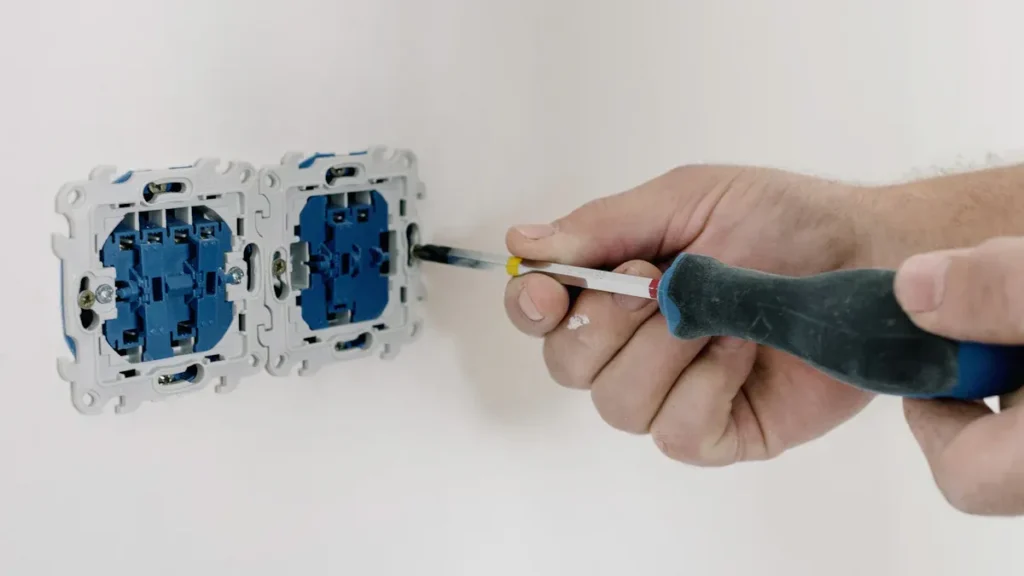
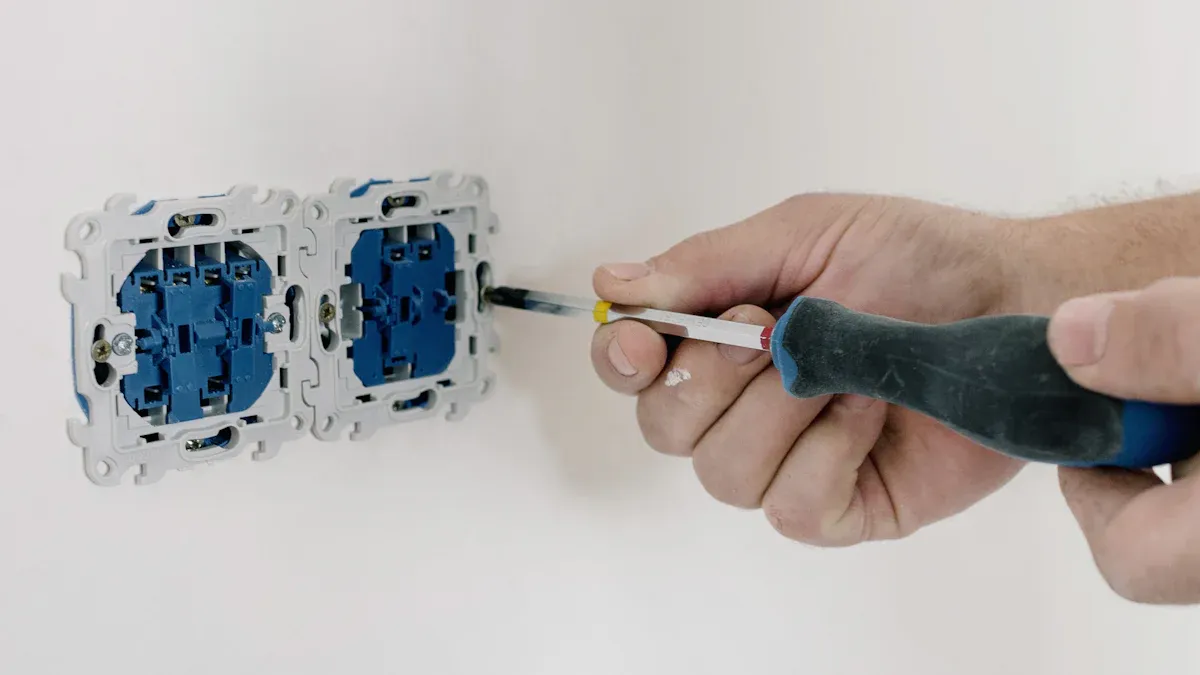
You can replace the 電熱線 in your heater with confidence, even if you have never worked on heater elements または 加熱管 before. Proper step-by-step instructions help you avoid mistakes while working with an electric heating element, especially in a malfunctioning water heater. The table below demonstrates how clear directions make replacing a broken heating element safe, affordable, and manageable:
| アスペクト | Estimated Time | 費用範囲 | Complexity Level | Number of Steps | 必要な工具 |
|---|---|---|---|---|---|
| Electric Oven Heating Element | About 15 minutes | $20 – $50 | Beginner | 10 | Needle-nose pliers, screwdriver, nut driver |
If you need to drain the tank or secure new heater elements, you will find this process accessible and rewarding.
Electric Heating Element Safety Precautions
When you work on a furnace heating element, you must follow strict safety precautions. These steps protect you from electric shock, burns, and fire hazards. Many incidents happen because people ignore basic safety rules. You can avoid these risks by preparing carefully and respecting the power of electricity.
Turning Off Power Before You Replace the Heating Element
サーキットブレーカーの位置とスイッチオフ
あなたは常に disconnect the power before you touch any electric heating element in a furnace. Find the correct circuit breaker in your electrical panel. Switch it off to cut all power to the furnace. This step is not optional. Authoritative safety guidelines stress that you must shut off power at the service panel before you inspect, repair, or replace a furnace heating element. This action prevents electrical hazards and protects you from injury.
Verifying Power is Off with a Multimeter
After you switch off the breaker, use a multimeter to confirm that no electricity flows to the furnace heating element. Place the probes on the terminals where the wires connect. The reading should show zero voltage. This double-check ensures you have achieved a true ‘Zero Energy State.’ Never skip this step, as accidental contact with live circuits can cause severe injury or death.
ヒント Remove any metal jewelry before you begin. Metal can conduct electricity and increase your risk of burns or shock.
Using Protective Gear When Handling a Furnace Heating Element
Wearing Gloves and Eye Protection
You should always wear gloves and eye protection when you handle a furnace heating element. Specialized gloves, especially those enhanced with phase change materials, absorb and dissipate heat. This protection reduces your risk of burns when you touch hot furnace parts. Eye protection shields you from sparks or debris.
Setting Up a Safe Work Area
Prepare your workspace before you start. Clear away clutter and keep flammable materials far from the furnace. Place your tools within easy reach. Make sure the area has good lighting and ventilation. Never work on a furnace heating element in a damp or wet environment.
- Place the furnace on a stable, level surface.
- Keep cords out of walkways to prevent tripping.
- Do not use the furnace to dry clothes or thaw pipes.
Safety Warnings for Electric Heating Element Replacement
Understanding Electric Shock Risks
Electricity in a furnace heating element carries enough energy to cause dangerous shock currents. Even low voltages can trigger involuntary muscle reactions, leading to more severe contact. Insulation helps, but it does not remove all risk. Fires can start if you place the furnace too close to combustible materials or use it improperly. Always follow manufacturer instructions and never operate a defective furnace.
プロを呼ぶタイミング
If you feel unsure about any step, call a licensed technician. Some furnace repairs require advanced knowledge or special tools. Professional installation ensures the furnace heating element works safely and efficiently. Never take risks with your safety or the safety of your home.
Tools and Materials for a Step-by-Step Guide
Before you begin the step-by-step guide, you need to gather the right tools and materials. Having everything ready will help you replace the furnace heating element efficiently and safely. This preparation also reduces the risk of mistakes or delays during the process.
Essential Tools for Replacing an Electric Heating Element
ドライバーとレンチ
You will need a set of screwdrivers and wrenches to remove and secure panels, covers, and mounting hardware on your furnace. Choose the correct size and type for your specific furnace model. Using the wrong tool can strip screws or damage components, making the job harder.
Multimeter for Safety Checks
A multimeter is essential for checking that the power is off before you touch any wires. You can also use it to test the continuity of the furnace heating element. Technical guides recommend a multimeter for safe diagnosis and repair. Always verify that your furnace is de-energized before you proceed.
Replacement Parts for a Furnace Heating Element
Identifying the Correct Electric Heating Element
Selecting the right replacement part is critical. You must match the voltage, current, length, diameter, and material type to your furnace’s requirements. The table below highlights common design and accessibility challenges you may encounter when locating and replacing the electric heating element in appliances:
| Design/Accessibility Aspect | Description/Challenge |
|---|---|
| Element Dimensions & Material | Voltage, current, length, diameter, material type, and operating temperature affect performance. |
| Support & Insulation | Insulators prevent sagging; their size impacts appliance size. |
| Thermal Behavior | High temperatures may cause sagging or deformation, requiring adjustments. |
| Airflow Management | Proper airflow prevents overheating and failure. |
| Multiple Element Interaction | Close placement requires consideration of combined heating effects. |
| Electrical Lead Design | Leads must withstand temperature, abrasion, and ensure safe termination. |
| Lead Handling & Protection | Protection from mechanical and environmental damage is necessary. |
| Material Brittleness | Some alloys become brittle at extreme temperatures, affecting installation. |
| Surface Area Loading | Must be calculated to avoid overheating and premature failure. |
Check your furnace’s manual or the old element’s label to confirm specifications before purchasing a new electric heating element.
Gaskets, Seals, and O-Rings
You should inspect and replace any gaskets, seals, or O-rings when installing a new furnace heating element. These parts prevent leaks and ensure a tight fit. Using worn or damaged seals can lead to air or water leaks, reducing furnace efficiency and causing further issues.
Optional Supplies for a Smooth Installation
Cleaning Materials for Mounting Area
Dirt and debris can interfere with the installation of your new furnace heating element. Use a clean cloth, brush, or vacuum to clear the mounting area. A clean surface ensures a proper seal and helps prevent future problems.
Lubricants or Anti-Seize Compounds
Applying a small amount of lubricant or anti-seize compound to mounting screws or threads can make future removal easier. This step is especially helpful if your furnace operates in a humid or corrosive environment.
ヒント Organize your tools and parts before you start. Careful preparation helps you follow the step-by-step guide without interruptions.
By gathering these tools and materials, you set yourself up for a successful furnace heating element replacement. Careful selection and preparation reduce the risk of damage, leaks, or hazardous outcomes, as shown by numerous repair incident reports. Always prioritize safety and accuracy when working with your furnace.
Step-by-Step Guide: Preparation and Access
Preparing to Replace the Heating Element
Clearing and Organizing the Work Area
You should always begin by preparing your workspace before you replace the heating element in your furnace. A clean, organized area reduces the risk of accidents and helps you keep track of small parts. Remove clutter, tools, and any flammable materials from the immediate area. Place your furnace on a stable, level surface. Good lighting allows you to see connections and mounting points clearly. If you need to dismantle your dryer or another appliance, make sure you have enough space to lay out panels and hardware.
ヒント Use a small container or magnetic tray to hold screws and fasteners. This prevents loss and confusion during reassembly.
Gathering All Tools and Parts
Gather all necessary tools and replacement parts before you start. You will need screwdrivers, wrenches, and a multimeter for safety checks. Have your new furnace heating element ready, along with any gaskets, seals, or O-rings. If you plan to use lubricants or anti-seize compounds, keep them within reach. Organizing your tools and parts in advance streamlines the process and minimizes interruptions. If you need to dismantle your dryer, check your manual for any specialty tools required.
Accessing the Electric Heating Element
Removing Appliance Covers or Panels
To access the furnace heating element, you must remove the back panel or other covers from your furnace. Use the correct screwdriver or wrench to avoid damaging screws or stripping threads. Keep removed panels and fasteners together for easy reassembly. Some furnaces require you to remove multiple panels, so work methodically and take note of each step. If you encounter resistance, double-check for hidden screws or clips.
Locating the Furnace Heating Element
Once you open the furnace, locate the furnace heating element. Refer to your appliance manual or diagrams if you feel unsure. The heating element usually sits near the blower or air handler, secured with mounting screws or brackets. Inspect the area for signs of damage, corrosion, or burnt wiring. Addressing these issues now can prevent future problems and higher repair costs. Using incorrect or generic replacement parts, or ignoring burnt wiring, can lead to fire hazards and void your warranty. If you notice damaged wires or persistent heating issues, consult a professional to avoid safety risks and unnecessary expenses.
注: Incorrect installation of a furnace heating element can cause electrical shocks, short circuits, or even fire hazards. Proper procedures and safety measures protect you from these risks and ensure reliable furnace operation.
After you finish this preparation and access phase, you will be ready to proceed with replacing a broken heating element. Careful setup and attention to detail help you avoid common mistakes and ensure a smooth installation process.
Steps to Replace a Furnace Heating Element: Removal Process
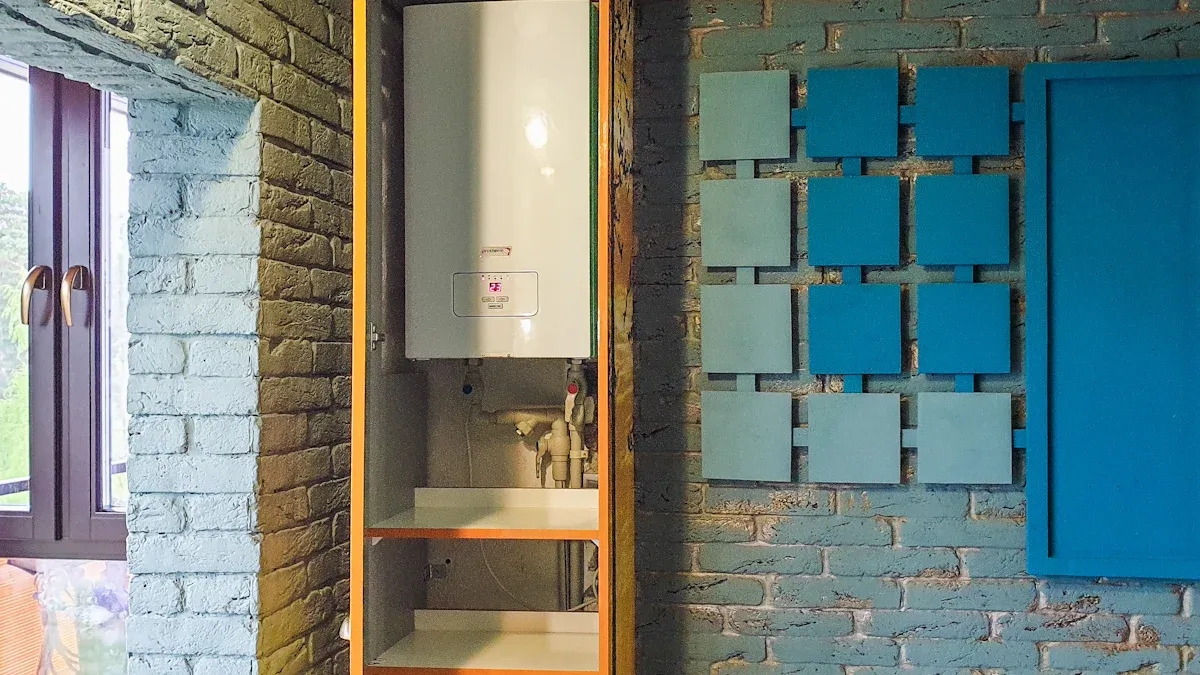
When you begin the steps to replace a furnace heating element, you need to work carefully and methodically. This process involves disconnecting wires and removing the heating element from your furnace. Each step ensures safety and prevents damage to your equipment.
Disconnecting Wires from the Electric Heating Element
Before you remove the heating element, you must disconnect the wires attached to the furnace heating element. This step is critical for both safety and successful reassembly.
Labeling Wires for Easy Reassembly
You should label each wire before you disconnect the wires from the furnace heating element. Use masking tape or pre-made wire labels. Write down the terminal number or color code for each connection. This practice helps you reconnect everything correctly later. If you skip this step, you may mix up the wires and cause the furnace to malfunction.
ヒント Take a clear photo of the wiring with your phone. This visual reference can save time during reassembly.
Double-Checking Power is Off
You must double-check that the power is off before you disconnect the wires. Use your multimeter to test the terminals again. Confirm that there is no voltage present. Even if you already turned off the breaker, always verify with your meter. This habit protects you from electric shock and prevents accidental damage to the furnace.
古いヒーターエレメントの取り外し
Once you have disconnected the wires, you can remove the heating element from the furnace. Handle each part with care to avoid damaging the mounting hardware or surrounding components.
Loosening Mounting Screws or Nuts
Locate the screws or nuts that secure the furnace heating element in place. Use the correct screwdriver or wrench to loosen them. Turn each fastener slowly and keep them in a safe place. Some furnaces use brackets or clamps instead of screws. Check your manual if you are unsure about the mounting method.
- Remove the screws or nuts one at a time.
- Place each fastener in a small container to avoid losing them.
- If a screw feels stuck, apply gentle pressure and avoid stripping the head.
Extracting the Element Safely
After you loosen all fasteners, gently pull the furnace heating element out of its slot. Support the element with both hands to prevent bending or breaking it. Some furnace heating elements may feel stuck due to corrosion or debris. Wiggle the element slightly to free it, but do not use excessive force.
注: If you encounter resistance, check for hidden screws or clips. Forcing the element can damage the furnace or the mounting area.
You have now completed the steps to remove the heating element from your furnace. Set the old part aside for proper disposal. Inspect the mounting area for signs of damage or residue before you install the new furnace heating element. By following these steps, you ensure a safe and efficient repair process.
Steps to Replace a Furnace Heating Element: Installation Process
Installing the New Electric Heating Element
Cleaning the Mounting Area
電気給湯器の install the new heating element, you need to clean the mounting area thoroughly. Dust, debris, or corrosion can prevent a secure fit and reduce the efficiency of your furnace. Use a dry cloth or a soft brush to wipe away any residue. If you see rust or stubborn buildup, gently remove it with a non-abrasive pad. A clean surface ensures that the furnace heating element seats properly and that gaskets or seals work as intended.
ヒント Take a moment to inspect the mounting area for cracks or damage. Address any issues before you proceed to avoid future problems.
新しい要素の配置と固定
Carefully align the new furnace heating element with the mounting slot. Hold the element steady and slide it into place, making sure it does not bend or catch on surrounding parts. Once the element sits correctly, secure it using the screws, nuts, or brackets you removed earlier. Tighten each fastener evenly to avoid warping the element or damaging the furnace. Do not overtighten, as this can strip threads or crack mounting points.
- Double-check that the furnace heating element sits flush against the mounting surface.
- Confirm that all fasteners are snug and secure.
A properly installed element will help your furnace operate safely and efficiently.
Reconnecting Wires to the Heating Element
Attaching Wires to Correct Terminals
Now you need to reconnect the wires to the furnace heating element. Refer to your labels or the photo you took earlier. Attach each wire to its correct terminal. This step is critical for safe operation. Mixing up connections can cause the furnace to malfunction or create a safety hazard.
注: If you feel unsure about the wiring, consult your furnace manual or seek professional advice.
Ensuring Secure Electrical Connections
After you reconnect the wires, check each connection for tightness. Loose wires can cause arcing, overheating, or intermittent operation. Use a screwdriver or pliers to ensure each terminal holds the wire firmly. Tug each wire gently to confirm it will not slip free. Secure electrical connections help your furnace heating element deliver consistent performance.
- Inspect the wiring for signs of wear or damage.
- Replace any frayed or brittle wires before you restore power.
Reassembling the Appliance After Replacement
Replacing Covers or Panels
With the furnace heating element installed and wired, you can reassemble your furnace. Replace all covers or panels you removed earlier. Align each panel carefully and secure it with the original screws or fasteners. Proper reassembly protects internal components and helps maintain safe operation.
ヒント Do not leave any panels off, even temporarily. Exposed wiring or components can create shock or fire risks.
Cleaning Up the Work Area
Finish the installation process by cleaning up your workspace. Gather your tools and dispose of the old furnace heating element according to local regulations. Remove any debris, packaging, or unused parts from the area. A tidy workspace reduces the risk of accidents and helps you spot any issues before you restore power to the furnace.
- Store your tools in a safe place for future maintenance.
- Double-check that nothing blocks the furnace vents or air intake.
By following these steps, you ensure a safe and effective installation of your furnace heating element. Careful attention to detail at each stage helps your furnace run reliably and extends the life of your new heating element.
Testing and Troubleshooting After You Replace the Heating Element
Restoring Power to the Electric Heating Element
Turning the Circuit Breaker Back On
After you finish installing the new furnace heating element, you need to restore power and water supply to your system. Go to your electrical panel and flip the circuit breaker back on for your furnace. This step re-energizes the heater and prepares it for testing. Always stand to the side of the panel and use one hand to switch the breaker. This method reduces your risk if a problem occurs.
当面の課題に注目
Once you restore power, watch your furnace closely for any immediate problems. Listen for unusual sounds and look for sparks or smoke. Check the area around the heater for signs of leaks or burning smells. If you notice any of these issues, turn off the power right away and inspect your work. Quick action can prevent further furnace heating element problems.
Testing the New Furnace Heating Element
Using Appliance Controls to Check Heating
Use your furnace’s controls to start a heating cycle. Set the thermostat to a temperature above the current room level. The heater should begin to operate within a few minutes. If you want to test your water heater, follow the same process by turning up the temperature setting. You should feel warm air or hot water soon after activation.
適切な動作の確認
Observe your furnace as it runs. Make sure the heater produces steady heat and the blower operates smoothly. Check for signs your furnace heating element needs replacement, such as weak airflow, cold spots, or the furnace not heating properly. Inspect the area for leaks or odd noises. If everything works as expected, you have completed the installation successfully.
ヒント Use a multimeter if you want to learn how to test a heating element. Measure the voltage and current at the terminals to confirm the element functions correctly.
Troubleshooting Common Problems
No Heat After Replacement
If your furnace does not produce heat, check the wiring connections first. Make sure you attached each wire to the correct terminal. Inspect the circuit breaker and confirm it remains in the ON position. Sometimes, furnace heating element problems occur because of a tripped breaker or loose wire. If you cannot find the issue, consult your furnace manual or call a professional.
Unusual Noises, Smells, or Leaks
Strange noises, burning smells, or visible leaks signal trouble. Listen for rattling or buzzing from the heater. Smell for burning odors, which may indicate electrical issues. Look for signs of leaks around the furnace or heater. Water or air leaks can reduce efficiency and cause damage. Address these problems quickly to avoid further furnace heating element problems.
If you see persistent leaks or cannot resolve the issue, contact a licensed technician for help.
Common Mistakes to Avoid When You Replace the Heating Element
When you work on your furnace, you want to avoid common mistakes that can lead to costly repairs or safety hazards. Paying attention to details during the process of replacing a broken heating element helps you achieve a successful outcome and keeps your home safe.
Skipping Safety Steps with Electric Heating Elements
誤った配線配置は、給湯器加熱エレメントの誤動作や安全上の危険を生む可能性がある。配線を外す前には、必ずラベルを付けるか写真を撮る。電源を復旧する前に接続を再確認する。
You must always turn off the power before you touch any part of your furnace. Many accidents happen because people forget this critical step. If you leave the power on, you risk electric shock or even fire. Always check the circuit breaker and use a multimeter to confirm the power is off. This simple habit protects you and your equipment.
Not Using Protective Gear
You should never skip protective gear when working on a furnace. Gloves and eye protection shield you from burns, sparks, and debris. Some people think they can skip this step, but even a small mistake can cause injury. Make safety your top priority every time you handle a heating element.
ヒント Keep your safety gear in a dedicated spot near your furnace tools. This habit makes it easy to remember and use every time.
Incorrect Installation of a Furnace Heating Element
Mixing Up Wires or Connections
You need to label wires before disconnecting them from your furnace. Mixing up connections can cause your furnace to malfunction or fail to heat. Take a photo or use labels to track each wire. This step ensures you reconnect everything correctly and avoid confusion during reassembly.
素子の不適切な取り付け
新しい加熱素子は炉内に適切に取り付ける必要があります。この工程を急ぐと、素子が十分に接触せず、性能低下や損傷の原因となります。締結具を締める前に、素子が平らにしっかりと固定されていることを常に確認してください。緩んだり曲がったりした素子は、炉の過熱や短絡を引き起こす可能性があります。.
電気加熱素子への誤った交換部品の使用
不一致の素子タイプ
交換用加熱素子は炉の仕様に合わせる必要があります。誤ったタイプを使用すると、炉が効率不良になったり作動しなくなったりする可能性があります。新しい素子を設置する前に、常に電圧、ワット数、サイズを確認してください。炉の取扱説明書に正しい情報が記載されています。.
メーカー仕様の無視
炉の部品を選定する際、メーカーのガイドラインを無視してはなりません。これらの仕様は、加熱素子が安全に適合し作動することを保証します。汎用品や互換性のない部品を使用すると、炉を損傷したり保証を無効にしたりするリスクがあります。常に指示に従い、認定された部品を使用してください。.
細部への注意深い配慮と安全手順の厳格な遵守が、これらの一般的な過ちを避ける助けとなることを忘れないでください。炉はより効率的に作動し、負傷や高額な修理のリスクを低減できます。.
電気加熱素子の交換は自信を持って行えます。常に 安全手順 に従い、作業内容を再確認してください。炉に正しい部品を使用することで、確実な作動を保証します。不安を感じる場合は、専門家に連絡して助言を求めてください。忍耐と注意をもって作業すれば、炉を修復し、家庭の快適さを維持できます。.
留意点:修理を注意深く正確に行うことで、炉は最高の性能を発揮します。.
よくあるご質問
加熱要素を交換する必要があるかどうかはどうすればわかりますか?
炉が適切に加熱しなかったり、頻繁にオンオフを繰り返したりする場合があります。給湯器に不具合がある場合、ぬるま湯しか出ない、またはまったくお湯が出ないことがあります。マルチメーターで素子をテストすれば、故障しているかどうかを確認できます。.
加熱素子は専門家の助けなしに交換できますか?
安全手順と適切な工具を使用すれば、加熱素子を自分で交換できます。作業開始前には常に電源を切り、確実にオフになっていることを確認してください。どの段階でも不安を感じた場合は、資格を持った技術者に連絡してください。.
古い加熱素子を取り外す前に何をすべきですか?
回路ブレーカーで電源を切り、マルチメーターで電圧が残っていないことを確認する必要があります。必要な工具と部品をすべて揃え、作業スペースを準備し、すべての締結具を整理して再組み立てを容易にしてください。.
新しい素子を設置した後、給湯器をどのようにテストしますか?
サーモスタットを高温に設定し、システムを運転します。一定の熱出力があるか確認してください。マルチメーターを使用して端子の電圧と電流を測定します。運転中の異常な音や漏水に注意してください。.
加熱素子を交換する前にタンクの水を抜く必要がありますか?
について 給湯器, の場合、素子を取り外す際に水が溢れないよう、タンクの水を抜く必要があります。排水バルブにホースを取り付け、交換作業を開始する前にタンクの水を適切な排水口またはバケツに空にしてください。.
交換作業中にどのような安全装備を使用すべきですか?
感電や破片から身を守るため、絶縁手袋と安全ゴーグルを着用してください。作業スペースが乾燥して明るいことを確認します。追加の予防措置として、消火器を近くに備えておいてください。.
素子を交換した後も炉が加熱しない場合はどうすればよいですか?
すべての配線接続を確認し、回路ブレーカーがオンになっていることを確認してください。正しい交換部品を設置したかどうか確認します。問題が解決しない場合は、家電製品の取扱説明書を参照するか、専門家に連絡してさらに診断を依頼してください。.
ヒント 修理中は常に家電製品の取扱説明書を手元に置いて参照してください。.