
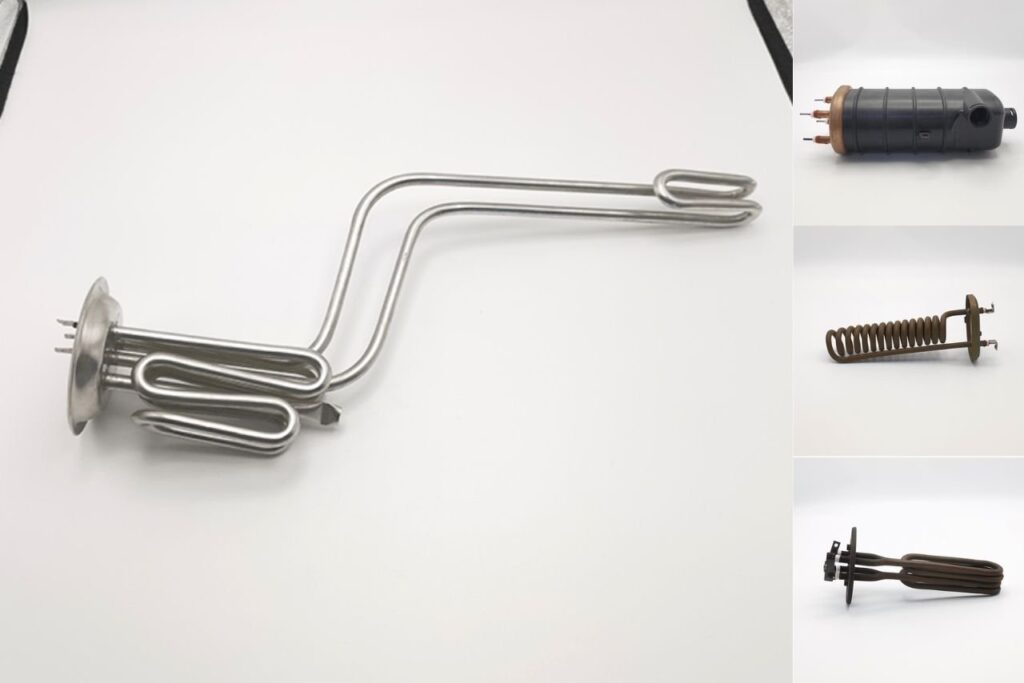
クラスターページ ? ~2005語 ? グローバル ? 7つのFAQ ? 焦点: 適合性、仕様、信頼性、総コスト
OEM製GEオーブン加熱素子とサードパーティ製代替品の選択は、価格だけの問題ではありません。最適な選択は以下に依存します:.
エンジニアリング参考情報: TUTCOは加熱素子を、導電性および絶縁性材料で構成され、コネクタを備え、特定の目的のために設計されたコンポーネントと定義し、フィールド障害や交換作業などのあまり明らかでないコストについて議論しています。. https://tutco.com/conductive/heating-elements
- GE部品番号でGE/正規チャネルを通じて販売される部品
- 正確な形状と意図された電気定格に対する最高の確信
- 通常、最良の文書化と互換性マッチング
- GE以外のブランドによって製造/販売され、互換性ありとして販売される
- 品質は優れたものから安全でないクローンまで幅広い
- 購入者によるより厳格な検証が必要(寸法、端子、ワット数)
TUTCOによれば、加熱素子は導電性合金に絶縁フレームとリードコネクタを加えたアセンブリです。オーブンでは、端子とブラケットの形状が「ほぼ適合」が信頼性の問題(緩い接続、位置ずれ、局所的な過熱)となる箇所であることが多いです。. 参考
| 要素 | OEM製GEオーブン加熱素子 | サードパーティ製代替品 | その重要性 |
|---|---|---|---|
| 適合性と形状 | 最高の確信 | 変動あり; 正確なものもあれば、「ほぼ十分」なものもある | 誤った曲げやブラケットが端子にストレスを与えたり、ラックやライナーと干渉する可能性がある |
| 電気定格の整合 | 通常、モデルの要件に適合 | 購入者による慎重な検証が必要 | 不一致は予熱の遅延、過熱、または寿命短縮を引き起こす可能性がある |
| 端子/コネクタの品質 | 一貫している | 変動あり | 緩い端子は抵抗ホットスポットを生み出す; 確実な接続が重要 |
| トレーサビリティ | 強固(正規サプライチェーン) | 販売者/ブランドに依存 | トレーサビリティの低さは偽造品/誤った部品のリスクを高める |
| 初期価格 | 多くの場合高い | 多くの場合低い | 初期コストの節約は繰り返しの作業/ダウンタイムで相殺される可能性がある |
| 総コスト(作業 + ダウンタイム) | 繰り返しを回避すれば長期的に低くなることが多い | 故障率によって低くなるか、はるかに高くなる可能性がある | TUTCOはフィールド障害と再作業による「あまり明らかでないコスト」を強調 |
表1 – 「最適な選択」は、サードパーティ製部品が真に同等であるかどうか、および設置が適合性と端子の完全性に敏感であるかどうかに依存する.
- オーブンが保証期間内であるか、毎日/頻繁に使用されている場合
- モデルが特殊な素子形状(隠しベーク、一般的でないブラケット)を使用している場合
- 過去の故障に焼損したコネクタやアーキングが含まれていた場合
- 家庭が「一度設置して忘れる」信頼性を求める場合
- 返品/再注文の許容度が低い場合
- 互換性が明確に文書化されている場合(正確な部品相互参照)
- 測定値、端子スタイル、取り付けポイントがOEM素子と一致する場合
- 販売者が強力な返品ポリシーと一貫したレビューを持っている場合
- 購入者が仕様の検証と監督下でのテストベイクに自信がある場合
- 型番 (オーブンデータプレートから)
- ヒーターの種類: ベーク vs ブロイル vs 隠しベーク
- 端子の詳細: 間隔、向き、断熱ブロック(存在する場合)
- ブラケット + 曲げ形状: 以前のヒーター部品の写真と比較する
- 返品ポリシー: 不一致が発生した場合、確実に問題なく返品できるようにする
- スプーン端子の緩み・変色を点検し、必要に応じて交換する
- ヒーターが無理なく平らに座り、確実に取り付けられることを確認する
- カバー/断熱材を再取り付けし、配線を熱源から離して配線する
Whirlpool社のヒーター交換手順では、正しい交換部品(電圧/ワット数)の確認と、全ての配線接続が確実であることの確認が強調されています。. ソース
- 2回目のサービス訪問 部品が故障した、または適合しない場合
- ダウンタイム (食事の中断、休日の料理など)
- 二次的損傷 (焼損した端子、損傷した配線、焦げた断熱材)
- 返品の煩わしさ (配送遅延、返品処理、失われた作業時間)
TUTCO社は、ヒーター選定における「あまり目立たないコスト」を明確に指摘しています。手直し、現場での故障、品質問題は、初期費用の節約分を簡単に上回る可能性があります。. 参考
Hudson Reed社の1000Wプラグインヒーターの商品ページには、明確な仕様(1000W、IP67保護等級、UL認証、材質、ケーブル長、保証)が記載されています。. ソース
必ずしもそうではありませんが、OEM部品は一般に、適合性、定格、トレーサビリティにおいて最も高い信頼性を提供します。高品質のサードパーティ部品も、元の設計に真に適合しており、信頼できる販売元から調達された場合は、十分な性能を発揮できます。.
不一致またはばらつきです。端子、曲げ、ブラケット位置、定格のわずかな違いが、不適合、過熱点、または寿命の短縮を引き起こす可能性があります。トレーサビリティの低い市場では、偽造品のリスクも高くなります。.
はい。間違ったヒーターは、配線/端子の過熱、制御装置への負荷、または内張り/ラックとの物理的干渉を引き起こす可能性があります。互換性を常に確認し、交換時に端子と配線を点検してください。.
機種に適合した正規交換部品を使用すべきです。Whirlpool社のガイダンスでは、ヒーター交換時にユニットのデータプレートと照らし合わせて電圧とワット数を確認することが明確に指示されています。. ソース
ヒーターはアセンブリ(組立品)です。端子とコネクタはそのシステムの一部です。緩い接続は抵抗による過熱点を生み出します。Whirlpool社は、ヒーター交換時に全ての配線接続が確実であることを確認するよう述べています。. 参考
正しいヒーターを購入し、熱損傷した端子があれば交換し、ヒーターが無理なく取り付けられていることを確認し、再組み立て後に監視下でテスト加熱サイクルを実行してください。. 参考
メーカーはヒーター技術を、チューブ型、プレート型、フィルム型、統合モジュール型に分類しています。例については、JINZHO社のカテゴリーページをご覧ください: 加熱管, ヒーティングプレート, 加熱フィルム, そして ダイカスト加熱ソリューション.
- TUTCO社ヒーター技術概要: https://tutco.com/conductive/heating-elements
- Whirlpool社ヒーター交換手順(正しい部品の確認;接続の締め付け;安全な作業順序): https://www.whirlpoolwaterheaters.com/support/help/element-was-out-of-range/24
- Hudson Reed社仕様透明性の例: https://usa.hudsonreed.com/1000-plug-in-watt-electric-heating-element-76309
- JINZHO社カテゴリー参照: 加熱管, 電気ボイラー・ヒーター
免責事項:このページは教育目的であり、GE公認のガイダンスではありません。家電製品のサービス前には必ず電源を切り、機種固有のサービス手順に従ってください。.

