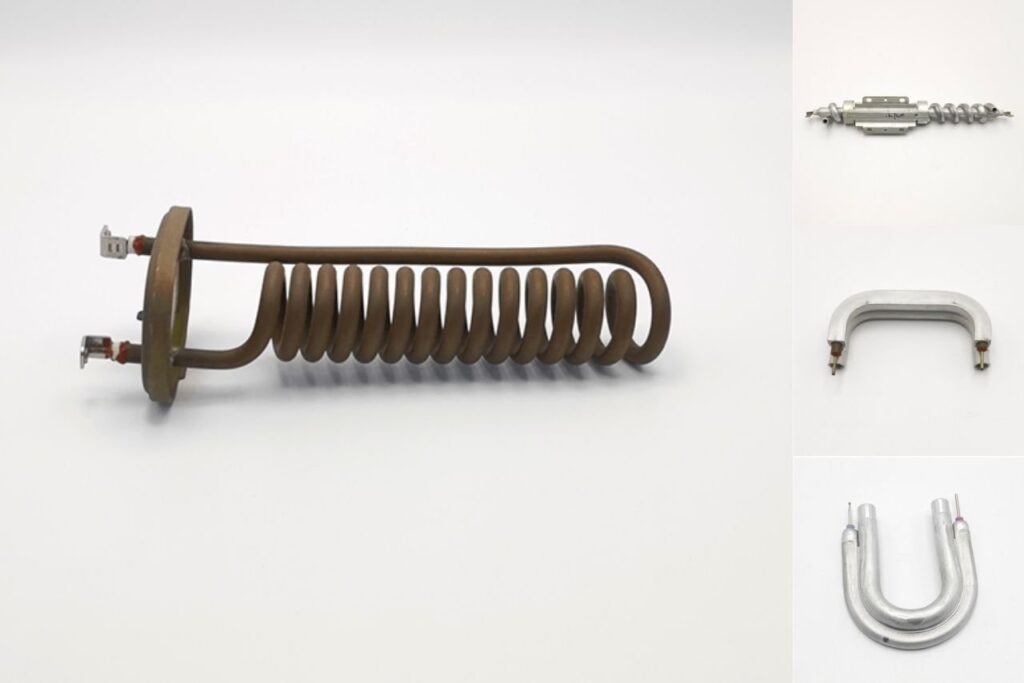
正常に回転するが加熱しないSamsung製乾燥機は、通常、加熱回路内の2つの「ゲートキーパー」のいずれかに問題があることを示しています: 加熱エレメント ヒーターエレメント自体、またはエレメントへの電力供給を遮断しているサーモスタット/熱安全装置です。.
- 乾燥機は正常に動作するが、熱が弱い、または断続的で、時間の経過とともに悪化する。.
- コイルが目に見えて破損している(モデルによってヒーターハウジングから覗ける場合)。.
- ユニットが短時間加熱した後、加熱を停止する(損傷したコイルは高温になると断線することがある)。.
- 過熱イベント(通気口の詰まり、多量の糸くず)の後、突然、まったく熱が出なくなる。.
- 乾燥機が過熱し、その後加熱を停止する(安全装置が作動してユニットを保護する場合がある)。.
- 長時間の冷却後にのみ熱が戻る(サイクリングサーモスタットの動作またはエアフローの問題)。.
加熱エレメントを破壊する最も速い方法の一つは、正しい動作条件なしで通電することです。 システムの準備が整うまで電源を投入しないでください.。 Whirlpool: 加熱エレメントの交換.)
乾燥機の場合、「準備完了状態」とは主に 気流. 適切なエアフローです。通気口が詰まった状態で熱を運転すると、エレメントハウジングが過熱し、安全装置が作動したり(または部品が損傷したり)する可能性があります。.
加熱エレメントは単なる「熱くなるワイヤー」ではありません。それは、導電性抵抗合金、絶縁フレームワーク、および安全な電気端子からなるアセンブリです。 吊り下げ、支持、または埋め込み は、熱伝達と耐久性に影響を与えます。 TUTCO: Heating Elements.)
- 糸くずフィルターを掃除し、可能であれば送風経路を確認する。.
- 外部への通気ダクトに、よじれ、潰れたフレキシブルダクト、または多量の糸くずの蓄積がないか点検する。.
- エアフローが不良の場合は、まずそれを修正してください。そうしないと、新しい部品が再び故障する可能性があります。.
マルチメーターを持っており、安全に使用する訓練を受けている場合、最も迅速な切り分け方法は次の通りです: 加熱エレメントは導通していますか? そして 熱安全装置は閉回路(導通)していますか?
メーターをお持ちでない場合:メーターを使わない最良の指標は、コイルの目視による損傷(エレメント)と、「過熱後の突然の無加熱」(サーマルカットオフ)です。.
加熱エレメントは消耗部品です。酸化、変形、電気抵抗の変化により、最終的に故障に至る可能性があります。.
サーモスタットまたはサーマルカットオフは、過熱を防ぐために回路を開くことがあります。.
- コイルの断線/断線回路: 典型的な故障です。電流がエレメントを通過できないため、熱が出ません。.
- エアフロー不良によるエレメントの過熱: たわみ、変形、または絶縁体の損傷を引き起こす可能性があり、その後すぐに故障する可能性があります。.
- 材料/環境の不一致: TUTCO社は、汚染物質と動作条件が合金の寿命に影響を与え、過熱と不適切なワット密度が寿命を縮めると強調しています。.
- 過熱後のサーマルカットオフの作動: 多くの場合、「突然の」無加熱。.
- サイクリングサーモスタットの問題: 熱が不安定になることがあります(ただし、エアフローや通気口の詰まりでも同様の症状が出ることがあります)。.
- 根本的な原因が依然として存在する: エアフローを修正せずに安全装置を交換すると、再び故障する可能性があります。.
加熱エレメントを交換する際は、電気的および機械的要件に適合させる必要があります。 電圧と電力;.
部品調達や家電製品の構築を行う場合、Jinzhong (JINZHONG) は以下の幅広いヒーター製品群を提供しています: 加熱管, ヒーティングプレート,加熱管 加熱フィルム, ダイカスト加熱ソリューション.
OEM/ODM業務を行う場合、Jinzhongのホームページでは、フルチェーン対応能力(設計→金型開発→精密製造)とワンストップ工程(ダイカスト、プレス加工、CNC、表面処理)を強調しており、強みのセクションでは標準製品の納期を「最短3日」としています。 金中電熱.)
- 通電回路の安全なテスト方法や計器の読み取り方がわからない。.
- ブレーカーが落ちる、焦げ臭い、または配線に熱損傷の跡がある。.
- 部品交換後も繰り返し故障する(通常は気流制限または制御/電源問題を示唆)。.
TUTCOは、構造と実装方法(懸垂/埋め込み/支持)による加熱素子の分類に加え、フレキシブルヒーター、厚膜、薄膜なども取り上げており、それぞれ熱伝達、耐久性、コスト、制御性にトレードオフがあります。 TUTCO: Heating Elements.)
Jinzhongのカタログ形式のカテゴリーは、一般的な家電ニーズにうまく対応しています:
- 加熱管: 「ボイラー加熱管」、「バンドルロッドヒーター」、家電向けヒーター(コーヒーマシン、フライヤーなど)などの品目を含みます。.
- 加熱板: アルミニウム/ステンレス複合スタイルのプレート(例:コーヒーメーカー加熱板、ケトル加熱板)。.
- 加熱フィルム: 厚膜および薄膜ヒーターのバリエーション、セラミック基板厚膜型やスパッタリング薄膜型などを含みます。.
- ダイカスト加熱ソリューション: ダイカストアルミニウム合金基板+厚膜抵抗技術は、製品リスト(コーヒーメーカー部品、ボイラー熱交換器など)に繰り返し登場します。.
はい。ヒーターと直列に接続されたサーモスタット/サーモカットオフが回路を開くと、素子自体は物理的に正常でも電源が供給されません。.
断続的に故障することがあります(例:加熱時にコイルが断線する)。また、素子は正常でも、気流、制御、電源の問題により乾燥機が加熱しないこともあります。.
多くの場合、はい。カットオフが作動するのは、システムが過熱したためであることが一般的です。過熱は気流制限(糸くず、押しつぶされた排気口、長いダクト)によって頻繁に発生します。.
- 加熱エレメント (カテゴリー概要)
- 発熱体メーカー (Jinzhong Electric Heating ホームページ)
- 発熱体工場 (会社概要 / 工場情報)
- ダイカスト加熱ソリューション