
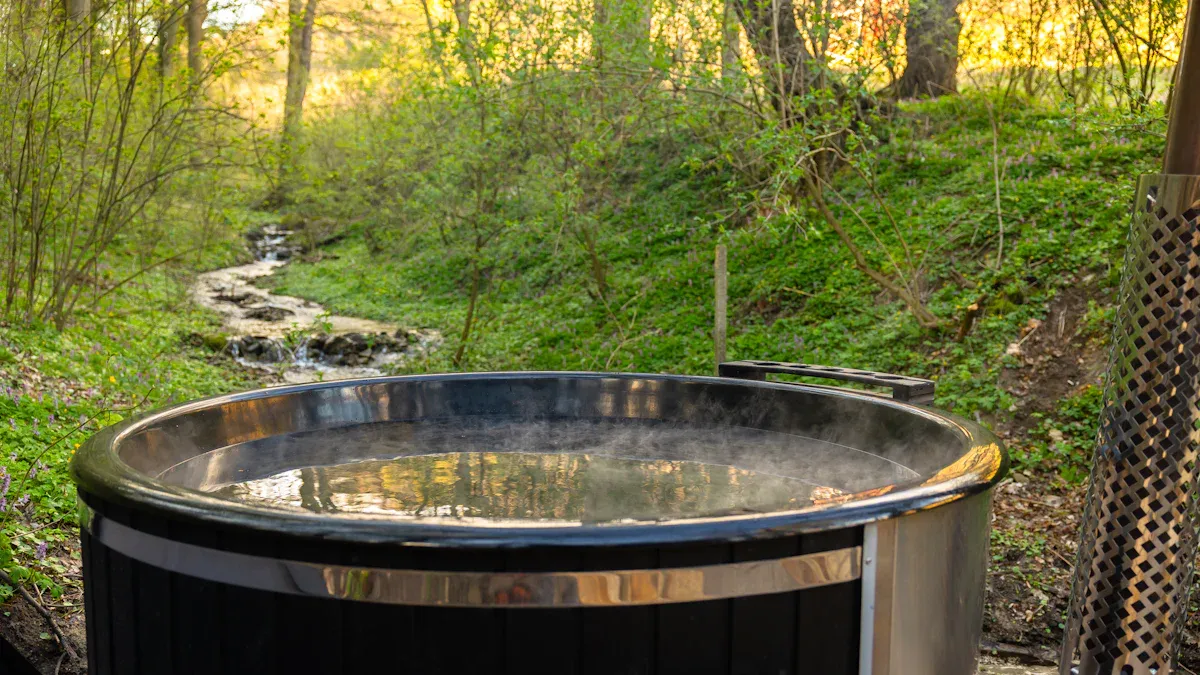
多くのホットタブ所有者は、ホットタブ用ヒーターエレメントに関する誤解を信じています。業界基準に合致しない主張を耳にすることがよくあります。 加熱エレメント 業界基準に合致しない主張を耳にすることがよくあります。 発熱体メーカー、 のような 金中電熱, 設計は 家電製品の加熱素子 より長持ちし、性能が向上すると謳うものもあります。これらの神話に疑問を呈することで、投資を保護し、安全な運用を促進します。.
- 誤解は不必要な修理につながる可能性があります。.
- 正確な情報は、賢明な選択を行うのに役立ちます。.
ホットタブ用ヒーターエレメントの神話#1:すべてのヒーターは同じである
ホットタブ用ヒーターエレメントの材質の違い
ステンレス鋼 vs チタンエレメント
すべての ホットタブ用ヒーターエレメント が同じように機能すると思うかもしれませんが、内部の材質が大きな違いを生みます。ステンレス鋼とチタンが最も一般的な選択肢です。チタンは、 0.03%未満の鉄分, を含むため、錆びや腐食が発生しません。チタンは保護酸化皮膜を形成し、塩素濃度や酸性度の高い水中でも孔食や表面劣化に耐えます。この皮膜はスケールの蓄積も防ぐため、メンテナンスの手間が軽減されます。チタンは ステンレス鋼の3~4倍の強度 があり、寿命が数世代にわたって延びます。ステンレス鋼、特に316グレードは優れた耐食性を備えていますが、依然として鉄分を含み、過酷な条件下では孔食や化学的攻撃を受ける可能性があります。チタン製ホットタブ用ヒーターエレメントを選ぶことは、耐久性と長期的な性能への投資です。.
耐食性と耐久性
チタンの自然特性は安心感をもたらします。低熱膨張率により応力と疲労が軽減され、ヒーターの寿命が延びます。ステンレス鋼製ヒーターは穏やかな条件下では信頼性がありますが、攻撃的な化学薬品が存在する環境では苦戦します。特に水質が変動する場合、ステンレス鋼では交換や修理の頻度が高くなります。チタン製ヒーターは腐食とスケールに耐えるため、故障が減り、ダウンタイムが短縮されます。過酷な条件に耐えるホットタブ用ヒーターエレメントをお求めなら、チタンが明らかな勝者です。.
品質と性能のばらつき
寿命と信頼性の要因
すべてのホットタブ用ヒーターエレメントが同じ寿命や信頼性を提供するわけではありません。チタン製ヒーターは腐食とスケールに耐えるため、はるかに長持ちします。ステンレス鋼製ヒーターは最初はうまく機能するかもしれませんが、特に水質が厳しいスパでは、より早く交換が必要になることがよくあります。長寿命を目的に作られたヒーターを選ぶことで、コストを節約し、手間を省くことができます。.
ブランドとメーカーの違い
ヒント:ホットタブ用ヒーターエレメントを購入する前に、必ずブランドを調査してください。信頼できるブランドは、先進的な素材と厳格な試験を使用して品質を確保しています。.
- Hot Spring Spas、Jacuzzi、Sundance、Bullfrog、Master Spasなどのプレミアムブランドは、 耐久性とエネルギー効率に重点を置いています。これらのヒーターは性能が良く、メンテナンスの必要性が低くなります。.
- Vita Spasは、生涯保証付きの亜鉛メッキ鋼製フレームを使用しており、, 耐久性への取り組みを示しています。.
- Nordic Hot Tubsは、信頼性が試験された堅牢な設計とコンポーネントを備えた手頃なオプションを提供しています。.
- AquaRest SpasやAmerican Spasなどのブランドは、ヒーターエレメントの故障や信頼性の低い温度制御に関する問題が記録されており、不満につながる可能性があります。.
- 保証範囲と迅速なカスタマーサービスは、問題を回避し、必要なときにサポートを受けるのに役立ちます。.
評判の良いブランドからホットタブ用ヒーターエレメントを選ぶと、高度な技術と品質管理の恩恵を受けられます。故障が減り、より良い所有体験を享受できます。.
ホットタブ用ヒーターエレメントの神話#2:加熱の問題は常にヒーターのせいである

多くのホットタブ所有者は、熱が出ない原因は ホットタブ用ヒーター エレメントの故障だと思い込んでいます。実際には、他のいくつかのコンポーネントが加熱の問題を引き起こす可能性があります。これらの要因を理解することで、不必要な修理を避け、ホットタブが効率的に動作することを確認できます。.
ホットタブの加熱問題の他の一般的な原因
サーモスタットとセンサーの故障
サーモスタットとセンサーは、水温を維持する上で重要な役割を果たします。これらのコンポーネントが誤動作すると、ホットタブが適切に加熱されなかったり、過熱したりする可能性があります。故障したセンサーは制御システムに誤った信号を送り、ヒーターが停止したり、連続運転したりする原因となります。水温の不安定さやコントロールパネルにエラーコードが表示されることに気付くかもしれません。多くの場合、センサーの再調整または交換により、通常の動作が回復します。.
コントロールボードとリレーの問題
コントロールボードはホットタブの頭脳として機能します。これに障害が発生すると、ヒーターがオンまたはオフになるための正しい信号を受信できない可能性があります。コントロールボード内のリレーも故障し、ヒーターへの電力が遮断されることがあります。このような場合、ヒーター自体は良好な状態でも、熱が出ないことがあります。コントロールボードやリレーの問題を診断するには、多くの場合、専門的な工具と知識が必要です。.
注: 多くの加熱問題は、ホットタブ用ヒーターエレメントとは無関係な問題に起因します。ヒーターを交換する前に、これらの一般的な原因を確認する必要があります。.
- 汚れたスパフィルターや低水位は水流を制限し、 安全シャットオフを作動させます。.
- 詰まったポンプインペラ、閉じたバルブ、または塞がれたドレンカバーは、適切な循環を妨げる可能性があります。.
- 故障した圧力スイッチまたはフロースイッチは、不十分な水流を検出し、 ヒーターの動作を停止させます。.
- トリップしたGFCIコンセントや切れたヒューズは、ヒーターへの電力を遮断します。.
- 緩んだ、損傷した、または酸化した配線は、電気接続を妨害します。.
- 反ったまたは破損したスパカバーは熱を逃がし、温度を維持するのを難しくします。.
- ヒーター管内の異物は、加熱エレメントを損傷し、流れを制限する可能性があります。.
ホットタブ用ヒーターエレメントの問題の診断
ステップバイステップのトラブルシューティングガイド
体系的なアプローチに従って、加熱問題の原因を特定できます:
- 安全のため、ホットタブを電源から抜いてください。.
- フィルターを確認して清掃し、水流を制限する可能性のある異物を取り除いてください。.
- 加熱エレメントに目に見える損傷や故障がないか点検してください。.
- 配管システム内を水が自由に流れていることを確認してください。.
- ハイリミットスイッチが作動している場合は、赤いリセットボタンを押してリセットしてください。.
- 水温が不安定な場合は、サーモスタットを再調整してください。.
- 故障した熱センサーを確認し、交換してください。.
- 温度プローブが適切に浸かっており、堆積物がないことを確認してください。.
- コントロールパネルの エラーメッセージを確認し、 取扱説明書を参照して指示に従ってください。.
- ホットタブが正しい加熱モードと温度に設定されていることを確認してください。.
これらの手順を実行してもホットタブが依然として加熱しない場合は、GFCIブレーカーで電源をリセットする必要がある場合があります。.
専門家の助けを求めるべき時
一部の問題には専門家の対応が必要です。持続的なエラーコード、配線の損傷、または制御基板の故障が発生した場合は、資格のある技術者に連絡してください。適切な訓練なしに複雑な修理を試みると、さらなる損傷や安全上のリスクを招く可能性があります。専門家によるサービスにより、ホットタブのエレメントヒーターおよび関連システムが安全かつ効率的に動作することが保証されます。.
ホットタブエレメントヒーターに関する誤解#3:ヒーターは安全ではなく故障しやすい
多くの人々は、 ホットタブエレメントヒーターが安全上のリスクをもたらすか、簡単に故障すると考えています。 実際には、現代の設計には高度な安全機能が含まれており、長年にわたって安全に動作させるために必要なメンテナンスは基本的なものだけです。.
現代のホットタブエレメントヒーターの安全機能
過熱防止システム
メーカーは、複数の保護層を備えたホットタブエレメントヒーターを設計しています。過熱防止システムは水温を監視し、温度が高くなりすぎるとヒーターを停止します。これにより、ヒーターの損傷を防ぎ、火災のリスクを低減します。圧力スイッチと流量センサーは、水が適切に流れている場合にのみヒーターが動作することを保証します。水流が低下すると、これらのセンサーがヒーターを停止し、過熱を防ぎます。.
漏電遮断器(GFCI)
現在のすべての最新ホットタブ設置において標準となっているGFCI保護の恩恵を受けることができます。GFCI装置は電気的故障を検出し、感電を防ぐために瞬時に電源を遮断します。この機能は、あなたとあなたの家族を電気的危険から保護します。GFCIが意図したとおりに機能することを確認するために、定期的にテストしてください。.
ヒント 現代のホットタブエレメントヒーターは、 UL 1563規格に準拠する必要があります。. これらの規格は、感電防止、火災リスク低減、および部品の安全性を網羅しています。メンテナンス前の電源切断、絶縁手袋の使用、電気接続の確認などの設置ガイドラインに従うことで、リスクをさらに低減できます。.
主要な安全機能の表
| 安全機能 | 目的 |
|---|---|
| 過熱保護 | 過剰な水温を防ぎます |
| 圧力/流量センサー | 水流による安全な動作を保証します |
| サーマルヒューズ/安全サーモスタットの導通をテスト。 | 感電から保護します |
| サージ保護 | 電気的故障を防ぎます |
安全なホットタブエレメントヒーター運転のためのメンテナンス
定期的な清掃と点検
定期的なメンテナンスにより、ホットタブエレメントヒーターを安全に動作させ続けることができます。フィルターを清掃し、ヒーターにスケールの蓄積や配線の緩みがないか点検してください。圧力スイッチと流量センサーをテストし、適切に機能することを確認します。サージ保護と正しい電圧供給も、電気的故障の防止に役立ちます。.
水質とその影響
バランスの取れた水質は、安全性と寿命にとって不可欠です。. 不適切なpHレベル は、ポンプ、配管、およびヒーターエレメントに損傷を与える可能性があります。. 硬水はスケールを引き起こし、 それがヒーター部品に付着すると、エレメントを断熱し、より激しく動作させることになります。これにより効率が低下し、ヒーターの寿命が短くなります。. 低pHは腐食を引き起こし、, 一方、高いカルシウム硬度はミネラルの蓄積を招きます。少なくとも週に2回は水質をテストし、 必要に応じてpH、アルカリ度、および消毒剤のレベルを調整する必要があります。 シミやスケール防止製品を使用し、数ヶ月ごとにホットタブの水を抜いて清掃してください。これらの手順により、腐食、スケーリング、および細菌の増殖を防ぎ、ホットタブとヒーターの両方を保護します。.
定期的なメンテナンスと水質管理は、ホットタブエレメントヒーターの安全性を保つだけでなく、その寿命を延ばし、修理費用を削減します。これらの実践に従うことで、より安全で信頼性の高いホットタブ体験を楽しむことができます。.
ホットタブエレメントヒーターに関する誤解#4:ヒーターの交換は複雑で高額である
多くのホットタブ所有者は、ホットタブエレメントヒーターの交換には高度なスキルまたは多額の予算が必要であると考えています。実際には、基本的な工具を持ち、安全ガイドラインに従えば、この作業を自分で行うことができます。専門家の助けを希望する方や保証保護が必要な方には、専門サービスも利用可能です。.
DIYによるホットタブエレメントヒーターの交換
必要な道具と材料
開始する前に、以下の必須アイテムを準備してください:
- 交換用ホットタブエレメントヒーター(お使いのモデルに対応するもの)
- ドライバー(プラスとマイナス)
- 調整可能なレンチまたはソケットセット
- テフロンテープまたはパイプシーラント
- マルチメーター(電気テスト用)
- タオルまたはウェット/ドライバキューム(水の処理用)
- 絶縁手袋と保護メガネ
ヒント 電気部品の作業を行う前には、必ずブレーカーで電源を切り、マルチメーターで確認してください。.
ステップバイステップの交換プロセス
以下の手順に従って、ホットタブエレメントヒーターを交換できます:
- メインブレーカーでホットタブへのすべての電源をオフにします。.
- 水漏れを防ぐため、ヒーターレベル以下までホットタブの水を抜きます。.
- アクセスパネルを取り外し、ヒーターアセンブリにアクセスします。.
- ヒーター端子から配線を外し、その位置を記録します。.
- レンチを使用して、ヒーターをハウジングから緩めて取り外します。.
- エリアを点検して清掃し、新しいヒーターをネジ部にテフロンテープを巻いて取り付けます。.
- 配線を再接続し、正しい配置と確実な接続を確認します。.
- ホットタブに水を再注入し、漏れがないか確認します。.
- 電源を復旧し、ヒーターが適切に動作するかテストします。.
共通の課題 接続の締めすぎ、漏れチェックの省略、電気端子の誤った取り扱いが含まれます。新しいヒーターの仕様を一致させ、使用前に抵抗をテストする必要があります。水のこぼれやエアロックの管理により、空焚きや過熱を防ぎます。感電を避けるために、常に安全上の注意事項に従ってください。.
専門家によるホットタブエレメントヒーターの交換
費用の内訳と予想されること
専門家による交換は、特に複雑な修理の場合に安心感を提供します。以下は、DIYと専門家による費用の比較です:
| アスペクト | DIY費用の範囲 | 専門家による費用範囲(部品+人件費) |
|---|---|---|
| ヒーター交換部品 | $200 – $700 | 総費用に含まれる |
| 人件費 | 0ドル(自己実施) | $75 – $125 時間あたり |
| 最低サービス料金 | $0 | $100 – $200 |
| 推定総費用範囲 | $200 – $700 | $200 – $1,000+ |
ホットタブのヒーターエレメントを自分で交換する場合、通常は $200~$700, の費用がかかります(モデルによります)。専門業者に依頼すると人件費が加算され、その範囲は 1時間あたり$75から$125, 、最低サービス料金が別途発生します。専門業者による交換の総費用は、特に高級モデルの場合、$1,000以上に達する可能性があります。.
専門業者を依頼するタイミング
以下の場合は、専門業者の雇用を検討すべきです:
- 電気システムの作業に不安を感じる場合。.
- 交換作業に複雑な配線や制御基盤が関わる場合。.
- ホットタブの保証を維持したい場合。.
- ブレーカーのトリップやGFCIの問題など、継続的な電気的トラブルが発生する場合。.
DIY修理は費用を節約できますが、特に電気部品に関してはリスクを伴います。専門サービスは安全性、適切な設置、保証条件の遵守を保証します。.
ホットタブヒーターの誤解 #5:ヒーターはエネルギーを浪費する
多くのホットタブ所有者は、ヒーターがエネルギーを浪費し電気代を押し上げると考えています。しかし、ヒーターの動作原理を理解し、実証された対策を適用することで、エネルギー消費を効果的に管理できます。.
ホットタブヒーターのエネルギー効率
ホットタブヒーターの動作原理
ホットタブのヒーターエレメントは、電気抵抗を利用して水を加熱します。 ヒーターは電力を消費し、通常は 120ボルトモデルで1,500ワット、240ボルトモデルでは最大6,000ワットの電力を消費します. 。ヒーターは設定温度を維持するため、ホットタブを使用していない時でもオン・オフを繰り返します。断熱性の高い中型ホットタブの場合、 月間の電気代は$20から$50の範囲と予想されます. 。ヒーターは主要なエネルギー消費源ですが、その効率は断熱性、気候、使用パターンに依存します。.
エネルギー使用量と効率の比較
ホットタブの加熱方式にはいくつかの選択肢があります。電気ヒーターは 安定した加熱 を提供し、屋内設置に適しています。ガスヒーターは熱効率が高く迅速に加熱し、ヒートポンプは長期的に最も優れた省エネルギー効果を発揮します。以下の表は主要なホットタブ加熱システムを比較したものです:
| ヒータータイプ | エネルギー効率 / 特徴 | 備考 |
|---|---|---|
| 電気ヒーター | 安定した加熱;ガス・ヒートポンプより効率は低い。. | 屋内使用に最適;電源コンセントが必要。. |
| ガスヒーター | 高い熱効率;迅速な加熱。. | 即時加熱に適する;電気式より効率的。. |
| ヒートポンプ | 最もエネルギー効率が高い;長期的な大幅な節約。. | 初期コストが高い;環境に優しい。. |
| 薪ボイラー | コスト効率が高く環境に優しい;普及率は低い。. | 薪の調達と操作経験が必要。. |
| 太陽熱ヒーター | 運用コストが最も低い;設置スペースと加熱需要に制約あり。. | 環境配慮型オプション;使用中の放熱には追従できない。. |
チタン製ヒーター素子やスマートコントロールを備えた現代のホットタブヒーターは、効率性が向上しています。. 完全発泡断熱とENERGY STAR認証部品の採用が エネルギー消費をさらに削減します。.
ホットタブヒーターの省エネルギー対策
断熱材とホットタブカバー
断熱性を向上させ、高品質のホットタブカバーを使用することでエネルギーコストを削減できます。外殻とキャビネット周囲の完全発泡断熱材は熱を保持し、ヒーターの負荷を軽減します。. Thermo-Shield™やFreeHeat™などの技術は断熱バリアを形成し、, 温暖な気候ではヒーターが不要になる場合もあります。密着性の高い断熱カバーは放熱を防ぎ、水温を長時間保持します。ホットタブを風よけの効いた場所に設置することも保温に有効です。.
ヒント 高密度発泡断熱材と気密性の高いカバーの組み合わせで エネルギー消費を最大40%削減可能です。これによりコストを節約し、ヒーターの寿命も延ばせます。.
スマートな使用習慣とメンテナンス
エネルギー効率を最大化するための習慣:
- 使用しない時は温度を下げる.
- プログラム可能なサーモスタットとタイマーを活用し、ピークオフ時間帯に加熱する.
- 効率的な水流を保つため、フィルターを定期的に清掃・交換する.
- 漏水をチェックし、速やかに修理する.
- 可変速ポンプにアップグレードし電力使用を最小化する.
- 保温効果を高めるため浮遊式断熱ブランケットを使用する.
- 適切な水質管理でヒーターへの負担を軽減する.
- LED照明を導入し総合的なエネルギー使用を削減する.
| 実践的対策 | 省エネルギー効果 |
|---|---|
| 未使用時の温度低下 | 不必要な加熱を回避しエネルギー消費を削減. |
| スマートサーモスタットとタイマーの活用 | ピークオフ時間帯に加熱サイクルを最適化しエネルギーを節約. |
| カバーによる断熱性の向上 | 熱損失を低減し、温度維持に必要なエネルギーを削減します。. |
| 定期メンテナンス | 効率的な動作を確保し、ポンプとヒーターの負担を軽減します。. |
| 高効率ポンプへのアップグレード | 低需要時の電力使用を最小限に抑え、ポンプの寿命を延ばします。. |
これらの戦略を組み合わせることで、エネルギーコストを最小限に抑えながら、ホットタブを快適に保つことができます。.
ホットタブヒーターエレメントケアのクイックヒント
ホットタブヒーターエレメントの必須メンテナンス
定期点検と清掃
以下の手順に従うことで、ホットタブをスムーズに稼働させることができます。 メンテナンススケジュール. まず、特に硬水地域にお住まいの場合は、年に一度、ホットタブのヒーターエレメントにカルシウムの蓄積がないか点検してください。フィルターは毎週洗浄し、配管をフラッシュしてゴミやスケールを除去します。水質を週に3回テストし、 バランスを調整して 腐食やミネラル沈着を防ぎます。毎月、フィルターのより深い清掃を行い、すべての部品に摩耗や損傷がないか確認します。四半期ごとに配管をフラッシュし、電気接続を点検します。年に一度、認定技術者に依頼して、加熱エレメントと電気系統の包括的な点検を実施してください。.
ヒント:問題が発生した場合は速やかに対処し、最適なヒーター性能を維持し、高額な修理を避けてください。.
スケール除去と蓄積防止
ミネラルスケールは効率を低下させ、ホットタブのヒーターエレメントを損傷させる可能性があります。適切な水質を維持し、定期的にキレート剤を使用することで、蓄積を防ぐことができます。毎週の水質テストとウォーターラインの清掃は、ミネラルの蓄積を防ぐのに役立ちます。スケールに気付いた場合は、ホットタブ用のスケール除去剤を使用してください。清掃後は、残留物を除去するためにフィルターを必ず十分にすすいでください。pH、アルカリ度、殺菌剤レベルの継続的な監視と調整により、ヒーターを腐食やスケーリングから保護します。.
ホットタブヒーターエレメントの一般的な問題のトラブルシューティング
エラーコードの理解
最新のホットタブは、問題が発生するとエラーコードを表示します。低水流、過熱、センサー故障などのコードが表示される場合があります。取扱説明書を参照して、これらのコードを解釈してください。一般的な問題には、水位不足、フィルターの詰まり、センサーの故障などがあります。ヒーターブレーカーをリセットすると、軽微な問題は解決することがよくあります。エラーコードが続く場合は、マルチメーターで加熱エレメントをテストしてください。正常なエレメントは、抵抗値が 9~12オーム であり、アースに対しては無限大の抵抗を示す必要があります。.
簡単な修正と予防措置
以下の簡単な手順で、多くのホットタブの加熱問題を解決できます:
- 水位がすべてのジェットとヒーターを覆っていることを確認する.
- 循環システムを清掃して詰まりを取り除く。.
- 汚れたフィルターをすすいで交換する。.
- ヒーターブレーカーをリセットしてシステムを再起動する。.
- ポンプ近くのエア抜きバルブを開けてエアロックを除去する。.
- 上記の手順で解決しない場合は、電圧とワット数の仕様に合わせて加熱エレメントを交換する。.
- トラブルシューティングが複雑になりすぎた場合は、専門家に連絡する。.
注記:定期的な清掃と問題への迅速な対応は、ほとんどのヒーター故障を防ぐのに役立ちます。.
ホットタブヒーターエレメントの寿命を最大化する
予防保守措置
以下のベストプラクティスに従うことで、ホットタブのヒーターエレメントの寿命を延ばすことができます:
- 水質のバランスを調整するために、 pH、アルカリ度、殺菌剤レベルをテストし調整する.
- フィルターとホットタブ表面を定期的に清掃し、効率的な水循環を確保する。.
- 適切にフィットした、, UV耐性カバー を使用して、ゴミを遮断し、熱を保持する。.
- 毎月、シール、ガスケット、ジェットを点検し、問題を早期に発見する。.
- 細菌の繁殖を防ぐため、毎日少なくとも1時間は水を循環させる。.
- 殺菌剤の効果を維持するため、毎週ホットタブをショック処理する。.
- 凍結温度にさらされる場合は、ホットタブを冬期対策する。.
交換時期の見極め
ヒーター故障の兆候を認識することで、予期せぬダウンタイムを回避できます。以下の点に注意してください: ヒーターエレメントの目に見える摩耗や損傷、 ミネラルの蓄積、または水温の不安定さ。回路ブレーカーの作動、異音、頻繁な修理も交換の必要性を示しています。5~7年以上経過したヒーターは、効率が低下し、故障しやすくなることがよくあります。.
| 主な兆候 | 説明 |
|---|---|
| 水温が一定しない | 水温が変動する、または設定温度に達しない:ヒーターの故障を示します。. |
| 回路ブレーカーの作動 | ブレーカーを作動させる電気的問題:ヒーターの欠陥の可能性を示します。. |
| ヒーターからの異音 | ヒーターユニットからの異音は、内部部品の問題を示唆しています。. |
| ヒーター使用年数が5~7年以上 | 経年化したヒーターは効率が低下し、故障しやすくなる傾向があります。. |
| 頻繁な修理が必要 | 繰り返し修理が必要な場合、ヒーターは修理よりも交換の方が費用対効果が高い可能性があります。. |
定期的なメンテナンスと適時の交換により、ホットタブの安全性・効率性・快適性が維持されます。.
ホットタブ用ヒーターは機種ごとに異なり、一般的な誤解が高額な損失につながる場合があることをご理解いただけたでしょう。正しい知識を持つことで、投資を保護し、スパを安全に稼働させることができます。.
- 不必要な修理を回避できます。.
- エネルギー効率を向上させます。.
- メンテナンスにおいてより賢明な選択を行います。.
適切な判断が、自信と安心をもってホットタブを楽しむことにつながることを忘れないでください。.
よくあるご質問
ホットタブのヒーターエレメント交換が必要な兆候は何ですか?
水温の不安定さ、頻繁なブレーカーのトリップ、またはヒーターの目視可能な損傷が確認された場合。異常音や繰り返しの修理も、ホットタブヒーターエレメントの交換を検討すべき兆候です。.
ホットタブのヒーターエレメントはどのくらいの頻度で清掃すべきですか?
ホットタブのヒーターエレメントは少なくとも年1回点検・清掃してください。硬水地域にお住まいの場合は、スケール(水垢)の蓄積を防ぎ最適な性能を維持するため、清掃頻度を増やしてください。.
ホットタブのヒーターエレメントを自分で交換できますか?
基本的な工具があり、安全ガイドラインに従えば、ホットタブのヒーターエレメントを自分で交換できます。作業開始前には必ず電源を切断してください。自信がない場合は、適切な設置と安全性を確保するため専門家に依頼してください。.
ホットタブヒーターエレメントの最適な材質は何ですか?
チタンは優れた耐食性と耐久性を提供します。ステンレス鋼は穏やな条件下では良好に機能しますが、水質が厳しい条件下では腐食する可能性があります。長期的な信頼性とメンテナンスの最小化のためには、チタンを選択すべきです。.
ホットタブの加熱に時間がかかるのはなぜですか?
フィルターの汚れ、水位の低下、またはセンサーの故障により、加熱が遅くなることがあります。水流を確認し、フィルターを清掃し、センサーを点検してください。問題が解決しない場合は、ヒーターと制御基盤の故障をテストしてください。.
ヒーターのスケール(水垢)蓄積を防ぐにはどうすればよいですか?
水質バランスを維持し、定期的にキレート剤を使用してください。水質を週に1回テストし、フィルターを頻繁に清掃します。スケール除去剤は既存の堆積物を取り除き、ヒーターを損傷から保護するのに役立ちます。.
ホットタブのヒーターエレメントはエネルギー効率が良いですか?
最新のホットタブヒーターエレメントは、先進的な材料とスマートコントロールを使用して効率を向上させています。断熱カバーの使用、使用時以外の温度設定の引き下げ、定期的なホットタブのメンテナンスにより、エネルギーコストを削減できます。.
ホットタブヒーターエレメントにはどのような安全機能が必要ですか?
過熱保護装置、圧力および流量センサー、GFCI(接地故障遮断器)保護を備えたものを選ぶべきです。これらの機能は電気的危険や過熱を防止し、ご自身とご家族の安全な操作を確保します。.