Cluster Page ? ~2004 words ? Global ? Professional/Formal ? Third person ? FAQ: 3
Buying an authentic oven bake/broil element is mostly about verifying compatibility (model number, wattage/voltage, terminal style, and geometry) and purchasing from sellers that can trace parts back to a legitimate supply chain. Because a élément chauffant is an engineered component (conductive alloy + insulating structure + terminals), not just a piece of wire, small spec mismatches and poor manufacturing controls can shorten life or create unsafe hot spots. This guide explains where to buy with confidence, what to verify before checkout, and how to reduce repeat failures after installation.
- What authentic should mean for an oven heating element
- Where to buy (trusted channels)
- Compatibility checklist (before you buy)
- How to spot risky listings and counterfeits
- Total cost: why the cheapest element can cost more
- For commercial buyers: sourcing directly from a manufacturer
- FAQ (3)
- Références et liens externes
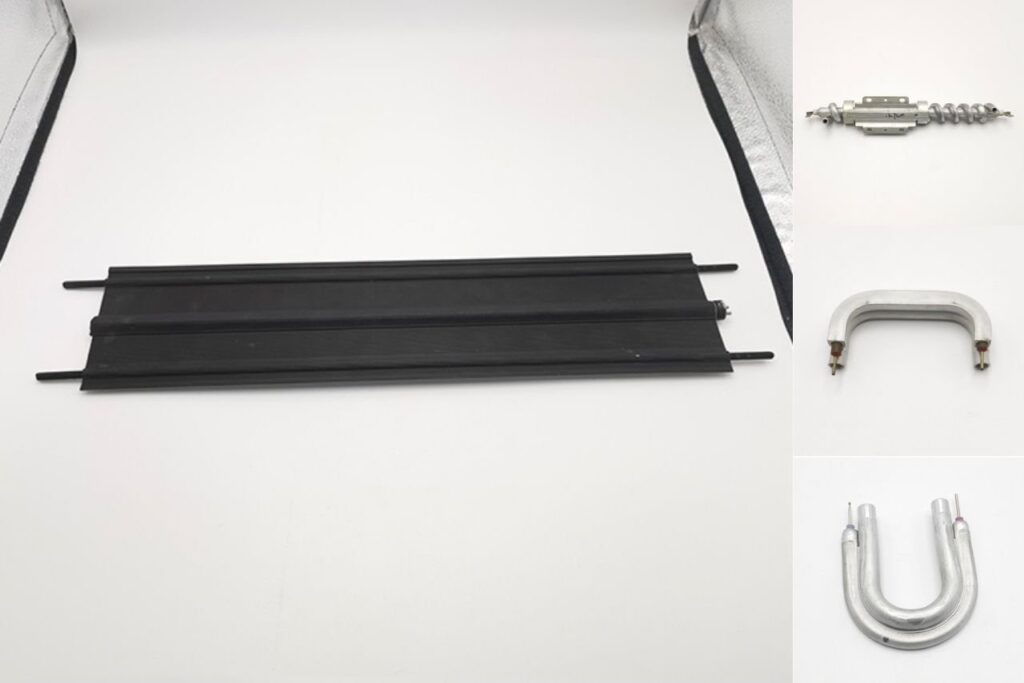
TUTCO describes a heating element as a component made of both electrically conductive and insulating material, including a framework and lead connectors. In other words, authenticity is about the whole build: alloy choice, insulation, terminals, and how the part is designed to transfer heat in a system. Source.
The right oven element matches the appliance s electrical requirements and physical constraints. A mismatch can cause slow preheat, nuisance tripping, or accelerated burnout from overheating and cycling.
| Channel | Meilleur pour | Avantages | Watch-outs |
|---|---|---|---|
| Brand-authorized parts networks / service channels | Highest confidence in OEM part identity | Strong traceability, right fit, correct rating | Often higher upfront price |
| Major home-improvement retailers | Fast local pickup, easy returns | Clear policies; broad appliance parts selection (including Heating Element categories) | Some listings are universal ; verify measurements and terminals |
| Industrial supply distributors | Pros, maintenance teams, facilities | Part traceability and spec-focused listings | May not carry every consumer-oven SKU |
| Large marketplaces | Hard-to-find parts, price shopping | Lots of options | Highest counterfeit risk; verify seller reputation + returns + packaging expectations |
| Direct from a heater manufacturer (B2B / OEM-ODM) | Custom or high-volume projects | Engineering support, customization, stable supply | Not typically OEM Maytag labeled parts for one-off consumer repairs |
Table 1 Buying channels ranked by traceability and suitability. The best channel depends on whether the goal is OEM identity, speed, price, or volume.
If the oven is under warranty or the home requires maximum compliance confidence, prioritize OEM/authorized channels. If it s out of warranty and the goal is a reliable repair, prioritize channels with strong return policies and clear specs and verify compatibility carefully.
- Oven model number (from the appliance data plate)
- Type d'élément: bake vs broil vs convection assist
- Voltage and wattage rating for the correct replacement
- Physical geometry: overall length/width, bend profile, bracket location
- Type de borne and spacing (spade type, ceramic block, etc.)
Whirlpool s heater-element replacement instructions (water-heater example) explicitly say to verify the new element is the correct replacement by referring to the data plate for voltage and wattage, and to keep wire connections tight. While that page targets water heaters, the verification principle applies to ovens: the correct electrical rating is not optional. Source.
Note: Ovens and water heaters are different appliances, but both use resistive heating elements; incorrect ratings can lead to unsafe operation or shortened life.
- Listing lacks a clear part number and only says fits most Maytag.
- No voltage/wattage stated, or numbers vary across images and description.
- Stock photos only; no terminal/bracket close-ups.
- Seller offers no meaningful returns or warranty.
- Price is dramatically below normal without explanation.
- Detailed measurements and clear compatibility list by model/part number.
- Clear photos of terminals, mounting bracket, and bends.
- Packaging and brand information are shown.
- Seller has consistent appliance-parts history and support.
TUTCO emphasizes less obvious costs: field failures, replacements, rework time, and reputation impact. A cheap element that fails early can cost more in labor, downtime, and repeat shipping than a higher-quality part. Référence.
- Installation effort: removing racks, panels, screws; pulling the oven; wiring access.
- Failure cost: re-opening the appliance, second element purchase, extra shipping.
- Collateral risk: overheated connectors, scorched insulation, control-board stress.
TUTCO notes all resistance heaters eventually burn out, with life affected by oxidation, deformation, and temperature cycling. Better design/material choices can extend life; poor matches lead to costly field replacements. Source.
If the goal is not a one-off OEM-labeled replacement but a stable supply of heating components (or custom heater development), direct manufacturing is a valid route. Jinzhong (JINZHO) positions itself as a China-based electric heating element manufacturer with 30+ years of experience, full-chain capabilities (design, mold development, precision manufacturing), and listed certifications (e.g., ISO9001/14001, CE, ETL, RoHS). Fabricant d'éléments chauffants.
- Élément chauffant category overview (99 results shown)
- Tubes de chauffage (60 results shown)
- Plaque chauffante (30 results shown)
- Film chauffant (9 results shown)
- Solutions de chauffage pour la coulée sous pression (49 results shown)
- Chaudière électrique (26 results shown)
These categories are not Maytag oven parts, but they illustrate how manufacturers group heater technologies (tubes/plates/films/die-cast modules).
Hudson Reed s 1000W plug-in heating element for radiators/towel warmers lists clear specs like 1000W, la protection contre les intrusions IP67 ingress rating, and Approuvé UL, plus cable length (35.4″) and materials (ABS & stainless). This is not an oven part, but it s a useful benchmark for what good listing hygiene looks like. Source.
Buy through an authorized parts channel (or a retailer with strong traceability), and match the exact part number to the oven model number. Then verify the listing includes voltage/wattage and clear photos of terminals and bracket geometry.
Universal elements can work if the electrical ratings and physical geometry truly match, but they increase the chance of poor fit, misaligned terminals, or uneven heating patterns. If the oven supports an exact OEM element, that s usually the lower-risk option.
Confirm the element is firmly mounted, terminals are tight, and wiring insulation is intact. Then perform a supervised heat test for abnormal odor, arcing, or uneven glow (if visible). Loose connections can create hot spots an avoidable early-failure trigger.
- TUTCO heating element definition, types, material considerations, and hidden costs: https://tutco.com/conductive/heating-elements
- Whirlpool element replacement discipline (verify voltage/wattage; tight wiring; safe energizing conditions): https://www.whirlpoolwaterheaters.com/support/help/element-was-out-of-range/24
- JINZHO manufacturer overview and heater product families: https://jinzho.com/, https://jinzho.com/product-category/heating-element/, https://jinzho.com/product-category/die-casting-heating-solutions/
- Hudson Reed example of a spec-rich heating element listing (non-oven): https://usa.hudsonreed.com/1000-plug-in-watt-electric-heating-element-76309
- Élément chauffant
- Fabricant d'éléments chauffants
- Usine d'éléments chauffants
- Solutions de chauffage pour la coulée sous pression
Originality note: This page is original buying guidance created from general heater engineering principles and the provided source excerpts.
Disclaimer: This content is educational and global in scope. Always disconnect power before servicing appliances and follow the oven s service manual and local electrical codes.