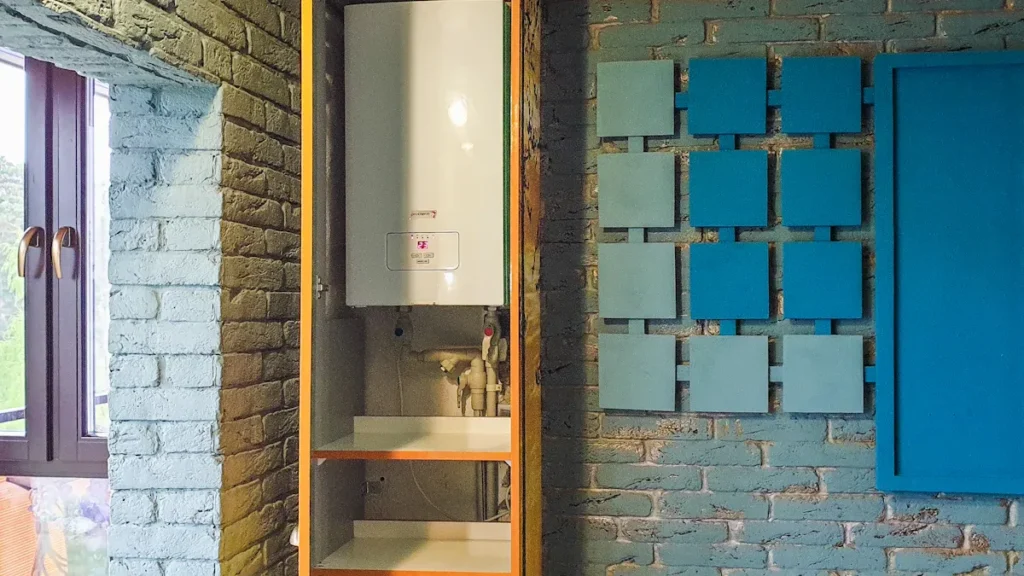

Reemplazar elemento calefactor en su calentador de agua a.o. smith, primero desconecte la alimentación eléctrica y el agua, luego drene el tanque y acceda a la pieza defectuosa para retirarla y reemplazarla. Es posible que note solo agua fría, agua tibia o agua caliente que se agota rápidamente al elementos calefactores de electrodomésticos fallar. Los disparos del disyuntor también pueden indicar un mal funcionamiento en el calentador. Los problemas comunes surgen de corrosión o desgaste, lo que a menudo requiere reemplazar los elementos calefactores. Antes de comenzar, apague el disyuntor y cierre el suministro de agua fría. Deje que el calentador se enfríe haciendo correr agua caliente hasta que se sienta fría. Reúna una elemento del calentador de agua llave inglesa, destornillador, elemento calefactor compatible y una manguera de jardín. Calefacción eléctrica Jinzhong y otros Fabricantes de elementos calefactores proporcionan reemplazos confiables para su calentador de agua a.o. smith.
Consejo: Siempre etiquete los cables y use herramientas aisladas por seguridad durante el reemplazo.
Reconocer cuándo reemplazar el elemento calefactor

Señales de falla del elemento del calentador de agua caliente
Debe reconocer las señales de advertencia tempranas de un elemento del calentador de agua caliente que falla para evitar duchas frías inesperadas o daños por agua. La mayoría de los problemas con un calentador de agua a.o. smith comienzan con cambios sutiles en el rendimiento. Esté atento a estos síntomas comunes:
- Sin agua caliente o solo agua fría de sus grifos o ducha. Esto a menudo apunta directamente a un elemento del calentador de agua caliente defectuoso.
- Temperatura del agua inconsistente o fluctuante. Si nota que el agua se calienta, luego se enfría, o nunca alcanza la temperatura deseada, es posible que el elemento calefactor no funcione correctamente.
- Calentamiento lento del agua. Si su calentador tarda mucho más de lo habitual en calentar el agua, el elemento podría tener acumulación de sedimentos o corrosión.
- Disyuntor disparado o fusible fundido. Los problemas eléctricos a menudo indican un elemento calefactor que falla o un cortocircuito dentro del calentador.
- Ruidos extraños como chasquidos o retumbos. Estos sonidos pueden indicar acumulación de sedimentos alrededor del elemento calefactor, lo que reduce la eficiencia y puede requerir limpieza o reemplazo.
- Aumento de la factura energética. Los elementos calefactores ineficientes obligan a su calentador a trabajar más, aumentando sus costos de servicios públicos.
Nota: Si experimenta reparaciones frecuentes o las evaluaciones profesionales revelan problemas repetidos, considere reemplazar el elemento calefactor o el termostato.
No hay agua caliente
Cuando abre el grifo y solo sale agua fría, es posible que el elemento del calentador de agua caliente haya fallado por completo. Esta es una de las señales más directas de que necesita inspeccionar o reemplazar el elemento calefactor.
Temperatura del agua inconsistente o fluctuante
Si la temperatura del agua cambia inesperadamente, es posible que el elemento calefactor no mantenga una salida constante. Este síntoma a menudo aparece antes de una falla total.
Calentamiento lento del agua
Un calentador que tarda más en suministrar agua caliente puede tener un elemento que funciona parcialmente o acumulación de sedimentos. Ambas condiciones reducen la eficiencia y la comodidad.
Disyuntor disparado o fusible fundido
Las interrupciones eléctricas frecuentes pueden significar que el elemento calefactor ha desarrollado un cortocircuito o está consumiendo demasiada corriente. Siempre aborde los problemas eléctricos de inmediato para evitar daños mayores.
Confirmar un elemento calefactor defectuoso
Debe confirmar el problema antes de reemplazar cualquier pieza. Probar el elemento del calentador de agua caliente asegura que no reemplace un componente que funciona bien o pase por alto otro problema.
Prueba con un multímetro
Siga estos pasos para probar el elemento calefactor de manera segura y precisa:
- Apague la alimentación eléctrica del calentador en el disyuntor.
- Use un comprobador de voltaje para confirmar que la alimentación esté apagada.
- Retire los paneles de acceso y el aislamiento para exponer el elemento calefactor.
- Desconecte al menos un cable del elemento.
- Configure su multímetro digital en la configuración de ohmios (resistencia).
- Toque las puntas de prueba con los dos terminales de tornillo del elemento.
- Una lectura entre 5 y 25 ohmios significa que el elemento es funcional.
- Una lectura infinita significa que el elemento está defectuoso y necesita reemplazo.
Consejo: Siempre use guantes aislados y protección ocular cuando pruebe componentes eléctricos.
Descartar el termostato u otros problemas
A veces, el termostato o la acumulación de sedimentos causan síntomas similares. Verifique el botón de reinicio rojo del termostato en busca de signos de sobrecalentamiento. Inspeccione la acumulación de sedimentos alrededor del elemento calefactor. Si la prueba de resistencia muestra que el elemento está en buen estado, investigue el termostato o considere una evaluación profesional.
Precauciones de seguridad antes de reemplazar el elemento calefactor del calentador de agua eléctrico
Antes de comenzar cualquier reparación en su calentador de agua AO Smith, debe seguir procedimientos de seguridad estrictos. Estos pasos lo protegen de descargas eléctricas, quemaduras y daños por agua. Siempre priorice la seguridad sobre la velocidad al trabajar con cualquier sistema de calefacción.
Procedimientos de corte de alimentación eléctrica y agua
Apagar el disyuntor
Usted debe apague la alimentación eléctrica de su calentador en el panel eléctrico principal. Localice el disyuntor correcto y colóquelo en la posición “off”. Este paso evita descargas eléctricas accidentales mientras trabaja en el elemento calefactor. Después de apagar la alimentación eléctrica, use un comprobador de voltaje para confirmar que no fluye electricidad al calentador.
Cerrar el suministro de agua fría
A continuación, cierre el suministro de agua cerrando la válvula de entrada de agua fría sobre el calentador. Esta acción evita que el agua entre al tanque mientras realiza el mantenimiento. Si omite este paso, corre el riesgo de inundaciones o daños por agua durante la reparación.
⚠️ Consejo: Siempre abra un grifo de agua caliente en su hogar después de cerrar el suministro de agua. Esto alivia la presión dentro del tanque y ayuda a drenar el agua de manera segura.
Enfriar el calentador
Hacer correr agua caliente hasta que se enfríe
Nunca debe trabajar en un calentador de agua caliente mientras aún esté caliente. Haga correr agua caliente de un grifo hasta que el agua se sienta fría al tacto. Este paso reduce el riesgo de quemaduras cuando drena el tanque o retira el elemento calefactor. Deje que el calentador se enfríe durante varias horas si es necesario.
Reunir herramientas y piezas de repuesto
Llave para elemento del calentador de agua
Una llave para elemento del calentador de agua o una llave de vaso de 1 1/2 pulgada es esencial para aflojar y apretar el elemento calefactor. Esta herramienta se adapta a la mayoría de los elementos estándar y proporciona la palanca necesaria.
Manguera de jardín
Conecte una manguera de jardín a la válvula de drenaje en la base del calentador. Dirija la manguera a un área de drenaje segura o un balde. Esta configuración le permite drenar el agua del tanque sin causar desorden.
Destornillador o llave de tuercas
Necesitará un destornillador de estrella o de punta plana para retirar el panel de acceso y el aislamiento. Un dado para tuercas también puede ser útil en ciertos modelos.
Elemento calefactor y junta de repuesto compatibles
Reúna siempre las herramientas y los materiales antes de comenzar. Asegúrese de tener un elemento calefactor de repuesto compatible y una junta nueva. Verifique la potencia y el tamaño de la rosca para que coincidan con su calentador AO Smith. Una junta nueva garantiza un sellado hermético y evita fugas después de la instalación.
🛠️ Nota: Use guantes de seguridad y protección ocular durante todo el proceso. El equipo de protección lo protege del agua caliente, los residuos y el contacto accidental con piezas eléctricas.
Al seguir estas precauciones de seguridad, reduce el riesgo de lesiones y garantiza un proceso de reparación sin contratiempos. Una preparación cuidadosa y las herramientas adecuadas hacen que reemplazar un elemento calefactor sea mucho más seguro y eficiente.
Drenaje y preparación del calentador
Antes de acceder al elemento calefactor de su calentador de agua AO Smith, debe drenar el tanque y preparar la unidad para un mantenimiento seguro. Este proceso garantiza que evite daños por agua y trabaje de manera eficiente.
Drenaje del tanque del calentador de agua
Conectando una manguera de jardín a la válvula de drenaje
Empieza por apagando el suministro eléctrico o la válvula de gas del calentador. Cierre el suministro de agua fría en la parte superior del tanque. Conecte una manguera de jardín de forma segura a la válvula de drenaje en la base del calentador. Asegúrese de que la manguera conduzca a un lugar de drenaje seguro, como un desagüe de piso o un área exterior más baja que la válvula. Esta configuración le ayuda a drenar el calentador de agua sin causar derrames.
Consejo: Use siempre guantes y protección ocular para evitar lesiones por agua caliente o residuos.
Abriendo la válvula de drenaje y previniendo daños por agua
Abra un grifo de agua caliente en su hogar para aliviar la presión y permitir la entrada de aire al sistema. Abra lentamente la válvula de drenaje y supervise el flujo. Si el agua drena lentamente o solo sale un hilo, es posible que los sedimentos estén obstruyendo la válvula. Use una herramienta rígida y flexible para limpiar suavemente la obstrucción si es necesario. Esté preparado para cerrar rápidamente la válvula si el agua comienza a fluir rápidamente. Mantenga la manguera firmemente conectada durante todo el proceso para evitar fugas. Después de drenar el tanque, cierre bien la válvula de drenaje para evitar fugas cuando vuelva a llenar el calentador.
Nota: El drenaje anual ayuda a prevenir la acumulación de sedimentos y facilita el mantenimiento futuro.
Cómo acceder al elemento calentador de agua
Retiro de paneles de acceso y aislamiento
Una vez que haya drenado el calentador de agua, puede acceder al elemento calefactor. Use un destornillador o un dado para tuercas para retirar los paneles de acceso en el lateral del calentador. Retire con cuidado cualquier aislamiento para exponer el cableado y el elemento. Guarde los tornillos y las piezas de aislamiento para volver a ensamblarlos.
Localización de los elementos superior e inferior
La mayoría de los calentadores de agua eléctricos AO Smith tienen dos elementos calefactores: uno en la parte superior y otro en la inferior. Identifique qué elemento necesita reemplazar. El elemento inferior suele fallar primero debido a la acumulación de sedimentos. Localice ambos elementos para poder acceder al correcto para su inspección o reemplazo.
⚡ Siempre verifique que la alimentación esté apagada antes de acceder a cualquier componente eléctrico.
Siguiendo estos pasos, garantiza un proceso seguro y eficiente para drenar el calentador de agua y acceder al elemento calefactor. Una preparación adecuada protege su hogar de daños por agua y prepara el terreno para una reparación exitosa.
Cómo Retirar el Elemento Defectuoso del Calentador de Agua Caliente
Retirar un elemento defectuoso del calentador de agua caliente requiere atención cuidadosa tanto a la seguridad eléctrica como mecánica. Debe seguir cada paso metódicamente para evitar lesiones y prevenir daños a su calentador de agua AO Smith.
Desconexión del Cableado Eléctrico
Etiquetado de cables para el reensamblaje
Antes de retirar el elemento calefactor viejo, debe desconectar el cableado eléctrico. Comience tomando una foto clara o etiquetando cada cable con cinta adhesiva y un marcador. Este paso garantiza que pueda reconectar todo correctamente después de instalar la pieza nueva. Un etiquetado adecuado previene confusiones y reduce el riesgo de errores de cableado que podrían afectar el rendimiento de la calefacción.
Uso de herramientas aisladas para seguridad
Use siempre destornilladores o dados para tuercas aislados cuando desconecte el cableado eléctrico. Las herramientas aisladas lo protegen de una descarga eléctrica accidental, incluso si ya ha apagado la alimentación. Según el Código Eléctrico Nacional (NEC), debe tener un interruptor de desconexión de servicio a la vista del calentador de agua o usar un dispositivo de bloqueo en el disyuntor. Este requisito garantiza que nadie pueda restaurar accidentalmente la alimentación mientras usted trabaja. La desconexión debe interrumpir ambos cables activos y estar clasificada para la carga del circuito, típicamente 30 amperios para la mayoría de los calentadores de agua eléctricos. Nunca use una conexión de cable y enchufe para una unidad fija de 240 voltios, ya que esto no cumple con los estándares de seguridad actuales.
⚡ Consejo: Siempre verifique que la alimentación esté apagada con un comprobador de voltaje antes de acceder al elemento calefactor.
Desenroscado y Extracción del Elemento
Uso de una llave para elemento de calentador de agua
Una vez que haya desconectado el cableado eléctrico, puede acceder al elemento calefactor para retirarlo. Use una llave para elemento de calentador de agua o un dado de 6 puntas que se ajuste firmemente sobre la cabeza hexagonal del elemento del calentador de agua caliente. Esta herramienta le brinda la palanca necesaria para aflojar el elemento sin dañar las roscas del tanque. Evite las llaves ajustables, ya que pueden resbalar y redondear la cabeza del elemento.
- Asegúrese de que el tanque esté completamente drenado antes de retirar el elemento calefactor viejo.
- Colóquese de forma segura para evitar resbalones o esfuerzos al aplicar fuerza.
- Gire la llave en sentido antihorario para aflojar el elemento.
Si el elemento ofrece resistencia, no fuerce. La presión excesiva puede deformar el elemento o dañar el tanque.
Manejo de elementos atascados o corroídos
Los elementos atascados o corroídos del calentador de agua caliente son comunes, especialmente en unidades más antiguas o aquellas con agua dura. Puede usar varias prácticas recomendadas para retirar el elemento calefactor viejo de forma segura:
- Aplique un aceite penetrante, como PB Blaster o Kroil, alrededor de la base del elemento. Déjelo reposar durante varios minutos para aflojar la corrosión.
- Use una barra de ruptura o un tubo sobre el mango de la llave para obtener palanca adicional.
- Golpee suavemente el mango de la llave con un martillo para ayudar a romper el sello.
- Si el elemento permanece atascado, intente con un impactador manual o una llave de impacto para obtener fuerza adicional.
- Para corrosión severa, use un cincel frío para golpear cada lado plano de la cabeza hexagonal del elemento.
- Use siempre un dado de 6 puntas para reducir el riesgo de redondear el elemento.
- Evite la fuerza excesiva para prevenir daños al tanque o la deformación del elemento.
- Si no puede retirar el elemento calefactor viejo después de estos pasos, busque ayuda de un fontanero profesional con herramientas especializadas.
🛠️ Nota: Asegúrese siempre de que el calentador de agua esté firmemente sujeto y la alimentación apagada antes de intentar retirar el elemento calefactor viejo. Aplicar pasta antiadherente a las roscas durante la reinstalación puede facilitar la extracción futura.
Siguiendo estos pasos, puede retirar de forma segura y eficiente el elemento calefactor viejo de su calentador de agua AO Smith. El manejo cuidadoso y las herramientas adecuadas le ayudan a evitar errores costosos y garantizan un rendimiento de calefacción fiable después de la reparación.
Cómo reemplazar el elemento calefactor de un calentador de agua eléctrico
Reemplazar el elemento calefactor en su calentador de agua AO Smith requiere una preparación cuidadosa y atención al detalle. Debe garantizar la compatibilidad, una instalación adecuada y conexiones eléctricas seguras para restaurar el agua caliente fiable y evitar fugas.
Preparación del nuevo elemento calefactor
Verificación de la potencia y compatibilidad
Antes de reemplazar el elemento calefactor, verifique siempre que la pieza nueva coincida con las especificaciones de su calentador de agua. Los calentadores de agua AO Smith requieren elementos de repuesto que coincidan exactamente con el voltaje, la potencia y la longitud originales según lo indicado por el fabricante. Usar el elemento incorrecto puede causar ineficiencia o incluso dañar su calentador.
- Revise la etiqueta de su elemento antiguo o consulte el manual del propietario para obtener el voltaje y la potencia correctos.
- Elija un reemplazo OEM (fabricante de equipo original) siempre que sea posible. Esto garantiza el mejor ajuste y rendimiento.
- Los elementos de cobre a veces pueden sustituir a los de acero inoxidable, pero siempre confirme con las pautas del fabricante.
- Nunca instale un elemento con una clasificación diferente, ya que esto puede anular su garantía y reducir la eficiencia.
⚠️ Consejo: Siempre verifique dos veces el número de pieza y las especificaciones antes de instalar el nuevo elemento calefactor. Este paso evita errores costosos y garantiza un funcionamiento seguro.
Inspección e instalación de la junta nueva
Una junta nueva es esencial para un sellado hermético. Inspeccione la junta que viene con su elemento de repuesto para detectar signos de daño o defectos. Si ve grietas o irregularidades, reemplácela de inmediato.
- Coloque la junta en la base del nuevo elemento.
- Lubrique ligeramente la junta con jabón para platos para ayudar a que se asiente correctamente y evitar que se pellizque durante la instalación.
- Asegúrese de que la junta quede plana y cubra toda la superficie de sellado.
Nota: Una junta dañada o desalineada es la causa más común de fugas después de reemplazar el calentador de agua eléctrico Al preparar las herramientas y piezas adecuadas, se prepara para un reemplazo exitoso del elemento calefactor de la secadora Whirlpool.
Instalación y fijación del nuevo elemento
Limpieza de las roscas del tanque para un sellado adecuado
Antes de instalar el nuevo elemento calefactor, limpie las roscas dentro de la abertura del tanque. Use un paño limpio o un cepillo suave para eliminar cualquier residuo, corrosión o material de junta viejo. Este paso ayuda a que la junta nueva forme un sellado hermético y evita fugas.
- Inspeccione la abertura en busca de óxido o acumulación de minerales.
- Elimine cualquier residuo que pueda interferir con el sellado de la junta.
Apriete correcto del elemento
Apriete a mano el nuevo elemento dentro del tanque hasta que quede ajustado. Use su llave para elementos de calentador de agua para girarlo un cuarto o medio giro adicional. Evite apretar en exceso, lo que puede deformar la junta o dañar las roscas del tanque. Dejar el elemento demasiado flojo puede causar fugas.
- Inserte el nuevo elemento con la junta en su lugar.
- Gire a mano hasta que aumente la resistencia.
- Use la llave para un apriete final y suave.
🛠️ Si nota fugas después de rellenar el tanque, cierre el agua, drene el tanque e inspeccione la junta. Vuelva a instalar si es necesario.
Reconexión de los cables eléctricos
Después de asegurar el nuevo elemento, reconecte el cableado eléctrico exactamente como estaba antes. Puede consultar sus etiquetas o fotos como guía. No importa qué cable se conecte a qué terminal del elemento, ya que la electricidad fluye en cualquier dirección. Asegúrese de que cada conexión esté firme y segura para evitar arcos eléctricos o sobrecalentamiento.
- Conecte los cables a los terminales y apriete los tornillos.
- Vuelva a colocar la cubierta de plástico sobre los terminales por seguridad.
- Verifique dos veces que ningún cable esté suelto o tocando partes metálicas.
⚡ Precaución: Nunca restaure la energía hasta que el tanque esté completamente lleno de agua. El funcionamiento en seco del elemento lo destruirá instantáneamente.
Una vez que complete estos pasos, habrá reemplazado con éxito el elemento calefactor. Ahora puede proceder a rellenar el tanque y probar su calentador de agua para verificar su funcionamiento adecuado.
Restauración y prueba del calentador
Relleno del tanque del calentador de agua
Cierre de la válvula de drenaje y retiro de la manguera
Después de instalar el nuevo elemento calefactor, debe preparar su calentador para el funcionamiento. Comience cerrando firmemente la válvula de drenaje para evitar fugas. Retire la manguera de jardín de la válvula y asegúrese de que el área alrededor del calentador esté seca. Este paso protege su hogar de daños por agua y prepara el escenario para un relleno exitoso.
Apertura del suministro de agua fría y purga de aire
A continuación, abra el suministro de agua abriendo la válvula de entrada de agua fría. Esta acción permite que el agua fluya hacia el tanque. Para ayudar a que el aire escape, abra el grifo de agua caliente más cercano. Debe retirar el aireador del grifo para eliminar cualquier residuo. Deje correr el agua hasta que fluya en un chorro constante. Continúe haciendo correr el agua durante tres minutos. para purgar todo el aire del tanque. Purgar el aire del sistema garantiza un flujo de agua adecuado y evita un funcionamiento ruidoso. Una vez que el agua fluya suavemente, cierre el grifo y vuelva a colocar el aireador.
Consejo: Siempre verifique si hay fugas alrededor del nuevo elemento calefactor durante este proceso. Apriete el elemento o reemplace la junta si nota alguna gota.
Restauración de la energía al calentador
Verificación doble de todas las conexiones
Antes de restaurar el suministro de agua y la energía, inspeccione cada conexión. Confirme que los cables estén firmemente sujetos a los terminales del elemento calefactor. Vuelva a colocar los protectores de plástico, el aislamiento y las cubiertas sobre el elemento. Estas cubiertas previenen riesgos de incendio y descargas eléctricas. También debe verificar que el termostato y los sensores estén limpios y sin daños. Ventilación adecuada alrededor del calentador ayuda a evitar bloqueos de seguridad.
Encendido del disyuntor
Una vez que confirme que el tanque está lleno y sin aire, encienda el suministro de energía en el panel eléctrico principal. Active el disyuntor a la posición “encendido”. Espere al menos cinco minutos antes de probar el calentador de agua para permitir que el sistema se estabilice. Este paso garantiza un funcionamiento seguro y evita daños al nuevo elemento calefactor.
⚡ Nota: Nunca encienda el suministro de energía antes de que el tanque esté completamente lleno. El funcionamiento en seco del elemento lo destruirá instantáneamente.
Prueba de funcionamiento adecuado
Verificación de fugas alrededor del nuevo elemento
Después de restaurar el suministro de agua y la energía, inspeccione el área alrededor del nuevo elemento calefactor en busca de fugas. Busque acumulación de agua o gotas. Si detecta una fuga, cierre el agua, drene el tanque y vuelva a asentar la junta. Apriete el elemento según sea necesario. Aborde las fugas de inmediato para evitar daños y garantizar una calefacción fiable.
Verificación de la temperatura del agua y el rendimiento
Permita hasta dos horas para que el calentador alcance la temperatura máxima. Pruebe el calentador de agua abriendo un grifo de agua caliente. Verifique que el agua se caliente rápidamente y mantenga una temperatura constante. Si nota problemas como falta de agua caliente, temperaturas fluctuantes o calentamiento lento, inspeccione el termostato y el cableado. Los problemas comunes después de reemplazar el elemento incluyen lecturas incorrectas del multímetro, pasar por alto fallas en el termostato o no detectar un segundo elemento defectuoso. Una prueba cuidadosa confirma que su calentador funciona de manera eficiente y segura.
🛠️ Consejo: Utilice siempre un multímetro digital multímetro con función de ohmios para realizar pruebas precisas. La inspección visual puede revelar daños físicos que afecten el rendimiento.
Solución de problemas después de reemplazar el elemento calefactor
Fugas alrededor del nuevo elemento del calentador de agua
Inspección de la junta y reapriete
Después de instalar un nuevo elemento calefactor, es posible que note acumulación de agua cerca de la parte inferior de su calentador o goteos desde la cubierta de acceso. Las fugas a menudo son causadas por una junta dañada o conexiones flojas. Debe seguir estos pasos para solucionar las fugas y garantizar un sellado hermético:
- Inspeccione la cubierta de acceso al elemento en busca de signos de fuga de agua..
- Revise la junta alrededor del elemento eléctrico para detectar daños o desgaste. Una junta rota es una fuente común de fugas.
- Asegúrese de que todas las conexiones y accesorios alrededor del elemento estén apretados y seguros.
- Descarte otras posibles fuentes de fugas, como grifos laterales, puertos auxiliares o la válvula de alivio de temperatura y presión.
- Si confirma una fuga en el elemento eléctrico, reemplace el elemento con fugas o su junta según sea necesario.
También debe verificar si hay fugas apretando cualquier conexión roscada suelta en tuberías o niples. La condensación en la superficie del calentador es normal y no indica una fuga. Si continúa viendo agua después de reapretar y reemplazar la junta, inspeccione válvulas como la de rebose o la de alivio de presión para detectar fugas y repárelas o reemplácelas si es necesario.
Consejo: Siempre seque bien el área antes de inspeccionar en busca de fugas. Esto le ayuda a identificar la verdadera fuente de agua.
Sin alimentación o disyuntor disparado después del reemplazo
Verificación del cableado y el termostato
Si su calentador no se enciende o el disyuntor se dispara después de reemplazar el elemento calefactor, debe investigar varias causas posibles. Los problemas comunes incluyen:
- Elemento calefactor quemado, lo que puede aumentar el consumo de energía o exponer el cableado a la humedad.
- Termostatos defectuosos que permiten un flujo excesivo de electricidad y disparan el disyuntor.
- Cableado defectuoso, como conexiones flojas o corrosión, que provoca cortocircuitos.
- Fugas de agua que entran en contacto con el cableado eléctrico, causando que el disyuntor se dispare.
- Disyuntor envejecido que se dispara más fácilmente debido al desgaste.
- Circuitos sobrecargados con múltiples electrodomésticos funcionando en la misma línea.
- Acumulación de sedimentos dentro del tanque, causando sobrecalentamiento y disparos del disyuntor.
- Unidades de calentador de agua defectuosas, especialmente en modelos más antiguos.
Debe verificar todas las conexiones de cableado para asegurarse de que estén apretadas y sin corrosión. Pruebe el termostato para verificar su funcionamiento adecuado y restablézcalo si es necesario. Si el disyuntor continúa disparándose, considere reemplazar el disyuntor o consultar a un electricista profesional. Siempre asegúrese de que el área esté seca antes de restablecer la alimentación.
El agua no se calienta después de instalar un nuevo elemento
Revisión de la instalación y consideración de otras fallas
Si su agua no se calienta después de instalar un nuevo elemento, debe revisar los pasos de su instalación. Una causa frecuente es “disparo en seco”quemar" el elemento al encender la alimentación antes de que el tanque esté completamente lleno de agua. Esto puede quemar el nuevo elemento calefactor instantáneamente. Siempre abra la válvula de alivio de presión y permita que el tanque se llene hasta que salga agua antes de volver a encender el disyuntor.
Siga estos pasos de diagnóstico:
- Compruebe la configuración del termostato para asegurarse de que la temperatura sea correcta.
- Verifique que el elemento calefactor funcione probándolo con un multímetro.
- Confirme que el tanque del calentador de agua esté completamente lleno antes de encenderlo.
- Inspeccione la fuente de alimentación y el disyuntor para asegurarse de que la unidad reciba electricidad.
- Use el botón de reinicio cerca del termostato o del elemento calefactor para restablecer el sistema.
- Si estos pasos no resuelven el problema, busque asistencia profesional.
Nota: Una instalación adecuada y pruebas cuidadosas le ayudan a evitar reparaciones repetidas y garantizan que su calentador funcione de manera eficiente.
Cuándo llamar a un profesional para reparaciones del calentador
Problemas eléctricos o de cableado complejos
Siempre debe considerar la ayuda profesional cuando encuentre problemas eléctricos o de cableado con su calentador de agua AO Smith. Los problemas eléctricos pueden presentar riesgos graves de seguridad, incluyendo descargas eléctricas e incendios. El cableado defectuoso o de calidad inferior aumenta la probabilidad de lesiones. La falta de cables a tierra o conexiones flojas pueden hacer que su sistema sea inseguro. Puede notar disparos frecuentes de los disyuntores o fusibles fundidos, lo que a menudo indica cableado defectuoso o circuitos sobrecargados. Los reinicios persistentes del termostato o problemas con la luz piloto también apuntan a fallas eléctricas más profundas.
- El cableado defectuoso o los elementos calefactores que funcionan mal requieren atención de un experto..
- Bypassear los disyuntores o fusibles es peligroso y nunca debe intentarse.
- Las casas antiguas con cableado obsoleto presentan mayores riesgos y necesitan inspección profesional.
⚡ Alerta: Siempre apague la alimentación y verifique con un probador de voltaje antes de cualquier trabajo. Si no está seguro de algún paso eléctrico, contacte a un técnico con licencia. El manejo incorrecto de componentes eléctricos puede provocar situaciones peligrosas.
Es fundamental asegurarse de que todas las conexiones eléctricas estén apretadas y funcionen correctamente. El cableado suelto o los componentes defectuosos pueden causar fallos de funcionamiento y fluctuaciones de temperatura. Un técnico calificado puede inspeccionar y ajustar estos problemas de manera segura.
Fugas persistentes o daños en el tanque
Las fugas persistentes o los daños visibles en el tanque requieren una evaluación profesional inmediata. Es posible que vea humedad o charcos alrededor de la base de su calentador de agua. El agua oxidada o decolorada a menudo indica corrosión interna. Los olores a humedad o la decoloración del piso cerca del calentador pueden indicar fugas sutiles. Las reparaciones frecuentes, el aumento de las facturas de energía y los ruidos inusuales también pueden acompañar a las fugas o daños en el tanque.
- Fugas visibles o humedad alrededor de la base
- Agua oxidada o decolorada de los grifos
- Olores a humedad o pisos manchados cerca del calentador
- Reparaciones repetidas o aumentos inexplicables en los costos de energía
- Ruidos inusuales de chasquidos o retumbos
Estos signos sugieren daños internos en el tanque o componentes defectuosos. Solo un profesional puede diagnosticar y reparar estos problemas para evitar daños mayores o la necesidad de un reemplazo completo.
Garantía y soporte del fabricante
Si su calentador de agua AO Smith está bajo garantía, debe utilizar el soporte del fabricante para reparaciones o reemplazo de piezas. AO Smith ofrece una cobertura de garantía integral y recursos para propietarios de viviendas. La siguiente tabla resume las características clave de la garantía:
| Característica de la Garantía | Detalles |
|---|---|
| Períodos de garantía | Hasta 10 años para tanques y piezas En modelos seleccionados de gas/eléctricos; hasta 15 años para el intercambiador de calor en modelos de gas sin tanque |
| Cobertura de Mano de Obra | Los costos de mano de obra están cubiertos durante el primer año en algunos modelos |
| Transferibilidad | La garantía no es transferible del propietario original |
| Requisito de Registro | El producto debe estar registrado para presentar una reclamación de garantía |
| Garantía Extendida | Disponible para su compra, extiende la cobertura por 4 años |
| Opciones de Soporte del Fabricante | Teléfono de servicio al cliente (877-552-0010), formulario de contacto en línea, proveedores de servicio independientes locales listados en el sitio web de la empresa |
| Recursos Adicionales | Piezas de repuesto, manuales, capacitación técnica disponibles |
Los servicios de reparación de garantía están disponibles a través de contratistas independientes locales listados en el sitio web de AO Smith. Puede programar reparaciones, comprar piezas o solicitar mantenimiento directamente en línea. AO Smith también proporciona manuales, hojas de garantía y capacitación técnica para profesionales. Registre su producto para garantizar la elegibilidad para reclamaciones de garantía.
🛠️ Consejo: Siempre verifique el estado de su garantía antes de intentar reparaciones importantes. Usar piezas y proveedores de servicio aprobados por el fabricante ayuda a proteger su inversión y garantiza una operación segura y confiable.
Puede reemplazar el elemento calefactor en su calentador de agua AO Smith siguiendo un proceso claro: desconectar la energía, drenar el tanque, probar con un multímetro, instalar la nueva pieza y verificar si hay fugas. Utilice siempre las herramientas adecuadas y siga los pasos de seguridad, como apagar el interruptor de circuito y confirmar el funcionamiento adecuado después de la instalación. Si nota fugas persistentes, problemas eléctricos o no está seguro de algún paso, contacte a un profesional certificado. Las reparaciones confiables protegen su hogar y garantizan agua caliente duradera.
PREGUNTAS FRECUENTES
¿Con qué frecuencia debe reemplazar los elementos del calentador de agua AO Smith?
Debe inspeccionar los elementos calefactores cada 3 a 5 años. Reemplácelos si nota corrosión, eficiencia de calentamiento reducida o daño visible. El mantenimiento regular extiende la vida útil de su calentador de agua y garantiza agua caliente constante.
¿Se puede reemplazar un elemento del calentador de agua sin drenar el tanque?
Debe drenar el tanque por debajo del nivel del elemento antes de retirarlo. Este paso evita que el agua se derrame y protege los componentes eléctricos. Siempre siga los procedimientos de seguridad durante este proceso.
¿Qué tamaño de llave necesita para los elementos calefactores AO Smith?
La mayoría de los elementos de calentador de agua AO Smith requieren una llave de copa de 1 1/2 pulgadas o una llave especial para elementos de calentador de agua. Esta herramienta se ajusta a la cabeza hexagonal y le permite retirar o instalar el elemento de forma segura.
¿Por qué su nuevo elemento calefactor no calienta el agua?
Verifique que haya llenado el tanque antes de restaurar la energía. Inspeccione las conexiones del cableado y la configuración del termostato. Pruebe el nuevo elemento con un multímetro. Si los problemas persisten, considere fallas del termostato o busque asistencia profesional.
¿Es seguro usar elementos calefactores genéricos en calentadores de agua AO Smith?
Debe usar solo elementos aprobados por el fabricante o compatibles. Las piezas genéricas pueden no cumplir con los requisitos de voltaje o vatiaje. Los elementos incorrectos pueden causar ineficiencia, fugas o anular su garantía.
¿Cuáles son los riesgos de apretar demasiado el elemento calefactor?
Apretar en exceso puede deformar la junta o dañar las roscas del tanque. Esto puede causar fugas o dificultar la extracción futura. Apriete el elemento hasta que quede ajustado, luego use una llave para un giro final suave.
¿Cómo sabe si el problema es el termostato y no el elemento?
Pruebe el elemento calefactor con un multímetro. Si el elemento muestra la resistencia adecuada, verifique el funcionamiento correcto del termostato. Un termostato defectuoso puede impedir que el elemento reciba energía o causar calentamiento inconsistente.
¿Puede reemplazar ambos elementos al mismo tiempo?
Puede reemplazar ambos elementos durante una sola sesión de mantenimiento. Este enfoque ahorra tiempo y garantiza un rendimiento equilibrado, especialmente si ambos elementos muestran signos de desgaste o corrosión.