
现代供暖系统的核心热交换器

Mục lục

现代供暖系统的核心热交换器

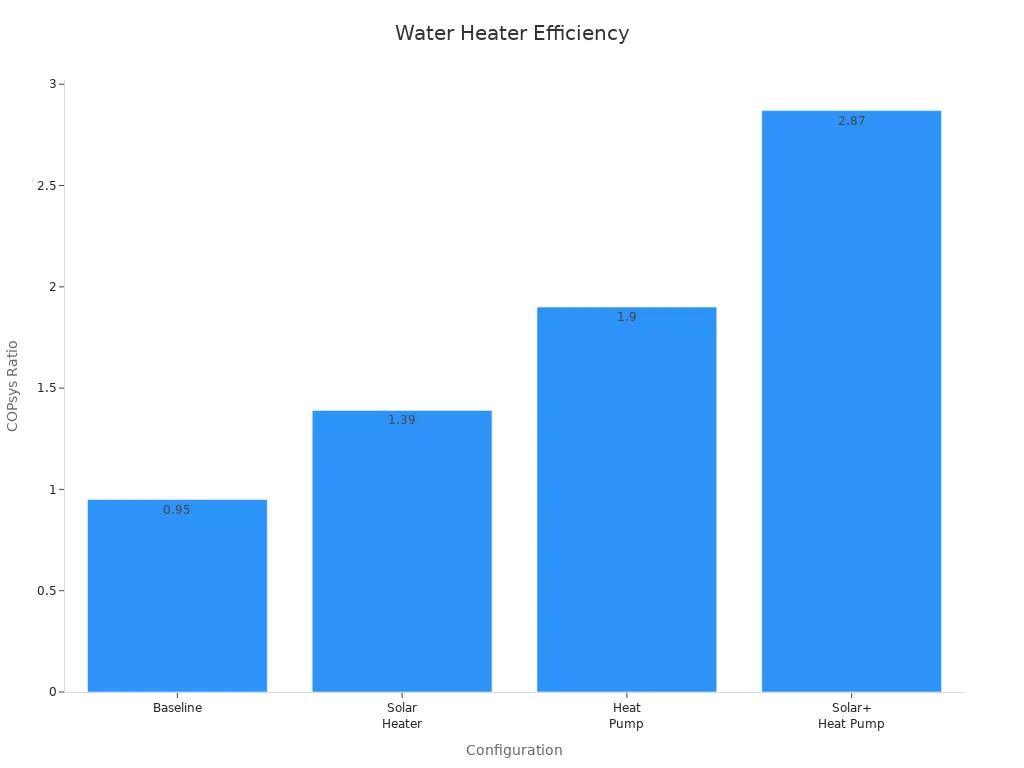
该加热元件作为PowerXL空气炸锅 bộ phận làm nóng nước inside your water heater to deliver a constant supply of hot water for daily needs. This bộ phận làm nóng, often made of robust ống sưởi ấm, converts electrical energy directly into heat, maintaining your hot water supply at temperatures between 55°C and 57°C. The efficiency of each Bộ phận làm nóng nước impacts how much energy your system uses. For example, the baseline electric water heater configuration achieves a Coefficient of Performance (COPsys) of 0.95, ,具体分布如下:.

条形图显示热水器配置及其COPsys值

On average, you use around 246 liters of hot water every day, highlighting the critical role of the water heater element in keeping your water consistently hot.

Water Heater Element Basics

Bộ phận làm nóng nước là gì?

You find the bộ phận làm nóng nước at the core of every electric water heater. This component looks like a metallic rod, often straight or spiral-shaped, and sits inside the tank. Manufacturers design these elements to convert electrical energy into heat, raising the temperature of the water stored in your tank. Most water heater elements use a 电阻丝(通常由镍铬合金制成), encased in a metal sheath to prevent corrosion. The element’s length, typically around 12 inches for residential models, and its wattage rating determine how quickly it can heat water. You can identify the correct replacement by checking the voltage and wattage ratings marked on the element itself. These specifications ensure compatibility and safe operation within your water heater.

How Water Heater Elements Work in an Electric Water Heater

When you turn on your electric water heater, electrical current flows through the water heater element. The resistance wire inside the element heats up as electricity passes through it. This process converts electrical energy directly into thermal energy, which then transfers to the surrounding water. The thermostat monitors the water temperature and activates the element when the temperature drops below your set point. Once the water reaches the desired temperature, the thermostat cuts off power to the element, preventing overheating. Safety switches add another layer of protection by shutting off the element if the water temperature exceeds safe limits.

Empirical data supports this process. For example, the Engineering ToolBox demonstrates that the electrical energy supplied to a water heater element translates directly into a measurable increase in water temperature. The relationship follows the equation: electrical energy (U × I × t × μ) equals the thermal energy change (c × m × ΔT). In practice, a 12 V, 10 A heater running for five minutes can raise the temperature of 0.4 kg of water by about 21.4°C, assuming perfect efficiency. This direct conversion ensures you get hot water quickly and reliably.

Why Water Heater Elements Are Essential

You depend on the water heater element to deliver hot water for showers, cleaning, and cooking. Without a functioning element, your electric water heater cannot heat water, leaving you with only cold water from the tap. The element’s efficiency and durability directly affect your energy bills and the reliability of your hot water supply. Most residential water heater elements operate at 240 volts, with wattage ratings between 1000 and 6000 watts, tailored to the size and recovery rate of your water heater. Using the correct element ensures safe operation and optimal performance.

Water heater elements also come in different designs and materials, such as metal alloys or ceramics. Ceramic elements offer better efficiency and resist corrosion, especially in areas with hard water. The dual-element design, with both upper and lower elements, allows your electric water heater to heat water in stages, improving efficiency and recovery time. You can see the impact of different water heater types in the table below:

Loại máy nước nóng平均费用范围平均使用寿命(年)Energy Efficiency Level
Xe tăng$500 – $70010 – 15Thấp hơn
Tankless$800 – $1,20015 – 20Cao hơn
燃气Trung bìnhCaoTrung bình
电动ThấpThấpThấp
SolarCaoCaoCao
热泵式中等至高中等至高Cao

Tip: Always match the wattage and voltage of your replacement hot water heater element to your water heater’s specifications. This step ensures safety and extends the life of your system.

You rely on water heater elements to maintain a steady supply of hot water. Their design, material, and correct installation play a crucial role in the comfort and efficiency of your home.

热水器加热元件类型

When you choose a water heater, you need to understand the different 加热元件类型 available. Each type affects how efficiently your water heater delivers hot water and how long the system lasts. Let’s explore the main types of heating elements you will encounter.

旋入式加热元件

You will find screw-in heating elements in most modern electric water heaters. Manufacturers design these elements with a threaded base, so you can easily screw them into the side of the tank. This design allows for quick replacement and maintenance. If you ever need to 热水器加热元件安装提示, you can use a standard wrench or a special socket tool. Screw-in heating elements offer a secure fit and reduce the risk of leaks. You often see these elements in residential water heaters because they provide reliable performance and straightforward installation.

Tip: Always turn off the power to your water heater before replacing a screw-in heating element to avoid electrical hazards.

Flange Heating Element

Some older or commercial water heaters use flange heating elements. These elements attach to the tank with a flat, square, or round flange and several bolts. You need to remove the bolts and the flange to replace the element. Flange heating elements provide a strong seal and work well in larger tanks. However, you may find them less common in new residential models. If your water heater uses a flange heating element, check the gasket and bolts for wear during routine maintenance.

Kiểu安装方式Common Use Cases
旋入式螺纹连接式Residential, easy repair
Mặt bíchBolted FlangeCommercial, older units

Low-Watt Density vs. High-Watt Density Water Heater Elements

You need to consider watt density when selecting heating elements for your water heater. Low-watt density heating elements spread the heat over a larger surface area. This design reduces the risk of mineral buildup and extends the life of the element, especially in areas with hard water. You will notice that low-watt density elements operate at a lower temperature, which helps prevent scorching and keeps your hot water cleaner.

High-watt density heating elements concentrate more heat in a smaller area. These elements heat water quickly and cost less upfront. However, they may wear out faster if your water contains a lot of minerals. If you want your water heater to last longer and deliver consistent hot water, you should consider low-watt density elements.

Note: Always match the wattage and voltage of your heating elements to your water heater’s specifications for safe and efficient operation.

By understanding these types of heating elements, you can make informed decisions about maintenance, replacement, and upgrades for your water heater. The right choice ensures you always have access to hot water when you need it.

Upper and Lower Elements in Electric Water Heaters

When you look inside a typical electric water heater, you will find two main heating elements: one at the top (upper element) and one at the bottom (lower element). Each element plays a specific role in how your water heater delivers hot water efficiently and reliably.

The upper heating element sits near the top of the tank. Its main job is to heat the upper portion of the water first. When you turn on your water heater after a period of inactivity, the upper thermostat senses the temperature. If the water is cold, the upper element activates. Once the upper part of the tank reaches the set temperature, the thermostat switches off the upper element and sends power to the lower heating element.

The lower heating element takes over after the upper section is hot. It heats the rest of the water in the tank, ensuring you have a full supply of hot water. This process, called non-simultaneous operation, means only one element runs at a time. Most residential water heaters use this setup because it balances energy use and safety.

You can see the benefits and differences between these configurations in the following list:

  • Most water heaters use non-simultaneous operation, where the upper element heats first, then the lower element finishes the job.
  • A double throw thermostat controls which element receives power, preventing both from running at the same time.
  • Recovery times for non-simultaneous systems range from about 25 minutes to an hour, depending on tank size and wattage.
  • Some advanced water heaters use simultaneous operation, allowing both heating elements to run together. This setup cuts recovery time by more than half but requires heavier wiring and a larger breaker.
  • In simultaneous systems, the lower element does most of the work, which can help you take advantage of reduced electricity rates if your utility offers separate circuits.

Note: If you notice your water heater running out of hot water quickly, one of the heating elements may have failed. Testing both elements ensures your system works at peak efficiency.

The design of upper and lower heating elements helps your water heater deliver consistent hot water while managing energy use. You benefit from faster recovery times and reliable performance, especially during periods of high demand. When you understand how these elements work together, you can make better decisions about maintenance and upgrades for your water heater.

热水器加热元件的结构与材料

热水器加热元件的结构与材料

理解热水器组件的结构和材料有助于您就维护和更换做出明智决策。加热元件的每个部件在提供可靠热水和确保热水器使用寿命方面都发挥着特定作用。.

加热元件的主要组成部分

一款典型的 bộ phận làm nóng 由几个关键的热水器组件构成。这些部件协同工作,将电能转化为热能,并高效地传递至水箱内的水中。.

Vỏ kim loại

金属护套是加热元件的最外层。制造商使用这种保护管来防止内部线圈与水直接接触。护套耐腐蚀且能承受高温,这对于长期性能至关重要。选择合适的护套材料(例如不锈钢或英科洛伊合金)有助于防止供水中的矿物质产生化学侵蚀。.

**加热线圈**

在护套内部,加热线圈是加热元件的核心。该线圈通常由镍铬合金制成,当电流通过时会产生热量。线圈的电阻率决定了其产热效率。稳定的电阻温度系数可确保线圈即使在运行期间温度波动时也能保持稳定的性能。.

绝缘与密封

绝缘材料包裹着加热线圈,使其与金属护套保持电气隔离。这种通常由氧化镁制成的绝缘材料既能导热又能防止电气短路。元件两端的密封件可防止水进入,并保护内部组件免受湿气影响。在苛刻的环境中,暴露于水或化学品可能损坏元件,此时气密性密封变得尤为重要。.

提示:定期检查热水器组件的密封件和绝缘材料,以防止泄漏和电气危险。.

热水器加热元件的常用材料

热水器组件材料的选择直接影响其耐用性、效率和耐腐蚀性。以下是最常见的选项:

Đồng

铜制元件具有优异的导热性和成本效益。您经常在标准的家用热水器型号中看到铜制元件。然而,在硬水或腐蚀性水中,铜会迅速腐蚀,因此这些元件通常带有保护涂层。.

Thép không gỉ

不锈钢具有卓越的耐腐蚀性和机械强度。如果您生活在硬水或高矿物质含量的地区,, 不锈钢元件 有助于延长热水器的使用寿命。这些元件还能在高温下抵抗氧化,从而长期保持性能。.

Incoloy

英科洛伊合金是一种镍铁铬合金,因其卓越的抗氧化性和耐化学侵蚀性而脱颖而出。您会在高端或商用热水器中找到英科洛伊元件,这些苛刻的条件要求最大的耐用性。与铜或标准不锈钢相比,英科洛伊合金在更高温度下能保持其完整性,并提供更长的使用寿命。.

您可以在下表中比较这些 影响耐用性和性能的特性

特性 / 因素Sự miêu tả对耐用性和性能的影响
因方法而异(例如燃烧)材料的电阻率,对于高效产热和能源利用至关重要。.确保持续加热和能源效率。.
Khả năng chống oxy hóa在高温下抵抗氧化的能力,通常通过合金或陶瓷中的保护性氧化层实现。.防止性能退化并延长元件寿命。.
电阻温度系数电阻率随温度的变化;较低的电阻温度系数有利于稳定的热输出。.在温度变化下保持可预测的加热性能。.
高(20°C时为142 W/m·K)包括高温下的抗蠕变性、抗拉强度和延展性。.确保结构完整性和长期可靠性。.
Điểm nóng chảy最高工作温度受熔点和抗氧化性限制。.确定安全工作温度范围并防止故障。.
Mật độ Watt单位面积的热输出;必须与应用匹配以避免过早失效。.优化热量传递并延长元件寿命。.
电源兼容性电压和电流额定值必须与可用电源匹配,以避免电气问题。.防止电气过载和元件损坏。.
流体流动流速和流体类型影响传热和元件温度。.影响元件温度控制并防止过热。.
Khả năng chống ăn mòn护套材料(例如不锈钢、英科洛伊合金)可防止流体或环境的化学侵蚀。.保持护套完整性并保护内部组件。.

为了最大限度地延长热水器的使用寿命,您应该:

  • 定期冲洗水箱以清除沉积物并防止腐蚀。.
  • 选择能够抵抗化学侵蚀的护套材料。.
  • 根据您的应用匹配功率密度以避免过热。.
  • 准确放置温度传感器以监测元件温度。.
  • 在恶劣环境中使用气密性密封以保护内部部件。.

为您的热水器组件选择合适的结构和材料,可确保您家中的热水供应安全、高效且持久。.

加热元件如何加热水
加热元件如何加热水

**电阻与热量产生**

您依赖电阻原理在热水器中产生热量。当您打开电热水器时,电流流过 bộ phận làm nóng. 加热元件。该元件含有一根电阻丝(通常由镍铬合金制成),它会阻碍电流流动。这种阻力使电阻丝发热,热量直接传递到周围的水中。.

您可以通过测量其电阻来评估加热元件的有效性。正常工作的元件通常显示电阻在 5 到 25 欧姆. 5 至 25 欧姆之间。对于一个 1400W 的元件,您通常会看到读数接近 10 欧姆。如果电阻降至 5 欧姆以下,则可能存在短路。如果电阻升至 25 欧姆以上或无读数,则很可能需要更换元件。.

Khoảng kháng cự结果解读
5 至 25 欧姆加热元件可能工作正常
接近 10 欧姆1400W 加热元件的典型值
低于 5 欧姆可能存在短路
高于 25 欧姆或无读数元件已烧坏,需要更换

您可以看到供电量与产生的热量之间存在直接关系。实验数据证实了这种联系。热水器的 加热速率、电功率和总加热能量 all show that as you increase electrical input, you get more heat output. This process ensures your water heater can deliver hot water efficiently and consistently.

Immersion in Water and Heat Transfer

Once the heating element gets hot, it must transfer that heat to the water. You achieve this by immersing the element directly in the tank. The surrounding water absorbs the heat, raising its temperature. The efficiency of this heat transfer depends on several factors, including water temperature, flow rate, and how close the water moves past the element.

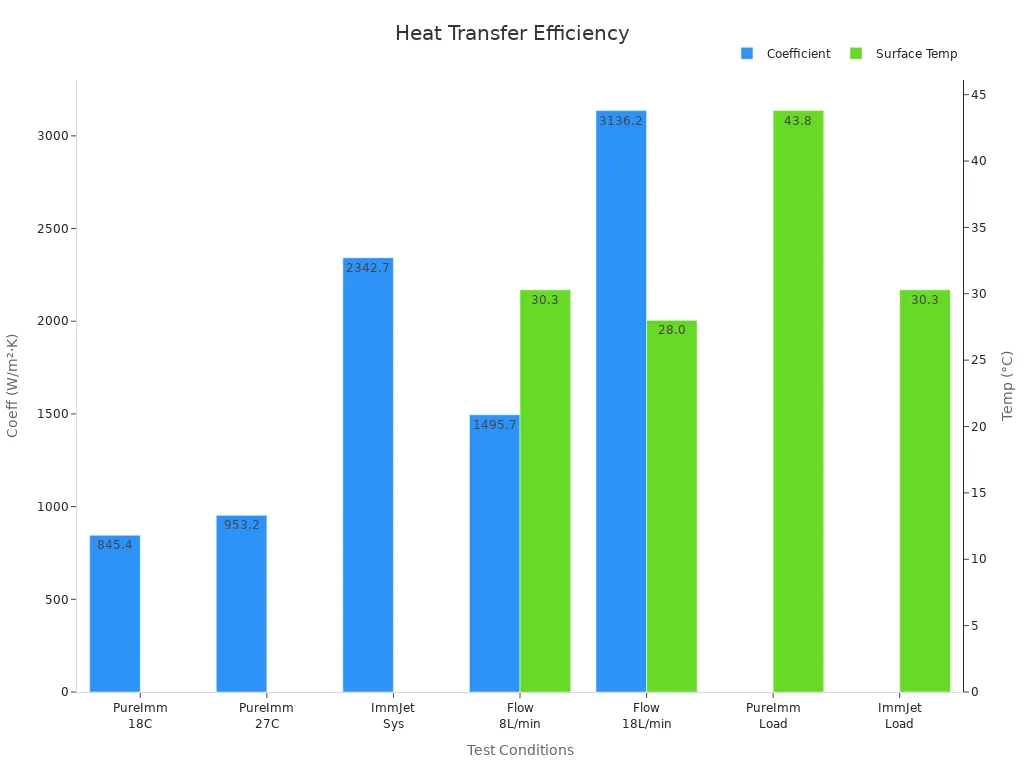
Laboratory studies show that the surface heat transfer coefficient increases as the inlet water temperature rises. For example, at 18°C, the coefficient is about 845.4 W/(m²·K), but it jumps to 953.2 W/(m²·K) at 27°C. If you use an immersion jet system, you can boost this value to over 2300 W/(m²·K), making the process much more efficient. Increasing the water flow rate also improves heat transfer. At 8 liters per minute, the coefficient is around 1495.7 W/(m²·K), but at 18 liters per minute, it climbs to 3136.2 W/(m²·K). These changes lower the surface temperature of the heating element, which helps prevent overheating and extends its life.

图表比较不同测试条件下的传热系数和表面温度。.

You can see that the way water flows around the element makes a big difference. Closer jet distances and higher flow rates disrupt the thermal boundary layer, allowing more efficient heat transfer. This means your water heater can heat water faster and maintain a steady supply of hot water, even during periods of high demand.

The Role of the Thermostat in a Water Heater

The thermostat acts as the control center for your water heater. It monitors the water temperature and ensures the heating element only operates when needed. When the water temperature drops below your set point, the thermostat sends power to the element. Once the water reaches the desired temperature, the thermostat cuts off the power, preventing overheating and saving energy.

Standardized test methods from around the world help you assess the efficiency of this process. These tests measure how well your water heater generates and transfers heat under controlled conditions. Performance benchmarks, such as combustion efficiency and thermal efficiency, allow you to compare different models and technologies. For example, improvements in baffle design and turbulence can raise thermal efficiency from 35% to over 67%. Computational Fluid Dynamics (CFD) and dimensionless numbers like the Nusselt number help engineers optimize heat transfer and design better systems.

Tip: Regularly check your thermostat and heating element to ensure your electric water heater operates at peak efficiency. This simple step can help you avoid unexpected cold showers and extend the life of your water heater.

By understanding how electrical resistance, immersion, and thermostat control work together, you can appreciate the engineering behind every hot shower and clean dish. Your water heater uses these principles to deliver reliable hot water whenever you need it.

Common Issues with Water Heater Elements

Symptoms of a Failing Water Heater Element

Không có nước nóng

You may notice that your water heater suddenly stops delivering hot water. This is often the first sign of a hỏng bộ phận gia nhiệt. When the element burns out, it cannot transfer heat to the water. As a result, you only get cold water from your taps. If you experience this issue, check the circuit breaker and thermostat first. If both work properly, the heating element likely needs replacement. This is a common cause of element replacement in many households.

电气问题常伴随热水器加热元件故障出现。您可能遇到:

Sometimes, you find that your water temperature fluctuates between hot and lukewarm. This symptom points to a partially working element or one covered in mineral deposits. When minerals coat the element, it cannot heat water efficiently. You may notice insufficient hot water during showers or when running multiple appliances. Inconsistent temperatures often indicate that the element struggles to keep up with demand.

爆裂声:表明内胆底部沉积物沸腾。

Unusual sounds, such as popping or hissing, can signal trouble inside your water heater. These noises usually come from mineral buildup on the heating element. As water heats, trapped air bubbles escape through the sediment, creating these sounds. If you hear persistent noises, inspect the tank for sediment and scale. Addressing these issues early helps prevent complete failure of the heating element.

Causes of Heating Element Problems

矿物质积聚

Mineral buildup ranks as a leading cause of hỏng bộ phận gia nhiệt. Hard water introduces minerals that settle at the bottom of the tank and coat the element. This layer insulates the element, forcing it to work harder and eventually burn out. You can reduce this risk by flushing the tank annually and considering a water softener for your home.

Corrosion of the Element

Corrosion weakens both the heating element and the tank. Over time, the anode rod inside your water heater degrades, allowing rust to form. High mineral content accelerates this process. Inspect the anode rod every year and replace it if it shows heavy corrosion or is less than half its original size. This simple step extends the life of your water heater and prevents premature failure.

Electrical Faults in the Water Heater

Electrical faults can also lead to heating element failure. Loose wiring, faulty thermostats, or damaged connections disrupt the flow of electricity. When this happens, the element cannot heat water properly. Regular inspections help you catch these problems before they cause insufficient hot water or complete system breakdown.

Mẹo: Schedule professional inspections every two years to assess your water heater’s condition and prevent unexpected failures.

Gây raQuantified DetailsEffect on Heating Element Failure预防措施
矿物质积聚Hard water leads to sediment accumulationInsulates and damages heating elements, reducing efficiency and causing failureRegular flushing to remove sediment; water softening
Ăn mònAnode rod degrades typically every 3-5 yearsRust and corrosion weaken heating elements and tank, leading to malfunctionInspect and replace anode rod; install sacrificial anode rod
High Mineral ContentAccelerates anode rod degradationFaster corrosion and sediment buildupWater softening; regular inspection

You can prevent many common issues by following a few simple steps:

  • Drain and flush the tank every year to remove sediment and scale.
  • Set the water heater temperature to around 120°F to avoid damage.
  • Test and replace the pressure relief valve if needed.
  • Conduct regular visual inspections for rust or corrosion.

By staying proactive, you ensure your water heater delivers reliable hot water and avoids costly failures.

Maintenance and Troubleshooting for Water Heater Elements

Routine Maintenance for Electric Water Heaters

Xả sạch bình nước nóng

You can extend the life of your water heater by flushing the tank regularly. Sediment and mineral buildup at the bottom of the tank reduce heating efficiency and can cause the element to overheat. To keep your hot water flowing efficiently, drain about one-quarter of the tank every few months. In areas with hard water, you should flush the entire tank at least once a year. This routine helps prevent scale from forming on the heating element, which can lead to costly water heater repairs.

Tip: Schedule annual professional inspections to detect leaks, corrosion, or faulty components early.

Inspecting for Corrosion and Wear

You should inspect your water heater for signs of corrosion and wear during regular maintenance. Check the anode rod annually. If you see significant corrosion or the core wire is exposed, replace the rod before rust spreads to the tank. Examine the tank and connections for leaks. Test the pressure relief valve several times a year to ensure it opens and closes properly. These steps help you avoid unexpected breakdowns and keep your hot water supply reliable.

  • Flush the tank about once per year to remove sediment buildup.
  • 每年检查阳极棒,并根据需要更换。.
  • 维护期间定期检查是否有泄漏。.
  • 每年测试压力安全阀,确保其功能正常。.

故障加热元件的排查

使用万用表测试热水器加热元件

如果您发现热水不足或温度不稳定,可能是加热元件故障。您可以使用 万用表测试元件. 。首先,在断路器处关闭热水器电源。拆下金属盖板和绝缘层,露出元件接线端子。将万用表调至最低欧姆档。将表笔接触加热元件的两个螺丝。功能正常的元件应显示一个 Điện trở đo được nằm trong khoảng từ 10 đến 30 ohms.. 。如果读数为0或1欧姆,则元件可能已损坏或烧毁。如果您的热水器有多个加热元件,请对每个元件重复此过程。.

Kiểm tra bộ điều nhiệt của máy nước nóng

有时,导致加热问题的是恒温器而非元件本身。确认元件电阻正常后,检查恒温器是否运行正常。取下盖板和绝缘层,然后使用非接触式电压测试仪确保电源已关闭。检查恒温器是否有可见损坏或连接松动。如果水温下降时恒温器未能启动元件,则可能需要更换。定期检查恒温器有助于保持稳定的热水供应,并避免不必要的热水器维修。.

注意:持续的热水器维护可降低突发故障的风险,并延长设备的使用寿命。.

更换热水器加热元件:自行操作还是寻求专业帮助

何时更换加热元件

元件出现不可修复的损坏

您在选择电加热线圈时 加热元件更换期间 当您看到明显的损坏迹象时。如果热水器加热元件出现裂纹、严重腐蚀或烧灼痕迹,则无法安全运行。使用万用表测试可能显示断路,这确认了需要更换热水器加热元件。继续使用损坏的元件可能导致进一步的热水器维修,甚至引发安全隐患。.

排查后问题持续存在

如果您已经冲洗了水箱、检查了恒温器并测试了元件,但热水器仍然无法提供稳定的热水,则很可能需要更换元件。温度波动或断路器反复跳闸等持续性问题通常指向某个故障部件。在这些情况下,更换元件可恢复可靠的性能。.

自行更换热水器加热元件指南

更换所需的工具与安全预防措施

开始前,请准备好以下工具:

  • Tua vít
  • 元件扳手或套筒
  • Đồng hồ vạn năng
  • 花园软管(用于排空水箱)
  • 毛巾或水桶

务必在断路器处关闭电源。使用电压测试仪确认热水器已无电流。开始操作前让水箱冷却。佩戴手套和安全眼镜,以防接触热水和电气部件。.

提示:如果您对电气工作不确定,切勿尝试自行更换元件。安全第一。.

Quy trình thay thế từng bước

  1. 关闭电源和进水阀。.
  2. 将软管连接到排水阀,将水箱内的水排至元件水位以下。.
  3. 使用万用表检测元件接线端之间的通断性及电阻值是否正常。.
  4. 使用万用表 确认元件需要更换。.
  5. 使用扳手拧松并取下旧元件。.
  6. 清洁开口处,插入替换元件并拧紧。.
  7. 重新注满水箱并检查是否泄漏。.
  8. 恢复供电并测试热水器。.

遵循这些步骤,您可以安全高效地完成元件更换。正确安装新元件可确保热水器以最佳性能运行。.

Diện mạoTự thay thếThay thế chuyên nghiệp
Chi phí trả trước$10 至 $60(仅零件)$200 至 $300(服务与零件)
风险安装不当、潜在损坏、保修失效、安全隐患精准性、安全性、安心保障、避免未来昂贵的维修
长期成本影响可能因操作失误或损坏而更高通常因专业质量和保修而更低
所需技能需要机械技能和电气知识专业知识和经验
Kết quả前期成本效益高但有风险初始成本较高但更安全可靠

Khi nào nên gọi thợ chuyên nghiệp để sửa chữa bình nước nóng?

热水器中的复杂电气问题

如果您遇到布线问题、断路器反复跳闸或电气烧灼迹象,请致电持证技术人员。专业人员拥有诊断和修复复杂问题的专业知识,这些问题超出了简单的元件更换范围。自行尝试维修可能会增加受伤或进一步损坏的风险。.

尝试任何维修前,应仔细阅读设备保修条款。自主维修可能导致保修失效。许多保险政策也要求特定维修必须由持证专业人员完成。若设备仍在保修期内,或对保险覆盖范围存在疑虑,应联系认证技术人员进行烘干机或热水器维修。

许多热水器保修要求由专业人员进行维修。自行操作可能导致保修失效。保险政策也可能不承保因安装不当造成的损坏。聘请专业人员安装替换元件可保护您的投资,并确保符合保修条款。.

Phương pháp thay thếPhạm vi chi phí注意事项与警告
自行维修$10 至 $60(仅零件)需要机械和电气技能;存在电气危险风险;不熟悉布线者不建议尝试
专业维修$200 至 $300(服务与零件)确保安全、正确的安装;降低损坏和安全风险

注意:请权衡自行操作的初期节省与专业热水器维修的长期效益。安全可靠的热水供应通常取决于替换元件的专业安装。.

最大限度延长热水器加热元件的使用寿命

热水器加热元件的预防性维护技巧

减少热水器内的矿物质积聚

您可以通过减少热水器内部的矿物质积聚来延长加热元件的使用寿命。硬水带来的矿物质会沉积在元件表面,导致水垢并降低效率。为解决此问题,, 每季度冲洗水箱 以清除沉积物。这个简单的步骤可以保持元件清洁,并有助于维持稳定的热水输出。每三个月检查一次阳极棒,每年或发现明显腐蚀时进行更换。阳极棒能吸引矿物质,保护水箱和元件免受损坏。每月或每半年定期清洁和检查加热元件,可进一步防止水垢积聚。.

提示:使用预测性维护工具,如传感器或实时数据监测,及早发现效率低下问题。这些工具有助于您在问题导致昂贵维修之前进行处理。.

定期检查加热元件

例行检查对于最大限度延长热水器元件的使用寿命起着至关重要的作用。每月检查压力安全阀,确保其正常工作。检查加热元件是否有腐蚀、水垢或加热不均的迹象。如果发现任何问题,请及时处理以避免进一步损坏。确保热水器周围通风良好,以防气体积聚并保障安全。对于燃气型号,在半年度检查期间监测火焰颜色以发现燃烧器问题。这些预防措施可使您的热水器高效运行,并降低意外故障的风险。.

  • 定期检查和清洁加热元件。.
  • 每月测试压力安全阀。.
  • 每三个月冲洗一次水箱。.
  • 根据需要更换阳极棒。.

选择合适的替换热水器加热元件

匹配热水器的功率和电压

选择正确的替换加热元件需要仔细关注功率和电压。务必使元件的电压与热水器电气系统相匹配,通常为120V或240V。使用错误的电压可能导致安全隐患或性能不佳。功率决定了热水器加热水的速度及其能耗。. 更高的功率可更快地加热水 但会增加能耗。选择功率时,请考虑您的储水箱容量和家庭热水需求。功率密度(即单位表面积的功率输出)也会影响元件的使用寿命。低功率密度元件加热更均匀且寿命更长,使其成为大多数住宅应用的理想选择。.

注意:寻找能效评级,例如 统一能效系数(UEF)和能源之星标签. 。这些评级有助于您选择能降低运行成本和环境影响的热水器元件。.

选择耐用材料以延长使用寿命

材料选择直接影响加热元件的耐用性。选择由不锈钢或英科洛伊等材料制成的元件,以获得卓越的耐腐蚀和耐高温性能。研究表明, 材料成分、工作温度和功率密度 均会影响元件的使用寿命。高温和高功率密度会加速磨损,而定期清洁和检查可防止热点和不均匀加热。环境因素,如暴露于氧气或恶劣水质条件,也会影响耐用性。制造商通常提供缺陷保修,但您的维护实践和使用模式对元件的使用寿命起着重要作用。.

Vật liệuĐộ bềnKhả năng chống ăn mòn最佳使用场景
ĐồngVừa phảiThấp软水区域
Thép không gỉCaoCao硬水环境
Incoloy极高极高高需求系统

遵循这些指南,可确保您的热水器提供可靠的热水,并使您的加热元件达到最长使用寿命。.


您依赖 bộ phận làm nóng nước 为您的日常需求持续供应热水。定期维护,例如 冲洗沉积物 和检查腐蚀,有助于避免故障并保持热水供应可靠。通过 遵循制造商指南 并及早处理问题,您可以减少昂贵的维修并延长系统的使用寿命。主动维护不仅能保持效率,还能通过减少频繁更换产生的浪费来支持可持续性。.

Câu hỏi thường gặp

Bạn nên thay thế bộ phận làm nóng nước thường xuyên như thế nào?

您应每2至3年检查一次您的 bộ phận làm nóng nước 。如果发现腐蚀、加热效率降低或可见损坏,请更换它。定期维护有助于延长热水器的使用寿命。.

Bạn có thể tự thay thế bộ phận làm nóng nước không?

如果您具备基本的电气技能和正确的工具,可以自行更换热水器加热元件。务必关闭电源并遵循安全指南。如果您不确定,请联系持证专业人员。.

导致热水器加热元件故障的原因是什么?

常见原因包括矿物质积聚、腐蚀和电气故障。硬水会加速水垢形成,从而隔离元件并降低效率。定期冲洗和检查有助于防止过早失效。.

如何判断热水器加热元件是否损坏?

您可能会注意到没有热水、温度不稳定或奇怪噪音。使用万用表测试元件的电阻。读数超出正常范围表明元件故障。.

水质是否影响加热元件的使用寿命?

是的,矿物质含量高的硬水会缩短加热元件的使用寿命。矿物质在元件上形成水垢,导致过热和早期故障。考虑安装软水器以获得更好的性能。.

低功率密度和高功率密度元件有什么区别?

低功率密度元件在更大面积上分散热量,减少水垢积聚,在硬水中使用寿命更长。高功率密度元件加热水更快,但在富含矿物质的环境中可能更快失效。.

提示:务必使您的 替换元件 的功率和电压与热水器规格相匹配,以确保安全运行。.

Hình ảnh của Mari Cheng

Mari Thành

Xin chào mọi người, tôi là Mari Cheng, "người phụ trách hệ thống sưởi điện" của Công ty TNHH Công nghệ Sưởi Điện Tấn Trung. Nhà máy của chúng tôi đã hoạt động trong lĩnh vực linh kiện sưởi điện được 30 năm và đã phục vụ hơn 1.000 khách hàng trong và ngoài nước. Trong các bài viết tiếp theo, tôi sẽ chia sẻ kiến thức thực tế về linh kiện sưởi điện, câu chuyện sản xuất tại nhà máy và nhu cầu thực tế của khách hàng. Nếu bạn có bất kỳ câu hỏi nào, vui lòng bình luận hoặc liên hệ trực tiếp với tôi, tôi sẽ chia sẻ tất cả những gì tôi biết ~

Cần trợ giúp?

Nếu bạn có bất kỳ thắc mắc nào, vui lòng liên hệ với chúng tôi để được hỗ trợ. Chúng tôi cũng sẽ cung cấp báo giá mới nhất và mẫu miễn phí.