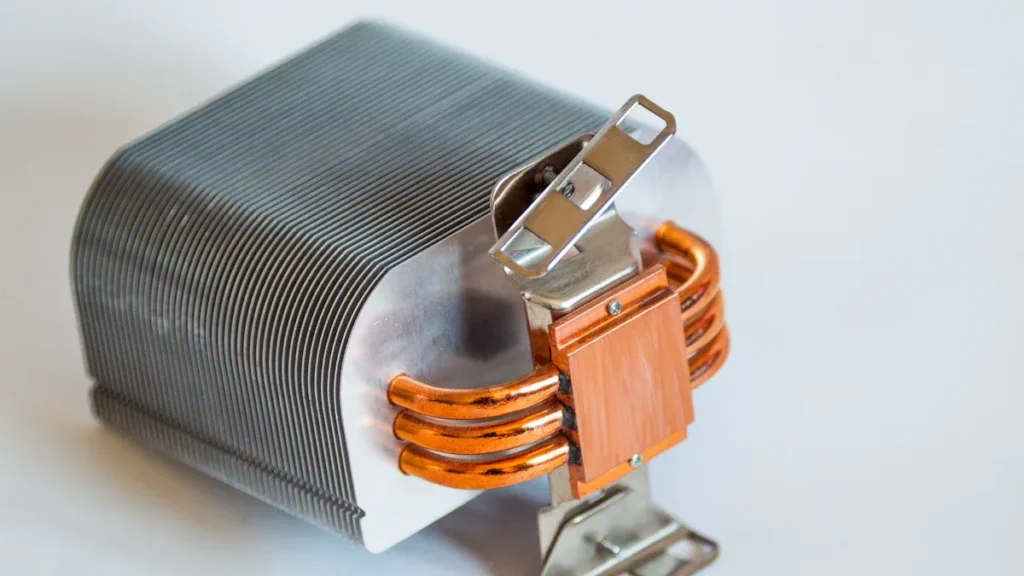
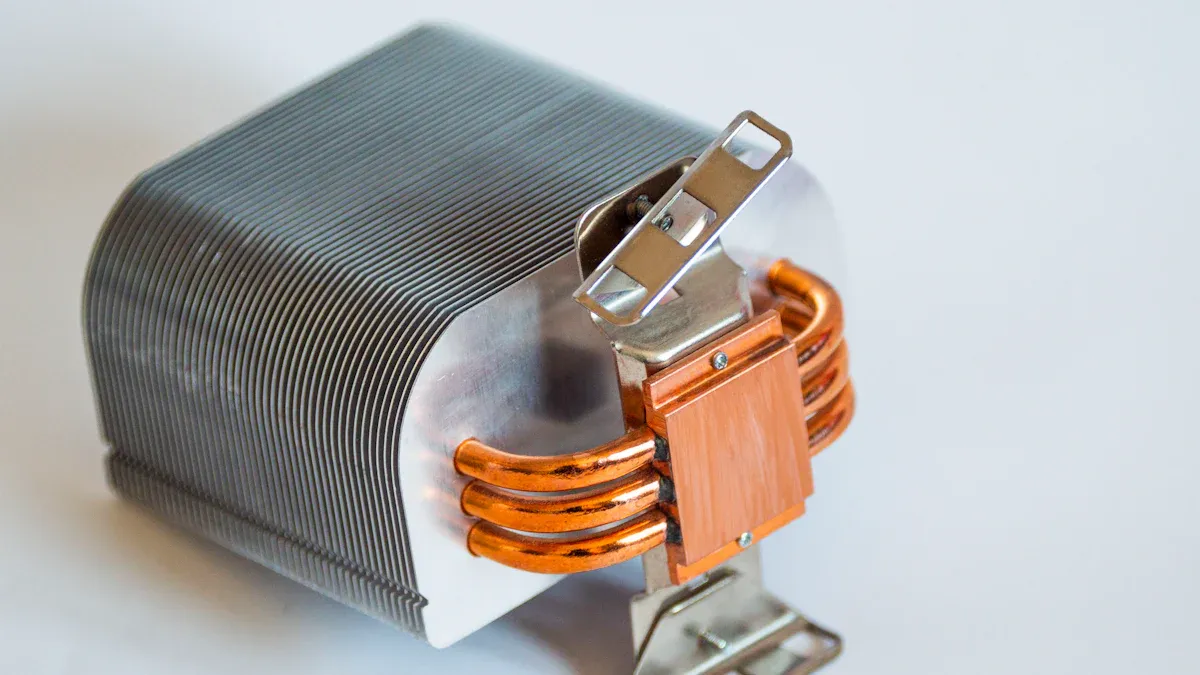
在选择电热水器加热元件时,您面临多种选择。铜材导热迅速,但在硬水环境中表现欠佳。不锈钢和因科洛伊合金耐腐蚀性强,更适合苛刻环境。陶瓷和镍铬合金在耐用性和抗水垢方面表现优异。若追求快速加热,请选择铜材;针对硬水环境,不锈钢或因科洛伊合金性能最佳;预算有限时铜材更经济,但长期可靠性则来自陶瓷或镍铬合金。您的理想选择 Bộ phận làm nóng nước 取决于水质、预算及对热水器维护的重视程度。. 加热管 只有当材料与需求相匹配时,电热水器才能发挥最佳性能。.
电热水器中常见的加热元件材料
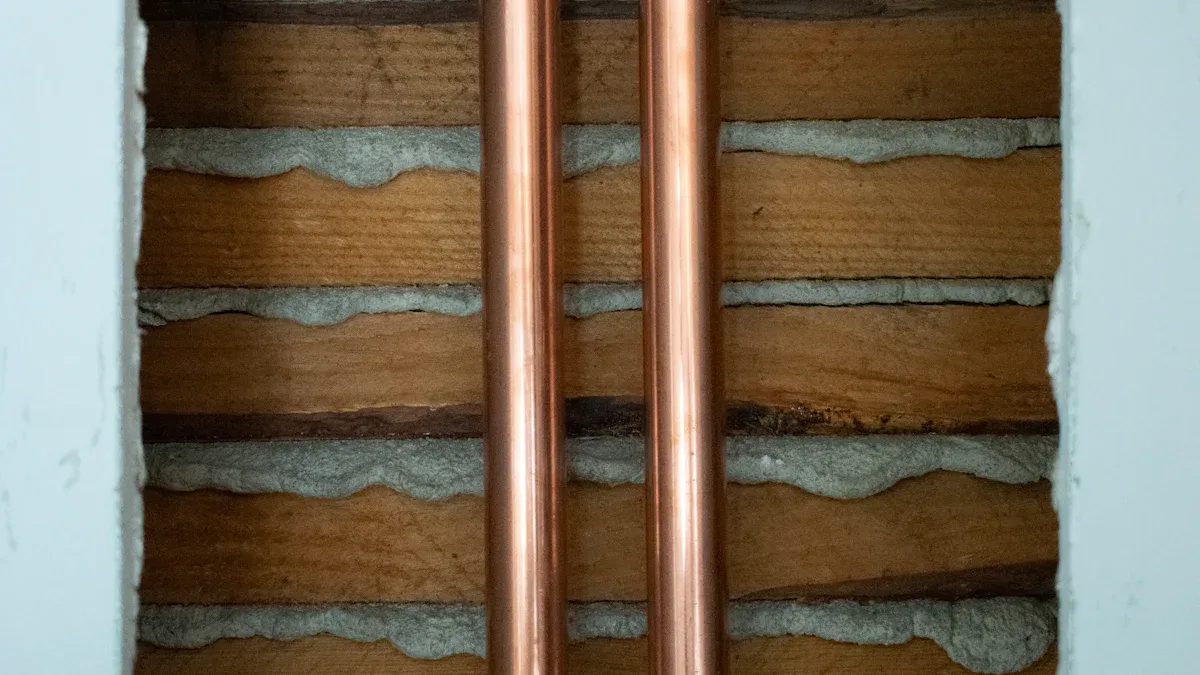
铜质电热水器加热元件
Sự miêu tả
铜质元件常见于电热水器,因其具备 快速导热能力. 。铜的导热系数在室温下介于 386至401 W/m·K之间 ,可使热水器高效快速加热水温。该材料价格适中且易于更换,是许多电热水箱的常用选择。然而,铜的中等耐腐蚀性意味着其在硬水环境中可能表现不佳。随着时间的推移,矿物质积聚和腐蚀可能缩短电热水器加热元件的使用寿命。.
Mẹo: 若您追求快速加热且便于维护,铜质元件为多数标准电热水器提供了实用解决方案。.
| 控制电流流动。 | 数值 / 描述 |
|---|---|
| 导热系数 | 室温下386至401 W/m·K |
| Khả năng chống ăn mòn | 中等;在硬水中易腐蚀 |
| 应用场景 | 电热水箱中的高效导热 |
典型用途
铜质元件最常见于水质中等、成本敏感的家用电热水器中。许多业主因其性能与价格的平衡而选择铜材。若您所在地区水质较软或经过处理,铜质元件可为热水器提供多年可靠服务。.
不锈钢电热水器加热元件
Sự miêu tả
不锈钢元件在耐用性和耐腐蚀性方面更胜一筹。该材料能耐受苛刻水质条件,包括硬水和高矿物质含量。不锈钢的导热速度虽不及铜,但其使用寿命更长、水垢积聚风险更低,这使其成为恶劣环境下电热水器的可靠选择。.
典型用途
不锈钢元件常见于硬水地区安装的电热水箱中。商业场所和追求长期稳定性能的家庭也青睐不锈钢。若您希望减少维护并延长热水器寿命,不锈钢提供了可靠的解决方案。.
因科洛伊电热水器加热元件
Sự miêu tả
因科洛伊元件融合镍、铁和铬,形成高度耐用且耐腐蚀的材料。它能有效防止水垢和矿物质沉积——这些常困扰硬水地区的电热水器。虽然因科洛伊的导热性略低于铜,但仍能提供有效加热。数值模拟研究表明,因科洛伊元件可将出水温度维持在 60-70°C的理想范围内. 。但若管理不当,局部表面温度可达900°C,可能影响长期耐久性。.
典型用途
因科洛伊元件主要用于高端电热水器和商业系统,其中长效性和耐苛刻水质能力最为关键。若您优先考虑最低维护和最高可靠性,因科洛伊是电热水器加热元件的优选。.
陶瓷电热水器加热元件
Sự miêu tả
陶瓷元件为电热水器带来独特优势。其卓越的抗水垢和耐腐蚀性能使您受益。陶瓷材料形成保护屏障,使加热线圈与水隔绝。这种设计减少了矿物质积聚——其他类型电热水器元件常受此困扰。陶瓷元件在保温性和耐用性方面同样出色。.
某些陶瓷电热水器元件使用的陶瓷羟基磷灰石驻极体,可保持显著的 表面电位超过十年——即使在高温下亦然。若热水器在60°C运行,长期使用后表面电位仍保持在约100 V。即使在室温下放置八年,电位仅逐渐下降,且可通过将元件加热至200°C恢复。.
您可通过下表了解陶瓷元件性能概要:
| 参数 / 条件 | 数值 / 观测结果 |
|---|---|
| HAp陶瓷驻极体寿命 | 表面电位保持超过十年 |
| 60°C长期老化后VS | 约100 V |
| 室温(空气中)VS下降 | 八年后逐渐下降,加热可恢复 |
| 再活化温度 | 200°C加热可恢复或提升VS |
| 热稳定性 | 无损与有损测量均证实半永久寿命 |
陶瓷元件性能稳定且更换频率低,让您使用更安心。其热稳定性确保电热水器多年高效运行。.
典型用途
陶瓷元件常见于水质极硬或维护受限地区安装的电热水器中。许多商业和工业系统依赖陶瓷元件的耐用性和低维护需求。若您需要抗水垢且经久耐用的热水器,陶瓷元件提供了可靠方案。即使长期使用,其持续稳定的加热性能也使您受益。.
镍铬电热水器加热元件
Sự miêu tả
镍铬元件采用镍铬合金,为电热水器提供可靠加热。其稳定的电阻和高熔点支持高效均匀的加热速率。镍铬元件有多种合金牌号,各具不同的抗氧化性、寿命和成本水平。.
您可通过下表比较主要牌号:
| 合金牌号 | 成分(Ni/Cr/Fe %) | 最高工作温度(°C) | Khả năng chống oxy hóa | 寿命(年) | 成本水平 |
|---|---|---|---|---|---|
| NiCr 60/16/24 | 60 Ni, 16 Cr, 24 Fe | 1150 | Vừa phải | 1-3 | 最低 |
| NiCr 80/20 | 80 Ni, 20 Cr | 1200 | Tốt | 3-5 | Vừa phải |
| NiCr 70/30 | 70 Ni, 30 Cr | 1200 | Xuất sắc | 5-8 | Cao |
可见更高的镍铬含量能提升抗氧化性并延长元件寿命。. NiCr 80/20是行业标准, ,平衡了成本与性能。NiCr 70/30提供最佳耐磨性和寿命,适用于高要求的电热水器。.
典型用途
镍铬元件常用于需要稳定加热和频繁启停的电热水器。许多制造商在家用和商用热水器中均采用镍铬材料,尤其注重高温环境与长使用寿命的场合。若您需要性能可靠且耐磨损的热水器,镍铬元件是强劲选择。即使使用多年,其高效加热速率仍能保持。.
电热水器加热元件材料的优缺点
铜质元件的优缺点
Lợi ích
选择铜质电热水器加热元件 可带来多项优势:
- 快速热传导:铜的高导热性使您的热水器能够快速供应热水。相较于其他材料,您会注意到更快的恢复加热时间。.
- Hiệu quả năng lượng:较低的电阻率意味着铜质元件加热水所需的电力更少,有助于降低您的能源费用。.
- 经济的前期成本:铜质元件的制造和安装成本较低。您可以从较低的前期投资中受益。.
- 更换简便:铜质元件在市场上供应广泛,使得更换过程直接且成本效益高。.
Ghi chú: 铜质热交换器加热水的速度快于不锈钢 ,因此在日常使用中您能体验到更快的热水供应。.
缺点
尽管存在这些优点,铜质元件也具有明显的缺点:
- 腐蚀与水垢积聚:铜容易腐蚀,特别是在硬水或酸性水中。水垢积聚会降低效率并导致早期故障。.
- 有限的温度耐受性:铜质元件仅在约200°C以下才能安全运行。更高的温度会加速氧化并缩短使用寿命。.
- 维护频繁:您需要定期(通常每年)清洁铜质元件,以防止水垢和腐蚀。这会增加您的维护工作量。.
- 在恶劣条件下寿命较短:在硬水或腐蚀性环境中,铜质元件的损耗速度比其他材料更快。.
以下是铜质与因科洛伊加热元件的对比表:
| Tính năng | 铜质加热元件 | 因科洛伊加热元件 |
|---|---|---|
| 导热系数 | 高,可实现快速热传导 | 较低,热传导较慢但在高温下稳定 |
| 工作温度 | 因氧化问题限制在约200°C以下 | 可耐受高达1100–1350°C |
| Khả năng chống ăn mòn | 中等;易受腐蚀和水垢积聚影响,尤其在酸性/硬水中 | 优异的耐腐蚀性,即使在酸性和富硫环境中 |
| 电阻率 | 较低,带来更高的能源效率 | 较高,导致更多功耗 |
| 初始成本 | 较低的材料和制造成本 | 因合金复杂性导致较高的初始成本 |
| 维护要求 | 需要频繁维护以防止腐蚀和水垢 | 因卓越的耐腐蚀性,仅需极少维护 |
| 恶劣条件下的使用寿命 | 因腐蚀和氧化问题而较短 | 因耐久性和耐腐蚀性而较长 |
| Ứng dụng điển hình | 家用热水器、家用电器 | 工业加热、航空航天、高温工艺 |
不锈钢元件的优缺点
Lợi ích
不锈钢元件为您的电热水器提供多项优势:
- 卓越的耐腐蚀性:不锈钢能抵抗锈蚀和水垢,即使在硬水中也是如此。您会看到因矿物质积聚导致的故障更少。.
- 更长的使用寿命:您将受益于更高的可靠性,并减少长期使用中的更换次数。.
- Dễ bảo trì:不锈钢需要清洁的频率较低,为您节省时间和精力。.
- 性能稳定:即使使用多年后,您仍能体验到稳定的加热效果。.
不锈钢元件在硬水区域表现良好,而其他材料可能很快失效。.
缺点
您也应考虑不锈钢元件的缺点:
- 热传导较慢:不锈钢的导热速度不如铜快。您可能会注意到等待热水的时间稍长。.
- 较高的初始成本:不锈钢元件的初始成本高于铜质元件,这可能影响您的预算。.
- 点蚀可能性:在极少数情况下,高氯化或软化水可能导致点蚀,缩短使用寿命。.
- 并非适合所有预算:如果您优先考虑最低成本,不锈钢可能不是您的首选。.
因科洛伊元件的优缺点
Lợi ích
因科洛伊元件提供多项优势,使其成为高端选择:
- 卓越的耐腐蚀性: Incoloy 能够耐受恶劣的水质条件,包括酸性和富硫环境。您可以避免大多数与腐蚀相关的故障。.
- Khả năng chịu nhiệt độ cao: Incoloy 加热元件可在高达 1100–1350°C 的温度下安全运行,远超铜和不锈钢。.
- 维护需求极低: 您几乎无需清洁或更换 Incoloy 加热元件,这提高了可靠性并减少了停机时间。.
- 长使用寿命: Incoloy 的耐用性确保您的热水器即使在苛刻环境下也能高效运行多年。.
Incoloy 加热元件常见于商业和工业热水器中,这些场景对可靠性和长寿命最为看重。.
缺点
尽管有这些优点,Incoloy 加热元件也存在一些缺点:
- 较高的初始成本: 复杂的合金成分使得 Incoloy 加热元件的采购和安装成本更高。.
- 较低的热导率: Incoloy 加热水的速度比铜慢,因此您可能需要更长时间等待热水。.
- 对软水而言性能过剩: 如果您的用水为软水且无腐蚀性,Incoloy 的先进性能可能无法证明其额外成本的合理性。.
- Limited Availability: Incoloy 加热元件在标准家用热水器中不太常见,这可能导致替换件的采购更具挑战性。.
当您权衡每种材料的优缺点时,您会发现铜提供速度和 affordability,不锈钢平衡了成本和耐用性,而 Incoloy 在恶劣条件下提供无与伦比的可靠性。.
陶瓷元件的优缺点
Lợi ích
当您选择陶瓷电热水器加热元件时,您将获得几个重要的优点。陶瓷元件以其能效和安全性脱颖而出。它们将高比例的电能转化为热能,帮助您最大限度地减少能源浪费并降低运营成本。您还能受益于 快速的加热和冷却循环. 。这一特性使您能够实现精确的温度控制,这在住宅和工业应用中至关重要。.
陶瓷元件提供均匀的热量分布。您可以避免热点,从而保护热水器并确保水温恒定。陶瓷元件的坚固结构意味着即使在苛刻环境下,您也可以依赖其长使用寿命。您会注意到陶瓷元件需要最少的维护,并且很少需要更换。其优异的电气绝缘性和内置过热保护功能降低了触电和火灾的风险,使您的系统更加安全。.
陶瓷元件的运行温度 较低表面温度 低于金属线圈加热器。这种设计降低了烧伤和火灾的风险,让您在日常使用中更加安心。.
以下是陶瓷元件主要 性能指标 的总结:
| 常见症状 | Sự miêu tả |
|---|---|
| 高效节能 | 将大部分电能转化为热能,减少能源浪费。. |
| 长使用寿命 | 耐用的结构降低了更换成本和停机时间。. |
| 精准温控技术 | 实现精确调节,对许多应用至关重要。. |
| 均匀的热量分布 | 防止热点并确保均匀加热。. |
| 安全特性 | 优异的绝缘性和过热保护将风险降至最低。. |
| Độ bền | 在机械和热应力下保持性能。. |
您可以在各种环境中使用陶瓷元件。它们的多功能性使其适用于商业和工业热水器。当您正确安装和维护它们时,您将享受稳定的性能和减少的维护需求。.
缺点
尽管有这些优点,您也应考虑陶瓷电热水器加热元件的缺点。损坏的陶瓷元件无法修复。如果陶瓷元件发生故障,您必须完全更换,这可能会增加故障发生时的成本。正确的安装和定期维护至关重要。如果您忽视清洁或检查,您可能会遇到加热不均或异常噪音,从而导致停机。.
陶瓷元件在安装过程中也需要小心处理。该材料在运行时虽然坚固,但在跌落或撞击时可能易碎。您需要确保您的热水器与陶瓷元件兼容,因为并非所有系统都支持其独特的设计。.
- 您无法修复损坏的陶瓷元件;更换是唯一的选择。.
- 安装不当或缺乏维护会降低效率和安全性。.
- 与基本铜元件相比,陶瓷元件的前期成本可能更高。.
- 陶瓷材料的易碎性要求在安装过程中小心处理。.
定期检查和清洁有助于您避免大多数问题,并延长陶瓷热水器元件的使用寿命。.
镍铬合金元件的优缺点
Lợi ích
镍铬合金电热水器加热元件 具有几个优点,使其成为许多安装场景的有力选择。您受益于稳定的电阻,这确保了稳定的热量产生和可靠的能效。镍铬合金元件的电阻值保持在 5 到 25 欧姆, 之间,支持长期稳定的性能。.
您还能受益于镍铬合金优异的抗氧化性。这一特性使您的元件能够承受高温而不退化,从而延长其使用寿命。当您将镍铬合金元件与不锈钢或 Incoloy 等合适的护套材料一起使用时,您可以保护它们免受化学侵蚀和腐蚀。镍铬合金元件对较高的水流速响应良好,这改善了热传递并降低了过热风险。.
- 稳定的热量输出支持高效的水加热。.
- 高抗氧化性提高了耐用性并减少了更换频率。.
- 与恒温器和安全开关的兼容性有助于防止过热和能源浪费。.
- 经验数据表明电输入与热输出之间存在直接关系,因此您可以信赖您系统的效率。.
- 诸如水箱冲洗之类的维护措施有助于您延长镍铬合金元件的使用寿命。.
您可以信赖镍铬合金元件用于住宅和商业热水器,尤其是在稳定性能和长使用寿命是优先考虑的情况下。.
缺点
您也应权衡镍铬合金电热水器加热元件的缺点。镍铬合金的传热效率在很大程度上取决于水温和流速。如果水流较低,元件表面温度可能会升高,增加过热风险并缩短使用寿命。将元件的功率密度与您的应用相匹配至关重要。如果您选择了错误的功率密度,您可能会遇到过早失效。.
镍铬合金元件需要耐腐蚀护套。如果没有适当的保护,化学侵蚀可能会损坏元件。您还必须监测电阻值。低于 5 欧姆的读数表明短路,而高于 25 欧姆的值表明烧毁。需要定期维护,例如水箱冲洗,以清除水垢并防止性能问题。.
- 传热效率随水流和温度变化。.
- 错误的功率密度选择可能导致元件过早失效。.
- 镍铬合金元件需要保护性护套以防止腐蚀。.
- 需要定期监测和维护以实现最佳性能。.
通过了解这些优缺点,您可以就如何在电热水器中使用镍铬合金元件做出明智的决定。.
电热水器加热元件对比表:优缺点一览
并排总结
当您比较 电热水器加热元件材料, ,您可以看到在效率、耐用性以及适用于即热式或传统电热水器方面的明显差异。下表为您提供了每种材料主要优点和缺点的快速概览。无论您使用的是电热水储水箱还是即热式系统,本总结都能帮助您为热水器安装做出明智的决定。.
| Vật liệu | Hiệu quả | Khả năng chống ăn mòn | 抗垢性能 | Tuổi thọ | Chi phí | 最适合 | 良好(带护套) | BẢO TRÌ | 性能备注 |
|---|---|---|---|---|---|---|---|---|---|
| Đồng | Cao | Vừa phải | Thấp | Ngắn | Thấp | 快速加热,经济型 | Giới hạn | 频繁标注 | 快速加热,不适用于硬水 |
| Thép không gỉ | Vừa phải | Cao | Vừa phải | Dài | Vừa phải | 硬水,可靠性 | Tốt | Thấp | 性能稳定,加热较慢 |
| Incoloy | Vừa phải | Xuất sắc | Cao | 非常长 | Cao | 恶劣水质,长寿命 | Xuất sắc | Tối thiểu | 在恶劣条件下性能卓越 |
| Gốm sứ | Cao | Xuất sắc | Xuất sắc | 非常长 | Cao | 耐水垢,低维护 | Xuất sắc | Tối thiểu | 均匀加热,适用于即热式热水器,安全可靠 |
| Nicrom | Cao | 良好(带护套) | Tốt | Dài | Vừa phải | 高温工况,频繁循环运行 | Xuất sắc | Vừa phải | 效率稳定,需匹配正确的功率密度 |
Mẹo: 安装时使用 即热式电热水器, 陶瓷与因科洛伊合金元件通常能实现最佳效率与稳定性能。这些材料可承受快速加热循环并具备抗水垢能力,这对即热式运行至关重要。.
您会发现,在水质良好的电热水储水箱中,铜制元件加热迅速且效果良好。不锈钢元件在成本和耐久性之间取得平衡,尤其适用于硬水地区。因科洛伊合金因其卓越的耐腐蚀和抗水垢性能而脱颖而出,成为恶劣环境下即热式与传统电热水器的首选材料。.
陶瓷元件在效率和安全性方面表现卓越。您将受益于其长使用寿命和低维护需求,这对于要求性能稳定的即热式系统而言是理想选择。镍铬合金元件提供可靠的加热和稳定的效率,尤其是在配备保护套时。您必须为加热器选择正确的功率密度,以确保最佳性能。.
在为您的电热水器选择元件时,务必考虑水质、热水器类型以及维护偏好。即热式型号需要能够承受快速温度变化并抵抗水垢的材料。电热水储水箱可能提供更多灵活性,但效率和耐用性仍然至关重要。.
请记住:正确的元件材料可确保您的加热器提供稳定性能、节约能源并减少长期维护。.
为您的安装项目选择合适的电热水器元件
电热水器的水质考量因素
水质对电热水器的性能和寿命起着关键作用。在规划安装时,您必须评估当地供水的矿物质含量和硬度。硬水含有高浓度的钙和镁。这些矿物质会在加热元件上形成水垢,降低效率并增加维护需求。在硬水家庭中,不锈钢、因科洛伊合金或陶瓷元件能更好地抵抗腐蚀和水垢。这些选项有助于您保持稳定性能并延长热水器的使用寿命。.
如果您的家庭使用软水或经过处理的水,铜制元件可能是一种经济高效的解决方案。铜加热速度快,初始成本低。然而,在酸性或富含矿物质的水质地区,铜制元件可能腐蚀更快,导致更高的更换成本和更频繁的维护。陶瓷和因科洛伊合金元件在即热式系统中表现出色,因为快速加热循环和抗水垢能力对于可靠运行至关重要。.
提示:在安装前测试您的水质硬度。此步骤有助于您为家庭选择最佳的元件材料,避免不必要的成本或安全隐患。.
预算与成本因素
在电热水器安装过程中,预算仍是许多房主最关心的问题。您必须平衡初始成本、运行成本和长期节省。铜制元件安装成本较低,适用于水质良好的家庭。不锈钢和因科洛伊合金元件前期成本较高,但能长期降低维护和更换成本。陶瓷和镍铬合金元件通常需要较高的初始投资,但其耐用性和效率可长期降低运行成本。.
请参考下表,比较典型电热水器的关键成本相关规格:
| 标准 / 规格 | 详情/数值 |
|---|---|
| 标称容量 | 40加仑(认证代表值) |
| 额定储水容积 | 37加仑(DOE测量值) |
| Hệ số năng lượng đồng đều (UEF) | 0.92(能效等级) |
| 最大功率 | 能效(统一能源系数) |
| 预估能源成本 | 约573美元/年(全国平均值) |
| 可调恒温器 | Đúng |
| 安全特性 | 温度/压力安全阀,防篡改排水阀 |
您还应考虑维护、维修和潜在升级的成本。即热式电热水器初始成本可能较高,但长期来看能实现节能运行并降低安装成本。热水需求量大的家庭受益于兼具效率和耐用性的元件,从而在热水器的整个使用寿命内降低总成本。.
注意:投资高品质元件可提升家庭舒适度,减少安全隐患,并最大限度地降低意外维修成本。.
Mô hình sử dụng và nhu cầu nước nóng
您家庭的热水使用模式直接影响电热水器元件的最佳选择。您需要考虑日常作息、家庭规模以及需要使用热水的设备数量。例如,普通家庭每天约使用64.3加仑热水。淋浴通常每分钟使用2.1加仑,而浴缸每分钟最多可使用5加仑。如果您的家庭需要支持多人连续淋浴或大型浴缸,则需要具有高首小时出水量和快速恢复能力的加热器及元件。.
即热式系统在热水需求多变或较高的家庭中表现出色。陶瓷和因科洛伊合金元件能够承受快速加热循环,并在高峰使用期间保持效率。如果您的家庭使用 常规加热模式 和较低的温度设置(低于60°C),则可以节省能源成本并延长热水器寿命。大多数用户偏好节能运行,选择较低温度以平衡舒适度和成本。.
统计模型,例如 模糊逻辑控制系统, 有助于根据您独特的使用模式优化加热计划。这些模型模拟每日热水用量,并调整加热循环以匹配需求,从而提高效率并降低运行成本。通过了解家庭的热水需求,您可以选择能够提供稳定性能并最大化家庭舒适度的元件。.
专业提示:在安装前评估家庭的热水使用习惯。将热水器的容量和元件类型与实际使用情况相匹配,可确保可靠性能并降低成本。.
电热水器的维护与使用寿命
您希望电热水器能够多年提供可靠热水并维持家庭舒适度。正确的维护和明智的安装选择在延长系统寿命和控制成本方面发挥着重要作用。当您投资正确的选项并遵循定期保养程序时,您将保护您的家庭免受意外故障和更高运行成本的影响。.
延长使用寿命的基本维护实践
您可以通过遵循以下基本步骤,最大限度地延长电热水器的使用寿命和可靠性:
- 每年冲洗水箱一次. 。此过程可清除可能包裹加热元件的水垢和矿物质沉积物。沉积物不仅会降低效率,还会导致更高的运行成本和潜在的元件损坏。许多制造商要求每年冲洗以保持保修有效。.
- 每3-5年检查并更换阳极棒。阳极棒可保护水箱免受腐蚀。维护好此部件,通过保持水箱的完整性,可间接延长加热元件的寿命。此步骤对于硬水家庭尤为重要。.
- 每年测试泄压阀。此项安全检查可确保系统高效运行并防止危险故障。正常工作的阀门可保护您的家庭并支持安装的可靠性。.
- 保持详细的维护记录。记录服务日期和内容。这些记录有助于您进行保修索赔,并表明您采取了主动措施来维护家庭热水器。.
提示:定期维护不仅能延长热水器的使用寿命,还能提升家庭舒适度并降低昂贵维修的风险。.
影响加热元件耐用性的常见威胁
您面临几个可能缩短电热水器元件寿命的挑战:
- 硬水产生的水垢积聚 水垢会包裹元件,导致其过热并失效。未经处理水质的家庭经常遇到此问题。.
- 电气问题,例如接线故障或电源波动,可能导致元件烧毁。您应在安装和例行检查期间解决这些问题。.
- 如果发现元件上有矿物质沉积物,请及时清洁或更换。此操作有助于您避免更高的运行成本并维持系统可靠性。.
- 忽视阳极棒会导致水箱腐蚀,最终损坏加热元件。跳过此步骤的家庭通常面临昂贵的维修费用。.
当您应对这些威胁时,您不仅保护了投资,还能确保家中持续享受稳定的热水供应。.
材料选择及其对使用寿命的影响
您在安装时选择的 bộ phận làm nóng 材料直接影响维护需求和系统寿命。铜制元件加热迅速,但在硬水家庭中需要频繁清洁。不锈钢和因科洛伊合金元件耐腐蚀、抗水垢,使用寿命更长且维护需求更少。陶瓷和镍铬合金元件具备卓越的耐用性和可靠性,是追求低维护成本和稳定家居舒适度的家庭的理想选择。.
| Vật liệu | 维护频率 | 典型寿命 | 最适合以下情况的家庭 |
|---|---|---|---|
| Đồng | Cao | Ngắn | 软水,低成本需求 |
| Thép không gỉ | Vừa phải | Dài | 硬水,可靠性 |
| Incoloy | Thấp | 非常长 | 水质严苛,维护需求极低 |
| Gốm sứ | Thấp | 非常长 | 易结垢水质,注重安全 |
| Nicrom | Vừa phải | Dài | 高需求,频繁启停 |
注意:在安装时选择正确的材料有助于避免更高的运行成本和频繁的维修。.
适用于每个家庭的维护建议
遵循这些简单建议,可让您的热水器保持平稳运行:
- 将年度维护作为家庭养护计划的一部分。.
- 迅速处理任何异常噪音或水温下降问题。.
- 安装和重大维修务必与专业人士合作,以确保安全性和可靠性。.
- 安装前比较不同选项,以找到最适合您家水质和热水需求的方案。.
保持积极主动,可降低成本、提升家居舒适度,并让您安心享受系统长久的使用寿命。.
维护记录的价值
记录所有安装和服务活动能为您的家庭带来多方面益处:
- 您拥有申请保修所需的维护证明。.
- 您可以跟踪安排下一次维护的时间。.
- 您展现了负责任的家庭管理,这在决定出售房屋时可能增加房产价值。.
保持良好的记录并遵循定期维护计划,可确保您的电热水器性能可靠并将运行成本控制在合理范围。.
即热式电热水器加热元件材料
即热式型号的材料要求
安装即热式电热水器时,您必须选择 能够承受快速加热循环和高水流速的 加热元件材料。即热式型号在水流经设备时即时加热,因此加热元件面临频繁的温度变化,必须提供稳定的性能。您需要具有优异抗热震性并能有效防止水垢积聚的材料。陶瓷和因科洛伊合金元件表现突出,因为它们耐腐蚀并能保持效率,即使在硬水条件下也是如此。不锈钢性能也良好,特别是与保护套管配合使用时。.
您应密切关注技术安装细节。. 在热水器附近正确安装膨胀水箱 可吸收热膨胀产生的多余压力,保护管道系统免受水锤影响。您必须确认家庭电气系统符合即热式电热水器的电压和电流要求。牢固的安装和正确的管道连接可防止泄漏并确保安全运行。您还应清理安装空间、确保良好通风,并考虑加装滴水盘以处理可能的泄漏或冷凝,从而做好安装区域准备。.
水温和流速直接影响即热式电热水器的性能。进水温度越低,所需能量越多,因此您必须根据所在地区正确选择热水器规格。将热水器安装在主要热水管道附近可减少热损失并提高输送效率。定期检查和除垢(特别是在硬水地区)有助于维持系统效率并延长加热元件的使用寿命。.
提示:如果您追求最大耐用性和最低维护需求,请为即热式电热水器选择 陶瓷或因科洛伊合金 等元件材料。.
即热式安装的优缺点
与传统储水式型号相比,即热式电热水器具有多项优势。您将受益于 高24%至34%的能效 ,因为这些系统仅在需要时加热水,消除了待机热损失。年运行成本在192至540美元之间,通常低于传统热水器。您还能享受节省地面空间的紧凑设计,因为大多数即热式装置为壁挂式。.
即热式电热水器的使用寿命可达20年或更长,降低了更换频率和成本。您能获得持续的热水供应,这非常适合大家庭或同时段热水需求高的家庭。然而,您需要考虑较高的初始成本,全屋型号的价格范围在1,000至3,000美元。安装时间更长且需要专业技能,包括管道和电气作业。.
即热式电热水器的维护涉及年度除垢,如果您使用硬水则尤其重要。此步骤对于防止加热元件上形成水垢至关重要,水垢会降低效率并导致早期故障。虽然初期维护可能看起来更复杂,但在设备整个使用寿命期内,总体维护频率较低。. 可用的退税和激励措施 有助于抵消较高的前期成本,使即热式型号更易负担。.
| Tính năng | 即热式电热水器 | 传统储水式电热水器 |
|---|---|---|
| Hiệu quả năng lượng | 能效高24%至34% | 标准能效;存在待机热损失 |
| Chi phí vận hành hàng năm | 192至540美元 | 225至580美元 |
| 初始成本 | $1.000 đến $3.000 | 300至1,500美元 |
| Tuổi thọ | 长达20年或更久 | 10 đến 15 năm |
| BẢO TRÌ | 需要年度除垢 | 建议年度冲洗 |
| 空间要求 | 紧凑,壁挂式 | 体积大,需占用地面空间 |
| 热水供应 | 持续,按需供应 | 受水箱容量限制 |
注意:即热式电热水器提供了一种节能解决方案,具有长期节省成本和便利的优势,但您必须为更高的前期投资和定期维护做好规划。.
您已了解到铜、不锈钢、因科洛伊合金、陶瓷和镍铬合金在电热水器加热元件方面各有独特的优缺点。根据您的水质、预算和使用情况做出匹配选择,可确保可靠的性能和效率。请查阅以下关键指标和专家见解:
- 承包商报告显示,经过培训后, 他们对先进热水器技术的信心和信任度有所提升。.
- 正确的系统设计和安装可带来高达 68% 节能与 90% 温室气体减排.
| Hệ mét | 价值/建议 |
|---|---|
| 性能系数(COP) | 最高可达 3.9(单循环系统) |
| Tiết kiệm năng lượng | 最高可达 68% |
| 专家建议 | 重点关注设备选型与安装质量 |
安装前请检查水质并咨询专业人士,以最大化您的投资效益。.
Câu hỏi thường gặp
在硬水地区,电热水器加热元件的最佳材料是什么?
硬水环境下应选用铬镍铁合金或陶瓷加热元件。两者均能抗水垢和腐蚀,从而延长热水器使用寿命。不锈钢材料在此类条件下也有良好表现。.
电热水器加热元件应多久更换一次?
建议每 2-3 年检查一次加热元件。若发现加热效率下降、可见腐蚀或水垢积聚,应及时更换。采用铬镍铁合金或陶瓷等优质材料并妥善维护,其使用寿命可超过 8 年。.
无水箱即热式电热水器能否使用铜制加热元件?
铜制元件不适用于大多数无水箱型号。即热式热水器需要能够承受快速温度变化并抗水垢的材料。陶瓷和铬镍铁合金元件是此类系统的最佳选择。.
陶瓷热水器加热元件是否需要特殊维护?
陶瓷元件比金属元件需要更少的维护。但仍需每年冲洗一次系统以防止沉积物积聚。日常检查时应检测元件状态,以确保最佳性能。.
不锈钢加热元件是否节能?
不锈钢元件具有中等能效水平。其加热速度虽慢于铜制元件,但能提供更稳定的性能和更低的维护需求。您将从中获得持续稳定的运行效果和更少的更换次数。.
哪些迹象表明您的热水器加热元件需要更换?
- 热水加热缓慢或完全不热
- 元件可见腐蚀或水垢
- 断路器跳闸
- Tiếng ồn bất thường từ máy sưởi
提示:请及时处理这些问题,以避免系统进一步损坏。.