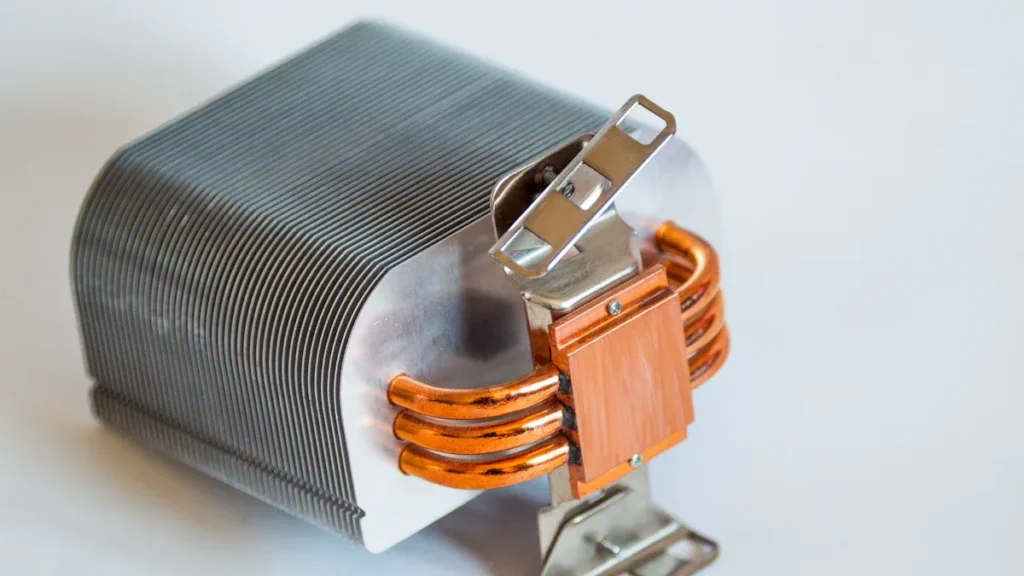
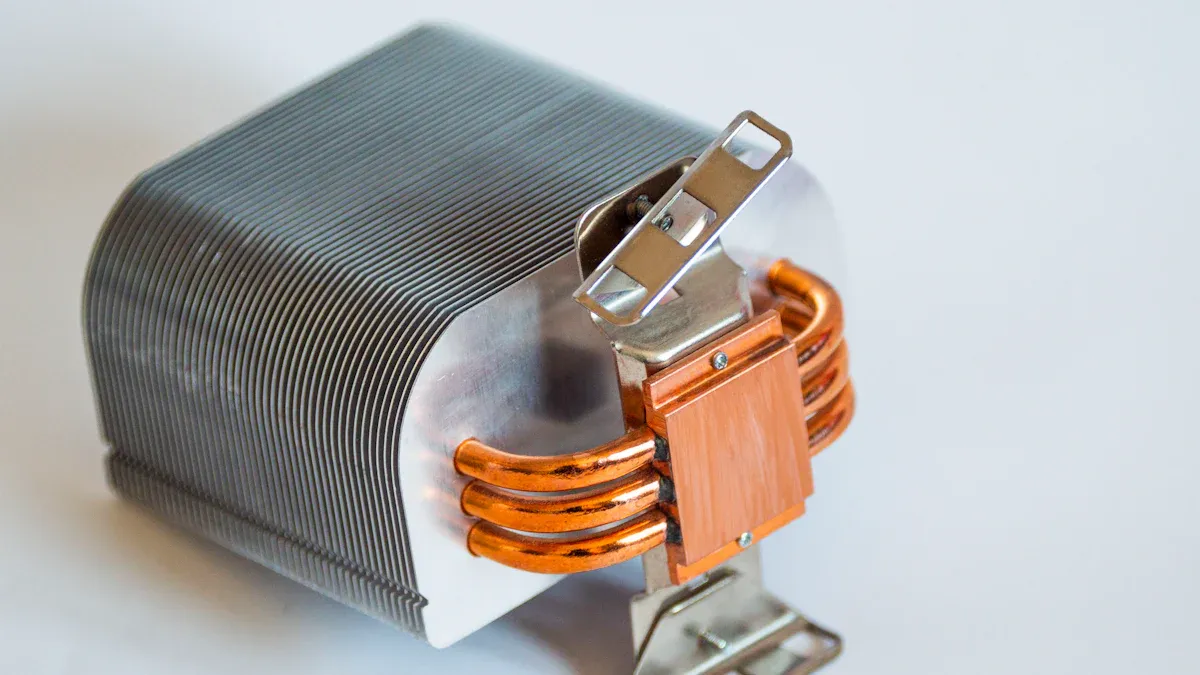
電気温水器の発熱体を選択する際には、いくつかの選択肢があります。銅は熱伝達が速いですが、硬水には弱いです。ステンレス鋼とインコロイは耐腐食性に優れており、過酷な環境に適しています。セラミックとニクロムは耐久性と耐スケール性に優れています。急速加熱を希望する場合は銅を選んでください。硬水の場合は、ステンレス鋼またはインコロイが最適です。予算が限られている場合は銅が有利ですが、長期的な信頼性はセラミックまたはニクロムにあります。理想的な選択は、 水加熱要素 水質、予算、および給湯器のメンテナンス方法によって異なります。. ヒーティング・チューブ 材料をニーズに合わせることで、電気温水器は最適に機能します。.
電気温水器における一般的な発熱体材料
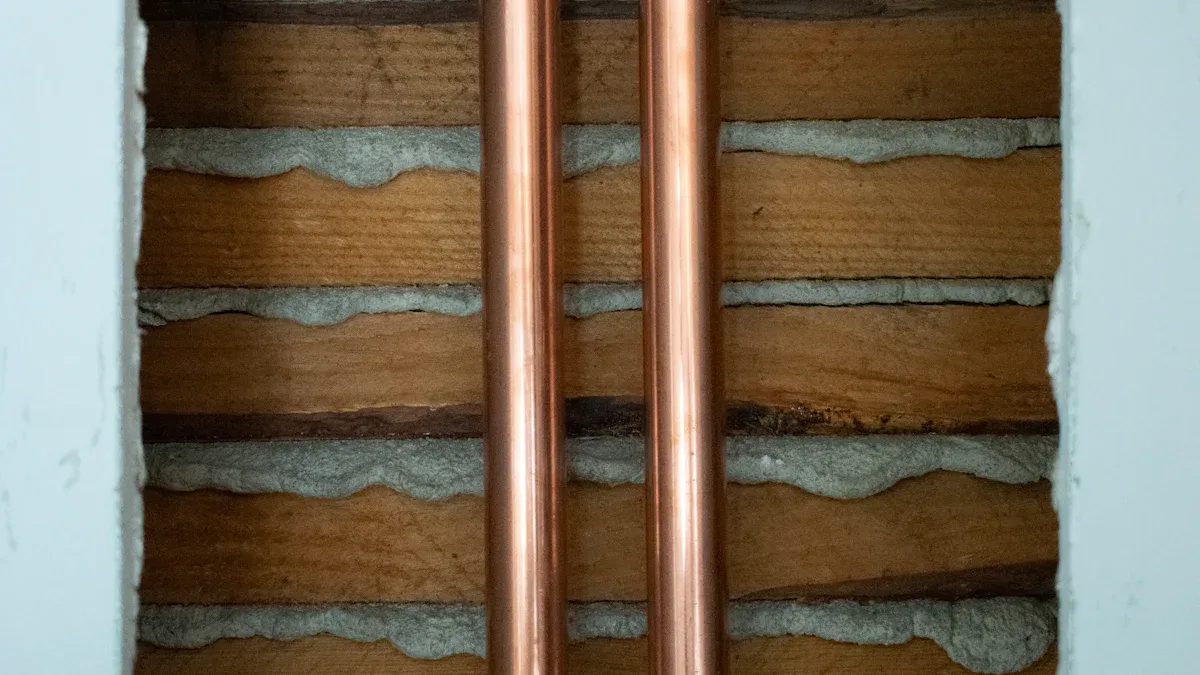
銅製電気温水器発熱体
説明
銅製の発熱体は、電気温水器でよく見られます。なぜなら、それらは 急速な熱伝達. を提供するからです。銅の高い熱伝導率(室温で 386~401 W/m·K )により、給湯器は水を迅速かつ効率的に温めることができます。この材料は手頃な価格で交換も容易なため、多くの電気温水タンクで人気のある選択肢です。しかし、銅の耐腐食性は中程度であるため、硬水環境では問題が生じる可能性があります。時間の経過とともに、ミネラルの蓄積や腐食により、電気温水器の発熱体の寿命が短くなる場合があります。.
ヒント 急速加熱と容易なメンテナンスを希望する場合、銅製発熱体は多くの標準的な電気温水器にとって実用的な解決策を提供します。.
| 特性 | 値 / 説明 |
|---|---|
| 熱伝導率 | 室温で386~401 W/m·K |
| 耐食性 | 中程度;硬水では腐食しやすい |
| バーナー数 | 電気温水タンクにおける効率的な熱伝達 |
一般的な用途
銅製発熱体は、水質が中程度でコストが重視される住宅用電気温水器で最もよく見られます。多くの住宅所有者は、性能と手頃さのバランスから銅を選びます。軟水または処理水の地域にお住まいの場合、銅製発熱体は数年にわたり給湯器を良好に機能させることができます。.
ステンレス鋼製電気温水器発熱体
説明
ステンレス鋼製発熱体は、耐久性と耐腐食性において一段上の性能を提供します。硬水や高ミネラル含有量を含む過酷な水条件に耐える材料の恩恵を受けられます。ステンレス鋼は銅ほど熱伝導性は高くありませんが、より長い耐用年数とスケール蓄積リスクの低減でそれを補います。このため、厳しい環境での電気温水器にとって信頼性の高い選択肢となります。.
一般的な用途
ステンレス鋼製発熱体は、硬水地域に設置される電気温水タンクでよく見られます。長期間にわたって安定した性能を要求する商業施設や家庭でも、ステンレス鋼が好まれます。メンテナンスを減らし、給湯器の寿命を延ばしたい場合、ステンレス鋼は信頼性の高い解決策を提供します。.
インコロイ製電気温水器発熱体
説明
インコロイ製発熱体は、ニッケル、鉄、クロムを組み合わせることで、非常に耐久性が高く耐腐食性に優れた材料を形成します。硬水地域で電気温水器を悩ませることが多いスケールやミネラル堆積物に対する優れた保護が得られます。インコロイの熱伝導率は銅よりわずかに低いものの、効果的な加熱を実現します。数値シミュレーションを用いた研究では、インコロイ製発熱体は出口水温を理想的な範囲である 60~70°C. に維持することが示されています。ただし、局所的な表面温度は最大900°Cに達する可能性があり、適切に管理されない場合、長期的な耐久性に影響を与える可能性があります。.
一般的な用途
インコロイ製発熱体は、長寿命と過酷な水条件への耐性が最も重要視されるプレミアム電気温水器や商業用システムで見られます。メンテナンスを最小限に抑え、最大限の信頼性を優先する場合、インコロイは電気温水器の発熱体として最上位の選択肢となります。.
セラミック製電気温水器発熱体
説明
セラミック製発熱体は、電気温水器に独自の利点をもたらします。スケールや腐食に対する卓越した耐性の恩恵を受けられます。セラミック材料は保護バリアを形成し、加熱コイルを水との直接接触から保護します。この設計により、電気温水器の他のタイプの発熱体でしばしば問題となるミネラル蓄積が低減されます。セラミック製発熱体は、温度保持性と耐久性にも優れています。.
一部のセラミック製電気温水器発熱体に使用されるセラミック水酸アパタイトエレクトレットは、 10年以上にわたり有意な表面電位を維持します—高温下でも同様です。給湯器を60°Cで運転する場合、長期使用後も表面電位は約100Vを維持します。室温で8年経過後でも、電位は徐々に減少するのみで、発熱体を200°Cに加熱することで回復可能です。.
セラミック製発熱体の性能概要については、以下の表を参照してください:
| パラメータ / 条件 | 値 / 観察結果 |
|---|---|
| HApセラミックエレクトレットの寿命 | 表面電位が10年以上維持される |
| 60°Cでの長期エージング後のVS | 約100V |
| 室温(空気中)でのVS減少 | 8年後に徐々に減少、加熱により回復 |
| 再活性化温度 | 200°Cでの加熱によりVSが回復または増加 |
| 熱安定性 | 非破壊測定と破壊測定の両方により、半永久的な寿命が確認されている |
セラミック製発熱体が安定した性能を発揮し、交換頻度が少なくて済むことで、安心感が得られます。その熱安定性により、電気温水器が長年にわたり効率的に動作することが保証されます。.
一般的な用途
セラミック製発熱体は、水が極めて硬い地域やメンテナンスアクセスが制限されている場所に設置される電気温水器でよく見られます。多くの商業用および産業用システムは、その耐久性と最小限のメンテナンス要件からセラミック製発熱体を採用しています。スケールに強く、長年にわたって持続する給湯器を希望する場合、セラミック製発熱体は信頼性の高い解決策を提供します。また、長期使用後でも一貫した加熱性能を維持できるという利点もあります。.
ニクロム製電気温水器発熱体
説明
ニクロム製発熱体は、ニッケルクロム合金を使用して電気温水器に信頼性の高い加熱を提供します。安定した電気抵抗と高い融点により、効率的で一貫した加熱速度が得られます。ニクロム製発熱体にはいくつかの合金グレードがあり、それぞれ耐酸化性、寿命、コストが異なります。.
主なグレードは以下の表で比較できます:
| 合金グレード | 組成(Ni/Cr/Fe %) | 最高使用温度(°C) | 耐酸化性 | 寿命(年) | コストレベル |
|---|---|---|---|---|---|
| NiCr 60/16/24 | 60 Ni, 16 Cr, 24 Fe | 1150 | 中程度 | 1-3 | 最低 |
| NiCr 80/20 | 80 Ni, 20 Cr | 1200 | グッド | 3-5 | 中程度 |
| NiCr 70/30 | 70 Ni, 30 Cr | 1200 | 素晴らしい | 5-8 | 高い |
ニッケルとクロムの含有量が高いほど、耐酸化性が向上し、発熱体の寿命が延びることがわかります。. NiCr 80/20は業界標準であり, 、コストと性能のバランスが取れています。NiCr 70/30は耐摩耗性と寿命に最も優れており、要求の厳しい電気温水器に適しています。.
一般的な用途
ニクロム製発熱体は、安定した加熱と頻繁なサイクル運転が必要な電気温水器でよく見られます。多くのメーカーは、特に高温と長寿命が優先される住宅用および商業用の両方の給湯器でニクロムを使用しています。信頼性の高い性能と耐摩耗性を備えた給湯器を希望する場合、ニクロム製発熱体は有力な選択肢です。また、長年使用した後でも効率的な加熱速度を維持できるという利点もあります。.
電気温水器発熱体材料の長所と短所
銅の長所と短所
メリット
銅を選択すると、いくつかの長所が得られます。 銅製電気温水器ヒーターエレメント:
- 高速熱伝達: 銅の高い熱伝導率により、給湯器は迅速に温水を供給します。他の素材と比較して、より速い復元時間を実感できます。.
- エネルギー効率: 低い電気抵抗率は、銅製エレメントが水を加熱する際に少ない電力で済むことを意味し、光熱費の削減につながります。.
- 手頃な初期費用: 銅製エレメントは製造および設置コストが低く抑えられます。初期投資を抑えられるメリットがあります。.
- 交換が容易: 銅製エレメントは広く入手可能なため、交換作業が簡便で費用対効果に優れています。.
注: 銅製熱交換器はステンレス鋼よりも速く水を加熱します。 そのため、日常使用においてより迅速に温水を利用できます。.
欠点
これらの長所にもかかわらず、銅製エレメントには顕著な短所があります:
- 腐食とスケール堆積: 銅は腐食しやすく、特に硬水や酸性水ではその傾向が強まります。スケール堆積は効率を低下させ、早期故障の原因となります。.
- 限定的な耐温度性: 銅製エレメントは約200°C以下での安全な動作に限定されます。より高温では酸化が加速し、寿命が短縮されます。.
- 頻繁なメンテナンス: スケールと腐食を防ぐため、銅製エレメントは定期的に(多くの場合年1回)洗浄する必要があります。これによりメンテナンス作業量が増加します。.
- 過酷条件下での短い寿命: 硬水や腐食性環境では、銅製エレメントは他の素材よりも早く消耗します。.
以下は銅製ヒーターエレメントとインコロイ製ヒーターエレメントを比較した表です:
| 特徴 | 銅製ヒーターエレメント | インコロイ製ヒーターエレメント |
|---|---|---|
| 熱伝導率 | 高く、高速熱伝達を可能にする | 低く、熱伝達は遅いが高温で安定 |
| 動作温度 | 酸化のため約200°C以下に限定 | 1100–1350°Cまで耐えられる |
| 耐食性 | 中程度;酸性/硬水では特に腐食やスケール堆積の影響を受けやすい | 酸性および硫黄豊富な環境でも優れた耐性 |
| 電気抵抗率 | 低く、高いエネルギー効率につながる | 高く、より多くの電力消費を招く |
| 初期費用 | 材料費および製造コストが低い | 合金の複雑さにより初期コストが高い |
| メンテナンス要件 | 腐食とスケール防止のため頻繁なメンテナンスが必要 | 優れた耐食性によりメンテナンスは最小限 |
| 過酷条件下での寿命 | 腐食と酸化により短い | 耐久性と耐食性により長い |
| 代表的な用途 | 家庭用給湯器、家電製品 | 産業用加熱、航空宇宙、高温プロセス |
ステンレス鋼の長所と短所
メリット
ステンレス鋼製エレメントは電気温水器において以下の長所を提供します:
- 優れた耐食性: ステンレス鋼は硬水でも錆やスケールに強く、ミネラル堆積による故障が少なくなります。.
- 長い耐用年数: 信頼性が高く、長期的に交換回数が少ないメリットがあります。.
- ローメンテナンス: ステンレス鋼は洗浄頻度が少なくて済み、時間と労力を節約できます。.
- 安定した性能: 長年使用後でも一貫した加熱出力を実現します。.
ステンレス鋼製エレメントは、他の素材では早期故障しやすい硬水地域でも良好に機能します。.
欠点
ステンレス鋼製エレメントの短所も考慮すべきです:
- 熱伝達が遅い: ステンレス鋼は銅ほど速く熱を伝えません。温水を待つ時間がわずかに長くなる場合があります。.
- 高い初期費用: ステンレス鋼製エレメントは銅製よりも初期費用が高く、予算に影響する可能性があります。.
- ピット腐食の可能性: まれに、高度に塩素処理された水や軟水ではピット腐食を引き起こし、寿命を縮めることがあります。.
- すべての予算に最適とは限らない: 可能な限り低コストを優先する場合、ステンレス鋼は第一選択肢とならない可能性があります。.
インコロイの長所と短所
メリット
インコロイ製エレメントは、高級選択肢となるいくつかの長所を提供します:
- 卓越した耐食性: インコロイは、酸性や硫黄豊富な環境を含む過酷な水質条件に耐性があります。腐食関連の故障のほとんどを回避できます。.
- 高温耐性インコロイ素子は1100~1350°Cまでの温度で安全に作動し、銅やステンレス鋼を大幅に上回ります。.
- 最小限のメンテナンスインコロイ素子は清掃や交換がほとんど不要であり、信頼性を高め、ダウンタイムを削減します。.
- 長寿命インコロイの耐久性により、過酷な環境下でも給湯器が長年にわたり効率的に稼働することが保証されます。.
インコロイ素子は、信頼性と長寿命が最も重視される商業用および工業用給湯器で一般的に使用されています。.
欠点
これらの長所がある一方で、インコロイ素子にはいくつかの短所があります:
- 高い初期費用複雑な合金組成により、インコロイ素子は購入および設置コストが高くなります。.
- 低い熱伝導率インコロイは銅よりも水の加熱が遅いため、お湯が出るまでの待ち時間が長くなる可能性があります。.
- 軟水には過剰仕様水が軟水で腐食性がない場合、インコロイの高度な特性は追加コストを正当化しないかもしれません。.
- 入手可能性の限界インコロイ素子は標準的な住宅用給湯器ではあまり一般的でないため、交換部品の調達がより困難になる可能性があります。.
各材料の長所と短所を比較検討すると、銅は速さと手頃な価格を提供し、ステンレス鋼はコストと耐久性のバランスを取り、インコロイは過酷な条件下で比類のない信頼性を発揮することがわかります。.
セラミックの長所と短所
メリット
セラミック電気給湯器素子を選択することで、いくつかの重要な長所が得られます。セラミック素子は、エネルギー効率と安全性で際立っています。電気エネルギーの大部分を熱に変換するため、エネルギー浪費を最小限に抑え、運用コストを削減するのに役立ちます。また、 迅速な加熱・冷却サイクル. の恩恵も受けられます。この特徴により、住宅用・工業用アプリケーションの両方で不可欠な、精密な温度制御を実現できます。.
セラミック素子は均一な熱分布を提供します。ホットスポットを回避できるため、給湯器を保護し、一貫した水温を確保できます。セラミック素子の堅牢な構造は、過酷な環境下でも長寿命を期待できることを意味します。セラミック素子はメンテナンスが最小限で、交換がほとんど必要ないことに気付くでしょう。優れた電気絶縁性と内蔵過熱保護機能により、感電や火災のリスクが低減され、システムの安全性が高まります。.
セラミック素子は、金属コイルヒーターよりも 低い表面温度 で作動します。この設計は火傷や火災のリスクを低減し、日常使用における安心感をもたらします。.
以下は、セラミック素子の主な 性能指標 のまとめです:
| パフォーマンス指標 | 説明 |
|---|---|
| 高効率性 | 電気エネルギーの大部分を熱に変換し、エネルギー浪費を削減。. |
| 長寿命 | 耐久性のある構造により、交換コストとダウンタイムを低減。. |
| 精密な温度制御 | 正確な調節を可能にし、多くのアプリケーションで重要。. |
| 均一な熱分布 | ホットスポットを防止し、均一な加熱を確保。. |
| 安全機能 | 優れた絶縁性と過熱保護により、リスクを最小化。. |
| 耐久性 | 機械的・熱的ストレス下でも性能を維持。. |
セラミック素子は多様な環境で使用できます。その汎用性により、商業用および工業用給湯器の両方に適しています。適切に設置・保守することで、安定した性能と削減されたメンテナンス要件を享受できます。.
欠点
これらの長所がある一方で、セラミック電気給湯器素子の短所も考慮すべきです。損傷したセラミック素子は修理できません。セラミック素子が故障した場合、完全に交換する必要があり、故障が発生するとコスト増につながる可能性があります。適切な設置と定期的なメンテナンスが不可欠です。清掃や点検を怠ると、加熱むらや異常音が発生し、ダウンタイムにつながる可能性があります。.
セラミック素子は設置時にも慎重な取り扱いが必要です。この材料は、作動時には堅牢ですが、落下や衝撃を受けるともろくなる可能性があります。給湯器がセラミック素子と互換性があることを確認する必要があります。すべてのシステムがその独特な設計をサポートしているわけではないためです。.
- 損傷したセラミック素子は修理不可。交換が唯一の選択肢。.
- 不適切な設置やメンテナンス不足は、効率と安全性を低下させる可能性あり。.
- 基本的な銅素子と比較して、セラミック素子は初期コストが高くなる可能性あり。.
- セラミック材料の脆性により、設置時は慎重な取り扱いが必要。.
定期的な点検と清掃は、ほとんどの問題を回避し、セラミック給湯器素子の寿命を延ばすのに役立ちます。.
ニクロムの長所と短所
メリット
ニクロム電気給湯器素子は、 多くの設置において有力な選択肢となるいくつかの長所を提供します。安定した電気抵抗により、一貫した発熱と信頼性の高いエネルギー効率が確保され、恩恵を受けます。ニクロム素子は抵抗値を 5オームと25オーム, の間に維持し、経時的な安定した性能をサポートします。.
ニクロムの優れた酸化耐性の恩恵も受けます。この特性により、素子は劣化することなく高温に耐え、寿命が延びます。ステンレス鋼やインコロイなどの適切なシース材料と共にニクロム素子を使用することで、化学的侵食や腐食から保護されます。ニクロム素子は高い水流量にうまく対応し、熱伝達を改善し、過熱のリスクを低減します。.
- 一貫した熱出力が、効率的な水の加熱をサポート。.
- 高い酸化耐性が耐久性を高め、交換頻度を低減。.
- サーモスタットおよび安全スイッチとの互換性により、過熱とエネルギー浪費の防止に役立つ。.
- 経験的データは電気入力と熱出力の直接的な関係を示しているため、システムの効率性を信頼できる。.
- タンクフラッシングなどのメンテナンス作業は、ニクロム素子の寿命延長に役立つ。.
安定した性能と長い耐用年数が優先される場合、住宅用および商業用給湯器の両方でニクロム素子を頼りにできます。.
欠点
ニクロム電気給湯器素子の短所も考慮すべきです。ニクロムの熱伝達効率は、水温と流量に強く依存します。水流量が低い場合、素子表面温度が上昇し、過熱のリスクが高まり寿命が短縮される可能性があります。アプリケーションに合った素子のワット密度を選択することが極めて重要です。誤ったワット密度を選択すると、早期故障を経験する可能性があります。.
ニクロム素子には耐食性シースが必要です。適切な保護がないと、化学的侵食により素子が損傷する可能性があります。また、抵抗値の監視も必須です。5オーム以下の測定値は短絡を示し、25オーム以上の値は焼損を示します。堆積物を除去し性能問題を防止するため、タンクフラッシングなどの定期的なメンテナンスが必要です。.
- 熱伝達効率は水流量と温度によって変化。.
- 誤ったワット密度の選択は、素子の早期故障を引き起こす可能性あり。.
- ニクロム素子は腐食防止のため保護シースが必要。.
- 最適な性能のためには、定期的な監視とメンテナンスが必要。.
これらの長所と短所を理解することで、電気給湯器におけるニクロム素子の使用について情報に基づいた決定を下すことができます。.
電気給湯器素子比較表:長所と短所一覧
並列比較まとめ
電気給湯器素子材料を比較する際 electric water heater element materials, 効率、耐久性、そしてタンクレス型または従来型電気温水器への適合性において明確な違いが見られます。以下の表は、各素材の主な利点と欠点を簡潔にまとめたものです。この概要は、電気温水タンクを使用する場合でもタンクレスシステムを使用する場合でも、給湯器の設置に関する情報に基づいた意思決定に役立ちます。.
| 素材 | 効率性 | 耐食性 | スケール耐性 | 寿命 | コスト | 最適 | タンクレスの互換性 | メンテナンス | パフォーマンスノート |
|---|---|---|---|---|---|---|---|---|---|
| 銅 | 高い | 中程度 | 低い | 短い | 低い | 急速加熱、低予算 | 限定 | 頻繁に | 加熱が速いが、硬水には不向き |
| ステンレス・スチール | 中程度 | 高い | 中程度 | 長さ | 中程度 | 硬水、信頼性 | グッド | 低い | 安定した性能だが、加熱が遅い |
| インコロイ | 中程度 | 素晴らしい | 高い | 非常に長い | 高い | 過酷な水質、長寿命 | 素晴らしい | 最小限 | 過酷な条件下での最高の性能 |
| セラミック | 高い | 素晴らしい | 素晴らしい | 非常に長い | 高い | 耐スケール性、低メンテナンス | 素晴らしい | 最小限 | 均一な加熱、タンクレスに安全 |
| ニクロム | 高い | 良好(シース付き) | グッド | 長さ | 中程度 | 高温、頻繁なサイクル | 素晴らしい | 中程度 | 安定した効率、適切なワット密度が必要 |
ヒント 設置時に タンクレス電気温水器, セラミックおよびインコロイ製の発熱体は、多くの場合、最高の効率と安定した性能を提供します。これらの素材は急速な加熱サイクルに対応し、スケールに耐性があるため、タンクレス運転には不可欠です。.
銅製の発熱体は、水質が良好で急速加熱を希望する電気温水タンクで効果的に機能します。ステンレス鋼は、特に硬水地域において、コストと耐久性のバランスを提供します。インコロイは、腐食とスケールに対する卓越した耐性で際立っており、過酷な環境でのタンクレス型および従来型電気温水器の両方にとって最良の選択肢となります。.
セラミック発熱体は、効率と安全性に優れています。長寿命と最小限のメンテナンスがメリットであり、安定した性能が求められるタンクレスシステムに最適です。ニクロム発熱体は、特に保護シースと組み合わせた場合に、信頼性の高い加熱と安定した効率を提供します。最適な性能を確保するには、給湯器に適したワット密度を選択する必要があります。.
電気温水器用の発熱体を選択する際は、常に水質、給湯器の種類、およびメンテナンスの好みを考慮してください。タンクレスモデルには、急激な温度変化に対応し、スケールに耐性のある素材が必要です。電気温水タンクはより柔軟性があるかもしれませんが、効率と寿命は依然として重要です。.
覚えておいてください:適切な発熱体素材は、給湯器が安定した性能を発揮し、エネルギーを節約し、長期間にわたるメンテナンスを削減することを保証します。.
設置に適した電気温水器発熱体の選び方
電気温水器における水質の考慮事項
水質は、電気温水器の性能と寿命に重要な役割を果たします。設置を計画する際は、地域の水道水のミネラル含有量と硬度を評価する必要があります。硬水には高レベルのカルシウムとマグネシウムが含まれています。これらのミネラルは発熱体にスケールを蓄積させ、効率を低下させ、メンテナンスの必要性を高める可能性があります。硬水の家庭では、ステンレス鋼、インコロイ、またはセラミック製の発熱体が、腐食やスケールに対して優れた耐性を発揮します。これらの選択肢は、安定した性能を維持し、給湯器の寿命を延ばすのに役立ちます。.
ご家庭で軟水または処理水を使用している場合、銅製の発熱体は費用対効果の高い解決策を提供する可能性があります。銅は水を急速に加熱し、初期コストを低く抑えます。ただし、酸性またはミネラル豊富な水の地域では、銅製の発熱体はより速く腐食し、交換コストの増加やメンテナンスの頻度増加につながる可能性があります。セラミックおよびインコロイ製の発熱体は、急速な加熱サイクルと耐スケール性が信頼性の高い運転に不可欠なタンクレスシステムで優れています。.
ヒント:設置前に水の硬度をテストしてください。この手順は、ご家庭に最適な発熱体素材を選択し、不必要なコストや安全上の懸念を回避するのに役立ちます。.
予算とコスト要因
予算は、電気温水器の設置において多くの住宅所有者にとって最大の関心事です。初期コスト、運転コスト、および長期的な節約のバランスを取る必要があります。銅製の発熱体は設置コストが低く、水質の良い家庭に適しています。ステンレス鋼およびインコロイ製の発熱体は初期費用が高くなりますが、長期的にはメンテナンスと交換のコストを削減します。セラミックおよびニクロム製の発熱体は、より高い初期投資を必要とすることが多いですが、その耐久性と効率性により、長期的には運転コストを削減できます。.
以下の表を参照して、一般的な電気温水器の主要なコスト関連仕様を比較してください:
| 基準 / 仕様 | 詳細 / 価値 |
|---|---|
| 公称容量 | 40ガロン(認定代表値) |
| 定格貯湯量 | 37ガロン(DOE測定値) |
| ユニフォーム・エネルギー・ファクター(UEF) | 0.92(エネルギー効率定格) |
| 最大ワット数 | 4,500ワット銅製ヒーター2基 |
| 推定エネルギーコスト | 約$573/年(全国平均) |
| 調整可能なサーモスタット | はい |
| 安全機能 | 温度/圧力逃し弁、不正開封防止ドレン |
また、メンテナンス、修理、および潜在的なアップグレードのコストも考慮する必要があります。タンクレス電気温水器は初期コストが高い場合がありますが、長期的にはエネルギー効率の高い運転と設置コストの低減を実現します。給湯需要の高い家庭では、効率と耐久性の両方を提供する発熱体が、給湯器の耐用年数を通じて総コストを削減するのに役立ちます。.
注記:高品質の発熱体への投資は、家庭の快適性を向上させ、安全上の懸念を軽減し、予期せぬ修理コストを最小限に抑えることができます。.
使用パターンと温水需要
ご家庭の給湯使用パターンは、電気温水器発熱体の最適な選択に直接影響します。日常生活のルーティン、家族の人数、および給湯を必要とする機器の数を考慮する必要があります。例えば、平均的な家庭では1日あたり約64.3ガロンの給湯を使用します。シャワーは通常毎分2.1ガロンを使用し、浴槽は毎分最大5ガロンを使用する可能性があります。ご家庭で複数の連続したシャワーや大型浴槽をサポートする場合、高い初回出湯量と急速に回復する発熱体を備えた給湯器が必要です。.
タンクレスシステムは、変動するまたは高い給湯需要のある家庭で優れています。セラミックおよびインコロイ製の発熱体は、ピーク使用時でも急速な加熱サイクルを処理し、効率を維持します。ご家庭で 通常の加熱モード および低温設定(60°C未満)を使用する場合、エネルギーコストを節約し、給湯器の寿命を延ばすことができます。ほとんどのユーザーは、快適さとコストのバランスを取るために低温を選択し、エネルギー効率の高い運転を好みます。.
統計モデル、例えば ファジー論理制御システム, は、独自の使用パターンに基づいて加熱スケジュールを最適化するのに役立ちます。これらのモデルは、毎日の給湯使用量をシミュレートし、需要に合わせて加熱サイクルを調整し、効率を向上させ、運転コストを削減します。ご家庭の給湯ニーズを理解することで、安定した性能を発揮し、家庭の快適性を最大化する発熱体を選択できます。.
プロからのアドバイス:設置前に、ご家庭の給湯習慣を確認してください。給湯器の容量と発熱体の種類を実際の使用状況に合わせることで、信頼性の高い性能と低コストが保証されます。.
電気温水器のメンテナンスと寿命
電気温水器には、長年にわたり信頼性の高い給湯を提供し、家庭の快適性を維持してほしいと願っています。適切なメンテナンスと賢明な設置の選択は、システムの寿命を延ばし、コストを管理する上で主要な役割を果たします。適切な選択肢に投資し、定期的なケアのルーチンに従うことで、予期せぬ故障や高い運転コストから家庭を守ることができます。.
寿命を延ばすための必須メンテナンス方法
以下の重要な手順に従うことで、電気温水器の寿命と信頼性を最大限に高めることができます:
- 毎年タンクをフラッシュする. 。このプロセスは、発熱体を断熱する可能性のある堆積物やミネラルの蓄積を除去します。堆積物は効率を低下させるだけでなく、運転コストの増加や発熱体の損傷の可能性にもつながります。多くのメーカーは、保証を有効に保つために毎年のフラッシュを要求しています。.
- 3~5年ごとにアノードロッドを点検し交換する。アノードロッドはタンクを腐食から保護します。この部品を維持することで、タンクの完全性を保つことにより、間接的に発熱体の寿命を延ばします。この手順は、硬水の家庭では特に重要です。.
- 毎年、圧力逃し弁をテストする。この安全確認により、システムが効率的に動作し、危険な故障を防ぐことができます。機能するバルブは家庭を保護し、設置の信頼性をサポートします。.
- 詳細なメンテナンス記録を保管する。実施した日付とサービス内容を記録します。これらの記録は、保証請求に役立ち、家庭の給湯器を維持するために積極的な措置を講じていることを示します。.
ヒント:定期的なメンテナンスは、給湯器の寿命を延ばすだけでなく、家庭の快適性を向上させ、高額な修理のリスクを軽減します。.
発熱体の耐久性に対する一般的な脅威
電気温水器の発熱体の寿命を縮める可能性のあるいくつかの課題に直面します:
- 硬水によるミネラル堆積 スケールの蓄積は発熱体を被覆し、過熱や故障の原因となります。未処理の水を使用する家庭では、この問題がよく見られます。.
- 電気的な問題、例えば配線の不良や電力変動は、発熱体の焼損につながる可能性があります。これらの問題は、設置時および定期点検時に対処する必要があります。.
- 発熱体にミネラルの堆積物に気付いた場合は、速やかに清掃または交換してください。この措置は、高い運転コストを回避し、システムの信頼性を維持するのに役立ちます。.
- アノード棒の不備はタンクの腐食を引き起こし、最終的に加熱素子を損傷します。この工程を省略した住宅では、高額な修理費用が発生することが多くなります。.
これらのリスクに対処することで、設備投資を保護し、住宅に安定した給湯を確保できます。.
材質の選択と耐久性への影響
設置時の 電熱線 材質選択は、メンテナンス要件とシステム寿命に直接的な影響を及ぼします。銅製素子は急速加熱が可能ですが、硬水環境の住宅では頻繁な洗浄が必要です。ステンレス鋼およびインコロイ製素子は腐食やスケールに強く、長寿命かつ低メンテナンス性を提供します。セラミックおよびニクロム製素子は優れた耐久性と信頼性を備え、低メンテナンス要件と安定した住居快適性を求める住宅に最適です。.
| 素材 | メンテナンス頻度 | 代表的な寿命 | 推奨住宅環境 |
|---|---|---|---|
| 銅 | 高い | 短い | 軟水環境、低コスト重視 |
| ステンレス・スチール | 中程度 | 長さ | 硬水、信頼性 |
| インコロイ | 低い | 非常に長い | 過酷な水質、最小限の保守 |
| セラミック | 低い | 非常に長い | スケール発生傾向の水質、安全性重視 |
| ニクロム | 中程度 | 長さ | 高需要、頻繁な起動 |
注記:設置時に適切な材質を選択することで、高い運転コストや頻繁な修理を回避できます。.
すべての住宅向けメンテナンスのヒント
給湯器を円滑に稼働させるためのシンプルな対策:
- 住宅管理ルーチンの一環として年次メンテナンスを計画.
- 異常音や水温低下は速やかに対処.
- 安全性と信頼性確保のため、専門業者による設置及び大規模修理を実施.
- 設置前に住宅の水質と給湯需要に最適な機種を比較検討.
積極的な維持管理により、コスト削減、住居快適性の向上、システムの長寿命化による安心感が得られます。.
メンテナンス記録の価値
すべての設置・サービス活動の記録を保持することは、以下の点で住宅に利益をもたらします:
- 保証請求時の適切な管理の証拠.
- 次回メンテナンス時期の管理が可能.
- 責任ある住宅所有者としての証明となり、売却時の資産価値向上に寄与.
適切な記録管理と定期的なメンテナンス計画により、電気給湯器の信頼性ある性能発揮と運転コストの抑制が保証されます。.
瞬間式電気給湯器の電気加熱素子材質
瞬間式モデルの材質要件
瞬間式電気給湯器を設置する際には、 加熱素子材質 に急速加熱サイクルと高流量への耐性が求められます。瞬間式モデルは水がユニットを通過する際に瞬時に加熱するため、加熱素子は頻繁な温度変化に曝され、安定した性能が要求されます。優れた耐熱衝撃性とスケール堆積防止機能を備えた材質が必要です。セラミックおよびインコロイ製素子は、硬水環境下でも腐食に強く効率を維持するため特に優れています。ステンレス鋼も保護カバーと組み合わせることで良好な性能を発揮します。.
技術的な設置詳細に細心の注意を払う必要があります。. 給湯器近くへの拡張タンクの適切な配置は、 熱膨張による過剰圧力を吸収し、配管系統のウォーターハンマーから保護します。住宅の電気システムが瞬間式電気給湯器の電圧・電流要件に適合していることを確認しなければなりません。確実な取り付けと正確な配管接続は漏水防止と安全運転を保証します。設置場所はスペース確保、十分な換気、漏水・結露対策のドリップパン設置など事前準備が必要です。.
水温と流量は瞬間式電気給湯器の性能に直接影響します。流入水温が低いほど多くのエネルギーを必要とするため、地域に適した適正サイズの選定が必須です。給湯器を主要給湯配管近くに設置することで熱損失を低減し、供給効率を向上させます。特に硬水地域では、定期的な点検とスケール除去がシステム効率維持と加熱素子寿命延長に寄与します。.
ヒント:最大耐久性と最小メンテナンスを求める場合は、 セラミックまたはインコロイ製 の素子材質を瞬間式電気給湯器に選択してください。.
瞬間式設置の長所と短所
瞬間式電気給湯器は従来型貯湯タンクモデルに比べていくつかの利点があります。 24%から34%高いエネルギー効率 が得られます。これは需要時のみ加熱するため待機時熱損失が排除されるためです。年間運転コストは192ドルから540ドルの範囲で、従来型給湯器より低い傾向にあります。壁掛け設置が主流のコンパクト設計により床面積も節約できます。.
瞬間式電気給湯器の寿命は20年以上に達し、交換頻度とコストを低減します。連続給湯が可能なため、世帯人数が多い住宅や同時需要の高い住宅に理想的です。ただし、住宅全体用モデルの初期費用1,000~3,000ドルという高コスト、配管・電気工事を含む専門技術が必要な長時間設置作業には留意が必要です。.
瞬間式電気給湯器のメンテナンスには、特に硬水環境では年次スケール除去が必須です。この工程は加熱素子のスケール堆積を防ぎ、効率低下や早期故障を回避するために不可欠です。メンテナンスは一見複雑に見えますが、機器寿命全体では実施頻度は低くなります。. 利用可能なリベート及び優遇制度 は高い初期費用を相殺し、瞬間式モデルの導入を促進します。.
| 特徴 | 瞬間式電気給湯器 | 従来型貯湯式給湯器 |
|---|---|---|
| エネルギー効率 | 24%~34%高効率 | 標準効率、待機時熱損失あり |
| 年間営業コスト | 192~540ドル | 225~580ドル |
| 初期費用 | $1,000~$3,000 | 300~1,500ドル |
| 寿命 | 20年以上 | 10年から15年 |
| メンテナンス | 年次スケール除去必須 | 年次洗浄推奨 |
| 設置スペース | コンパクト、壁掛け式 | 大型、床面積必要 |
| 給湯供給 | 連続、オンデマンド式 | タンク容量に制限 |
注記:瞬間式電気給湯器は省エネルギー解決策として長期的な節約と利便性を提供しますが、高い初期投資と定期的なメンテナンス計画が必要です。.
銅、ステンレス鋼、インコロイ、セラミック、ニクロムの各電気給湯器素子材質にはそれぞれ固有の長所と短所があることがわかりました。水質、予算、使用状況に適合した選択が、信頼性ある性能と効率を保証します。主要指標と専門家の知見を再確認してください:
- 施工業者は信頼性と信用の向上を報告しています 研修後の先進給湯器技術について.
- 適切なシステム設計と設置により、最大 68%のエネルギー削減および90%の温室効果ガス削減を実現.
| メートル | 価値/推奨事項 |
|---|---|
| 成績係数(COP) | 最大3.9(単一パスシステム) |
| エネルギー節約 | 最大68% |
| 専門家の助言 | サイジングと設置品質に重点を置く |
投資効果を最大化するため、設置前に水質を確認し専門家に相談してください。.
よくあるご質問
硬水地域における電気給湯器ヒーター要素の最適材質は何ですか?
硬水にはインコロイまたはセラミック要素を選択すべきです。両者ともスケール(水垢)と腐食に強く、給湯器の寿命を延ばします。ステンレス鋼もこうした条件下で良好な性能を発揮します。.
電気給湯器のヒーター要素はどのくらいの頻度で交換すべきですか?
要素は2~3年ごとに点検してください。加熱性能の低下、目視可能な腐食、スケールの堆積が確認された場合は交換が必要です。インコロイやセラミックなどの高品質材質は、適切なメンテナンスにより8年以上持続することがあります。.
銅製要素は瞬間式電気給湯器に使用できますか?
銅製要素はほとんどの瞬間式モデルには適しません。瞬間式給湯器には急激な温度変化への耐性とスケール抵抗性を備えた材質が必要です。セラミックおよびインコロイ要素がこれらのシステムに最適です。.
セラミック給湯器要素には特別なメンテナンスが必要ですか?
セラミック要素は金属製よりもメンテナンス頻度が少なくて済みます。ただし、堆積物を防ぐためシステムは年1回洗浄すべきです。最適な性能を維持するため、定期点検時に要素を検査してください。.
ステンレス鋼要素はエネルギー効率が良いですか?
ステンレス鋼要素は中程度のエネルギー効率を提供します。銅よりも加熱速度は遅いですが、安定した性能と低メンテナンス性を実現します。一貫した動作と交換頻度の低減という利点があります。.
給湯器の部品を交換する必要があることを示す兆候は何ですか?
- 水がなかなか温まらない、または温まらない
- エレメントに目に見える腐食やスケール
- 回路遮断器のトリップ
- ヒーターからの異音
ヒント:システムのさらなる損傷を防ぐため、これらの問題は速やかに対処してください。.