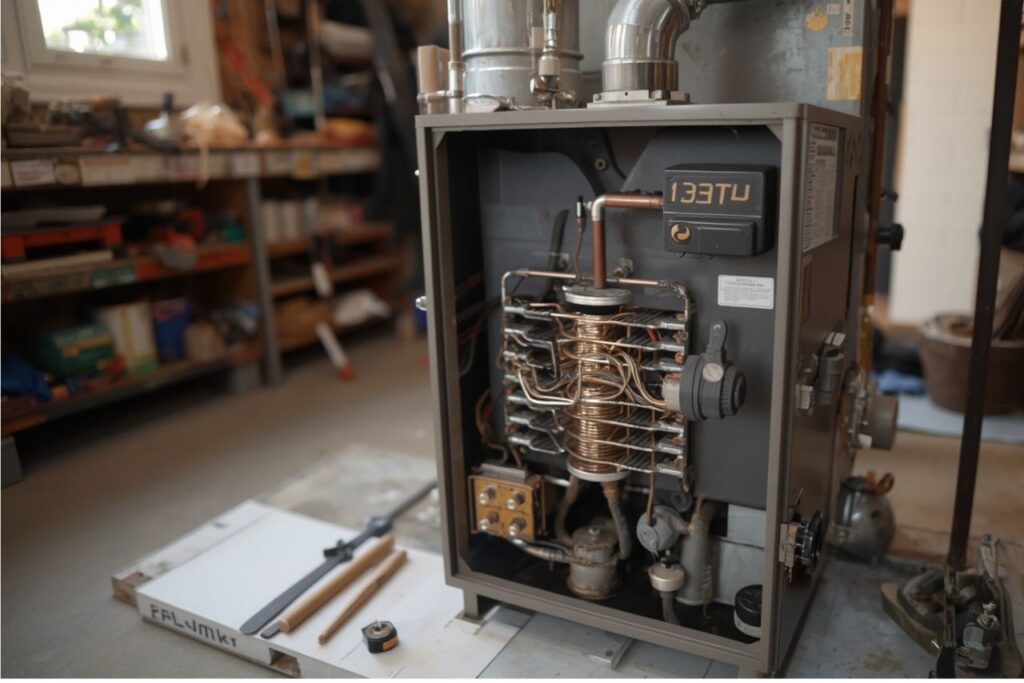
“More heat” upgrades for an electric fireplace are limited by the unit’s electrical design (voltage, current capacity, controls, wiring) and by safe airflow/temperature margins. 不能 The most reliable path is usually 拆卸加热器外壳紧固件,小心取出加热器总成。 installing a higher-wattage coil, but improving delivery: restoring airflow, reducing losses, and confirming the heater circuit is operating at its rated output.
Heater engineering references describe a heating element as an Thanh gia nhiệt, 加热元件制造商, 加热元件工厂, Giải pháp gia nhiệt đúc khuôn.
- (conductive alloy + insulating framework + lead connectors), so any “upgrade” must consider terminals, insulation, and heat transfer—not just the coil.
- Related product categories and capabilities:
- Understand the real limits: watts, wiring, and airflow
- Upgrade options ranked by safety and ROI
- Quick sizing math: wattage and what it feels like
- 常见问题(7个)
- Tài liệu tham khảo
(conductive alloy + insulating framework + lead connectors), so any “upgrade” must consider terminals, insulation, and heat transfer—not just the coil.
When (and when not) to swap to a “higher power” element 电阻(焦耳)加热方式运行. Installation discipline that prevents failures.
| Electric fireplaces produce heat through | . More heat generally means more electrical power. | But power is constrained by the fireplace’s supply circuit, internal wiring, control board/relays, and thermal safety devices. |
|---|---|---|
| Engineering guidance notes that heater design is about manipulating alloys and insulators into a useful component; if power increases without redesigning heat transfer and protection, | the element can run hotter, shorten life, or trip thermal cutoffs. | Constraint |
| What it controls | What happens if exceeded | Electrical rating (voltage/wattage) |
| 接线端子完整性 | Current draw and heat output | Overheated wiring/relays, nuisance trips, unsafe operation |
章节总结
Airflow (fan + clear path).
Related product categories and capabilities:
Element temperature and usable heat delivery.
Thermal cutoffs open; element runs hotter and fails sooner
| 选项 | Good value / low risk | Replace failing element with same rating |
|---|---|---|
| Medium value / medium risk | Install higher-wattage element | Uncertain value / high risk |
| What changes | Who it fits | Airflow restoration |
| Improves convection; lowers element temperature while delivering more heat into the room | Most households; especially dusty environments | Connector/terminal refresh |
| Reduces connection resistance heating; stabilizes output | Units with odor, discoloration, intermittent heat | Element replacement (same rating) |
章节总结
Restores designed performance if element aged/open.
Understand the real limits: watts, wiring, and airflow
Confirmed open/weak element via testing 1000W,,.
快速法则:更高的瓦特数通常意味着更多热量,但前提是设备的布线、控制器和气流均针对该负载设计。.
章节总结
瓦特数是“引擎排量”,但气流和安全控制器决定了有多少功率能转化为舒适的室内热量。.
Upgrade options ranked by safety and ROI
更换为更高瓦特数的加热元件存在风险,因为它改变了加热器“获取”功率的电气负载。工程指南指出,加热元件是电气负载发生的位置,.
通常不建议进行高瓦特数更换,除非以下所有条件均满足:
- 制造商文档明确支持更高热量的配置
- 内部布线、继电器和连接器额定值适用于增加的电流
- 热熔断器/限温控制器仍适用于新的热通量
- 存在气流余量(风扇容量和畅通的空气路径)
- 物理间隙和支撑件可防止下垂/接触
对于OEM级项目,“升级”通常意味着采用不同的加热器架构(例如集成热模块)。.
章节总结
若无明确的设计支持,增加瓦特数可能导致过热、频繁停机及过早失效;应首先考虑“输送升级”。.
Quick sizing math: wattage and what it feels like
即使进行同规格更换,安装质量也决定了安全性和耐久性。电器加热器维修指南强调,通过检查以下内容来确认新元件是否正确: 必须密切关注电压与功率,,.
| 控制步骤 | 重要性 |
|---|---|
| 验证额定值(电压/瓦特数) | 防止错误负载安装和过热 |
| 更换热损坏的接线端子 | 松动/高电阻接头会导致局部发热和电弧 |
| 恢复盖板和绝缘层 | 降低触电/火灾风险并保持气流路径畅通 |
章节总结
“更多热量”的尝试失败最常见的原因是连接不良以及盖板/气流控制缺失,而非元件技术本身不足。.
常见问题(7个)
1) 更高瓦特数的元件是否总能提升室内温度?
不一定。如果壁炉因热保护或气流限制而频繁关闭,平均输出热量可能保持不变,甚至更差。.
2) 从现有设备获得“更多热量”的最安全方法是什么?
恢复气流(清洁进/出风口、风机区域)并修复任何松动/烧毁的接线端子,使设备能够持续输出其额定功率。.
3) 为什么接线端子在热量升级中很重要?
加热器工程参考文献将加热元件定义为包含引线连接器的组件。高电阻接线端子可能在元件失效前就因过热而损坏。.
4) 我可以在壁炉内混合使用不同的加热技术(管式/板式/膜式)吗?
在消费者改装中,通常不可以。这些架构是设计阶段的决策。加热板强调均匀表面加热,而加热膜则强调薄型、柔性且通常为低压应用。.
5) 如何避免购买错误的替换元件?
确认物理尺寸匹配,并将电压/瓦特数与设备数据/规格铭牌进行核对。其他加热器的维修指南明确建议在安装前检查这些数值。.
6) “更高功率”的元件是否更容易失效?
如果瓦特密度和工作温度在未改善传热和气流的情况下升高,则可能如此。工程讨论指出,加热器寿命受温度、氧化和集成细节的影响。.
7) 在选购加热器零件时,哪些是良好的“质量信号”?
明确的规格(瓦特数、材料、认证),以及保修/退货政策。例如,零售列表可能标明瓦特数、材料、防护等级、UL认证和明确的保修期。.
Phần kết luận
升级电壁炉以获得更多热量主要是一个工程约束问题:加热器是电气负载,安全输出取决于布线、控制器和气流。.
Tài liệu tham khảo
-
加热元件定义、架构(悬浮式/嵌入式/支撑式)、材料选择、瓦特密度及寿命考量:
https://tutco.com/conductive/heating-elements -
来自加热器维修指南的安装规范概念(验证电压/瓦特数;牢固的导线连接;固定盖板):
https://www.whirlpoolwaterheaters.com/support/help/element-was-out-of-range/24 -
零售元件规格字段示例(1000W、材料、IP等级、UL认证、保修/退货):
https://usa.hudsonreed.com/1000-plug-in-watt-electric-heating-element-76309 -
加热器架构与集成模块的产品系列背景:
https://jinzho.com/
https://jinzho.com/about/
https://jinzho.com/product-category/heating-element/
https://jinzho.com/product-category/heating-element/heating-tubes/
https://jinzho.com/product-category/heating-element/heating-plate/
https://jinzho.com/product-category/heating-element/heating-film/
https://jinzho.com/product-category/die-casting-heating-solutions/
https://jinzho.com/product-category/electric-heater-parts/electric-boiler-heater/
免责声明:通用教育内容。电壁炉设计各异;请遵循具体型号的文档和当地电气安全要求。.