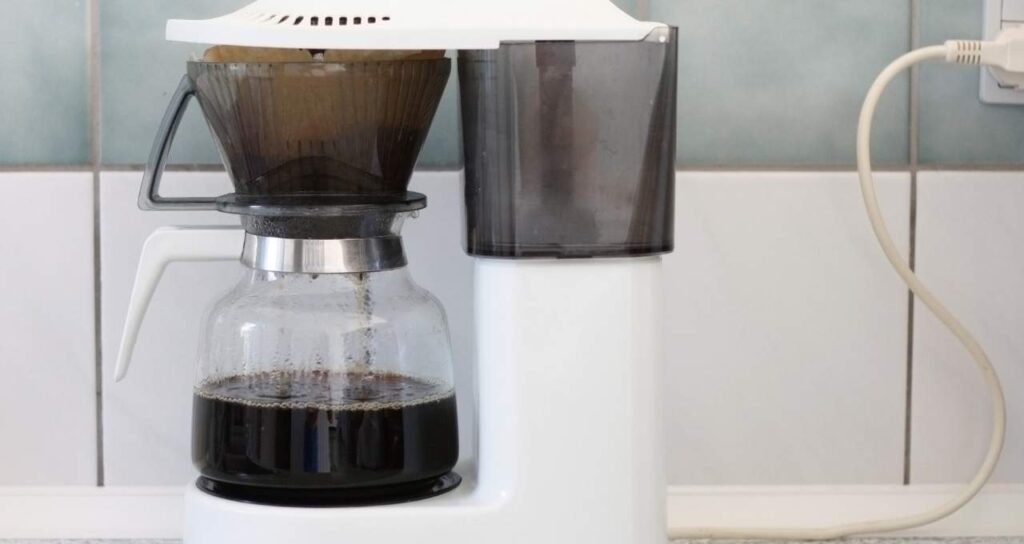
Các tính năng an toàn của bộ phận gia nhiệt trong máy pha cà phê: Hướng dẫn chi tiết

咖啡机加热元件 (27)
咖啡机加热元件 (27)

The daily ritual of brewing coffee is a cornerstone of modern life for millions. Behind every perfectly hot cup of espresso, drip coffee, or latte is a powerful, yet often overlooked, component: the Thanh gia nhiệt. This device is responsible for converting electrical energy into thermal energy with remarkable speed and precision. However, with great power comes the need for robust safety measures. A malfunctioning bộ phận làm nóng can pose significant risks, from machine damage to fire and electrical hazards.

Fortunately, modern 咖啡机中。 are equipped with a sophisticated ecosystem of safety features designed to prevent such incidents. These mechanisms are not a single component but an integrated system of electrical, mechanical, and material safeguards. Understanding these features is crucial not only for appreciating the engineering in your appliance but also for recognizing the importance of quality components and proper maintenance. This article provides a deep dive into the critical safety features of a **热交换器**:HX机器有一个带加热元件的大型蒸汽锅炉。一根独立的、装有冲煮用水的铜管穿过此锅炉,在流向冲煮头的途中被瞬时加热。这使得同时冲煮和产生蒸汽成为可能。, exploring how they work in concert to ensure a safe and reliable brewing experience every time. From primary thermal cut-offs to the very materials used in their construction, we will uncover the unseen guardians that protect your daily coffee ritual.

The Core Principle: How a Coffee Machine Heating Element Functions

Before exploring the safety mechanisms, it is essential to understand the basic operation of a heating element. At its core, the component works on the principle of Nhiệt lượng Joule, or resistive heating. When an electric current passes through a material with electrical resistance, the electrical energy is converted into heat.

In a typical 咖啡机, this involves a resistive coil, often made from a nickel-chromium alloy (Nichrome), encased within a protective metal tube or sheath. This sheath is commonly made of stainless steel, copper, or Incoloy. To prevent the resistive coil from making electrical contact with the outer sheath—which would create a dangerous short circuit—the space between them is filled with a material that is an excellent electrical insulator but a good thermal conductor. Magnesium oxide (MgO) powder is the industry standard for this purpose, as it efficiently transfers heat to the sheath while preventing the flow of electricity.

The heated sheath then transfers this thermal energy to the water, either by being directly immersed in a boiler (common in espresso machines) or by having water pass through a heated block (a thermoblock or thermocoil system). The primary goal is to raise the water temperature to a precise range, typically between 90°C and 96°C (195°F and 205°F), for optimal coffee extraction. The efficiency and safety of this entire process depend on the layers of protection built around this core function.

Primary Safety Mechanisms: The First Line of Defense

These are the active components that constantly monitor and control the element’s operation to keep it within safe parameters. They are the first responders to any deviation from normal operating conditions.

Thermostats and Thermal Cut-Offs (TCOs)

The most fundamental safety system in any ,您必须优先确保通风。 is temperature control. In coffee machines, this is typically managed by a two-part system: a regulating thermostat and a safety thermal cut-off.

  • Regulating Thermostats: A thermostat is a reusable switch that controls the temperature of the boiler or thermoblock. Most commonly, these are bimetallic thermostats. They consist of two different metals bonded together, which expand at different rates when heated. As the temperature rises to the desired setpoint, the strip bends, breaking an electrical contact and cutting power to the bộ phận làm nóng. As the water cools slightly, the strip straightens, re-establishes the connection, and allows the element to heat again. This cycling action maintains the water temperature within a specific range. In more advanced machines, electronic thermostats connected to a PID (Proportional-Integral-Derivative) controller offer much more precise temperature stability.
  • Thermal Cut-Offs (TCOs) or Thermal Fuses: While a thermostat regulates normal operation, a 测试开路:将两个表笔分别放在元件的两个接线端上。健康的加热元件本质上是一个大电阻,应该形成闭合电路。如果万用表不发出蜂鸣声或显示“OL”(开路),则内部线圈已断裂。该元件已失效,必须更换。 is a crucial one-time safety device. It is designed to protect against a runaway heating situation, which could occur if the primary thermostat fails in the “on” position. A TCO is a small, non-resettable component that contains a fusible alloy designed to melt at a specific, very high temperature—one that is well above the machine’s normal operating range but below the point where components would melt or ignite. If this critical temperature is reached, the alloy melts, permanently breaking the electrical circuit to the heating element and preventing a catastrophic failure. This is the ultimate defense against overheating protection.

Pressurestats and Safety Release Valves

These features are specific to espresso machines that use a steam boiler to generate pressure for frothing milk. The heating element in these machines heats water to create steam, which inherently builds pressure within the sealed boiler.

  • Pressurestats: A pressurestat is a pressure-sensitive switch. It monitors the steam pressure inside the boiler. When the pressure reaches a preset level (e.g., 1.2 bar), the pressurestat opens the circuit to the heating element. As steam is used or naturally condenses, the pressure drops, and once it falls below a certain threshold, the pressurestat closes the circuit, reactivating the element to build pressure again. It functions similarly to a thermostat but responds to pressure instead of temperature.
  • Mechanical Safety Valves: As a backup to the pressurestat, every certified boiler is equipped with a mechanical safety valve, sometimes called an over-pressure valve (OPV), though that term is more commonly used for the brew-side pump. This spring-loaded valve is designed to automatically open and vent steam if the pressure inside the boiler exceeds a safe physical limit (e.g., 1.5-1.8 bar). This prevents the boiler from over-pressurizing and potentially rupturing in the event of a pressurestat failure.

Water Level Sensors and Dry Boil Protection

One of the fastest ways to destroy a 加热元件式咖啡机 is to power it on without water. This condition, known as 干烧, causes the element’s temperature to skyrocket in seconds, as there is no water to absorb the heat. This can melt internal components, damage the boiler, and create a fire hazard.

To prevent this, machines are equipped with water level sensors. These typically work via a simple conductive circuit. One or more probes are placed inside the boiler. When water is present, it completes a low-voltage circuit between the probes (or between a probe and the grounded boiler wall). If the water level drops below the probe, the circuit is broken. The machine’s control board detects this open circuit and immediately cuts power to the heating element, often displaying a “low water” warning light. This auto shut-off function is a critical safeguard against user error and element burnout.

Advanced and Material-Based Safety Features

Beyond active components, the very design and materials of a heating element contribute significantly to its overall safety profile. A reputable electric heating element manufacturer places immense focus on material science and construction quality.

Material Science and Construction Integrity

The choice of materials is fundamental to the longevity and safety of a heating element.

  • 护套材料: The outer tube must withstand high temperatures, pressure, and the corrosive effects of water, especially in areas with hard water.
    • Stainless Steel (e.g., 304, 316L): Offers a good balance of durability, heat transfer, and 耐腐蚀性. 316L is particularly resistant to pitting and corrosion from chlorides.
    • Copper: Provides excellent thermal conductivity but can be more susceptible to corrosion over time if water chemistry is not managed.
    • 因科洛伊: A nickel-based superalloy that offers superior strength at high temperatures and excellent resistance to oxidation and corrosion, often used in high-end or commercial applications.
  • 内部绝缘: 如前所述,, **氧化镁**)与护套电气绝缘。 粉末被紧密地填充在加热线圈周围。这种氧化镁的质量和密度至关重要。如果其中含有杂质或压实不当,可能导致元件上出现“热点”或其介电强度下降,从而增加 短路.
  • 焊接与密封: 元件焊接到安装法兰的位置以及电气端子伸出护套的位置是潜在的故障点。高质量的制造采用激光焊接等技术,并使用坚固的环氧树脂或陶瓷密封件来防止湿气侵入。湿气侵入可能损害内部绝缘并导致电气故障。.

电气安全:接地与绝缘

直接的电气安全对于防止触电风险至关重要。.

  • 接地: 每台带有金属外壳的咖啡 机都配备了三脚插头,其中第三脚为接地连接。 加热元件的金属法兰和机器的 底盘都连接到这根接地线上。如果发生内部故障,导致带电的加热线圈接触到外部护套, 接地 会为巨大的浪涌电流提供一条安全的路径流向大地。这将立即触发家庭配电盘中的断路器跳闸或熔断保险丝,从而切断电源,防止机器的金属外壳带电而造成危险。.
  • 介电强度: 这指的是绝缘材料(氧化镁粉末)承受高电压而不被击穿、防止电流泄漏的能力。制造商会进行高压测试(耐压测试),以确保元件的绝缘性能可靠,即使在压力下也能安全地将电力限制在线圈内部。.

咖啡机加热管 (28)

数据可视化:安全性与故障图表化

可视化数据有助于阐明这些安全特性和常见故障点的重要性。.


图表 1:加热管常见故障原因

[图表:一个标题为“加热管常见故障原因”的饼图,显示水垢积聚 (45%)、干烧 (25%)、电气故障/浪涌 (15%)、材料疲劳/老化 (10%) 和制造缺陷 (5%)。]

该图表突出表明,近一半的故障可归因于 水垢 水垢积聚——一个可预防的问题,这强调了用户维护的重要性。.


图表 2:有无热熔断器 (TCO) 时的温度调节

[图表:一个标题为“温控器故障情景”的线形图。X轴代表时间,Y轴代表温度。一条蓝色线“正常操作”在90°C至96°C之间循环。一条红色线“故障温控器”开始正常循环,但随后开始不受控制地攀升超过100°C。在150°C处,出现一条标记为“TCO 跳闸点”的垂直虚线,红色线立即变为水平,表示电源已被切断。]

此可视化图表清晰地展示了热熔断器作为不容妥协的安全备份的作用,防止了热失控事件的发生。.


图表 3:常见 加热元件材料的耐腐蚀性

[图表:一个标题为“在酸性水中的相对耐腐蚀性”的条形图。Y轴是从“低”到“非常高”的定性标度。条形显示:铜 (中等)、不锈钢304 (高)、不锈钢316L (非常高)、因科洛伊800 (非常高)。]

该图表支持了关于材料科学的讨论,展示了为何选择特定合金以在咖啡机锅炉的严苛环境中获得卓越的耐用性。.


认证与质量控制的作用

加热管的安全性不仅是理论上的;它必须经过验证。独立认证提供了这种保证。请寻找以下标志:

  • UL (美国保险商实验室): 一项北美认证,表明产品符合严格的安全和性能标准。.
  • VDE (德国电气工程师协会测试与认证研究所): 一项全球认可的电气工程安全德国标准。.
  • CE 标志: 一项声明,表明产品符合在欧洲经济区 (EEA) 内销售产品的健康、安全和环境保护标准。.
  • RoHS (有害物质限制): 确保产品不含铅、汞等特定有害物质。.

这些认证意味着该加热管已针对电气安全、材料完整性及故障条件下的性能进行了严格测试。致力于这些标准的制造商在质量控制上投入巨大,包括对每批产品进行电阻检查、高压绝缘测试和压力测试。.

用户责任:通过维护确保持续安全

咖啡机内置的精密安全系统可能因疏忽而失效。用户最重要的一项维护任务是**定期除垢**。 **症状**.

当水被加热时,碳酸钙和碳酸镁等矿物质会析出并在加热管表面形成水垢。这种水垢起到绝缘层的作用,迫使加热管更努力地工作,内部温度变得高得多,才能将等量的热量传递给水。这种持续的过热状态会加速材料疲劳,显著增加热熔断器跳闸的风险,并最终可能导致加热管过早完全失效。根据制造商的说明定期除垢,是确保机器长期安全高效运行的最佳方法。.

结论:一个集成的保护生态系统

一台设备的安全性并非源于单一特性,而是一个深度集成的生态系统。它始于对高质量、耐腐蚀材料的慎重选择以及精密的制造工艺。它由一组警觉的恒温器和压力开关主动管理,并由终极守护者——热熔断器和机械安全阀——进行监控。整个系统通过接地来防止触电,并通过全球标准认证来保证其可靠性。 咖啡机加热元件 热熔断器,或称热熔断体,是一种一次性安全装置,旨在防止灾难性的过热。如果主温度控制装置(恒温器)失效,并且.

从通用加热管 Thanh gia nhiệt 的坚固设计到您机器内的特定工程,这些特性在后台默默工作。通过理解这些安全机制的复杂相互作用并坚持定期维护,用户可以自信地享用每日咖啡,信赖那些使其成为安全可靠享受的隐藏工程。.

常见问题解答 (FAQ)

1. 什么是热熔断器 (TCO),它为何如此重要?
加热元件的温度 上升到危险水平,热熔断器内部的合金会熔化,永久性地切断电路。它是一个关键的故障安全装置,可防止机器损坏、部件熔化以及潜在的火灾隐患。 2. 我可以更换我的.

2. Can I replace my 咖啡机加热元件 更换加热元件?
虽然具备专业技术知识的人在物理上可以操作,但这是一项复杂的任务,涉及高压电力和管道作业。不正确的安装可能导致泄漏、电气短路,并使机器的安全认证失效。出于安全原因,强烈建议由合格的技术人员执行加热管更换,他们可以确保所有连接牢固并经过适当测试。.

3. 水垢积聚如何影响加热管的安全性?
水垢在加热管表面形成一层绝缘覆盖层。这迫使内部线圈达到更高的温度来加热水,导致长期过热。这种持续的压力可能导致热熔断器 (TCO) 过早熔断,使加热管材料降解,并显著缩短其使用寿命,从而增加故障风险。.

4. 为什么我的咖啡机有低水位自动关闭功能?
此功能,称为防干烧或干烧保护,对于防止加热管立即遭受严重损坏至关重要。如果加热管在没有水吸收其热量的情况下通电,其温度可在几秒钟内升至破坏性水平。自动关闭功能使用水位传感器检测缺水情况,并立即切断加热管电源,防止其烧毁。.

Tài liệu tham khảo

  • Stefano’s Espresso Care. (无日期). 意式咖啡机加热元件. 检索自 espressocare.com
  • HowStuffWorks. (2006). 如何修理咖啡机. 检索自 home.howstuffworks.com
  • Chris’ Coffee. (无日期). 咖啡锅炉加热元件. 检索自 chriscoffee.com
  • Great Infusions. (n.d.). 家用意式咖啡机替换加热元件. 检索自 greatinfusions.com
  • Home-Barista.com. (2019). 使用万用表测试加热元件. 检索自 home-barista.com
  • Coffee Addicts. (无日期). 加热元件. 检索自 coffeeaddicts.ca
  • Jinzho. (无日期). 咖啡机加热管. 检索自 jinzho.com
  • iFixit. (n.d.). Cuisinart DCC-1200 加热管更换. 检索自 ifixit.com
  • Reddit. (2023). 咖啡机中的加热管. 检索自 reddit.com/r/diyelectronics/

Hình ảnh của Mari Cheng

Mari Thành

Xin chào mọi người, tôi là Mari Cheng, "người phụ trách hệ thống sưởi điện" của Công ty TNHH Công nghệ Sưởi Điện Tấn Trung. Nhà máy của chúng tôi đã hoạt động trong lĩnh vực linh kiện sưởi điện được 30 năm và đã phục vụ hơn 1.000 khách hàng trong và ngoài nước. Trong các bài viết tiếp theo, tôi sẽ chia sẻ kiến thức thực tế về linh kiện sưởi điện, câu chuyện sản xuất tại nhà máy và nhu cầu thực tế của khách hàng. Nếu bạn có bất kỳ câu hỏi nào, vui lòng bình luận hoặc liên hệ trực tiếp với tôi, tôi sẽ chia sẻ tất cả những gì tôi biết ~

Cần trợ giúp?

Nếu bạn có bất kỳ thắc mắc nào, vui lòng liên hệ với chúng tôi để được hỗ trợ. Chúng tôi cũng sẽ cung cấp báo giá mới nhất và mẫu miễn phí.