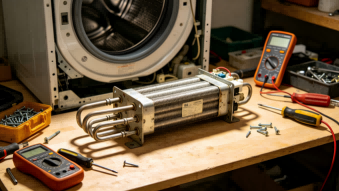
Продление срока службы сушильной машины для белья нагревательный элемент в первую очередь сводится к контролю рабочей температуры нагревательного элемента и предотвращению предотвратимых нагрузок.
В контексте источников и технологий, выходящих за рамки сушильных машин, семейства продуктов обычно группируются по потребностям в теплопередаче. Нагревательный элемент и представляет себя как Производитель нагревательных элементов с возможностями полного цикла, описанными на её Завод по производству нагревательных элементов странице. Интегрированные модули также рассматриваются в разделе Решения по нагреву при литье под давлением.
- Почему нагревательные элементы сушильных машин выходят из строя преждевременно
- Управление воздушным потоком: рычаг продления срока службы с наибольшей окупаемостью
- Электрическая нагрузка: соединения, циклы и горячие точки
- График технического обслуживания (домашние условия + объекты)
- Выбор запасных частей и практики установки, предотвращающие повторные отказы
- Таблицы данных и диаграммы (приоритизация рисков)
- Часто задаваемые вопросы (4)
- Заключение
- Источники и внешние ссылки
Почему нагревательные элементы сушильных машин выходят из строя преждевременно
Нагревательные элементы сушилок функционировать в качестве резистивного (джоулевого) нагрева устройства: ток проходит через резистивный сплав, и тепло выделяется в точке электрической нагрузки.
Четыре основных пути отказа
| Путь отказа | Что его вызывает | Как он сокращает срок службы | Что обычно замечают пользователи |
|---|---|---|---|
| Перегрев из-за ограничения воздушного потока | Накопление ворса, сжатые/длинные воздуховоды, заблокированные вентиляционные отверстия, недостаточный приточный воздух | Повышает температуру катушки; ускоряет окисление и деформацию | Долгое время сушки, очень горячий корпус, повторяющиеся срабатывания термопредохранителя |
| Электрические горячие точки | Ослабленные клеммы, поврежденные соединители, плохое контактное давление | Локальный резистивный нагрев на клеммах повышает температуру и риск отказа | Прерывистый нагрев, обесцвечивание на соединителях, запах гари |
| Усталость от термических циклов | Частые циклы включения/выключения, привычки к высокому нагреву, превышение регулировки | Повторяющиеся расширение/сжатие способствуют растрескиванию и разрушению | Нагрев работает иногда, затем со временем отказывает чаще |
| Среда загрязнения/коррозии | Химические пары, влажность, пыль, отложения на поверхностях нагревателя | Несоответствие материалов может сократить срок службы; поведение оксидного слоя имеет значение | Неожиданный ранний отказ при нормальном воздушном потоке |
Ключевые слова LSI, соответствующие реальным результатам ремонта
**ограничение воздушного потока**, **уловитель ворса**, **вентиляционный воздуховод**, **термопредохранитель**, **частота циклов**, **резистивный сплав**, **оксидный слой**, **перегрев клемм**, **теплопередача**.
Управление воздушным потоком: рычаг продления срока службы с наибольшей окупаемостью
В сушильной машине воздушный поток является механизмом охлаждения элемента. Когда воздух движется неправильно, рабочая температура элемента повышается.
Контрольный список по воздушному потоку (практический и измеримый)
- Дисциплина очистки сетки для ворса: удаляйте ворс после каждой загрузки; частично заблокированная сетка изменяет воздушный поток и повышает температуру нагревателя.
- Проверка вытяжного тракта: убедитесь, что внешняя вентиляционная заслонка полностью открывается во время работы и не заблокирована.
- Контроль геометрии воздуховода: минимизируйте длину и количество колен, где это возможно; избегайте сжатых гибких воздуховодов.
- Вентиляция помещения: обеспечьте достаточный приточный воздух, особенно в небольших прачечных.
Относительное влияние на срок службы элемента (качественная оценка)
Почему ограничение воздушного потока обходится дорого (скрытые затраты)
Обсуждения в инженерных кругах по нагревателям подчеркивают, что скрытые затраты часто превышают стоимость детали: повторные отказы, трудозатраты и простои могут значительно превысить цену элемента.
Ограничения воздушного потока удлиняют время работы, увеличивая потребление энергии и износ компонентов.
Замена нагревателя без устранения проблемы с воздушным потоком часто приводит к повторению схемы отказа.
Электрическая нагрузка: соединения, циклы и горячие точки
Нагревательный элемент является точкой электрической нагрузки прибора. Инженерные справочники описывают, как выбор сплава и конструктивные решения влияют на эффективность и надежность.
Качество соединения и почему это важно
Даже небольшое увеличение контактного сопротивления может создать непропорциональный рост температуры на клеммах, особенно в течение длительных циклов.
Циклирование и поведение управления
Инженерные руководства по нагревателям отмечают, что быстрое температурное циклирование может сократить срок службы, когда оксидные слои и основные сплавы расширяются по-разному.
Меры безопасности при выполнении электромонтажных работ
Обслуживание электрооборудования должно проводиться в соответствии с местными нормами и инструкциями по эксплуатации прибора. При диагностике или замене нагревателя наиболее безопасной практикой является обесточивание устройства,.
График технического обслуживания (домашние условия + объекты)
Продление срока службы в основном достигается за счет регулярного обслуживания. Приведенный ниже график ориентирован на действия, которые напрямую снижают температурную нагрузку на нагреватель и предотвращают отказы, вызванные нарушением воздушного потока.
| Частота | Действие | Назначение | Как выглядит “правильно выполненная работа” |
|---|---|---|---|
| После каждой загрузки | Очистите фильтр для ворса | Поддерживает воздушный поток и снижает температуру нагревателя | Фильтр визуально чист; отсутствие восковых отложений |
| Ежемесячно | Осмотрите наружное вентиляционное отверстие | Подтверждает отсутствие препятствий для выхода воздуха | Заслонка вентиляции свободно открывается во время работы |
| Ежеквартально | Проверьте воздуховод на наличие перегибов, сжатий и избыточного ворса | Снижает риск перегрева из-за ограничения потока | Воздуховод цел, имеет гладкий путь, минимальное количество изгибов |
| Ежегодно | Глубокая очистка вытяжного тракта и внутренних зон скопления ворса (по возможности) | Восстанавливает воздушный поток и снижает риск возгорания/перегрева | Измеримое улучшение времени сушки; отсутствие запахов от локального перегрева |
Выбор запасных частей и практики установки, предотвращающие повторные отказы
Если требуется замена, выбор детали должен основываться на технических характеристиках. Инженерные рекомендации подчеркивают, что внешне схожие резистивные сплавы могут различаться по составу и содержанию микроэлементов,.
Что требовать от надежного описания товара
Хорошо составленная страница товара обычно содержит номинальную мощность, материалы, сертификаты (где применимо), гарантию и условия возврата.
| Поле описания | Почему это важно для стоимости жизненного цикла | Распространенный тревожный признак |
|---|---|---|
| Электрические номинальные параметры | Позволяет избежать неправильного применения и перегрева | Отсутствие данных о напряжении/мощности |
| Раскрытие информации о материалах | Позволяет прогнозировать термостойкость и коррозионную чувствительность | Общая формулировка “высококачественный металл” без уточнений |
| Сертификаты / соответствие требованиям | Указывает на ожидаемые испытания для целевого рынка | Неподтвержденные заявления без документации |
| Гарантия и возврат | Снижает затраты на ошибочную покупку деталей и дефекты качества | Отсутствие четкой политики возврата |
Дисциплина установки: предотвращение немедленного повторного отказа
Хотя предоставленные шаги поддержки производителя касаются элементов водонагревателей (а не сушилок), основные принципы остаются применимыми:.
Таблицы данных и диаграммы (приоритизация рисков)
Следующее представление в виде инструмента помогает расставить приоритеты действий. Цель — воздействовать на переменные, наиболее сильно влияющие на температуру и стабильность нагревателя.
Приоритетность для продления срока службы (качественная оценка)
Диагностическая карта (симптом → вероятная причина)
| Симптом | Наиболее вероятная причина | Первый шаг проверки |
|---|---|---|
| Сушилка работает значительно дольше, чем раньше | Ограничение воздушного потока / проблемы с вентиляцией | Проверьте фильтр для ворса + поток из наружного вентиляционного отверстия |
| Нагреватель выходит из строя каждые несколько месяцев | Цикл ограничения потока + перегрева; плохое состояние клемм | Осмотрите воздуховод, тракт вентилятора и изменение цвета клемм |
| Прерывистый нагрев | Ослабленные соединения или ненормальное циклирование контроллеров | Проверьте разъемы и посадку жгутов проводов |
| Запах гари возле задней/боковой панели | Скопление ворса или перегрев клемм | Прекратите использование и осмотрите вытяжной тракт и клеммы |
Часто задаваемые вопросы (4)
1) Что больше всего продлевает срок службы нагревательного элемента сушилки?
Улучшение и поддержание воздушного потока. В сушилке воздушный поток отводит тепло от элемента; ограничение потока повышает температуру элемента и ускоряет механизмы отказа, такие как окисление и деформация.
2) Почему “новый” нагревательный элемент может быстро выйти из строя?
Наиболее распространенные причины связаны с системными проблемами, а не с самой деталью: ограниченный воздушный поток, сильное скопление ворса или электрические горячие точки из-за ослабленных соединителей.
3) Имеет ли значение качество сплава для нагревательных элементов бытовых приборов?
Да. Инженерные источники отмечают, что резистивные сплавы могут различаться у разных производителей и могут содержать микроэлементы, влияющие на свойства и срок службы.
4) Что следует проверять при замене любого нагревательного элемента?
Проверить соответствие номинальных параметров и посадку, обеспечить надежность электрических соединений и установить на место защитные крышки/изоляцию. Заводские инструкции по замене элемента (в водонагревателях) прямо подчеркивают важность плотных соединений и безопасного ввода в эксплуатацию; та же дисциплина снижает количество ошибок в других приборах.
Заключение
Наиболее надёжный способ продлить срок службы нагревательного элемента сушилки заключается в поддержании элемента достаточно охлаждённым для работы в пределах заданного температурного диапазона.
Источники и внешние ссылки (прозрачность)
В статье использовались следующие источники для фактического обоснования концепций проектирования нагревательных элементов (токопроводящие и изоляционные сборки, резистивный/джоулев нагрев, изменчивость материалов, влияние окружающей среды, затраты на жизненный цикл), а также для процедуры замены в стиле производителя с акцентом на проверку номиналов и плотность соединений. В качестве примера “хорошей прозрачности спецификаций” (материалы, сертификаты, гарантия/возврат) использовалась страница розничного товара. Заявления о компании/семействе продуктов были взяты из опубликованных описаний Jinzhong.
-
Обзор инженерии нагревательных элементов (материалы, типы интеграции, влияние окружающей среды, вопросы жизненного цикла):
https://tutco.com/conductive/heating-elements -
Этапы замены элемента в стиле производителя (проверка номиналов, плотные соединения, предупреждения по вводу в эксплуатацию):
https://www.whirlpoolwaterheaters.com/support/help/element-was-out-of-range/24 -
Пример прозрачности спецификаций в описании нагревателя (материалы, степень защиты IP, одобрение UL, гарантия/возврат):
https://usa.hudsonreed.com/1000-plug-in-watt-electric-heating-element-76309 -
Таксономия и возможности производителя/продуктовой линейки (нагревательные трубки/пластины/пленки; интегрированные литые под давлением модули):
https://jinzho.com/ | https://jinzho.com/product-category/heating-element/ | https://jinzho.com/product-category/die-casting-heating-solutions/
Отказ от ответственности: Данный материал носит образовательный характер и не заменяет конкретное руководство по эксплуатации сушилки или местные требования электробезопасности. При неуверенности в ремонте рекомендуется обратиться к квалифицированному специалисту.