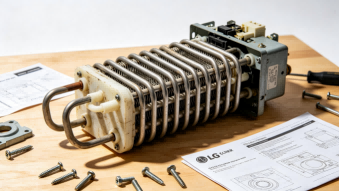
Большинство неудачных замен нагревателя сушилки вызваны не самой новой деталью, а предотвратимыми ошибками при диагностике, установке и проверке безопасности. проверки электрических параметров, оставление незатянутых клемм,.
Нагревательные компоненты в различных приборах основаны на общих инженерных принципах. Семейства продуктов, такие как Нагревательный элемент (трубки/пластины/плёнки), Производитель нагревательных элементов и поддерживаемые возможностями Завод по производству нагревательных элементов, Решения по нагреву при литье под давлением , иллюстрируют, как механическая конструкция и теплопередача часто рассматриваются совместно в современных нагревательных сборках.
- Перед началом работы: шаги по обеспечению безопасности и подтверждению
- Наиболее распространённые ошибки при замене (в порядке убывания частоты)
- Ошибки диагностики: замена нагревателя при неисправности в другом месте
- Электрические ошибки: проводка, клеммы и проверка
- Ошибки, связанные с воздушным потоком и температурой: ворс, воздуховоды и перегрев
- Ошибки при закупке и выборе качества: как выбрать надёжные детали
- Контрольный список после ремонта (сервисного уровня)
- ВОПРОСЫ И ОТВЕТЫ (8)
- Заключение
- Источники и внешние ссылки
Перед началом работы: шаги по обеспечению безопасности и подтверждению
Цепь нагревателя сушилки сочетает высокий ток и высокую температуру. Безопасный рабочий процесс начинается с отключения электропитания на соответствующем разъединителе.
Примечание по безопасности (EEAT)
Электрическое обслуживание может привести к удару током, ожогам или пожару. При наличии сомнений в изоляции, заземлении или целостности проводки.
Краткий контрольный список для проверки
| Проверять | Как выглядит “правильно” | Почему это предотвращает повторные отказы |
|---|---|---|
| Правильная идентификация детали | Указаны точная модель/серийный номер; нагревательная сборка соответствует | Исключает несоответствие геометрии или разъёмов |
| Соответствие номинала элемента | Напряжение/мощность соответствуют требованиям прибора | Предотвращает перегрузку, перегрев и ложные срабатывания |
| Подтверждена коренная причина | Наличие обрыва цепи, замыкания на корпус или повреждения корпуса | Исключает ремонт методом “стрельбы деталями” |
| Базовый уровень воздушного потока | Путь ворса и вытяжной воздуховод подтверждены как чистые | Исключает немедленные циклы перегрева |
Наиболее распространённые ошибки при замене (в порядке убывания частоты)
Ошибки ниже ранжированы по частоте, с которой они приводят к повторному отказу или инциденту безопасности. Они написаны для осведомлённых читателей и сервисных групп, стремящихся к воспроизводимым результатам.
Типичное влияние на повторные отказы (качественная оценка)
Ошибка 1: Замена нагревателя без подтверждения его неисправности
Жалоба на “отсутствие нагрева” в сушилке может быть вызвана несколькими неисправностями: вышедший из строя термопредохранитель, заклинивший в открытом положении циклический термостат, проблема с реле на плате управления,.
Ошибка 2: Установка детали, не являющейся электрически эквивалентной
Нагревательные элементы являются резистивными нагрузками. Если номинал мощности или напряжения не соответствует, цепь может работать вне проектных условий.
Ошибка 3: Отношение к элементу как к “просто проводу”, а не как к инженерной сборке
Инженерные справочники определяют нагревательный элемент как компонент, сочетающий электропроводящий материал с изолирующими структурами и выводами.
Ошибки диагностики: замена нагревателя при неисправности в другом месте
Дисциплинированная диагностика снижает количество повторных ремонтов. Наиболее распространённые ошибки диагностики — неполная классификация симптомов и игнорирование условий, которые привели к выходу из строя предыдущего нагревателя.
Характерные симптомы, часто указывающие не на элемент
| Наблюдаемое поведение | Вероятен ли отказ только элемента? | Альтернативы с высокой вероятностью |
|---|---|---|
| Нагрев появляется ненадолго, затем отключается | Иногда | Термопредохранитель, циклический термостат, ограниченная вентиляция, вызывающая перегрев |
| Срабатывание автомата при нагреве | Возможно | Замыкание на корпус, зажатый провод, повреждённая изоляция корпуса нагревателя |
| Работает, но не сушит | Часто нет | Ограничение воздушного потока, замятый воздуховод, заблокированный путь фильтра для ворса |
Ошибка 4: Игнорирование вопроса “почему это вышло из строя”
Инженерные руководства по нагревателям подчёркивают “менее очевидные затраты” и мышление, ориентированное на жизненный цикл: деталь, выходящая из строя повторно, создаёт затраты на труд, время простоя и неудовлетворённость клиента.
Электрические ошибки: проводка, клеммы и проверка
Электрические ошибки являются как распространёнными, так и дорогостоящими, поскольку они могут вызвать перегрев в точке контакта. Даже небольшое увеличение сопротивления соединения при высоком токе усиливает локальный нагрев. По этой причине в регламентах обслуживания нагревательных элементов другого оборудования прямо указывается на необходимость плотных соединений.
Ошибка 5: Ослабление клемм или их неправильная установка
Ослабленные клеммы могут обесцвечиваться, окисляться и терять пружинное натяжение. Это может перерасти в искрение и отказ соединителя. Профессиональный рабочий процесс включает очистку контактных поверхностей при необходимости, обеспечение полной фиксации соединителя и проверку механической стабильности после повторной сборки.
Ошибка 6: Повреждение изоляции или прокладка проводов вблизи горячих поверхностей
Корпуса нагревателей часто используют изолирующие барьеры и продуманную прокладку проводов для удаления проводников от горячих металлических поверхностей. Зажатая проводка, отсутствующие втулки или смещённая изоляция могут вызвать короткое замыкание на корпус или прогрессирующее разрушение изоляции.
Ошибка 7: Пропуск послеустановочной электрической проверки
Замена нагревателя должна завершаться измерениями, а не надеждой. Как минимум, сервисная группа должна подтвердить: целостность цепи нагревательного элемента (ожидаемый диапазон сопротивления), отсутствие целостности между выводами элемента и корпусом там, где должна быть изоляция, а также стабильное напряжение питания в рабочих условиях. Это позволяет избежать повторного снятия панелей после возврата по причине отсутствия нагрева.
Подтвердить, что цепь нагрева не повреждена и не заземлена там, где должна быть изолирована.
Ослабленные соединения создают локальный нагрев и могут имитировать симптомы неисправности нагревателя.
Ошибки, связанные с воздушным потоком и температурой: ворс, воздуховоды и перегрев
Сушильные нагреватели зависят от контролируемого воздушного потока для переноса тепла в барабан и вывода его наружу. Если воздушный поток падает, температура нагревателя повышается. Циклическое превышение температуры увеличивает термическое циклирование нагрузку и может привести к срабатыванию защитных устройств или деформации опор нагревателя. Именно поэтому воздушный поток является наиболее упускаемой из виду первопричиной в случаях, когда “новый нагреватель не решил проблему”.
Ошибка 8: Замена нагревателя при сохранении ограниченной вентиляционной системы
Забитый корпус фильтра для ворса, смятый гибкий воздуховод, длинные вентиляционные трассы или ограничения внешней заслонки могут вызвать перегрев. Во многих регионах накопление ворса и ограничения в воздуховодах являются одними из наиболее частых причин плохой производительности сушки и отключения нагревателя. Ремонт считается неполным до подтверждения воздушного потока.
Практические проверки воздушного потока (сервисного уровня)
- Осмотрите фильтр для ворса, корпус фильтра и вход вентилятора на наличие спрессованного ворса.
- Проверьте целостность воздуховода по всей длине; устраните перегибы и сплющенные участки.
- Убедитесь, что внешний вентиляционный клапан полностью открывается и не заблокирован.
- Проверьте, что сушилка не придвинута вплотную к стене, сдавливая вытяжку.
Что обычно увеличивается при ограниченном воздушном потоке (качественная оценка)
Ошибки при закупке и выборе качества: как выбрать надёжные детали
Ещё одним фактором повторных отказов является некачественная закупка: покупка только на основе ключевых слов по мощности, а не полноты спецификации. Надёжное описание продукта обычно включает материалы, сертификаты, гарантийные условия и политику возврата — сигналы того, что продавец ожидает проверки и может поддержать решение проблем. Например, страница продукта для вставного нагревательного элемента (для радиаторов/полотенцесушителей) указывает мощность, материалы, степень защиты от проникновения, сертификацию UL, гарантию и возврат, иллюстрируя модель прозрачности, которую покупатели должны искать даже в каналах запчастей для сушилок.
Ошибка 9: Предположение, что “универсальный” означает правильный
Заявления об универсальной совместимости могут скрывать различия в геометрии кронштейна, типе разъёма, изоляционных барьерах и точках крепления датчиков. Даже если спираль нагревается, неправильный интерфейс корпуса может создать точки контакта, способствующие коротким замыканиям или горячим точкам.
Ошибка 10: Игнорирование стоимости жизненного цикла
Инженерные рекомендации по решениям для нагревателей подчёркивают менее очевидные затраты: время на работу, переделки, полевые замены и влияние на репутацию. Для сервисных организаций это означает, что немного более дорогая, но хорошо документированная деталь может снизить общую стоимость за счёт предотвращения повторных вызовов и разборок.
Контрольный список после ремонта (сервисного уровня)
Ремонт должен завершаться структурированной проверкой качества. Приведённый ниже контрольный список предназначен для записи в сервисный тикет для обеспечения повторяемости.
| Пункт контроля качества | Критерии прохождения | В случае несоответствия |
|---|---|---|
| Непрерывность элементов | Сопротивление в ожидаемом диапазоне; отсутствие обрыва цепи | Перепроверьте соединители; замените элемент при неисправности |
| Отсутствие непреднамеренного пути заземления | Отсутствие короткого замыкания на корпус там, где ожидается изоляция | Проверьте изоляционные барьеры, прокладку проводов, повреждения корпуса |
| Фиксация клемм | Полностью зафиксированные, надёжные соединители; отсутствие люфта | Замените клеммы, исправьте обжим, переложите провод |
| Подтверждение воздушного потока | Тракт ворса/воздуховод чист; вентиляционный клапан открывается | Очистите/отремонтируйте воздуховод перед объявлением “исправлено” |
| Целостность сборки | Все крышки установлены и закреплены; изоляция заменена | Выполните правильную сборку для снижения риска поражения током/пожара |
ВОПРОСЫ И ОТВЕТЫ (8)
1) Почему в сушилке всё ещё нет нагрева после замены нагревателя?
Распространённые причины включают неисправный термопредохранитель или термостат, неисправность проводки на клеммах, проблемы с напряжением питания или ограничение воздушного потока, вызывающее немедленное отключение по перегреву.
2) Какая ошибка при установке встречается наиболее часто?
Пропуск проверки воздушного потока и вентиляции. Ограниченный воздушный поток повышает температуру нагревателя и может вызвать повторные отключения или повреждение компонентов.
3) Могут ли ослабленные клеммы действительно остановить нагрев?
Да. Ослабленные клеммы могут перегреваться, окисляться, искрить и создавать прерывистую подачу питания — иногда проявляясь как симптомы “неисправного нагревателя”.
4) Как подтвердить правильные характеристики замены?
Наиболее надёжный метод — обратиться к номинальным требованиям прибора (поиск деталей по модели и информация о характеристиках). Сервисные рекомендации производителя в других контекстах нагревателей прямо требуют проверки заменяемых элементов по паспортной табличке на напряжение и мощность, иллюстрируя стандарт должной осмотрительности.
5) Почему нагревательные элементы со временем выходят из строя даже при нормальном использовании?
Справочные материалы по нагревателям отмечают, что все резистивные нагревательные элементы со временем перегорают из-за окисления, деформации, изменения сопротивления и повреждений. Условия окружающей среды и температурное циклирование влияют на скорость этого процесса.
6) Безопасно ли запускать сушилку со снятыми панелями для проверки нагрева?
В целом это небезопасно, так как открытые электрические части и движущиеся компоненты увеличивают риск поражения током и травм. Правильное тестирование должно проводиться с соответствующими мерами безопасности и закреплёнными крышками там, где это необходимо.
7) Какие сигналы о покупке указывают на достоверность перечня запчастей?
Четкое указание мощности и материалов, сертификаты безопасности (где применимо), гарантийные условия и политика возврата. Прозрачные страницы товаров снижают риск покупки неподходящих деталей и подтверждают претензии.
8) Как сервисные бригады могут сократить количество повторных замен нагревателей?
Сочетание электрической проверки с валидацией воздушного потока, документирование состояния клемм, замена поврежденных разъемов и обеспечение правильной сборки с восстановлением изоляции и кожухов.
Заключение
Успешная замена нагревателя — это процесс, а не простая замена детали. Наиболее дорогостоящие ошибки — неправильный выбор детали, пропуск проверки, ослабленные клеммы, поврежденная изоляция и игнорирование ограничений воздушного потока —.
Источники и внешние ссылки (прозрачность)
Приведенные ниже ссылки использовались для фактического обоснования инженерных принципов нагревательных элементов (материалы, интеграция, затраты на жизненный цикл) и практик замены в сервисном стиле,.
-
Обзор инженерных принципов нагревательных элементов: определение как проводящего + изолирующего компонента; свойства материалов; классификация (поддерживаемые, встроенные, подвесные); обсуждение затрат на жизненный цикл:
https://tutco.com/conductive/heating-elements -
Шаги замены в стиле производителя с акцентом на проверку номиналов (напряжение/мощность с таблички данных) и надежные соединения проводов, а также предупреждения о небезопасной подаче напряжения и закрепленных кожухах (контекст водонагревателя используется для общих принципов обслуживания):
https://www.whirlpoolwaterheaters.com/support/help/element-was-out-of-range/24 -
Пример прозрачности спецификаций на странице товара (мощность, материалы, степень защиты IP, одобрение UL, гарантия и возвраты), используемый для иллюстрации сигналов при закупке:
https://usa.hudsonreed.com/1000-plug-in-watt-electric-heating-element-76309 -
Таксономия нагревательных компонентов и контекст производства, используемые для обсуждения со стороны поставщика нагревательных узлов и интеграции (трубки/пластины/пленки, литые модули):
https://jinzho.com/ | https://jinzho.com/product-category/heating-element/ | https://jinzho.com/product-category/die-casting-heating-solutions/
Отказ от ответственности: Данный материал носит информационный характер и не заменяет руководства по эксплуатации приборов, местные электротехнические нормы или профессиональное обучение.