

Вы полагаетесь на свою сушильную машину Samsung для получения стабильных результатов, но даже такие надежные бренды, как Samsung, могут столкнуться с неисправностями. нагревательный элемент Несколько проблем часто приводят к неполадкам с нагревательным элементом Samsung, включая забитые вентиляционные отверстия, изношенные компоненты и неисправные термостаты. Если вы заметили, что ваша сушильная машина дольше сушит белье или выделяет неравномерное тепло, эти симптомы могут указывать на неисправность. Распространенные причины включают:
- Перегоревший нагревательный элемент из-за износа или плохой вентиляции
- Перегоревший термопредохранитель, вызванный скоплением ворса
- Неисправный термостат или термистор, нарушающий регулировку температуры
- Проблемы с проводкой и электропитанием
- Перегрев из-за заблокированного потока воздуха
Регулярный осмотр помогает выявить ранние признаки неисправности и избежать дорогостоящего ремонта. Электрическое отопление Цзиньчжун и другие производители нагревательных элементов Рекомендуется проводить плановые проверки для нагревательные элементы бытовых приборов максимальной производительности.
Надежность нагревательного элемента Samsung в сушильной машине Samsung
Заявления производителя и реальная производительность
Стандарты надежности Samsung
Samsung устанавливает высокие стандарты для своих приборов, включая нагревательный элемент в вашей сушильной машине. Компания рекомендует регулярное техническое обслуживание и предоставляет инструкции по уходу, чтобы помочь вам максимизировать производительность. Вы не найдете официальных статистических данных о надежности, таких как частота отказов или среднее время наработки на отказ, опубликованных Samsung. Производитель заявляет, что типичный срок службы нагревательного элемента Samsung составляет от от 7 до 10 лет при обычном бытовом использовании. Этот диапазон зависит от того, как часто вы используете сушильную машину и насколько хорошо за ней ухаживаете. Samsung подчеркивает важность очистки фильтров для ворса и вентиляционных отверстий, а также избегания перегрузки для продления срока службы нагревательного элемента.
Отзывы пользователей и зарегистрированные проблемы
Вы можете заметить, что пользователи часто сообщают о более частых отказах нагревательного элемента в сушильных машинах Samsung по сравнению с некоторыми другими брендами. Многие пользователи сталкиваются с такими проблемами, как отсутствие нагрева, увеличение времени сушки или неравномерная сушка. Эти проблемы часто возникают из-за интенсивного использования, плохого ухода или факторов окружающей среды, таких как скопление ворса и проблемы с вентиляцией. Хотя сушильные машины Samsung получают положительные отзывы за свои функции, нагревательный элемент иногда требует замены раньше, чем можно было бы ожидать от других ведущих брендов.
Типичный срок службы нагревательного элемента Samsung
Средний срок службы в годах
Средний нагревательный элемент Samsung служит от 8 до 14 лет, в зависимости от ваших привычек использования и режимов обслуживания. Большинство пользователей сообщают о необходимости замены нагревательного элемента один или два раза за 15-летний период. Этот срок службы немного короче, чем у некоторых конкурентов, но вы можете максимизировать его при правильном уходе.
Факторы, влияющие на долговечность
Несколько факторов влияют на то, как долго прослужит ваш нагревательный элемент. Следующая таблица обобщает наиболее важные из них:
| Фактор | Объяснение |
|---|---|
| Частота использования | Более частое использование сушильной машины приводит к более быстрому износу нагревательного элемента. |
| Техническое обслуживание и уход | Регулярная очистка фильтров для ворса и вентиляционных отверстий снижает риски перегрева, повреждающего элемент. |
| Установка | Правильное выравнивание и вентиляция предотвращают перегрев и нагрузку на компоненты. |
| Окружающая среда | Высокая влажность может вызвать коррозию, сокращая срок службы нагревательного элемента. |
Совет: Планируйте регулярное профессиональное обслуживание для проверки и замены термопредохранителей, а также осмотра вентиляции. Это помогает предотвратить перегрев и продлевает срок службы вашего нагревательного элемента Samsung.
Сравнение нагревательных элементов сушильных машин Samsung с другими брендами
Отраслевые стандарты
При сравнении Нагревательные элементы Samsung по сравнению с элементами в других сушильных машинах, вы увидите некоторые различия в долговечности. Таблица ниже показывает, как Samsung соотносится с Maytag, ведущим конкурентом:
| Бренд | Типичный срок службы (годы) | Замены за 15 лет |
|---|---|---|
| Samsung | 8–14 | 1–2 |
| Maytag | 15+ | 0–1 |
Нагревательные элементы Samsung работают хорошо, но имеют тенденцию к немного более короткому сроку службы и более высокой частоте замены по сравнению с Maytag. Правильное обслуживание остается критически важным для максимального использования вашей сушильной машины Samsung.
Уникальные особенности нагревательных элементов Samsung
Samsung использует слюдяные листы для поддержки и изоляции резистивных проводов в своих нагревательных элементах. Такая конструкция обеспечивает равномерное распределение тепла, что повышает эффективность и долговечность. Слюдяной материал действует как изолятор и проводник тепла, улучшая производительность и срок службы нагревательного элемента. Встроенные функции безопасности, такие как предохранитель и термостат, помогают поддерживать стабильную и безопасную работу. Эти уникальные конструктивные особенности способствуют надежности вашей сушильной машины Samsung, даже если нагревательный элемент может потребовать замены раньше, чем у некоторых конкурентов.
Распространенные причины выхода из строя нагревательного элемента Samsung
Износ в сушильной машине Samsung
Естественная деградация с течением времени
Каждая сушильная машина Samsung подвергается постепенному износу. Нагревательный элемент сталкивается с повторяющимися циклами нагрева и охлаждения, что постепенно ослабляет его структуру. Со временем материал внутри элемента деградирует, что приводит к более высокому риску выхода нагревательного элемента из строя. Вы можете не заметить этот процесс сначала, но он остается одной из самых распространенных причин отсутствия нагрева в сушильной машине Samsung.
Вот таблица, которая разбивает, как нормальный износ влияет на нагревательный элемент:
| Фактор | Объяснение | Влияние на отказ нагревательного элемента |
|---|---|---|
| Скопление ворса и забитые вентиляционные отверстия | Ворс и мусор блокируют поток воздуха в системе вентиляции | Перегрев создает нагрузку и изнашивает нагревательный элемент со временем |
| Перегрев из-за заблокированных вентиляционных отверстий/термостата | Ограниченный поток воздуха или неисправный термостат повышают внутреннюю температуру | Ускоряет ухудшение состояния и последующий отказ нагревательного элемента |
| Нормальный износ | Повторяющиеся циклы нагрева ухудшают материал элемента | Приводит к поломке или потере способности к нагреву |
| Профилактическое обслуживание | Очистка фильтров и вентиляционных отверстий, осмотр деталей, избегание перегрузки | Предотвращает преждевременный отказ нагревательного элемента |
Регулярная очистка и осмотр помогают замедлить эту естественную деградацию и продлить срок службы вашего нагревательного элемента Samsung.
Влияние частого использования
Если вы часто пользуетеся сушильной машиной, нагревательный элемент испытывает повышенную нагрузку. Частые циклы означают больше возможностей для нагрева и охлаждения элемента, что увеличивает вероятность его выхода из строя. Вы можете заметить, что в сушильных машинах в больших семьях или при интенсивном использовании замена нагревательного элемента требуется раньше.
- Скопление ворса в фильтрах и вентиляционных каналах блокирует поток воздуха, вызывая повышение внутренней температуры.
- Перегрев создает нагрузку на нагревательный элемент, что приводит к поломке спиралей или повреждению клемм.
- Перегрузка сушильной машины ограничивает циркуляцию воздуха,, вызывая перегрев и дополнительный износ нагревательных деталей.
Электрические и механические неисправности
Скачки напряжения и неисправная проводка
Электрические проблемы могут привести к внезапному выходу из строя нагревательного элемента. Скачки напряжения, часто вызванные грозами или нестабильным электроснабжением, могут напрямую повредить нагревательный элемент. Неисправная проводка, например, ослабленные соединения или окисленные клеммы, увеличивает потребление тока и создает дополнительную нагрузку на систему нагрева. Если при использовании сушильной машины Samsung вы замечаете мерцание света или срабатывание автоматических выключателей, следует проверить проводку и электропитание.
- Скачки напряжения и несоответствующее напряжение питания могут повредить нагревательный элемент.
- Плохое обслуживание проводки увеличивает риск перегрева и выхода из строя.
Неисправности термостатов и предохранителей
Термостаты и термопредохранители регулируют температуру внутри сушильной машины. Если эти компоненты выходят из строя, они могут вызвать перегрев нагревательного элемента или полное прекращение его работы. Неисправные термостаты и перегоревшие предохранители являются распространенными причинами Если сушилка Samsung не нагревает,. Перед заменой нагревательного элемента следует проверить эти детали на целостность с помощью мультиметра.
- Неисправные термостаты и перегоревшие термопредохранители являются распространенными причинами отсутствия нагрева в сушильных машинах Samsung.
- Всегда проверяйте эти компоненты, прежде чем принимать решение о замене нагревательного элемента.
- Нагревательный элемент заменяется только в том случае, если после осмотра и проверки он признан неисправным.
Совет: Отключайте сушильную машину от сети перед осмотром или проверкой электрических компонентов, чтобы избежать травм.
Факторы окружающей среды и пользовательские факторы
Влага, коррозия и скопление пыли
Условия окружающей среды играют важную роль в сроке службы нагревательного элемента. Высокая влажность может вызвать коррозию элемента и его клемм. Скопление пыли и ворса внутри сушильной машины ограничивает поток воздуха, что приводит к перегреву и выходу из строя нагревательного элемента. Постоянное использование во влажной или запыленной среде увеличивает риск отказа.
- Естественный износ с течением времени
- Постоянное использование и воздействие высоких температур
- Плохой поток воздуха из-за скопления ворса
Перегрузка и ненадлежащее обслуживание
То, как вы используете и обслуживаете сушильную машину, влияет на долговечность нагревательного элемента. Перегрузка машины блокирует поток воздуха и заставляет нагревательный элемент работать интенсивнее, вызывая перегрев и преждевременный выход из строя. Пренебрежение очисткой фильтров для ворса и вытяжных каналов увеличивает риск повторных отказов нагревательного элемента. Плохое обслуживание проводки, например, коррозия или ослабленные соединения, также может способствовать выходу из строя нагревательного элемента.
- Перегрузка сушильной машины ограничивает циркуляцию воздуха, вызывая перегрев и дополнительный износ.
- Скопление ворса в фильтрах, вентиляционных отверстиях и воздуховодах ограничивает поток воздуха, что приводит к перегреву, повреждающему нагревательный элемент.
- Регулярная очистка фильтров для ворса после каждой загрузки и плановая глубокая очистка вентиляционных отверстий и воздуховодов обеспечивают надлежащий поток воздуха и снижают риски перегрева.
- Использование правильных настроек сушильной машины и предотвращение перегрузки помогают избежать чрезмерной нагрузки на нагревательный элемент.
Примечание: Очищайте ловушку для ворса после каждого цикла сушки и планируйте чистку вентиляции 2-3 раза в год, чтобы сушильная машина Samsung работала эффективно.
Признаки отсутствия нагрева в сушильной машине Samsung из-за неисправности нагревательного элемента
Симптомы производительности сушильной машины Samsung
Одежда не высыхает или сохнет слишком долго
Вы можете заметить, что ваша сушильная машина Samsung работает как обычно, но одежда остается влажной после полного цикла. Это часто является самым ранним признаком неисправности нагревательного элемента. Барабан вращается, а панель управления горит, но сушильная машина вырабатывает мало тепла или не вырабатывает его вовсе. Когда это происходит, ваше белье сохнет гораздо дольше или может не высохнуть совсем. Этот симптом напрямую указывает на проблему с нагревом, особенно если вы уже проверили наличие скопления ворса или перегоревшего предохранителя. Если отсутствие нагрева в сушильной машине Samsung становится повторяющейся проблемой, вам следует рассмотреть возможность проверки нагревательного элемента.
Неравномерный или непостоянный нагрев
Неравномерная сушка является еще одним распространенным предупреждающим признаком. Вы можете обнаружить, что часть одежды высохла, в то время как другая остается влажной, даже после выполнения стандартного цикла. Эта неравномерность указывает на то, что нагревательный элемент не распределяет тепло должным образом. Многие пользователи сообщают, что неравномерный нагрев в сушильной машине Samsung приводит к разочарованию и потере времени. При возникновении этих симптомов вам следует проверить нагревательный элемент на наличие неисправностей. Руководства по устранению неисправностей часто указывают неравномерный нагрев как основную причину для проверки или замены элемента.
- Влажная или мокрая одежда после цикла
- Увеличение времени сушки
- Сушильная машина работает, но дует холодным воздухом
- Часть одежды высыхает, другая остается влажной
Визуальные и физические признаки неисправности нагревательного элемента
Следы ожогов, обесцвечивание или видимые разрывы
Визуальный осмотр может выявить явные признаки неисправного нагревательного элемента. После отключения сушильной машины от сети и снятия необходимых панелей ищите следы ожогов, обесцвечивание или видимые разрывы в нагревательной спирали. Эти физические признаки указывают на то, что элемент перегрелся или сломался. Если вы видите какие-либо из этих признаков, вам следует немедленно заменить нагревательный элемент, чтобы предотвратить дальнейшие повреждения.
Странные запахи или шумы
A запах гари, исходящий от вашей сушильной машины Samsung сигнализирует о серьезной проблеме. Этот запах часто означает, что нагревательный элемент перегорел или перегревается. Вы также можете заметить необычные звуки, такие как гудение или потрескивание, которые могут быть результатом поврежденной проводки или неисправного элемента. Своевременные действия защищают вашу сушильную машину и обеспечивают безопасную эксплуатацию.
Совет: Всегда отключайте сушильную машину от сети перед осмотром внутренних компонентов, чтобы избежать поражения электрическим током.
Коды ошибок и предупреждения в сушильной машине Samsung
Распространенные сообщения об ошибках
Сушильные машины Samsung отображают коды ошибок, чтобы помочь вам выявить проблемы. Код ошибки TE является наиболее распространенным кодом, связанным с неисправностью нагревательного элемента. Когда вы видите этот код, ваша сушильная машина не может правильно регулировать температуру. Обычно это происходит из-за повреждения нагревательного элемента, выхода из строя датчика температуры или засорения вентиляционной системы.
Что означают коды для нагревательного элемента
Код TE напрямую указывает на проблему с нагревом. Если ваша сушильная машина Samsung не нагревается и показывает этот код, вам следует проверить нагревательный элемент на наличие видимых повреждений. Используйте мультиметр для проверки целостности. Если элемент не проходит эту проверку, его необходимо заменить. Другие коды, такие как HC, hE, HC4 и 1 HC обычно указывают на перегрев из-за засорения вентиляции или проблем с напряжением, а не на неисправность нагревательного элемента.
| Код ошибки | Вероятная причина | Необходимо действие |
|---|---|---|
| TE | Неисправность нагревательного элемента или датчика | Осмотреть и проверить нагревательный элемент |
| HC/hE | Перегрев, засорение вентиляции, напряжение | Проверить вентиляционные отверстия и источник питания |
Примечание: Своевременно устраняйте коды ошибок, чтобы избежать дальнейшего повреждения сушилки Samsung.
Диагностика и замена нагревательного элемента в сушилке Samsung
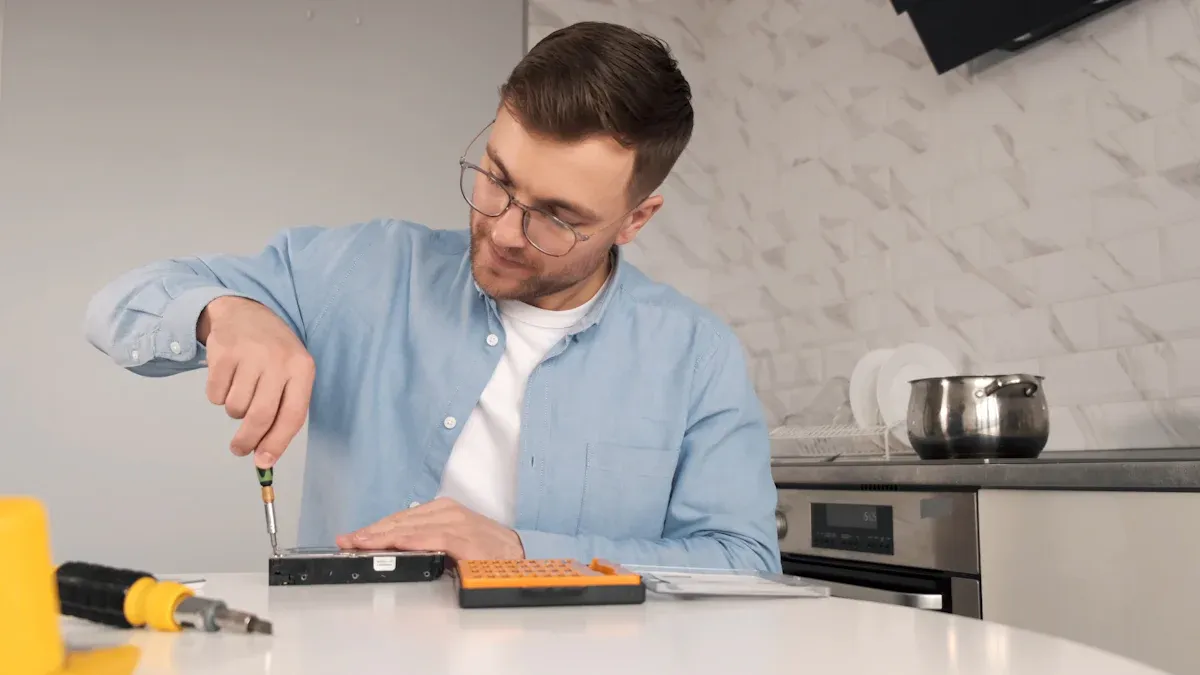
Диагностика неисправностей нагревательного элемента
Пошаговое руководство по проверке
Если сушилка Samsung перестала нагревать, необходим системный подход к диагностике. Начните с этих шагов по устранению неисправностей, чтобы точно определить проблему:
- Отключите сушилку от источника питания в целях безопасности.
- Снимите сервисную панель с помощью отвертки или гайковерта.
- Визуально осмотрите нагревательный элемент на наличие следов прогорания, разрывов или изменения цвета.
- Проверьте целостность нагревательного элемента с помощью мультиметра.
- Проверьте целостность связанных компонентов, таких как тепловой предохранитель, термостат максимального отключения, циклический термостат и термистор.
- Осмотрите все электрические соединения на предмет повреждений или ненадежных контактов.
- Замените все неисправные детали на оригинальные (OEM) элементы, чтобы обеспечить правильную работу.
- Проверьте работу циклического термостата.
- Проверьте вентиляционную систему на наличие скопления ворса, что может вызвать перегрев и привести к повторным ремонтам.
- Очистите контактные полоски датчика влажности, если сушилка выключается слишком рано, так как налет может вызывать ложные показания.
Совет: Всегда следуйте инструкциям производителя по устранению неисправностей для конкретной модели, чтобы избежать ненужных повреждений.
Использование мультиметра для проверки элемента
Мультиметр — ваш самый надежный инструмент для диагностики неисправностей нагревательного элемента. Вот как его эффективно использовать:
| Инструмент/материал | Назначение |
|---|---|
| Мультиметр | Проверка целостности и диагностика неисправностей нагревательных элементов и связанных деталей |
| Отвертки/Гайковерты | Снятие панелей и доступ к внутренним компонентам сушилки |
| Замена нагревательного элемента | Восстановление функции нагрева после подтверждения неисправности |
- Отключите сушилку от сети перед началом любого ремонта.
- Используйте отвертку или гайковерт, чтобы снять панель, закрывающую нагревательный элемент.
- Найдите нагревательный элемент внутри корпуса сушилки.
- Установите мультиметр на Установите мультиметр на диапазон измерения сопротивления ~200 Ом..
- Установите щупы мультиметра на контакты нагревательного элемента.
- Числовые показания указывают на целостность цепи и исправность элемента.
- Если мультиметр не показывает целостность цепи, нагревательный элемент неисправен и требует замены.
- Также проверьте термостат и тепловые предохранители, чтобы исключить другие причины отсутствия нагрева.
Безопасность прежде всего: Всегда надевайте перчатки и защитные очки при работе внутри сушилки.
Самостоятельная замена нагревательного элемента
Необходимые инструменты и детали
Прежде чем приступить к замене нагревательного элемента, подготовьте следующие необходимые инструменты и детали:
- Мультиметр
- Крестовая и плоская отвертки
- Набор гайковертов
- Иглогубцы
- Оригинальный (OEM) нагревательный элемент для замены
- Запасные термостаты или предохранители (при необходимости)
- Рабочие перчатки и защитные очки
Примечание: Использование оригинальных запасных элементов Samsung гарантирует совместимость и снижает риск повторного ремонта.
Процесс замены сборки по принципу "подключи и работай"
Следуйте этому пошаговому процессу для безопасной и эффективной замены:
- Отключите сушилку от сети или выключите автоматический выключатель в электрощите.
- Открутите винты верхней панели сзади, сдвиньте панель назад и снимите ее.
- Отсоедините провода за панелью управления и снимите панель.
- Открутите винты, крепящие переднюю панель, отсоедините разъем выключателя двери и снимите переднюю панель.
- Снимите фильтр для ворса и отсоедините провода от лампы барабана.
- Открутите винты верхней пластины и передней перегородки, отсоедините провод сенсорной планки.
- Снимите ворсопровод и ремень с натяжного ролика.
- Снимите переднюю перегородку и барабан, чтобы получить доступ к нагревательному элементу.
- Проверьте сопротивление нагревательного элемента мультиметром; замените, если неисправен.
- Открутите крепежные винты термостата и теплового предохранителя, отсоедините провода от нагревательного элемента.
- Открутите винты, крепящие корпус нагревательного элемента, и разъедините половинки корпуса.
- Используйте плоскогубцы, чтобы отогнуть фиксирующие язычки и извлечь старый нагревательный элемент.
- Установите новый нагревательный элемент, закрепите половинки корпуса и загните фиксирующие язычки.
- Снова прикрепите корпус нагревательного элемента к кронштейну и подключите термостат и термовыключатель.
- Подсоедините все провода нагревательного элемента.
- Соберите барабан, ремень, переднюю перегородку, корпус фильтра для ворса, провода лампы барабана, верхнюю панель и жгут проводов.
- Установите переднюю панель заново, подключите провода дверного выключателя и закрепите винтами.
- Установите заново панель управления и верхнюю панель, закрепив все винты.
- Восстановите подачу электропитания и проверьте сушильную машину, чтобы подтвердить успешную замену.
- Отсутствие проверки или замены связанных компонентов, таких как термостаты, может привести к повторным поломкам.
- Несвоевременная очистка скоплений ворса вокруг нагревательного элемента может вызвать перегрев.
- Неправильная установка может привести к появлению кодов ошибок или неисправностям.
Когда следует обращаться к профессионалу для ремонта сушильной машины Samsung
Признаки того, что вам нужна помощь специалиста
Вам стоит рассмотреть возможность профессионального ремонта, если вы столкнулись с любой из следующих ситуаций:
- Вы чувствуете дискомфорт при работе с электрическими компонентами.
- Сушильная машина отображает постоянные коды ошибок после замены нагревательного элемента.
- Вы заметили повреждённую проводку или подозреваете неисправность главного блока управления.
- Сушильная машина продолжает перегреваться или издавать запах гари после замены.
- Вы неоднократно пытались устранить неисправность, но проблема не решена.
Профессиональные мастера по ремонту обладают опытом для диагностики сложных проблем и обеспечения безопасной и правильной установки. Они также могут проводить ежегодное техническое обслуживание, чтобы предотвратить будущие поломки.
Поиск квалифицированных ремонтных служб
При поиске квалифицированной службы по ремонту сушильных машин Samsung обращайте внимание на:
- Сертифицированных специалистов с опытом ремонта техники Samsung.
- Прозрачное ценообразование на услуги по замене и ремонту.
- Положительные оценки и отзывы предыдущих клиентов.
- Наличие оригинальных запасных частей и элементов (OEM).
- Гарантию как на запчасти, так и на работу.
Стоимость услуг профессиональной замены обычно составляет от $50 до $100 или более, в зависимости от расценок специалиста и сложности ремонта. Затраты на работу по ремонту сушильной машины Samsung обычно составляют от $60 до $150 в час, а общая стоимость ремонта варьируется от $90 до $250. Хотя самостоятельная замена позволяет сэкономить на оплате труда, она требует технических знаний и строгого соблюдения правил безопасности. Профессиональный ремонт обеспечивает спокойствие, безопасность и надёжность, особенно при сложных или повторяющихся проблемах.
Примечание: Всегда взвешивайте риски и преимущества самостоятельного и профессионального ремонта. Если сомневаетесь, выбирайте сертифицированного специалиста, чтобы защитить свои вложения и обеспечить долгосрочную работу сушильной машины.
Советы по профилактическому обслуживанию нагревательного элемента Samsung
Поддержание сушильной машины Samsung в отличном состоянии требует проактивного подхода к обслуживанию. Вы можете продлить срок службы нагревательного элемента и избежать непредвиденных расходов на ремонт, следуя нескольким основным правилам.
Регулярная очистка и осмотр
Удаление пыли и мусора
Скопления пыли и ворса ограничивают поток воздуха и вызывают перегрев нагревательного элемента. Вам следует очищать фильтр для ворса после каждого цикла сушки. Регулярно проверяйте и прочищайте вентиляционное отверстие и воздуховоды сушильной машины для поддержания эффективного воздухообмена. В следующей таблице приведены основные задачи по обслуживанию и рекомендуемая периодичность их выполнения:
| Задача по обслуживанию | Рекомендуемая периодичность | вы можете обратиться к следующей таблице: |
|---|---|---|
| Очистите фильтр для ворса | После каждого цикла сушки | Поддерживает воздушный поток и предотвращает перегрев |
| Проверьте вентиляционный шланг | Ежемесячно | Предотвращает скопление ворса и засорение вентиляции |
| Очистите наружную вентиляционную решетку | Ежеквартально | Снижает риск возгорания и поддерживает воздушный поток |
| 6–12 месяцев | Ежегодно | Проверяет на наличие повреждений и обеспечивает надёжную работу |
| Профессиональное обслуживание | Ежегодно | Выявляет изношенные детали на ранней стадии и позволяет избежать дорогостоящего ремонта |
Совет: Регулярно протирайте барабан, чтобы предотвратить образование налёта, который может снизить эффективность сушки.
Предотвращение накопления влаги
Влага внутри сушильной машины может привести к коррозии нагревательного элемента. Всегда проверяйте плотность прилегания уплотнителей дверцы, чтобы предотвратить попадание влажного воздуха. Если вы используете модель с функцией отпаривания, осматривайте шланги на предмет утечек и при необходимости заменяйте их. Поддержание сухости в зоне вокруг сушильной машины также помогает предотвратить проблемы, связанные с влагой.
Правила безопасной эксплуатации сушильной машины Samsung
Избегание перегрузки
Перегрузка сушильной машины заставляет нагревательный элемент работать интенсивнее, что увеличивает риск перегрева и выхода из строя. Загружайте бельё в умеренных количествах, чтобы обеспечить свободную циркуляцию воздуха. Эта простая привычка снижает нагрузку на систему нагрева и минимизирует необходимость в ремонте.
Использование прибора по назначению
Следуйте инструкциям производителя по эксплуатации сушильной машины Samsung. Используйте правильные режимы для каждого типа ткани и избегайте работы прибора в ненужных циклах. Правильное использование обеспечивает работу нагревательного элемента в безопасных пределах и продлевает его срок службы.
Планирование периодического профессионального обслуживания
Проверка на наличие ранних признаков неисправности
Ежегодное профессиональное обслуживание позволяет своевременно выявлять признаки износа нагревательного элемента или электрические неисправности. Специалисты проверяют внутренние компоненты, тестируют целостность электрических цепей и удаляют скопившуюся в труднодоступных местах ворсистость. Раннее обнаружение проблем предотвращает внезапные поломки и дорогостоящий ремонт.
Преимущества регулярного обслуживания
Плановое профессиональное обслуживание обеспечивает эффективную и безопасную работу вашей сушильной машины. Это позволяет сократить время простоя, улучшить производительность и продлить срок службы нагревательного элемента. Инвестиции в качественные запчасти и своевременное техническое обслуживание гарантируют надежную работу вашей техники Samsung на протяжении многих лет.
Регулярное техническое обслуживание и своевременная замена деталей являются ключом к долговечной и эффективной работе сушильной машины. Проактивный подход защищает ваши инвестиции и позволяет избежать частого ремонта.
Нагревательные элементы Samsung обеспечивают надежную работу, однако риск выхода из строя исключать нельзя. Регулярная очистка фильтров для ворса и вентиляционных шлангов поддерживает эффективную работу сушильной машины и предотвращает перегрев. Специалисты рекомендуют использовать оригинальные запчасти (OEM) при ремонте для обеспечения надежности и предотвращения преждевременных поломок. Профессиональное сервисное обслуживание помогает избежать стресса при самостоятельном ремонте и продлевает срок службы прибора.
Будьте проактивны: проводите плановые проверки и своевременные замены, чтобы поддерживать стабильный нагрев и защитить свои инвестиции.
ЧАСТО ЗАДАВАЕМЫЕ ВОПРОСЫ
Как часто следует менять нагревательный элемент в сушильной машине Samsung?
Ожидайте необходимости замены нагревательного элемента каждые 8–14 лет. Интенсивное использование или недостаточное обслуживание могут сократить этот интервал. Регулярная очистка и проверка помогают продлить срок службы и сократить потребность в частых заменах.
Каковы наиболее распространенные признаки неисправности нагревательного элемента?
Вы можете заметить увеличение времени сушки, влажную одежду или неравномерный нагрев. Сушильная машина может работать, но не производить тепло. Подпалины или запах гари также указывают на возможную неисправность. Коды ошибок, такие как TE, могут подтвердить проблемы с нагревательным элементом.
Можно ли использовать неоригинальный нагревательный элемент в сушильной машине Samsung?
Для наилучшего результата используйте оригинальный нагревательный элемент (OEM). Неоригинальные детали могут неправильно подходить или не соответствовать стандартам безопасности Samsung. Оригинальные запчасти обеспечивают совместимость и надежную работу.
Безопасно ли самостоятельно заменять нагревательный элемент?
Вы можете заменить нагревательный элемент самостоятельно, если обладаете базовыми навыками работы с электрикой и следуете правилам безопасности. Всегда отключайте сушильную машину от сети перед началом работ. Если вы не уверены в своих силах, обратитесь к сертифицированному технику для профессионального обслуживания.
Почему нагревательный элемент в сушильной машине Samsung постоянно перегорает?
Частые перегорания часто являются следствием накопления ворса, засорения вентиляционных каналов или перегрузки. Электрические неполадки и плохое обслуживание также способствуют этому. Очищайте фильтр для ворса после каждого цикла и проводите регулярные проверки вентиляции, чтобы предотвратить повторные поломки.
Какие коды ошибок указывают на проблемы с нагревательным элементом в сушильных машинах Samsung?
| Код ошибки | Значение |
|---|---|
| TE | Неисправность нагревательного элемента или датчика |
| HC/hE | Перегрев или засорение вентиляции |
При появлении этих кодов следует проверить нагревательный элемент и связанные с ним компоненты.
Как продлить срок службы нагревательного элемента сушильной машины Samsung?
- Очищайте фильтр для ворса после каждой загрузки.
- Регулярно проверяйте и прочищайте систему вентиляции.
- Избегайте перегрузки сушилки.
- Планируйте ежегодное профессиональное обслуживание.
Систематический уход помогает предотвратить перегрев и продлевает срок службы нагревательного элемента.

