
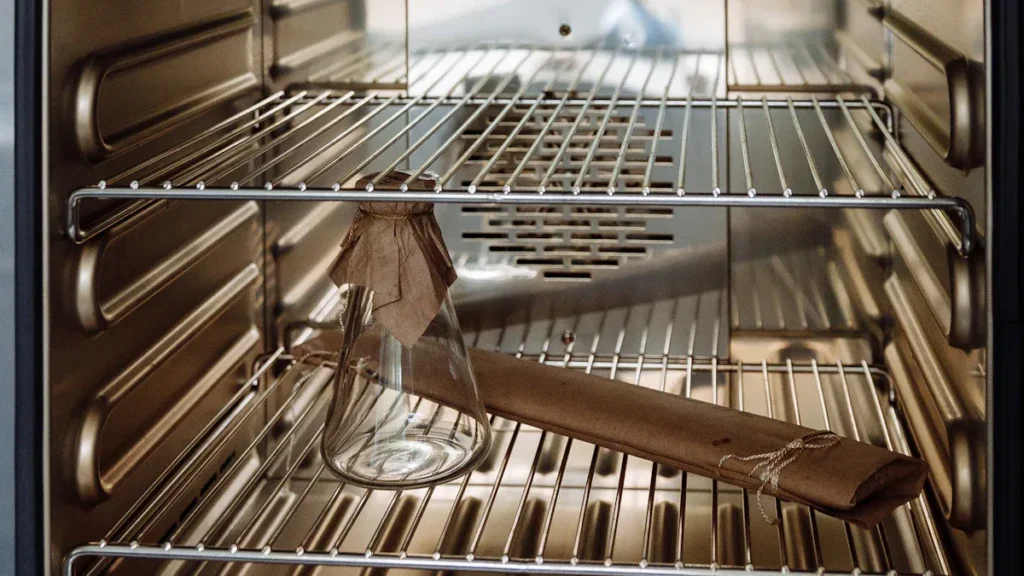
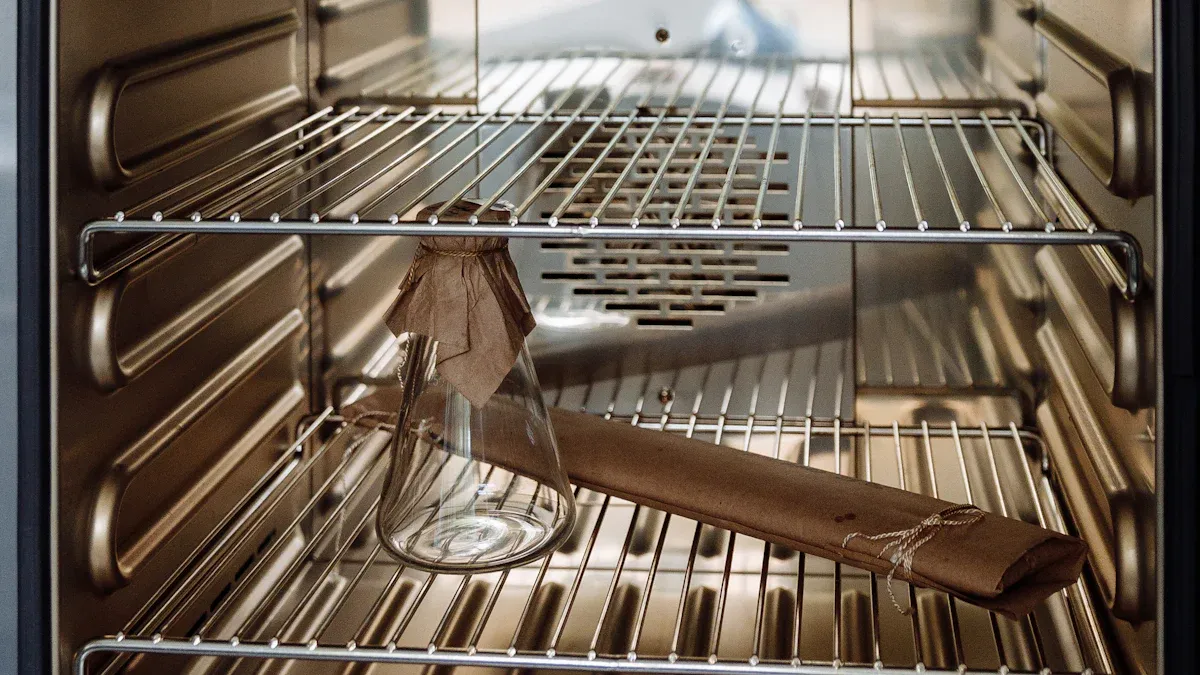
Нагревательный элемент духовки является основным компонентом, отвечающим за выработку тепла внутри духовки. Этот элемент обеспечивает достижение и поддержание необходимой температуры для приготовления пищи. При выходе из строя данной детали пользователи могут заметить неравномерное приготовление или полное отсутствие нагрева.
Совет: Если духовка нагревается неправильно, перед обращением за ремонтом осмотрите нагревательный элемент на предмет видимых повреждений.
Основы нагревательного элемента духовки
Что делает нагревательный элемент духовки
Как он вырабатывает тепло
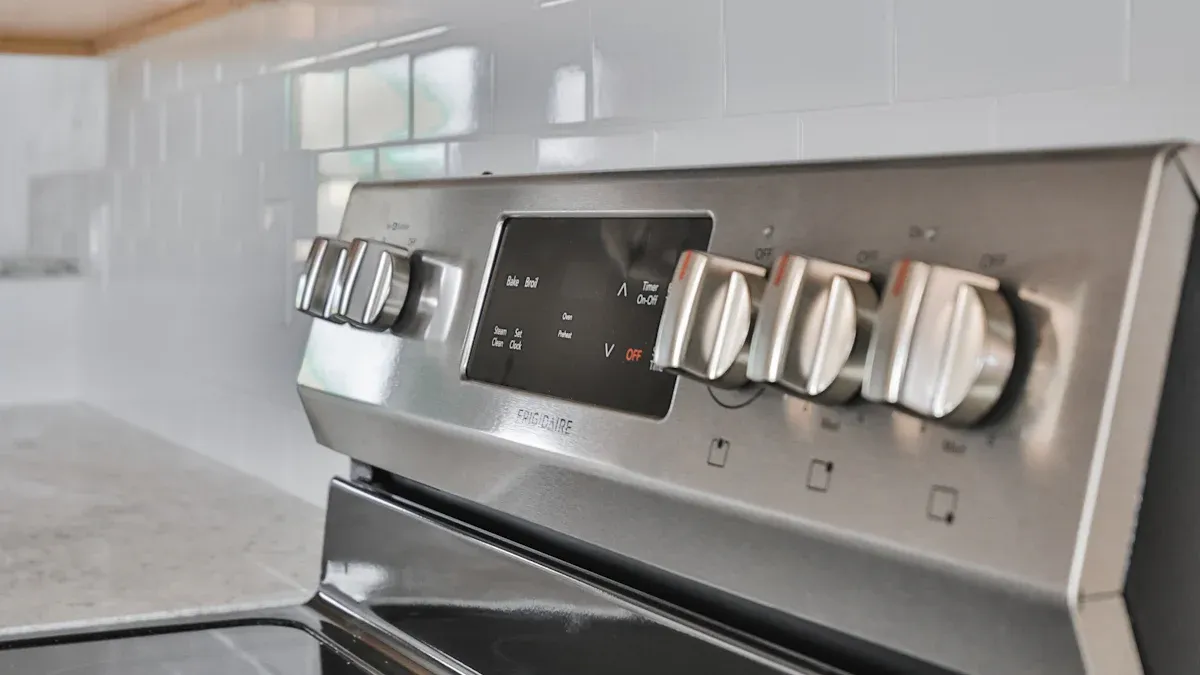
Нагреватель ремонта нагревательного элемента служит основным источником тепла в большинстве современных духовок. Когда электричество проходит через нагревательный элемент духовки, сопротивление в металлической спирали вызывает его нагрев. Этот процесс преобразует электрическую энергию в тепловую, которая затем излучается по всей камере духовки. Электрический нагревательный элемент духовки может достигать температур до 750°C, в зависимости от его конструкции и предполагаемого использования. Верхний элемент часто обеспечивает лучистое тепло для гриля, в то время как нижний элемент подает конвекционное тепло, идеально подходящее для выпечки и жарки. Эти элементы работают вместе, обеспечивая равномерное и эффективное приготовление пищи.
Типы нагревательных элементов духовки
В духовках обычно используются два основных типа нагревательных элементов: элементы для выпечки и элементы для гриля. Элемент для выпечки находится в нижней части духовки и обеспечивает равномерное тепло для выпечки и жарки. Элемент для гриля, расположенный в верхней части, создает интенсивное прямое тепло для жарки и подрумянивания. В следующей таблице обобщены их функции и характеристики:
| Нагревательный элемент | Расположение | Основная функция | Распределение тепла | Диапазон температур | Область применения |
|---|---|---|---|---|---|
| Выпекать элемент | Дно духовки | Обеспечивает равномерное, постоянное тепло для выпечки, жарки и медленного приготовления | Нагревает камеру духовки снизу, тепло поднимается и равномерно циркулирует | От 200°F до 500°F (от 93°C до 260°C) | Выпечка тортов, хлеба, выпечки; жарка мяса и овощей; приготовление запеканок и пирогов |
| Элемент гриля | Верхняя часть духовки | Обеспечивает интенсивное прямое тепло для быстрого приготовления и подрумянивания | Излучает лучистое тепло сверху, готовит пищу сверху вниз | От 500°F до 550°F (от 260°C до 288°C) | Жарка стейков, рыбы, курицы; плавление сыра; подрумянивание запеканок; поджаривание хлеба и сэндвичей |
Расположение нагревательного элемента духовки
Верхний и нижний элементы
Расположение каждого нагревательного элемента духовки напрямую влияет на то, как тепло циркулирует внутри духовки. Большинство духовок имеют нижний нагревательный элемент для выпечки и верхний элемент для гриля. Во время предварительного разогрева оба элемента могут активироваться, чтобы быстро довести духовку до нужной температуры. После предварительного разогрева третий элемент или вентилятор могут помочь поддерживать постоянную температуру. Время и последовательность активации этих элементов играют решающую роль в подаче и поддержании тепла.
Примечание: Духовки со скрытым нижним элементом легче чистить, но они могут нагреваться медленнее. В некоторых моделях используется вентилятор для циркуляции тепла, компенсируя отсутствие открытого нижнего элемента.
Различия в электрических и газовых духовках
Электрические духовки используют металлические спирали в качестве основного источника нагрева, в то время как газовые духовки используют горелки. Электрический нагревательный элемент, нагревательный элемент в печи питаемый электричеством, обеспечивает точный контроль температуры и равномерное распределение тепла. Напротив, газовые духовки могут нагреваться неравномерно, особенно если расположение горелок не позволяет обеспечить оптимальную циркуляцию. В некоторых электрических духовках используются несколько нагревательных элементов и вентиляторы для обеспечения равномерных результатов приготовления. Конструкция и расположение каждого нагревательного элемента в духовке определяют, насколько эффективно она может выпекать, жарить или готовить на гриле.
- Духовки только с верхним элементом и вентилятором все еще могут достигать равномерного распределения тепла.
- Отсутствие нижнего элемента может повлиять на результаты выпечки, например, на текстуру тортов или пиццы.
- Несколько элементов активируются в разное время для оптимизации подачи тепла и поддержания температуры.
Нагревательный элемент духовки и производительность приготовления
Контроль температуры и равномерный нагрев
Поддержание постоянной температуры в духовке
Исправный нагревательный элемент духовки обеспечивает поддержание стабильной температуры на протяжении всего процесса приготовления. Нагревательный элемент в духовке быстро генерирует тепло и работает вместе с термостатом, поддерживая температуру близкой к заданному значению. Однако тепло должно проходить через воздух, который не является эффективным проводником тепла. Это вызывает колебания температуры внутри камеры духовки. Стенки духовки различаются по толщине и расстоянию от элемента, что приводит к появлению горячих и холодных зон. Когда нагревательный элемент духовки работает правильно, он минимизирует эти колебания и помогает пище готовиться равномерно.
Поврежденный или неисправный нагревательный элемент нарушает этот баланс. Духовка может с трудом достигать нужной температуры, или температура может колебаться непредсказуемо. Возникают горячие и холодные зоны, из-за чего одни участки пищи готовятся быстрее или подгорают, в то время как другие остаются недоваренными. Неполный нагрев также может создавать риски для безопасности пищевых продуктов, особенно при приготовлении мяса или запеканок.
Примечание: Открытие дверцы духовки во время приготовления вызывает быструю потерю тепла. Нагревательный элемент должен работать интенсивнее, чтобы восстановить температуру, что может еще больше снизить стабильность температуры.
Время предварительного разогрева и приготовления
Нагревательный элемент духовки играет решающую роль в предварительном разогреве. Исправный элемент быстро доводит духовку до нужной температуры, сокращая время ожидания и гарантируя, что духовка будет готова, когда это необходимо. Если элемент поврежден, предварительный разогрев занимает больше времени. Духовка может никогда не достичь заданной температуры, что приводит к увеличению времени приготовления и нестабильным результатам. Пользователи могут заметить, что рецепты требуют больше времени, чем ожидалось, или что выпечка не поднимается или не подрумянивается должным образом.
Влияние на выпечку и жарку
Результаты приготовления с работающим элементом
Правильно функционирующий нагревательный элемент духовки обеспечивает равномерное распределение тепла, что необходимо для успешной выпечки и жарки. Торты поднимаются равномерно, хлеб приобретает золотистую корочку, а мясо зажаривается до нужной степени готовности. Способность элемента поддерживать постоянную температуру гарантирует, что пища готовится тщательно и безопасно.
Распространенные проблемы из-за неисправного нагревательного элемента духовки
При неисправности нагревательного элемента могут возникнуть следующие проблемы:
- Неравномерное приготовление, при котором одни части пищи переварены, а другие недоварены
- Увеличение времени приготовления из-за того, что духовке требуется больше времени для достижения или поддержания температуры
- Неточные показания температуры, из-за чего духовка работает горячее или холоднее заданного значения
- Неполный предварительный разогрев, приводящий к плохим результатам выпечки или жарки
- Подгоревшая или недоваренная пища из-за неравномерного распределения тепла
- Видимые повреждения элемента, такие как трещины или ожоги, напрямую влияющие на производительность
Эти проблемы подчеркивают важность регулярного осмотра и своевременной замены неисправного нагревательного элемента духовки. Своевременное устранение проблем помогает поддерживать качество приготовления и безопасность на кухне.
Выявление проблем с нагревательным элементом духовки
Визуальные признаки неисправности
Следы ожогов, вздутия или разрывы
Домовладельцы часто замечают видимые повреждения, когда нагревательный элемент духовки начинает выходить из строя. Следы ожогов, вздутия или трещины на поверхности элемента сигнализируют о том, что компонент подвергался чрезмерному нагреву или физическому напряжению. Эти отметины могут проявляться в виде темных пятен, оплавленных участков или даже небольших отверстий вдоль спирали. В некоторых случаях элемент может полностью сломаться, оставляя разрыв в металле. Такие повреждения нарушают прохождение электричества, препятствуя эффективной выработке тепла элементом.
- Трещины или разрывы, видимые на нагревательном элементе.
- Следы ожогов или вздутия вдоль спирали.
- Оплавленные или деформированные участки.
- Ослабленные или отсоединенные концы.
Совет: Если элемент не светится ярко-оранжевым цветом, когда духовка включена, это часто указывает на разрыв или внутреннюю неисправность.
Неравномерный цвет или повреждения
Исправный нагревательный элемент в духовке должен иметь равномерный цвет при включении. Обесцвечивание, такое как темные пятна или участки, которые остаются тусклыми, в то время как остальная часть элемента светится, указывает на неравномерный нагрев или внутренние повреждения. Эти изменения цвета часто возникают из-за перегрева, растрескивания проволоки или повторяющихся циклов быстрого нагрева и охлаждения. Со временем эти нагрузки ослабляют элемент, делая его более подверженным выходу из строя.
- Неравномерный цвет или тусклые участки при работе духовки.
- Обесцвечивание или видимые признаки плавления.
- Участки, которые не нагреваются или не светятся, как ожидается.
Физический осмотр остается одним из наиболее эффективных способов выявления ранних признаков неисправности. Своевременное устранение этих проблем может предотвратить более серьезные неисправности духовки.
Предупреждающие признаки неисправности в работе
Духовка нагревается неправильно
Проблемы с производительностью часто являются первым признаком выходящего из строя нагревательного элемента духовки. Когда духовка с трудом достигает или поддерживает заданную температуру, пользователи могут заметить, что еда готовится дольше или не готовится вовсе. Элемент может не светиться, или духовка может не выделять тепло. Необычные запахи гари также могут указывать на то, что в элементе возникли внутренние неисправности или он перегревается.
- Духовка не нагревается или нагревается значительно дольше обычного.
- Сайт Элемент не светится ярко-оранжевым цветом. во время работы.
- Необычные запахи, например гари или плавления, исходящие из духовки.
Специалист определяет перегрев, физическое воздействие и быстрые циклы нагрева как распространенные причины выхода элемента из строя. Скачки напряжения и импульсные перенапряжения, хотя и реже, также могут повредить элемент. Профилактические меры, такие как установка термостатов или избегание быстрых циклов включения/выключения, помогают продлить срок службы нагревательного элемента.
Неравномерное приготовление пищи
Неравномерное приготовление пищи является значительным индикатором проблемы с нагревательным элементом в духовке. Когда элемент не может равномерно распределять тепло, одна сторона духовки может готовить пищу быстрее, в то время как другие участки остаются недоваренными. Горячие или холодные зоны внутри камеры духовки часто возникают из-за трещин, разрывов или внутренних неисправностей элемента. Эти проблемы приводят к неравномерному распределению температуры и плохим результатам приготовления.
Проблемы с производительностью, такие как неравномерное приготовление, возникают часто и должны служить поводом для немедленного осмотра. Проверка элемента на электрическую непрерывность с помощью мультиметра или визуальный осмотр на наличие трещин и обесцвечивания помогают подтвердить диагноз. Если отклонение температуры внутри духовки превышает 35 градусов от заданного значения, или если духовка постоянно не может поддерживать температуру, проблема, вероятно, требует профессионального ремонта или замены неисправного компонента.
Примечание: Своевременное устранение этих предупреждающих признаков обеспечивает безопасную и надежную работу духовки, снижая риск дальнейших повреждений или проблем с безопасностью пищевых продуктов.
Диагностика неисправностей нагревательного элемента духовки
Этапы осмотра в домашних условиях
Методы визуального осмотра
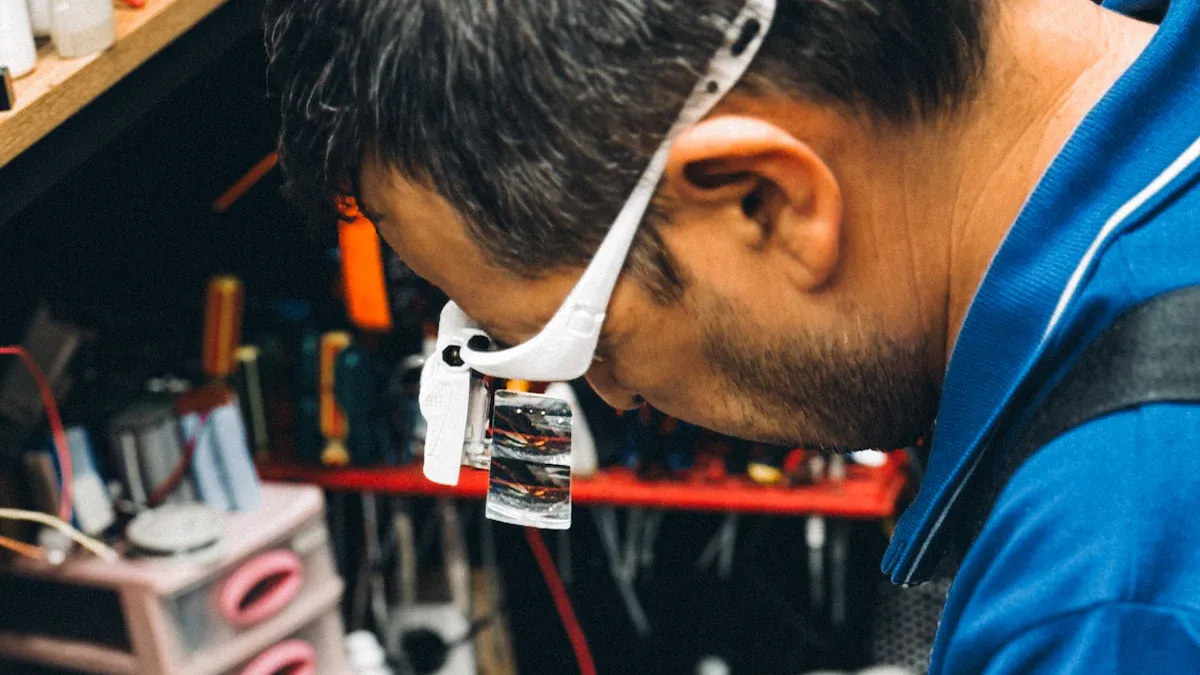
Домовладельцы часто могут выявить проблемы с нагревательным элементом духовки с помощью тщательного визуального осмотра. Перед началом работы следует отключите духовку от источника питания отключить духовку от сети, вынув вилку или отключив автоматический выключатель. Этот шаг предотвращает поражение электрическим током. Духовка должна полностью остыть, чтобы избежать ожогов. Удаление всех решеток обеспечивает свободный доступ к нагревательному элементу. Если элемент закрыт крышкой или панелью, для ее снятия может потребоваться отвертка. Использование сухих термостойких перчаток и защитных очков обеспечивает дополнительный уровень защиты.
Когда элемент становится видимым, следует искать трещины, вздутия, следы ожогов или любые деформации. Эти признаки указывают на физическое повреждение. При обнаружении повреждений следующим шагом является откручивание элемента и отсоединение проводов. Документирование положения проводов перед снятием помогает при последующей сборке. Рабочее место, свободное от беспорядка, снижает риск несчастных случаев.
Проверка мультиметром
Мультиметр предлагает надежный способ проверки работоспособности нагревательного элемента духовки. После снятия элемента установите мультиметр в режим измерения сопротивления или проверки целостности цепи. Прикоснитесь щупами к клеммам элемента. Показание в пределах ожидаемого диапазона сопротивления указывает на то, что элемент работает правильно. Если мультиметр показывает бесконечное сопротивление или отсутствие целостности цепи, элемент вышел из строя и требует замены. Сборка духовки включает восстановление проводки в соответствии с документацией и закрепление элемента. После этого можно безопасно восстановить подачу питания.
Совет: Для газовых духовок всегда перекрывайте подачу газа перед началом любого осмотра или ремонта.
Когда следует обращаться к профессионалам
Сложные проблемы с электрикой
Некоторые проблемы с нагревательным элементом духовки требуют профессиональных знаний. Неравномерный нагрев, невозможность достичь заданной температуры, или невключение духовки при наличии надлежащего электропитания часто указывают на сложные электрические неисправности. Частое срабатывание автоматических выключателей, видимые повреждения, такие как оплавление или сломанные разъемы, а также электрические проблемы, например короткие замыкания, выходят за рамки безопасного самостоятельного ремонта. Эти ситуации требуют вмешательства обученного специалиста для предотвращения дальнейших повреждений и обеспечения безопасной эксплуатации.
Меры безопасности
Безопасность остается главным приоритетом при работе с ремонтом духовок. Такие признаки, как запах газа, искры, дым внутри духовки, или необычные шумы, такие как гудение или дребезжание, указывают на серьезные внутренние проблемы. Подгорание пищи, несмотря на правильные настройки температуры, или полное отсутствие нагрева в некоторых частях духовки также указывают на более глубокие проблемы. Попытки устранить эти проблемы без соответствующей подготовки могут привести к травмам или усугубить повреждение. Регулярное техническое обслуживание и своевременное профессиональное вмешательство помогают поддерживать как производительность, так и безопасность.
Что делать, если нагревательный элемент духовки вышел из строя
При выходе из строя нагревательного элемента духовки немедленные действия обеспечивают как безопасность, так и сохранение функциональности кухни. Игнорирование неисправного элемента может привести к поражению электрическим током, риску возгорания и неравномерному приготовлению пищи. Домовладельцы должны решить проблему незамедлительно для поддержания безопасной и эффективной работы духовки.
Варианты замены нагревательных элементов духовки
Шаги самостоятельной замены
Многие домовладельцы предпочитают выполнять замену нагревательного элемента самостоятельно. Процесс требует тщательной подготовки и внимания к безопасности. Вот пошаговое руководство:
- Отключите духовку от источника питания, вынув вилку из розетки или отключив автоматический выключатель.
- Снимите все решетки духовки, чтобы обеспечить свободный доступ к нагревательному элементу.
- Дайте духовке полностью остыть. Для хрупких элементов, прогрев духовки до минимальной температуры в течение нескольких минут с последующим охлаждением до слегка теплого состояния может предотвратить растрескивание.
- Удалите крошки и мусор со дна духовки, чтобы обеспечить безопасное рабочее пространство.
- Снимите любую защитную нижнюю крышку, для чего может потребоваться откручивание.
- Наденьте защитные перчатки и очки перед тем, как прикасаться к элементу.
- Открутите или отстегните неисправный элемент и отсоедините провода, отметив их положение для последующей сборки.
- Проверьте элемент мультиметром на целостность цепи. Если элемент не показывает целостности цепи, приступайте к замене.
- Установите новый элемент, подключив провода и закрепив его на месте.
- Соберите духовку, установите решетки обратно и восстановите подачу питания.
Совет: Если вы не уверены, как заменить элемент, или если электрические проблемы сохраняются, обратитесь к профессиональному специалисту.
Соблюдение мер безопасности
Выбор правильной замены обеспечивает надежную работу духовки. Большинство потребителей заменяют нагревательные элементы духовки деталями, соответствующими марке и модели духовки. Это гарантирует правильную мощность, размер и тип разъема — например, нажимной, резьбовой или штекерный. Высококачественные элементы часто изготавливаются из сплава никеля и хрома или других термостойких материалов для обеспечения долговечности и эффективности.
Эксперты рекомендуют выбирать детали OEM (производителя оригинального оборудования) для лучшего качества и надежности. Хотя универсальные детали доступны и широко используются, элементы OEM остаются предпочтительным выбором для надежной работы. Специализированные поставщики, такие как PartsFe, предлагают как OEM, так и совместимые детали для бытовых и коммерческих духовок. Всегда проверяйте тип разъема и убедитесь, что элемент подходит для конкретной модели духовки перед покупкой.
| Тип замены | Описание | Плюсы | Cons |
|---|---|---|---|
| Оригинальные запчасти (OEM) | Изготовлено оригинальным производителем, разработано для конкретных моделей | Высокая надежность, идеальная посадка, гарантийная поддержка | Более высокая стоимость |
| Неоригинальный | Совместимо с несколькими моделями, произведено сторонними производителями | Низкая стоимость, широко доступен | Возможна недостаточная долговечность, возможны проблемы с подгонкой |
Примечание: Правильная замена нагревательного элемента духовки продлевает срок службы прибора и предотвращает дальнейшие повреждения.
Советы по безопасности при замене
Отключение питания перед началом работ
Безопасность остаётся главным приоритетом при любой замене нагревательного элемента духовки. Перед началом работ всегда отключайте духовку от источника питания. Отключите прибор от розетки или выключите автоматический выключатель, чтобы исключить риск поражения электрическим током. Никогда не пытайтесь заменить нагревательный элемент, пока духовка включена в розетку или находится под напряжением.
Безопасное обращение с нагревательным элементом духовки
Правильное обращение с нагревательным элементом духовки предотвращает травмы и повреждения. Надевайте защитные перчатки и очки для защиты от острых краёв и случайного контакта с электрическими компонентами. Снимите решётки духовки и любую нижнюю крышку, чтобы обеспечить беспрепятственный доступ. Очистите внутреннюю часть духовки, чтобы избежать скольжения или загрязнения. Обращайтесь с элементом осторожно, особенно если он стал хрупким из-за многократных циклов нагрева.
⚠️ Продолжение использования духовки с неисправным элементом увеличивает риск поражения электрическим током, возгорания и дальнейшего повреждения прибора. Своевременная замена необходима для безопасной эксплуатации.
Если процесс замены нагревательного элемента духовки кажется сложным или электрические проблемы сохраняются, обратитесь за профессиональной помощью. Специалисты обладают опытом для безопасной диагностики и устранения неисправностей, обеспечивая возвращение духовки к оптимальной работе.
Затраты на нагревательный элемент духовки и решения
Стоимость замены и влияющие факторы
Цена нагревательных элементов духовки
Цена нагревательного элемента духовки варьируется в зависимости от нескольких факторов. Большинство домовладельцев обнаруживают, что стоимость самой детали составляет от 15 до 100 долларов, в зависимости от марки и модели духовки. Тем, кто рассматривает покупку электрического нагревательного элемента для духовки, следует проверить его совместимость с конкретным прибором. В таблице ниже приведены типичные затраты как на самостоятельную, так и на профессиональную замену:
| Компонент затрат | Стоимость самостоятельной замены | Стоимость профессиональной замены |
|---|---|---|
| Детали (нагревательный элемент) | $150 – $400+ | $150 – $400+ |
| Труд | $0 | $50 - $200 в час |
| Общая ориентировочная стоимость | $150 – $400+ | $150 - $400 |
Самостоятельная замена остаётся наиболее доступным вариантом, ограничиваясь в основном стоимостью детали. Профессиональное обслуживание увеличивает общую стоимость за счёт оплаты труда.
Затраты на оплату труда профессионального специалиста
Труд затраты на профессиональный нагревательный элемент духового шкафа замена обычно составляет от $50 до $125 в час. Общая стоимость ремонта, включая как детали, так и работу, обычно составляет от $150 до $450. На эти затраты влияют несколько факторов:
- Тип духовки (электрическая или газовая)
- Марка и модель
- Наличие запасных частей
- Географическое расположение и тарифы специалиста
- Возраст духовки
Старые духовки или редкие модели могут требовать более дорогих или труднодоступных деталей, что увеличивает общую стоимость. Гарантийное покрытие может иногда снизить расходы из собственного кармана.
Ремонт или замена духовки?
Когда следует ремонтировать нагревательный элемент духовки
Ремонт нагревательного элемента духовки часто имеет смысл, когда повреждение ограничено самим элементом, а запасные части доступны. Большинство ремонтов просты и экономически эффективны, особенно для новых духовок. Домовладельцам следует осмотреть элемент на наличие видимых повреждений, таких как трещины или ожоги. Если в остальном духовка работает хорошо, замена неисправного элемента восстанавливает производительность без значительных затрат.
Совет: Всегда отключайте питание перед началом любого ремонта для обеспечения безопасности.
Когда следует заменить всю духовку
Замена всей духовки становится лучшим вариантом при определённых условиях. Если духовка очень старая, детали сняты с производства или вышли из строя несколько компонентов, стоимость текущих ремонтов может превысить стоимость нового прибора. Высокие затраты на оплату труда, частые поломки или проблемы безопасности также оправдывают инвестиции в новую духовку. Домовладельцам следует сопоставить общую стоимость ремонта с ценой новой модели и учесть улучшения энергоэффективности, доступные в современных духовках.
Примечание: Консультация с руководством пользователя или профессиональным специалистом поможет определить наилучший курс действий для каждой ситуации.
Обслуживание нагревательного элемента духовки
Советы по очистке и уходу
Безопасные методы очистки элементов
Правильные методы очистки помогают продлить срок службы нагревательного элемента и поддерживать эффективность духовки. Пользователи всегда должны отключать духовку от питания перед началом любых работ по очистке для предотвращения поражения электрическим током. Мягкая ткань или губка лучше всего подходят для протирки нагревательного элемента. Мягкие моющие средства или простая смесь воды и уксуса могут удалить жир и грязь, не повреждая поверхность. Для стойких пятен эффективно оставить чистящее средство на несколько минут, а затем аккуратно потереть губкой. После очистки нагревательный элемент должен полностью высохнуть перед восстановлением питания. Регулярная очистка не только улучшает нагрев, но и снижает потребление энергии, а также способствует увеличению срока службы прибора.
Совет: Удаляйте пролитые жидкости сразу после остывания духовки. Немедленные действия предотвращают накопление, которое заставляет нагревательный элемент работать интенсивнее.
Чего следует избегать при уборке
Некоторые привычки при очистке могут повредить нагревательный элемент и снизить его эффективность. Пользователям следует избегать абразивных щёток, металлических мочалок или агрессивных химикатов, так как они могут поцарапать или вызвать коррозию поверхности элемента. Чрезмерное трение может удалить защитные покрытия и привести к преждевременному выходу из строя. Обёртывание поддонов для сбора капель фольгой может вызвать короткое замыкание, и этого следует избегать. Функция самоочистки духовки, хотя и удобна, подвергает нагревательный элемент воздействию экстремальных температур, что может вызвать преждевременный износ и выделение вредных паров. Пропуск регулярной очистки приводит к накоплению жира и мусора, что увеличивает риск перегрева и неравномерного нагрева.
Предотвращение будущих проблем
Регулярные проверки и техническое обслуживание
Регулярные проверки играют жизненно важную роль в предотвращении выхода из строя нагревательного элемента. Визуальная проверка на наличие трещин, вздутий или изменения цвета помогает обнаружить ранние признаки повреждения. Электрические соединения на нагревательном элементе и устройствах управления должны проверяться на плотность для предотвращения искрения или перегорания. Контрольные списки технического обслуживания часто включают ежедневные, еженедельные и ежемесячные задачи, такие как проверка уплотнителя дверцы духовки на износ и поддержание чистоты внутренней полости от мусора. Использование мультиметра для проверки целостности электрической цепи во время инспекций может выявить скрытые неисправности. Следование рекомендациям производителя по периодичности проверок и замены обеспечивает оптимальную производительность и безопасность.
Правильные привычки использования духовки
Хорошие привычки в ежедневном использовании духовки дополнительно защищают нагревательный элемент. Перегрузка духовки создает дополнительную нагрузку на нагревательный элемент, приводя к преждевременному износу. Хлопанье дверцей духовки может создавать напряжение и вызывать физические повреждения. Пользователям следует избегать этих действий для сохранения целостности нагревательного элемента. Контроль температуры духовки и своевременное устранение любых несоответствий помогает предотвратить перегрев. Планирование профессионального обслуживания в рекомендованные интервалы позволяет рано обнаружить потенциальные проблемы и способствует долгосрочной надежности.
Регулярное обслуживание и осознанное использование могут продлить срок службы нагревательного элемента на несколько лет, снизить затраты на энергию, и обеспечить стабильные результаты приготовления пищи для домашних поваров.
A Исправно функционирующий нагревательный элемент духовки обеспечивает эффективное и безопасное приготовление пищи. Регулярный осмотр и техническое обслуживание предотвращает такие опасности, как электрические неисправности или риск возгорания. Техники рекомендуют проверять на наличие повреждений и очищать для предотвращения накопления жира. Пользователи всегда должны отключать питание перед обслуживанием и обращаться за профессиональной помощью для сложного ремонта. Правильный уход обеспечивает стабильную температуру и продлевает срок службы духовки, что приводит к лучшим результатам при каждом приготовлении пищи.
ЧАСТО ЗАДАВАЕМЫЕ ВОПРОСЫ
Что вызывает выход из строя нагревательного элемента духовки?
Несколько факторов могут вызвать отказ, включая возраст, частое использование, скачки напряжения или физические повреждения. Перегрев и накопление жира также способствуют этому. Регулярная проверка и очистка помогают предотвратить преждевременный выход из строя.
Как часто следует проверять нагревательный элемент духовки?
Техники рекомендуют проверять нагревательный элемент каждые три-шесть месяцев. Регулярные проверки помогают выявить ранние признаки износа, такие как изменение цвета или трещины, и обеспечить безопасную работу.
Может ли неисправный элемент духовки повлиять на безопасность пищи?
Да. Неисправный элемент может вызвать неравномерное приготовление или недожаренную пищу. Это увеличивает риск пищевых отравлений, особенно при приготовлении мяса или запеканок.
Безопасно ли заменять нагревательный элемент духовки без профессиональной помощи?
Владельцы могут безопасно заменить элемент, если они следуют правильным шагам по безопасности. Всегда отключайте питание перед началом работ. Если вы не уверены или если электрические проблемы сохраняются, обратитесь за профессиональной помощью.
Во всех духовках используется один и тот же тип нагревательного элемента?
Нет. Духовки используют разные элементы в зависимости от бренда, модели и функции. Всегда проверяйте руководство по эксплуатации духовки или консультируйтесь с техником, чтобы убедиться в правильности запасной части.
Каковы признаки того, что элемент духовки нуждается в замене?
Распространенные признаки включают видимые трещины, следы ожогов, неравномерный цвет или отсутствие свечения элемента во время использования. Пища может готовиться неравномерно или дольше обычного.
Могут ли чистящие средства повредить нагревательный элемент духовки?
Едкие химикаты, абразивные губки или металлические щетки могут повредить поверхность элемента. Используйте мягкие чистящие средства и мягкую ткань. Избегайте чрезмерного трения для сохранения целостности элемента.
Как долго обычно служит нагревательный элемент духовки?
При правильном уходе большинство нагревательных элементов служат от пяти до десяти лет. Срок службы зависит от частоты использования, привычек обслуживания и общего состояния духовки.

