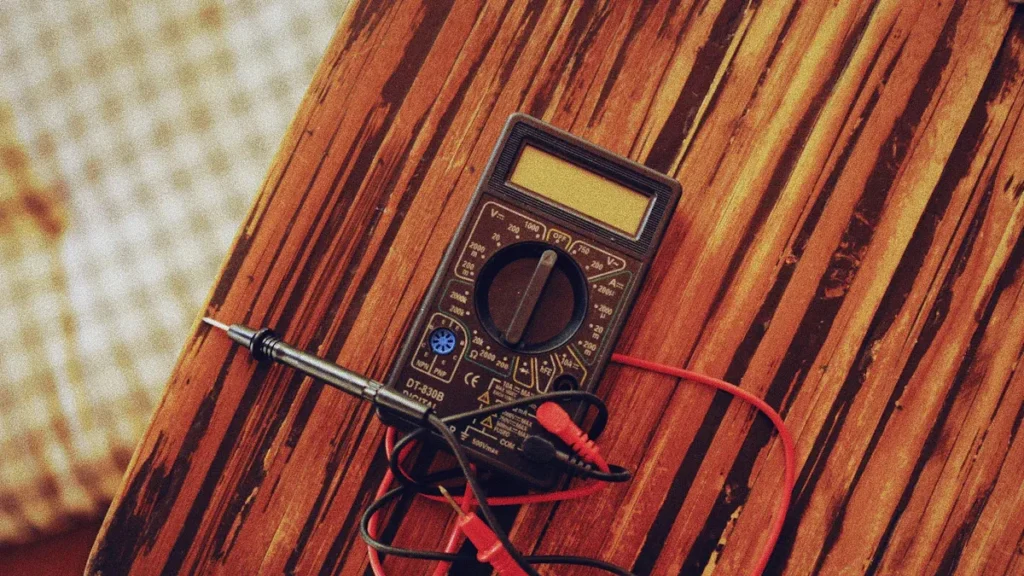
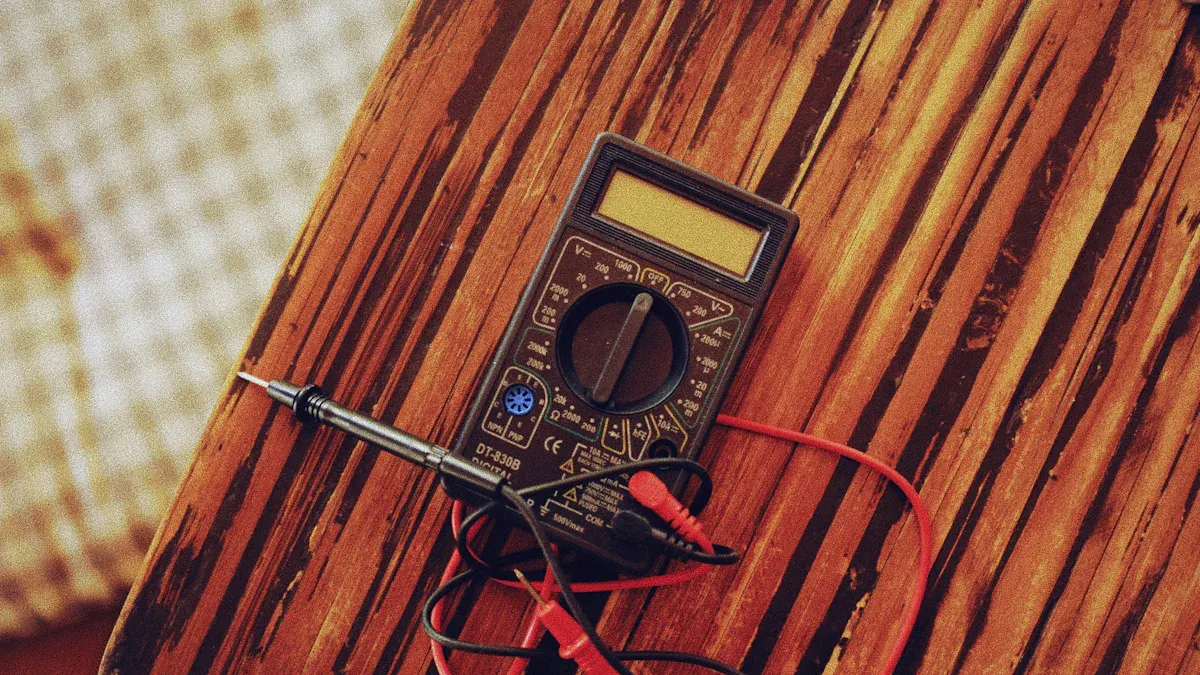
Вы ежедневно полагаетесь на свой водонагреватель для комфорта и удобства. Когда вы замечаете отсутствие горячей воды, вы часто можете решить проблему, проверив ТЭН вашего водонагревателя. При правильном подходе вы можете безопасно и эффективно проверить компоненты водонагревателя. Своевременное устранение неисправного ТЭНа водонагревателя помогает восстановить подачу горячей воды и защищает ваш водонагреватель от дальнейших повреждений.
Зачем проверять ТЭНы водонагревателя?
Проверка нагревательного элемента водонагревателя является важнейшим шагом в диагностике и устранении неисправностей вашего водонагревателя. Вы можете избежать ненужных затрат и быстро восстановить подачу горячей воды, определив первопричину проблемы. Понимание признаков и преимуществ проверки помогает принимать обоснованные решения по ремонту и техническому обслуживанию.
Признаки неисправности ТЭНа водонагревателя
Нет горячей воды
Вы можете заметить полное отсутствие горячей воды. Это часто указывает на вышедший из строя нагревательный элемент или проблему с электрикой в вашем электрическом водонагревателе. Когда оба нагревательных элемента перестают работать, ваш водонагреватель вообще не может нагревать воду.
Непостоянная или колеблющаяся температура воды
Быстрые перепады температуры или тёплая вода сигнализируют о неисправности одного из нагревательных элементов. Вы можете столкнуться с тем, что горячая вода быстро заканчивается или вода нагревается дольше. Это распространенные признаки того, что ТЭН вашего водонагревателя перегорел.
Вода недостаточно горячая
Если ваша вода никогда не достигает желаемой температуры, причиной может быть частично вышедший из строя ТЭН водонагревателя. Накопление осадка на элементе может снизить эффективность, затрудняя поддержание стабильной температуры вашим водонагревателем.
Частое срабатывание автоматического выключателя
Частое срабатывание автоматического выключателя или красной кнопки сброса на вашем водонагревателе указывает на возможные проблемы с электрикой. Короткие замыкания или перегрев нагревательного элемента часто вызывают срабатывание этих защитных функций.
Совет: Прислушайтесь к необычным звукам, таким как потрескивание, шипение или стук. Эти звуки часто означают, что на нагревательном элементе образовался осадок, что приводит к снижению производительности или выходу из строя.
Преимущества проверки ТЭНа вашего водонагревателя
Экономит время и деньги на ремонте
Когда вы проверка ТЭНов водонагревателя перед заменой деталей позволяет избежать ненужных расходов. Замена нагревательного элемента в электрическом водонагревателе обычно стоит от $200 и $300, в то время как полная замена водонагревателя может стоить более $1,000. Проверка помогает подтвердить проблему и предотвращает трату денег на новый прибор, когда можно обойтись простым ремонтом.
Предотвращает ненужную замену водонагревателя
Проверка позволяет точно определить проблему. Вы можете продлить срок службы вашего водонагревателя, заменив только неисправный элемент. Регулярная проверка также помогает выявлять проблемы на ранней стадии, предотвращая неожиданные поломки и обеспечивая надежную подачу горячей воды.
Знание того, как определить, перегорел ли ТЭН вашего водонагревателя, придает вам уверенности в выполнении мелкого ремонта. Вы можете использовать мультиметр для проверки целостности цепи и сопротивления, подтверждая, нуждается ли элемент в замене. Такой подход обеспечивает эффективную работу и спокойствие.
Примечание: Понимание того, как работает ТЭН водонагревателя, помогает осознать важность регулярного технического обслуживания. Нагревательные элементы преобразуют электрическую энергию в тепло, нагревая воду внутри вашего бака. Когда они выходят из строя, ваш водонагреватель не может подавать постоянную горячую воду.
Если вы заметили любой из этих симптомов или хотите узнать, как определить, перегорел ли ТЭН вашего водонагревателя, проверка — это лучший первый шаг. Вы защищаете свои вложения и обеспечиваете постоянный доступ к горячей воде в вашем доме.
Меры безопасности перед проверкой ТЭНов водонагревателя
Прежде чем приступить к проверке ТЭНа вашего водонагревателя, вы должны серьезно отнестись к безопасности. Ремонт электрического водонагревателя включает в себя цепи под напряжением и горячие компоненты. Соблюдение основных мер безопасности защищает вас от травм и предотвращает повреждение имущества.
Основные меры предосторожности
Отключение питания через рубильник
Всегда выключить питание отключите питание вашего электрического водонагревателя на щитке автоматических выключателей. Этот шаг устраняет риск поражения электрическим током от цепей под напряжением. Найдите правильный выключатель, маркированный для вашего водонагревателя, и переведите его в положение “Выкл”. Никогда не предполагайте, что питание отключено, просто потому что прибор не работает.
⚠️ Внимание: Пропуск этого шага может привести к серьезному поражению электрическим током или ожогам. Электрические несчастные случаи часто происходят, когда люди спешат или игнорируют эту критическую меру предосторожности.
Проверка отключения питания с помощью тестера напряжения
После отключения выключателя используйте тестер напряжения, чтобы убедиться, что электричество не поступает к клеммам нагревательного элемента. Поместите тестер на открытые винты нагревательного элемента. Если тестер загорается или издает звуковой сигнал, питание все еще подается на прибор. Продолжайте только после того, как убедитесь, что зона безопасна.
- Проверка без подтверждения отключения питания может привести к:
- Поражение электрическим током
- Ожогам от горячей воды или компонентов
- Повреждению вашего водонагревателя
Совет: Всегда перепроверяйте с помощью тестера напряжения, даже если вы уверены, что выключатель отключен.
Инструменты, необходимые для проверки ТЭНов водонагревателя
Вам нужны правильные инструменты для точной и безопасной проверки ТЭНа вашего водонагревателя. Правильное использование мультиметра обеспечивает получение надежных результатов.
Мультиметр
A мультиметр с режимом измерения сопротивления (Ом) позволяет измерить сопротивление нагревательного элемента. Этот инструмент помогает определить, работает ли элемент или требует замены. Установите мультиметр в режим измерения сопротивления (Ом) перед проверкой.
Отвертка
Вам понадобится отвертка, чтобы снять металлическую крышку панели и получить доступ к нагревательным элементам внутри вашего электрического водонагревателя. Выберите отвертку, которая подходит к винтам на вашем приборе, чтобы не сорвать их.
Защитные перчатки и очки
Наденьте изолированные перчатки для защиты рук от случайного контакта с электричеством. Защитные очки защищают глаза от мусора или искр во время процесса. Средства индивидуальной защиты снижают риск травм и обеспечивают вашу безопасность при работе с водонагревателем.
| Инструмент | Назначение |
|---|---|
| Мультиметр | Измеряет сопротивление нагревательного элемента |
| Отвертка | Снимает крышку панели и открывает компоненты |
| Защитные перчатки | Предотвращает поражение электрическим током |
| Защитные очки | Защищает глаза от мусора |
Примечание: Если вы не уверены в каком-либо шаге, проконсультируйтесь со специалистом. Соблюдение инструкций производителя и использование правильных инструментов обеспечивает вашу безопасность и надежность вашего электрического водонагревателя.
Доступ к элементу водонагревателя
Прежде чем вы сможете проверить или заменить ТЭН водонагревателя, вам необходимо получить к нему безопасный доступ. Этот процесс включает в себя поиск правильной панели на вашем водонагревателе и осторожное удаление любых барьеров, защищающих внутренние компоненты. Выполнение правильных шагов гарантирует, что вы избежите травм и предотвратите повреждение вашего оборудования.
Определение местонахождения панели ТЭНа на вашем водонагревателе
Большинство стандартных бытовых электрических водонагревателей имеют один или два нагревательных элемента. Эти элементы имеют форму стержня и находятся внутри бака, вставляясь через боковую или верхнюю часть. Вы найдете их головки, выступающие из бака, что обеспечивает легкое электрическое подключение и обслуживание. Производители обычно размещают верхний элемент near the top of the tank and a lower element closer to the bottom. Верхний элемент сначала нагревает верхнюю часть воды. Как только она достигает заданной температуры, активируется нижний элемент для нагрева остальной части. Такая конструкция обеспечивает эффективный нагрев и стабильную подачу горячей воды.
Идентификация верхнего и нижнего ТЭНов водонагревателя
Ищите прямоугольные металлические панели доступа на боковой стороне вашего водонагревателя. У большинства приборов есть две панели — одна near the top and another near the bottom. Верхняя панель закрывает верхний ТЭН водонагревателя, а нижняя панель защищает нижний элемент. Маркировка или схемы на баке часто указывают, какая панель соответствует какому элементу. Если у вас возникли трудности с их идентификацией, обратитесь к руководству по эксплуатации вашего водонагревателя.
Снятие панели доступа и изоляции
После того как вы определили правильную панель, вам необходимо снять ее, чтобы добраться до ТЭНа водонагревателя. Всегда соблюдайте процедуры безопасности перед началом этого шага.
- Выключите питание. отключите питание водонагревателя на щитке автоматических выключателей. Перепроверьте с помощью тестера напряжения, чтобы убедиться, что электричество не поступает на прибор.
- С помощью отвертки открутите винты, крепящие панель доступа. Отложите панель и винты в безопасное место.
- Осторожно отодвиньте любую изоляцию, закрывающую элемент и термостат. Некоторая изоляция может быть стекловолоконной или пенопластовой. Наденьте перчатки для защиты рук от раздражения.
- Если пластиковая защитная крышка закрывает проводку, осторожно снимите ее, чтобы открыть электрические соединения.
Безопасное обращение с проводами и их отключение
С проводами необходимо обращаться осторожно, чтобы избежать поражения электрическим током. Убедившись, что питание отключено, запомните расположение каждого провода, подключённого к нагревательному элементу водонагревателя. При необходимости сфотографируйте провода или промаркируйте их. Ослабьте винты, фиксирующие провода, затем аккуратно отсоедините их. Держите провода раздельно и вдали от металлических поверхностей, чтобы избежать случайного контакта.
Совет: Организуйте хранение винтов и мелких деталей в контейнере, чтобы не потерять их в процессе работы.
Выполнение этих шагов подготовит вас к безопасной проверке или замене нагревательного элемента водонагревателя. Правильный доступ и аккуратное обращение снижают риск травм и обеспечивают эффективную работу вашего водонагревателя.
Пошаговое руководство по проверке нагревательного элемента водонагревателя
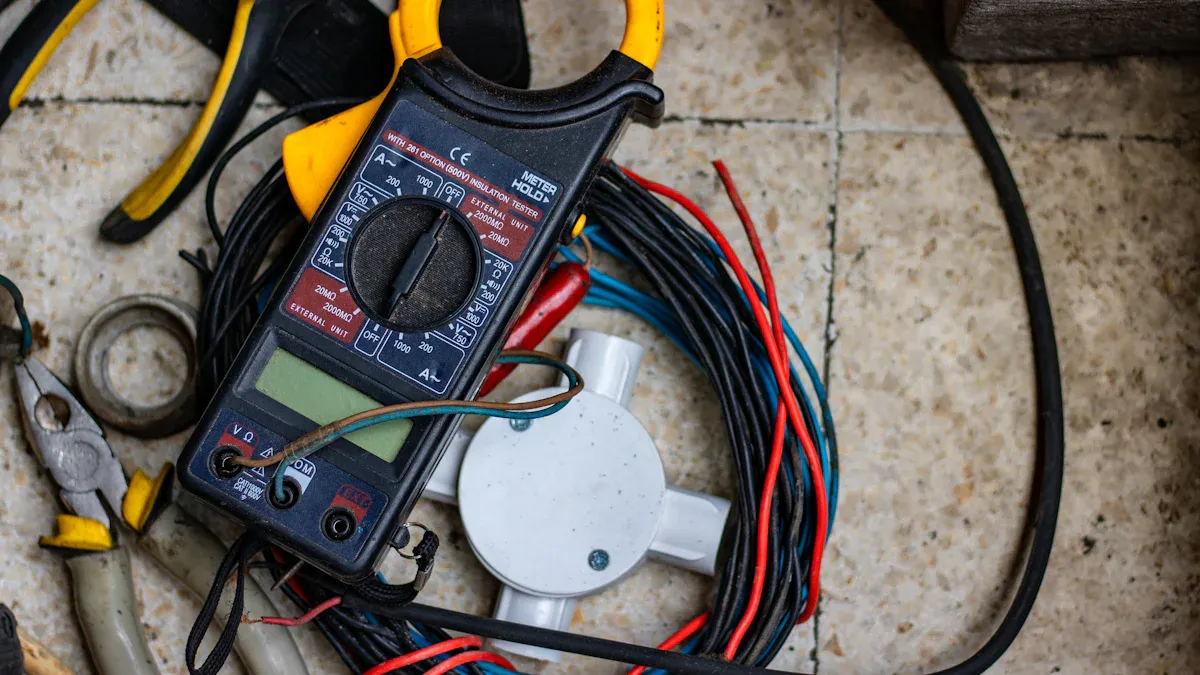
Проверка нагревательного элемента водонагревателя — это простой процесс при соблюдении правильных шагов. Вы можете диагностировать большинство проблем с горячей водой с помощью мультиметра и точной интерпретации результатов. Это руководство поможет вам безопасно и эффективно проверить нагревательные элементы водонагревателя. .
Настройка мультиметра для проверки
Перед проверкой нагревательного элемента необходимо подготовить мультиметр. Этот инструмент измеряет электрическое сопротивление и целостность цепи, которые являются ключевыми показателями исправности или неисправности нагревательного элемента.
Выбор правильного значения сопротивления
Установите мультиметр на наименьший диапазон сопротивления в омах (Ом). Большинство цифровых мультиметров имеют переключатель или кнопку для этой функции. Откалибруйте устройство, коснувшись двумя щупами друг друга. На дисплее должно отобразиться значение, близкое к нулю, что подтверждает готовность мультиметра к использованию. Этот шаг обеспечивает получение точных показаний при проверке нагревательного элемента.
Как проверить нагревательный элемент водонагревателя на целостность цепи
Ты можешь проверка ТЭНов водонагревателя на целостность цепи, чтобы определить, может ли электричество проходить через элемент. Отсутствие целостности означает, что элемент сломан и требует замены.
Размещение щупов мультиметра на винтах нагревательного элемента
Выполните следующие шаги для проверки нагревательного элемента на целостность цепи:
- Отключите электропитание водонагревателя. на автоматическом выключателе.
- Снимите панели доступа и изоляцию, чтобы открыть нагревательные элементы.
- Отсоедините провода от клемм нагревательного элемента. Промаркируйте или сфотографируйте провода для удобства повторного подключения.
- Установите мультиметр в режим проверки целостности цепи или наименьшего сопротивления в омах.
- Прикоснитесь одним щупом к каждому винту (клемме) на нагревательном элементе.
Считывание показаний мультиметра для проверки целостности цепи
При размещении щупов на винтах элемента наблюдайте за дисплеем мультиметра:
- Чтение между 10 и 30 Ом указывает на то, что элемент, вероятно, исправен.
- Отсутствие показаний, бесконечное сопротивление или отсутствие звукового сигнала (в режиме целостности цепи) означает, что элемент неисправен.
- Нулевое или очень низкое сопротивление указывает на короткое замыкание внутри элемента.
После проверки подключите провода обратно, установите на место изоляцию и панели доступа, а затем восстановите питание, если элемент исправен. Если обнаружен неисправный элемент, замените его перед сборкой устройства.
Совет: Всегда проверяйте как верхний, так и нижний нагревательные элементы, если ваш водонагреватель имеет два. Один неисправный элемент может вызывать нестабильную подачу горячей воды.
Проверка сопротивления нагревательного элемента водонагревателя (в омах)
Проверка сопротивления помогает подтвердить исправность нагревательного элемента водонагревателя. Вы можете сравнить свои показания с рекомендуемыми значениями для конкретной мощности и напряжения вашего элемента.
Ожидаемые диапазоны сопротивления для различной мощности
Используйте таблицу ниже, чтобы найти правильный диапазон сопротивления для вашего нагревательного элемента. Сопоставьте мощность и напряжение вашего элемента со значениями в таблице.
| Мощность (Вт) | Напряжение (В) | Рекомендуемый диапазон сопротивления (Ом) |
|---|---|---|
| 1500 | 240 | 33 до 43 |
| 2000 | 240 | 24 до 32 |
| 3500 | 240 | 13 до 19 |
| 4500 | 240 | 11 до 15 |
| 5500 | 240 | 9 до 12 |
| 750 | 120 | 16 до 22 |
| 1000 | 120 | 11.5 до 16.5 |
| 1500 | 120 | 8 до 12 |
| 2000 | 120 | 6 до 8 |
| 2500 | 120 | 5 до 7 |
| 3000 | 120 | 4 до 6 |
Для элементов на 208 В умножьте значения сопротивления для 240 В на 0,75.
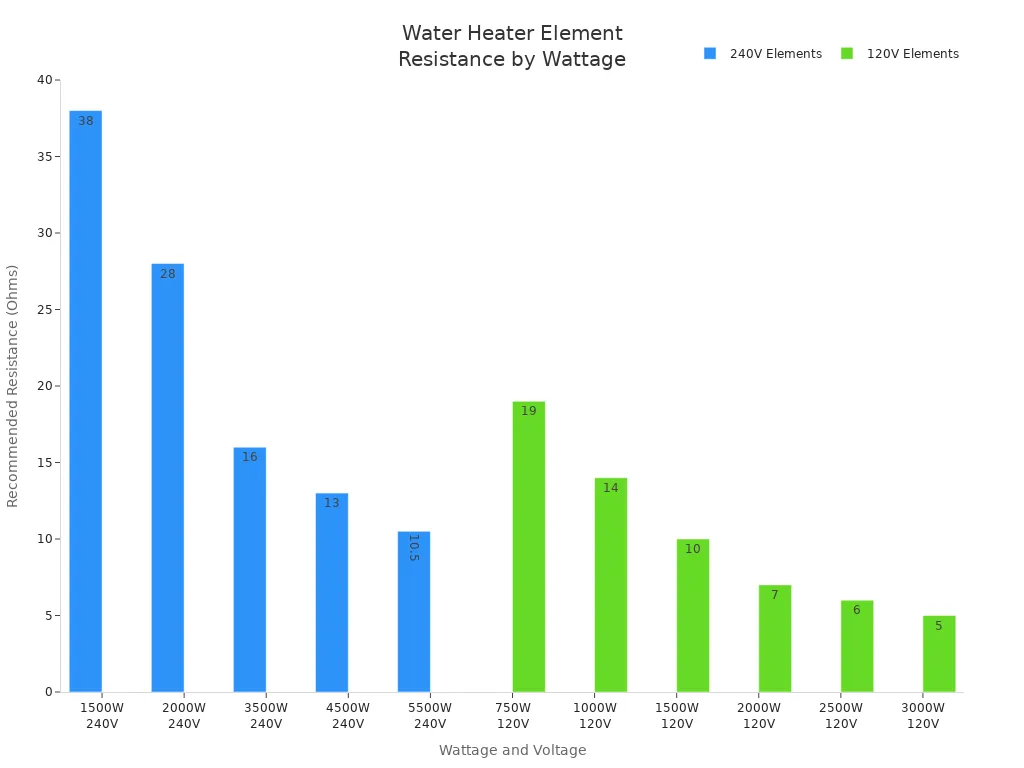
Интерпретация результатов
Когда вы проверка ТЭНов водонагревателя, Сравните показания вашего мультиметра с ожидаемым диапазоном:
- Показание в пределах рекомендуемого диапазона означает, что нагревательный элемент работает исправно.
- Показание ниже 5 Ом указывает на короткое замыкание внутри элемента.
- Показание выше рекомендуемого диапазона или бесконечное сопротивление означает, что элемент перегорел и требует замены.
- Отсутствие целостности цепи или отсутствие звукового сигнала на мультиметре также сигнализирует о неисправности элемента.
- Если вы обнаруживаете сопротивление между клеммой элемента и металлическим баком, элемент закорочен на корпус и должен быть заменён.
Всегда проверяйте нагревательные элементы при комнатной температуре для получения наиболее точных результатов. Если ваши показания в норме, но проблемы с горячей водой сохраняются, проверьте термостат или обратитесь к специалисту. Визуальные признаки, такие как коррозия или повреждения, также указывают на необходимость замены.
Примечание: Если вы не уверены в том, как проверить нагревательный элемент или интерпретировать результаты, обратитесь к лицензированному сантехнику или электрику. Безопасность всегда должна быть на первом месте при работе с электрическими приборами.
Понимание результатов проверки нагревательных элементов водонагревателя
Показания исправного нагревательного элемента водонагревателя
Нормальная целостность цепи и правильный диапазон сопротивления
Когда вы при проверке нагревательного элемента водонагревателя, вы хотите увидеть конкретные результаты, подтверждающие его исправную работу. Исправный элемент покажет целостность цепи и показания сопротивления в пределах ожидаемого диапазона. Для проверки установите мультиметр в режим измерения сопротивления (Ом) и измерьте между двумя клеммами после отключения проводов и выключения питания. Вы должны увидеть показание сопротивления от 10 до 17 Ом для большинства стандартных элементов. Например, элемент мощностью 1400 Вт и напряжением 120 В обычно показывает около 10,3 Ом. Если ваше показание попадает в этот диапазон, нагревательный элемент водонагревателя, вероятно, находится в хорошем состоянии и должен обеспечивать надёжную работу.
Также следует проверить сопротивление между каждой клеммой и металлическим корпусом нагревателя. Мультиметр должен показывать бесконечное сопротивление. Этот результат означает, что элемент не закорочен на бак и безопасен в использовании. Если вы видите такие показания, можно исключить неисправность нагревательного элемента как причину проблем с горячей водой.
Совет: Всегда проверяйте напряжение на клеммах элемента во время работы. Вы должны видеть около 240 вольт, если нагреватель включён.
Показания перегоревшего нагревательного элемента водонагревателя
Отсутствие целостности цепи или сопротивление вне допустимого диапазона
Если вы хотите узнать, как определить, что нагревательный элемент водонагревателя перегорел, обратите пристальное внимание на показания мультиметра. Перегоревший нагревательный элемент водонагревателя не покажет целостности цепи между клеммами. Мультиметр может отображать бесконечное сопротивление или показание, далёкое от нормального диапазона, например 0 или 1 Ом. Эти результаты указывают на обрыв или короткое замыкание внутри элемента, что означает невозможность нагрева воды.
Вы также можете заметить эксплуатационные симптомы, включая отсутствие горячей воды, тёплую воду или быстрое заканчивание горячей воды. Другие признаки включают частые срабатывания автоматического выключателя, необычные звуки, такие как шипение или потрескивание, а также снижение эффективности нагрева. Если вы видите видимую коррозию или утечки вокруг элемента, это является явным признаком неисправности.
Обнаружение короткого замыкания элемента по проводимости на бак
Короткое замыкание элемента — это еще один вид неисправности нагревательного элемента. Для проверки поместите один щуп на клемму, а другой — на металлический бак. Если мультиметр показывает любое сопротивление (кроме бесконечности), элемент замкнут на корпус. Эта неисправность может вызывать срабатывание автоматического выключателя и привести к дальнейшим повреждениям, если ее не устранить. Следует немедленно заменить элемент для восстановления безопасной работы.
Что делать, если нагревательный элемент водонагревателя неисправен
Самостоятельная замена элемента
Если ваши проверки подтвердили неисправность нагревательного элемента, вы можете заменить его самостоятельно. Убедитесь, что вы выбрали замену, соответствующую мощности и размеру оригинального элемента водонагревателя. Соблюдайте все меры безопасности, включая отключение питания и слив воды из бака перед демонтажем. Многие домовладельцы считают этот ремонт выполнимым с помощью базовых инструментов и внимательного следования инструкциям.
Когда следует обращаться к профессионалам
Иногда вы можете сомневаться, как определить, перегорел ли элемент водонагревателя, или как выполнить ремонт. Если возникают постоянные проблемы, вопросы, связанные с электричеством, или признаки более сложной неисправности, обратитесь к лицензированному специалисту. Эксперт может диагностировать проблему, обеспечить соблюдение стандартов безопасности и восстановить работоспособность водонагревателя.
Примечание: Своевременное устранение перегоревшего элемента водонагревателя предотвращает дальнейшие повреждения и помогает избежать повышенных счетов за электроэнергию или неожиданных поломок.
Замена перегоревшего элемента водонагревателя
Выбор правильного заменяющего элемента водонагревателя
Выбор правильной замены для вашего водонагревателя обеспечивает безопасную и эффективную работу. Перед покупкой нового элемента необходимо учесть несколько факторов:
- Определите тип вашего водонагревателя — накопительный, проточный или гибридный — для обеспечения совместимости.
- Точно согласуйте мощность и напряжение с характеристиками вашего водонагревателя. Неправильные номиналы могут привести к электрическим опасностям или повреждениям.
- Выберите правильную плотность мощности. Элементы с низкой плотностью мощности служат дольше в условиях жесткой воды, тогда как элементы с высокой плотностью мощности нагревают воду быстрее, но могут изнашиваться раньше.
- Выберите материал, подходящий для качества вашей воды. Медь обеспечивает хорошую теплопроводность, но нержавеющая сталь и инколой обладают лучшей коррозионной стойкостью.
- Проверьте физическое соответствие. Убедитесь в длине, типе резьбы и способе крепления, чтобы избежать утечек и обеспечить правильную установку.
- Ищите сертификаты безопасности и соответствие местным нормам.
- Ознакомьтесь с условиями гарантии и требованиями к обслуживанию для долгосрочной надежности.
- Учтите простоту установки. Некоторые замены требуют только базовых инструментов, тогда как другие могут потребовать лицензированного специалиста.
Совет: Всегда проверяйте руководство или этикетку вашего водонагревателя на предмет правильного размера и напряжения перед покупкой замены.
Соответствие мощности и размера вашему водонагревателю
Вы должны согласовать мощность и размер нового элемента с существующим водонагревателем. Использование неправильного размера или мощности может привести к плохой производительности или даже повреждению устройства. Большинство бытовых водонагревателей используют элементы номиналом от 1500 до 5500 ватт. Подтвердите характеристики на старом элементе или этикетке производителя.
Пошаговый процесс замены
Слив воды из бака водонагревателя
Начните с отключения питания на автоматическом выключателе. Перекройте клапан подачи холодной воды. Подсоедините садовый шланг к сливному клапану в нижней части бака. Откройте кран горячей воды для сброса давления, затем откройте сливной клапан для опорожнения бака. Этот шаг предотвращает разлив воды и делает замену элементов более безопасной.
Снятие старого нагревательного элемента водонагревателя
Снимите панель доступа, изоляцию и пластиковую защитную крышку. Используйте тестер напряжения, чтобы убедиться, что питание отключено. Отсоедините провода от элемента. С помощью ключа для нагревательных элементов или отвертки выкрутите и удалите перегоревший элемент водонагревателя.
Установка нового элемента водонагревателя
Вставьте новый элемент в отверстие. Надежно затяните его ключом. Подсоедините провода к клеммам, обеспечив плотное прилегание. Установите на место изоляцию и панель доступа.
Заполнение бака и тестирование
Закройте сливной клапан. Откройте клапан подачи холодной воды и дайте баку наполниться. Держите кран горячей воды открытым, чтобы выпустить воздух. Когда бак наполнится и вода будет течь равномерно, проверьте на наличие утечек вокруг нового элемента. При необходимости подтяните. Восстановите питание на автоматическом выключателе. Дождитесь нагрева воды, затем проверьте водонагреватель на правильную работу.
⚠️ Распространенная ошибка: Никогда не включайте питание до заполнения бака. Сухой пуск может мгновенно разрушить новый элемент.
Следуя этим шагам, вы обеспечиваете безопасный и эффективный процесс замены перегоревшего элемента водонагревателя. Регулярный осмотр и правильная установка помогают продлить срок службы вашего водонагревателя.
Когда вызывать профессионала для решения проблем с водонагревателем
Ситуации, требующие помощи эксперта
Вы можете чувствовать уверенность в выполнении базового обслуживания, но некоторые проблемы с водонагревателем требуют профессионального внимания. Распознавание таких ситуаций помогает избежать рисков для безопасности и дорогостоящих ошибок.
Электрические проблемы или неуверенность
Если вы заметите электрические неисправности, такие как срабатывание автоматических выключателей или неисправная проводка, не следует пытаться выполнять ремонт самостоятельно. Электрические проблемы могут привести к ударам током, пожару или дальнейшим повреждениям водонагревателя. Если вы сомневаетесь в каком-либо электрическом компоненте, всегда вызывайте лицензированного специалиста. Профессионалы обладают подготовкой и инструментами для безопасной диагностики и решения сложных электрических проблем.
Постоянные проблемы после замены элемента
Иногда вы заменяете нагревательный элемент, но водонагреватель все равно не работает должным образом. Постоянные проблемы, такие как нестабильная температура воды, отсутствие горячей воды или частые срабатывания автоматического выключателя, могут указывать на более глубокие неисправности. Они могут включать термостат, проводку или даже сам бак. В таких случаях профессиональная диагностика гарантирует правильное решение, будь то ремонт или замена.
Совет: Если вы столкнулись с любым из следующих признаков, немедленно обратитесь к профессионалу:
- Изменение цвета воды или неприятный запах
- Утечка из бака или соединений
- Необычные шумы, такие как щелчки или стук
- Низкое давление воды
- Утечка газа или проблемы с запальником в газовых водонагревателях
- Неисправность предохранительного клапана давления
Преимущества профессионального обслуживания водонагревателя
Наем лицензированного профессионала для вашего водонагревателя дает несколько преимуществ. Вы получаете спокойствие, зная, что ваша система соответствует стандартам безопасности и работает эффективно.
Обеспечение безопасности и соответствия
Профессионалы следуют строгим протоколам безопасности и местным строительным нормам. Они проверяют устройства безопасности, выявляют утечки и тестируют критические компоненты. Лицензированные специалисты обеспечивают правильную установку газовых линий, электрических соединений и вентиляции. Это снижает риски, такие как утечки газа, электрические опасности и воздействие угарного газа. Они также получают необходимые разрешения и организуют проверки, гарантируя, что ваш водонагреватель соответствует всем нормам.
| Выгода | Объяснение |
|---|---|
| Экспертиза и знания | Профессионалы точно диагностируют и устраняют неисправности, обеспечивая надежный ремонт. |
| Гарантия безопасности | Они соблюдают стандарты безопасности, защищая ваш дом от опасностей. |
| Правильные инструменты и оборудование | Специалисты используют специализированные инструменты для точной и эффективной работы. |
| Экономически эффективные решения | Профилактическое обслуживание и качественные запчасти продлевают срок службы вашего водонагревателя. |
| Гарантийная защита | Лицензированный ремонт часто сопровождается гарантиями для дополнительной безопасности. |
| Улучшение энергоэффективности | Специалисты устраняют отложения и неисправные детали, снижая счета за энергию. |
| Соблюдение нормативных требований | Ремонт соответствует местным нормам, позволяя избежать штрафов и обеспечивая легальную эксплуатацию. |
| Надежные и гарантированные результаты | Профессиональная работа подкрепляется гарантиями и долгосрочной производительностью. |
| Долгосрочная производительность | Своевременный ремонт помогает поддерживать оптимальную функцию и продлевает срок полезной службы водонагревателя. |
Долгосрочная надежность и спокойствие
Вы защищаете свои инвестиции, выбирая профессиональное обслуживание. Специалисты обеспечивают регулярное техническое обслуживание, которое повышает эффективность и продлевает срок службы вашего водонагревателя. Они выполняют сложный ремонт и установку, гарантируя сохранение действия вашей гарантии. Вы избегаете рисков ошибок при самостоятельном ремонте и наслаждаетесь стабильной подачей горячей воды, сниженными счетами за коммунальные услуги и меньшим количеством неожиданных поломок.
🛠️ Примечание: Профессиональное обслуживание не только обеспечивает безопасную работу вашего водонагревателя, но и со временем помогает вам экономить деньги, предотвращая крупный ремонт и повышая энергоэффективность.
Проверка нагревательного элемента водонагревателя дает вам простой способ решить проблемы с горячей водой и избежать дорогостоящего ремонта. Всегда соблюдайте меры безопасности и используйте правильные инструменты для каждого теста. Если вы не уверены, обратитесь за помощью к профессионалу. Регулярное техническое обслуживание водонагревателя, включая проверку элемента два раза в год, помогает вам экономить деньги и продлевать срок службы системы.
- Обычные водонагреватели служат 8–12 лет при надлежащем уходе, а некоторые достигают 20 лет.
- Ежегодная промывка и проверка анодного стержня предотвращают накопление осадка и коррозию.
ЧАСТО ЗАДАВАЕМЫЕ ВОПРОСЫ
Как часто следует проверять нагревательный элемент водонагревателя?
Вам следует проверять нагревательный элемент водонагревателя не реже одного раза в год. Регулярная проверка помогает вовремя выявлять проблемы и поддерживать эффективную работу. Если вы заметили такие проблемы, как нестабильная подача горячей воды, немедленно проверьте элемент.
Можно ли проверить нагревательный элемент водонагревателя, не снимая его?
Да, вы можете проверить элемент, не снимая его. Отсоедините провода от клемм и используйте мультиметр для проверки целостности цепи и сопротивления. Всегда отключайте питание перед проверкой.
Какие инструменты вам понадобятся для проверки нагревательного элемента водонагревателя?
Вам понадобится цифровой мультиметр, отвертка, защитные перчатки и защитные очки. Эти инструменты помогут вам получить доступ к элементу, отсоединить провода и безопасно измерить электрические параметры.
Что означает, если нагревательный элемент водонагревателя не показывает целостность цепи?
Отсутствие целостности цепи означает, что элемент вышел из строя. Электрический ток не может проходить через него, поэтому он не может нагревать воду. Вам необходимо заменить элемент, чтобы восстановить подачу горячей воды.
Безопасно ли самостоятельно заменять элемент водонагревателя?
Вы можете самостоятельно заменить нагревательный элемент водонагревателя, если соблюдаете все меры безопасности. Всегда отключайте питание и сливайте воду из бака. Если вы не уверены, обратитесь к лицензированному специалисту.
Почему ваш водонагреватель постоянно выбивает автомат?
Сработавший автоматический выключатель часто сигнализирует о закороченном или неисправном нагревательном элементе. Это также может указывать на проблемы с проводкой или неисправный термостат. Проверьте элемент и осмотрите проводку, чтобы найти причину.
Как определить, какой элемент неисправен в двухэлементном водонагревателе?
Проверьте оба элемента — верхний и нижний — с помощью мультиметра. Неисправный элемент не будет показывать целостность цепи или покажет значение сопротивления вне допустимого диапазона. Замените только тот элемент, который не прошел проверку.
Может ли неисправный нагревательный элемент водонагревателя повлиять на качество воды?
Вышедший из строя элемент обычно не влияет на качество воды. Однако коррозия или скопление осадка на элементе могут вызвать изменение цвета или запах. Если вы заметили эти проблемы, проверьте элемент и промойте бак.