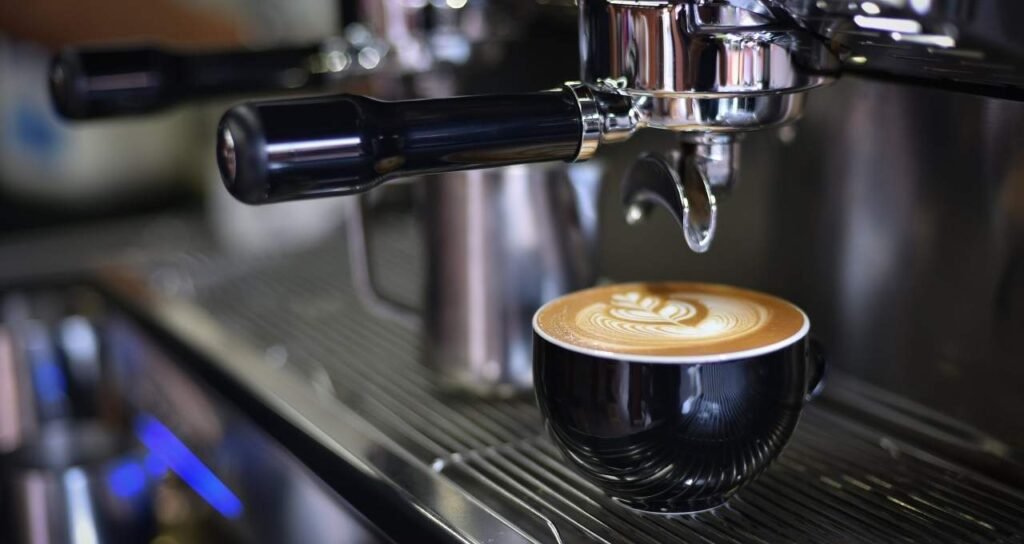

最もシンプルなドリップ式コーヒーメーカーから最も高度な業務用エスプレッソマシンに至るまで、すべてのコーヒーマシンの心臓部はその加熱システムです。このシステムの性能、信頼性、設計は、最終的な飲料の品質を直接左右します。このシステムの中核を成すのが 電熱線, であり、これは電気エネルギーを、最適なコーヒー抽出に必要な正確な熱エネルギーに変換するという重要な役割を担う部品です。しかし、すべての加熱要素が同等に作られているわけではありません。その背後にある技術、材料、設計思想は大きく異なり、それぞれが速度、安定性、効率、コストの独自のバランスを提供します。.
異なる があります を理解することは、コーヒー愛好家、ホームバリスタ、メンテナンス専門家にとって不可欠です。この知識は、なぜ一部のマシンは数秒で加熱されるのに他のマシンは何分もかかるのか、なぜ温度安定性がこれほど大きく異なるのか、そして特定のマシンがその意図された目的に適している理由を明らかにします。.
この詳細なガイドでは、現代の コーヒーメーカー. に見られる主要なタイプの加熱要素を探求します。古典的な浸漬型管状ヒーター、高速動作するサーモブロックとそのダイカストバリエーション、革新的なサーモコイル、そして最先端の厚膜ヒーターを分析します。それぞれの構造、動作原理、利点、欠点を検討することで、私たちの日常の抽出を支える技術について、明確かつ包括的な概要を提供します。.
基本原理:ジュール加熱
特定のタイプに踏み込む前に、すべての電気加熱要素が 共有する基本的な科学を 理解することが極めて重要です。この原理は ジュール熱 または抵抗加熱として知られています。これは、電流が導体を通過する際に、電子の流れに対する材料の抵抗により、電気エネルギーの一部が熱に変換されることを述べています。.
ほぼすべての[加熱エレメント]の中核は、特殊な抵抗線であり、最も一般的には ニクロム (ニッケルクロム)合金で作られています。この材料は、いくつかの重要な理由から業界標準となっています:
- 高い電気抵抗: 印加電流に対して効率的に大量の熱を発生させます。.
- 耐酸化性: 加熱されると、ニクロムはその表面に保護的で不動態の酸化クロム層を形成します。この層は熱力学的に安定しており、下地の金属がさらに酸化するのを防ぎ、高温での長い動作寿命を確保する上で極めて重要です。.
- 高い融点: 溶融や劣化することなく、加熱用途に必要な非常に高い温度に耐えることができます。.
この抵抗線は通常、コンパクトなスペースにかなりの長さを収めるためにコイル状に巻かれます。その後、保護用の金属シース内に封入され、ほとんどの場合 酸化マグネシウム(MgO). という微粉末によって電気的に絶縁されます。MgOは優れた熱伝導体ですが、非常に劣った電気伝導体であり、コイルで発生した熱を効率的に外側のシースに伝えながら、危険な漏電を防ぎます。この基本的な構造は、最も一般的なタイプの 発熱体.
タイプ1:浸漬型管状加熱要素
浸漬型管状ヒーターは、特に従来型のエスプレッソマシンにおいて、コーヒー界の主力製品です。これは最も認知されているタイプであり、その堅牢でシンプルかつ効果的な設計が特徴です。.
構造と設計
名前が示すように、この要素は加熱対象の水に直接浸漬される金属管(シース)です。絶縁されたニクロムコイルを内包するシースは、ボイラー内の限られたスペースで表面積を最大化するために様々な形状に曲げられます。.
- シース材料: シース材料の選択は、耐久性と性能にとって極めて重要です。.
- これは現代の高品質な 最も一般的な材料であり、優れた熱伝達、高い強度、そして耐腐食性と耐スケール性の優れたバランスを提供します。.
- 優れた熱伝導体ではありますが、銅はステンレス鋼よりも腐食しやすいです。歴史的に使用されてきましたが、現代のほとんどの銅エレメントは保護のためにニッケルメッキが施されています。しかし、ステンレス鋼はその優れた耐久性と不活性性により、現在では主に好まれる材料となっています。 ステンレス鋼よりも優れた熱伝導率を持ち、水への熱伝達をより効率的に行えます。しかし、より柔らかく、特に攻撃的な水質に対して腐食しやすいです。.
- インコロイ®: 極端な温度下でも優れた耐酸化性と耐腐食性を提供するニッケルクロム超合金のファミリーです。これらは、絶え間ない過酷な使用下での長寿命と信頼性が最優先されるハイエンド業務用マシンによく見られます。.
- 取り付けとシール: これらの要素は、以下の2つの方法のいずれかでボイラーに取り付けられます: フランジ または ねじ込み式プラグ.
- フランジ取り付け: 要素は平板(フランジ)に溶接され、そのフランジがボイラーの対応する開口部にボルトで固定されます。フランジとボイラーの間には、シリコン、EPDM、PTFE(テフロン)などで作られた高温用ガスケットが配置され、水密シールを形成します。この設計は大型の業務用マシンで一般的です。.
- ねじ込み式取り付け: 要素は大きなねじ込み式プラグ(多くの場合真鍮製)に溶接され、そのプラグをボイラーのねじ込みポートに直接ねじ込みます。プラグにはガスケットまたはOリングが使用され、適切なシールを確保します。これは、Rocket Espresso、Lelit、Profitecなどの多くのプロシューマー向けおよび家庭用エスプレッソマシンで一般的です。.
動作と性能
浸漬型 要素は、ボイラー内の大きな閉じ込められた水の塊を加熱することで機能します。このボイラーは、抽出用の熱的に安定した水のリザーバーとして機能し、スチームボイラーの場合はミルクフォーミング用の蒸気を生成します。 優れた熱安定性:.
利点:
- 加熱された大量の水は熱バッテリーとして機能します。目標温度に達すると、変動に対して非常に耐性があり、ショットごとに非常に安定した一貫した抽出水温を提供します。これはハイエンドのデュアルボイラーおよび熱交換器マシンの特徴です。 高出力と蒸気容量:.
- この設計により、非常に高いワット数の要素(大型業務用マシンでは最大6000W)が可能となり、迅速な蒸気生成と大量の水を抜いた後の素早い回復を実現します。 耐久性:.
- その構造はシンプルで堅牢であり、空焚きや極端なスケールの蓄積がない限り、長い耐用年数をもたらします。 遅い加熱時間:.
欠点:
- コールドスタートから大量の水(1リットルから15リットル以上)を加熱するには、通常15分から45分の範囲でかなりの時間がかかります。 低いエネルギー効率:.
- マシンはアイドル時でもボイラー全体を高温に保たなければならないため、常に受動的な熱損失が発生し、オンデマンドシステムと比較して待機時のエネルギー消費が高くなります。 スケールの脆弱性:.
- 要素は常に熱湯に浸かっているため、スケール(水垢)の堆積の主な標的となります。厚いスケール層は要素を断熱し、過熱を引き起こし、最終的には故障に至らせます。 一般的な用途:.
シングルボイラー、デュアルボイラー(DB)、熱交換器(HX)エスプレッソマシン。
- 事実上すべての業務用エスプレッソマシン。.
- ハイエンドの「プロシューマー」向け家庭用エスプレッソマシン(例:Rocket Espresso R58、Lelit Bianca、Profitec Pro 700)。.
- 大型業務用バッチブリュワー。.
- Large commercial batch brewers.
タイプ2:サーモブロックおよびダイカストヒーター
サーモブロックは、水の加熱において根本的に異なるアプローチを表します。大きな貯水タンクを加熱する代わりに、水が流れる際に「オンデマンド」で加熱するように設計されています。.
構造と設計
サーモブロックは、通常アルミニウムまたはステンレス鋼製の高密度金属ブロックであり、その内部には蛇行または螺旋状の長く狭いチャネルまたはチューブが通っています。 コーヒーメーカー用ヒーター このブロックには、目標の抽出温度まで加熱するためのヒーターが統合されています。.
最高品質のサーモブロックは、 ダイカスト加熱エレメント. を採用しています。この高度な製造プロセスでは、管状のエレメントが金型内に配置され、その周囲に溶融アルミニウムが注入されます。これにより、エレメントがブロック内に埋め込まれた単一の統合部品が生成されます。この方法は、エレメントからブロックへの最も効率的かつ均一な熱伝達を保証します。 電熱線 (原文に該当する日本語訳なし:8. は「is placed into a mold」の一部であり、上記7.で統合済み) 加熱要素自体は完全に (原文に該当する日本語訳なし:9. は「embedded within the block」の一部であり、上記7.で統合済み) (原文に該当する日本語訳なし:10. は「efficient and uniform heat transfer possible from the element」の一部であり、上記7.で統合済み) (原文に該当する日本語訳なし:11. は「to the block」の一部であり、上記7.で統合済み).
動作と性能
抽出サイクルが開始されると、ポンプが冷水をサーモブロックのチャネルに押し込みます。水が長く高温の経路を移動する際、周囲の金属から急速に熱を吸収し、所望の抽出温度で排出されます。.
利点:
- 極めて速い加熱時間: 大型のボイラーを加熱する必要がないため、サーモブロック式マシンはコールドスタートからわずか30~60秒で抽出準備が整います。.
- 高いエネルギー効率: このシステムは必要な時だけ水を加熱し、熱容量が小さいため待機時の消費電力は非常に低くなります。.
- コンパクトなサイズ: 大型で重いボイラーがないため、マシンは大幅に小型化、軽量化され、製造コストも低くなります。.
- 毎回の抽出に新鮮な水: このシステムは、ボイラー内に滞留した水ではなく、リザーバーからの新鮮な水を各抽出サイクルで使用します。.
欠点:
- 温度の不安定性: これが主な欠点であり、特に安価な設計で顕著です。熱容量が小さいため、冷水が流入するとブロックが温度低下しやすくなります。これにより、1回の抽出中に温度が低下し、抽出不足を引き起こす可能性があります。より高度なサーモブロックはPIDコントローラーと高ワット数を採用してこれを緩和しますが、大型ボイラーのような極めて安定した温度制御には及ばないことが多いです。.
- 詰まりやすい: 非常に狭い水路はスケール(石灰分)で容易に詰まり、ブロック全体を交換せずに除去することは困難または不可能な場合があります。.
- 限定的なスチーム出力: 多くのサーモブロック式マシンはスチームを生成できますが、そのために専用の小型または高温のサーモブロックを備えていることが多いです。スチーム出力と安定性は、一般的にボイラー式マシンよりもはるかに低くなります。.
シングルボイラー、デュアルボイラー(DB)、熱交換器(HX)エスプレッソマシン。
- スーパーオートマチック(豆からカップまで)エスプレッソマシン。.
- ほとんどのエントリーレベルのセミオートマチックエスプレッソマシン。.
- シングルサーブのポッドおよびカプセルマシン(ネスプレッソ、キューリグ)。.
タイプ3:サーモコイルヒーター
サーモコイルは、オンデマンド加熱コンセプトの特定のバリエーションであり、サーモブロックと密接に関連しています。これは、多くのブレビル(およびセージ)コーヒーマシンで最も有名に使用されています。 (原文に該当する日本語訳なし:32. は「coffee machines」の一部であり、上記31.で統合済み).
構造と設計
固体金属ブロックの代わりに、サーモコイルは水が流れる長いコイル状の金属管で構成されています。加熱エレメントは、このコイルの周囲に巻き付けられるか、鋳造ハウジング内に沿って埋め込まれています。主な違いは、水が加熱行程全体を通じてコイル内に完全に封入されていることです。.
動作と性能
動作原理はサーモブロックと同一であり、水は高温のコイルを流れる際に加熱されます。.
利点:
- サーモブロックのすべての利点:迅速な加熱、エネルギー効率、コンパクトなサイズ。.
- 材料の純度: 多くの設計では、水路が完全にステンレス鋼であり、多くのサーモブロックに見られるアルミニウムよりもこれを好むユーザーもいます。.
欠点:
- サーモブロックと同様に、温度不安定性や限定的なスチーム出力の可能性を共有しますが、PID制御を備えた高度なモデルでは性能が大幅に向上しています。.
シングルボイラー、デュアルボイラー(DB)、熱交換器(HX)エスプレッソマシン。
- 多くの人気のあるミッドレンジ家庭用エスプレッソマシン、特にブレビル/セージなどのブランドのもの。.
タイプ4:厚膜ヒーター
厚膜加熱は、比較的新しく高度な技術であり、極めてコンパクトな形状でほぼ瞬時の水加熱を実現します。.
構造と設計
この技術は、従来のコイルワイヤーエレメントから脱却します。代わりに、セラミックやステンレス鋼などの基板上に特殊なペーストの複数の層を印刷します。これらの層には、抵抗トラック(加熱エレメント)、誘電体(絶縁)層、および導電性コンタクトパッドが含まれます。アセンブリ全体を炉で焼成し、単一の耐久性のある薄型部品を作成します。.
動作と性能
厚膜ヒーターは、水がその高温表面を直接流れることで機能します。ヒーターは極めて低い熱容量と非常に大きな表面積対体積比を持つため、熱伝達は非常に迅速かつ効率的です。.
利点:
- 瞬時加熱: 熱応答が非常に速いため、水が流れる際に正確な温度に加熱でき、待ち時間が実質的にありません。.
- 卓越したエネルギー効率: 最も直接的なオンデマンド加熱形態として、エネルギー効率が高く、無駄なエネルギーが最小限に抑えられます。.
- 非常にコンパクトで軽量: エレメントの平坦で印刷された性質により、非常に小型で多用途な設計が可能です。.
- 精密な温度制御: この技術は高度な電子制御に適しており、非常に正確でプログラム可能な温度出力を可能にします。.
欠点:
- 高いコスト: 製造プロセスがより複雑であるため、これらのエレメントは従来のタイプよりも高価です。.
- 耐久性に関する懸念: 改善されつつあるものの、この技術は頑丈な管状エレメントと比較して、物理的衝撃や繰り返しの熱サイクルによる応力に敏感である可能性があります。また、スケールによる故障の影響を非常に受けやすいです。.
シングルボイラー、デュアルボイラー(DB)、熱交換器(HX)エスプレッソマシン。
- 可変温度制御を備えたハイテク「スマート」電気ケトル。.
- 瞬間湯沸かし器。.
- 一部の高度なハイエンドシングルサーブコーヒーおよび飲料システム。.
比較概要
以下の表は、コーヒーマシンに使用される主要な 加熱素子技術の比較を並べて示しています。 .
| 特徴 | 浸漬式チューブヒーター | サーモブロック / ダイカスト | サーモコイル | 厚膜ヒーター |
|---|---|---|---|---|
| ヒートアップ時間 | 遅い (15-45分) | 非常に速い (2分未満) | 非常に速い (2分未満) | 瞬時 |
| 醸造温度安定性 | 素晴らしい | 可から良 | 可から良 | 良 (流量依存) |
| スチーム出力 | 素晴らしい | 不可から可 | 不可から可 | N/A(蒸気には使用しない) |
| エネルギー効率 | 良好 | 素晴らしい | 素晴らしい | スーペリア |
| サイズと設置面積 | 大型・重量大 | コンパクト・軽量 | コンパクト・軽量 | 極めてコンパクト |
| 水垢の影響度 | 高(加熱体を絶縁) | 非常に高(流路閉塞) | 非常に高(コイル閉塞) | 致命的(故障の原因) |
| 主な使用事例 | プロシューマー/業務用エスプレッソ | エントリーレベル/自動エスプレッソマシン | ミッドレンジ家庭用エスプレッソマシン | ケトル、給湯タップ |
メーカーの決定的な役割
方式に関わらず、加熱素子の品質は最も重要です。粗悪な部品は温度精度の低下、早期故障を招き、深刻な電気安全上の危険を生じさせる可能性があります。このため、メーカーの評価と基準が極めて重要となるのです。 電熱器メーカー 確立されたメーカーは、ISO 9001(品質管理)、UL(安全規格)、VDE(安全規格)などの厳格な品質管理プロトコルと国際認証を遵守しています。高純度材料を抵抗線と外被に使用し、正確なワット数・電圧定格を保証し、電気絶縁性と耐久性に関する厳密な試験を実施します。交換部品を調達する際は、認証メーカーと提携する信頼できるサプライヤーの製品を選択することで、部品が安全かつ確実に動作し、投資を保護し、期待通りの性能を発揮することが保証されます。.
加熱素子は、コーヒーマシン内部に隠された精巧なエンジニアリングの証です。従来型の没入式管状ヒーターは、高級エスプレッソ用途における熱安定性と出力において、速度を犠牲にしても揺るぎない一貫性を提供する、不動の王者です。一方、サーモブロックとサーモコイルは、コンパクトで効率的なパッケージにおいて驚異的な速さと利便性を実現し、家庭用市場に革命をもたらしました。最先端の厚膜技術は瞬間加熱の限界を押し広げ、より応答性が高くインテリジェントな飲料調理の未来を示唆しています。.
結論
各加熱素子の特徴を理解することで、消費者はより情報に基づいた選択が可能となり、バリスタは機器の挙動をより深く理解でき、技術者は問題をより効果的に診断できるようになります。最終的には、これらの重要な部品の多様性を理解することが、冷水と焙煎豆から香り高い完璧な一杯のコーヒーに至る複雑な過程に対する理解を深めることにつながります。.
HowStuffWorks. 「コーヒーメーカーの修理方法」参照元: コーヒーメーカー用ヒーター, Chris’ Coffee. 「コーヒーボイラー加熱素子」参照元:.
参考文献
- HowStuffWorks. 「コーヒーメーカーの修理方法」参照元: https://home.howstuffworks.com/how-to-repair-small-appliances3.htm
- Chris’ Coffee. 「コーヒーボイラーヒータ」参照元: https://www.chriscoffee.com/products/rocket-coffee-boiler-heating-element
- Stefano’s Espresso Care. 「エスプレッソマシン用ヒータ」参照元: https://espressocare.com/collections/heating-elements
- Coffee Addicts. 「ヒータ」参照元: https://coffeeaddicts.ca/collections/elements
- コーヒーマシン加熱素子 3 https://jinzho.com/product-category/heating-element/
- コーヒーマシン加熱素子 4 https://www.youtube.com/watch?v=NHaoo0Ld-oM