浴槽に足を踏み入れるたびに、確かな温かさが得られることを望んでいます。. 発熱体 メンテナンスは、ポータブル浴槽やインフレータブル浴槽を含むスパの快適性と性能において極めて重要な役割を果たします。業界の専門家は、 金中電熱 および主要な 発熱体メーカー 以下の点を強調しています。 定期的な清掃、点検、および調整 は、腐食や高額な損傷を防ぎます。.
- 浴槽およびスパにおける 家電製品の加熱素子 の適切なメンテナンスは、その寿命を延ばし、不均一な加熱や故障を防ぎます。.
浴槽用発熱体の基礎
浴槽用発熱体とは何か
浴槽における発熱体の仕組み
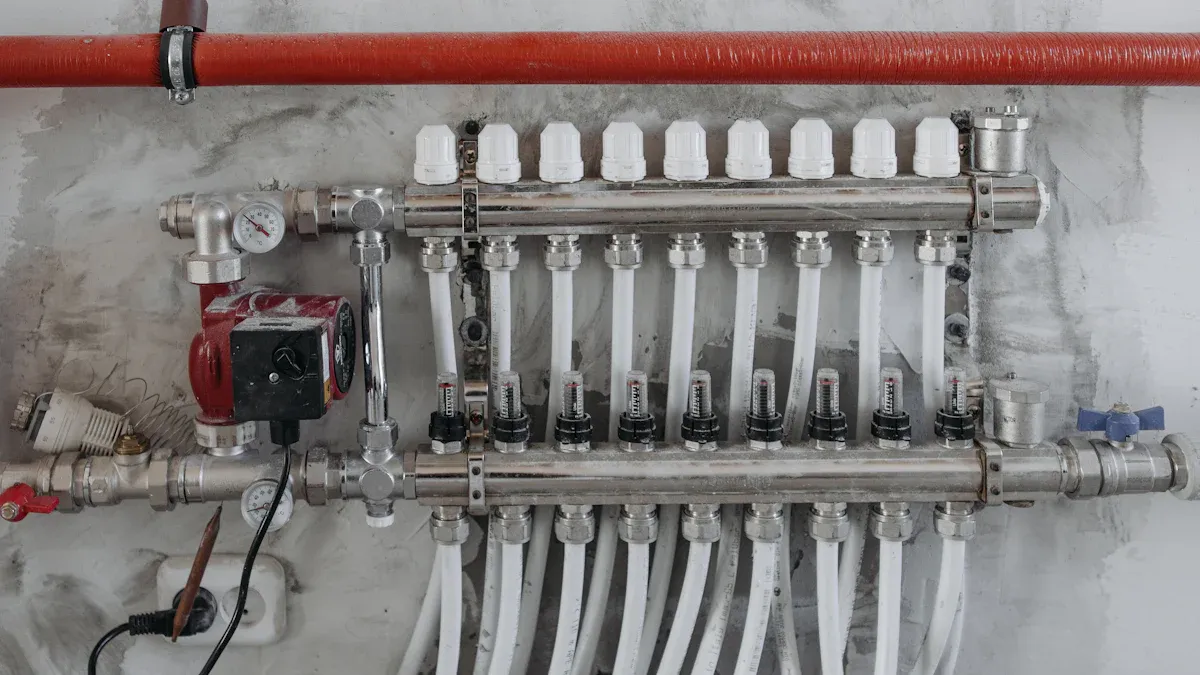
A 電熱線 は、浴槽の加熱システムの中核として機能します。スパを起動すると、通常はチタンやインコロイなどの材料で作られた発熱体に電気が流れます。発熱体の電気抵抗により発熱します。その後、水が発熱体の上または周囲を通過し、この熱を吸収してから浴槽内に循環します。サーモスタットが水温を監視し、ヒーターのオン/オフを切り替えて、水を希望の範囲内に保ちます。コントロールパネルで温度を設定し、ヒーターの動作を管理できます。 温度センサーやハイリミットスイッチ, などの安全機能により、水が過熱するのを防ぎ、ユーザーを保護します。.
ヒント 循環ポンプが適切に作動していることを常に確認してください。良好な水流は均一な加熱を保証し、 電熱線.
以下は、 主要コンポーネントとその機能:
| 成分 | 機能 |
|---|---|
| 加熱エレメント | チタン、ステンレス鋼、またはニクロムで作られた電気抵抗コイルで、電気エネルギーを熱に変換します。. |
| 水流 | 水が発熱体の上または周囲を通過して熱を吸収し、温水を浴槽に循環させます。. |
| サーモスタット | 水温を監視し、ヒーターのオン/オフを切り替えて、安全で快適な温度範囲を維持します。. |
| コントロールパネル | ユーザーが希望の温度を設定し、ヒーターの動作を管理できるようにします。. |
| 循環ポンプ | 加熱された水をジェットを通じて浴槽に戻し、均一な熱分布を実現します。. |
| 安全機能 | 過熱を防ぐために温度センサーとハイリミットスイッチを含みます。. |
発熱体の種類(インコロイ、チタン)
浴槽およびスパには、主に2種類の 発熱体 があります。インコロイとチタンです。ニッケル鉄合金で作られたインコロイ発熱体は、通常の条件下で安定した性能と耐腐食性を提供します。チタン発熱体は、特に塩水システムや頻繁な化学薬品の変動がある浴槽において、優れた耐腐食性を発揮します。ポータブル浴槽やインフレータブル浴槽をお持ちの場合、メーカーがその耐久性と長寿命からチタンを選択することが多いことに気付くかもしれません。.
浴槽にとって発熱体が重要な理由
快適性と一貫性
信頼性の高い発熱体は、使用するたびにスパが一貫した温かさを提供することを保証します。ハイドロセラピーやレジャーのために浴槽を使用する場合でも、水が希望の温度に達し、それを維持することを知ってリラックスできます。一貫した加熱は、快適さと楽しみに影響を与える可能性のある冷たい部分も防ぎます。.
エネルギー効率とコスト削減
発熱体は、浴槽で使用されるエネルギーの大部分を占めています。. 最新のスパは、高度なヒーターとスマート制御システムを使用して、加熱スケジュールを最適化し、エネルギーコストを削減します。高品質の断熱材と効率的な発熱体の組み合わせは、熱損失を防ぎ、運用コストを低く抑えるのに役立ちます。適切な発熱体を選択し、適切にメンテナンスすることで、より低い光熱費とより持続可能なスパ体験を享受できます。.
浴槽用発熱体の定期的な清掃とメンテナンス
発熱体の清掃が重要な理由
スケールと堆積物の防止
発熱体上のスケールやミネラルの堆積を防ぐことで、浴槽の性能を保護します。水中のミネラルが発熱体の表面に付着し、熱伝達を低下させるバリアを作り出す可能性があります。時間が経つにつれて、この堆積物はヒーターをより激しく動作させ、エネルギー消費を増加させ、機器の寿命を縮めます。定期的な清掃により、システムを効率的に稼働させ、高額な修理を回避できます。.
加熱要素の寿命を延ばす
定期的なメンテナンスは、浴槽の加熱システムの寿命を延ばします。発熱体を清掃し点検することで、小さな問題が大きな問題になる前に発見できます。また、 安全で清潔な水, を維持し、これによりスパ内のヒーターやその他のコンポーネントを保護します。以下は、 定期的な清掃とメンテナンス:
- 効率的な動作を保証し、エネルギー消費を削減します。.
- 安全で清潔な水を維持し、細菌の繁殖を防ぎます。.
- 加熱コンポーネントやその他の部品の寿命を延ばします。.
- 問題を早期に発見し、高額な修理を回避するのに役立ちます。.
- 事故や機器の故障を防ぐことで、全体的な安全性を向上させます。.
浴槽用発熱体の清掃方法
ステップバイステップの清掃手順
以下の手順に従って、発熱体を清掃できます。
- ブレーカーで浴槽の電源を切ります。.
- ヒーターにアクセスするために浴槽から水を抜きます。.
- アクセスパネルを取り外し、発熱体の位置を確認します。.
- 発熱体に目に見えるスケールや debris がないか点検します。.
- 柔らかいブラシまたは布を使用して、緩んだ堆積物を優しく取り除きます。.
- 頑固なスケールの場合は、発熱体を白酢と水の溶液に30分間浸します。.
- 発熱体をきれいな水で十分にすすぎます。.
- 発熱体を再取り付けし、アクセスパネルを元に戻し、浴槽に水を再び満たします。.
- 電源を復旧し、システムが適切に動作するかテストします。.
ヒント 洗浄液を取り扱う際や電気コンポーネントの近くで作業する際は、必ず手袋と安全メガネを着用してください。.
推奨される工具と製品
適切な工具と製品を使用することで、最良の結果が得られます。
- 柔らかい毛のブラシまたは非研磨性の布
- 白酢またはスパ対応の除垢液
- すすぎ用のきれいな水
- パネル取り外し用のドライバー
- 保護手袋と安全メガネ
加熱エレメントのメンテナンスが必要な兆候
注意すべき警告サイン
以下の一般的な兆候に注意してください。これらは加熱エレメントの点検が必要であることを示しています。
- 熱が出ない、または熱出力の低下
- GFCIブレーカーが予期せず作動する
- エレメントの目に見える損傷や腐食
- 水温が一定しない
- ヒーターエリアからの異常な騒音
これらの兆候は、スケールの蓄積、腐食、または水流不良などの問題を示していることがよくあります。早期に対処することで、さらなる損傷を防ぐことができます。.
プロを呼ぶタイミング
持続的な加熱不良、目に見える損傷、または電気的な問題に気付いた場合は、専門家に連絡する必要があります。認定技術者が包括的な点検を実施し、故障部品を特定し、ホットタブが安全に動作することを確認します。プロによるサービスは、安全リスクを回避し、機器の寿命を延ばすのにも役立ちます。.
ホットタブの水質管理を監視する
水質が加熱エレメントに与える影響
水質バランスが崩れた場合の危険性
加熱エレメントを保護するためには、 ホットタブの水質に細心の注意を払う必要があります. 。水質のバランスが崩れると、腐食、スケールの蓄積、およびショートを引き起こす可能性があります。pHが7.2未満に低下するか、7.8を超えて上昇すると、ヒーターエレメントが損傷するリスクが高まります。低pHは腐食を引き起こし、高pHはミネラル沈着を促進します。どちらの問題もヒーターの効率を低下させ、その寿命を縮めます。耐久性で知られるチタン製加熱エレメントでさえ、熱伝達を妨げるスケールの蓄積を避けるために、バランスの取れた水質が必要です。.
ヒント バランスの取れたpH(7.4~7.6)とアルカリ度(80~120 ppm)は、 ほとんどのヒーターエレメントの故障を防ぎます。.
一般的な水質の問題
ホットタブの水質を維持する際に、いくつかの一般的な問題に直面します。
- 不適切なpHレベルは腐食を引き起こし、 ヒーターエレメントを損傷させます。.
- 硬水はミネラルスケールの蓄積を招き、これがエレメントを断熱し、より激しく動作させる原因となります。.
- アルカリ度と消毒剤レベルの不均衡は、スケールの形成と腐食に寄与します。.
- 汚れたフィルターや詰まった配管による低水流は、 ヒーター機能を損ない、ヒーター故障と誤認される可能性があります。.
pH、アルカリ度、消毒剤レベルの定期的なテストと調整は、これらの問題を回避するのに役立ちます。スパ用の防汚・防スケール剤を使用することも、加熱エレメントを保護します。.
ホットタブの水質テストと調整
簡単なテスト方法
ホットタブの水質は、テストストリップまたは液体テストキットを使用してテストできます。. 正確な測定値を得るために、肘の深さからサンプルを採取します 。pH、アルカリ度、カルシウム硬度、消毒剤レベルをテストします。メーカーの指示に従って、化学薬品の量を正確に測定します。化学薬品を水に直接加え、 ジェットを少なくとも20分間作動させて 十分に混合します。ホットタブを使用する前に再テストし、レベルが推奨範囲内にあることを確認します。.
pH、アルカリ度、カルシウムの調整
そうすべきである。 最初にpHを調整し、7.4~7.6の範囲を目指します. 。必要に応じてpH上昇剤または下降剤を使用します。次に、総アルカリ度を確認します。これは80~120 ppmの範囲である必要があります。アルカリ度上昇剤または重炭酸塩で調整します。カルシウム硬度をテストし、100~250 ppmを目標にして、加熱エレメントやその他のコンポーネントを保護します。ジェットを作動させた状態で化学薬品を水面全体に均等に加え、再テストする前に30~60分待ちます。塩素または臭素を使用して消毒剤レベルを維持し、水を清潔で安全に保ちます。.
ホットタブ加熱エレメントのための日常的な水管理
水質テストの頻度
そうすべきである。 ホットタブの水質は少なくとも週に1回テストします. 。この習慣は、バランスの取れたpHとアルカリ度を維持し、腐食やスケールの蓄積を防ぐのに役立ちます。毎月の目視点検により、変色、錆、またはスケールを早期に発見できます。最適なパフォーマンスを確保するために、少なくとも年に1回は専門家による点検と部品テストを手配してください。.
将来の問題の防止
以下のベストプラクティスに従うことで、加熱エレメントの問題を防ぐことができます。
- ホットタブに水を入れる際はプレフィルターを使用して カルシウムやミネラルの取り込みを減らします。.
- スパ用の防汚・防スケール剤を定期的に使用します。.
- 水を交換するたびに、カルシウム硬度、pH、アルカリ度、消毒剤レベルに焦点を当てて水質を調整します。.
- 総溶解固形分を監視し、3~4ヶ月ごとにスパの水を抜いて入れ替えます。.
- 特に硬水地域では、フィルターを頻繁に清掃します。.
- 毎週、水面ラインを拭いてカルシウムの蓄積を防ぎます。.
- 定期的にジェットクリーナーまたは配管洗浄製品を使用します。.
注意: 軟水は腐食性があるため、直接使用しないでください。代わりに、スパ用に承認された硬度低下剤を使用してください。.
必要に応じてホットタブの加熱エレメントを点検および交換する
加熱エレメントの点検方法
損傷や腐食の目視点検
点検を開始する際は、必ずホットタブへのすべての電源を遮断してください。安全が最優先です。電源を切ったら、アクセスパネルを取り外し、加熱エレメントの位置を確認します。ピンホール、腐食、または水の浸入の兆候などの物理的損傷を探します。穴や深刻な腐食を見つけた場合は、すぐにエレメントを交換する必要があります。シースに変色やピッチングがないか調べます。これらは内部損傷の兆候であることがよくあります。.
加熱体の機能テスト
加熱素子をテストするには、次の手順に従ってください。
- 加熱エレメントのリード線をヒーター端子から外します。.
- マルチメーターまたはオームメーターを抵抗(オーム)測定に設定します。.
- テストリードをエレメントの各端子に当てます。正常なエレメントは、以下の間の値を示すはずです。 9~12オーム.
- 測定値が非常に低い場合、ヒーターは短絡しています。測定値が非常に高い、または無限大の場合は、ヒーターが断線しています。.
- 一方の端子と金属シース間の抵抗を測定して、接地短絡をテストします。無限大の測定値が正常です。それ以外の測定値は、ヒーターが故障していることを意味します。.
- ヒーターがこれらのテストに合格した場合は、高温リミットスイッチとサーモスタットの導通を確認してください。.
ヒント:エポキシシールの損傷や端子ピンの捩じれを防ぐため、端子ナットの締め付け・緩め作業時には必ず2本のレンチを使用してください。.
温水浴槽ヒーターの交換時期
ヒーター故障の一般的な兆候
ヒーター交換が必要なことを示す警告サインには以下のようなものがあります:
- GFCIブレーカーが頻繁に作動する, (多くは水の侵入または短絡が原因).
- ヒーターシースに穴・腐食・焼け跡が確認できる.
- 水温が不安定または全く加温されない.
- 抵抗値が9~12オームの範囲外を示す.
- ドライファイアリングによる過熱 または配管内のエアロック.
交換遅延のリスク
交換を遅らせると深刻な問題を引き起こす可能性があります:
- 腐食が穴を生じ、電気短絡やブレーカー作動の原因となる.
- 高pHまたは高アルカリ度によるスケール堆積がヒーターを損傷する.
- 過剰な化学薬品の残留物は水流を低下させシステムエラーを誘発する.
- 使用しない浴槽に水を滞留させると腐食・劣化が加速する.
- エアロックや頻繁なオンオフによる過熱はヒーター寿命を縮める.
注: 交換を遅らせると 制御システムの損傷リスクや安全上の危険が生じる.
新しいヒーターの選定と取り付け
温水浴槽に合った交換部品の選択
常に 交換部品を選定する前に 現行ヒーターの電圧・ワット数・寸法を確認してください。不明な点があればカスタマーサービスにご相談ください。ヒーターアセンブリに腐食やスケールの兆候がある場合は、, アセンブリ全体の交換をご検討ください. 。適合性と機能を確保するため、新品の仕様はオリジナルと一致させてください。.
基本的な取り付け手順
安全な取り付けのため 以下の手順に従ってください::
- 回路ブレーカーで電源を遮断する.
- バルブを閉めてヒーターを隔離するか、浴槽の水を排水する.
- ヒーターキャニスターの損傷を点検し、必要に応じてアセンブリを交換する.
- 配管接続ユニオンを緩め、水を排水させる.
- 2本のレンチを使用してヒーター端子の電気接続を外す.
- ヒーター固定ナットを外し、古いヒーターを慎重に取り出す.
- キャニスター内部を完全に清掃する.
- 新品ヒーターのOリングに潤滑剤を塗布する.
- 適切な位置合わせを確認しながら、少し傾けて新品ヒーターを挿入する.
- 下部六角部を固定したままヒーターを締め付け、配線を再接続する.
- 新しいユニオンガスケットに潤滑剤を塗布し取り付ける.
- 浴槽に給水し、配管内の空気を排出して漏水を確認する.
- 電源を入れ、正常作動を確認する.
新しいヒーターを保護するため 常に水質バランスを維持し 取り付け後は漏水点検を行ってください.
温水浴槽ヒーターの一般的なトラブルシューティング
温水浴槽が加温しない場合
原因の特定方法
温水浴槽が加温しない場合は、以下の一般的な問題箇所を確認してください。まず 温度設定が正しいことを確認. してください。誤操作で設定温度が下がっている場合があります。次に濾過システムを点検し、. フィルターが汚れているか詰まっている 水流制限がないか確認してください(水流制限はヒーター作動を妨げます)。水位を確認し、. 水位が低い 場合はシステムに空気が混入し、安全装置でヒーターが停止している可能性があります。.
制御盤の トリップブレーカー 断線や配線緩みも確認してください。電気的断絶はヒーター作動停止の一般的な原因です。ポンプが適切に循環しているか確認し、異音やジェットの水流弱化があればポンプまたはインペラの点検が必要です。最後に制御盤の エラーコード を確認してください。これらのコードは問題の原因を直接示している場合があります。.
ヒント:感電防止のため、電気部品点検前には必ず電源を遮断してください。.
ヒーター問題の簡易修正方法
多くの加温問題は以下の簡単な手順で解決できます:
- 汚れたフィルターを清掃または交換し、適切な水流を回復させる.
- 水位が低い場合は推奨水位まで給水する.
- 循環を妨げないよう、すべてのバルブを完全に開く.
- トリップしたブレーカーをリセットし、緩んだ配線接続を締め付けます。.
- 循環が弱いままの場合は、ポンプインペラからデブリを取り除いてください。.
- ヒーターの故障が疑われる場合は、電気リードを外し、 マルチメーターでテストします。. 正常範囲外の測定値は、交換が必要であることを示しています。.
水質バランスの調整や部品の洗浄などの定期的なメンテナンスは、これらの問題の多くを防ぐのに役立ちます。.
エラーコードとその意味
ホットタブのエラーコードを理解する
現代のホットタブは、問題を迅速に特定できるようにエラーコードを表示します。メーカーごとに固有のコードを使用していますが、多くのコードは類似した意味を持ちます。以下の表は、ヒーターに関連する一般的なエラーコードをまとめたものです:
| エラーコード | 意味 |
|---|---|
| OH, OHH | 過熱状態 |
| HL, HFL | 高温リミットスイッチ作動 |
| Sn1, Sn3 | センサー故障 |
| dr, dry | 水量不足または流量不足、ヒーター停止 |
| LF | 低流量検知 |
| SESH, SEoP | センサー断線または短絡 |
これらのコードが表示された場合は、過熱、センサー障害、または水流の問題を確認してください。根本的な問題に対処することで、コードが消え、正常な動作が回復することがよくあります。.
ヒーターをリセットまたは交換するタイミング
ホットタブの電源を数分間オフにしてからシステムを再起動することで、一部のエラーコードをリセットできます。コードが再表示される場合は、ヒーターの目視による損傷を点検するか、マルチメーターでテストしてください。基本的なトラブルシューティング後もエラーコードが持続する場合は、専門的なサービスを受けるか、故障部品を交換する必要があることを示しています。.
注意:繰り返し表示されるエラーコードを無視しないでください。迅速な対応が機器を保護し、安全な運転を確保します。.
ホットタブヒーターを長持ちさせる予防的ケア
メンテナンススケジュールの設定
月次および季節ごとのタスク
構造化されたメンテナンススケジュールに従うことで、ホットタブヒーターを最高の状態に保つことができます。 定期的なケアは、スケールの蓄積、腐食、電気的故障を防ぎます。最も効果的なアプローチは、頻度と季節によってタスクを分けることです。. メンテナンス期間.
| 主なタスクと利点 | 月次(通年) |
|---|---|
| 水質検査、フィルター清掃、機器およびヒーター点検、カバー処理。 | 春(3月~4月). |
| 配管の深部洗浄、カバーコンディショニング、UV保護剤の塗布。 | 夏(6月~7月). |
| 強化された殺菌剤管理、熱関連細菌の予防、冷却システムの点検。 | 秋(9月~10月). |
| 加熱システム点検、エネルギー効率評価、カバーシール点検、不凍液評価。 | 冬(12月). |
| 凍結防止対策の確認、断熱評価、緊急停止手順の見直し、ろ過調整。 | 外装表面は、損傷や汚れの蓄積を防ぐために、中性洗剤と水で清掃してください。. |
そうすべきである。 デブリや紫外線から水と機器を保護するために、しっかりしたカバーを使用してください。カバーの早期劣化を防ぐためにUV保護剤を塗布してください。専門的なメンテナンスは、専門家による診断とシステム調整を保証し、スパの寿命を数年延ばすことができます。 メンテナンスログの記録.
詳細なメンテナンスログを記録することは有益です。各タスク、点検、水質テストを記録してください。この習慣は、パターンを追跡し、繰り返し発生する問題を発見し、問題が深刻化する前に専門サービスを予約するのに役立ちます。ログは保証条件の遵守を支援し、年次調整時の技術者にとって貴重な情報を提供します。
ヒント:日付、タスク、観察結果を記録するために、シンプルなノートやデジタルアプリを使用してください。一貫した記録は責任を明確にし、ヒーターの最適な性能維持に役立ちます。.
高性能ヒーターへのアップグレード.
チタンヒーターの利点
チタンヒーターにアップグレードすることで、大きな利点を得られます。
チタンは、過酷な水質のスパでも、錆、腐食、ピッチングに強い特性を持ちます。これらのヒーターは、ステンレス鋼モデルに比べて最大10倍長持ちします。チタンは経時的に効率を維持し、優れた保証が付帯することが多いです。高級スパは、信頼性と性能のためにチタンヒーターを使用しています。故障が少なくなり、長寿命設計の加熱システムによる安心感を得られます。 チタンヒーターはスケールの蓄積を防ぎ、メンテナンスの必要性を減らします。. 保護酸化皮膜が化学的損傷から守ります。.
- 熱膨張率が低いため、ヒーターにかかるストレスと疲労が軽減されます。.
- ステンレス鋼ヒーターは、特に過酷な環境では、より頻繁な交換が必要です。.
- ホットタブの省エネのヒント.
- 実証済みの省エネ戦略に従うことで、加熱コストを削減し、機器の寿命を延ばすことができます。.
ホットタブの温度を5~8度下げてください。
You reduce heating costs and extend equipment life by following proven energy-saving strategies. Lower the hot tub temperature by 5-8 degrees 非使用時。プログラム可能なコントロールを使用して、必要なときだけ加熱します。高品質の断熱材と適切にフィットするカバーに投資して、熱損失を最小限に抑えます。ポンプ効率を維持するために、フィルターを定期的に清掃および交換します。水質のバランスを整えることで、ヒーター効率を最大30%向上させることができます。バリアや囲いでホットタブを風から保護します。エネルギー消費をさらに削減するために、太陽熱暖房システムやLED照明を検討してください。.
- 温度をわずか1~2度下げるだけで、 エネルギーコストを約10%削減できます。.
- 古いカバーを断熱モデルと交換して、熱損失を減らします。.
- 長期的な節約のために、エネルギー効率の高いポンプとスマート制御システムにアップグレードします。.
- 使用していないときは、ジェット、ブロワー、照明をオフにして 不必要なエネルギー使用を防ぎます。.
注記: 加熱エレメントの定期的な除錆と適切な水質管理は、効率を維持し、高額な修理を防ぐのに役立ちます。.
ホットタブ加熱エレメントの安全上のヒント
ホットタブ所有者のための電気安全
メンテナンス前の電源オフ
ホットタブの加熱エレメントを扱う際は、常に安全を最優先する必要があります。メンテナンスや点検を開始する前に、回路ブレーカーで電源をオフにしてください。この手順は、偶発的な感電を防ぎ、あなたと機器の両方を保護します。電源を切るためにコントロールパネルだけに頼らず、必ず主電源遮断スイッチを使用してください。さらなる安全のために、 耐候性の電源遮断スイッチ をホットタブの近くに設置してください。これにより、緊急時や定期サービス時に迅速に電源をオフにできます。.
ヒント ホットタブのメンテナンスは決して一人で行わないでください。必ず誰かにメンテナンスを行うことを伝え、必要に応じて助けが得られるようにしてください。.
水と電気の危険を回避する
水と電気は組み合わさると深刻な危険を生み出します。以下の重要な注意事項に従うことでリスクを軽減できます。
- GFCIブレーカーや高温リミットスイッチなどの安全装置を決して迂回しないでください。これらの部品は感電や火災の危険からあなたを守ります。.
- 電気部品を湿気から保護するために、耐候性のあるコンセント、配管、カバーのみを使用してください。.
- 屋外使用向けに設計された耐食性配線と防水素材を選択してください。.
- すべての電気部品を乾燥した状態に保ち、ほこりやゴミがないようにしてください。.
- 延長コードの使用は避けてください。ホットタブを専用回路に直接接続し、安定した電力供給と火災リスクの低減を図ってください。.
また、以下のスケジュールを組むべきです。 定期的な電気点検 を有資格の電気技師に依頼してください。これらの専門家は、腐食、摩耗、適切な接地を確認します。ホットタブの配線が地域の基準と安全基準を満たしていることを保証します。GFCIブレーカーのテストボタンを使用して定期的にテストしてください。保護機能を維持するために、故障したGFCIは直ちに交換してください。.
注: 発熱体の問題の兆候を認識してください。例えば、 加熱サイクル中のブレーカートリップ, 、持続的な冷水、またはOHやHHなどのエラーコードです。ブレーカートリップのタイミングは、発熱体の問題とポンプの問題を区別するのに役立ちます。.
ホットタブ修理の専門家を呼ぶべき時
自分の限界を認識する
基本的なメンテナンスは自分で行えますが、専門家の助けが必要な状況もあります。ホットタブが 加熱に時間がかかりすぎる、または全く加熱しない, 場合、フィルターを清掃し設定を確認しても改善しないなら、専門家を呼んでください。発熱体の故障、サーモスタットの不良、ポンプの弱体化などの問題は、専門的な工具と知識を必要とします。専門家は電気的な問題を安全に診断し、さらなる損傷のリスクを冒さずに故障部品を交換します。.
資格のあるホットタブ技術者を見つける
技術者が必要な場合、以下の点を探してください。 資格:
- ホットタブと発熱体に関する豊富な実務経験
- 認知された業界団体またはメーカーからの認定資格
- 信頼できるプラットフォームでの肯定的な顧客レビュー
- サービス中の事故や損害に対する保険適用
- 安心のための部品と作業の保証
- 優れたコミュニケーション能力とプロフェッショナリズム
- 現場での長年の経験
- 継続的なメンテナンスとサポートを提供する能力
A 資格のある技術者 は有効なライセンスを保持し、発熱体の問題を診断および修理する専門知識を示す必要があります。明確にコミュニケーションを取り、あなたの財産を尊重し、高度なツールを使用して修理プロセス全体を通じて情報を提供する必要があります。信頼できる専門家は、ホットタブの最適なパフォーマンスを維持し、機器の寿命を延ばすのに役立ちます。.
ヒント 透明性のあるサービスを提供し、保証付きで作業に責任を持ち、将来のメンテナンスに関するガイダンスを提供する技術者を選んでください。これにより、ホットタブが安全で効率的、かつ快適に保たれます。.
ホットタブを効率的に稼働させるには、定期的な清掃、水質化学の監視、発熱体の適時点検または交換という3つの重要なステップに従ってください。これらの実践は、腐食の防止、安全な水の維持、タブの寿命延長に役立ちます。.
- フィルターの毎週の清掃と毎月の徹底清掃は、水の循環を改善します。.
- pHとアルカリ度の監視は損傷を防ぎ 、水のバランスを保ちます。.
- 6~12ヶ月ごとの専門家による点検 は問題を早期に特定し、長期的なパフォーマンスをサポートします。.
今日からメンテナンスルーティンを始め、一年中信頼できる暖かさと快適さをお楽しみください。.
よくあるご質問
ホットタブの発熱体はどのくらいの頻度で清掃すべきですか?
発熱体は3~4ヶ月ごとに清掃してください。スケールの蓄積や加熱効率の低下に気付いた場合は、より早く清掃してください。定期的な清掃は損傷を防ぎ、ホットタブをスムーズに稼働させます。.
ホットタブの加熱エレメントが故障する原因は何ですか?
一般的な原因には、スケールの蓄積、腐食、空焚き、不適切な水質化学が含まれます。水のバランスを維持し、発熱体を清掃し、適切な水流を確保することで、ほとんどの故障を防ぐことができます。.
ホットタブの発熱体は自分で交換できますか?
基本的な電気スキルがあり、安全手順に従えば、発熱体を交換できます。開始する前に必ず電源を切ってください。不安な場合は、安全な設置のために専門の技術者に連絡してください。.
加熱要素を交換する必要があるかどうかはどうすればわかりますか?
熱が出ない、ブレーカーが頻繁に落ちる、または発熱体に目に見える損傷があることに気付くかもしれません。マルチメーターでのテストにより、発熱体が故障しているか確認できます。さらなる問題を避けるために、速やかに交換してください。.
水質化学は本当に発熱体に影響しますか?
はい、水質化学は重要な役割を果たします。pHの不均衡や高いカルシウム濃度は、腐食やスケールを引き起こします。発熱体を保護し、その寿命を延ばすために、毎週水をテストし調整する必要があります。.
チタン製発熱体はアップグレードする価値がありますか?
チタン製発熱体は、特に塩水または高使用頻度のスパにおいて、優れた耐食性と長い耐用年数を提供します。長期的には、故障が減り、メンテナンスコストが低減するという利点があります。.