給湯器のエレメント交換が必要かどうかは、マルチメーターで適切な抵抗値をテストすることで判断できます。ご家庭で電気温水器をご使用の場合、以下の一般的な症状に気づくことがあります。 加熱エレメント 故障時:
- お湯が出ない
- お湯を沸かすのに時間がかかる
- 回路ブレーカーが予期せず作動する
迅速な対応により、お湯の供給を回復し、さらなる損傷を防ぐことができます。. 金中電熱 その他 発熱体メーカー デザイン 家電製品の加熱素子 信頼性のためには、定期的なテストが不可欠です。.
給湯器エレメントの問題の認識
お湯が出ない
蛇口をひねった際に、お湯がまったく出ないことに気づく場合があります。この問題は、多くの場合、給湯器エレメントの故障を直接示しています。その他の原因としては、ヒューズの断線やサーモスタットの誤作動が考えられます。給湯器がお湯を生成しなくなった場合は、まずこれらの部品を確認してください。.
ヒント A 発熱体の故障の可能性を考慮すべきです。 住宅システムにおいてお湯が出ない最も一般的な原因の一つです。.
加熱エレメントの故障には、いくつかの要因が考えられます:
- タンク内部の堆積物の蓄積
- 硬水によるスケール(石灰質)の蓄積
- エレメントに影響を与える電気的問題
スケールの蓄積は、硬水中のミネラルがエレメントに付着することで発生します。この堆積層はエレメントを損傷し、給湯器がより多くのエネルギーを消費する原因となります。スケールが存在する場合、異音が聞こえたり、水の変色が見られることがあります。.
不安定な湯温またはぬるま湯
お湯の温度が変動したり、希望の温度に達しない場合、いくつかの問題が考えられます。. 経年劣化した給湯器は、安定した温度を維持するのに苦労することがよくあります。 なぜなら、部品が時間の経過とともに摩耗するからです。.
サーモスタットと温度設定を確認してください。 それらが正しいことを確認するためです。タンク内の堆積物が熱を閉じ込め、お湯の利用可能量を制限することがあります。バルブや接続部に詰まりや閉塞がないか点検してください。.
湯温が不安定またはぬるま湯になる一般的な理由は以下の通りです:
- サーモスタットの設定誤りまたは故障
- 加熱エレメントの破損または故障
- タンク内の堆積物の蓄積
- 腐食によるタンクの漏れ
- 家庭の需要に対して給湯器の容量が不十分
ディップチューブのひび割れにより、冷水が温水と混ざり、温度が低下することもあります。配管が細すぎると、需要が高いときに十分なお湯を供給できない場合があります。バルブの故障により、適切な温度調節が妨げられることがあります。.
水を温めるのに時間がかかりすぎる
電気温水器が通常より時間をかけてお湯を沸かす場合、いくつかの原因を調査する必要があります。加熱エレメントへの堆積物やスケールの蓄積は、効率を低下させる可能性があります。電気的な問題も加熱プロセスを遅らせることがあります。.
注: 定期的なメンテナンスは、堆積物やスケールの蓄積を防ぎ、給湯器エレメントの寿命を延ばすのに役立ちます。.
加熱が遅いことに気づいた場合は、以下を確認してください:
- エレメント上のミネラル堆積物
- 緩みや腐食の可能性がある電気接続
- タンク底部の堆積物
これらの問題に迅速に対処することで、給湯器が家庭に安定したお湯を供給し続けることが保証されます。.
ブレーカーのトリップ
給湯器の回路ブレーカーが通常より頻繁に作動することに気づく場合があります。この問題は、加熱エレメントまたは関連部品に電気的な問題があることを示しています。ブレーカーが作動すると、給湯器は停止し、お湯が使えなくなります。この警告サインは無視すべきではありません。深刻な安全リスクを示す可能性があるからです。.
給湯器エレメントに関連して回路ブレーカーが作動する原因となる電気的問題はいくつかあります:
- 焼損した加熱エレメントが時折割れることがあります。, これにより電気部品が水にさらされます。この露出は短絡を引き起こし、ブレーカーを作動させる可能性があります。.
- 故障したサーモスタットが両方の加熱エレメントを同時に作動させることがあります。 この同時作動は過剰な電流を引き起こし、ブレーカーを作動させる原因となります。.
- 配線の問題、例えば緩んだり損傷した配線も、ブレーカー作動の原因となります。これらの問題は給湯器自体ではなく、家庭の電気系統に起因する場合もあります。.
- 焼損した加熱エレメントによる電気的不均衡 電力の流れを乱し、ブレーカーを作動させる可能性があります。.
ヒント 回路ブレーカーが繰り返し作動する場合は、給湯器の配線とサーモスタットを点検する必要があります。詳細な評価のために、資格を持つ電気技師や配管工に相談する必要があるかもしれません。.
給湯器の点検や修理を行う前には、必ず電源を切ってください。この予防措置は、感電やシステムへのさらなる損傷を防ぐのに役立ちます。.
タンクからの異常音
給湯器タンクから異音がする場合、多くの場合、加熱エレメントやその他の内部部品に問題があることを示しています。運転中に、ゴロゴロ、ポンポン、シューシュー、バタンという音が聞こえることがあります。それぞれの音の種類は、給湯器の状態と取るべき行動に関する手がかりを提供します。.
以下の表は、一般的な異音をまとめたものです。, その原因、影響、および推奨される対応策:
| ノイズ・タイプ | 説明 | 影響 | 必要な措置 |
|---|---|---|---|
| ゴロゴロ音 | 堆積物の蓄積により、水が激しく泡立つ。. | 効率低下、タンク損傷のリスク。. | 専門業者によるメンテナンスを予約する。持続する場合は交換を検討する。. |
| 笛吹き音またはきしみ音 | 圧力またはバルブの問題による高音。. | 高圧またはバルブの誤作動を示す。. | 圧力設定を確認する。バルブを清掃または交換する。. |
| シューという音 | エレメント付近の水漏れまたは過熱。. | 水漏れの可能性、過熱のリスク。. | 給湯器の電源を切る。漏れを点検する。必要に応じて配管工を呼ぶ。. |
| バタン音またはガチャガチャ音 | 急速な加熱またはタンク内部の部品の緩み。. | 熱膨張または部品の緩みを示す可能性がある。. | 部品を点検し固定する。堆積物を洗い流す。. |
| ポッピング | 堆積物層が加熱時に泡を発生させる。. | 効率低下、お湯の量に関する問題。. | タンクを洗浄または清掃する。. |
| シズル感 | エレメントへの水流障害または漏水。. | 熱交換器に水漏れが発生した場合、深刻な状態です。. | 直ちに点検し、漏水またはバルブの問題を修理してください。. |
これらの異音のいずれかを聞いた場合は、迅速に対処する必要があります。持続的な音は、多くの場合、堆積物の蓄積または加熱エレメントの故障を示しています。タンクのフラッシングなどの定期的なメンテナンスにより、これらの問題を防止し、給湯器の寿命を延ばすことができます。メンテナンス後も異音が続く場合は、 加熱エレメントの交換が必要になるか、 専門家の支援を求めてください。.
注: 異常な異音は早期警告サインです。迅速に対処することで、高額な修理を回避し、給湯器の安全な運転を確保できます。.
加熱エレメントテストのための安全上の注意事項と工具
Whirlpool乾燥機の加熱素子の交換を 給湯器内の加熱エレメントのテスト, 適切な工具と安全対策を準備する必要があります。電気機器の取り扱いにはリスクが伴うため、自身と財産を守るために常に安全を最優先にすべきです。.
仕事に欠かせない道具
加熱エレメントに安全にアクセスしテストするには、いくつかの工具が必要です。開始する前にこれらのアイテムを準備してください。
マルチメーター
A マルチメーター 電圧、抵抗、電流を測定できます。加熱エレメントが正しく機能しているかどうかを確認するために使用します。正確な測定値が得られるデジタルマルチメーターを選択してください。加熱エレメントをテストする前に、その操作方法を理解していることを確認してください。.
ドライバー
以下のものが必要です。 ドライバー 給湯器の金属カバーを取り外すため。ユニットのネジに合ったドライバーを選択してください。この工具は、点検のために加熱エレメントとサーモスタットにアクセスするのに役立ちます。.
安全具(手袋、ゴーグル)
絶縁手袋は感電から手を保護します。防護メガネは、破片や不意の水しぶきから目を保護します。アクセスパネル内の視認性を高めるために、懐中電灯もあると便利です。電気機器を扱う際は、常に安全具を着用してください。.
ヒント 正しい工具と安全装置を使用することで、怪我や物的損害のリスクを軽減できます。.
電源を安全に遮断する
作業を開始する前に、給湯器の電源を必ず切ってください。これを怠ると、感電や火災などの重大な危険にさらされます。.
回路ブレーカーの特定
ご自宅の分電盤を見つけてください。給湯器用と表示された回路ブレーカーを特定します。それを「オフ」の位置に切り替えてください。正しいブレーカーが見つからない場合は、家の主電源を遮断してください。この手順により、加熱エレメントに電気が流れなくなります。.
電源がオフであることを確認する
給湯器の電源を切った後、ユニットに電気が供給されていないことを確認してください。非接触電圧テスターまたはマルチメーターを使用して、端子の電圧を確認します。電力を検出した場合は、ブレーカーを再確認し、再度試してください。テストせずに電源がオフであると想定しないでください。.
⚠️ 警告だ: 電源を切らずに給湯器を操作すると、感電、火災、または重傷を負う可能性があります。.
以下の追加の安全手順も考慮する必要があります。
- バルブを時計回りに回して給水を止めてください。.
- タンクから水を抜いてください。 排水バルブにホースを接続して行います。.
- 圧力逃し弁を開いて、蓄積された圧力を解放してください。.
これらの予防措置は、浸水、やけど、物的損害を防ぐのに役立ちます。リスクには以下が含まれます。 床、乾式壁、私物の破壊。. 水漏れはカビや黴の発生につながり、健康に影響を及ぼします。タンクの破裂は高温の水が急速に放出され、浸水ややけどを引き起こす可能性があります。不適切な配線は火災や配線の溶損を引き起こす可能性があります。無許可の修理はメーカー保証を無効にする場合があります。.
注: ガス給湯器をお持ちの場合は、作業を開始する前にガス供給を遮断してください。.
これらの手順に従うことで、加熱エレメントのテストと修理を行うための安全な環境を構築できます。.
給湯器エレメントへのアクセス
アクセスパネルの取り外し
電気給湯器内部の加熱エレメントにアクセスするには、アクセスパネルを取り外す必要があります。このプロセスには、細部への注意と適切な工具が必要です。まず、パネルを固定しているネジの位置を確認します。ほとんどの標準的な電気給湯器では、 6本から10本のネジが使用されています。. ネジ頭に合ったドライバーを使用して、ネジをなめらないようにしてください。カバーパネルが接着されている場合は、ユニットを損傷しないように慎重に取り外してください。.
| ステップ | 説明 |
|---|---|
| 1 | アクセスパネルからネジ(6本、8本、または10本)を取り外します。. |
| 2 | カバーパネルが接着されているか確認します。その場合は、慎重に取り外してください。. |
ヒント:作業完了後にパネルを再び取り付けられるよう、ネジは安全な場所に保管してください。.
加熱エレメントの位置確認
アクセスパネルを取り外したら、加熱エレメントを特定する必要があります。ほとんどの家庭用電気給湯器では、 タンク内部に2つの加熱エレメントがあります。. 1つのエレメントは上部付近に、もう1つは下部に配置されています。各エレメントは独立して動作し、それぞれのサーモスタットに接続されています。これらのコンポーネントは連携して水を効率的に加熱します。テストや交換のためにエレメントにアクセスする前に、その位置を認識しておく必要があります。.
注記:通常、上部の加熱エレメントが最初に作動し、需要が増えるにつれて下部のエレメントが作動します。.
テストの準備
加熱エレメントの抵抗をテストする前に、いくつかの準備手順を完了する必要があります。これらの作業は、安全性を確保し、結果の精度を向上させるのに役立ちます。.
- 給湯器エレメントの構造を理解し、その位置を確認します。.
- 以下のものを準備します。 必須工具:
- 金属カバーを取り外すためのドライバー。.
- 抵抗測定用のオーム設定が可能なマルチメーター。.
- 手を保護するための絶縁手袋。.
- 破片から保護するための防護メガネ。.
- 十分な照明のための懐中電灯またはトーチ。.
プロセス全体を通して、絶縁手袋と安全ゴーグルを着用する必要があります。良好な照明により、接続部や端子をはっきりと見ることができます。これらの手順に従うことで、安全な環境を作り、リスクなくエレメントにアクセスする準備が整います。.
⚡ 給湯器内部での作業を開始する前に、電源がオフであることを必ず再確認してください。.
給湯器エレメントの抵抗テスト方法
マルチメーターの設定
正しい設定の選択
必要がある 開始する前に、マルチメーターを最低のオーム設定に設定してください。 この手順により、 給湯器エレメントの抵抗を正確に測定できます。. ほとんどのデジタルマルチメーターには、抵抗を選択するためのダイヤルまたはボタンがあり、多くの場合Ω記号で示されています。利用可能な最低レンジ(通常200オーム以下)を選択してください。この設定により、抵抗のわずかな変化も検出できるため、故障した加熱エレメントの診断に重要です。.
ヒント:作業を進める前に、マルチメーターの表示を再確認して、正しい設定を選択したことを確認してください。.
マルチメーターの機能確認
加熱エレメントをテストする前に、マルチメーターが正しく動作することを確認してください。2つのプローブを接触させ、表示値を観察します。正常に機能するマルチメーターは、ゼロまたはゼロに近いオーム値を表示するはずです。異なる結果が表示された場合は、電池を交換するか、接続を確認してください。この簡単なチェックにより、機器の故障による誤診を防ぐことができます。.
加熱エレメントの抵抗測定
プローブの配置
給湯器の加熱素子の抵抗を測定するには、以下の手順に従ってください。
- マルチメーターとドライバーを用意してください。.
- ブレーカーで電源を切る 給湯器の仕様に従ってください。.
- アクセスパネルを取り外し、加熱素子にアクセスしてください。.
- 素子の端子から1本の配線を慎重に外してください。.
- 給湯器の素子の各ネジに1本ずつプローブを当ててください。.
絶対です 外した配線同士が接触しないように注意してください。 この作業中は、偶発的な短絡を防ぎ、安全を確保するための予防措置です。.
結果を読み取る
素子のネジにプローブを当てたら、マルチメーターの表示を確認してください。表示値は抵抗値(オーム)を示します。正常に機能する給湯器の加熱素子は、通常10~30オームの抵抗値を示します。この範囲外の値が出た場合、素子が故障している可能性があります。.
注記:加熱素子のテストが終了するまでは、必ずブレーカーをオフにしておいてください。.
抵抗値の読み取りについて
給湯器素子の正常な抵抗範囲
正常な給湯器の加熱素子は、 5~25オームの抵抗値を示す必要があります。. この範囲は、素子が電気を導通し、水を効率的に加熱できることを示します。測定値がこの範囲内であれば、加熱素子はおそらく良好な状態です。.
ヒーターエレメント不良の兆候
抵抗値の読み取りを解釈することで、故障した給湯器の加熱素子を特定できます。以下の表を参考に、 加熱素子の状態を診断してください。 the status of your heating elements:
| 要素タイプ | 2つのネジ間の測定値 | ネジと本体間の測定値 | 状態 |
|---|---|---|---|
| 上部エレメント | 測定値なし | 測定値なし | 素子不良 |
| 下部エレメント | 表示値なし | 測定値なし | 素子良好 |
ネジ間で抵抗が確認できない場合、素子は故障しています。ネジ間で測定値があるが、ネジと金属本体間で測定値がない場合、素子は機能しています。抵抗がない、または無限大を示す素子は交換してください。.
⚡ 素子のテスト後に問題が疑われる場合は、 給湯器の加熱素子の交換を検討し、 安定した給湯を復旧してください。.
加熱素子を定期的にテストすることで、給湯器のメンテナンスが可能です。この習慣により、問題を早期に発見し、機器の寿命を延ばすことができます。.
給湯器の加熱素子が問題でない場合の次のステップ
テストで加熱素子が正常に動作していることが示された場合、給湯の問題について他の原因を調査する必要があります。いくつかの部品や状態が給湯器の性能に影響を与える可能性があります。.
サーモスタットの確認
故障したサーモスタットは、しばしば加熱素子の不良のように見える問題を引き起こします。以下の兆候に気付いた場合は、サーモスタットを確認してください。
- お湯が出ない
- お湯が熱すぎる
- 光熱費の急激な上昇
- 高温リミットスイッチが頻繁に作動する
サーモスタットを点検するには、以下の手順に従ってください。
- 回路ブレーカーで給湯器への 電源を遮断してください。.
- アクセスパネルを取り外し、サーモスタットに目に見える損傷がないか確認してください。.
- マルチメーターを使用して、電源供給と導通をテストしてください。.
正常なサーモスタットは、設定温度でお湯を維持します。加熱が不安定になったり、 お湯が危険なほど熱くなったりする場合、, サーモスタットが正しく機能していない可能性があります。やけどやさらなる損傷を防ぐため、速やかに対処してください。.
ヒント 給湯器内部の電気部品に触れる前には、必ず電源を切ってください。.
その他の問題の点検
サーモスタットに問題がない場合、給湯器が正常に動作しない原因となる他の一般的な問題を検討してください。.
堆積物の蓄積
タンク内の堆積物(スケール)の蓄積は、加熱効率を低下させ、異音の原因となります。硬水中のミネラルが時間の経過とともにタンク底部に沈殿します。この層が加熱素子から水を断熱し、水を加熱しにくくします。堆積物が蒸気の泡を閉じ込めることで、ゴロゴロ音やポンポン音が聞こえることがあります。定期的なタンクのフラッシング(洗浄)は、この問題の予防に役立ちます。.
配線の問題
緩んだり損傷した配線は、加熱素子やサーモスタットへの電気の流れを遮断する可能性があります。すべての目に見える配線に、摩耗、腐食、焼けの兆候がないか点検してください。配線の不良は、断続的な加熱、頻繁なブレーカートリップ、さらには火災のリスクを引き起こす可能性があります。電気系統の作業に不安がある場合は、自分で修理を試みないでください。.
給湯器に影響を与える可能性のあるその他の問題は以下の通りです。
- 電気式モデルでの電力喪失
- ガス式モデルでの点火不良やパイロットランプの問題
- エネルギー供給不足
注: ガス給湯器をお使いの場合は、ガス接続、パイロットランプ、バーナーが適切に動作するか確認してください。.
プロを呼ぶタイミング
一部の問題は専門家の対応が必要です。以下のいずれかの症状がある場合は、資格を持つ配管工または電気技師に連絡してください。
- お湯が出ない
- 給湯量が不十分
- タンクから異音がする
- ユニット周辺からの水漏れや水滴
- 錆びた水や変色した水
- 水温の変動
- 給湯器が想定寿命に近づいている、またはそれを超えている
専門家は複雑な問題を診断し、安全な修理を行い、交換が必要かどうかの判断を支援します。トラブルシューティングのどの手順でも不安な場合は、ためらわずに助けを求めてください。.
故障した給湯器のエレメントの交換
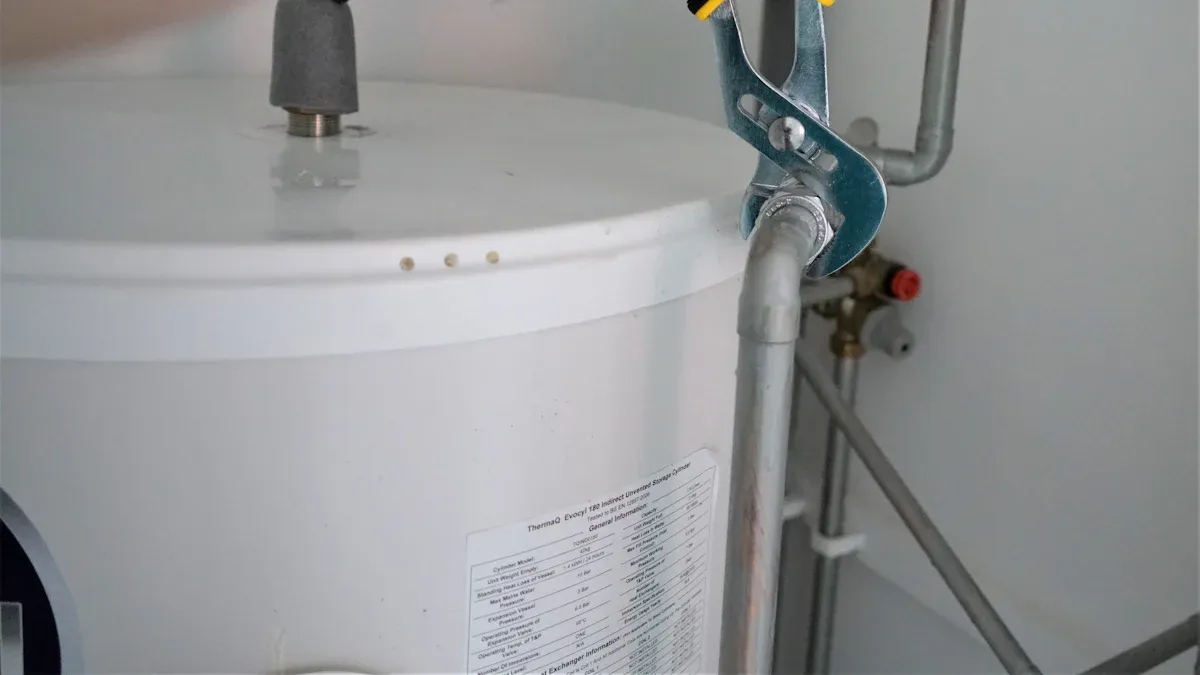
給湯器に合ったヒーターエレメントを選ぶことは極めて重要です。給湯器の銘板または取扱説明書に記載された電圧とワット数仕様を必ず確認してください。一般的な家庭用給湯器のエレメントは120ボルトまたは240ボルトで、ワット数は1,500~5,500ワットの範囲です。誤った種類を使用すると性能低下や給湯器の損傷を引き起こす可能性があります。
給湯器の 給湯器の素子を交換する必要がある場合, 適切な交換用素子を選択する必要があります。購入前にいくつかの重要な要素を考慮してください。
- お使いの給湯器モデルとの互換性 適切な適合と機能を確保します。取扱説明書またはユニットのラベルで仕様を確認してください。.
- エネルギー効率評価は、電力を最小限に抑えながら効果的に水を加熱する素子を選ぶのに役立ちます。.
- 素材の耐久性は、新しい素子の寿命に影響します。ステンレス鋼や銅製の素子は、耐久性の低い素材よりも腐食や摩耗に強いです。.
ヒント:古い加熱素子またはその型番を必ず店に持参してください。この手順により、新しい部品を正しく適合させることができます。.
ステップバイステップの交換プロセス
あなたはできる 給湯器の加熱素子を交換してください。 明確な手順に従って進めてください。各ステップは安全性と正確性を確保します。.
タンクの排水
- 給湯器の電源を切る 回路ブレーカーで電源を遮断してください。まず電源を切ることで電気的危険を防止します。.
- 給湯器上部のバルブを使用して 給水を止めてください。. この操作により、タンクへの水の流入が停止します。.
- タンク底部の排水バルブにホースを取り付けてください。ホースを床排水口または屋外へ延ばします。.
- 排水バルブを開け、水を流出させてください。排水を促進するため、自宅の給湯栓を開ける必要がある場合があります。.
⚠️ 注意:熱湯はやけどを引き起こす可能性があります。排水前にタンクが冷めるまで待機してください。.
古い要素の削除
- アクセスパネルと断熱材を取り外して加熱素子にアクセスしてください。ドライバーを使用してネジを緩めます。.
- 素子端子から配線を外してください。配線の位置を記憶するため、写真を撮るかラベルを貼付してください。.
- 素子レンチを使用して、故障した加熱素子を緩めて取り外してください。素子をタンクから真っ直ぐ引き抜きます。.
新しい要素のインストール
- 新しい加熱素子を開口部に挿入してください。ねじ山に合わせ、レンチを使用してしっかりと締め付けます。.
- 配線を端子に再接続してください。各配線が元の位置と一致していることを確認します。.
- 断熱材を元に戻し、アクセスパネルを再取り付けしてください。.
ヒント:新しい素子のガスケットがしっかりと適合しているか確認してください。適切なシールは漏れを防ぎます。.
補充とテスト
- 排水バルブを閉じてホースを取り外します。
- 給水バルブを開けてタンクを再充填してください。空気を逃がすため、給湯栓を1つ開けたままにします。.
- 蛇口から水が安定して流れ出したら、蛇口を閉じてください。.
- 回路ブレーカーで電源を復旧してください。水が加熱されるまで待ち、蛇口で温度を確認してください。.
新しい素子周辺に漏れがないか点検してください。水滴が見られる場合は、素子を締め直すかガスケットを交換してください。.
🛠️ いずれかの手順に不安がある場合は、資格を持つ配管工に連絡して支援を求めてください。.
今後の給湯器素子トラブル防止について
定期メンテナンスのヒント
一貫したメンテナンスルーチンに従うことで、給湯器を保護し寿命を延ばすことができます。定期的な手入れは、予期せぬ故障や高額な修理を回避するのに役立ちます。給湯器素子を最適な状態に保つため、以下の主要な実践に注力してください。
- 少なくとも年に1回、専門家による点検を予定してください。. 資格を持つ技術者は問題の初期兆候を発見し、問題が拡大する前に解決策を提案できます。.
- 6~12か月ごとにタンクをフラッシュしてください。このプロセスは、加熱効率を低下させ素子を損傷する可能性のある堆積物を除去します。.
- アノードロッドを定期的に点検してください。タンク内の腐食を防ぐため、3~5年ごとに交換します。アノードロッドは、金属表面を攻撃するミネラルを引き寄せます。.
- サーモスタットを安全な温度(通常120°F~140°F)に設定してください。適切な設定は過熱を防ぎ、加熱素子の寿命を縮めることを回避します。.
- タンク周辺や接続部の漏れを点検してください。早期発見により、小さな問題が大きな故障に発展する前に対処できます。.
ヒント タンクのフラッシュとアノードロッドの交換は、腐食や堆積物を防ぐ最も効果的な方法の2つです。これらの手順は、給湯器素子の効率と寿命に直接影響します。.
定期的なメンテナンスは故障防止以上の効果があります。エネルギー効率を向上させ、家庭への安定した給湯を確保します。.
注意すべき警告サイン
給湯器の加熱素子に注意が必要であることを示す早期警告サインに注意を払う必要があります。 これらの症状を認識することで、迅速に対応し、より深刻な損傷を回避できます。 以下の兆候に注意してください:
- 変色またはざらつきのある水 はタンク内の錆や堆積物を示します。.
- 異臭または金属味 が給湯に見られる場合は、腐食またはアノードロッドの問題を示唆します。.
- 給湯器タンクからの水漏れ は、浸水やさらなる損傷を防ぐために即時対応が必要です。.
- 運転中の異常な騒音 は、性能に影響を与える堆積物の蓄積に起因することが多いです。.
- 給湯能力の低下 は、タンクが効率的に加熱されていないことを意味します。.
- ぬるま湯または不安定な湯温 は、サーモスタットまたはディップチューブの問題を示します。.
- 給湯の完全な喪失 は、緊急修理が必要な重大な故障を示します。.
- 変動する水圧 は堆積物の蓄積またはバルブの問題を示している可能性があります。.
- 貯湯タンクの目に見える錆と腐食 は故障が差し迫っていることを警告しています。.
- 給湯器の使用年数が8年から12年であること ユニットの摩耗兆候を注意深く監視すべきであることを意味します。.
⚠️ 警告だ: これらの警告サインのいずれかに気付いた場合は、すぐに給湯器を点検するか、専門家に連絡してください。早期の対応は高額な修理を防ぎ、機器の寿命を延ばすことができます。.
定期的なメンテナンスのポイントを実践し、警告サインに注意を払うことで、給湯器のヒーター要素が長年にわたり確実かつ効率的に作動することを保証できます。.
マルチメーターを使用した給湯器ヒーター要素のテストは、最も信頼性の高い結果を得られます。感電や怪我を防ぐため、作業前には必ず電源を切ってください。お湯が出ない、または温度が不安定な場合は、以下の手順で問題を診断するか、専門家に相談してください。故障した要素を交換することで、家庭の快適性と効率性を取り戻せます。.
| ベネフィット | 説明 |
|---|---|
| エネルギー効率の向上 | エネルギー使用量の削減と光熱費の節約 |
| 給湯供給量の増加 | 日々のニーズに対応する安定した信頼性の高い給湯 |
どの手順でも不安を感じた場合は、免許を持つ配管工に連絡し、 負傷や物的損害を防止してください.
よくあるご質問
給湯器のヒーター要素はどのくらいの頻度でテストすべきですか?
給湯器のヒーター要素は年に1回テストすべきです。定期的なテストは問題の早期発見と効率的な作動維持に役立ちます。.
タンクを排水せずに給湯器のエレメントを交換できますか?
交換前にタンクの水をヒーター要素のレベル以下まで排水する必要があります。この手順により、古い要素を取り外す際の水漏れを防止できます。.
給湯器のエレメントをテストするにはどのようなツールが必要ですか?
デジタルマルチメーター、ドライバー、手袋やゴーグルなどの安全装備が必要です。懐中電灯は点検パネル内部の確認に役立ちます。.
どのような抵抗値の読み取りが要素の不良を示しますか?
ゼロまたは無限大オームの読み取りは要素の故障を示します。正常な要素は通常5〜25オームの間を示します。.
給湯器の作業を自分で行うことは安全ですか?
安全手順に従えば、基本的なテストやメンテナンスを実施できます。常に電源と水道を止めてください。複雑な修理の場合は、免許を持つ専門家に連絡してください。.
給湯器ヒーター要素が故障する理由は何ですか?
一般的な原因は、堆積物の蓄積、水垢、腐食、電気的問題などです。定期的なメンテナンスはこれらの問題防止に役立ちます。.
典型的な給湯器ヒーター要素の寿命はどのくらいですか?
ほとんどの給湯器ヒーター要素の寿命は6〜10年です。硬水やメンテナンス不足は寿命を短くする可能性があります。.
要素を交換しても問題が解決しない場合はどうすべきですか?
サーモスタット、配線、その他の部品を点検してください。それでも問題が解決しない場合は、専門の配管工に連絡して完全な点検を受けてください。.