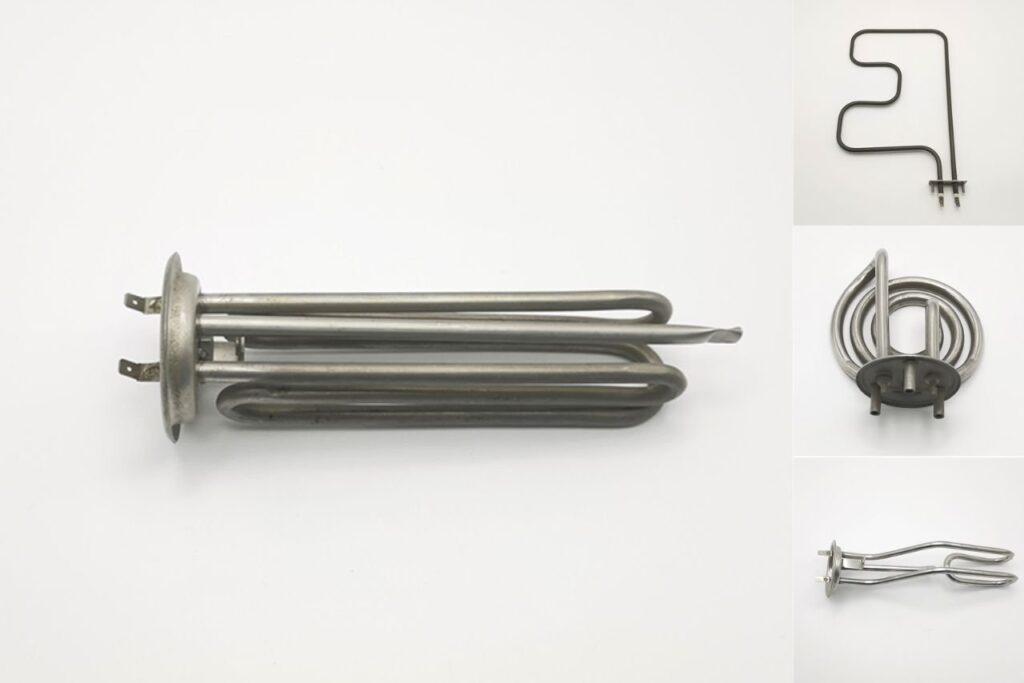
メイタグヒーターエレメントのトラブルシューティング:診断

メイタグヒーターエレメントのトラブルシューティング:診断

Cluster Page ? ~2003 words ? Global ? 8 FAQs ? Diagnostic-first ? Safety-forward

Maytag dryer / appliance heating diagnostics Airflow + electrical checks Reduce repeat failures Service-friendly workflow
What this guide does

This diagnostic workflow helps isolate whether no heat (or weak/erratic heat) is caused by the 電熱線 itself, airflow restrictions, wiring/terminals, or related safety controls. It also explains why 発熱体 fail and how to prevent repeat burnouts.

Engineering context: a heating element is a designed component (not just wire) combining conductive and insulating materials plus connectors/terminals; operating conditions and environment strongly affect life. 参考.

Safety first
  • Disconnect power before opening panels or touching wiring.
  • If you smell burning, see arcing, or find melted terminals, stop and consult a qualified technician.
  • Reassemble all covers before running a heat test; missing covers can change airflow and create hazards.

Safety discipline example: Whirlpool s heating element replacement steps emphasize verifying the correct replacement (voltage/wattage) and ensuring connections are tight, and they warn against energizing a heater before the system is ready (their case: tank full of water to prevent dry fire burnout). ソース.

Symptoms and what they usually indicate
症状Common causes最初にチェックすべきこと
まったく加熱しないOpen heating element, thermal cutoff/fuse open, power supply issue, failed controlAirflow + visible heater damage + terminal condition
Heat is weak / clothes take too longRestricted venting, lint buildup, partially failing element or cycling controlsExterior vent airflow and duct restrictions
Heat starts then stops (short cycles)Overheating from poor airflow; safety device openingVent run length, kinks, blockage, lint in blower path
Burning smell / hot connector areaLoose/high-resistance spade terminals; arcing; lint near heaterInspect connectors for discoloration/melting; tighten/replace terminals

Table 1 Symptom-to-check mapping. Start with airflow and visible overheating evidence before deep electrical tests.

Fast diagnostic workflow (start here)
The 20-minute triage
1
Confirm airflow at the exterior vent

Run the dryer (briefly) and verify the exterior flap opens strongly. Weak airflow is a leading cause of overheating and repeat element burnouts.

2
Check the lint system

Clean the lint screen and the lint screen housing. Lint accumulation inside the cabinet can insulate hot areas and restrict air paths.

3
Open and inspect (power disconnected)

Look for broken coil sections, coil contact with metal housing, and discolored or melted terminals.

4
Decide: element failure vs. system failure

If the coil is visibly broken, the element is likely open. If the coil looks intact but the unit overheats or cycles off quickly, airflow restriction and safety controls become prime suspects.

Airflow/vent diagnostics (most common root cause)
What bad airflow looks like
  • Exterior vent flap barely moves
  • Dry times increase week over week
  • Cabinet feels unusually hot
  • Heater repeatedly fails after replacement
Common airflow restrictions
  • Crushed/kinked flex duct behind the dryer
  • Excessive vent length or too many elbows
  • Lint buildup in the vent run or termination hood
  • Blocked termination (nesting, debris, snow/ice)
Why airflow problems kill heating elements

Heater life is limited by mechanisms like oxidation, deformation, and temperature cycling. Running hotter than intended accelerates those mechanisms. Heater engineers also treat the environment as a major design variable (airflow, contaminants, humidity), because it changes how heat is transferred and how the alloy ages. 参考.

Visual inspection: coil, housing, terminals
What to look for (and what it means)
  • Broken coil / separated section element is open and must be replaced.
  • Coil touching metal housing may cause localized overheating or shorting; check for warping/sag and mounting issues.
  • White/gray baked lint around heater overheating history; fix airflow before installing a new element.
  • Discolored spade terminals (brown/blue/black) high-resistance connection hot spot; replace terminal(s) and inspect mating tabs.
  • Melted plastic near connectors arcing/overheating; do not run until repaired.
Service tip

Heating element failures are often system failures: restricted airflow makes the heater operate at higher temperature, and loose terminals create localized resistance heating at connectors.

Electrical diagnostics (continuity/resistance thinking)
Before measuring anything

Measurement steps vary by Maytag model and heater design. This section explains what the results mean so you can interpret your meter readings correctly. If you re not comfortable working around line voltage, stop and use a professional service provider.

Interpreting common outcomes
Element continuity
No continuity open element

A broken coil or internal connection means the element cannot carry current and will not heat.

Terminal condition
Loose/dark hot spot risk

High resistance at a connector becomes heat at that connector, damaging wiring and causing intermittent operation.

過熱保護
Opens repeatedly airflow issue

If safety devices open, treat it as overheating until proven otherwise.

Why correct replacement matters

Whirlpool s guidance for water heater elements explicitly says to verify the new element is correct by referencing the unit s data plate for voltage and wattage. While that s a different appliance, the diagnostic principle applies broadly: the correct electrical rating and physical fit reduce overheating and failure risk. ソース.

If the element failed twice: root-cause checklist
Don t just replace it again

A second burnout usually means the heater is operating outside design conditions. Use this checklist before installing another element.

  1. Vent run cleaned end-to-end (not just the lint screen).
  2. Flexible duct not crushed behind the dryer; minimal bends.
  3. Exterior termination clear and flap moves freely.
  4. Lint removed inside cabinet around heater housing and blower path.
  5. All terminals replaced if heat-damaged; connections tight.
  6. Heater mounted correctly (no coil contact with metal surfaces).
  7. Correct part confirmed for the exact model/series.
Replacement and sourcing notes (part selection)
Know what heating element can mean

Heater technologies range from wire/tubular designs to plates and films, and the correct type depends on the appliance. JINZHO organizes its product catalog by heater family under 加熱エレメント, including: 加熱管, ヒーティングプレート, そして 加熱フィルム. For integrated appliance heater modules, they also list ダイカスト加熱ソリューション and boiler-focused assemblies under 電気ボイラー・ヒーター.

Manufacturer overview: Jinzhong describes itself as a leading electric heating element manufacturer in China with 30+ years experience and full-chain capabilities. 発熱体メーカー ? 発熱体工場

Specs example (different application)

Hudson Reed s CHE1000W 1000 Plug-In Watt Electric Heating Element shows how product pages may list wattage, protection rating (IP67), UL approval, materials (ABS & stainless steel), cable length (35.4″), and warranty (2 years). That item is for radiators/towel warmers not dryers but it s a useful reminder to match electrical and safety specs to the application. ソース.

FAQ (8)
1) How do you know if a Maytag heating element is bad?

A visibly broken coil is a strong indicator. Electrically, an open element will not show continuity across its terminals. If the element looks intact, treat airflow restriction and safety cutoffs as primary suspects.

2) What is the most common reason dryers lose heat?

Restricted airflow (lint and venting problems) is one of the most common root causes because it drives overheating and trips safety devices sometimes leading to element burnout.

3) Why does a new heating element fail quickly?

Usually the underlying overheating condition was never fixed (blocked vent, lint in blower path), or the electrical connections were left loose, creating terminal hot spots.

4) Can a loose wire connection really stop heat?

Yes. A loose connection can arc, overheat, and create intermittent power delivery. It can also damage the connector enough that the heater circuit opens under load.

Not in practice. TUTCO emphasizes that a heating element is an assembly: conductive alloy plus insulating framework and lead connectors engineered as a component for a purpose. 参考.

6) What should you do before installing a replacement element?

Verify it s the correct replacement (voltage/wattage/fit), clean lint and restore proper airflow, and inspect/replace any heat-damaged terminals so the new part doesn t inherit the same failure conditions. Safety principle source.

7) 機器によってヒーター素子の種類は異なりますか?

はい。カタログでは一般に、熱の伝達方法やパッケージングの要件に応じて、ヒーターをチューブ型、プレート型、フィルム型、一体型ダイカストソリューションに分類しています。 チューブ型, プレート型, フィルム型.

8) DIYによるトラブルシューティングはいつ中止すべきですか?

溶けた配線、焼損したコネクタ、繰り返し発生するトリップ現象を確認した場合、または電気系統周辺での安全な作業に自信がない場合です。その時点で専門業者に依頼することで、リスクを低減し二次損傷を防止できます。.

参考文献と必須リンク
本ページで使用した主な情報源
必要な内部アンカーテキストリンク(含む)

独自性に関する注記:本ページはMaytagの加熱問題向けに作成された独自の診断ガイダンスです。外部情報源は定義、製品ファミリー例、安全原則の参照のみに使用しています。.

免責事項:これは教育的な内容であり、特定モデル向けのサービス手順ではありません。Maytag製品の設計は多様です。常に該当製品の技術仕様書および適用される電気安全基準に従ってください。.

Mari Chengの写真

マリ・チェン

皆さん、こんにちは、私は金中電熱技術の「電熱担当」の成真理です。私たちの工場は電熱部品に携わって30年になり、国内外1000社以上のお客様とお取引させていただいております。以下のブログでは、電熱部品の本当の知識、工場での生産ストーリー、お客様の本当のニーズについてお話します。何か質問があれば、コメントするか、直接私を突いてください。

お困りですか?

ご不明な点がございましたら、お気軽にお問い合わせください。また、最新のお見積もりと無料サンプルもご提供いたします。