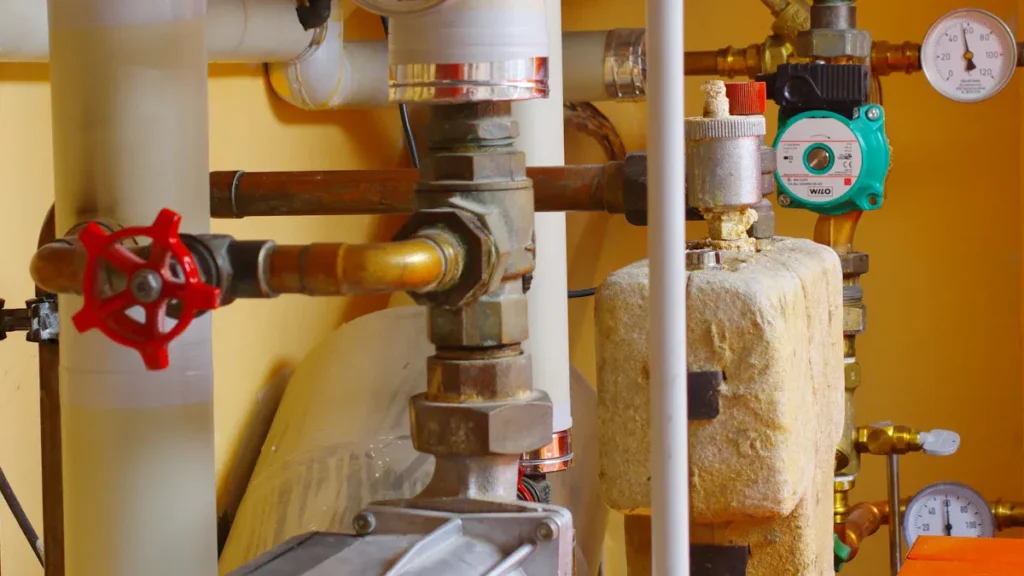

Vous comptez sur votre chauffe-eau pour votre confort quotidien, mais la soupape de surpression joue un rôle essentiel pour garantir la sécurité de votre domicile. La soupape T&P contrôle à la fois la température et la pression, empêchant toute accumulation dangereuse. Si la soupape de surpression tombe en panne, votre système est exposé à des risques tels que la rupture du réservoir ou des dégâts des eaux. La soupape T&P libère rapidement l'excès de pression, protégeant votre éléments chauffants pour appareils ménagers et le Élément chauffant intérieur. Chauffage électrique Jinzhong et Fabricants d'éléments chauffants Ces soupapes sont conçues pour garantir une performance fiable de la décharge de pression.
Vérifiez toujours la soupape T&P pour détecter tout signe de fuite de décharge ou de dysfonctionnement, afin d'éviter des réparations coûteuses.
- La soupape de surpression vous aide à maintenir un système d'eau sécurisé.
- Les mécanismes de décharge protègent votre famille des dangers.
Fonctionnement de la soupape de surpression dans un chauffe-eau
Fonctionnement de base de la soupape de surpression du chauffe-eau
Fonction de décharge de pression
Vous dépendez de votre chauffe-eau pour une eau chaude fiable, mais la soupape de surpression garantit le fonctionnement sécurisé de votre système. Lorsque l'eau chauffe à l'intérieur du réservoir, elle se dilate et produit de la vapeur, ce qui augmente la pression interne. Si cette pression dépasse la plage de fonctionnement normale — généralement entre 50 et 100 psi — la soupape de surpression est prête à agir. La soupape est conçue pour s'ouvrir automatiquement lorsque la pression à l'intérieur du réservoir dépasse environ 150 psi. Cette réponse mécanique ne nécessite ni électricité ni intervention extérieure. La conception à ressort permet à la soupape de s'ouvrir et d'évacuer l'eau chaude et la vapeur par un tube de décharge dédié. En libérant cet excès de pression, la soupape de surpression empêche une accumulation dangereuse qui pourrait endommager votre chauffe-eau ou menacer votre domicile.
Conseil : Inspectez régulièrement la soupape de surpression pour tout signe de fuite ou de corrosion. Une détection précoce vous aide à éviter des réparations coûteuses et maintient l'efficacité de votre chauffe-eau.
Fonction de décharge de température
La soupape T&P surveille également la température à l'intérieur de votre chauffe-eau. Si la température de l'eau dépasse 210 °F, le mécanisme de décharge de température et de pression s'active. La soupape détecte cette chaleur excessive et s'ouvre pour libérer de l'eau chaude, abaissant ainsi la température et la pression à des niveaux sûrs. Cette double fonction protège votre chauffe-eau contre la surchauffe, qui peut entraîner la rupture du réservoir, voire une explosion. La soupape de surpression du chauffe-eau repose sur des forces mécaniques, telles que la tension du ressort et des éléments sensibles à la température, pour réagir instantanément lorsque les seuils sont dépassés. Une fois que la température et la pression sont revenues à des plages sûres, la soupape se ferme automatiquement, rétablissant un fonctionnement normal.
Rôle de sécurité de la soupape T&P
Prévention des explosions du réservoir
La soupape T&P constitue un dispositif de sécurité essentiel dans votre système de chauffe-eau. Si le thermostat ou le limiteur de température élevée tombe en panne, la soupape T&P agit comme une dernière protection. Lorsque la pression ou la température dépasse les limites prédéfinies — 150 psi pour la pression et 210 °F pour la température — la soupape s'ouvre pour libérer de l'eau chaude et de la vapeur. Cette décharge contrôlée empêche les défaillances catastrophiques, telles que les explosions du réservoir, qui peuvent causer des dommages matériels graves et des blessures corporelles. La soupape de surpression est essentielle pour maintenir un environnement sûr dans votre domicile.
Éviter les dégâts des eaux
Vous pouvez éviter des dégâts des eaux coûteux en vous assurant que votre soupape T&P fonctionne correctement. Lorsque la soupape s'ouvre, elle dirige l'eau chaude en toute sécurité loin du réservoir par un tube de décharge. Ce processus empêche les fuites incontrôlées et les inondations qui pourraient endommager les sols, les murs et les biens personnels. La soupape de surpression du chauffe-eau complète d'autres dispositifs de sécurité, tels que les thermostats et les limiteurs de température élevée, offrant une couche de protection supplémentaire. Un test manuel régulier de la soupape T&P, en particulier dans les zones d'eau dure, aide à prévenir l'accumulation de tartre qui pourrait désactiver le mécanisme de décharge. En entretenant votre soupape de surpression, vous protégez à la fois votre chauffe-eau et votre domicile contre des dommages inutiles.
Remarque : Assurez-vous toujours que le calibre de la soupape T&P correspond à l'apport en Btu de votre chauffe-eau pour une sécurité et des performances optimales.
| Fonction de sécurité | Fonction | Seuil d'activation |
|---|---|---|
| Soupape de surpression | Libère l'excès de pression | 150 psi |
| Soupape T&P | Libère l'excès de température et de pression | 210 °F / 150 psi |
| Tube de décharge | Dirige l'eau libérée en toute sécurité loin du réservoir | N/A |
En comprenant comment fonctionnent la soupape de surpression et la soupape T&P, vous pouvez prendre des mesures proactives pour entretenir votre chauffe-eau et assurer la sécurité de votre foyer.
Localisation de la soupape T&P sur votre chauffe-eau

Emplacement courant sur différents modèles de chauffe-eau
Emplacements standard des réservoirs
Vous devez savoir où trouver la soupape T&P sur votre chauffe-eau pour l'inspecter et l'entretenir correctement. Les fabricants placent la soupape à des emplacements spécifiques selon le type et le modèle du chauffe-eau. La plupart des unités résidentielles présentent la soupape sur le côté droit du réservoir. Certains modèles électriques positionnent souvent la soupape au centre supérieur. Les chauffe-eau commerciaux présentent plus de variations. Les unités commerciales standard atmosphériques et électriques ont généralement la soupape sur le côté droit, tandis que les modèles commerciaux à ventilation motorisée la placent sur le côté gauche.
Voici un tableau qui résume les emplacements typiques de la soupape T&P :
| Type de chauffe-eau | Emplacement(s) courant(s) de la soupape T&P |
|---|---|
| Résidentiel | Côté droit du réservoir |
| Certains modèles électriques | Centre supérieur de l'unité |
| Commercial (standard atmosphérique et électrique) | Côté droit de l'unité |
| Commercial à ventilation motorisée | Côté gauche de l'unité |
Vous devez toujours consulter le manuel de votre chauffe-eau pour connaître l'emplacement exact. Cette étape garantit que vous inspectez le bon composant et évite toute confusion avec d'autres raccords.
Considérations pour les systèmes sans réservoir
Si vous utilisez un chauffe-eau sans réservoir, vous remarquerez une configuration différente. Les systèmes sans réservoir ne stockent pas de grands volumes d'eau, ils incluent donc rarement une soupape T&P traditionnelle. Ces unités s'appuient plutôt sur des commandes électroniques et des capteurs intégrés pour gérer la température et la pression. Vous devez néanmoins rechercher toute soupape de sécurité ou fonction de décharge de pression spécifiée par le fabricant. Suivez toujours les directives d'entretien pour votre chauffe-eau sans réservoir particulier afin de garantir un fonctionnement sûr.
Identification de la soupape de surpression du chauffe-eau
À quoi ressemble la soupape
Vous pouvez identifier la soupape de surpression du chauffe-eau par son apparence et son emplacement distincts. La soupape se trouve généralement près du haut du chauffe-eau, à proximité de l'endroit où l'eau chaude sort du réservoir. Vous verrez un petit levier ou une poignée sur le corps de la soupape. Un tuyau de décharge, généralement en métal ou en plastique durable, est raccordé à la soupape et descend le long du côté du réservoir. Ce tuyau dirige l'eau libérée vers un endroit sûr, évitant ainsi des dommages à votre domicile.
- La soupape doit rester visible et ne pas être recouverte d'isolant.
- Le tuyau de décharge doit avoir un chemin dégagé vers un drain ou une zone de sol.
Astuce : Si vous ne parvenez pas à localiser la vanne, cherchez un composant muni d’un levier et d’un tuyau fixé près du haut ou sur le côté de votre chauffe-eau.
Étiquettes et marquages
Vous devriez vérifier les étiquettes et marquages pour confirmer que vous avez trouvé la bonne vanne. La soupape de sûreté du chauffe-eau comporte une étiquette ou un marquage indiquant sa pression de service et sa température nominale. Vous verrez un marquage ‘ pression de tarage ’, qui indique la pression à laquelle la vanne s’ouvre. Ces détails vous aident à vérifier que la vanne correspond aux spécifications de votre chauffe-eau.
- Recherchez une étiquette avec des chiffres tels que “ 150 psi ” ou “ 210 °F ”.”
- Le corps de la vanne peut inclure des informations du fabricant et des avertissements de sécurité.
Remarque : Assurez-vous toujours que les caractéristiques nominales de la vanne correspondent aux exigences de votre chauffe-eau pour un fonctionnement sûr.
En apprenant où trouver et comment identifier la soupape T&P, vous pouvez effectuer des vérifications régulières et maintenir le fonctionnement sécuritaire de votre chauffe-eau.
Problèmes courants de la soupape de sûreté du chauffe-eau
Fuites et gouttes de la soupape T&P
Causes d’une fuite de la soupape T&P
Vous pouvez remarquer de l’eau qui goutte de votre soupape T&P. Plusieurs facteurs peuvent causer ce problème :
- Une pression d’eau élevée dans votre système de plomberie, surtout au-dessus de 80 psi, provoque souvent des fuites.
- La corrosion ou une vanne défectueuse peuvent affaiblir l’étanchéité et laisser l’eau s’échapper.
- Des vannes de dimension incorrecte peuvent ne pas assurer un soulagement de pression adéquat, entraînant des fuites.
- Une installation incorrecte, comme une vanne mal serrée ou un joint mal ajusté, peut causer des fuites.
- Une surchauffe de l’eau ou un thermostat défectueux peuvent déclencher l’ouverture de la vanne.
- L’accumulation de débris ou de sédiments peut empêcher la vanne de se fermer complètement.
- Le manque d’entretien régulier augmente le risque de fuites.
Astuce : Traitez immédiatement une fuite de la soupape T&P pour éviter d’autres dommages à votre chauffe-eau et à votre maison.
Quand les fuites sont normales ou problématiques
Des gouttes occasionnelles de la soupape T&P peuvent être normales. La vanne libère de petites quantités d’eau pour soulager l’excès de pression ou de température. Cependant, une fuite continue signale un problème. Si vous voyez de l’eau s’écouler constamment, la vanne peut ne pas être correctement étanche, ou la pression de votre système peut être trop élevée. La corrosion, l’accumulation de sédiments ou l’usure due au vieillissement peuvent également causer des fuites persistantes. Vous devriez inspecter la vanne pour détecter la rouille, des dépôts minéraux ou des dommages visibles. Si la vanne est ancienne ou montre des signes d’usure, un remplacement est nécessaire pour maintenir la sécurité.
- Normal : Gouttes occasionnelles et brèves pendant les cycles de chauffage.
- Problème : Fuites continues, corrosion visible ou eau stagnante autour de la vanne.
L’inspection et les tests réguliers vous aident à distinguer un fonctionnement normal des problèmes de soupape de sûreté.
Symptômes de défaillance de la soupape de sûreté
Vanne bloquée ou coincée
Une soupape T&P grippée peut ne pas s’ouvrir ou se fermer comme prévu. Vous pourriez entendre des bruits inhabituels comme un sifflement, ou remarquer un fonctionnement irrégulier du chauffe-eau. Des débris, la corrosion ou des ressorts cassés provoquent souvent le blocage de la vanne. Si la vanne ne peut pas s’ouvrir, votre chauffe-eau risque une accumulation dangereuse de pression. Si elle ne peut pas se fermer, vous observerez des fuites constantes.
Aucune libération d’eau sous pression
Si votre soupape de sûreté ne libère pas d’eau lorsque le réservoir est sous haute pression, c’est un grave problème de sécurité. La vanne peut être coincée, mal alignée ou obstruée par des sédiments. Vous devriez tester la vanne en soulevant le levier pour vous assurer qu’elle fonctionne correctement. Si aucune eau ne sort, remplacez immédiatement la vanne pour rétablir une fonction de soulagement adéquate.
Raisons du dysfonctionnement de la vanne
Âge et usure
Avec le temps, la soupape T&P subit une usure due à une utilisation répétée et à l’exposition à l’eau chaude. Les ressorts s’affaiblissent, les joints se dégradent et la corrosion s’installe. Les vannes anciennes deviennent moins fiables et plus sujettes aux fuites ou aux défaillances. Vous devriez remplacer la vanne tous les cinq ans ou plus tôt si vous remarquez des signes de détérioration.
Accumulation de sédiments
Les sédiments provenant d’une eau dure peuvent s’accumuler à l’intérieur de votre chauffe-eau et autour de la soupape de sûreté. Cette accumulation empêche la vanne de se fermer hermétiquement, entraînant des fuites ou un soulagement incomplet. Purger votre chauffe-eau annuellement et tester la vanne tous les six mois aide à prévenir les problèmes de soupape de sûreté liés aux sédiments.
Remarque : Un entretien régulier, incluant inspection et purge, prolonge la durée de vie de votre soupape T&P et assure un soulagement de pression fiable.
Tester et entretenir la soupape de sûreté de votre chauffe-eau

Comment tester en toute sécurité la soupape T&P
Instructions de test étape par étape
Tu devrais testez la soupape T&P de votre chauffe-eau au moins une ou deux fois par an. Des tests réguliers garantissent que la soupape de sûreté fonctionne correctement et assure le soulagement nécessaire en cas de besoin. Suivez ces étapes pour un test sûr et efficace :
- Localisez la soupape T&P sur le haut ou le côté de votre chauffe-eau.
- Placez un seau ou une casserole sous le tube de décharge pour recueillir l’eau libérée.
- Portez des chaussures fermées pour protéger vos pieds de l’eau chaude.
- Soulevez brièvement le levier de la vanne et maintenez-le ouvert pendant environ cinq secondes. Vous devriez entendre l’eau s’écouler et voir de l’eau passer dans le tuyau de décharge.
- Relâchez le levier et vérifiez qu’il revient en place. L’écoulement d’eau devrait s’arrêter immédiatement.
- Après le test, vérifiez la présence de fuites ou de gouttes autour de la vanne.
Astuce : Si la vanne ne s’ouvre pas, aucune eau ne sort, ou si vous remarquez des fuites persistantes après le test, contactez un plombier qualifié pour une inspection plus approfondie ou un remplacement.
Points à surveiller pendant le test
Pendant le test, vous devez surveiller plusieurs signes avant-coureurs indiquant une soupape de sûreté défectueuse :
- Des gouttes ou fuites constantes de la soupape T&P, pouvant signaler une pression excessive ou une vanne usée.
- De la rouille ou de la corrosion autour du corps de la vanne, suggérant une défaillance potentielle.
- Des bruits inhabituels tels que des sifflements ou des chuintements, qui peuvent indiquer que la soupape a du mal à assurer une décharge adéquate.
- Aucune réponse lorsque vous soulevez le levier, ce qui indique que la soupape peut être bloquée ou défectueuse.
La soupape T&P doit rester fermée dans des conditions normales et ne s'ouvrir que pour assurer une décharge lorsque cela est nécessaire. Si vous la voyez s'ouvrir en continu, cela indique un problème nécessitant une attention immédiate.
Conseils d'entretien pour la soupape de décharge de pression du chauffe-eau
Nettoyage de la zone de la soupape
Tu devrais Nettoyez et inspectez la zone autour de la soupape T&P au moins une fois par an. Maintenir la soupape et ses alentours exempts de poussière, de débris et d'accumulation de minéraux contribue à préserver une fonction de décharge adéquate. Pour les habitations à forte demande en eau ou avec de l'eau dure, envisagez une inspection tous les six mois. Gardez toujours la zone accessible pour les réparations d'urgence ou les tests rapides.
Vérification de la Corrosion
Inspectez la soupape de décharge de pression pour détecter tout signe de rouille ou de corrosion lors de votre entretien de routine. La corrosion affaiblit la soupape et peut l'empêcher d'assurer une décharge adéquate. Si vous constatez de la rouille, remplacez la soupape rapidement pour maintenir la sécurité de votre système de chauffe-eau.
Remplacement de la soupape de décharge de pression
Signes indiquant que vous avez besoin d'une nouvelle soupape
Vous devez remplacer la soupape T&P si vous remarquez l'un des éléments suivants :
- Corrosion externe ou rouille sur le corps de la soupape.
- Fuites fréquentes ou résidus de liquide autour du siège de la soupape.
- Décharge de pression irrégulière ou retardée lors des tests.
- Fissures visibles, déformations ou dommages physiques.
- Vibrations ou bruits inhabituels pendant le fonctionnement.
- La soupape ne s'ouvre ou ne se ferme pas correctement.
L'âge de la soupape compte également. Les soupapes plus anciennes peuvent ne pas répondre aux normes de sécurité actuelles et doivent être remplacées dans le cadre de l'entretien régulier du chauffe-eau.
Étapes de remplacement pour les propriétaires
Si vous devez réparer ou remplacer une soupape T&P défectueuse, suivez ces étapes pour un remplacement sécurisé :
- Coupez l'alimentation en gaz au niveau des commandes.
- Fermez l'alimentation en eau au niveau de la conduite d'eau froide entrant dans le réservoir.
- Fixez un tuyau au robinet de vidange au fond du réservoir et ouvrez un robinet d'eau chaude à proximité pour permettre à l'air d'entrer.
- Vidangez le réservoir en dessous du niveau de la soupape T&P.
- Déconnectez le tuyau d'évacuation de la soupape et dévissez l'ancienne soupape à l'aide d'une clé à tube.
- Enroulez du ruban Téflon autour des filetages de la nouvelle soupape de décharge de pression.
- Vissez fermement la nouvelle soupape en place et reconnectez le tuyau d'évacuation.
- Rétablissez l'alimentation en eau et vérifiez l'absence de fuites.
- Une fois que l'eau coule régulièrement du robinet d'eau chaude, rétablissez l'alimentation en gaz et rallumez le chauffe-eau.
Remarque : Si vous n'êtes pas sûr de savoir comment résoudre les problèmes de soupape de décharge de pression ou si vous rencontrez des complications, consultez toujours un plombier agréé pour une assistance professionnelle.
Des tests réguliers, un nettoyage et un remplacement en temps opportun de la soupape T&P garantissent que votre chauffe-eau assure une décharge de pression fiable et maintient la sécurité de votre maison.
Considérations de sécurité lors du travail avec un chauffe-eau
Précautions avant de manipuler la soupape de décharge de pression
Coupure de l'alimentation électrique et de l'eau
Vous devez prendre des mesures essentielles avant de travailler sur la soupape T&P de votre chauffe-eau. Coupez toujours l'alimentation électrique en premier. Pour les unités électriques, désactivez le disjoncteur. Pour les modèles à gaz, mettez la commande de gaz en position “ off ”. Ensuite, fermez la vanne d'alimentation en eau froide pour empêcher l'eau d'entrer dans le réservoir. Ces actions empêchent un chauffage accidentel et réduisent le risque de brûlures ou de choc électrique.
Suivez ce processus pour une manipulation sécurisée :
- Coupez la source d'alimentation du chauffe-eau.
- Fermez la vanne d'alimentation en eau.
- Fixez un tuyau au robinet de vidange et abaissez le niveau d'eau en dessous de la soupape T&P.
- Retirez l'ancienne soupape avec les outils appropriés.
- Installez solidement la nouvelle soupape.
- Rétablissez l'alimentation en eau et en électricité, puis testez la soupape pour vérifier son bon fonctionnement de décharge.
Conseil : Si vous n'êtes pas sûr d'une étape, contactez un plombier agréé. L'aide professionnelle garantit votre sécurité et l'installation correcte de la soupape de décharge de pression.
Utilisation de l'équipement de protection
Vous devez toujours utiliser un équipement de protection lors de la manipulation de la soupape T&P. L'eau chaude et la vapeur peuvent s'échapper soudainement pendant la décharge, provoquant des brûlures. Portez des chaussures fermées, des gants et des lunettes de sécurité. Ouvrez la poignée de la soupape lentement et avec précaution pour éviter les éclaboussures d'eau chaude. Ne précipitez jamais ce processus. Un équipement approprié et la prudence vous protègent des blessures lors d'une décharge de pression d'urgence ou d'un entretien de routine.
Dangers d'ignorer une soupape T&P défectueuse
Risque d'explosion du réservoir
Une soupape T&P défectueuse crée un danger sérieux. Si la soupape ne parvient pas à assurer la décharge, une pression dangereuse peut s'accumuler à l'intérieur du chauffe-eau. Cette pression non contrôlée peut provoquer l'éclatement ou l'explosion du réservoir. Les explosions peuvent libérer 40 à 80 gallons d'eau bouillante, entraînant des brûlures graves et des dommages matériels. La soupape T&P constitue votre dernière ligne de défense contre une défaillance catastrophique. Des tests réguliers et un remplacement rapide des soupapes défectueuses sont essentiels pour la sécurité.
Dégâts des eaux et moisissures
Ignorer les fuites ou une soupape T&P bloquée peut entraîner des dégâts des eaux. Des fuites de décharge persistantes peuvent provoquer une accumulation d'eau autour du réservoir. Avec le temps, cette humidité peut affaiblir les sols et les murs, entraînant des problèmes structurels. Les zones humides créent également des conditions idéales pour la croissance de moisissures, ce qui présente des risques pour la santé. Les chauffe-eau qui fuient augmentent les risques de glissade et de dangers électriques. Vous protégez votre maison et votre famille en traitant rapidement les problèmes de décharge et en entretenant la soupape de décharge de pression.
Remarque : N'ignorez jamais l'eau qui s'écoule de la conduite T&P. Ce signe indique souvent un problème de haute pression ou des commandes défectueuses. Une action immédiate prévient les problèmes de sécurité graves.
Quand faire appel à un professionnel pour les problèmes de soupape de décharge de pression du chauffe-eau
Situations nécessitant l'aide d'un expert
Soupape T&P qui fuit de manière persistante
Vous pouvez rencontrer une soupape T&P qui continue de fuir même après avoir ajusté les réglages de pression ou de température. Les fuites persistantes signalent souvent des problèmes plus profonds, tels qu'un vase d'expansion ou un régulateur de pression défaillant. Si vous remarquez une accumulation d'eau près de votre chauffe-eau ou détectez une odeur de gaz, contactez immédiatement un plombier agréé. N'essayez jamais de boucher ou de retirer une soupape de décharge de pression qui fuit. Cela peut créer une accumulation de pression dangereuse et augmenter le risque d'explosion.
- Fuites persistantes après le dépannage
- Corrosion visible ou dommages au réservoir
- Incertitude quant aux tests ou au remplacement sécurisés
- Odeur de gaz ou accumulation d'eau près du chauffe-eau
Si votre soupape T&P continue de goutter ou si vous n'êtes pas sûr de la manière de résoudre le problème, l'aide d'un professionnel garantit votre sécurité et protège votre domicile.
Difficultés liées au remplacement de la soupape
Le remplacement d'une soupape T&P nécessite des compétences techniques et une connaissance des codes de plomberie. Vous ne devez pas tenter de réparer ou de remplacer la soupape si vous manquez d'expérience. Une installation incorrecte peut entraîner des fuites, des dégâts des eaux, voire des risques d'ébouillantage. Si vous voyez des bouchons ou des capuchons sur la soupape ou le tuyau d'évacuation, ou si la soupape ne s'ouvre pas ou ne se ferme pas lors des tests, appelez un plombier agréé. Les professionnels garantissent une installation correcte et un fonctionnement adéquat de la soupape.
- La soupape ne s'ouvre pas ou ne se ferme pas lors des tests
- Goutte à goutte continu ou signes de corrosion
- Présence de bouchons ou de capuchons sur la soupape ou le tuyau d'évacuation
Les plombiers qualifiés respectent les normes de sécurité nationales et les codes locaux, réduisant ainsi le risque d'accumulation de pression et garantissant un fonctionnement fiable.
À quoi s'attendre de la part d'un plombier professionnel
Inspection et diagnostic
Un plombier professionnel suit un processus systématique lors de l'inspection de votre soupape T&P et de votre chauffe-eau :
- Inspecter la soupape T&P et le tube d'évacuation pour détecter tout dommage visible ou obstruction.
- Soulever manuellement le levier de test pour vérifier l'évacuation de l'eau.
- Observer le débit d'eau et confirmer que la soupape n'est pas obstruée.
- Relâcher le levier et s'assurer que le débit d'eau s'arrête rapidement.
- Si le goutte à goutte persiste, le plombier peut rincer le siège de la soupape ou recommander un remplacement.
- Suivre les directives du fabricant concernant la fréquence d'inspection et les précautions de sécurité.
Vous recevez un diagnostic approfondi et des recommandations pour une réparation ou un remplacement. Une inspection physique par un professionnel peut détecter une corrosion ou des dommages que vous pourriez négliger.
Estimation des coûts et des délais
Le remplacement ou la réparation professionnelle d'une soupape T&P coûte généralement entre $150 et $550, main-d'œuvre et pièces comprises. Le coût moyen se situe autour de $275 à $350. Les tarifs de main-d'œuvre varient selon l'emplacement et la complexité. La plupart des remplacements de soupape prennent environ 1 à 1,5 heure. Vous devez confirmer la durée des travaux et le prix avec votre plombier avant le début des travaux.
| Type de service | Fourchette de coût moyenne | Temps généralement requis |
|---|---|---|
| Réparation de la soupape de surpression | $50 – $300 | 1 – 1,5 heures |
| Remplacement de la soupape T&P | $150 – $550 | 1 – 1,5 heures |
Des tests réguliers et une intervention professionnelle rapide vous aident à éviter des défaillances coûteuses et à maintenir un système de chauffe-eau sûr.
Prévenir les problèmes futurs avec votre chauffe-eau
Calendrier d'inspection et d'entretien réguliers
À quelle fréquence vérifier la soupape de surpression
Vous pouvez prévenir la plupart des problèmes de chauffe-eau en suivant un calendrier d'inspection et d'entretien cohérent. Des vérifications régulières vous aident à détecter les problèmes tôt et à garantir que votre soupape de surpression fonctionne en cas de besoin. Pour les chauffe-eau, vous devez vérifier manuellement la soupape tous les deux mois. Soulevez et abaissez le levier de test plusieurs fois pour confirmer que l'eau s'écoule librement à travers le tuyau d'évacuation. Si vous constatez un débit faible ou absent, vérifiez la présence de débris et essayez de les éliminer en actionnant le levier. Remplacez la soupape si le problème persiste.
Pour les chaudières de chauffage à eau chaude, effectuez une vérification manuelle de la soupape de surpression tous les trimestres et un test de pression une fois par an. Certains codes locaux exigent de démonter, inspecter et tester la soupape tous les cinq ans. Remplacez toujours immédiatement les soupapes défectueuses. Après tout événement d'évacuation, envisagez une réparation ou un remplacement en fonction de vos exigences locales ou des conditions de service.
Conseil : Des tests réguliers vous aident à détecter l'accumulation de minéraux, la corrosion et les dysfonctionnements de la soupape, réduisant ainsi le risque de situations dangereuses.
Voici un Liste de contrôle rapide pour votre routine d'entretien:
- Testez la soupape de surpression en soulevant la poignée et en vérifiant son bon fonctionnement.
- Inspectez la soupape et le tuyau d'évacuation pour détecter toute corrosion ou accumulation de minéraux.
- Rincez le réservoir du chauffe-eau périodiquement pour éliminer les sédiments.
- Remplacez la soupape de surpression tous les 3 à 5 ans, ou plus tôt si vous remarquez des fuites, de la corrosion ou des dommages.
Tenue des registres d'entretien
Vous devez conserver des registres détaillés de toutes les inspections, tests et remplacements. Les journaux d'entretien vous aident à suivre l'âge et l'état de votre soupape de surpression. Enregistrez la date de chaque test, les problèmes constatés et les actions entreprises. Cette documentation soutient les réclamations de garantie et garantit votre conformité aux codes de plomberie locaux. Des registres organisés facilitent également la planification des entretiens futurs et évitent d'omettre des vérifications critiques.
Mise à niveau vers la technologie moderne des soupapes T&P
Nouvelles options de soupapes
Les soupapes de surpression modernes offrent des fonctionnalités avancées qui améliorent la sécurité et la fiabilité. Vous pouvez choisir des soupapes avec une résistance à la corrosion améliorée, une capacité d'évacuation accrue et une meilleure sensibilité à la température. Certains nouveaux modèles incluent des capteurs intégrés ou des mécanismes d'autotest. Ces mises à niveau vous aident à maintenir des performances de décharge constantes et à respecter les normes de sécurité actuelles.
Avantages de la mise à niveau
La mise à niveau vers une nouvelle soupape de surpression offre plusieurs avantages importants. Une soupape de surpression fonctionnant correctement empêche l'accumulation excessive de pression et de température, protégeant votre chauffe-eau et votre domicile contre des ruptures ou explosions dangereuses. Les nouvelles soupapes garantissent un fonctionnement fiable et prolongent la durée de vie de votre système. Une inspection régulière et un remplacement rapide des soupapes défectueuses améliorent l'efficacité et vous aident à respecter les codes de plomberie et les exigences de garantie. En investissant dans une technologie de décharge moderne, vous améliorez la sécurité de votre domicile, la fiabilité du système et l'efficacité de l'entretien.
Note : La mise à niveau de votre soupape de surpression est une mesure proactive qui protège votre propriété et vous offre une tranquillité d'esprit.
Vous protégez votre domicile en comprenant le rôle essentiel de la soupape T&P sur votre chauffe-eau. Testez et inspectez régulièrement la soupape pour garantir son bon fonctionnement. Traitez toute fuite ou tout signe inhabituel sans délai. Planifiez un entretien de routine et conservez des registres pour référence future. Lorsque vous faites face à des problèmes persistants, contactez un plombier professionnel pour un soutien expert et une tranquillité d'esprit.
FAQ
À quelle fréquence devez-vous tester la soupape de surpression de votre chauffe-eau ?
Vous devez tester la soupape de surpression tous les six mois. Des tests réguliers garantissent que la soupape fonctionne correctement et protège votre domicile contre une accumulation dangereuse de pression.
Que faire si la soupape T&P continue de fuir ?
Des fuites persistantes signifient que vous devez inspecter la soupape et votre système. Vérifiez la présence d'une pression d'eau élevée ou d'une soupape défectueuse. Si la fuite persiste, contactez un plombier agréé pour une évaluation professionnelle.
Pouvez-vous remplacer vous-même la soupape de sûreté ?
Vous pouvez remplacer la vanne si vous possédez des compétences de base en plomberie et suivez les étapes de sécurité. Coupez toujours l'alimentation électrique et l'eau avant de commencer. Si vous avez des doutes, engagez un plombier professionnel.
Pourquoi l'eau dégoutte-t-elle parfois du tuyau de décharge ?
Des gouttes occasionnelles indiquent que la vanne soulage une pression ou une température excessive. Ceci est normal pendant les cycles de chauffage. Un écoulement continu signale un problème nécessitant une intervention.
Que se passe-t-il si vous ignorez une soupape de sécurité défectueuse ?
Ignorer une vanne défectueuse met votre logement en danger. Vous pourriez subir une explosion du réservoir, des dégâts des eaux importants ou la prolifération de moisissures. Traitez toujours les problèmes de vanne immédiatement pour garantir la sécurité.
Comment savoir si votre soupape T&P fonctionne correctement ?
Soulevez brièvement le levier de test. L'eau devrait s'écouler par le tuyau de décharge et s'arrêter lorsque vous relâchez le levier. Si rien ne se produit ou si la soupape reste bloquée, remplacez-la immédiatement.
Toutes les soupapes de sécurité sont-elles identiques ?
Non, les soupapes existent en différentes tailles et capacités. Veillez toujours à faire correspondre les capacités de pression et de température de la soupape aux spécifications de votre chauffe-eau. Consultez l'étiquette pour obtenir les informations correctes.
Les chauffe-eau instantanés nécessitent-ils une soupape de sécurité ?
La plupart des chauffe-eau instantanés utilisent des commandes électroniques intégrées plutôt qu'une soupape T&P traditionnelle. Suivez toujours les recommandations du fabricant concernant les dispositifs de sécurité et l'entretien.