
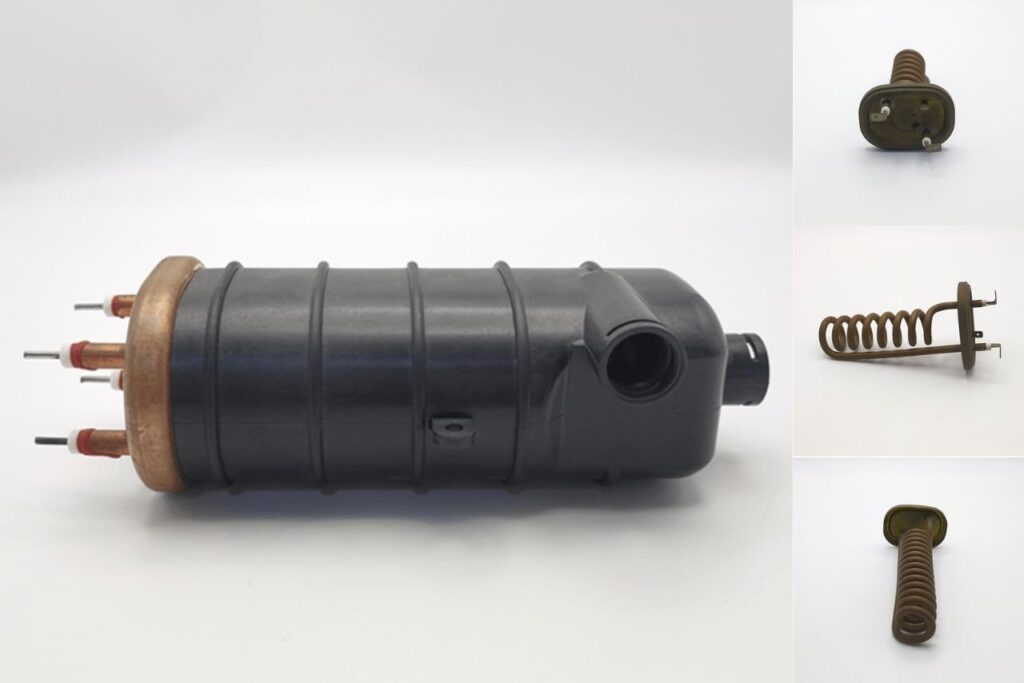
Оценка затрат на ремонт духового шкафа требует баланса между качеством компонентов и стоимостью технических работ.
Как основа функциональности кухни, Нагревательный элемент представляет собой прецизионный термоэлемент. Основываясь на производственном опыте Camewould (Jin Zhong) ведущего Производитель нагревательных элементов с более чем 40-летним промышленным стажем, данное руководство предоставляет прозрачную разбивку того, сколько вам следует ожидать заплатить за детали и профессиональные услуги по всему миру.
Справочник по анализу затрат
Разбивка стоимости компонентов по типу элемента
Стоимость замены Нагревательный элемент редко бывает единообразной. Она сильно зависит от конкретной роли элемента в тепловой архитектуре прибора. В то время как поверхностная конфорка может быть недорогой, внутренние конвекционные или жарочные элементы требуют более высоких материальных спецификаций для выдерживания длительных высокотемпературных циклов.
Среднерыночные цены на запасные части
| Категория элемента | Диапазон цен (долл. США) | Основной фактор стоимости |
|---|---|---|
| Стандартный жарочный элемент | $25 – $60 | Мощность (2000 Вт–3000 Вт) |
| Элемент гриля | $35 – $80 | Материал оболочки (Incoloy 800) |
| Скрытый жарочный элемент | $50 – $120 | Крепежные монтажные пластины |
| Элемент конвекционного вентилятора | $40 – $90 | Сложность спиральной катушки |
Профессиональный труд vs. экономия при самостоятельном ремонте
Для многих домовладельцев вопрос заключается не только в цене детали, но и в стоимости установки. Наем профессионального техника гарантирует, что Нагревательный элемент будет правильно откалиброван с термостатом духового шкафа, но это сопряжено с платой за услугу.
- Плата за вызов: Большинство компаний по ремонту бытовой техники взимают фиксированную плату в размере от $75 до $125 только за диагностику проблемы. Эта сумма часто засчитывается в счет окончательного ремонта, если вы решите его провести.
- Почасовая оплата труда: Работа по стандартной замене обычно занимает от 30 до 60 минут и оплачивается по ставке от $80 до $150 в час.
- Возможность самостоятельного ремонта: Поскольку стандартные жарочные элементы крепятся всего двумя винтами и двумя разъемами типа «лопатка», самостоятельная замена может сэкономить вам примерно $150. Однако скрытые жарочные элементы часто требуют значительной разборки, что делает профессиональную помощь более безопасным вложением.
Почему качество производства влияет на цену
Будучи специализированной компанией Завод по производству нагревательных элементов, мы наблюдаем, что “самые дешевые” элементы часто лишены внутренней плотности, необходимой для долгосрочной безопасности. Качественный элемент включает высокочистый прессованный MgO (оксид магния) и премиальные NiCr (нихромовые) резистивные провода.
Использование Решения по нагреву при литье под давлением в современных премиальных духовых шкафах дополнительно увеличивает начальную стоимость детали, но обеспечивает гораздо лучшую тепловую равномерность и энергоэффективность. В Suli Technology (Camewould), наши элементы проходят строгие испытания в аккредитованных CNAS лабораториях, чтобы гарантировать превышение эксплуатационного порога в 3000 часов, обеспечивая гораздо более низкую общую стоимость владения с течением времени по сравнению с аналогами общего назначения.
Оценка общей стоимости замены
При учете как деталей, так и профессионального труда, Затраты на нагревательный элемент духового шкафа можно разделить на три уровня:
Бюджетный уровень
$40 – $100
Самостоятельная замена стандартной поверхностной конфорки или открытого жарочного элемента с использованием неоригинальных деталей.
Профессиональный стандарт
$150 – $250
Вызов техника, диагностика и установка нагревательного элемента OEM-спецификации для стандартной плиты.
Премиальный/Специализированный
$300+
Сложные ремонты, включающие скрытые элементы, двухтопливные плиты или конвекционные блоки в брендах высокого класса.
Экспертное FAQ: Ценность vs. цена
Вопрос 1: Стоит ли заменять нагревательный элемент в 10-летней духовке?
Да. Если остальные компоненты духовки (плата управления, уплотнители дверцы) в хорошем состоянии, потратить $150 на замену элемента гораздо более рентабельно, чем тратить $800+ на новый прибор.
Вопрос 2: Увеличит ли неисправный элемент мой счет за электроэнергию?
Безусловно. Элемент с точечную коррозию или высоким внутренним сопротивлением работает неэффективно, требуя более длительного времени предварительного нагрева и более частого циклирования для поддержания температуры, что увеличивает потребление энергии.
В3: Почему оригинальные элементы (OEM) дороже “универсальных” заменителей?
Оригинальные детали специально разработаны для точной мощности и конфигурации клемм вашей модели. Универсальные элементы могут иметь незначительные различия в размерах, что может привести к искрение или плохому тепловому контакту с корпусом печи.
В4: Поставляет ли компания Suli Technology элементы для коммерческих печей?
Да. Мы производим промышленные элементы высокой мощности для коммерческих котлов и оборудования промышленных кухонь. Они рассчитаны на круглосуточные рабочие циклы и более высокие температурные допуски по сравнению с бытовыми моделями.
В5: Как определить, что проблема именно в элементе, перед покупкой детали?
Используйте мультиметр для проверки целостность цепи. Если мультиметр показывает показание “Разомкнутая цепь” (O.L.), это означает, что внутренняя спираль разорвана, и замена обязательна.
Передовая теплотехника мирового уровня
Имея ежемесячную производственную мощность в 3 миллиона единиц и 40-летний опыт, Camewould является доверенным поставщиком нагревательных сердечников для мировых лидеров, таких как Philips, Midea и DeLonghi.
Ссылки и источники технических данных:
- [1] Camewould Electrical Technology – Каталог продукции и исследование экономической эффективности (2025). jinzho.com
- [2] Wikipedia – Принципы джоулева нагрева в бытовых приборах. en.wikipedia.org
- [3] IQS Directory – Анализ рынка трубчатых нагревательных элементов. iqsdirectory.com
- [4] Home Depot / Lowe's – Индекс цен на запчасти для бытовой техники (2025).

