
Путь от простого зерна до насыщенной ароматной чашки кофе — это процесс, управляемый точностью, и в его основе лежит компонент, который является одновременно фундаментальным и часто упускаемым из виду: нагревательный элемент. Эта критически важная часть является двигателем любой кофемашины, отвечая за превращение холодной воды в идеально нагретую среду, необходимую для оптимального извлечения вкуса. Без правильно функционирующего нагревательного элемента весь процесс заваривания нарушается, что приводит к недоваренному, кислому или горькому кофе.
Эта всеобъемлющая статья углубится в сложный мир нагревательный элемент кофеварки. Мы рассмотрим его основные принципы работы, разберем различные типы и материалы, используемые в современном производстве, а также выявим распространенные виды отказов и методы устранения неисправностей. Кроме того, мы изучим важность стандартов качества производства, предоставив знания, необходимые как любителям кофе, так и специалистам по обслуживанию для понимания, поддержания и ремонта этого жизненно важного компонента.
Что такое нагревательный элемент кофемашины?
На самом базовом уровне Нагревательный элемент — это электрический резистор, предназначенный для преобразования электрической энергии в тепловую посредством процесса, известного как джоулев нагрев. В кофемашине его основная функция заключается в повышении температуры воды в бойлере или термоблоке до точного диапазона, обычно от 195°F до 205°F (от 90°C до 96°C). Этот температурный диапазон широко признан Специализированной кофейной ассоциацией (SCA) в качестве отраслевого стандарта для идеальной экстракции.
Достижение и поддержание термической стабильности в этом узком диапазоне имеет первостепенное значение. Если вода слишком холодная, она не сможет извлечь желаемые растворимые соединения из кофейной гущи, что приведет к слабому и кислому вкусу. И наоборот, если вода слишком горячая, произойдет переэкстракция, растворение нежелательных горьких соединений и ошпаривание кофе. Таким образом, производительность, отзывчивость и надежность нагревательного элемента напрямую определяют конечное качество в чашке.
Наука, стоящая за теплом: как они работают?
Принцип работы нагревательного элемента основан на физике электрического сопротивления. Когда электрический ток проходит через материал с высоким электрическим сопротивлением, электроны с трудом движутся через него. Это сопротивление приводит к столкновениям на атомном уровне, что генерирует тепло.
Ключом к этому процессу является выбор специализированной проволоки сопротивления, чаще всего Нихром (нихромового) сплава. Этот материал исключительно хорошо подходит для нагревательных применений по нескольким критическим причинам:
- Он обладает высоким электрическим сопротивлением, что позволяет эффективно генерировать значительное количество тепла.
- При нагревании он образует стабильный, адгезивный внешний слой оксида хрома, который защищает внутренний материал от дальнейшего окисления и разрушения, обеспечивая длительный срок службы.
- Он имеет высокую температуру плавления, что позволяет работать при повышенных температурах без деградации.
Этот нихромовая проволока обычно свернут и помещен в защитную металлическую оболочку. Пространство между спиралью и оболочкой заполняется изолирующим порошком, например, оксидом магния. Этот изолятор является отличным проводником тепла, но плохим проводником электричества, что позволяет эффективно передавать тепло окружающей воде, предотвращая при этом утечку электрического тока и обеспечивая безопасность.
Типы нагревательных элементов в кофемашинах
Нагревательные элементы не являются универсальным компонентом. Их конструкция и исполнение значительно различаются в зависимости от типа кофемашины, ее предполагаемого применения (коммерческого или бытового) и желаемых эксплуатационных характеристик.
Погружные трубчатые нагреватели
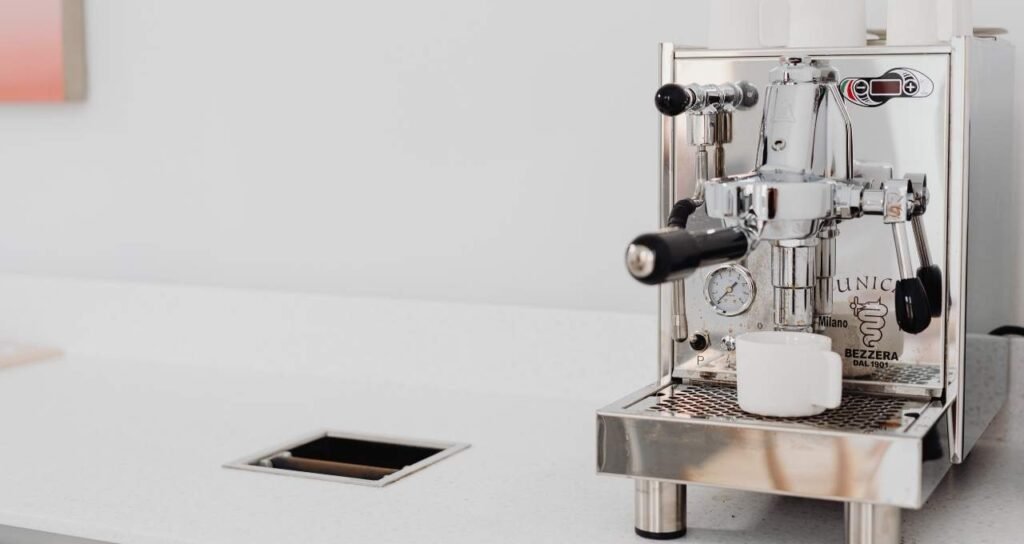
Это наиболее распространенная конструкция, встречающаяся в эспрессо-машинах с бойлерами. Нагревательный элемент кофемашины состоит из трубчатой металлической оболочки, часто из нержавеющей стали или меди, в которой размещена резистивная спираль. Этот элемент непосредственно погружается в водяной резервуар бойлера. Обычно он крепится на фланец или ввинчивается в бойлер, герметизируясь высокотемпературной прокладкой для предотвращения утечек. Их главное преимущество — прямая и эффективная передача тепла большому объему воды.
Литьевые нагреватели (литье под давлением)
Более продвинутое решение включает литье трубчатого нагревательного элемента непосредственно в блок алюминия. Этот метод, часто используемый в термоблоках и некоторых современных заварных группах, обеспечивает превосходную теплопроводность и распределение тепла. Алюминиевая масса действует как высокоэффективный радиатор, обеспечивая равномерную температуру по всей поверхности. Такая конструкция позволяет быстро нагреваться с холодного состояния и обеспечивает отличное восстановление температуры между порциями, что критически важно в условиях высокого спроса.
Толстопленочные нагреватели
Представляя новое поколение нагревательных технологий, толстопленочные нагреватели изготавливаются путем нанесения слоев резистивных и диэлектрических паст на керамическую или стальную подложку. Этот процесс позволяет создать компактную конструкцию с очень низким профилем и чрезвычайно быстрым тепловым откликом. Они могут нагревать воду почти мгновенно по мере ее протекания, что делает их идеальными для проточных водонагревателей и компактных кофемашин для одной порции.
[Таблица данных: Сравнение технологий нагревательных элементов. Таблица, сравнивающая погружные трубчатые, литьевые и толстопленочные нагреватели по нескольким ключевым показателям.]
| Особенность | Погружной трубчатый | Литьевой (литье под давлением) | Толстопленочный нагреватель |
|---|---|---|---|
| Время разогрева | Умеренный до медленного | Быстрый | Очень быстро |
| Термическая стабильность | Хороший (в больших бойлерах) | Отличный | Хороший (зависит от потока) |
| Энергоэффективность | Хороший | Очень хорошо | Отличный |
| Долговечность | Высокий | Очень высокий | Умеренный |
| Общий пример использования | Бойлеры эспрессо-машин | Термоблоки, заварные группы | Проточные, для одной порции |
Ключевые показатели производительности и материалы
При оценке или замене нагревательного элемента несколько технических характеристик имеют критическое значение.
Мощность (ватт) и напряжение
Мощность указывает на выходную мощность элемента и его способность генерировать тепло. Элемент с более высокой мощностью будет нагревать заданный объем воды быстрее. Коммерческие машины часто оснащаются элементами мощностью от 2000 Вт до 6000 Вт для работы в условиях непрерывного использования, в то время как бытовые машины обычно имеют мощность от 1000 Вт до 1600 Вт. Напряжение также критически важно; элемент, рассчитанный на 110 В, быстро выйдет из строя при подключении к сети 230 В, и наоборот.
Состав материала
Выбор материала оболочки влияет как на производительность, так и на долговечность.
- Нержавеющая сталь: Обеспечивает отличную коррозионная стойкость, что делает его прочным выбором, особенно в регионах с жесткой водой. Это стандарт для большинства качественных применений.
- Медь: Обладает превосходной теплопроводностью по сравнению с нержавеющей сталью, но более подвержен коррозии с течением времени.
- Incoloy®: Никелевый суперсплав, обеспечивающий исключительную стойкость к окислению и коррозии при высоких температурах, часто используется в высококлассных коммерческих машинах.
Распространенные виды отказов и устранение неисправностей
Даже самый надежный нагревательный элемент со временем выйдет из строя. Понимание распространенных причин может помочь продлить его срок службы и эффективно диагностировать проблемы.
Накопление накипи
Это наиболее распространенная причина выхода из строя нагревательного элемента. Минералы из жесткой воды (карбонаты кальция и магния) выпадают в осадок и образуют твердый, коркообразный слой на поверхности элемента. Эта накипь действует как изолятор, заставляя элемент работать интенсивнее и перегреваться для передачи тепла воде. Этот длительный перегрев в конечном итоге приводит к перегоранию внутренней резистивной проволоки. Регулярная удаление накипи является самой важной задачей по техническому обслуживанию для предотвращения этого.
Электрический отказ (перегорание)
”Сухой нагрев» — работа машины без воды в бойлере — это быстрый и верный способ уничтожить нагревательный элемент. Без воды, поглощающей тепловую энергию, температура элемента мгновенно взлетает до небес, вызывая плавление внутренней спирали и разрыв цепи. Предохранители и термовыключатели предназначены для предотвращения этого, но они также могут выйти из строя.
Коррозия и питтинг
Плохое качество воды, особенно с высоким содержанием хлоридов или неправильным уровнем pH, может привести к питтинговой коррозии оболочки элемента. Со временем эти небольшие язвы могут проникнуть через оболочку, позволяя воде контактировать с внутренними компонентами и вызывая короткое замыкание.
Как проверить нагревательный элемент
Для техника или опытного любителя DIY проверка предположительно неисправного элемента проста. Безопасность превыше всего: всегда отключайте машину от источника питания перед началом работы.
- Получите доступ к клеммам нагревательного элемента.
- Отсоедините провода, ведущие к элементу.
- Установите мультиметр мультиметр на режим проверки целостности цепи (часто обозначается значком звука) или на минимальный предел измерения сопротивления (Омы/Ω).
- Поместите по одному щупу на каждый контактный терминал элемента.
- Хороший элемент: Мультиметр должен издавать звуковой сигнал или показывать низкое сопротивление (обычно в диапазоне 5–30 Ом), что указывает на замкнутую цепь.
- Неисправный элемент (обрыв цепи): Мультиметр не покажет целостность цепи (не будет звукового сигнала) или покажет бесконечное сопротивление (OL или “обрыв”), что указывает на перегорание внутренней проволоки.
- Проверьте на короткое замыкание на корпус, поместив один щуп на клемму, а другой на металлический фланец элемента или шасси машины. Должно отсутствовать замыкание. Если оно есть, элемент замкнут на корпус и небезопасен.
[Таблица данных: Руководство по диагностике нагревательного элемента. Простой табличный формат для быстрого ознакомления.]
| Симптом | Возможная причина | Решение |
|---|---|---|
| Машина не нагревается | Неисправный нагревательный элемент (обрыв цепи) | Проверьте мультиметром. Замените при неисправности. |
| Срабатывает УЗО/ВДТ сразу | Короткое замыкание нагревательного элемента | Проверьте на замыкание на корпус. Замените при неисправности. |
| Медленное время нагрева | Сильное образование накипи | Проведите тщательную процедуру удаления накипи. |
| Вода недостаточно горячая | Проблема с термостатом или элемент покрыт накипью | Проверьте термостат; удалите накипь в машине. |
Важность качества и стандартов производства
При выходе из строя нагревательного элемента выбор качественной замены имеет решающее значение для безопасности, производительности и долговечности машины. Рынок переполнен деталями разного качества, а выбор более дешевого, несертифицированного компонента может привести к преждевременному отказу или даже создать серьезную угрозу безопасности.
Устоявшийся электрический нагревательный элемент производитель производитель будет придерживаться строгих международных стандартов. Например, такой производитель, как Jinzho, имеющий более чем тридцатилетний опыт работы в этой области, демонстрирует свою приверженность качеству посредством сертификатов, таких как ISO 9001 (Управление качеством), UL (Underwriters Laboratories) и VDE (Институт испытаний и сертификации VDE). Эти сертификаты гарантируют, что продукт прошел тщательные испытания на электробезопасность, целостность материалов и надежность работы. Авторитетный производитель предоставляет не просто деталь, а гарантию инженерного совершенства и спокойствия.
Часто задаваемые вопросы (FAQ)
1. Можно ли заменить нагревательный элемент кофейной машины? нагревательный элемент?
Для людей с хорошими механическими и электрическими навыками замена нагревательного элемента — выполнимая задача. Однако она связана с работой с находящимися под напряжением электрическими компонентами и обеспечением водонепроницаемого уплотнения при повторной сборке. Безопасность должна быть главным приоритетом. Всегда отключайте машину от сети, полностью сливайте воду и, если у вас есть сомнения, обратитесь к профессиональному технику по ремонту.
2. Как часто следует проводить удаление накипи в кофейной машине, чтобы защитить нагревательный элемент?
Частота удаления накипи полностью зависит от жесткости вашей воды. Для пользователей с мягкой водой может быть достаточно каждые 6–12 месяцев. Для тех, у кого вода средней жесткости или очень жесткая, настоятельно рекомендуется удалять накипь каждые 1–3 месяца, чтобы предотвратить вредное накопление накипи и сохранить срок службы нагревательного элемента.
3. Означает ли более высокая мощность нагревательного элемента нагревательного элемента лучший кофе?
Не обязательно. Хотя элемент большей мощности нагревает воду быстрее, что полезно для восстановления температуры в коммерческих условиях, именно точность и стабильность системы контроля температуры (термостат, PID-контроллер) оказывают большее влияние на качество кофе. Слишком мощный элемент без точного контроля может легко превысить целевую температуру, что приведет к горькому, переэкстрагированному кофе. Ключ — баланс.
Заключение
Сайт Нагревательный элемент — это незаметный герой кофейной машины.. Его способность быстро и стабильно подавать воду при идеальной температуре является основой для приготовления отличной чашки кофе. Понимая принципы его работы, доступные технологии и критическую важность регулярного обслуживания, такого как удаление накипи, пользователи могут обеспечить оптимальную работу своих устройств на долгие годы. Когда замена становится необходимой, выбор компонента от сертифицированного, опытного производителя — это инвестиция в безопасность, надежность и дальнейшее наслаждение превосходным кофе.
Ссылки
- HowStuffWorks. “Как отремонтировать кофеварку”. Retrieved from https://home.howstuffworks.com/how-to-repair-small-appliances3.htm
- Кофе Криса. ’Нагревательный элемент кофейника“. Извлечено из https://www.chriscoffee.com/products/rocket-coffee-boiler-heating-element
- Stefano's Espresso Care. “Нагревательные элементы для эспрессо-машин”. Retrieved from https://espressocare.com/collections/heating-elements
- Кофейные наркоманы. “Элементы”. Извлечено из https://coffeeaddicts.ca/collections/elements
- Home-Barista.com. “Проверка нагревательного элемента мультиметром”. Источник: https://www.home-barista.com/repairs/testing-heating-element-with-multimeter-t58900.html
- Jinzho. “Нагревательный элемент кофемашины”. Источник: https://jinzho.com/coffee-machine-heating-element/
- Elek-Heat. “Нагревательный элемент кофемашины”. Источник: https://elekheat.com/coffee-machine-heating-element/