Когда выходит из строя нагревательный элемент водонагревателя, вы можете заметить несколько явных предупредительных признаков. Вы можете столкнуться с тёплая вода, или ваша горячая вода внезапно может стать холодной. Многие домовладельцы также сообщают о странных шипящих или потрескивающих звуках из бака. Иногда счета за электроэнергию растут, так как устройство работает интенсивнее для поддержания температуры. Мутная или ржавая вода, а также частое срабатывание автоматических выключателей часто указывают на перегоревший элемент.
Всегда уделяйте первостепенное внимание безопасности при работе с электроприборами. Если вы не уверены в своих силах при проверке или замене нагревательного элемента водонагревателя, обратитесь к квалифицированному специалисту.
Распространенные признаки перегорания нагревательного элемента водонагревателя
Отсутствие горячей воды или нестабильное отопление
Вы можете впервые заметить проблему с электрическим водонагревателем, когда откроете кран и не получите горячую воду. Эта проблема часто указывает на неисправный нагревательный элемент. Если ваш автоматический выключатель не сработал, нагревательный элемент, вероятно, нуждается в ремонте или замене. Иногда вы можете столкнуться с нестабильным нагревом. В один день вода кажется горячей, на следующий — становится теплой или холодной. Эти колебания могут быть вызваны неисправным термостатом, сломанной трубкой подачи воды, или перегоревшим нагревательным элементом водонагревателя.
Совет: Если у вас газовый водонагреватель, отсутствие горячей воды может быть связано с неисправностью запальника или горелки, а не нагревательного элемента.
Распространенные причины нестабильной или отсутствующей горячей воды в электрических водонагревателях включают:
- Вышедший из строя нагревательный элемент, который не позволяет баку достичь заданной температуры.
- Накопление осадка, который изолирует нагревательный элемент и снижает эффективность.
- Неисправные термостаты, которые могут вызывать слишком горячую или недостаточно горячую воду.
- Сработавшие концевые выключатели или кнопки сброса, которые прерывают цикл нагрева.
Регулярное техническое обслуживание, такое как промывка бака и проверка компонентов, помогает предотвратить эти проблемы. Если вы заметили, что запас горячей воды быстро заканчивается или вода вообще не нагревается, сначала проверьте нагревательный элемент.
Вода нагревается слишком долго
Исправный электрический водонагреватель должен нагревать полный бак в течение определенного времени. Если вы ждете горячую воду значительно дольше обычного, нагревательный элемент может быть поврежден. В следующей таблице приведены средние время нагрева для разных объемов бака:
| Объем бака | Время нагрева электрического водонагревателя | Время нагрева газового водонагревателя |
|---|---|---|
| 40 галлонов | от 60 до 80 минут | 30 до 40 минут, |
| 50 галлонов | от 145 до 150 минут | от 60 до 80 минут |
| 60 галлонов | от 2 до 2,5 часов | от 80 до 100 минут |
| 80 галлонов | 120 минут и более | от 60 до 70 минут |
Если ваш электрический водонагреватель нагревает полный бак более двух часов, вероятно, проблема в нагревательном элементе. Накопление осадка также может замедлить нагрев, создавая изолирующий слой вокруг элемента. В некоторых случаях медленный нагрев может быть вызван водонагревателем недостаточного размера или длинными трубопроводами, но перегоревший элемент остается основной причиной.
Теплая или недостаточно горячая вода
Получение теплой воды вместо стабильного потока горячей воды указывает на потенциальную проблему с нагревательным элементом. Когда внутри бака накапливается осадок, он может покрыть нагревательный элемент, снижая его эффективность. Этот изолирующий эффект приводит к теплой воде, даже если термостат настроен правильно. Перегоревший нагревательный элемент водонагревателя не может нагреть воду до желаемой температуры, что приводит к постоянно теплой воде на выходе.
Другие факторы, которые могут вызвать теплую воду, включают:
- Неисправные термостаты, которые не могут точно регулировать температуру.
- Сломанные трубки подачи воды, которые позволяют холодной воде смешиваться с горячей в верхней части бака.
- Сработавшие автоматические выключатели, которые отключают питание электрического водонагревателя.
Вам следует проверить нагревательный элемент, если вы заметили устойчивое падение температуры воды. Регулярный осмотр и техническое обслуживание помогают выявить эти проблемы на ранней стадии и поддерживать надежное горячее водоснабжение.
Автоматический выключатель или кнопка сброса постоянно срабатывают
Когда вы замечаете, что ваш электрический водонагреватель неожиданно отключается, проверьте, не срабатывает ли автоматический выключатель или не выскакивает ли кнопка сброса. Эти прерывания часто указывают на более глубокую проблему с нагревательным элементом. Перегоревший элемент может создать короткое замыкание, что приводит к повторному срабатыванию выключателя. Если вы сбрасываете выключатель или кнопку, а проблема возвращается, вероятно, неисправен элемент или другая электрическая проблема внутри устройства.
Вы также можете заметить следующие предупредительные признаки:
- Водонагреватель перестает работать через короткое время.
- Кнопка сброса нагревается или имеет признаки обесцвечивания.
- Автоматический выключатель срабатывает каждый раз, когда вы пытаетесь использовать горячую воду.
⚠️ Совет по безопасности: Никогда не сбрасывайте выключатель или кнопку повторно без выяснения причины. Повторные срабатывания автоматического выключателя могут указывать на опасную электрическую неисправность. Всегда отключайте питание перед осмотром нагревательного элемента водонагревателя.
Если вы сталкиваетесь с частыми прерываниями, проверьте нагревательный элемент на целостность. Перегоревший элемент часто вызывает эти электрические проблемы. Если вы не обнаружите проблем с элементом, неисправность может быть в термостате или проводке. В таких случаях обратитесь к специалисту для дальнейшей диагностики.
Необычные шумы из водонагревателя
Странные звуки, исходящие от вашего электрического водонагревателя, могут указывать на неисправный или перегоревший нагревательный элемент. Вы можете услышать потрескивание, грохот, шипение или гул. Каждый звук дает подсказку о том, что происходит внутри бака.
Ниже представлена таблица с обобщением распространенных шумов, их причин и рекомендуемых действий:
| Тип шума | Описание и причина | Рекомендуемое действие или детали причины |
|---|---|---|
| Постукивание | Вода пузырится через осадок на дне бака, часто из-за минеральных отложений вокруг нагревательного элемента. | Промойте бак для удаления осадка; при необходимости замените магниевый анод. |
| Грохот/Стук | Избыток осадка вызывает мини-взрывы или эффект гидроудара. | Регулярно сливайте бак; отрегулируйте давление в системе; обратитесь к технику при постоянных проблемах. |
| Шипение/Треск | Вода просачивается на нагревательный элемент или накапливается влага. | Проверьте на наличие утечек; слейте бак; обратитесь к технику, если шум продолжается. |
| Напевая | Гул. | Ослабленный нагревательный элемент вибрирует из-за потока воды. |
| Затяните элемент; если шум не исчезает, обратитесь к технику. | Тиканье. | Отрегулируйте редукционный клапан; добавьте изоляцию или хомуты. |
| Визг/Свист | Неплотно закрытые клапаны или ограничения потока воды вызывают высокочастотные звуки. | Проверьте и отрегулируйте клапаны; обратитесь к специалисту, если не можете устранить проблему самостоятельно. |
Не следует игнорировать эти шумы. Хлопки и гул часто означают, что вокруг нагревательного элемента скопился осадок, что снижает эффективность и может привести к перегоранию элемента. Шипение или треск могут указывать на утечку воды на элемент, что требует срочного вмешательства. Гул обычно указывает на ослабленный нагревательный элемент, который необходимо затянуть. Если вы слышите тиканье или визг, проверьте клапаны и давление воды.
Гул Примечание: Регулярное техническое обслуживание, такое как промывка бака и проверка нагревательного элемента, помогает предотвратить эти шумы и продлевает срок службы вашего водонагревателя.
Видимые повреждения или коррозия на элементе
Вы часто можете заметить проблему с нагревательным элементом водонагревателя по видимым повреждениям или коррозии. После отключения питания и снятия панели доступа осмотрите нагревательный элемент на предмет ржавчины, хлопьевидных отложений или обесцвечивания. Эти признаки показывают, что металл разрушается из-за постоянного воздействия воды и минералов. Коррозия на нагревательном элементе обычно означает, что водонагреватель приближается к концу своего срока службы, который обычно составляет от 8 до 10 лет.
Коррозия может вызвать несколько проблем:
- Снижение эффективности нагрева
- Утечки вокруг элемента
- Обесцвеченная горячая вода (коричневого, оранжевого или красного цвета)
Если вы видите видимая коррозия, вам следует проверить нагревательный элемент мультиметром. Нормальные показания находятся в диапазоне от 10 и 30 Ом. Показания за пределами этого диапазона указывают на перегоревший или поврежденный элемент. Коррозия часто приводит к полному выходу элемента из строя, поэтому вам следует рассмотреть возможность замены нагревательного элемента или вызова специалиста для осмотра.
🛠️ Совет: Видимая коррозия является явным признаком того, что ваш водонагреватель требует внимания. Своевременное устранение может предотвратить утечки и более дорогостоящий ремонт.
Как работает нагревательный элемент водонагревателя
Основная функция нагревательного элемента водонагревателя
Вы полагаетесь на нагревательный элемент вашего водонагревателя, чтобы преобразовывать электрическую энергию в тепло. Этот компонент находится внутри вашего бака, обычно в виде металлического стержня или спирали. Когда вы устанавливаете температуру на термостате, он посылает электрический ток через элемент. Металл сопротивляется прохождению электричества, что выделяет тепло. Это тепло передается непосредственно воде, окружающей элемент. Большинство электрических водонагревателей используют один или два элемента, каждый из которых управляется собственным термостатом. Верхний элемент нагревает верхнюю часть бака, в то время как нижний элемент поддерживает тепло в нижней части. Такая конструкция гарантирует, что у вас всегда будет постоянный запас горячей воды, когда она вам нужна.
Нагревательный элемент защищен металлической оболочкой. Такая конструкция предотвращает коррозию и помогает элементу прослужить дольше, даже при постоянном контакте с водой.
Почему нагревательные элементы водонагревателя со временем перегорают
Несколько факторов могут привести к выходу из строя нагревательного элемента вашего водонагревателя. Со временем минералы в вашей воде оседают на дне бака. Этот осадок может покрыть элемент, заставляя его работать интенсивнее и в конечном итоге перегореть. Скачки напряжения в вашей электрической системе могут перегрузить элемент, вызвав его внезапный выход из строя. Если в баке образуются воздушные карманы, элемент может нагреваться, не будучи полностью погруженным в воду, что приводит к перегреву и повреждению. Трещины в спирали или плохие соединения проводки также способствуют выходу элемента из строя.
Вот таблица, в которой обобщены основные причины:
| Фактор | Объяснение |
|---|---|
| Накопление осадка | Минералы в жесткой воде накапливаются в виде осадка, заставляя элементы работать интенсивнее и в конечном итоге перегорать. |
| Скачки напряжения | Скачки напряжения, превышающие номинальные параметры элемента, перегружают и сжигают нагревательный элемент. |
| Сухой пуск (включение без воды) | Воздушные карманы в баке подвергают элементы воздействию воздуха, вызывая перегрев и повреждение. |
| Трещины в спиралях | Трещины нарушают прохождение электрического тока, что приводит к выходу из строя нагревательного элемента. |
| Проблемы с проводкой | Плохие соединения или поврежденные провода могут вызвать выход элемента из строя и создать угрозу безопасности. |
| Минеральные отложения | Покрытия изолируют элементы, снижая теплопередачу и вызывая перегрев и перегорание. |
Регулярное техническое обслуживание, такое как промывка бака и проверка проводки, помогает предотвратить эти проблемы и продлевает срок службы вашего нагревательного элемента.
Типы элементов водонагревателей
Вы найдете различные типами элементов водонагревателя в зависимости от типа вашего водонагревателя. Электрические водонагреватели бакового типа используют погружные элементы, которые находятся непосредственно в воде. Эти элементы обычно служат от 12 до 15 лет при правильном уходе. Газовые водонагреватели бакового типа используют горелочный элемент в нижней части бака, который обычно служит от 8 до 12 лет. Электрические тепловые насосы также используют электрические элементы и могут прослужить до 15 лет. Проточные водонагреватели, как газовые, так и электрические, используют нагревательные элементы мгновенного действия, которые могут прослужить от 20 до 30 лет, поскольку в них не накапливается осадок.
Вот диаграмма, сравнивающая средний срок службы различных типов нагревательных элементов водонагревателей:
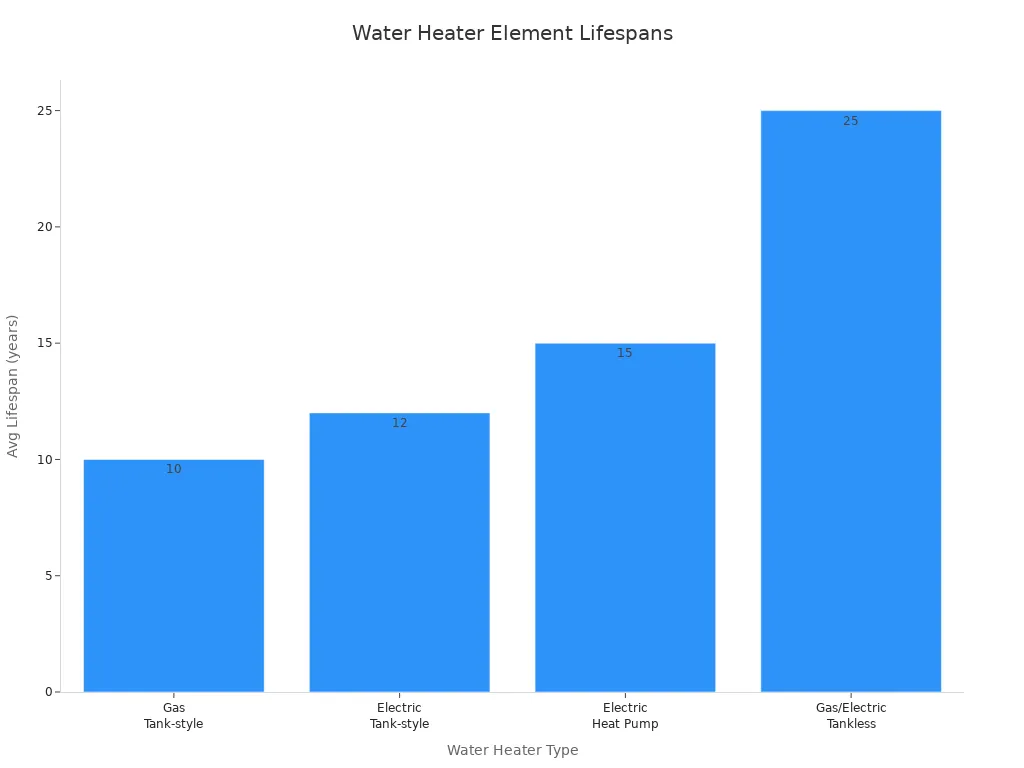
Водонагреватели бакового типа требуют регулярной промывки и замены анодного стержня для поддержания эффективности. Проточные модели нуждаются в периодическом удалении накипи для предотвращения образования известкового налета. Понимая тип элемента в вашей системе, вы можете спланировать правильное техническое обслуживание и максимально продлить его срок службы.
Меры безопасности перед проверкой нагревательного элемента водонагревателя
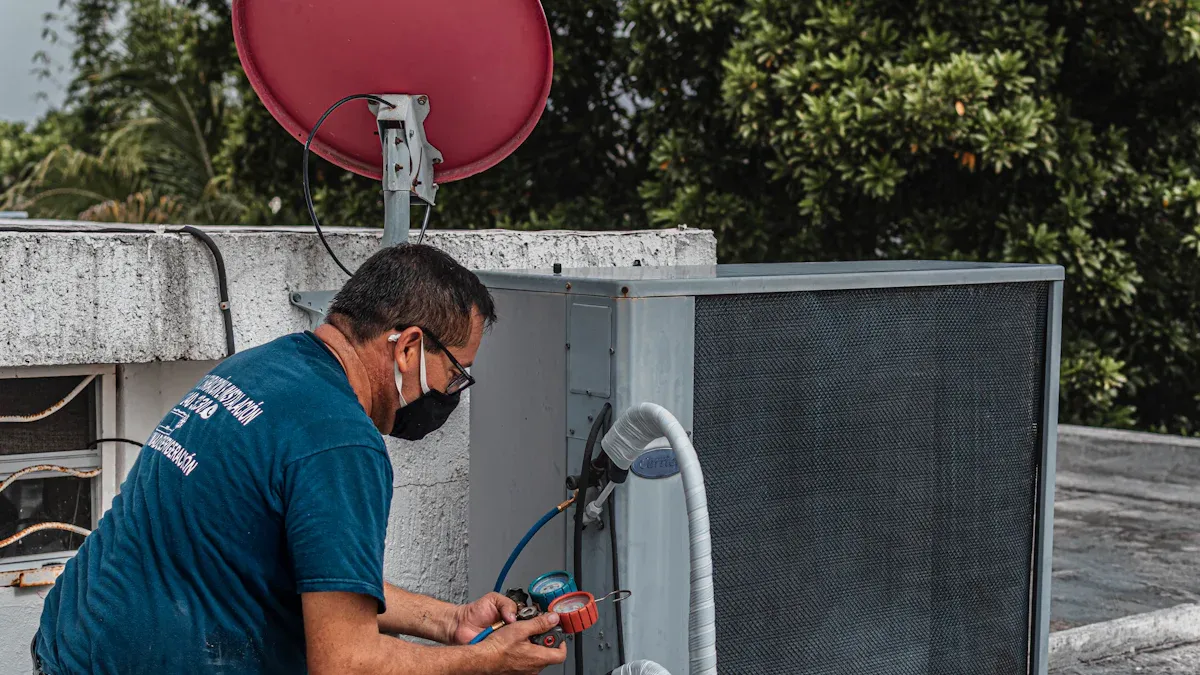
Прежде чем приступить к любым работам на вашем водонагревателе, вы должны предпринять правильные меры безопасности. Работа с электрическими приборами требует осторожности и подготовки. Вы можете предотвратить несчастные случаи и обеспечить плавный процесс ремонта, следуя этим рекомендациям.
Инструменты и материалы, необходимые для тестирования
Сбор правильных инструментов и материалов помогает вам работать эффективно и безопасно. Перед началом работы следует подготовить следующие предметы:
- Отвертка: Используйте это для снятия панели доступа и крышки термостата.
- Индикатор напряжения: Этот инструмент проверяет, действительно ли отключено питание.
- Мультиметр: Установите его в режим проверки целостности цепи или измерения сопротивления (Ом) для тестирования нагревательного элемента.
- Изолированные перчатки: Защитите руки от удара током и острых краев.
- Защитные очки: Защитите глаза от мусора или случайных брызг.
- Полотенце или тряпка: Вытрите влагу вокруг зоны доступа.
- Блокнот и ручка: Запишите результаты теста для дальнейшего использования.
🛠️ Совет: Разложите инструменты на чистой, сухой поверхности. Это снижает риск потери мелких деталей и помогает вам сохранять концентрацию во время осмотра.
Отключение электро- и водоснабжения
Вы всегда должны отключать питание перед работой с электрическим водонагревателем. Этот шаг защищает вас от удара током. Выполните следующие действия для обеспечения полной безопасности:
- Отключите питание водонагревателя в распределительном щите.
- Снимите внешнюю крышку термостата с помощью отвертки. Если ваш нагреватель имеет два элемента, снимите обе крышки.
- Извлеките всю изоляцию и внутренние пластиковые крышки, чтобы открыть доступ термостат и нагревательный элемент.
- Используйте индикатор напряжения, чтобы убедиться, что питание полностью отключено.
- Отсоедините провода, подключенные к нагревательному элементу, и отложите их в сторону.
- Проверьте нагревательный элемент с помощью мультиметра, установленного в режим проверки целостности цепи или измерения сопротивления.
- После проверки снова подсоедините провода и крышки, затем восстановите подачу электроэнергии в распределительном щите.
Для базовой электрической проверки отключать подачу воды не требуется. В первую очередь соблюдайте электробезопасность. Если вы планируете заменить элемент, на этом этапе необходимо будет слить воду из бака и перекрыть подачу воды.
Основные меры предосторожности
При осмотре или ремонте элемента водонагревателя всегда следует уделять первостепенное внимание собственной безопасности. Примите следующие необходимые меры предосторожности:
- Отключите автоматический выключатель для электрических водонагревателей или перекройте газовый клапан для газовых моделей.. Этот шаг предотвращает поражение электрическим током и утечку газа.
- Проверьте на наличие утечек газа, если у вас газовый водонагреватель. Прислушайтесь к шипению, принюхайтесь к запаху газа или используйте мыльный раствор для обнаружения утечек. Немедленно устраните любые утечки.
- Используйте средства индивидуальной защиты, включая перчатки и защитные очки, для предотвращения травм.
- Дайте воде внутри водонагревателя остыть перед началом работ. Горячая вода может вызвать серьезные ожоги.
⚠️ Примечание: Никогда не торопитесь при проведении проверок безопасности. Несколько дополнительных минут на подготовку могут предотвратить серьезные аварии и обеспечить успешный ремонт.
Следуя этим шагам, вы создаете безопасные условия для проверки и ремонта элемента вашего водонагревателя. Всегда перепроверяйте, что питание отключено, прежде чем прикасаться к любым электрическим компонентам. Если вы в какой-то момент чувствуете неуверенность, обратитесь за помощью к лицензированному специалисту.
Пошаговое руководство по проверке элемента водонагревателя
Проверка нагревательного элемента в вашем электрическом водонагревателе помогает диагностировать неисправности, прежде чем принимать решение о ремонте или замене. Вы можете следовать этим шагам, чтобы безопасно получить доступ к элементу водонагревателя, проверить его и интерпретировать результаты.
Доступ к элементу водонагревателя
Снятие панели доступа
Для начала вам необходимо добраться до нагревательного элемента внутри вашего электрического водонагревателя. Начните с отключения питания в автоматическом выключателе. Этот шаг обеспечивает вашу безопасность и предотвращает поражение электрическим током. С помощью отвертки снимите металлическую панель доступа на боковой стороне бака. После снятия панели извлеките изоляцию и пластиковую крышку, которая защищает термостат и нагревательный элемент. Отложите эти детали в безопасное место для последующей сборки.
⚠️ Совет по безопасности: Всегда перепроверяйте, что питание отключено, с помощью индикаторной отвертки или тестера напряжения, прежде чем прикасаться к проводам или клеммам.
Определение местоположения клемм элемента
После снятия панели доступа вы увидите термостат и клеммы нагревательного элемента. Нагревательный элемент обычно выглядит как металлический фланец с двумя винтами или болтами, к каждому из которых подсоединен провод. Аккуратно отсоедините провода от клемм. Убедитесь, что провода не касаются друг друга или любых металлических поверхностей. Этот шаг подготавливает нагревательный элемент к точной проверке.
Использование мультиметра для проверки на перегоревший элемент
Настройка мультиметра
Мультиметр является незаменимым инструментом для диагностики неисправный нагревательный элемент. Установите мультиметр в режим измерения сопротивления (Ом, Ω). Если ваш мультиметр имеет несколько диапазонов измерения сопротивления, выберите самый низкий. Наденьте изолированные перчатки и защитные очки для защиты во время этого процесса.
Проверка клемм элемента
При отсоединенных проводах поместите один щуп мультиметра на каждую клемму нагревательного элемента. На дисплее должно появиться значение сопротивления. Для большинства электрических водонагревателей исправный нагревательный элемент покажет сопротивление от 10 до 30 Ом. Если ваш мультиметр показывает гораздо более высокое значение, ноль или символ бесконечности (часто отображаемый как “OL”), нагревательный элемент, вероятно, перегорел или неисправен.
Также следует проверить на наличие короткого замыкания. Поместите один щуп на клемму, а другой на металлический бак или фланец элемента. Если мультиметр издает звуковой сигнал или показывает целостность цепи, нагревательный элемент замкнут на корпус бака и требует замены.
🛠️ Совет от профессионала: Проверьте как верхний, так и нижний нагревательные элементы в вашем электрическом водонагревателе. Проблемы могут возникнуть в одном или обоих элементах.
Понимание результатов теста
Как выглядит исправное показание
Рабочий нагревательный элемент покажет значение сопротивления от 10 до 30 Ом. Этот диапазон указывает на то, что элемент может проводить электричество и выделять тепло. Если вы видите значение в этом диапазоне, нагревательный элемент, вероятно, находится в хорошем рабочем состоянии. Вы также должны убедиться в отсутствии целостности цепи между любой из клемм и баком. Отсутствие целостности цепи здесь означает, что элемент не замкнут на корпус и безопасен в использовании.
| Точка проверки | Ожидаемый результат | Что это значит |
|---|---|---|
| Клемма-Клемма | 10–30 Ом | Элемент функциональный |
| Клемма-Бак/Фланец | Нет целостности цепи (нет звукового сигнала) | Короткое замыкание отсутствует |
Что означает показание перегоревшего элемента
Если ваш мультиметр показывает отсутствие целостности цепи (бесконечность или “OL”) между двумя клеммами, нагревательный элемент перегорел и не может нагревать воду. Показание нуля или очень низкого сопротивления также сигнализирует о проблеме, такой как внутреннее короткое замыкание. Если вы обнаруживаете целостность цепи между клеммой и баком, нагревательный элемент замкнут на корпус бака и должен быть немедленно заменен. Визуальные признаки, такие как оплавленная оболочка или изменение цвета, дополнительно подтверждают выход нагревательного элемента из строя.
🔍 Примечание: Всегда полностью заполните бак водой перед восстановлением подачи электроэнергии после замены нагревательного элемента. Включение нового элемента без воды (сухой пуск) может привести к немедленному повреждению.
Следуя этим шагам, вы сможете точно диагностировать состояние элемента вашего водонагревателя. Этот процесс поможет вам решить, ремонтировать или заменять нагревательный элемент в вашем электрическом водонагревателе.
Что делать, если элемент водонагревателя перегорел
Принятие решения между ремонтом и заменой
Когда вы обнаруживаете перегоревший элемент водонагревателя, перед вами встает выбор: ремонт или замена. Несколько факторов помогут вам принять наилучшее решение для вашего дома и бюджета. Ознакомьтесь с таблицей ниже, чтобы сравнить ключевые соображения:
| Фактор | Объяснение |
|---|---|
| Возраст водонагревателя | Срок службы обычно составляет от 8 до 12 лет; частые проблемы в этом диапазоне указывают на то, что замена предпочтительнее. |
| Стоимость ремонта | Если стоимость ремонта превышает половину цены нового устройства, замена обычно более экономически выгодна. |
| Эффективность | Энергоэффективность. |
| Более старые устройства менее эффективны; новые модели со временем экономят деньги на коммунальных платежах. | Профессиональная помощь. |
При неуверенности профессиональный сантехник может оценить ситуацию и дать совет относительно ремонта или замены. Вам также следует учитывать, стоимость работ $1,800, которая может сильно варьироваться. Марка и модель вашего водонагревателя влияют на цену запчастей. Качество работы часто коррелирует с ценой. Хотя вы можете продлить срок службы вашего устройства с помощью планового технического обслуживания и мелкого ремонта, частый или дорогостоящий ремонт старых устройств может оправдать полную замену. Замена водонагревателя может стоить до.
Как заменить элемент водонагревателя
, в то время как замена элемента обходится гораздо дешевле.
Слив бака
- Если вы решите отремонтировать сломанный электрический водонагреватель путем замены элемента, вы должны следовать тщательному процессу. Многие домовладельцы пытаются выполнить ремонт электрического водонагревателя своими руками, но безопасность остается главным приоритетом. Отключите питание в автоматическом выключателе.
- Отключите клапан подачи холодной воды.
- Подсоедините садовый шланг к сливному клапану на дне бака.
- Откройте сливной клапан и кран с горячей водой, чтобы впустить воздух и выпустить воду.
- во избежание серьезных травм.
Удаление старого элемента
- Подождите, пока бак полностью не опустеет, прежде чем продолжить.
- Отсоедините провода от клемм ТЭНа.
- С помощью отвертки снимите панель доступа и изоляцию. ключ для нагревательных элементов Используйте.
- чтобы выкрутить и извлечь старый элемент.
Установка нового элемента
- Осмотрите отверстие на наличие мусора или коррозии.
- Подберите заменяющий элемент, точно соответствующий оригиналу по типу фланца, напряжению и мощности.
- Подсоедините провода к клеммам.
- Замените изоляцию и панель доступа.
Вставьте новый элемент в отверстие и надежно затяните.
- Закройте сливной клапан и снимите шланг.
- Заполнение бака и проверка.
- Откройте кран с горячей водой, чтобы выпустить скопившийся воздух.
- Как только бак будет заполнен, восстановите питание через выключатель.
- Никогда не включайте нагревательный элемент всухую; он должен работать, будучи полностью погружённым в воду, чтобы избежать повреждения.
⚠️ Совет: Если на каком-либо этапе вы чувствуете недостаток опыта или неуверенность, вызовите специалиста обратитесь к сантехнику или электрику. Неправильная установка может привести к дальнейшим повреждениям или угрозе безопасности.
Когда вызывать специалиста для ремонта водонагревателя
Вам следует вызвать специалиста, если вы столкнулись с вопросами безопасности, такими как утечка газа, проблемы с электричеством или плесень из-за стоячей воды. Обширные повреждения, видимые протечки или скопление воды требуют экспертной оценки для предотвращения дальнейших проблем. Гарантийные обязательства также важны — самостоятельный ремонт электрического водонагревателя может аннулировать гарантию, поэтому профессиональное обслуживание помогает сохранить защиту. Сложные проблемы, такие как постоянный шум, ржавая вода или накопление осадка, часто требуют специальных инструментов и знаний.
Специалисты обеспечивают экспертизу, соблюдение норм безопасности и качественное выполнение работ. Водонагреватели содержат горячую воду и потенциально опасное электричество или газ. Если ваша проблема выходит за рамки мелкого устранения неисправностей или вы не уверены в своих силах, всегда обращайтесь к лицензированному технику для безопасного ремонта неисправного электрического водонагревателя.
Как понять, что ваш электрический водонагреватель нуждается в ремонте
Признаки, выходящие за рамки нагревательного элемента
Вы можете задаваться вопросом, как понять, что ваш электрический водонагреватель нуждается в ремонте, особенно когда проблема выходит за рамки неисправный нагревательный элемент. Несколько предупреждающих знаков могут указать на более серьёзные неполадки в вашей системе. Обратите внимание на следующие распространённые индикаторы:
- Ржавая или обесцвеченная вода поступающая из кранов, что часто указывает на внутреннюю коррозию или повреждение бака.
- Накопление осадка, вызывающее мутную или грязную воду, посторонние шумы и снижение эффективности.
- Полное отсутствие горячей воды, что может сигнализировать о проблемах с электрикой или о том, что устройство выработало свой ресурс.
- Тёплая или чуть тёплая вода, что может указывать на неисправность термостата или частичный отказ нагрева.
- Стук или хлопающие звуки, часто вызванные накоплением осадка, создающего нагрузку на бак.
- Металлический запах или привкус воды, что свидетельствует о ржавчине и разрушении бака.
- Протечки у основания водонагревателя, обычно возникающие из-за расширения и сжатия металла с течением времени.
- Необходимость частого ремонта, что часто означает, что ваш электрический водонагреватель приближается к концу срока службы.
Если вы заметили любой из этих симптомов, действуйте быстро. Игнорирование может привести к более серьёзным повреждениям и увеличению затрат на ремонт.
Проблемы с термостатом и проводкой
Неисправности термостата и проводки могут привести к снижению производительности или полной остановке работы электрического водонагревателя. Вы можете столкнуться с нестабильной температурой воды или полным отсутствием горячей воды. Наиболее распространённая проблема с термостатом связана с отказом верхнего термостата активировать верхний нагревательный элемент,, в результате чего воду нагревает только нижний элемент. Поскольку электрические водонагреватели работают только с одним элементом за раз, неисправный термостат нарушает последовательность нагрева.
Термостаты в этих устройствах используют простую биметаллическую конструкцию, что затрудняет точный контроль температуры. Если установить нижний термостат слишком низко, нагреватель может отключиться до достижения водой нужной температуры. Иногда верхний термостат требует более высокой настройки — около 135–140°F — для корректной работы. Даже после замены термостатов и элементов вы всё ещё можете столкнуться с аналогичными проблемами из-за конструктивных ограничений или факторов установки. Проблемы с проводкой, хотя и менее распространены, также могут влиять на эффективность нагрева и безопасность.
Если вы подозреваете неисправность термостата или проблемы с проводкой, рассмотрите возможность обращения к специалисту. Электроремонт требует специальных знаний и инструментов.
Когда следует запланировать профессиональный осмотр
Регулярные профессиональные осмотры помогают поддерживать ваш электрический водонагреватель и предотвращать неожиданные поломки. Эксперты рекомендуют проводить профессиональный осмотр по крайней мере один раз в год. Во время такого визита техник проверит анодный стержень, предохранительный клапан давления, электрические компоненты и термостат. Он также промоет бак для удаления осадка. Эти меры помогают выявить ранний износ, повысить эффективность и продлить срок службы устройства.
Для старых водонагревателей или при обнаружении неполадок следует проводить осмотры каждые шесть месяцев. Ежегодное обслуживание может повысить энергоэффективность до 20% и снизить риск дорогостоящего ремонта. В идеале планируйте осмотр перед сезонами повышенного спроса, такими как зима. Такой проактивный подход обеспечивает безопасную и надёжную работу вашей системы.
Знание того, как понять, что ваш электрический водонагреватель нуждается в ремонте, может сэкономить вам время, деньги и нервы. Обращайте внимание на предупреждающие знаки, своевременно решайте проблемы с термостатом и проводкой, а также проводите регулярные осмотры, чтобы обеспечить надёжное горячее водоснабжение.
Предотвращение будущих проблем с нагревательными элементами водонагревателя
Советы по регулярному обслуживанию
Вы можете продлить срок службы нагревательного элемента водонагревателя, соблюдая последовательный график технического обслуживания. Правильный уход не только повышает эффективность, но и помогает избежать неожиданных поломок. Вот основные шаги, которые следует предпринять:
- Установите умягчитель воды, если в вашем доме жёсткая вода. Это уменьшает накопление минеральных отложений внутри бака.
- Планируйте ежегодные профессиональные проверки технического обслуживания. Техник проверит клапаны, термостаты, газовые линии и наличие коррозии.
- Промывайте бак раз в год для удаления осадка, который может вызывать коррозию и снижать эффективность нагрева.
- Проверяйте предохранительный клапан температуры и давления (TPR) регулярно. Поднимите язычок клапана и проверьте правильность потока воды.
- Ежегодно проверяйте и заменяйте анодный стержень. Если его толщина менее половины дюйма или он покрыт кальциевыми отложениями, замените его для предотвращения внутренней коррозии.
- Утеплите водонагреватель и трубы горячего водоснабжения. Эта мера снижает теплопотери и уменьшает нагрузку на нагревательный элемент.
- Проверяйте газовые линии на утечки или повреждения, если у вас газовый водонагреватель.
- Своевременно устраняйте неисправности. Отсрочка ремонта может привести к более серьёзным проблемам и увеличению затрат.
🛠️ Совет: Всегда отключайте электропитание или подачу газа и дайте воде остыть перед проведением любых работ по обслуживанию.
Признаки неисправностей, требующие внимания
Внимательное отношение к ранним признакам неисправностей помогает предотвратить серьёзные поломки водонагревателя. Следите за этими распространёнными индикаторами:
- Вода нагревается дольше обычного или не достигает заданной температуры.
- Из бака доносятся необычные звуки, такие как потрескивание, гудение или шипение.
- Из крана течет ржавая или обесцвеченная вода.
- Часто срабатывает автоматический выключатель или выскакивает кнопка сброса.
- Вы заметили протечки у основания водонагревателя или из прокладки нагревательного элемента.
- Подача горячей воды становится неравномерной или быстро заканчивается.
Если вы наблюдаете любой из этих симптомов, действуйте быстро. Своевременное вмешательство может защитить вашу систему и обеспечить стабильную подачу горячей воды.
Как часто проверять нагревательный элемент водонагревателя
Регулярные проверки помогают выявить проблемы до их усугубления. Квалифицированный специалист должен проверять ваш водонагреватель не реже одного раза в год. Если вашему устройству более десяти лет, увеличьте частоту проверок до одного раза в шесть месяцев. В домах с жесткой водой или высоким содержанием минералов требуются проверки каждые шесть-девять месяцев для предотвращения накопления осадка. Вы можете промывать бак каждые шесть-двенадцать месяцев в зависимости от качества воды и интенсивности использования. Всегда следуйте рекомендациям производителя относительно конкретных интервалов технического обслуживания. Если вы заметили протечки, ржавчину, странные шумы или неравномерную подачу горячей воды, назначьте немедленную проверку.
📅 Примечание: Регулярные проверки и оперативное реагирование на предупреждающие признаки помогут вам избежать дорогостоящего ремонта и продлить срок службы водонагревателя.
Можно выявить перегоревший нагревательный элемент водонагревателя по отсутствию горячей воды, медленному нагреву или срабатыванию автоматических выключателей. Проверьте элемент мультиметром и при необходимости замените. Всегда отключайте электропитание перед ремонтом. Регулярное техническое обслуживание поможет избежать проблем в будущем. Если вы не уверены в своих силах, обратитесь к лицензированному специалисту.
🔧 Совет: Сделайте безопасность и регулярные проверки приоритетом, чтобы ваш водонагреватель работал эффективно.
ЧАСТО ЗАДАВАЕМЫЕ ВОПРОСЫ
Как часто следует менять нагревательный элемент водонагревателя?
Вы должны проверять нагревательный элемент водонагревателя каждый год. Большинство элементов служат от 6 до 10 лет. Замените элемент, если вы заметили коррозию, плохой нагрев или неудовлетворительные результаты проверки на целостность цепи.
Можно ли проверить нагревательный элемент водонагревателя без мультиметра?
Вы можете проверить наличие очевидных признаков, таких как отсутствие горячей воды или срабатывание автоматических выключателей. Для точных результатов используйте мультиметр. Этот инструмент подтверждает, проводит ли элемент электричество.
Безопасно ли самостоятельно заменять элемент водонагревателя?
Вы можете заменить элемент, если выполните все шаги по безопасности. Всегда отключайте питание на автоматическом выключателе. Если вы чувствуете неуверенность, наймите лицензированного специалиста.
Что приводит к быстрому перегоранию нагревательного элемента водонагревателя?
Жесткая вода, накопление осадка и частые скачки напряжения сокращают срок службы элемента. "Сухой нагрев", когда элемент нагревается без воды, также приводит к быстрому выходу из строя.
Почему ваш водонагреватель постоянно выбивает автомат?
A неисправный нагревательный элемент, повреждённая проводка или неисправный термостат могут вызывать срабатывание выключателя. Проверьте каждый компонент. Если проблема не устранена, обратитесь к специалисту.
Можно ли использовать водонагреватель только с одним рабочим элементом?
Вы можете использовать нагреватель, но вы будете получать меньше горячей воды, а время восстановления температуры увеличится. Вскоре замените вышедший из строя элемент, чтобы восстановить полную производительность.
Как определить, проблема в термостате или в нагревательном элементе?
Проверьте оба с помощью мультиметра. Если элемент не показывает целостность цепи, замените его. Если элемент исправен, но вода остается холодной, возможно, вышел из строя термостат.
🛠️ Совет: Всегда документируйте результаты ваших проверок. Эта запись поможет вам отслеживать ремонты и при необходимости взаимодействовать со специалистами.