
シンプルな豆から豊かで香り高い一杯のコーヒーへの旅路は、精密さによって支配されたプロセスであり、その核心には、基本的でありながらしばしば見落とされる構成要素、すなわち加熱素子が存在します。この重要な部品は、あらゆるコーヒーマシンの機関室であり、冷水を最適な風味抽出に必要な理想的な温度の媒体へと変換する役割を担っています。加熱素子が適切に機能しなければ、抽出プロセス全体が損なわれ、未発達で酸味のある、または苦いコーヒーになってしまいます。.
この包括的な記事では、コーヒーマシン加熱素子の複雑な世界について深く掘り下げます。 コーヒーメーカー. その基本的な動作原理を探求し、現代の製造で使用される様々な種類と材料を分析し、一般的な故障モードとトラブルシューティング技術を特定します。さらに、高品質な製造基準の重要性を検討し、コーヒー愛好家とメンテナンス専門家の両方がこの重要な部品を理解、維持、修理するために必要な知識を提供します。.
コーヒーマシン加熱素子とは何か?
最も基本的なレベルでは、 加熱エレメント コーヒーマシン加熱素子は、ジュール加熱として知られるプロセスを通じて電気エネルギーを熱エネルギーに変換するように設計された電気抵抗器です。コーヒーマシンにおいて、その主な機能は、ボイラーまたはサーモブロック内の水の温度を、通常195°Fから205°F(90°Cから96°C)の正確な範囲に上昇させることです。この温度範囲は、スペシャルティコーヒー協会(SCA)によって理想的な抽出のための業界標準として広く認識されています。.
この狭い範囲内で温度を達成し維持することは、 熱安定性 最も重要です。水が冷たすぎると、コーヒー粉から望ましい可溶性化合物を抽出できず、結果として薄く酸味のある味わいになります。逆に、水が熱すぎると、過抽出が発生し、望ましくない苦味成分が溶け出し、コーヒーを焦がしてしまいます。したがって、加熱素子の性能、応答性、信頼性は、カップの中の最終的な品質に直接的に影響を及ぼします。.
熱の背後にある科学:それらはどのように機能するのか?
加熱素子の動作原理は、 電気抵抗の物理学に根ざしています。電流が高い電気抵抗を持つ材料に流されると、電子はその中を移動するのに苦労します。この苦闘により原子レベルでの衝突が発生し、それが熱を生成します。 このプロセスの鍵は、特殊な抵抗線、最も一般的には.
ニクロム(ニッケル-クロム)合金の選択にあります。この材料は、いくつかの重要な理由から加熱用途に非常に適しています。 ニクロム 高い電気抵抗を持ち、効率的にかなりの熱を発生させることができます。
- 加熱されると安定した付着性の酸化クロムの外層を形成し、内部材料をさらなる酸化や劣化から保護し、長い動作寿命を保証します。.
- 高い融点を持ち、劣化することなく高温で動作することが可能です。.
- このニクロム線は通常コイル状に巻かれ、保護用の金属シース内に収められています。酸化マグネシウムなどの絶縁粉末が、コイルとシースの間の空間を満たします。この絶縁体は優れた熱伝導体ですが、電気伝導体としては不十分であり、熱を周囲の水に効率的に伝達すると同時に、電流の漏洩を防ぎ、安全性を確保します。.
この ニクロム線 通常はコイル状に巻かれ、保護用の金属シース内に収められています。コイルとシースの間には、酸化マグネシウムなどの絶縁粉末が充填されています。この絶縁材は熱伝導性に優れている一方で電気伝導性は低いため、周囲の水へ効率的に熱を伝えつつ、電流の漏洩を防ぎ、安全性を確保します。.
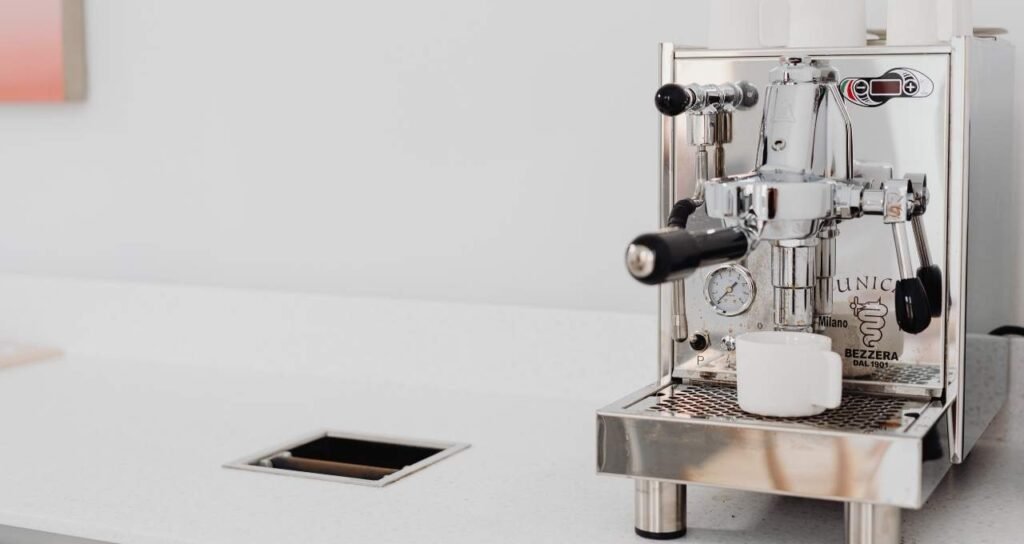
加熱素子は画一的な部品ではありません。その設計と構造は、コーヒーマシンの種類、意図された用途(業務用か家庭用か)、および望まれる性能特性に基づいて大きく異なります。
浸漬型管状ヒーター.
これはボイラーを備えたエスプレッソマシンで最も一般的な設計です。このヒーターは、
多くの場合ステンレス鋼または銅で作られた管状の金属シースで構成され、内部に抵抗コイルが収められています。この素子はボイラーの水溜りに直接浸漬されます。通常、フランジ取り付けまたはボイラーにねじ込まれ、高温ガスケットで密閉されて漏れを防ぎます。その主な利点は、大量の水への直接的で効率的な熱伝達です。 コーヒーメーカー用ヒーター 鋳込み型(ダイカスト)ヒーター.
より高度な解決策は、管状加熱素子をアルミニウムのブロックに直接鋳込むことです。この方法は、サーモブロックや一部の最新のグループヘッドでしばしば採用され、優れた熱伝導性と熱分布を提供します。アルミニウムの塊は非常に効率的なヒートシンクとして機能し、表面全体にわたって均一な温度を保証します。この設計により、コールドスタートからの急速な加熱と、ショット間の優れた温度回復が可能になり、これは高需要環境において重要です。
厚膜ヒーター.
新しい世代の加熱技術を代表する厚膜ヒーターは、抵抗ペーストと誘電ペーストをセラミックまたはステンレス鋼の基板上に層状に印刷して構築されます。このプロセスにより、非常に薄型でコンパクトな設計と、極めて速い熱応答が可能になります。水がその上を流れる際にほぼ瞬時に加熱できるため、オンデマンド給湯器やコンパクトなシングルサーブコーヒーメーカーに理想的です。
【データチャート:加熱素子技術の比較。浸漬型管状、鋳込み型、厚膜ヒーターをいくつかの主要な指標で比較した表。】.
浸漬型管状
| 特徴 | 鋳込み型(ダイカスト) | 中程度から遅い | 厚膜加熱体 |
|---|---|---|---|
| ヒートアップ時間 | 良好(大型ボイラー内) | 速い | 非常に速い |
| 熱安定性 | 良好(流量に依存) | 素晴らしい | エスプレッソマシンボイラー |
| エネルギー効率 | グッド | 非常に良好 | 素晴らしい |
| 耐久性 | 高い | 非常に高い | 中程度 |
| 主な使用事例 | サーモブロック、グループヘッド | オンデマンド、シングルサーブ | 主要な性能指標と材料 |
加熱素子を評価または交換する際には、いくつかの技術仕様が非常に重要です。
電力(ワット数)と電圧.
ワット数は素子の出力と熱を生成する能力を示します。ワット数が高い素子は、与えられた量の水をより速く加熱します。業務用マシンは連続使用に対応するために2000Wから6000Wの定格の素子を備えることが多く、家庭用マシンは通常1000Wから1600Wの範囲です。電圧も同様に重要であり、110V用に設計された素子を230Vの電源に接続すると急速に故障し、その逆も同様です。
シース材料の選択は、性能と寿命の両方に影響を与えます。.
材料構成
ステンレス鋼は優れた耐食性を提供し、.
- これは現代の高品質な 特に硬水の地域で耐久性のある選択肢となります。これはほとんどの高品質用途における標準です。 耐食性, 銅はステンレス鋼と比較して優れた熱伝導性を持ちますが、時間の経過とともに腐食しやすくなります。.
- 優れた熱伝導体ではありますが、銅はステンレス鋼よりも腐食しやすいです。歴史的に使用されてきましたが、現代のほとんどの銅エレメントは保護のためにニッケルメッキが施されています。しかし、ステンレス鋼はその優れた耐久性と不活性性により、現在では主に好まれる材料となっています。 インコロイはニッケル基超合金であり、高温での酸化と腐食に対する卓越した耐性を提供し、高級業務用マシンでよく使用されます。.
- インコロイ®: 一般的な故障モードとトラブルシューティング.
最も堅牢な加熱素子であっても、最終的には故障します。一般的な原因を理解することで、その寿命を延ばし、問題を効果的に診断するのに役立ちます。
スケール(石灰)の蓄積.
これは加熱素子故障の最も一般的な原因です。硬水中のミネラル(炭酸カルシウムと炭酸マグネシウム)が析出し、素子の表面に硬い crusty な層を形成します。このスケールは断熱材として機能し、素子をより激しく動作させ、水に熱を伝達するために過熱させます。この長時間の過熱は、最終的に内部の抵抗線を焼損させます。定期的な
脱灰は、これを防ぐための最も重要なメンテナンス作業です。 デスケーリング 電気的故障(焼損).
空焚き、すなわちボイラー内に水がない状態でマシンを動作させることは、加熱素子を
確実かつ迅速に破壊する方法です。熱エネルギーを吸収する水がないため、素子の温度はほぼ瞬時に急上昇し、内部コイルが溶けて回路が断線します。ヒューズとサーマルカットオフはこれを防ぐために設計されていますが、これらも故障する可能性があります。 電熱線. 腐食と孔食.
水質の悪さ、特に塩化物含有量が高い水やpHバランスが不適切な水は、素子のシースに孔食を引き起こす可能性があります。時間の経過とともに、これらの小さな穴がシースを貫通し、水が内部部品に接触して短絡を引き起こす可能性があります。
技術者または経験豊富なDIY愛好家にとって、故障が疑われる素子のテストは簡単です。.
加熱素子のテスト方法
安全が最優先です:必ず開始前にマシンを電源から切断してください。. Safety is paramount: always disconnect the machine from the power source before beginning.
- ヒータ端子にアクセスします。.
- ヒータに接続されている配線を外します。.
- マルチメータを マルチメーター 導通テスト設定(音響アイコンで示されることが多い)または最低抵抗(Ω)設定に合わせます。.
- 各ヒータ端子にテストリードを1本ずつ当てます。.
- 良い要素だ: マルチメータは音が鳴るか、低い抵抗値(通常5〜30Ω)を示し、回路が完全であることを示します。.
- 不良ヒータ(開放回路): マルチメータは導通なし(音が鳴らない)または無限大の抵抗値(OLまたは「オープンループ」)を示し、内部の電熱線が断線していることを示します。.
- 一方のテストリードを端子に、もう一方をヒータの金属フランジまたは機器のシャーシに当て、アース(接地)短絡をテストします。通常は 連続性がない. があってはなりません。もし導通があれば、ヒータは短絡しており、安全ではありません。.
[データチャート:ヒータ故障診断ガイド。簡単な表形式で、迅速な参照が可能です。]
| 症状 | 考えられる原因 | 解決 |
|---|---|---|
| 機器が加熱しない | ヒータ不良(開放回路) | マルチメータでテストし、不良なら交換します。. |
| GFI/RCDが即時トリップする | ヒータの短絡 | アース短絡をテストし、不良なら交換します。. |
| 加熱時間が遅い | 深刻なスケール(水垢)の堆積 | 徹底的な脱スケール作業を実施します。. |
| お湯が十分に熱くならない | サーモスタットの問題またはヒータのスケール付着 | サーモスタットを確認し、機器の脱スケールを行います。. |
品質と製造基準の重要性
ヒータが故障した場合、機器の安全性、性能、長寿命化のため、高品質な交換部品を選択することが極めて重要です。市場には様々な品質の部品が溢れており、安価で認証のない部品を選ぶと、早期故障や重大な安全上の危険を引き起こす可能性があります。.
確立された 電熱器 メーカー メーカーは、厳格な国際基準を順守します。例えば、この分野で30年以上の経験を持つJinzhoのようなメーカーは、ISO 9001(品質管理)、UL(Underwriters Laboratories)、VDE(VDE試験認証研究所)などの認証を通じて品質への取り組みを示しています。これらの認証は、製品が電気的安全性、材料の完全性、性能の信頼性について厳格なテストを受けていることを保証します。信頼できるメーカーは、単なる部品ではなく、優れたエンジニアリングと安心の保証を提供します。.
よくある質問(FAQ)
1. コーヒーマシンの加熱要素を自分で交換できますか? 加熱要素 自身で行えますか?
機械的・電気的スキルが高い個人にとって、ヒータの交換は可能な作業です。ただし、通電部品の取り扱いと、再組み立て時の防水シールの確保が必要です。安全を最優先にしてください。必ず機器の電源プラグを抜き、完全に水を抜き、少しでも不安がある場合は専門の修理技術者に相談してください。.
2. 加熱要素を保護するために、コーヒーマシンの脱スケールはどのくらいの頻度で行うべきですか? 加熱要素を保護するためには?
脱スケールの頻度は、使用する水の硬度に完全に依存します。軟水を使用するユーザーは、6〜12か月ごとで十分な場合があります。中程度の硬水から非常に硬い水を使用するユーザーは、有害なスケールの堆積を防ぎ、ヒータの寿命を維持するために、1〜3か月ごとの脱スケールを強くお勧めします。.
3. ワット数が高い加熱要素は、より良いコーヒーを意味しますか? 加熱要素はより優れたコーヒーを生み出しますか?
必ずしもそうではありません。ワット数の高いヒータは水を速く加熱するため、商業環境での温度回復には有益ですが、コーヒーの品質に大きな影響を与えるのは、温度制御システム(サーモスタット、PIDコントローラー)の精度と安定性です。精密な制御のない過大なヒータは、目標温度を簡単にオーバーシュートし、苦味の強い、過抽出のコーヒーになる可能性があります。バランスが鍵です。.
結論
その 加熱要素はコーヒーマシンの無名の英雄です. 。完璧な温度で迅速かつ一貫して水を供給するその能力は、素晴らしい一杯のコーヒーが構築される基盤です。その動作原理、利用可能なさまざまな技術、および脱スケールなどの定期的なメンテナンスの重要性を理解することで、ユーザーはマシンが長年にわたって最適に動作することを保証できます。交換が必要になった場合、認証された経験豊富なメーカーのコンポーネントを選択することは、安全性、信頼性、そして卓越したコーヒーを継続して楽しむことへの投資です。.
参考文献
- HowStuffWorks. 「コーヒーメーカーの修理方法」参照元: https://home.howstuffworks.com/how-to-repair-small-appliances3.htm
- Chris’ Coffee. 「コーヒーボイラーヒータ」参照元: https://www.chriscoffee.com/products/rocket-coffee-boiler-heating-element
- Stefano’s Espresso Care. 「エスプレッソマシン用ヒータ」参照元: https://espressocare.com/collections/heating-elements
- Coffee Addicts. 「ヒータ」参照元: https://coffeeaddicts.ca/collections/elements
- Home-Barista.com. 「マルチメータを使ったヒータのテスト」参照元: https://www.home-barista.com/repairs/testing-heating-element-with-multimeter-t58900.html
- Jinzho. 「コーヒーマシンヒータ」参照元: https://jinzho.com/coffee-machine-heating-element/
- Elek-Heat. 「コーヒーマシンヒータ」参照元: https://elekheat.com/coffee-machine-heating-element/