
ベースボードヒーター・エレメント入門ガイド

ベースボードヒーター・エレメント入門ガイド

電気エネルギーを熱に変換するために 電熱線 inside your baseboard heater to deliver steady warmth on cold days. As a core component, it transforms electrical energy into heat, making your space comfortable. 金中電熱 stands out among 発熱体メーカー for producing reliable 家電製品の加熱素子. A failed heating element leads to uneven temperatures and higher energy bills. Recognizing its role helps you maintain a safe and efficient home environment.

Understanding the Heating Element in Baseboard Heaters

Understanding the Heating Element in Baseboard Heaters

Heating Element Definition

発熱体とは

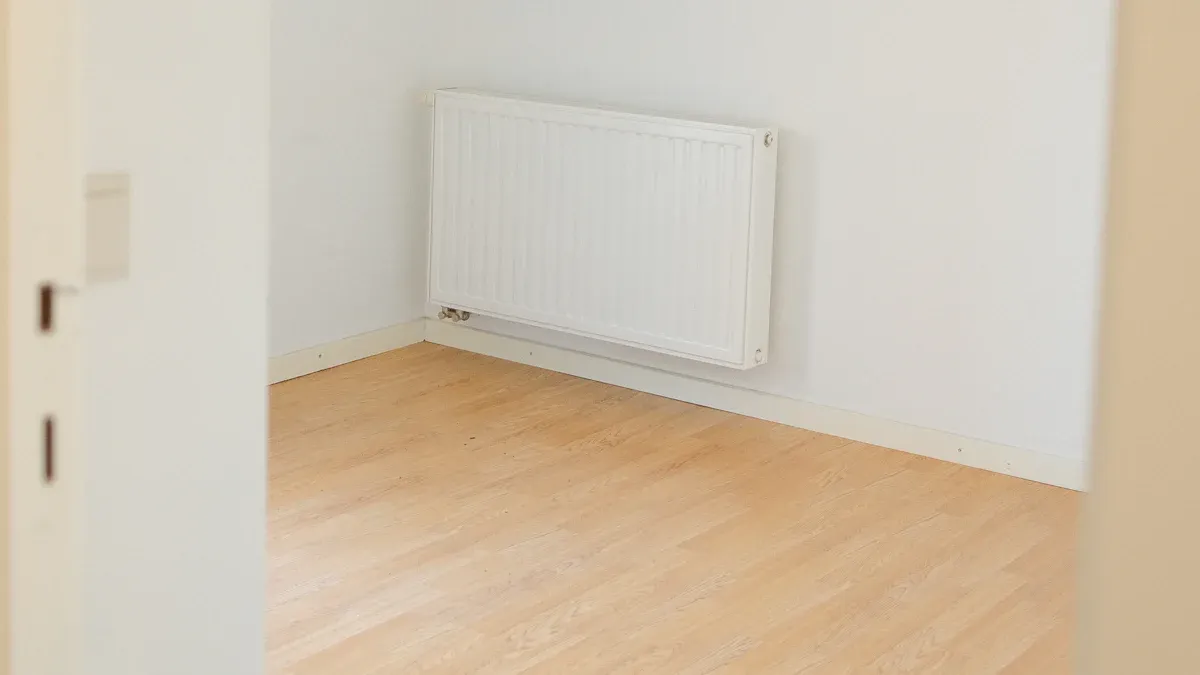
You find the heating element at the heart of every baseboard heater. This component generates heat that warms your room. Electric baseboard heaters use resistive coils, while hydronic models rely on pipes filled with hot water. The heating element transforms energy into warmth, making it essential for effective home heating.

Main Function in Baseboard Heaters

The heating element works with other parts to deliver consistent heat. Here is a breakdown of the main components that define a baseboard heater:

成分説明
加熱エレメントThe core part that generates heat; electric systems use resistive elements, while hydronic systems use pipes filled with hot water.
サーモスタットControls the heating system by monitoring room temperature and signaling the heating element to operate.
Baseboard UnitHouses the heating element, typically made of metal, and installed along the floor to maximize heating efficiency.
Reflective BackingEnhances efficiency by reflecting heat back into the room, minimizing heat loss.
Heat Distribution FinsIncrease surface area for heat transfer, ensuring even warmth throughout the room.
End Caps and CoversProvide a finished look and protect the heating element from dust and debris, ensuring safety.

You see how each part supports the heating element’s function and improves overall performance.

How the Heating Element Works

Simple Operation Explained

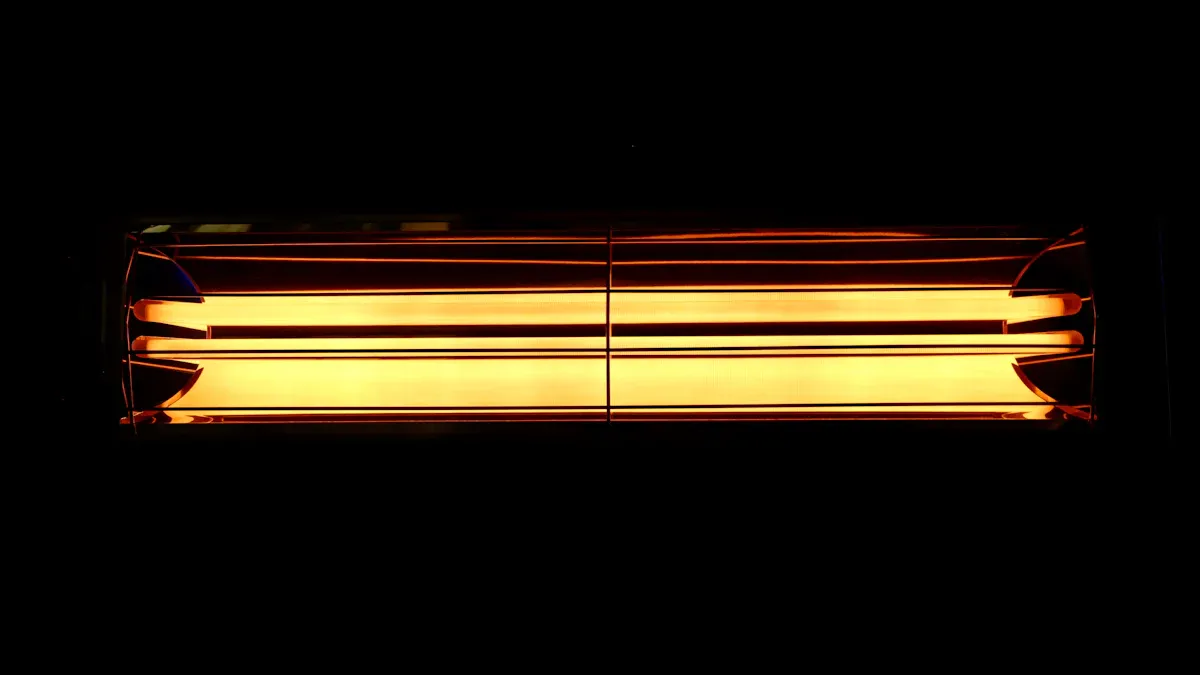
You activate the baseboard heater, and electricity flows through the heating element. The resistance in the coil causes energy loss, which appears as heat. This process, known as Joule heating, converts electrical energy into thermal energy. As electrons move through the coil, they collide with atoms, causing vibrations that produce heat.

  • Electricity flows through the heating element, and resistance generates heat.
  • Electron collisions with atoms in the coil transfer energy, causing vibrations and heat.
  • Joule heating explains the conversion of electrical energy to thermal energy.

Heat Distribution Process

Once the heating element produces heat, the baseboard unit and heat distribution fins spread warmth throughout your room. The fins increase the surface area, allowing more heat to transfer into the air. Reflective backing pushes heat away from the wall and back into your living space. You benefit from even temperatures and improved comfort.

Tip: Position your baseboard heater along exterior walls to maximize heat distribution and reduce cold spots.

Importance of the Heating Element

Effect on Heating Performance

A well-maintained heating element ensures your baseboard heater operates efficiently. You experience optimal heat transfer and steady air circulation. If the heating element becomes dirty or damaged, you notice reduced heating performance and higher energy consumption. Regular inspection and cleaning help maintain efficiency.

  • A clean heating element provides better heat transfer and air movement.
  • Dirt or damage leads to lower performance and increased energy use.

安全への配慮

You must pay attention to safety when using baseboard heaters. Malfunctioning heating elements can pose serious hazards. Placing flammable objects too close to the heater increases the risk of fire. Inspectors often cite baseboard heaters as fire hazards if combustible items are nearby. Both electric and hydronic heaters operate at temperatures that can affect surrounding materials.

Note: Always keep furniture, curtains, and other flammable items at least several inches away from your baseboard heater.

Types of Heating Elements for Baseboard Heaters

Baseboard heaters use two main types of heating elements: electric convection and hydronic. You can see how they compare in the table below.

タイプ説明
Electric ConvectionUses electricity to warm air, creating a natural convection current for consistent room heating.
HydronicUtilizes hot water or oil for heating, generally more energy-efficient and retains heat longer.

電気加熱素子

How Electric Heating Elements Work

You find electric heating elements in many baseboard heaters. These elements use electricity to heat a metal coil or plate. When you turn on the heater, current flows through the coil. The coil resists the flow, which produces heat. The heated coil warms the air around it, and the warm air rises, creating a convection current that spreads heat throughout your room.

Materials used in electric heating elements include nickel-chromium alloys and iron-chromium-aluminum. Manufacturers often enclose the coil in a metallic sheath, such as steel or stainless steel, with magnesium oxide insulation for safety and durability.

素材の種類説明
AlloysNickel-chromium, iron-chromium-aluminum, and refractory metals.
Sheathed HeatersHeating coils enclosed in a metallic sheath with magnesium oxide insulation.
シース材質Steel, copper-coated steel, Incoloy®, Inconel®, and stainless steel.

Pros and Cons of Electric Heating Elements

You benefit from simple installation and low maintenance with electric baseboard heaters. These heaters only need an electrical connection. You can expect a lifespan of 3年から10年 for the heating element, depending on usage and care. With proper installation and regular cleaning, the entire heater may last up to 20 years.

長所だ:

  • Quick heating response
  • 簡単な取り付け
  • Low maintenance

短所だ:

  • May use more energy in larger spaces
  • Shorter heat retention compared to hydronic systems

Tip: Regular cleaning extends the lifespan of your electric heating element.

Hydronic Heating Element

How Hydronic Heating Elements Work

Hydronic baseboard heaters use a different approach. You rely on hot water or oil that circulates through pipes inside the heater. The liquid absorbs heat from a boiler or central system, then releases it slowly into your room. This process provides steady warmth and retains heat longer than electric coils.

Pros and Cons of Hydronic Heating Elements

Hydronic systems offer greater energy efficiency, especially in larger rooms. The liquid inside the pipes holds heat well, so the heater cycles on and off less often. You need to maintain the boiler and pumps regularly, which increases maintenance needs.

長所だ:

短所だ:

  • More complex installation (requires plumbing)
  • Higher maintenance due to boiler and pump servicing

Note: Hydronic heaters need regular checks to keep the system running smoothly.

Comparing Electric vs. Hydronic Heating Elements

Efficiency and Cost Comparison

You notice differences in efficiency and cost between electric and hydronic baseboard heaters. Hydronic units maintain warmth longer and use less energy over time. Electric heaters heat up faster but may cycle more often.

  • Electric hydronic baseboard heaters keep rooms warm longer than standard electric heaters.
  • Hydronic units use liquid to retain heat, resulting in lower energy consumption.
ヒータータイプAverage Installation CostAverage Operating Cost (Monthly)
電気$400 – $650$50 – $60
Hydronic$450 – $700More efficient but requires a boiler

メンテナンスの必要性

You spend less time maintaining electric baseboard heaters. Hydronic systems require more frequent checks and servicing of boilers and pumps. Electric heaters need only occasional cleaning and inspection.

Reminder: Choose a heating element based on your room size, budget, and willingness to perform regular maintenance.

Signs Your Heating Element Needs Attention

ヒーター・エレメントの不具合による一般的な症状

No Heat or Low Heat Output

You may notice your baseboard heater fails to warm the room as expected. If you set the thermostat to a higher temperature but the heater does not respond, this often signals a problem. Sometimes, the heater produces only a small amount of warmth or none at all. Malfunctions in the thermostat can also cause improper temperature control. When your heater cannot reach the desired temperature, you should consider the possibility of a 不良発熱体. Visible signs of damage or wear on the element itself serve as critical indicators that something is wrong.

Strange Noises or Smells

Unusual sounds, such as buzzing, popping, or clicking, can point to internal issues. These noises may result from loose connections or damaged components inside the heater. You might also detect odd smells, like burning dust or plastic. Persistent odors suggest overheating or electrical faults. If you notice these symptoms, turn off the heater and inspect it before further use.

Checking for Heating Element Problems

Visual Inspection Steps

You can perform a basic inspection without special tools. Start by turning off the power to the heater. Once the unit cools, remove the cover and look for obvious signs of trouble.

  • Inspect for damage: Look for cracks, corrosion, or loose connections on the element.
  • Ensure proper airflow: Make sure furniture or curtains do not block the heater.
  • Check thermostat functionality: Confirm the thermostat senses room temperature accurately.

Tip: Always wait for the heater to cool before touching any internal parts.

Simple Testing Methods

You can test the heater’s function by adjusting the thermostat and observing the response. If the heater remains cold or heats unevenly, the element may have failed. For electric models, you may use a non-contact voltage tester to check for power at the terminals. If you feel unsure about electrical testing, stop and seek professional help.

加熱素体の問題で専門家を呼ぶべきタイミング

Safety Risks

Attempting to repair a burnt-out heating element on your own can create safety hazards. You risk electrical shock or fire if you do not follow proper procedures. Overheating often points to wiring problems or component damage. These situations require immediate attention from a qualified technician.

Complex Problems

Some issues go beyond simple fixes. If you find persistent problems after basic checks, or if the heater trips circuit breakers, call a professional. Technicians have the expertise and tools to diagnose and repair complex faults safely.

Note: Professional service ensures your heater operates safely and efficiently.

How to Choose and Replace a Heating Element

How to Choose and Replace a Heating Element

Selecting the Right Heating Element

Matching Element Type to Heater Model

You need to match the replacement part to your specific baseboard heater model. Electric and hydronic heaters use different components, so always check your owner’s manual or the manufacturer’s label. If you feel uncertain, consult an HVAC professional. This step ensures you avoid compatibility issues and maintain safe operation.

When selecting a replacement, consider these factors:

  • Efficiency and environmental impact
  • Your budget for both purchase and long-term use
  • Future property plans, such as renovations or upgrades
  • Advice from HVAC professionals
  • The installation process and safety requirements

Considering Wattage and Size

Choosing the correct wattage and size is essential for optimal performance. The wattage determines how much heat your unit can provide. If you select a unit that is too small, your room may feel cold and force you to raise the thermostat, which increases your energy bill. If you choose a unit that is too large, you may waste energy.

Follow these steps to estimate the right size:

  1. Measure your room’s length and width to find the square footage.
  2. Multiply the square footage by 10 watts if your home has good insulation.
  3. Adjust the wattage upward for high ceilings, poor insulation, or if the heater is your main heat source.

A 240V baseboard heater can deliver more power without overloading your circuits, making it a good choice for larger spaces.

Tip: Even heat distribution helps prevent cold spots and keeps your energy costs in check.

Safety Precautions for Heating Element Replacement

Turning Off Power or Water

Before you begin any work, always turn off the power supply at the breaker panel. For hydronic systems, shut off the water supply. Use a voltage tester to confirm that no electricity flows to the wires. This step protects you from electrical shock.

Using Proper Tools

Gather the right tools before starting. You may need a screwdriver, pliers, and a voltage tester. Inspect the wiring for damage or corrosion before you proceed. Make sure the new part matches your existing electrical circuit to prevent overloads.

Note: Safety comes first. Never skip these steps.

Step-by-Step Heating Element Replacement Guide

古いヒーターエレメントの取り外し

  1. Turn off the power or water supply.
  2. Remove the heater’s cover using a screwdriver.
  3. Disconnect the wiring or piping from the old element.
  4. Carefully slide out the old part.

新しいヒーターエレメントの取り付け

  1. Insert the new part into the heater.
  2. Reconnect the wiring or piping, following the manufacturer’s instructions.
  3. Replace the cover and secure it.
  4. Restore power or water and test the heater for proper operation.

Callout: If you encounter any difficulties or notice damaged wiring, stop and contact a licensed technician.

When to Seek Help with Heating Element Replacement

Difficulties During Replacement

You may feel confident starting a heating element replacement, but certain challenges can quickly complicate the process. Some issues require specialized knowledge or tools that go beyond basic DIY skills. If you encounter any of the following problems, you should consider reaching out to a professional:

  • Hot & Cold Spots: You might notice uneven heating after replacement. Blockages from clothes, draperies, or even dust can restrict airflow and create temperature inconsistencies. If you clear obstructions and still experience these issues, the problem may lie deeper within the system.
  • 電気的問題: Blown fuses or tripped breakers often signal underlying electrical faults. If you restore power and the heater still fails to operate, you risk electrical shock or further damage by continuing without proper expertise.
  • Soot or Smoke Emissions: Dirt or debris on the heating element can burn, producing smoke or soot. If cleaning does not resolve the issue, internal damage may exist. Persistent emissions can also indicate a faulty installation or a compromised element.
  • Inconsistent Temperatures: If your heater cannot maintain the set temperature, the internal thermostat or wiring may have issues. You may find that the heater cycles on and off unpredictably, which can reduce comfort and efficiency.

ヒント If you feel uncertain at any step or notice unusual symptoms, stop immediately. Safety should always come first.

You should also seek help if you encounter corroded wiring, damaged connectors, or if the replacement part does not fit your heater model. Attempting to force incompatible parts can lead to further complications or void your warranty.

保証とサポート

You protect your investment by understanding your heater’s warranty and available support options. Most manufacturers offer warranties that cover defects in materials or workmanship. If you attempt a replacement yourself and damage the unit, you may void this coverage.

Before starting any repair, check your warranty documentation. Many brands require that a licensed technician perform repairs or replacements to maintain warranty validity. If your heater is still under warranty, contact the manufacturer or an authorized service provider for guidance.

Warranty AspectWhat You Should Do
Coverage PeriodVerify if your heater is still covered.
Authorized ServiceUse approved technicians for repairs.
Documentation NeededKeep receipts and service records.

注: Manufacturer support teams can answer questions about compatible parts, installation procedures, and troubleshooting. You gain peace of mind and ensure safe operation by following their recommendations.

If you feel unsure about any part of the replacement process, professional help ensures your baseboard heater operates safely and efficiently.

Maintenance Tips for Heating Element Longevity

Regular Cleaning of Heating Elements

Dust and Debris Removal

Dust and debris can quickly accumulate on your baseboard heater, reducing efficiency and increasing fire risk. You should clean the outer surface regularly with a soft cloth or a vacuum cleaner attachment. For the interior, use a vacuum with a brush attachment to remove dust from the fins and hard-to-reach areas. A handheld steam cleaner can help loosen stubborn debris on the fins, but always lay down towels to absorb moisture and avoid direct contact with electrical components. Keeping your heater clean ensures optimal airflow and heat transfer.

Tip: Never use water or wet cloths directly on electrical parts. Always allow the unit to cool before cleaning.

Cleaning Schedule

Establishing a cleaning schedule helps you maintain consistent performance. Clean the outer surfaces at least once a month during the heating season. For a deeper clean, address the interior and fins every few months or at the start and end of each season. Regular cleaning not only extends the lifespan of your heating element but also keeps your home safer.

Inspection and Testing of Heating Elements

Checking for Wear and Tear

Routine inspections allow you to spot problems before they become serious. Look for visible damage, such as cracks, corrosion, or loose connections. Examine the wires and thermostat for signs of wear. Early detection of these issues helps you avoid costly repairs and maintain safe operation.

Simple Performance Checks

そうすべきである。 implement a regular inspection and monitoring schedule. Weekly or monthly checks help you identify potential issues early. Test the heater by adjusting the thermostat and observing the response. If you notice uneven heating or the unit fails to turn on, further investigation may be necessary. Timely repairs ensure your heater remains efficient and safe.

  • Inspect for visible damage or electrical faults.
  • Test the thermostat calibration once a year using an independent thermometer.
  • Ensure no furniture or curtains block airflow.

Preventing Common Heating Element Problems

Avoiding Overuse

Overusing your baseboard heater can shorten its lifespan. Set your thermostat to a reasonable temperature and avoid running the heater continuously. Use timers or programmable thermostats to manage heating cycles efficiently.

Monitoring for Early Warning Signs

Stay alert for early warning signs such as unusual noises, persistent odors, or inconsistent temperatures. Inspect electrical components annually and check for obstructions around the heater. Addressing these issues promptly reduces the likelihood of major problems and keeps your system running smoothly.

Note: Preventive maintenance, including regular cleaning and inspection, is the most effective way to protect your heating element and ensure reliable performance.

Safety and Efficiency Best Practices for Heating Elements

Safe Operation of Heating Elements

Keeping Flammable Items Away

You protect your home by keeping flammable items away from your baseboard heater. Place furniture, curtains, and other combustibles at least several inches from the unit. This simple step reduces fire risk and helps the heater work efficiently. You should also use baseboard heater covers to shield children and pets from hot surfaces. Regularly clean these covers to prevent dust buildup, which can lower efficiency and create hazards.

ヒント Always follow the manufacturer’s guidelines for safe clearance and operation.

Proper Use of Thermostats

You control room temperature and energy use with your thermostat. Set the thermostat to a comfortable level and avoid frequent adjustments. Use programmable or digital thermostats for better accuracy and efficiency. This practice prevents overheating and extends the life of your heating element. Schedule professional inspections to ensure your thermostat and heater work together safely.

  • Use a thermostat to regulate temperature and avoid overheating.
  • Schedule periodic inspections for safety and optimal performance.
  • Educate family members about safe thermostat use.

Improving Heating Element Energy Efficiency

Using Timers and Controls

You can boost efficiency by installing timers or programmable thermostats. These devices let you set heating schedules that match your daily routine. Zone heating, where you only heat occupied rooms, saves energy and lowers costs. Choose digital controls for precise temperature management.

Insulation and Room Setup

You improve comfort and reduce energy loss by sealing drafts around windows and doors. Add insulation to walls and floors to keep heat inside. Arrange furniture to allow free airflow around the heater. Avoid blocking the unit with rugs or heavy drapes. Clean your baseboard heater regularly to ensure efficient heat transfer.

  • Seal cracks and gaps to decrease drafts.
  • Optimize insulation to prevent heat loss.
  • Keep the area around the heater clear for proper airflow.

注: Upgrading to energy-efficient models or hydronic systems can further reduce your energy bills.

Troubleshooting Heating Element Issues

Quick Fixes for Minor Problems

You can solve many minor issues with simple steps:

  • Inspect connections and valves for leaks or loose fittings. Tighten as needed.
  • Check for obstructions like furniture or curtains blocking the heater.
  • Clean and straighten radiator fins with a vacuum brush or needle-nose pliers.
  • Test the thermostat using a multimeter or follow your manual’s instructions.
  • Bleed hydronic systems to remove airlocks and restore hot water flow.

These actions help restore performance and prevent bigger problems.

When to Upgrade Your Heating Element

You should consider an upgrade if you notice persistent issues, rising energy bills, or outdated equipment. Newer models offer better efficiency and safety features. Look for heaters with Energy Star certification or advanced controls. Consult a professional if you feel unsure about the best replacement for your home.

Regular maintenance and timely upgrades keep your heating system safe, efficient, and reliable.


You play a vital role in maintaining your baseboard heater’s performance and safety. Remember these key points:

  • Power off the unit before cleaning or maintenance.
  • Allow hydronic heaters to cool before servicing.
  • Clean regularly to prevent dust buildup and improve efficiency.
  • Keep the area around the heater clear of obstructions.
  • Schedule annual inspections with a qualified technician.

Professional support ensures safe installation and reliable operation.

サービスタイプベネフィット
Expert WiringSafe electrical connections
年次点検潜在的問題の早期発見
適時修理損傷の拡大防止

ご自身の快適さと安全を守るため、本日より対策を講じましょう。.

よくあるご質問

ベースボードヒーターの発熱体の標準的な寿命はどの程度ですか?

ほとんどの発熱体の寿命は5年から10年と予想されます。寿命は使用頻度、メンテナンス、および発熱体の品質に依存します。定期的な清掃と点検は稼働寿命の延長に寄与します。.

ベースボードヒーターの発熱体は自身で交換可能ですか?

基礎的な電気知識があり安全対策を遵守する場合、自身での交換が可能です。作業前には必ず電力または給水を遮断してください。不安がある場合は、資格を有する技術者に連絡して支援を依頼してください。.

ベースボードヒーターの発熱体はどのくらいの頻度で清掃すべきですか?

暖房シーズン中はヒーター外装を月に1回清掃すべきです。内部及びフィンは数か月ごとに徹底清掃してください。定期的な清掃は埃の堆積を防ぎ効率を向上させます。.

ベースボードヒーター発熱体の故障原因は何ですか?

過熱、電気的故障、腐食、物理的損傷により故障が発生する可能性があります。埃や異物も性能低下の要因となります。定期的なメンテナンスは一般的な問題の大半を防止します。.

ベースボードヒーターを一晩中稼働させることは安全ですか?

可燃物を遠ざけ、正常作動するサーモスタットを使用する条件下で、一晩中の稼働が可能です。火災リスク低減のため、製造元の安全ガイドラインを常に遵守してください。.

加熱要素を交換する必要があるかどうかはどうすればわかりますか?

熱出力の低下、異音、持続的な臭気を感知した場合。外観点検で損傷や腐食が確認されることもあります。清掃後も問題が継続する場合は、発熱体の交換を検討してください。.

ハイドロニック式ベースボードヒーターは電気式モデルよりエネルギー効率が優れていますか?

ハイドロニック式ヒーターは長時間熱を保持し、作動頻度が低くなります。広い空間ではエネルギー消費削減の恩恵があります。電気式モデルは速熱性に優れますが、長期的にはより多くのエネルギーを消費する可能性があります。.

ベースボードヒーターにはどのワット数を選ぶべきですか?

部屋の平方フィート数に10を乗算してワット数を算出します。断熱性が低い場合や天井が高い場合は上方調整してください。適切なワット数は効率的な暖房を確保し、エネルギー浪費を防止します。.

Mari Chengの写真

マリ・チェン

皆さん、こんにちは、私は金中電熱技術の「電熱担当」の成真理です。私たちの工場は電熱部品に携わって30年になり、国内外1000社以上のお客様とお取引させていただいております。以下のブログでは、電熱部品の本当の知識、工場での生産ストーリー、お客様の本当のニーズについてお話します。何か質問があれば、コメントするか、直接私を突いてください。

お困りですか?

ご不明な点がございましたら、お気軽にお問い合わせください。また、最新のお見積もりと無料サンプルもご提供いたします。